Why did the US Navy choose the F-35C when the F-35B is easier to take off from the USS Abraham Lincoln?

F-35C offers superior range, larger internal payload capacity, and compatibility with catapult launch systems. Unlike the vertical-landing F-35B, the C variant carries more fuel and heavy munitions, making it the ideal choice for long-range stealth missions at sea.
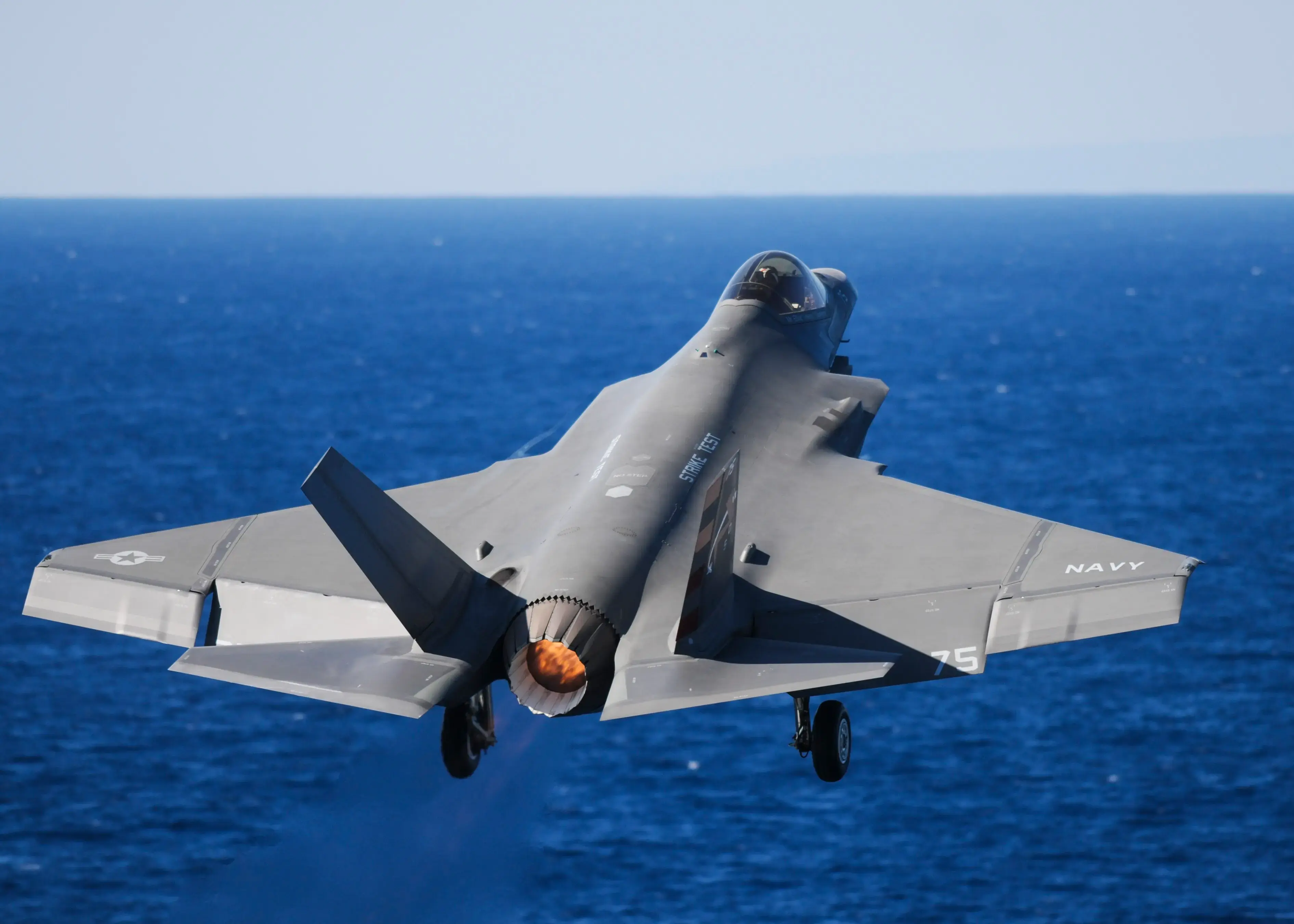
Designed for the Catapult
The US Navy uses supercarriers equipped with powerful catapults that launch aircraft at high speeds. The F-35C is the only variant designed with a reinforced nose gear specifically to handle the intense force of these catapult launches. This allows the jet to take off with a full load of fuel and heavy weapons, something the vertical-takeoff F-35B cannot do efficiently. The F-35B does not have a launch bar to connect to these catapults.
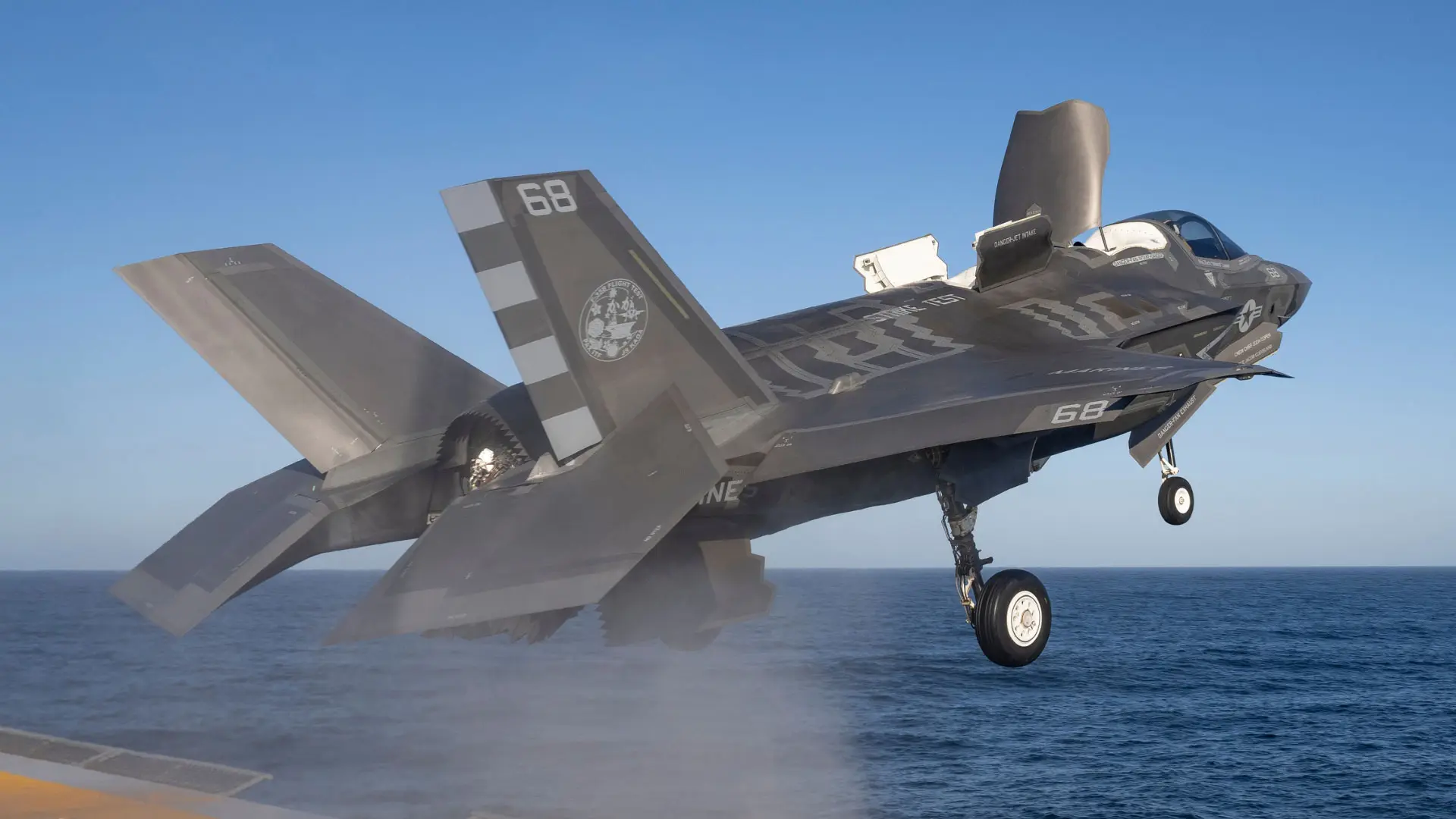
The Range Advantage
Naval operations require jets to fly long distances to keep the carrier safely out of enemy missile range. The F-35C carries nearly 9,000 kilograms of internal fuel, giving it a combat radius of over 600 nautical miles. In contrast, the F-35B sacrifices fuel space for its vertical lift fan, significantly reducing its range. This extra fuel allows the F-35C to strike targets deep inland and return without needing immediate aerial refuelling.
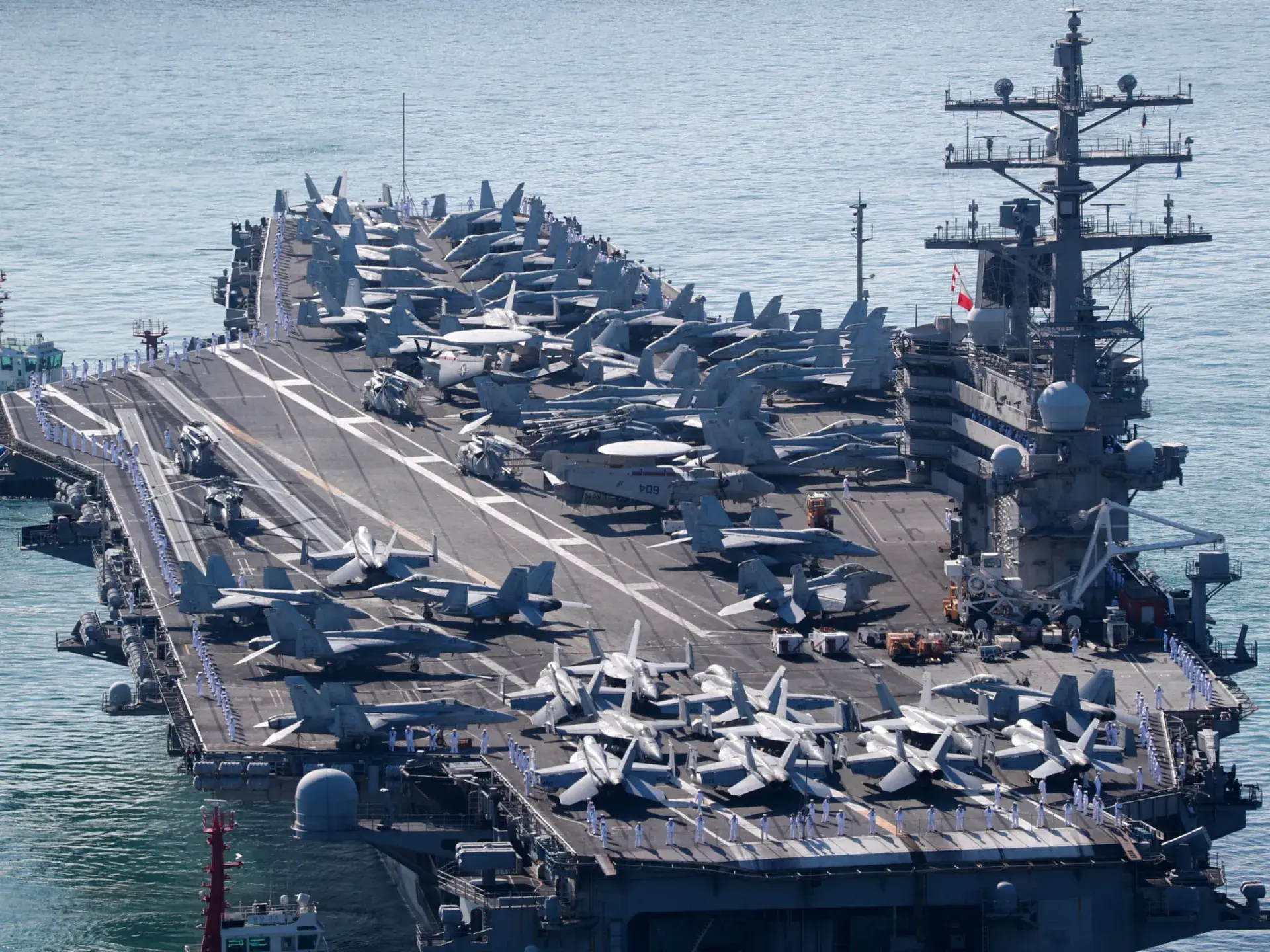
Carrying Heavier Firepower
The F-35C features larger internal weapons bays compared to the F-35B. It can carry 2,000-pound class weapons, such as the GBU-31 JDAM, internally while maintaining stealth. The F-35B is limited to smaller 1,000-pound bombs inside its bays because the vertical lift fan takes up critical fuselage space. For the Navy, delivering a harder knockout punch was a non-negotiable requirement.
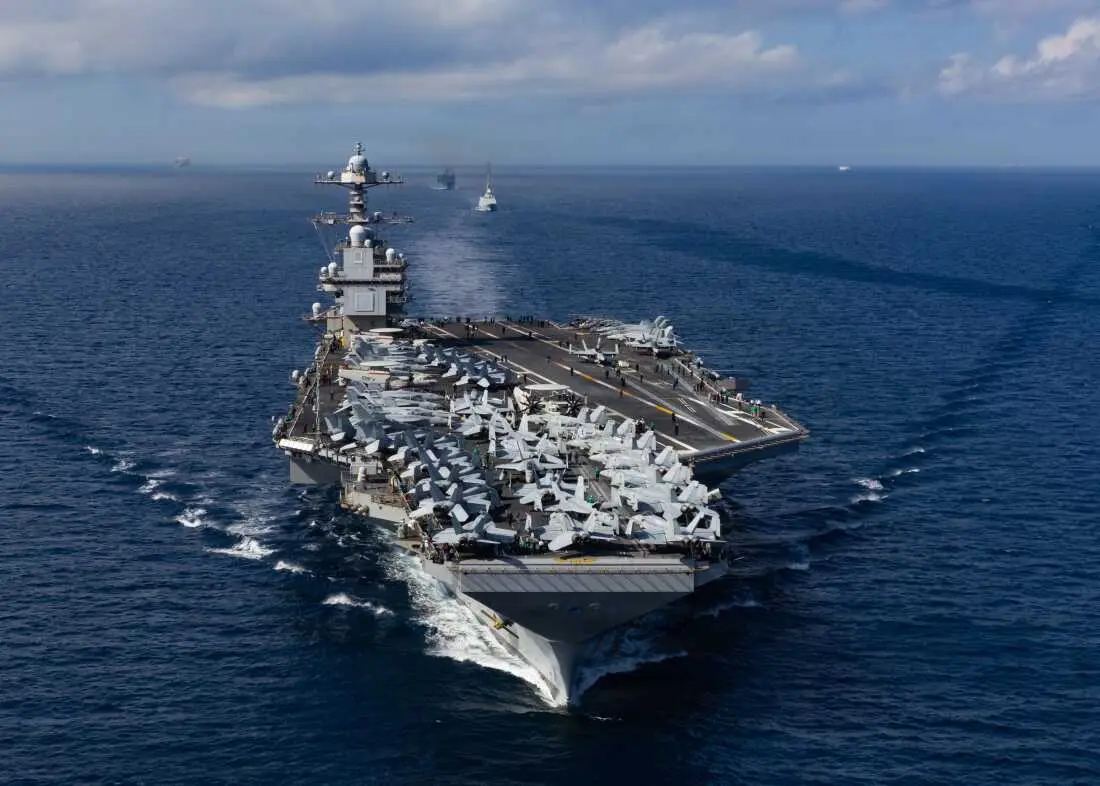
Larger Wings for Stability
You can instantly spot an F-35C by its wings, which are significantly larger than those on the A or B variants. These larger wings provide extra lift, allowing the pilot to approach the carrier deck at slower, safer speeds during landing. This control is vital when trying to land a fast jet on a moving ship in rough seas. The wingtips also fold up to save precious parking space on the crowded flight deck.
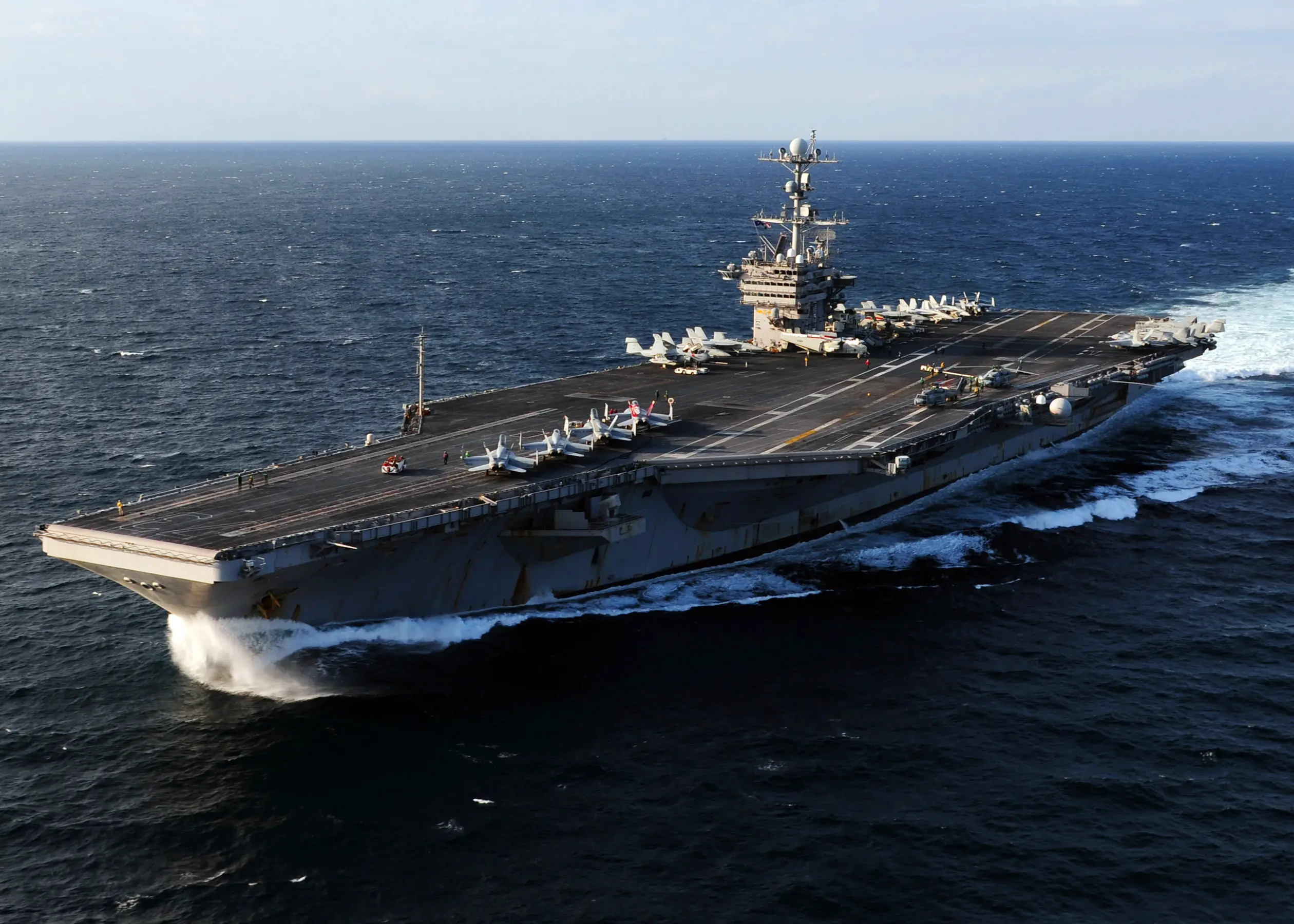
The Dead Weight Problem
The F-35B carries a massive lift fan behind the cockpit to enable vertical landing. Once the jet transitions to forward flight, this fan becomes dead weight that contributes nothing to the mission. The F-35C avoids this penalty, using that same internal volume for fuel and avionics. This efficiency makes the C variant more aerodynamic and capable for high-endurance combat patrols.
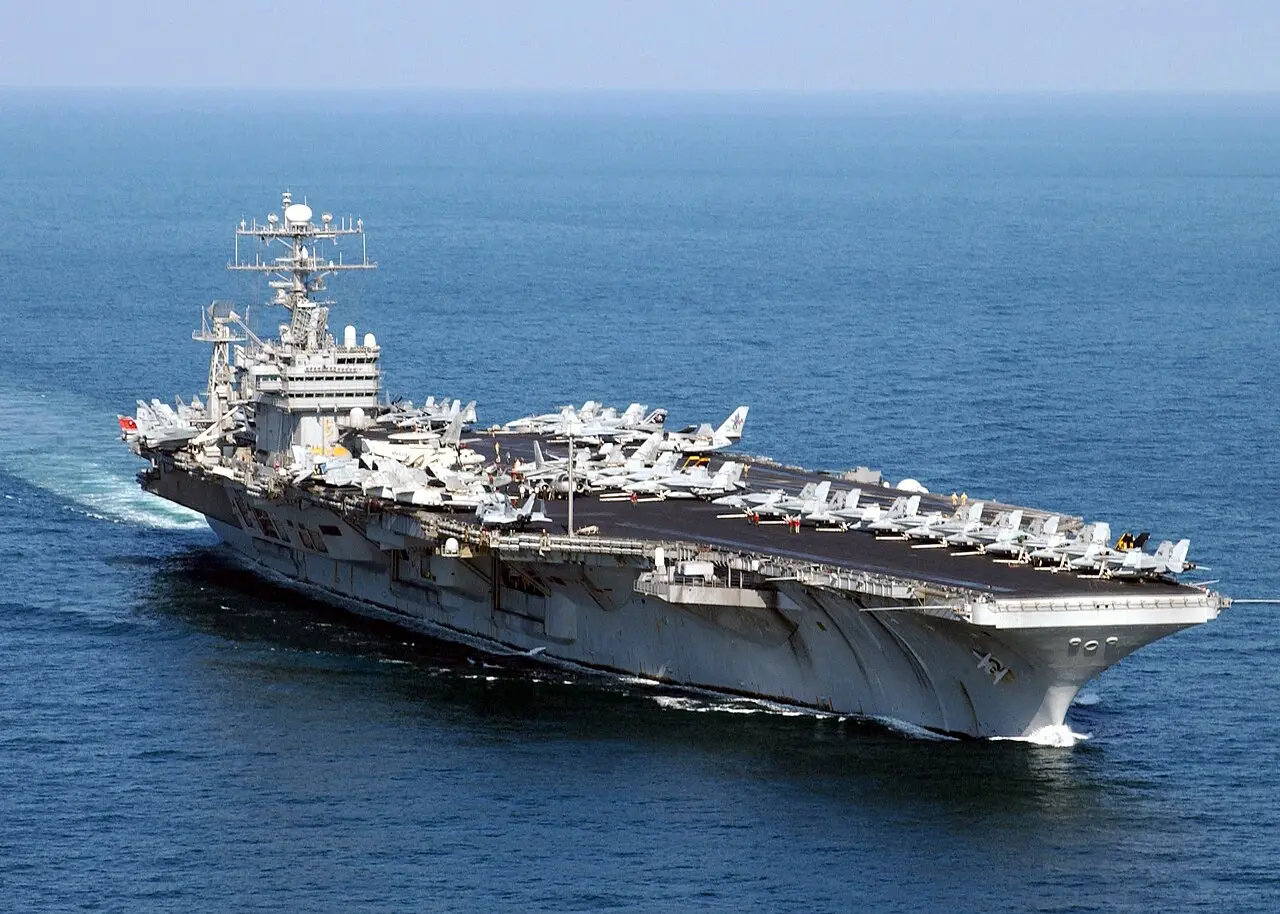
Arresting Gear Durability
Landing on a carrier is often described as a "controlled crash," and the F-35C is built to take the hit. It features a heavy-duty tailhook and strengthened landing gear designed to catch the arresting wires on the deck. The F-35B relies on vertical thrust to land slowly and does not have a tailhook suitable for standard carrier arresting gear. The Navy’s recovery system relies on these wires to stop heavy jets quickly.
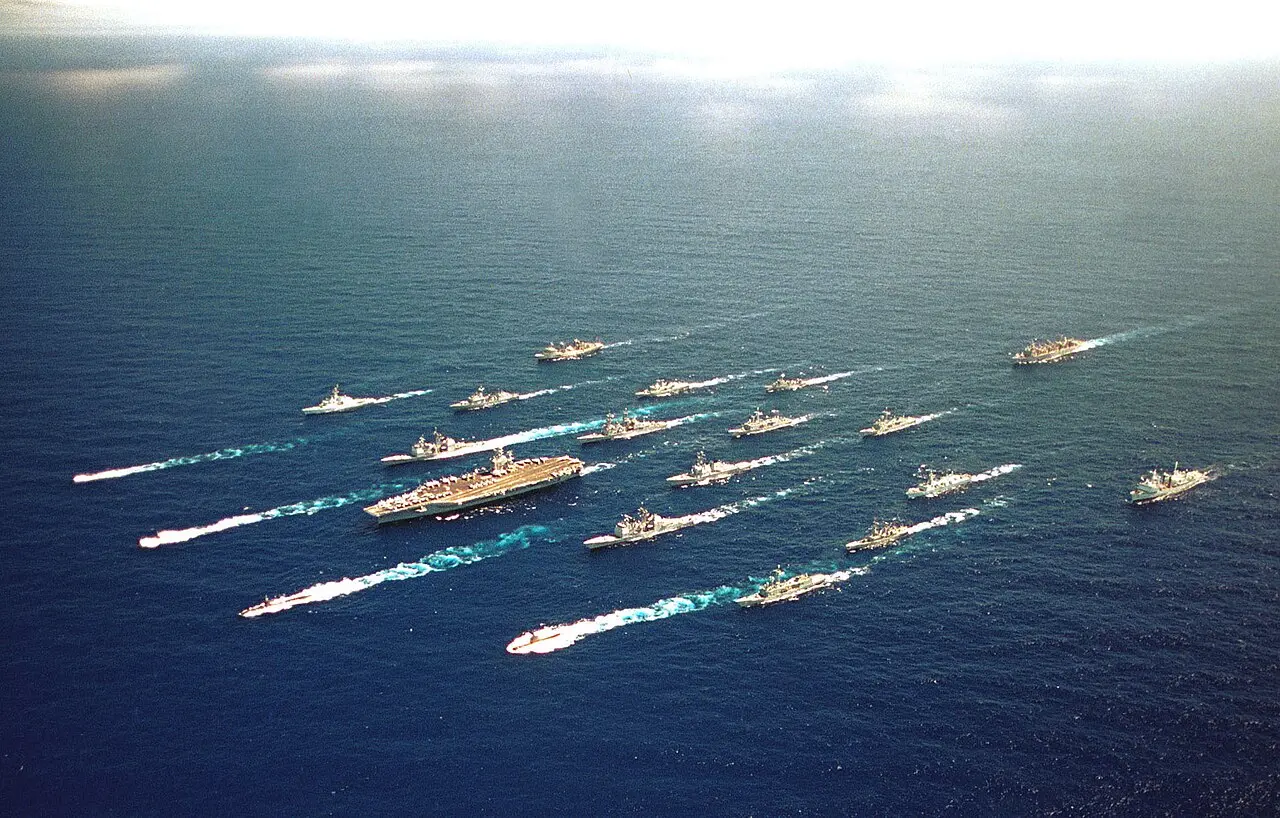
Stealth Without Compromise
To maintain stealth, an aircraft must carry all its weapons internally. Because the F-35C has bigger internal bays, it can carry heavy anti-ship or bunker-busting munitions without exposing them on external pylons. The F-35B would often have to carry such heavy weapons on its wings, which increases its radar cross-section and makes it visible to enemy radar. The C variant keeps the Navy stealthy and lethal.
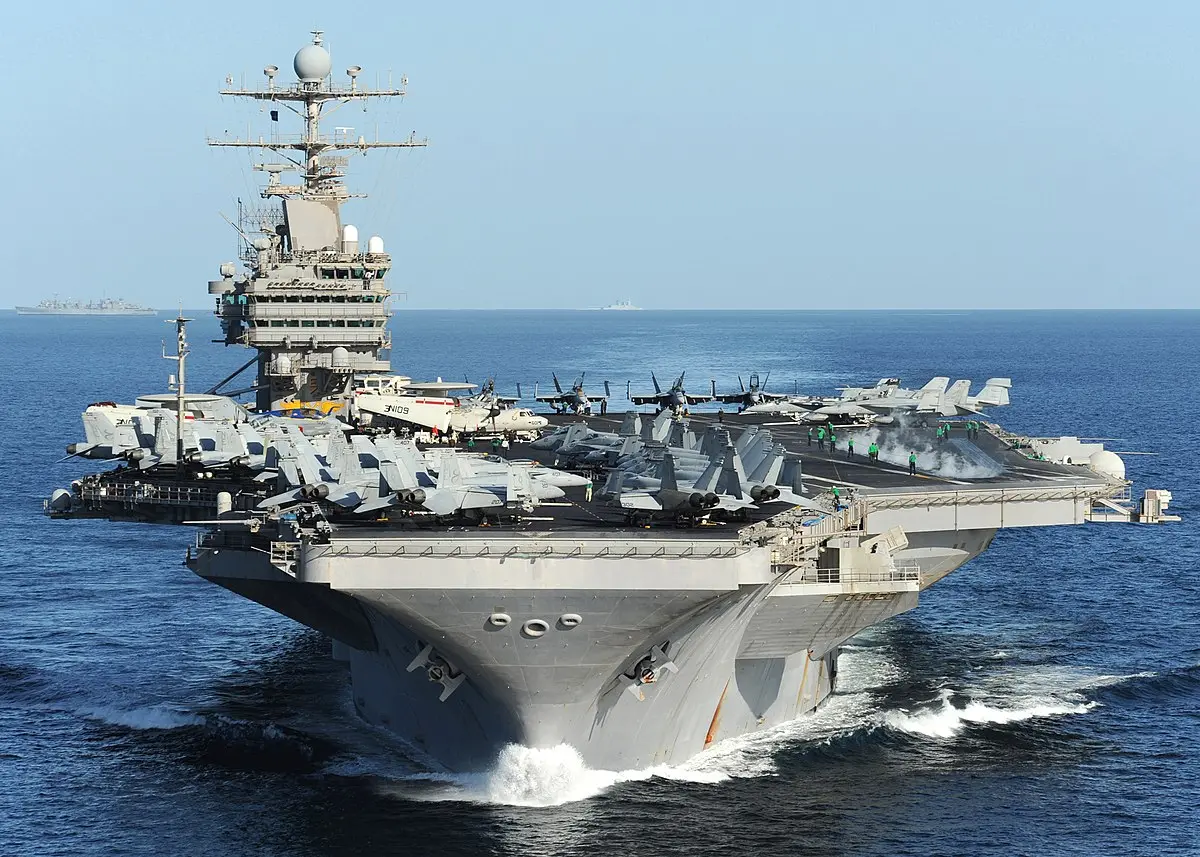
Cost and Maintenance
The vertical lift system on the F-35B is an incredibly complex piece of machinery that requires intensive maintenance. By choosing the F-35C, the Navy avoids the extra mechanical headaches and costs associated with maintaining a lift fan and swivelling exhaust nozzle. The F-35C is simpler in terms of propulsion, making it slightly more affordable to operate over the jet's lifetime compared to the complex B variant.
Mission Profile Differences
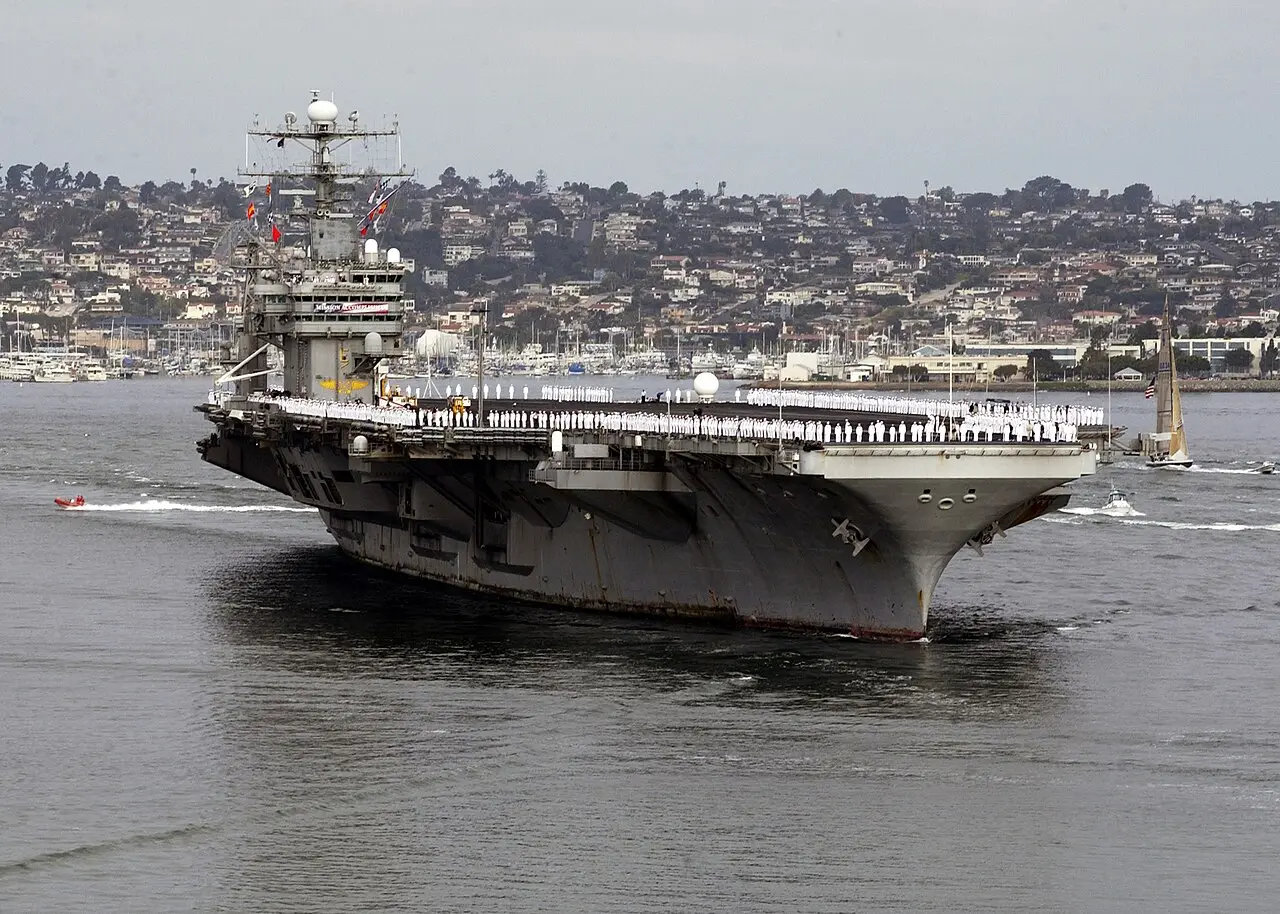
The US Marine Corps uses the F-35B for close air support from smaller amphibious assault ships near the frontline. The US Navy has a different mission: projecting power across oceans and establishing air dominance. The F-35C was tailored for this "first day of war" role, where penetrating advanced enemy air defences is the priority. Its superior performance metrics align perfectly with the strategic goals of a carrier strike group.
Future-Proofing the Fleet
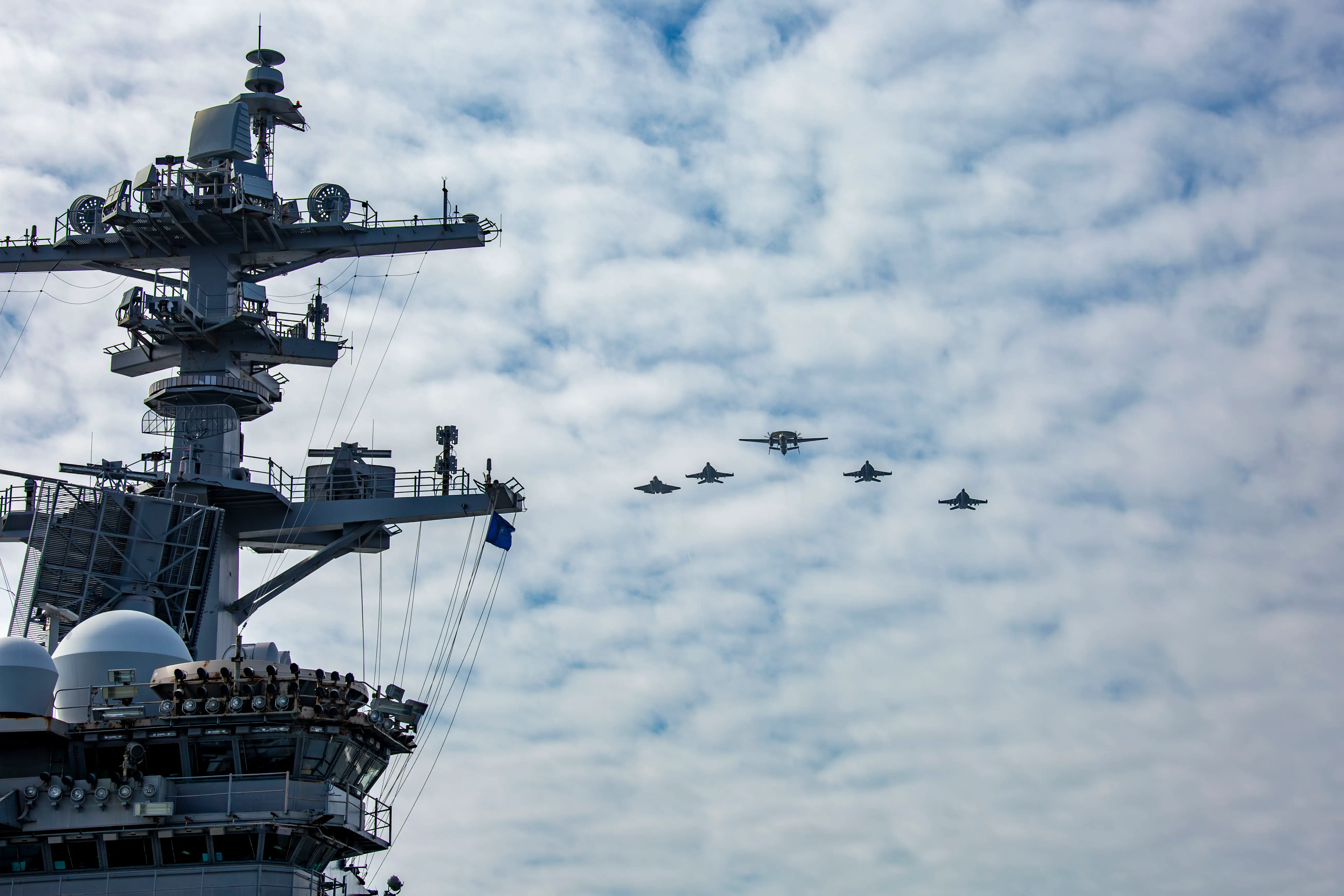
The F-35C serves as the quarterback of the carrier air wing, gathering and sharing data with other assets like the F/A-18 Super Hornet and E-2D Hawkeye. Its design allows for future upgrades in sensors and weapons that the space-constrained F-35B might struggle to accommodate. By selecting the C variant, the Navy ensured its carriers would remain relevant and dominant threats well into the 2040s and beyond.

)
)

)