Why did Russia modify its S-400 systems?

Ukraine recently destroyed an S-400 launcher deep inside Russian territory, scoring another major win with one of its drones. Reports suggest that Moscow has modified its S-400 systems to add certain advantages that could help it attack Ukraine more effectively.
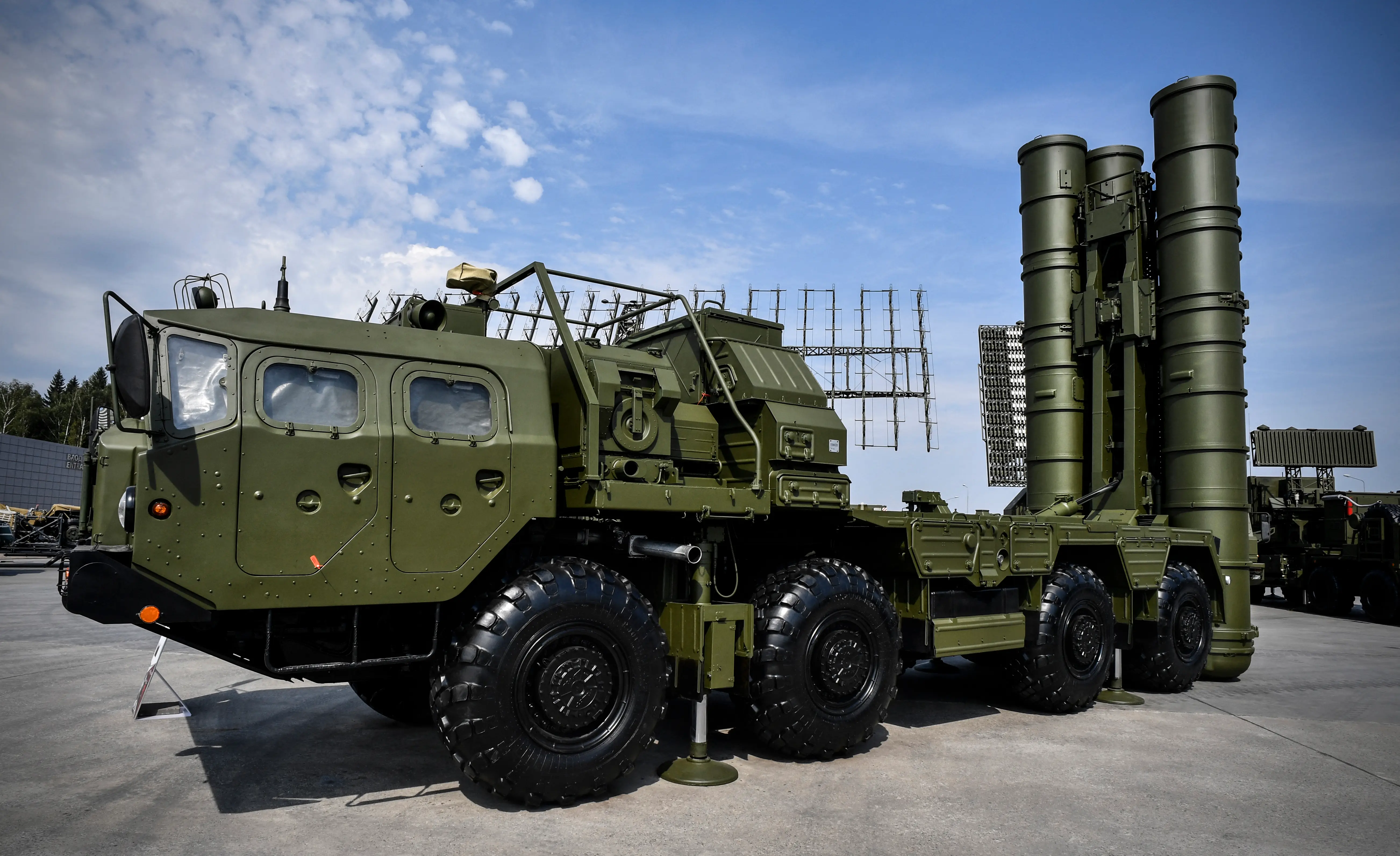
Ukraine destroys S-400 launcher in Russia
The Russian S-400 long-range air defence system was modified to add new ballistic missile strike capability and can now launch RM-48U missiles against ground targets. On the night of August 9, Ukrainian strike drones destroyed an S-400 launcher deployed near Gelendzhik. The specific battery was targeted after it allegedly launched six surface-to-air/ballistic missiles into Ukrainian territory earlier the same day.
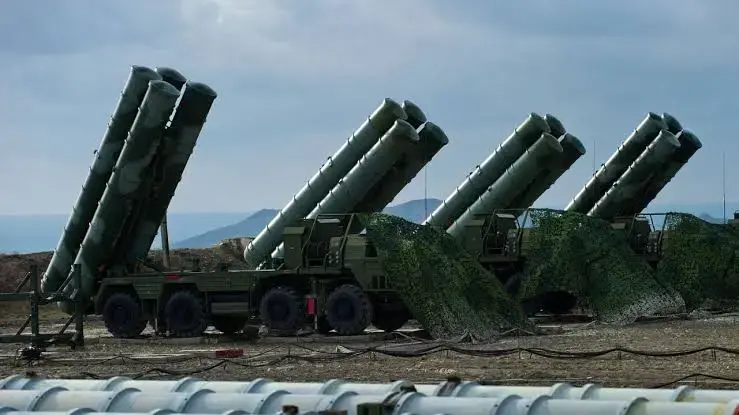
Russia has modified S-400 missile systems
According to reports, Russia has modified its S-400 systems to perform secondary offensive strikes against Ukrainian ground targets. The S-400 can fire RM-48U missiles, derived from the 48N6 interceptor family, in a ballistic trajectory mode. These strikes reach speeds of over Mach 6 and strike Ukraine's industrial infrastructure. They are a cheaper ground-attack alternative to primary ballistic and cruise missiles.
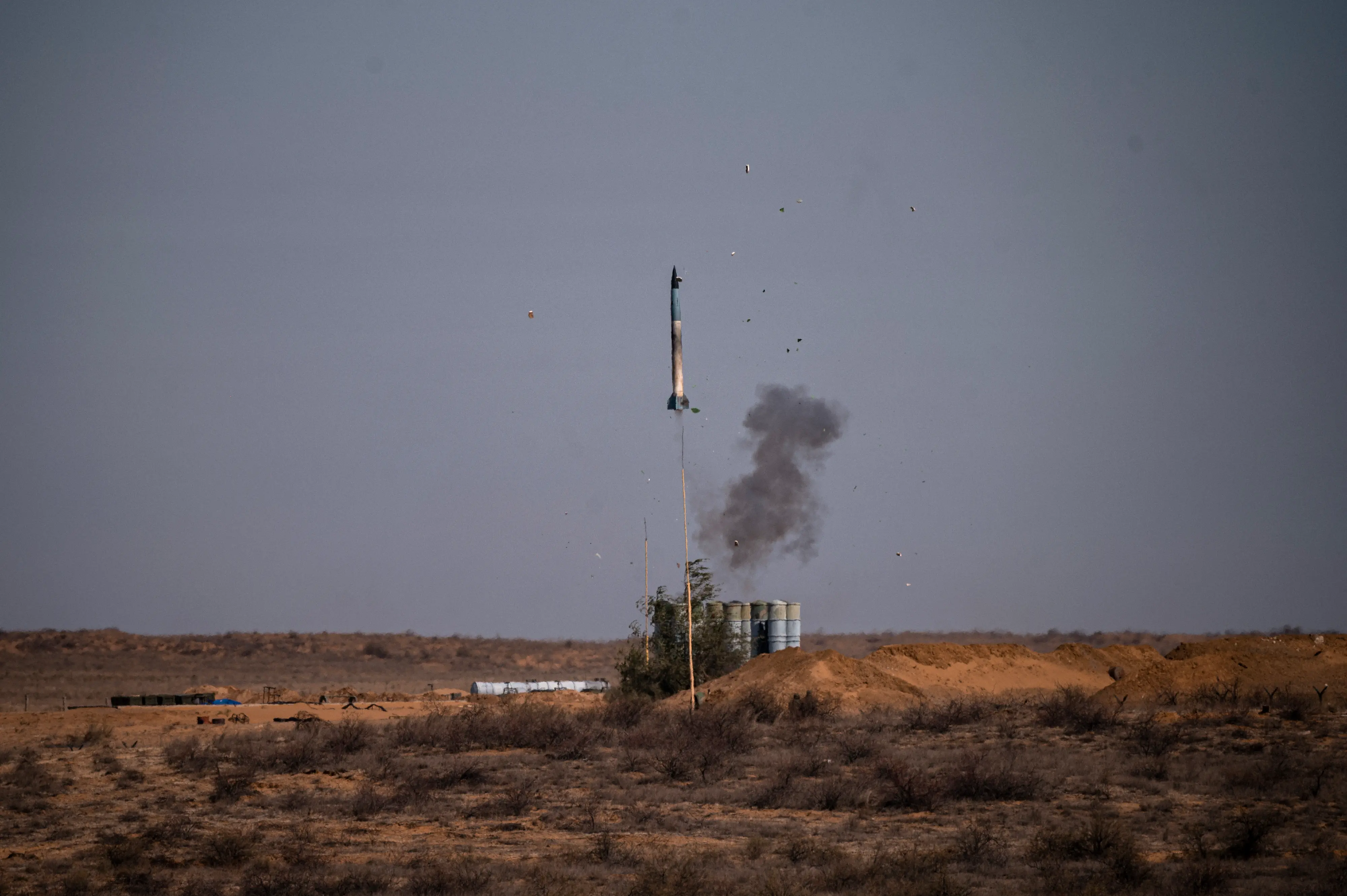
Russia can save its high-value ballistic missiles
The changes to S-400 were made to address specific strategic, tactical, and economic needs. The modification allows Russia to preserve its high-value ballistic & cruise stockpiles. Dedicated precision strike weapons like the Iskander-M ballistic missile and Kalibr/Kh-101 cruise missiles are expensive, and producing them also depletes a huge amount of resources. Repurposing S-400 interceptors lets Russia conduct heavy strike missions without running out of its primary strike-missile inventories.
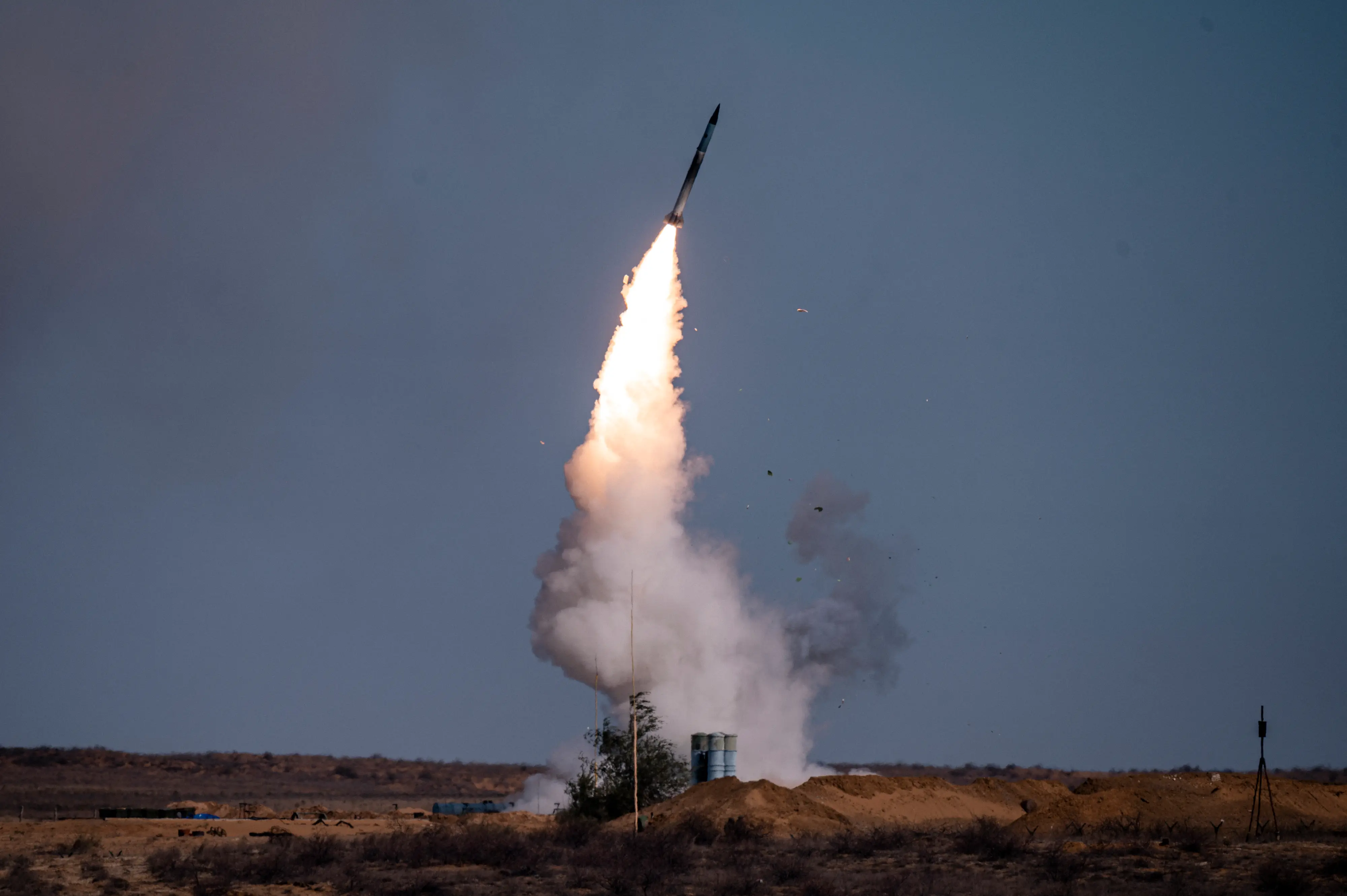
S-400 offers a low-cost alternative
Russia has large domestic inventories of 48N6-series interceptor missiles, which were built for S-300 and S-400 systems. Modifying older or surplus stock into ground-attack munitions offers a low-cost, readily available alternative.
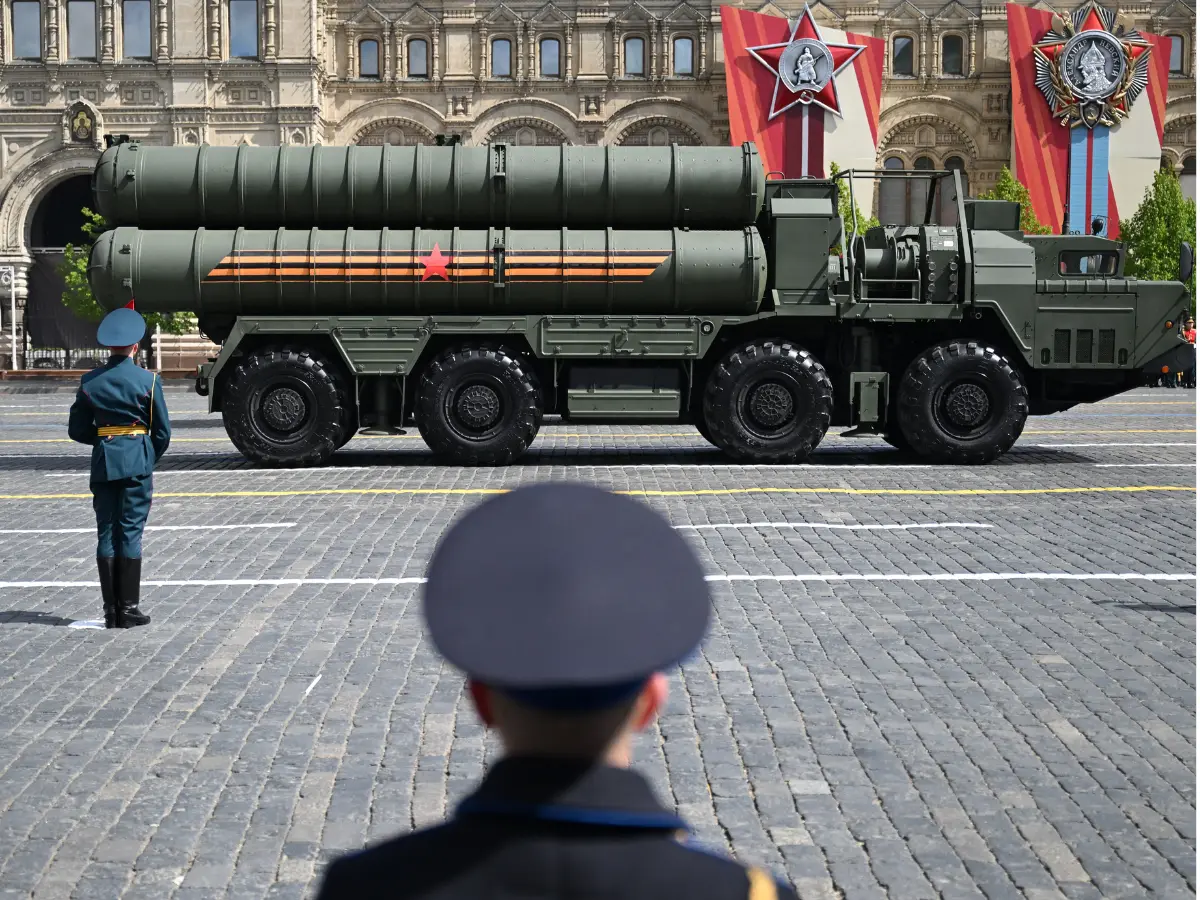
S-400 offers benefit of extreme velocity
Modified S-400 missiles fly on an unguided or semi-ballistic trajectory at speeds exceeding Mach 6. This extreme speed leaves the enemy with very little reaction time and almost no warning to save its ground targets. The 48N6 missile carries a large high-explosive fragmentation warhead (roughly 143 kg / 315 lbs). While it lacks GPS-level precision when fired in a ballistic secondary mode, it acts as a devastating area-denial weapon against large industrial complexes, staging grounds, or urban infrastructure.
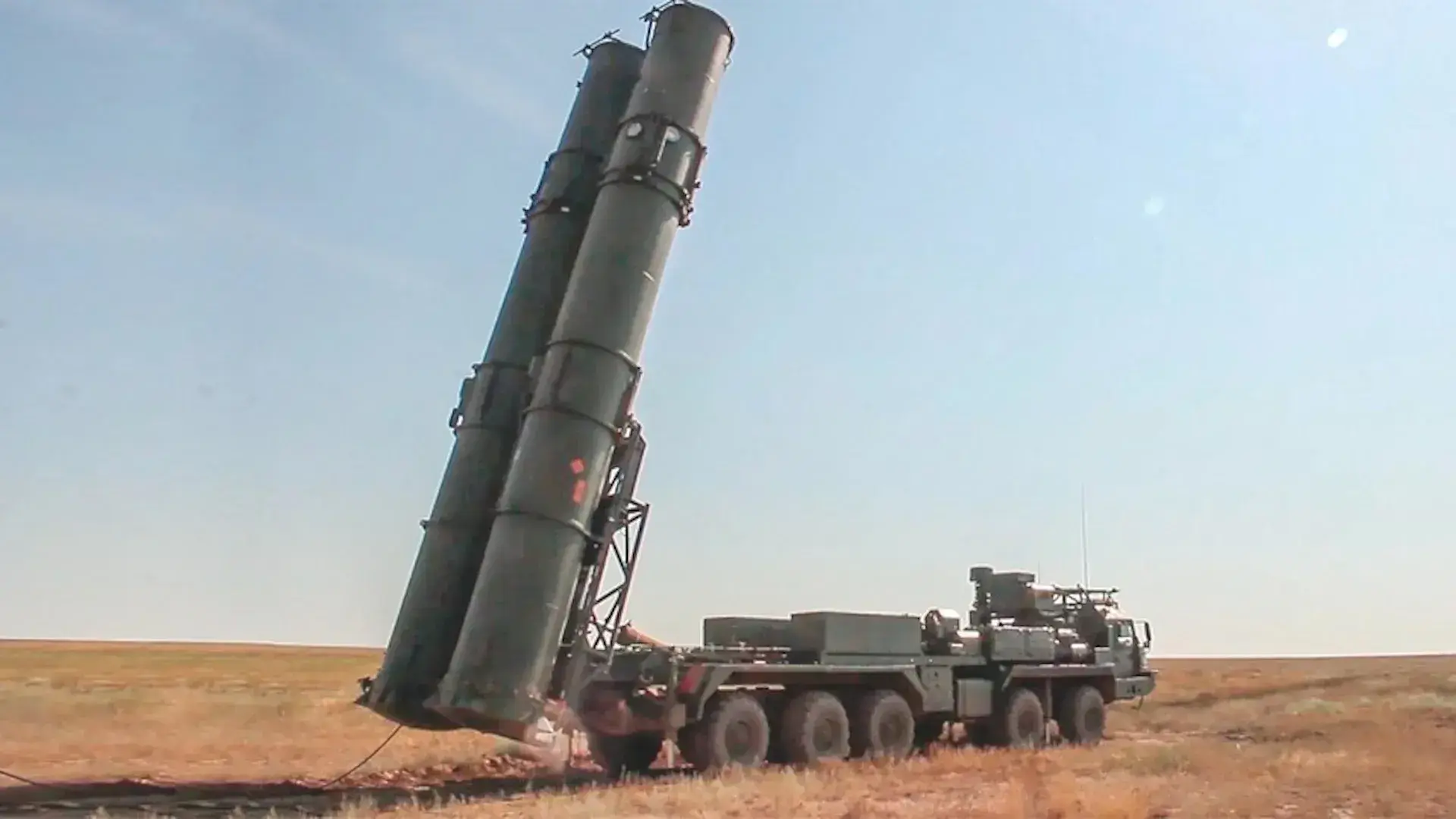
S-400 offers a devastating weapon
Russia's S-400 Triumf uses modified interceptors like the 48N6 / RM-48U series. The 48N6 missile carries a large high-explosive fragmentation warhead weighing roughly 143 kg. This causes it to act as a devastating area-denial weapon against large industrial complexes, staging grounds, or urban infrastructure.
)
)
)
)
)