Why did England once banned Christmas? Understanding Puritan's control of the island

England's Puritan Parliament banned Christmas in 1644, viewing it as a pagan tradition. The holiday remained illegal for 15 or nearly 16 years until the monarchy was restored in 1660.
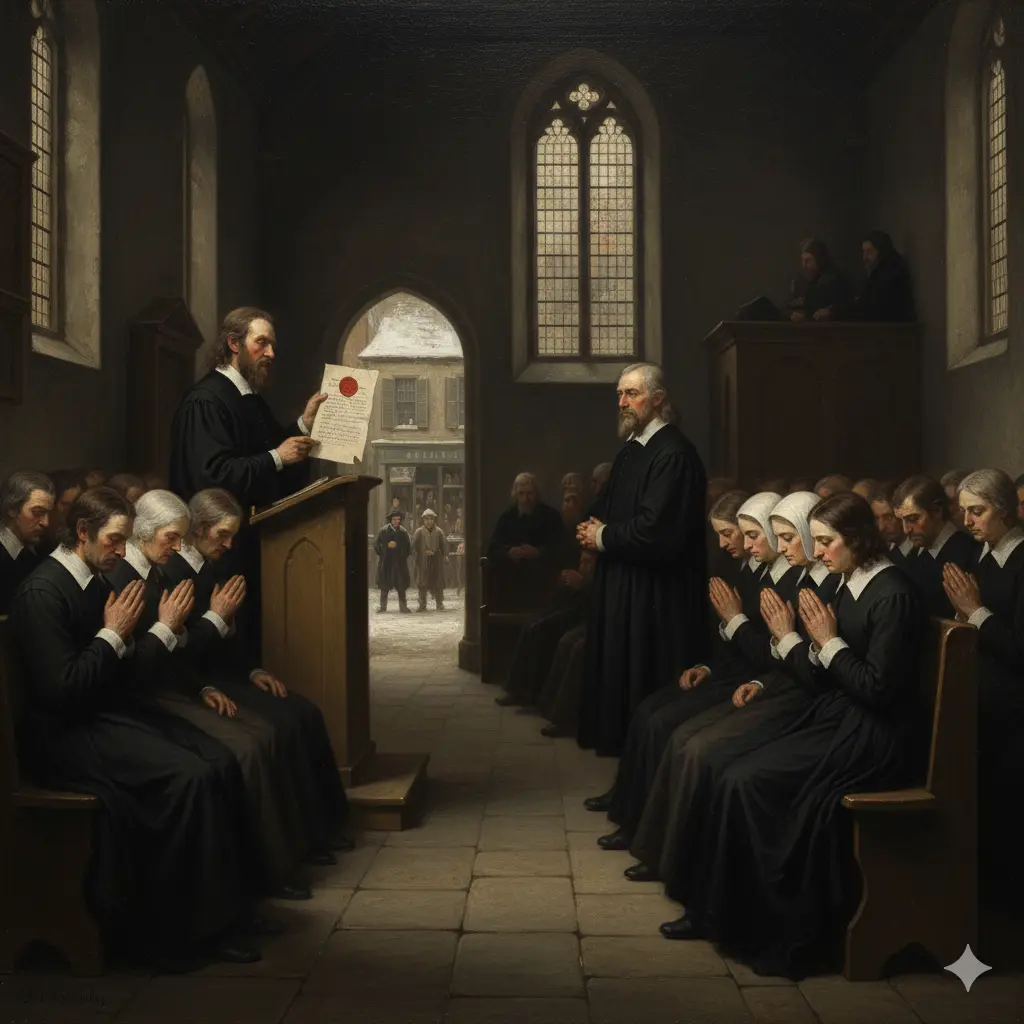
The legal ban of 1644
In 1644, the English Parliament passed a strict ordinance officially banning Christmas celebrations. The Puritan leaders ordered that December 25 should be observed as a day of fasting and penance instead.
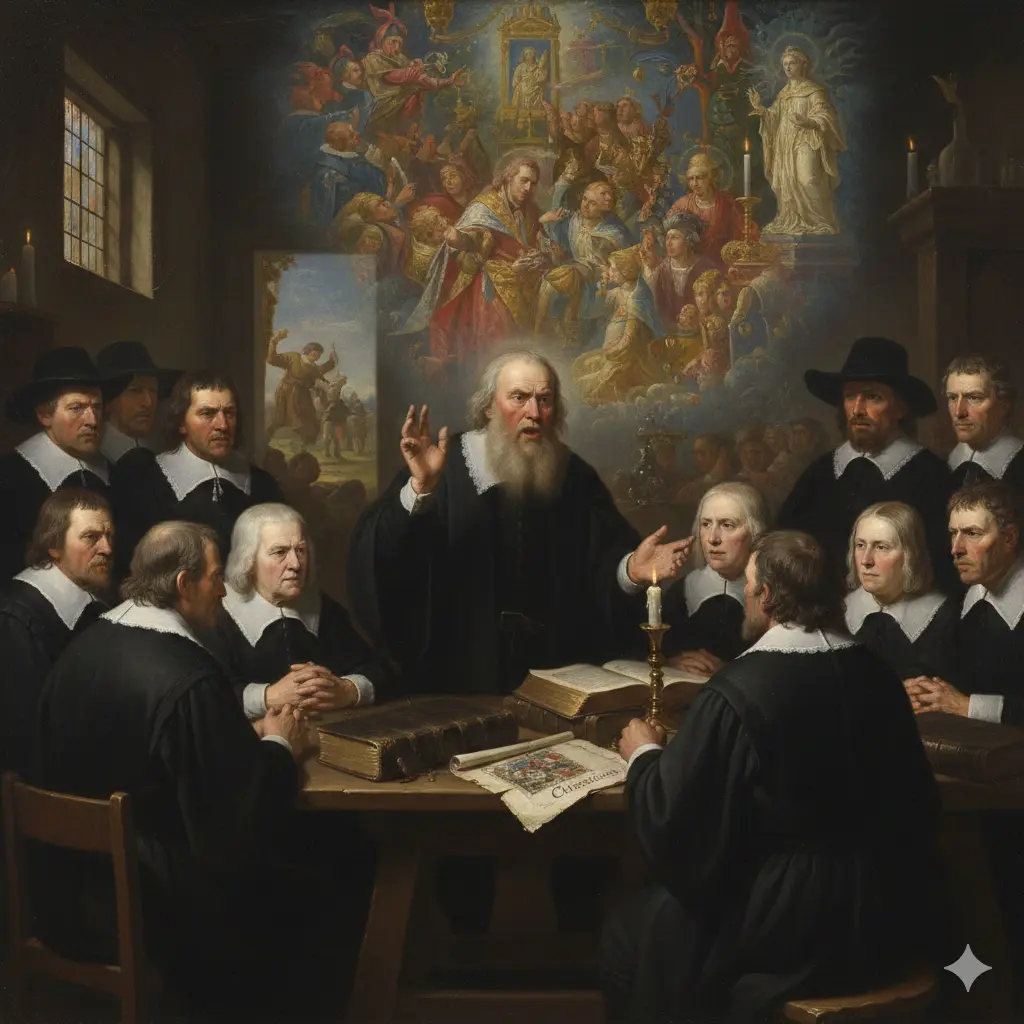
Puritan religious objections
The Puritans believed Christmas had no biblical basis and was too closely linked to Roman Catholic traditions. They viewed the celebration as a human invention that distracted people from true spiritual devotion.
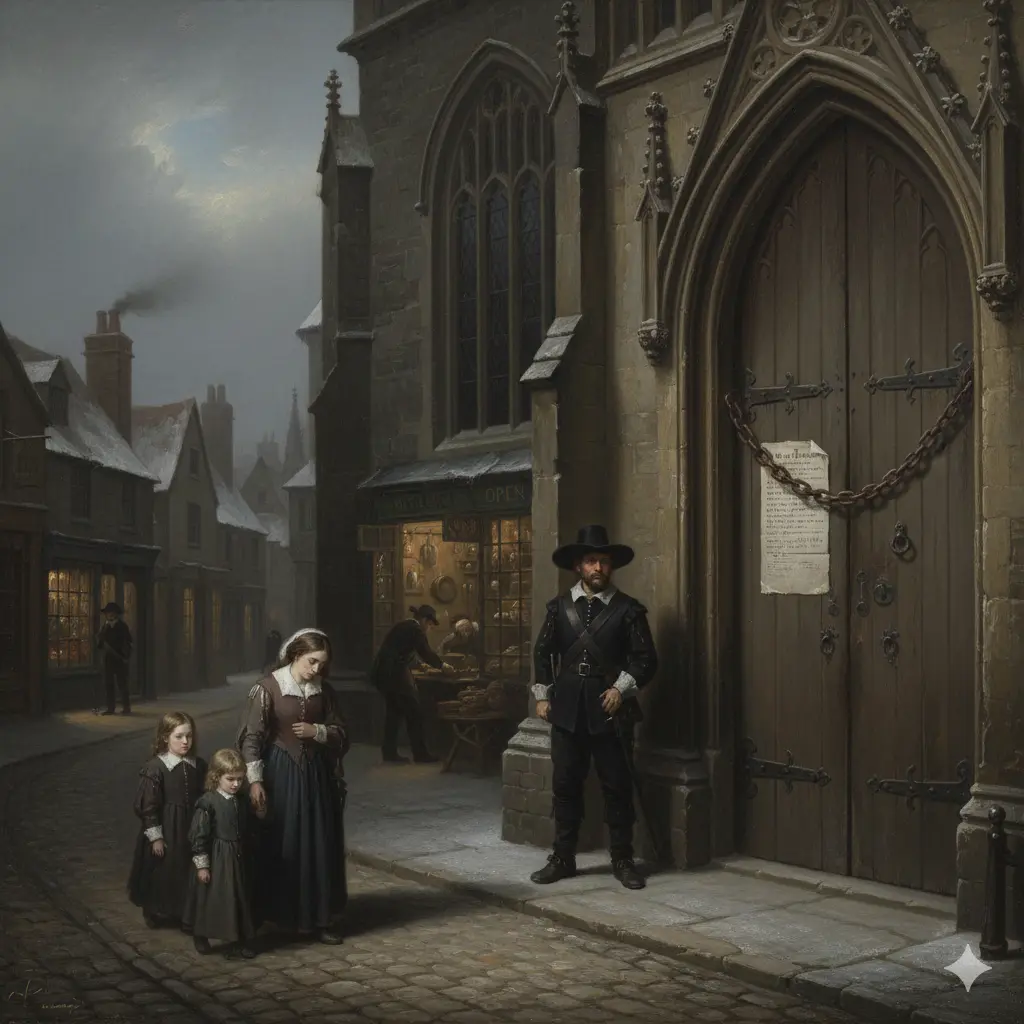
Closing the churches
Under the new laws, churches were forbidden from holding special services on Christmas Day. Shops and businesses were forced to remain open, and staying at home to celebrate was considered a legal offence.
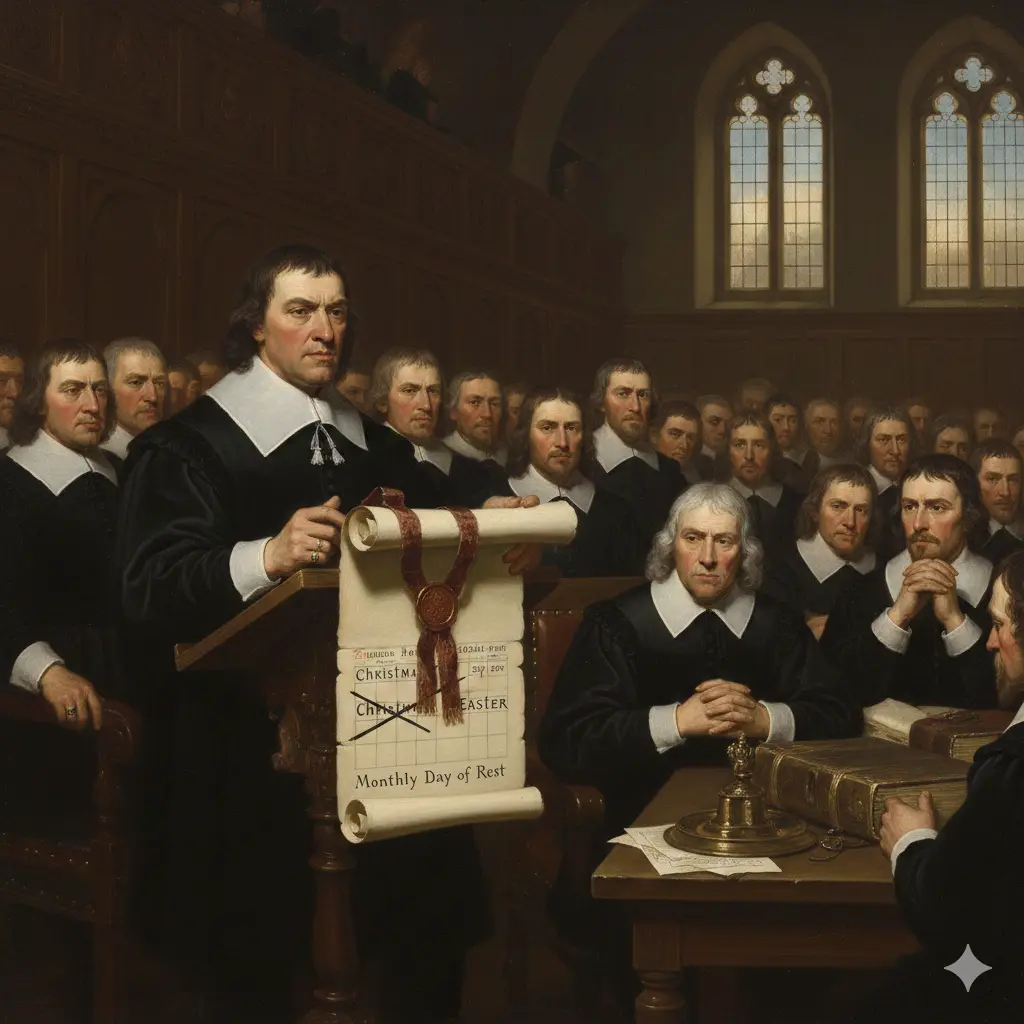
The 1647 Abolition Act
In June 1647, Parliament went further by passing a law that formally abolished all festival days, including Christmas and Easter. These traditional holidays were replaced by a monthly day of rest for workers.
Crackdown on festive food
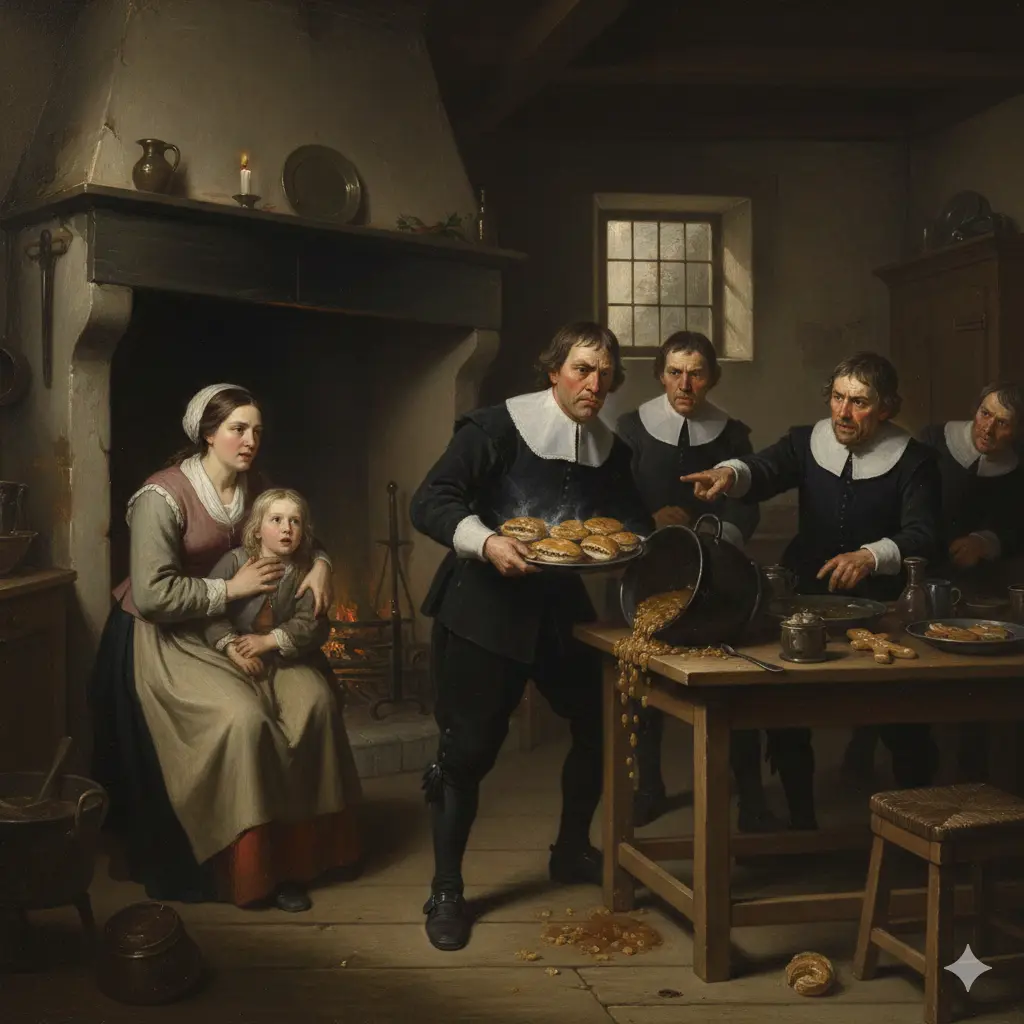
The authorities discouraged the eating of traditional festive foods like mince pies and plum porridge. Soldiers were sometimes sent into streets to seize food that was being prepared for secret celebrations.
Oliver Cromwell’s influence
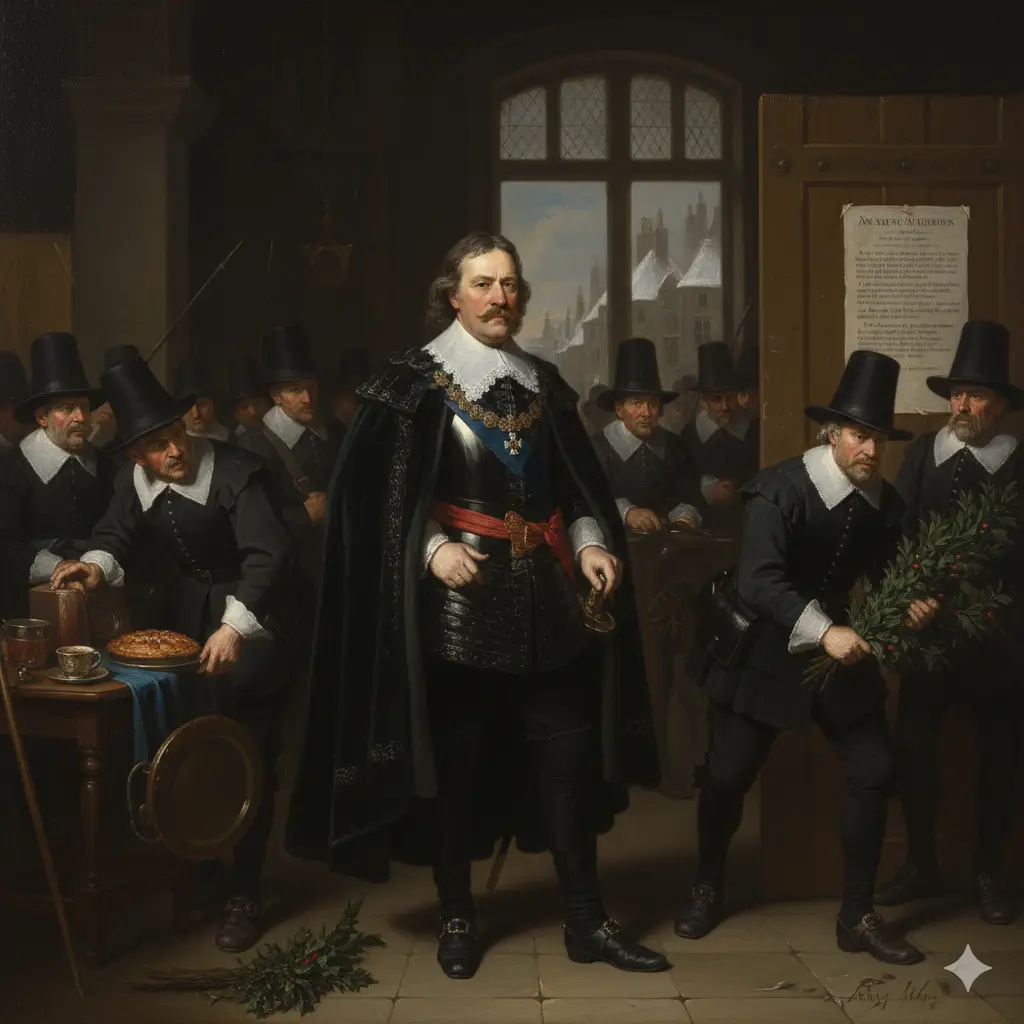
As Lord Protector, Oliver Cromwell supported these strict measures to ensure public morality. While he did not single-handedly create the ban, his government strictly enforced the anti-Christmas laws across the island.
Public riots and resistance
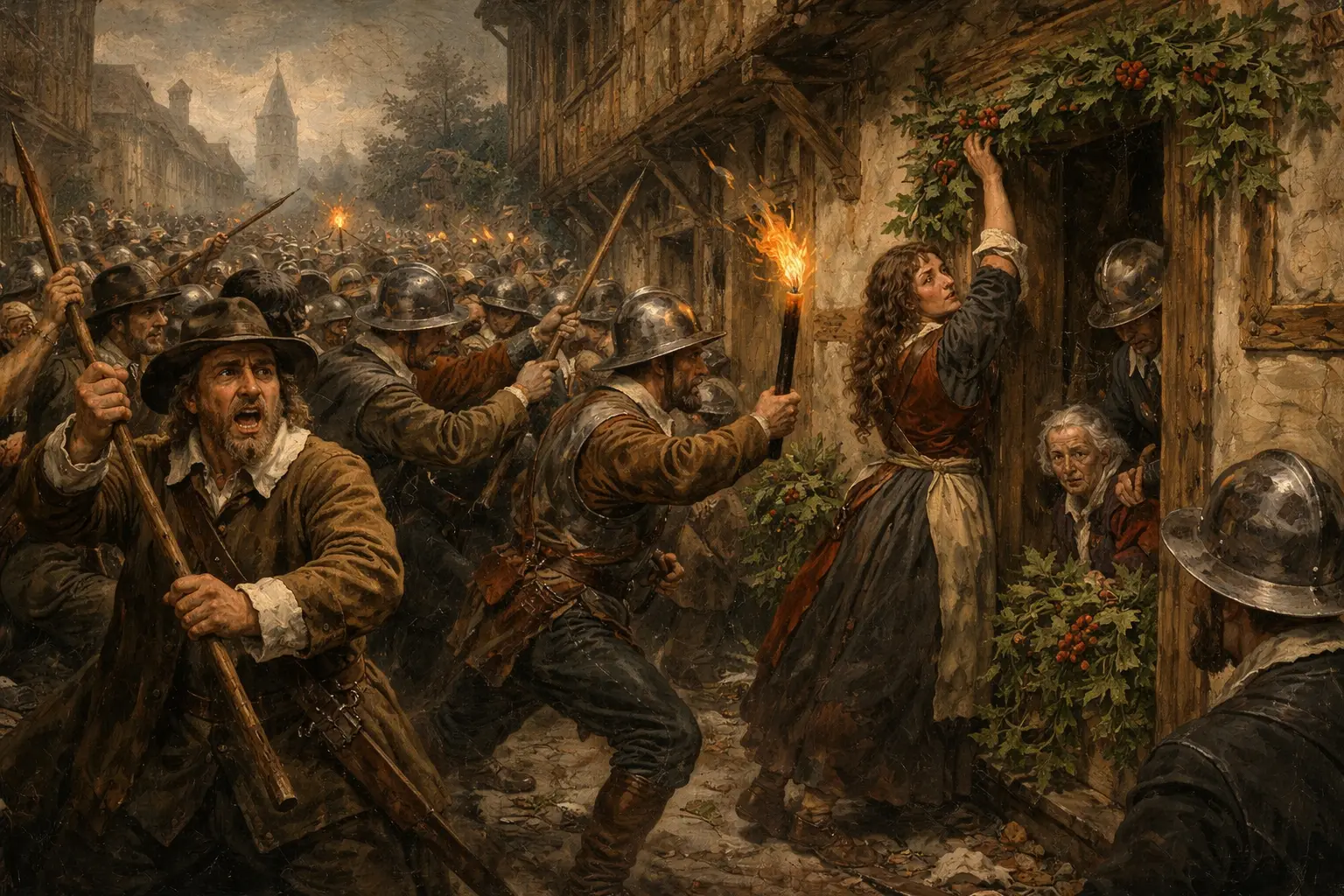
The ban was deeply unpopular, leading to violent riots in cities like Canterbury and London. Protesters decorated doorways with holly and ivy as a sign of defiance against the Puritan authorities.
Secret celebrations continue
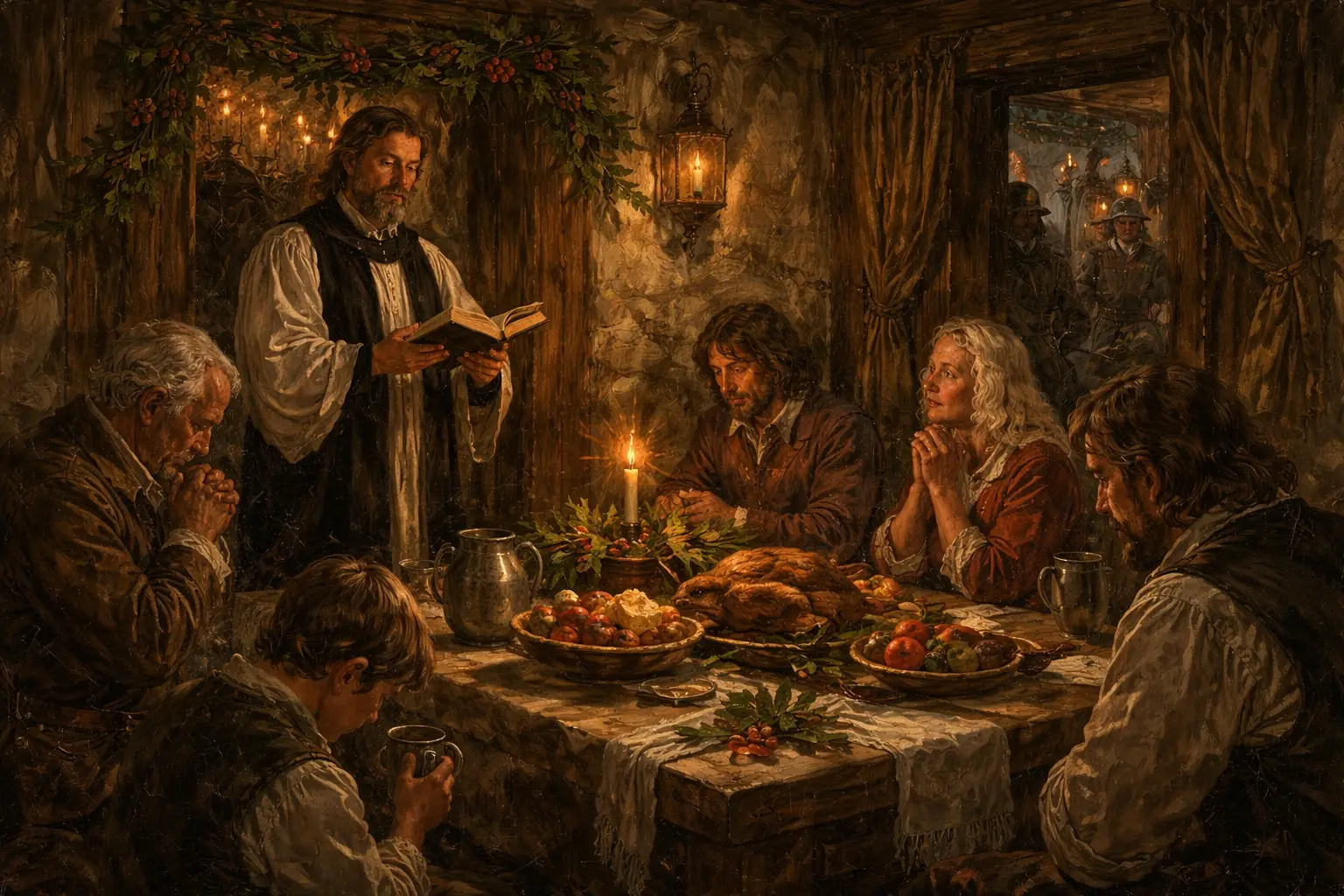
Despite the legal risks, many families continued to celebrate Christmas in private. Priests often held secret services in homes, keeping the tradition alive during the 12 years of the ban.
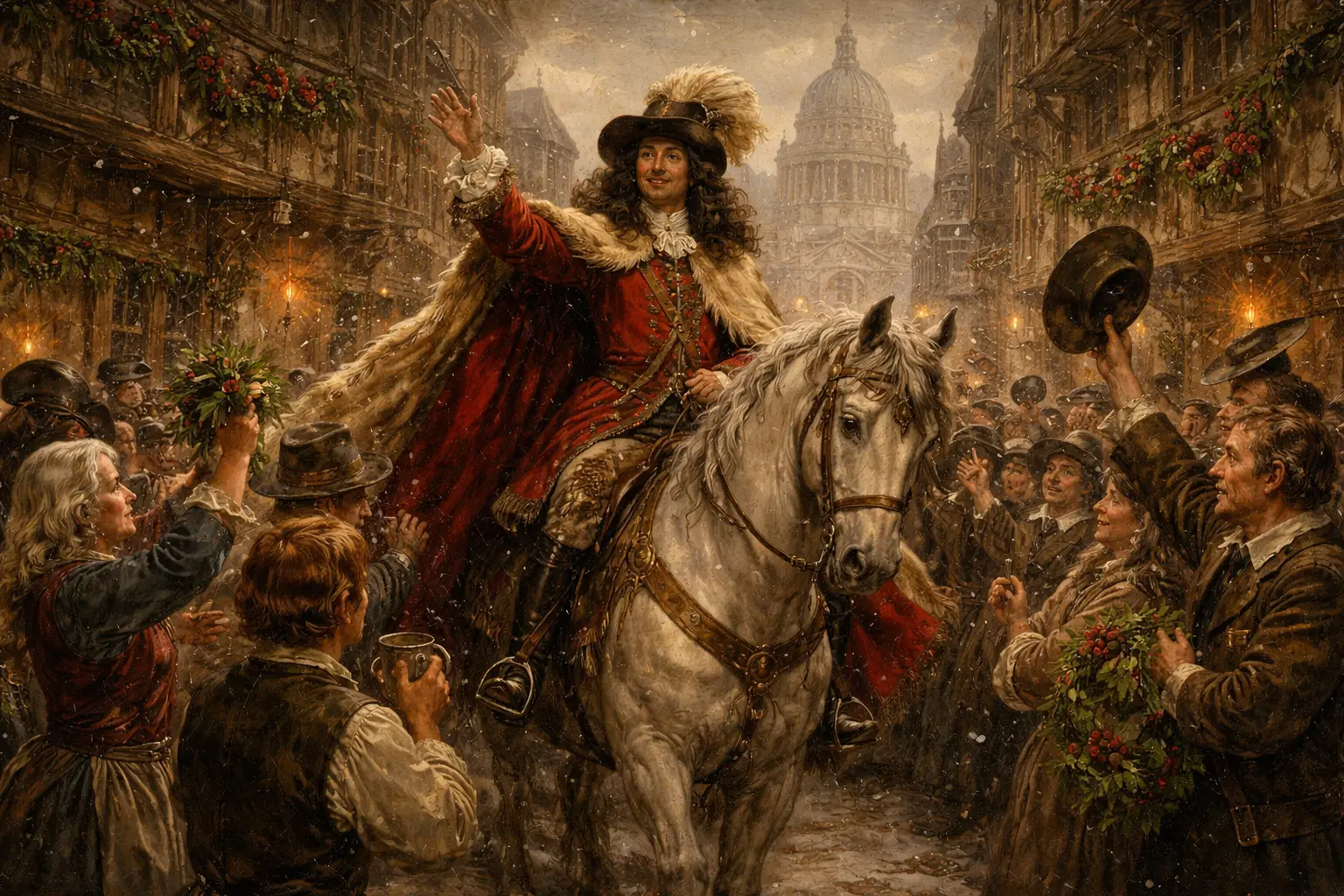
The 1660 Restoration
The ban finally ended in 1660 when King Charles II was restored to the throne. One of his first acts was to repeal all the laws passed by the Puritan Parliament, making Christmas legal once again.
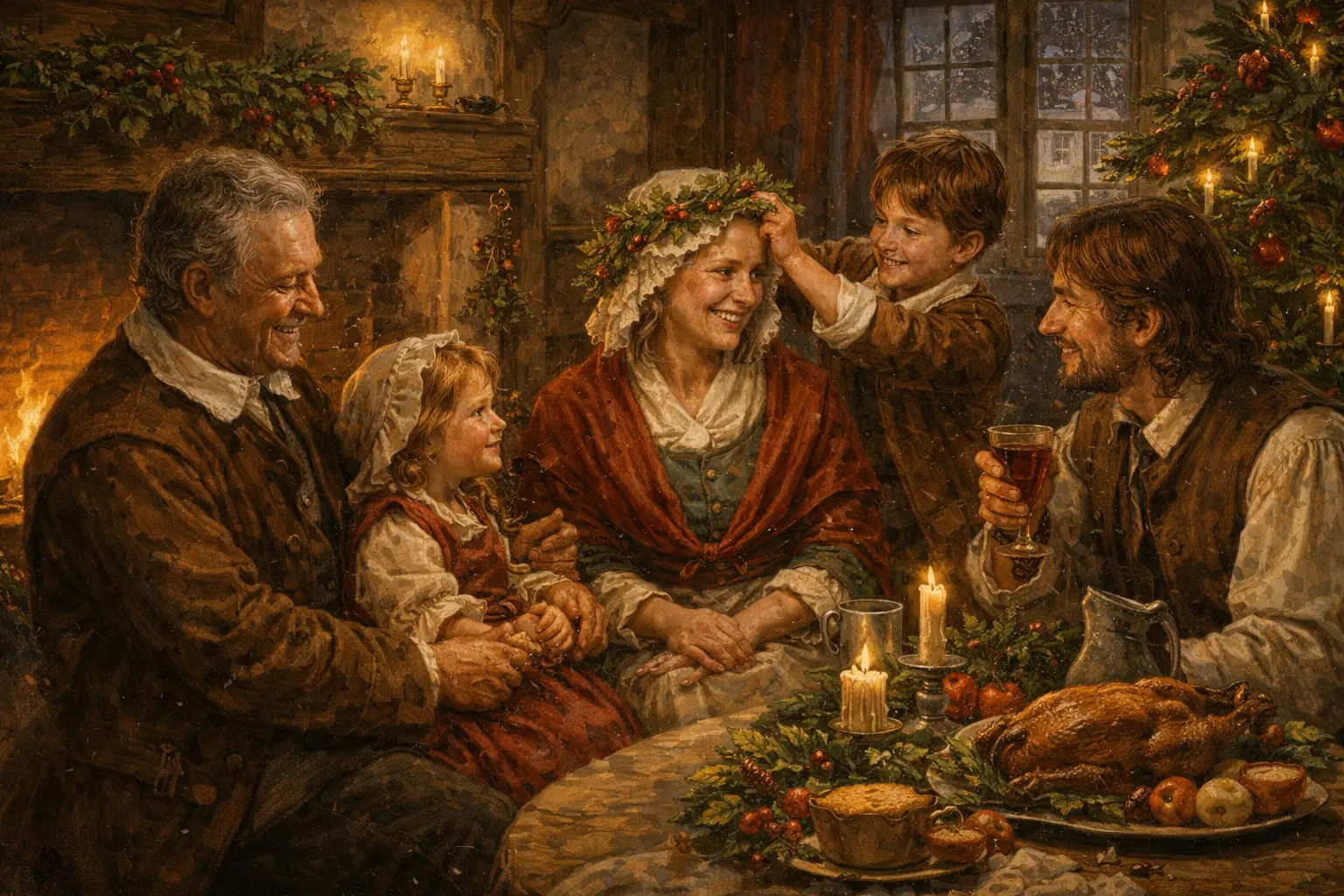
A lasting cultural impact
The period of prohibition changed how Christmas was celebrated in England forever. It shifted the focus from a purely religious event to a more private, family-oriented celebration that we recognise today.
)
)
)
)
)