Why delta-wing fighter jets handle high-G manoeuvres differently

Delta wings let fighters like Tejas turn tighter, fly at higher angles, and handle massive G-forces thanks to powerful vortices that keep lift even when airflow breaks down. With canards boosting performance further, modern delta fighters gain extreme agility with unique safety advantages.
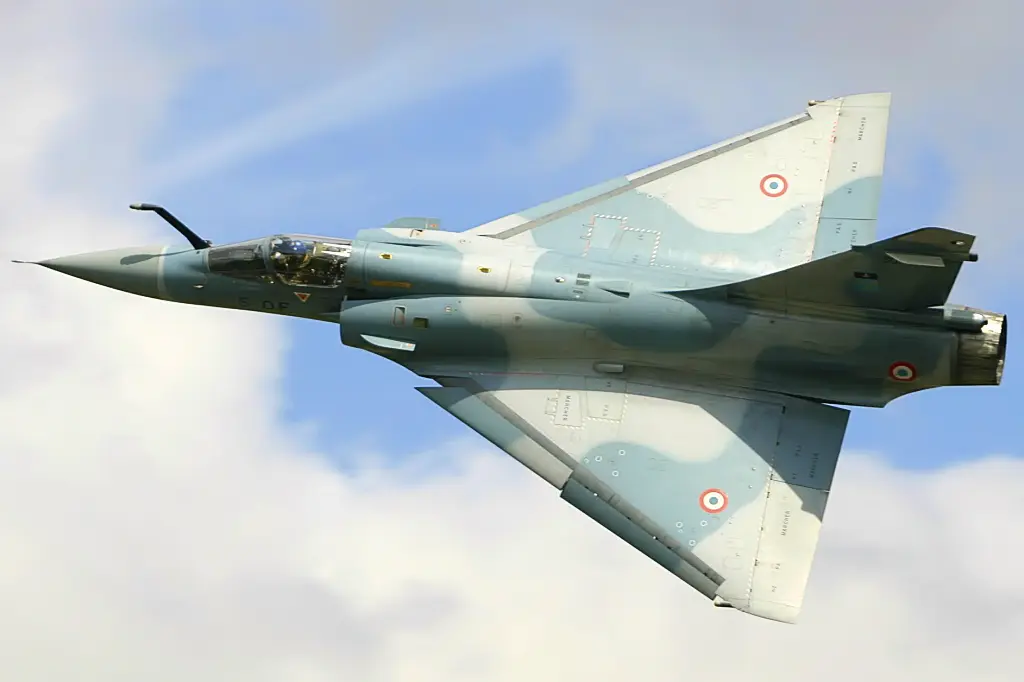
What Is A Delta Wing?
A delta wing is triangular in shape. It sweeps back from the fuselage. The Tejas uses this design. Delta wings handle high-G manoeuvres differently than conventional wings. Conventional fighter wings have separate elevators on the tail. Delta wings use elevons on the trailing edge. This combined control enables extreme manoeuvrability.
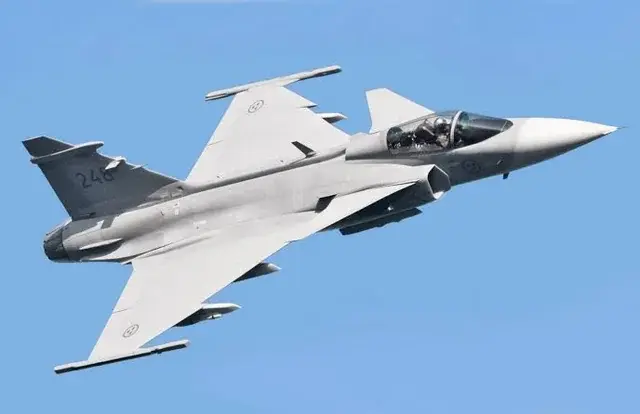
Delta Wing Stalls At Much Higher Angles
Conventional wings stall at 16 to 18 degrees angle of attack. Delta wings continue flying at 26 to 30 degrees. At these extreme angles, stable vortices form over the wing surface. These vortices maintain lift even when normal airflow has separated. This allows delta wings to turn tighter than conventional wings.
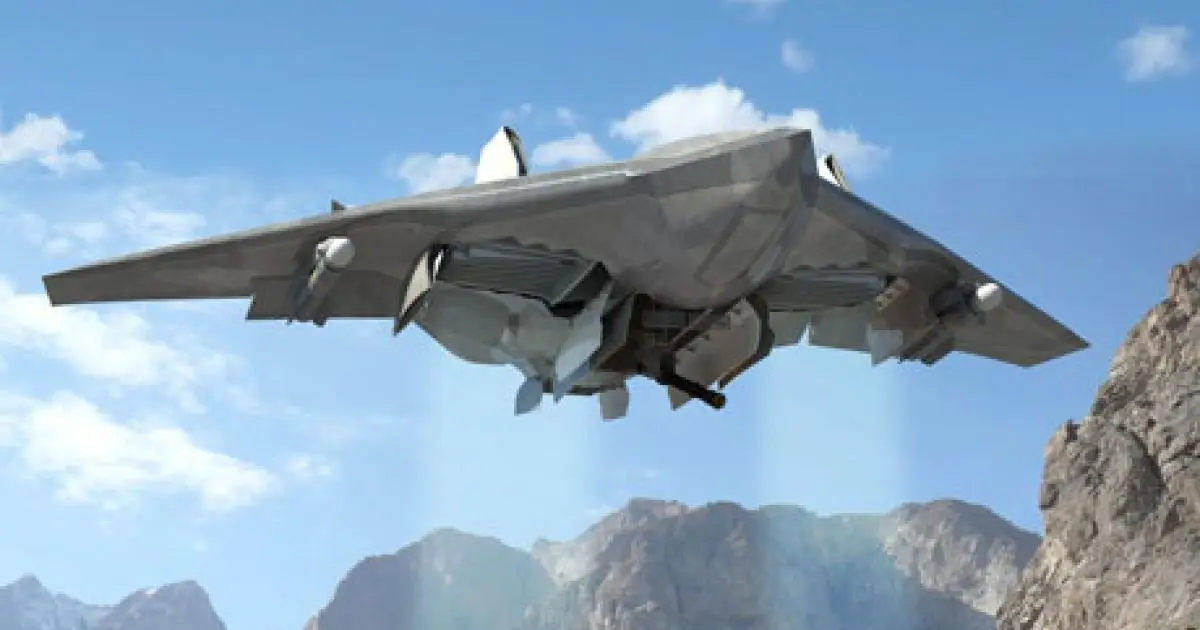
The Vortex Advantage At High Angles
When a delta wing reaches high angles of attack, the airflow creates vortices. These spinning columns of air ride over the wing surface. They maintain pressure differences that create lift. Conventional wings cannot generate this vortex effect. This is why delta wings excel at extreme manoeuvres. The vortex acts like an invisible cushion.
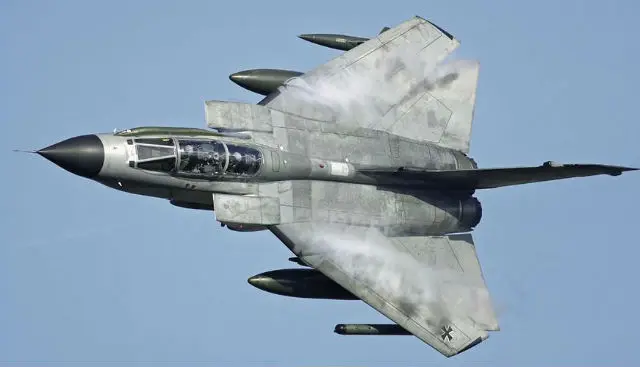
Sustained G-Force Capability
Delta wings allow aircraft to sustain 8 to 9 G-forces during turns. Conventional designs struggle at 6 to 7 G-forces. The larger wing surface area distributes forces more efficiently. The structural shape of delta wings handles high stress better. Pilots flying Tejas can perform manoeuvres impossible in conventional fighters.
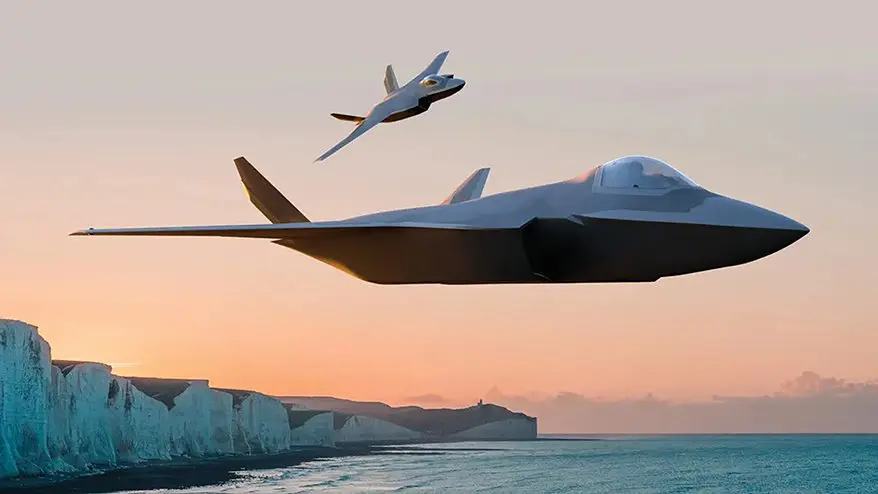
Inboard Wing Stalls First: Safety Feature
Delta wings stall from the inboard section first. This preserves roll control at the wing tips. Conventional wings can stall unpredictably. When delta wing stalls, the outer wing still has lift. Pilots can recover easily. This safety feature allows pushing closer to stall limits.
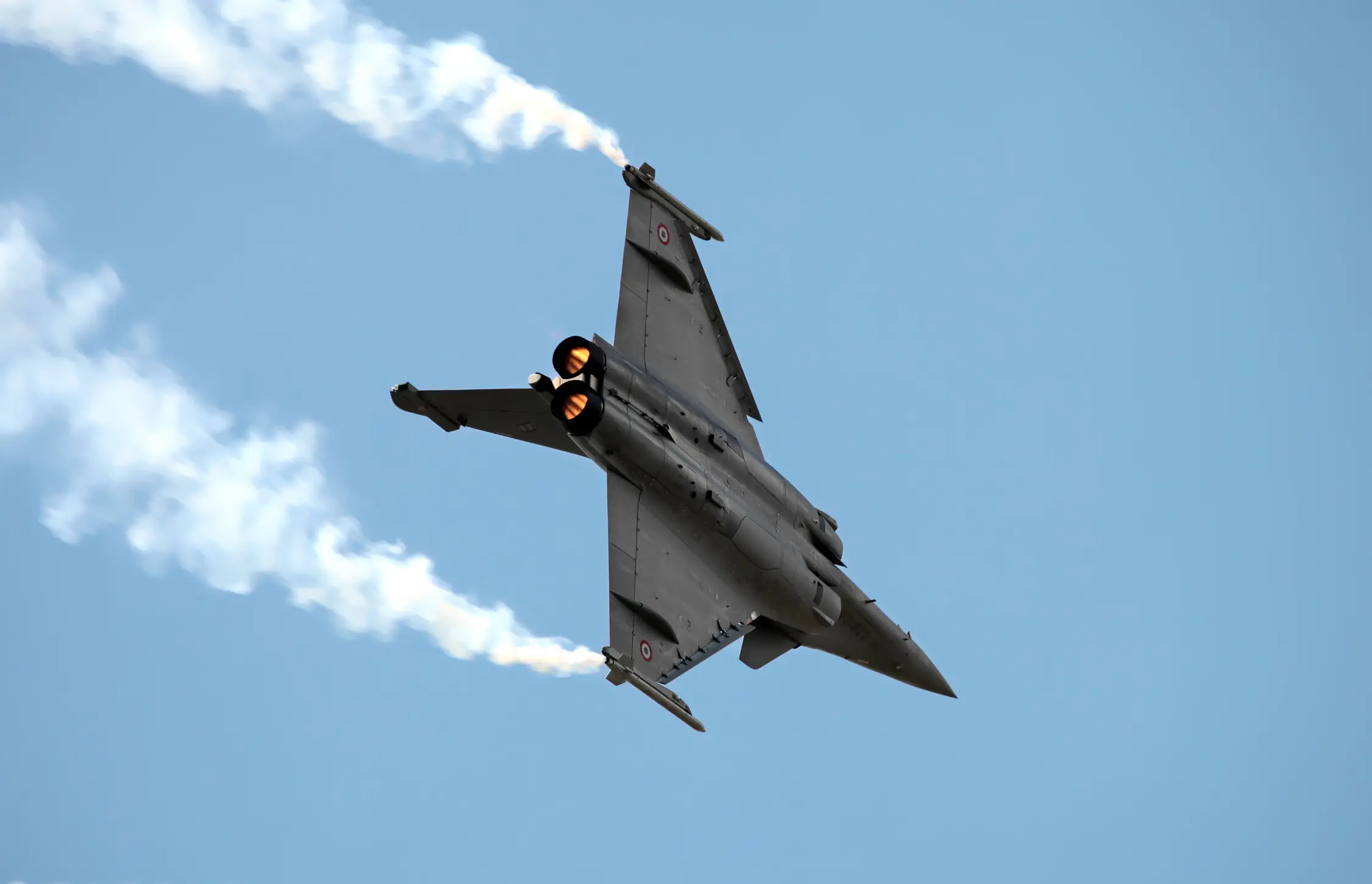
Reduced Drag Across All Speeds
Delta wing sweepback design reduces wave drag significantly. Less drag means faster acceleration. Aircraft can climb quicker. Fuel efficiency improves. At supersonic speeds, delta wings excel. At subsonic speeds, delta wings still outperform conventional designs.
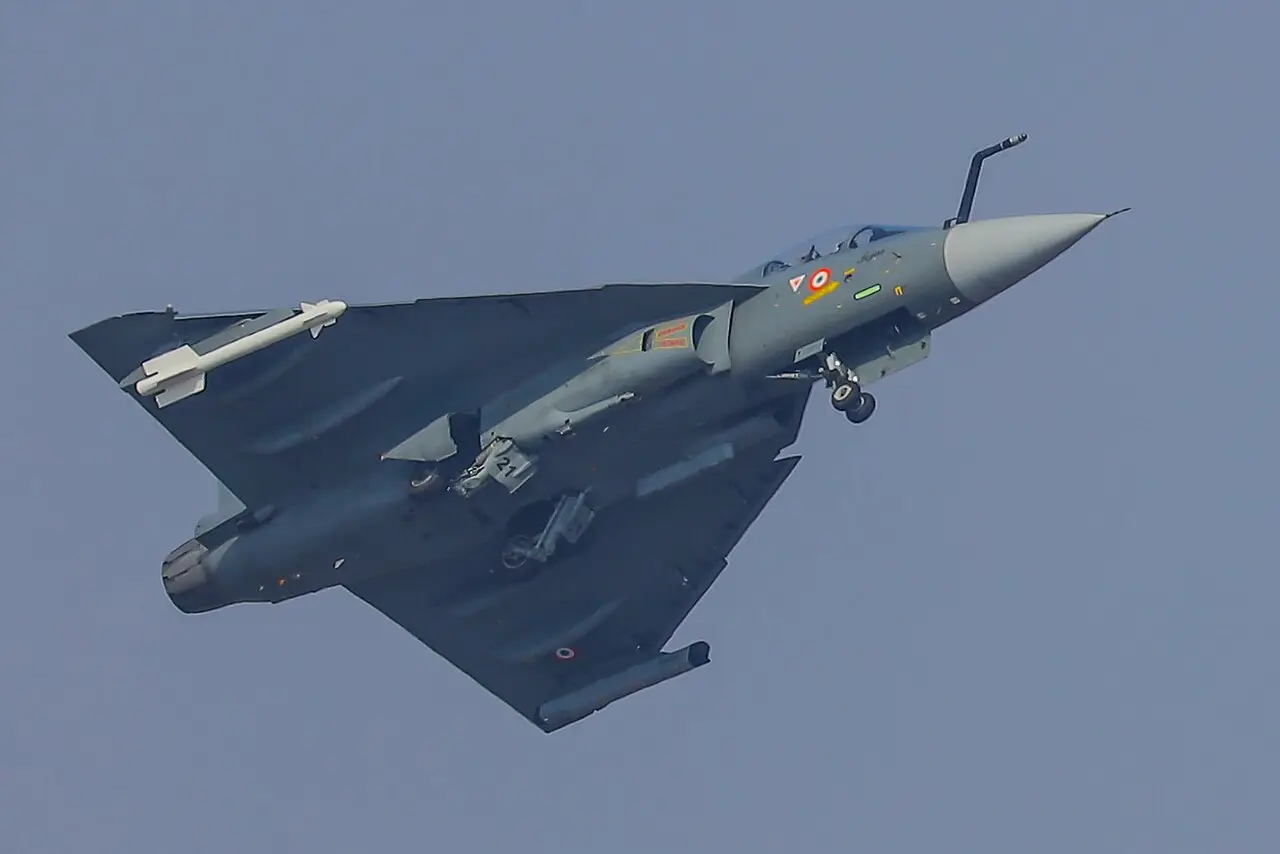
Canards Enhance Delta Wing Performance
Tejas Mk2 adds close-coupled canards ahead of the main wing. Canards create their own vortex. This vortex interacts with the main delta wing vortex. The combined vortex effect becomes stronger. Lift increases. Manoeuvrability improves. Tejas Mk2 outperforms Mk1 because of this canard enhancement.
)
)
)
)
)