Why defense analysts believe China’s Chengdu J-20 stealth fighter program has entered a dangerous new era

China’s enhanced J-20 stealth fighter jets, with greater range and upgraded stealth, signal major shifts in Indo-Pacific air power and regional security calculations.
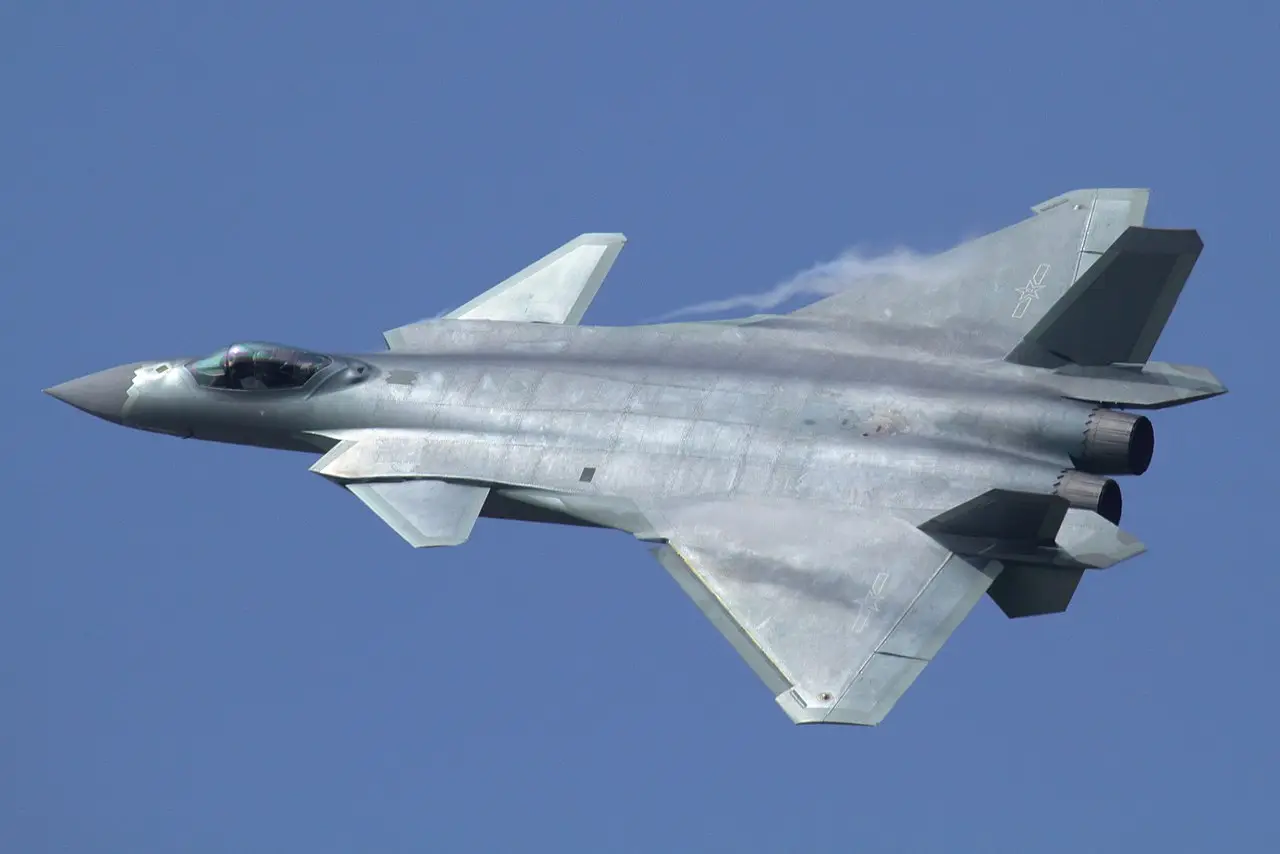
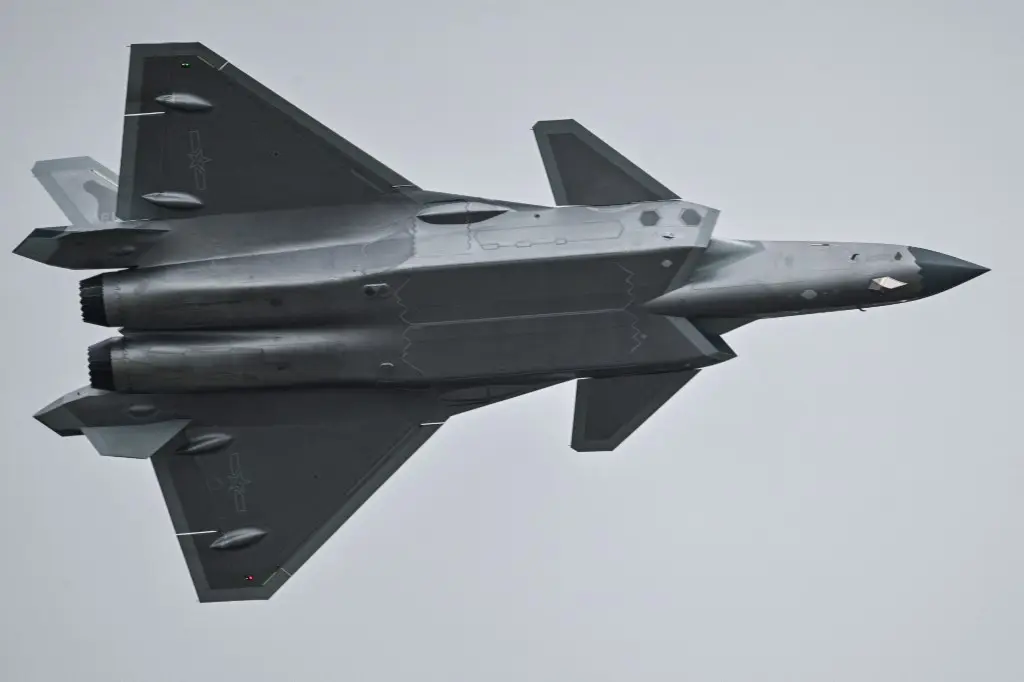
J-20: China’s Stealth Flagship
The Chengdu J-20 is China’s first indigenous stealth fighter, rivaling the US F-22. It marks a dramatic leap in Chinese military aviation, emphasising radar-evading design and long-range capabilities.
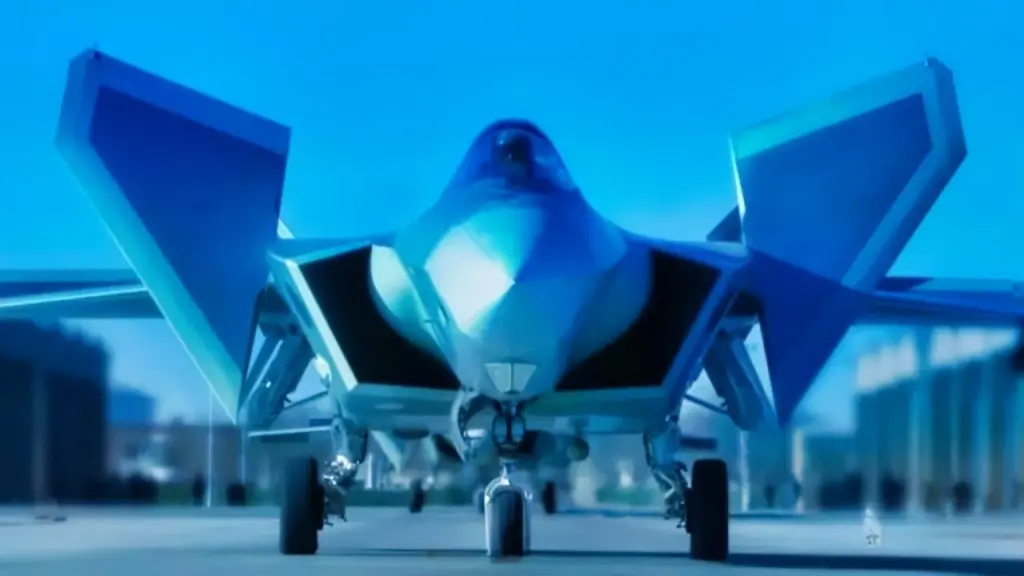
Production Surge Stuns Observers
Satellite imagery and official reports confirm China is accelerating J-20 production. New assembly lines and supply chain upgrades point to dozens of jets being rolled out annually.
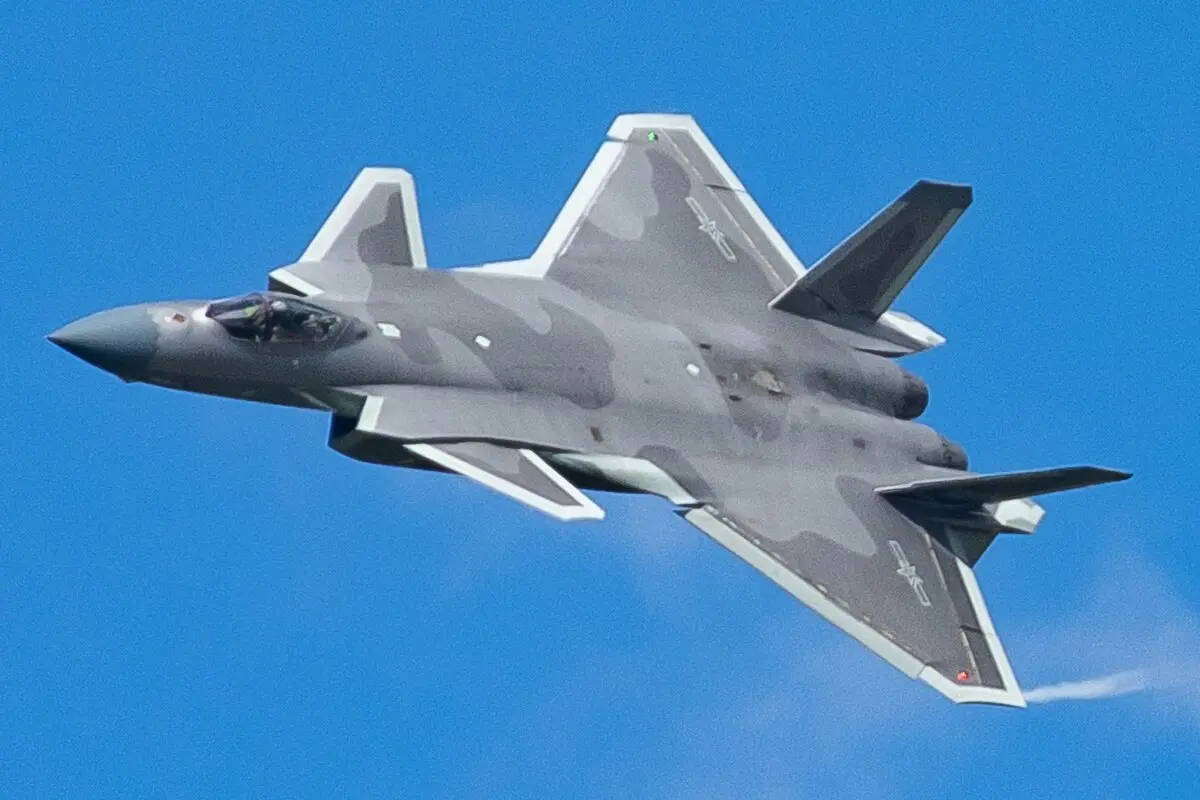
Stealth and Engine Upgrades
Recent upgrades improve the J-20’s stealth coating and radar-evading design. With new WS-15 engines, experts say these fighters now match or surpass Western rivals in range and agility.
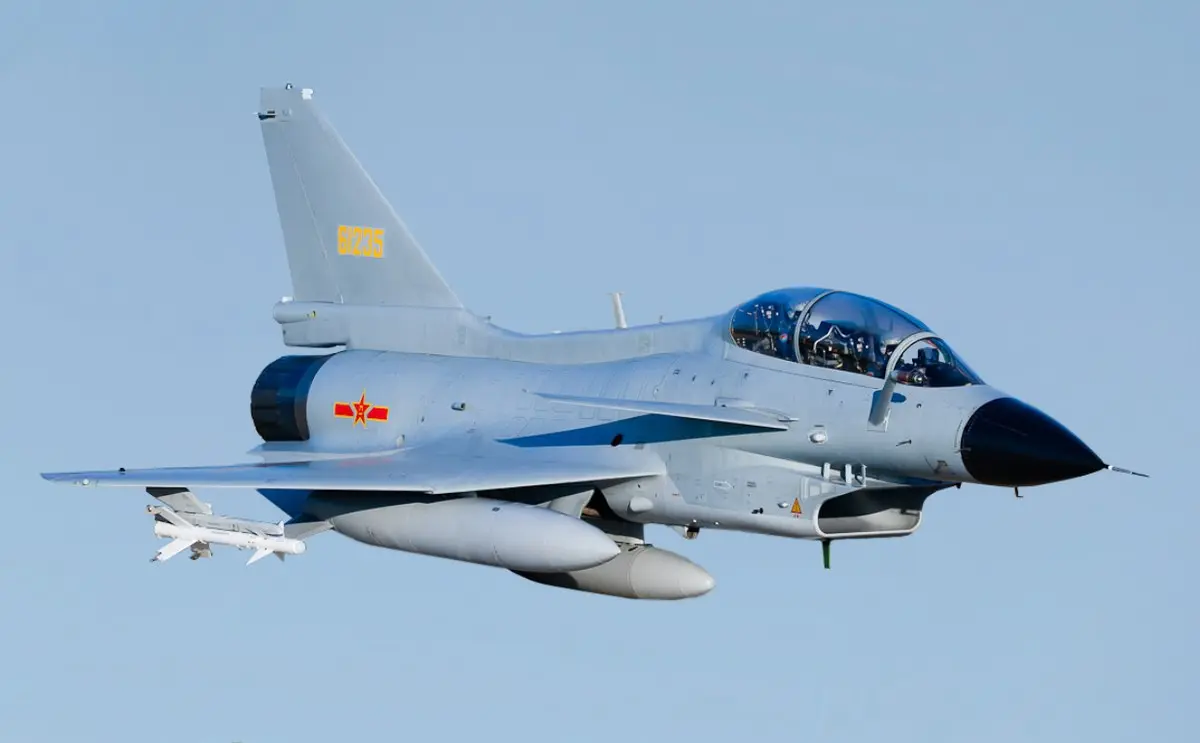
PLAAF’s Power Projection Grows
The People’s Liberation Army Air Force is deploying J-20s across new bases. This rapid expansion lets China threaten airspace deep in the Western Pacific and Indo-Pacific region.
Long-Range Mission Capability
J-20s now feature aerial refuelling and advanced electronics, making them ideal for long-range operations. Intelligence reports highlight sorties practicing near Taiwan and disputed waters.
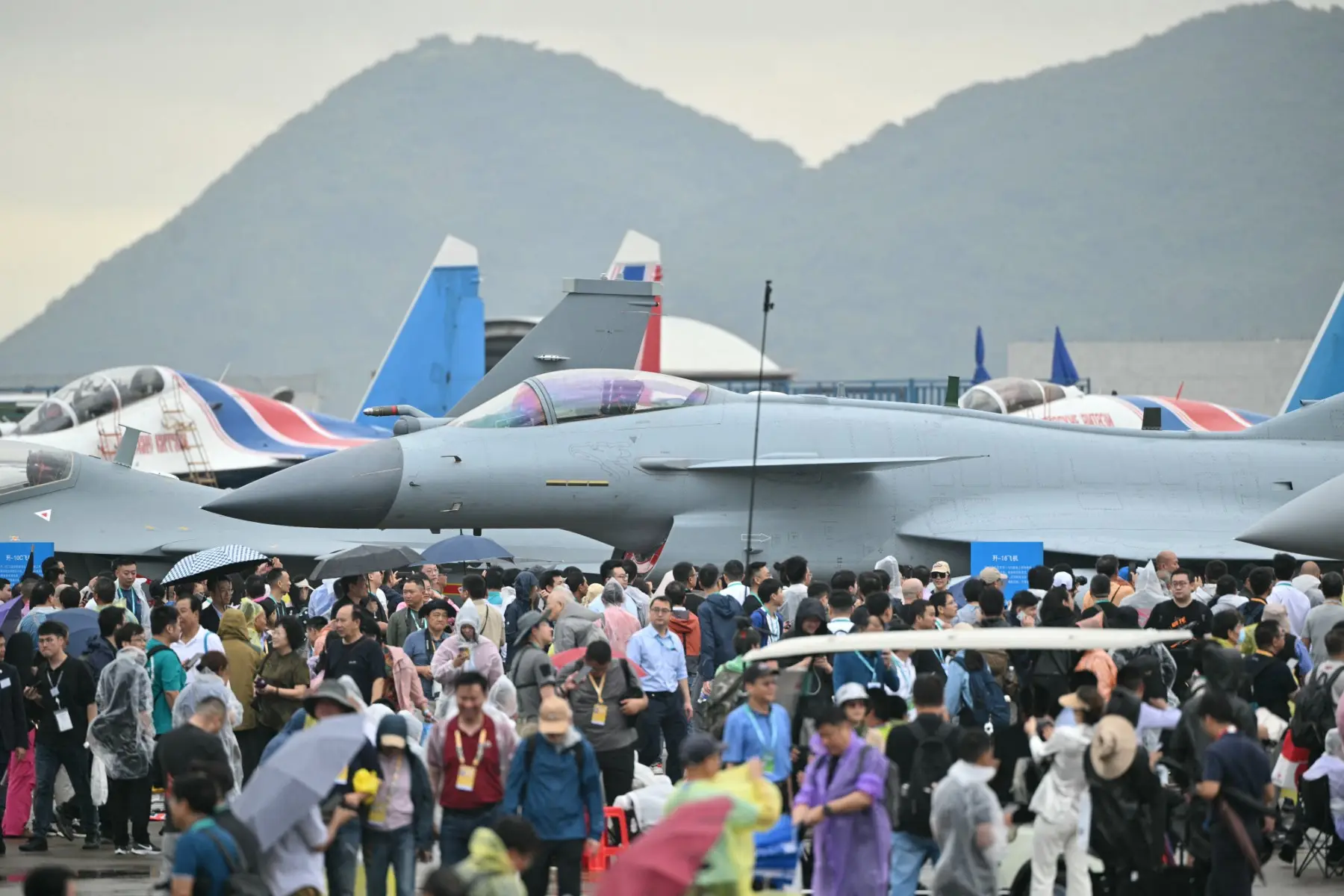
Defence Analysts Ring Alarm Bells
Experts note the speed and secrecy with which China advances its J-20 fleet. Concerns focus on regional military balance, counter-stealth measures, and escalating strategic rivalry with the US.
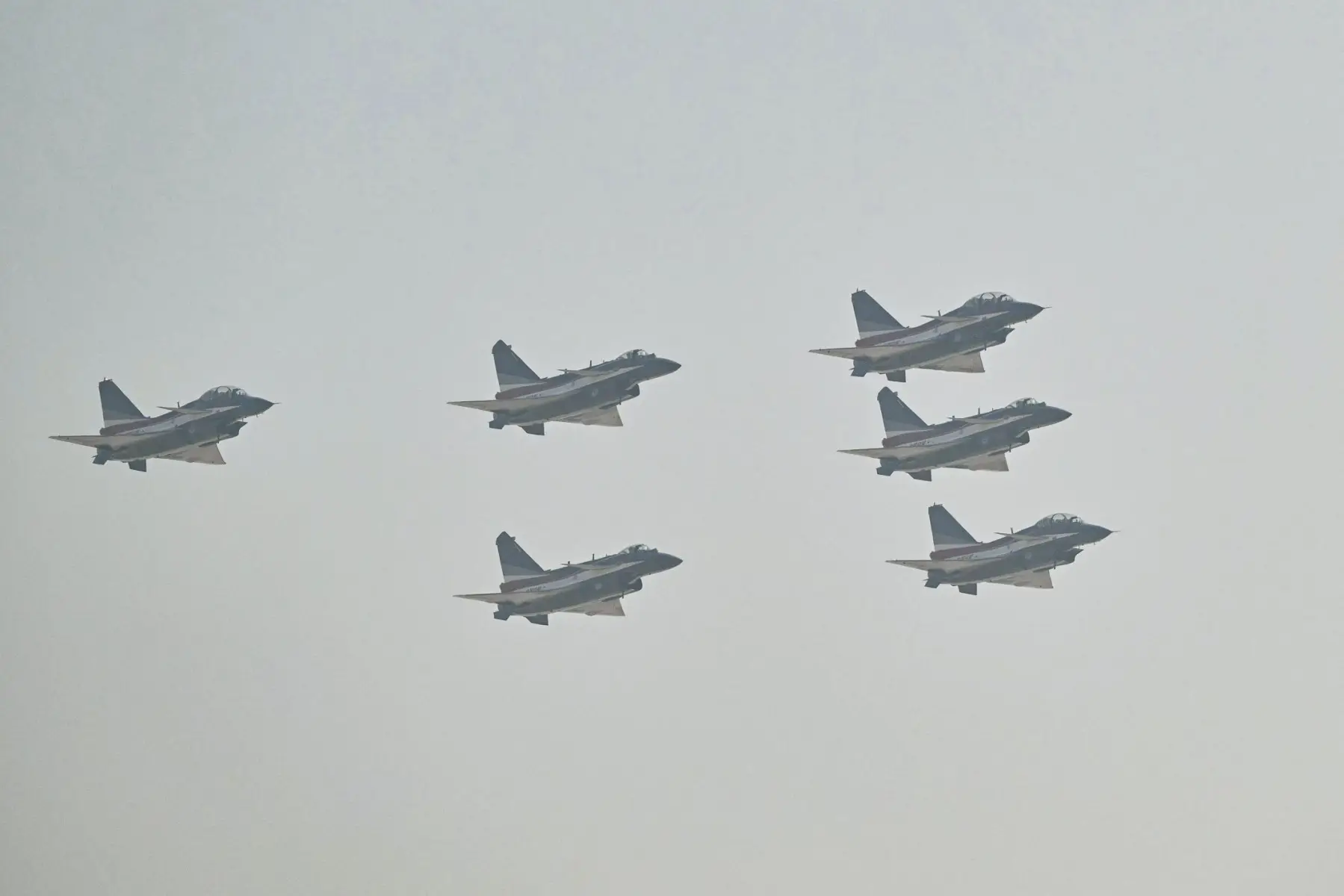
Indo-Pacific Security at a Crossroads
With dozens of J-20s operational, air space over the Indo-Pacific is set for change. Regional militaries now brace for a new era in aerial warfare, forced to rethink existing defence plans.
)
)
)
)
)