Why Davos is considered one of the most controversial meetings of the global elite

The World Economic Forum (WEF) in Davos is often viewed as the ultimate symbol of out-of-touch elitism. While it claims to "improve the state of the world", critics argue it is merely a networking event for the ultra-wealthy, marred by accusations of climate hypocrisy and corporate lobbying.
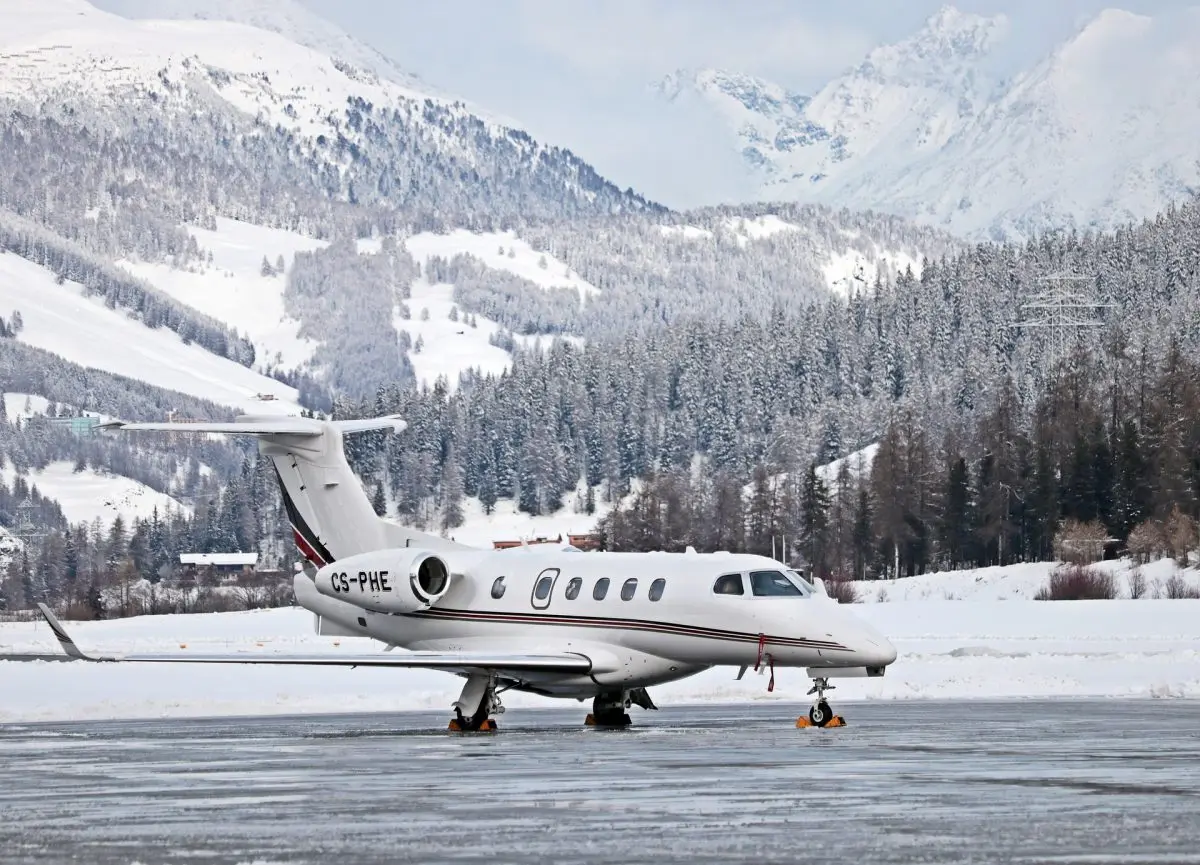
Around 1,000 jets for a climate summit
One of the loudest criticisms is the carbon footprint. While leaders lecture the world on climate change, reports show over 1,000 private jets fly into nearby airports for the week, generating four times the emissions of an average car in a year.
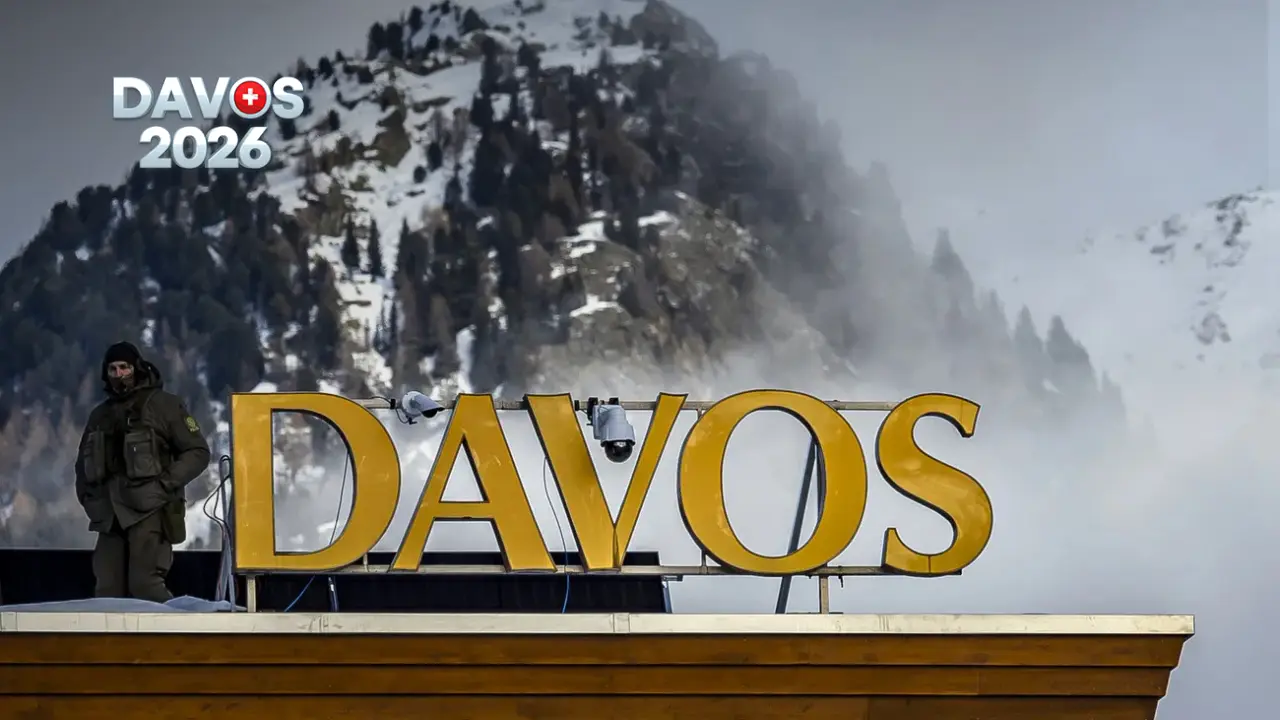
Membership fees
Access to the forum is strictly for the wealthy. Basic membership fees start around CHF 60,000, but a premium partner badge can cost upwards of CHF 600,000 (£530,000), ensuring that only the richest corporations have a seat at the table.
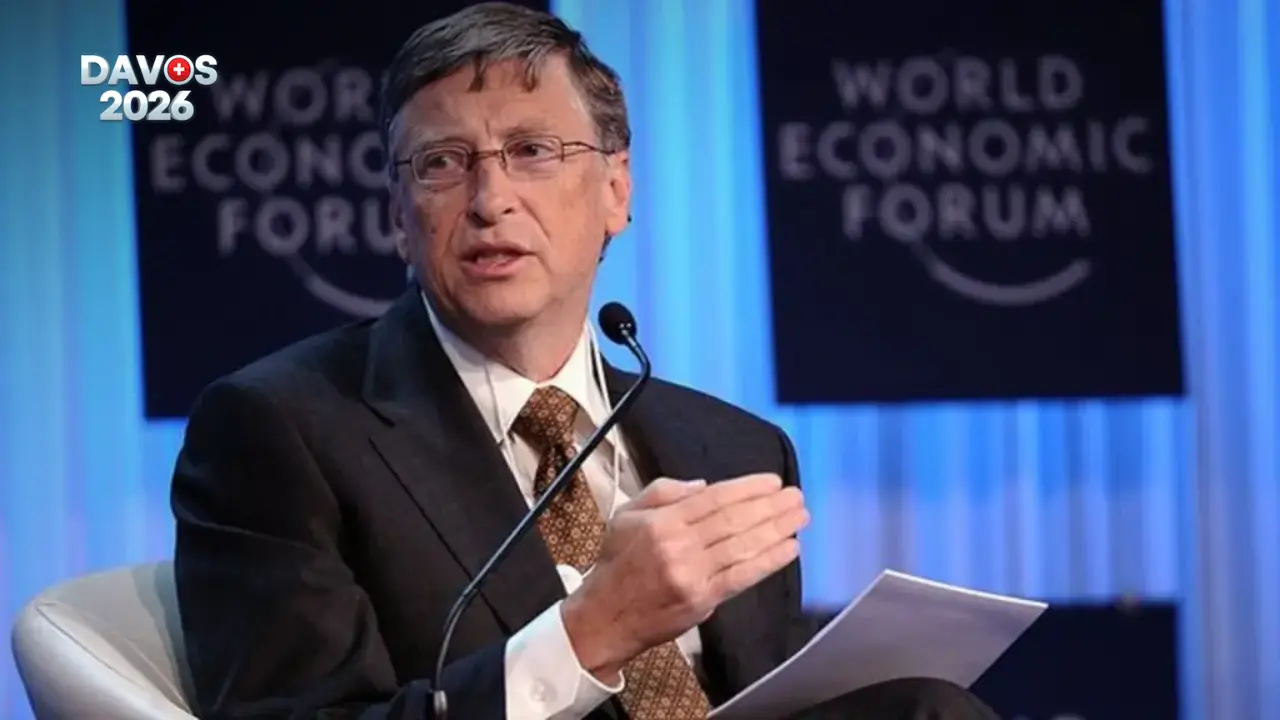
The widening wealth gap Billionaires vs the rest
Oxfam typically releases its inequality report to coincide with Davos, highlighting a stark reality. In 2024, they noted that the world’s five richest men doubled their fortunes since 2020, while five billion people became poorer, fueling anger at the gathering.
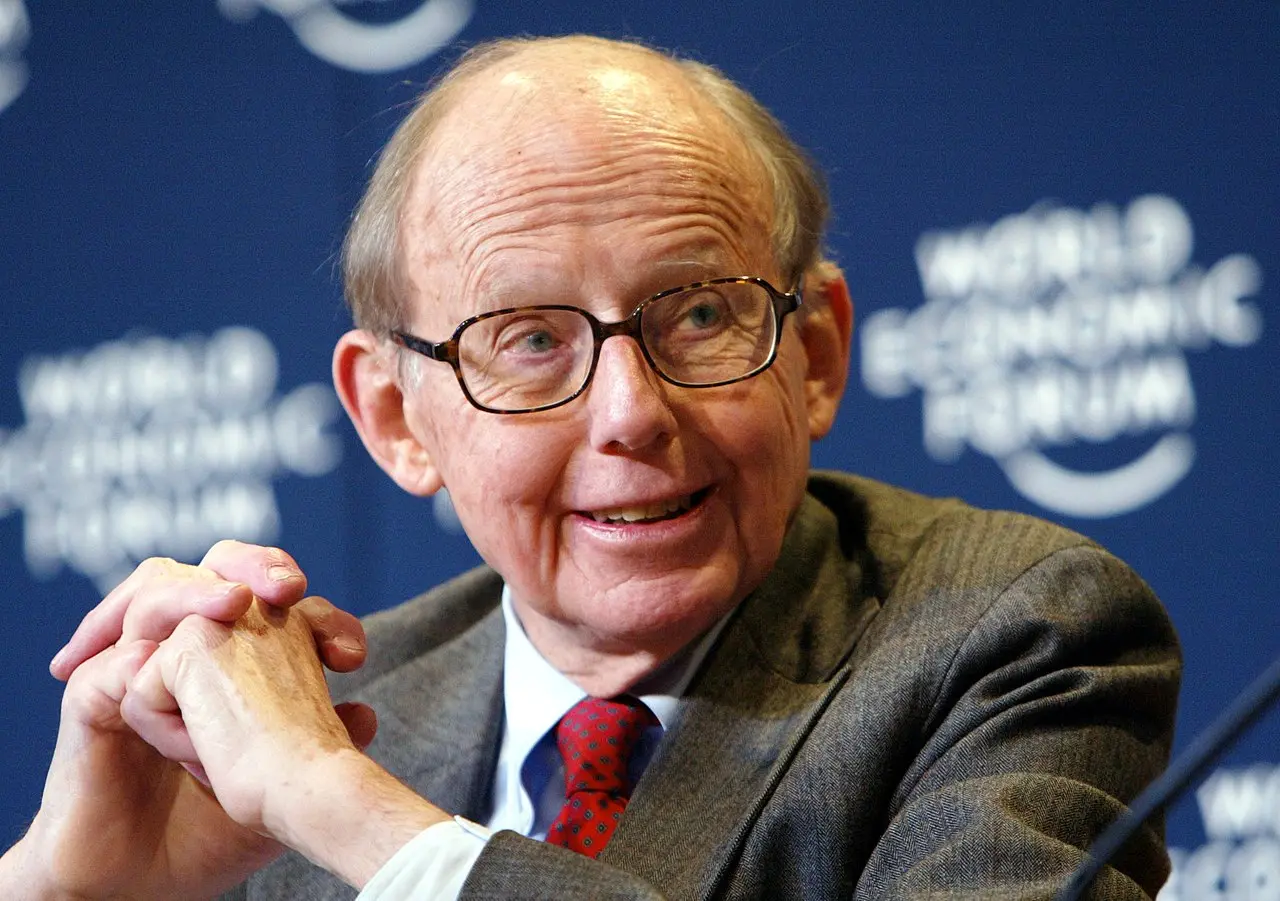
The ‘Davos Man’ disconnect Out of touch with reality
Political scientist Samuel Huntington coined the term "Davos Man" to describe an elite class with no national loyalty. Critics argue these attendees view the world from a corporate boardroom, completely disconnected from the cost-of-living crises facing ordinary citizens.
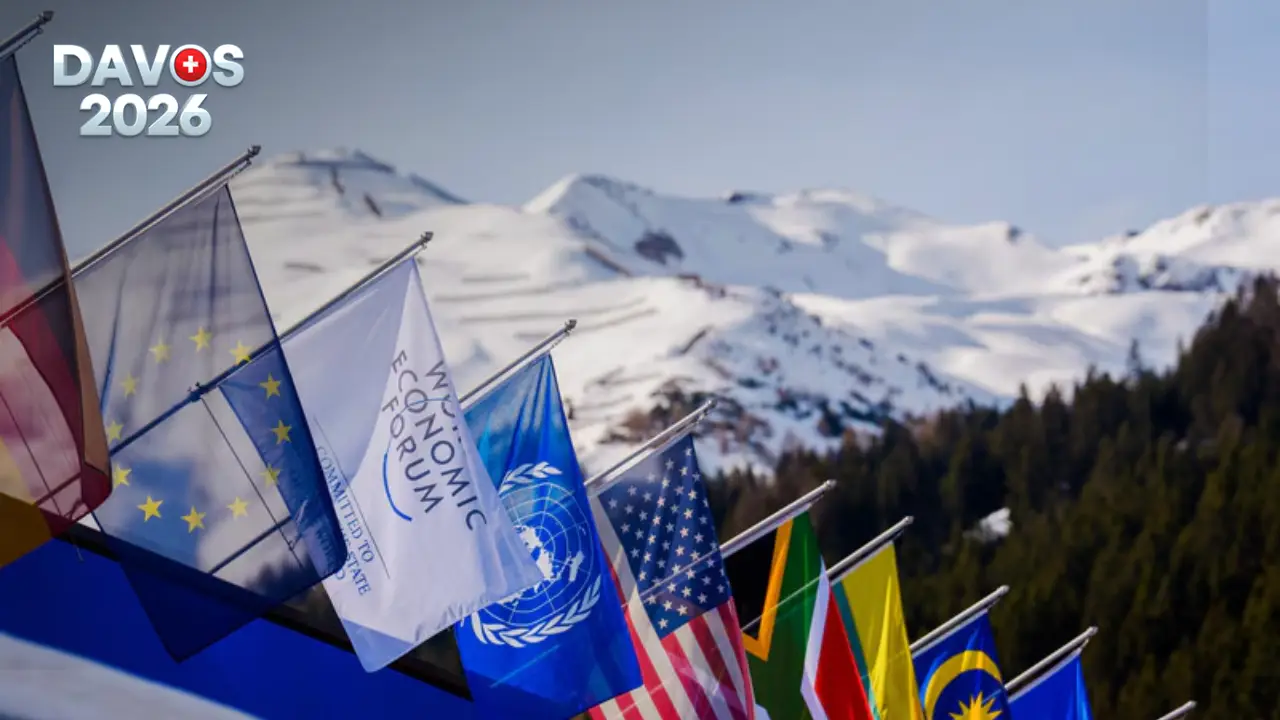
A ‘talk shop’ with no teeth Promises without action
Detractors argue that despite decades of panels, few concrete solutions emerge. Critics claim the forum allows corporations to "greenwash" their reputations by making vague pledges on sustainability or social justice without any binding legal commitment to deliver them.
Corporate capture of democracy Unelected leaders shaping policy
Activists warn that Davos allows unelected CEOs to influence global government policy behind closed doors. This "corporate capture" raises concerns that democratic decisions are being steered by private profit interests rather than the public good.
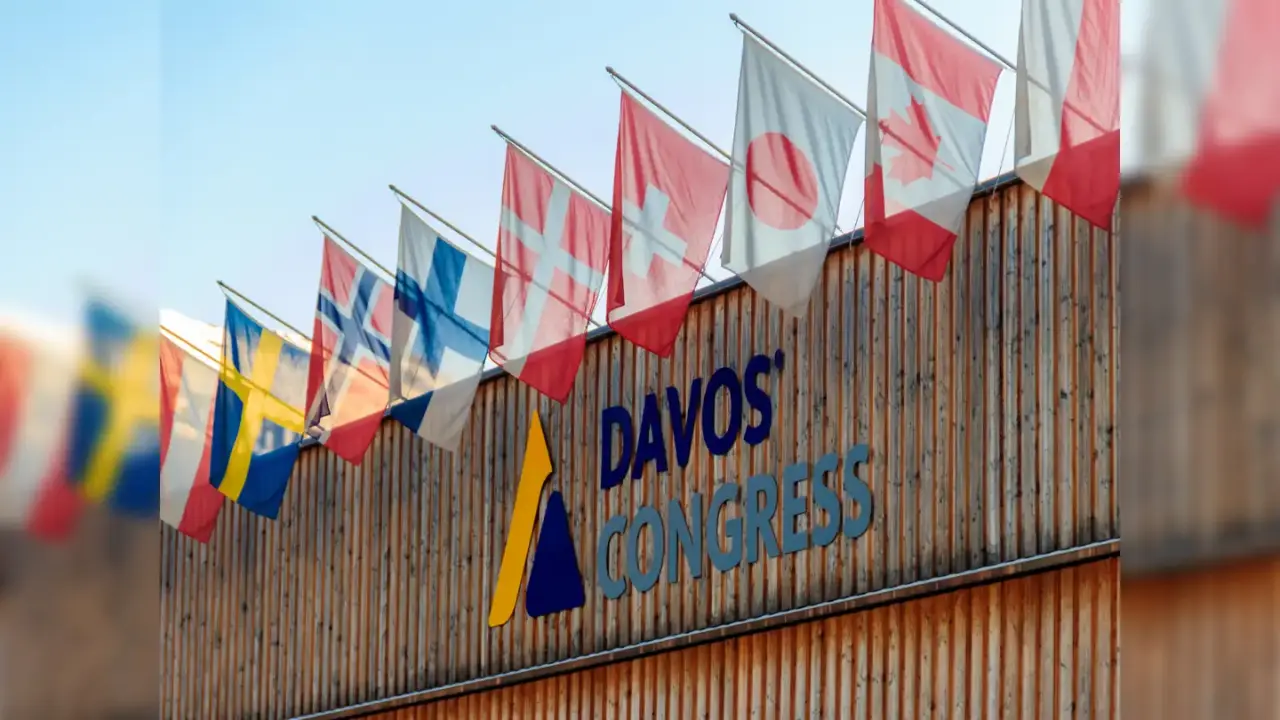
Massive security costs Taxpayers foot the bill
While billionaires attend, the public pays for their safety. The Swiss government deploys up to 5,000 soldiers and police officers to turn Davos into a fortress, costing Swiss taxpayers roughly CHF 32 million annually to protect the private attendees.
)
)
)
)
)