Why countries are racing to build missile shields in space

Countries are racing to build space shields, hypersonic defences and vast satellite networks. From the U.S. to India, China and Russia, new orbital systems are reshaping global security and raising hidden risks that could change warfare for good.

The Golden Dome - America's Space Shield
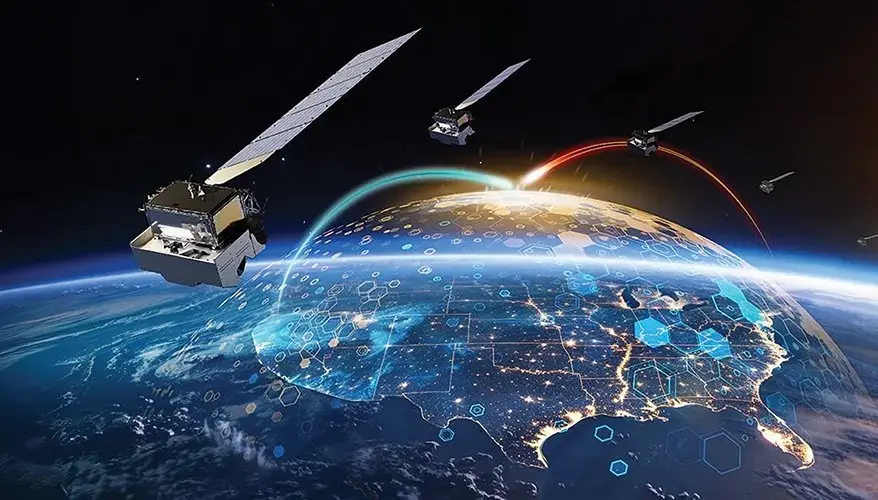
The U.S. Space Force awarded prototype contracts in November 2025 for space-based interceptors designed to shoot down missiles minutes after launch. Production contracts could reach $1.8-3 billion annually by 2028.
Boost-Phase Interception - The Game Changer
Space-based interceptors can reach missiles during the boost phase, seconds after launch, before they deploy decoy warheads. Ground systems react too slowly; space platforms eliminate threats early.
India's 52-Satellite Space Shield
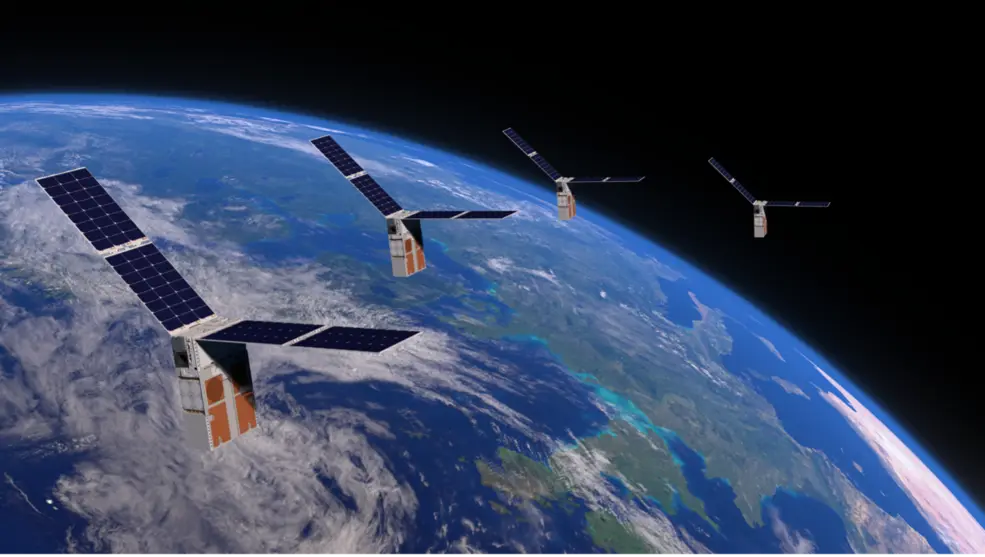
India accelerated its Space-Based Surveillance Phase-3 programme, deploying 52 defence satellites by 2029 with AI onboard processing. First satellite launches in 2026, matching China's orbital capabilities.
China's Expanding Space Arsenal
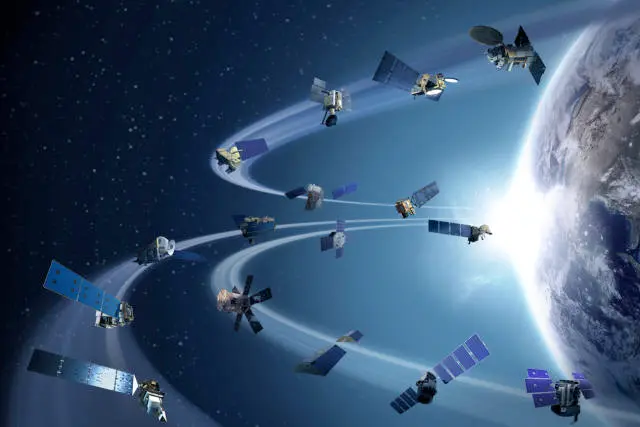
China operates 3,500+ satellites with expanding military capabilities and dedicated counterspace units. Satellite images reveal massive missile production expansion targeting space dominance.
Russia Integrates Space Strategy
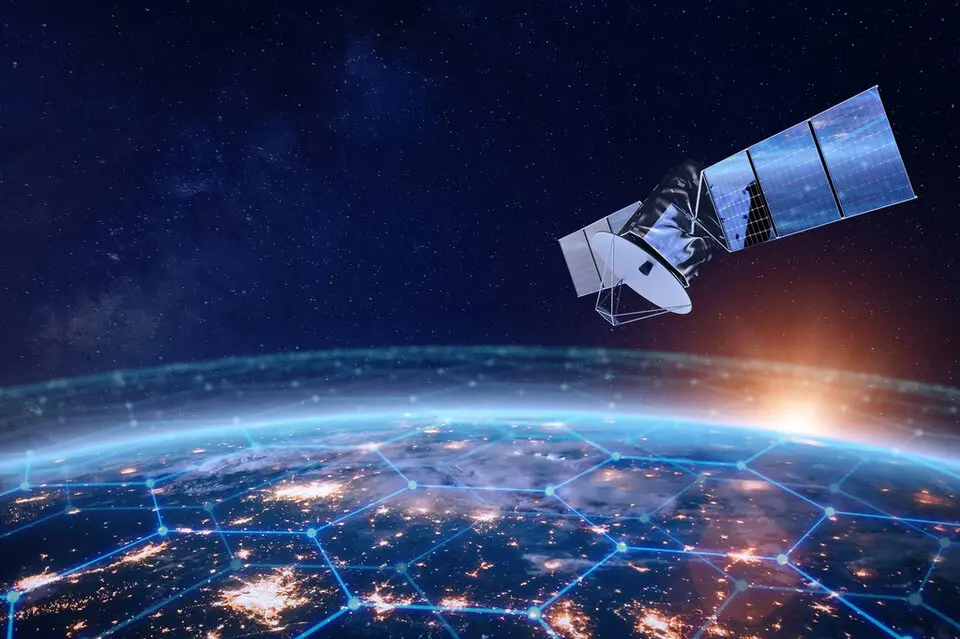
Russia operates dedicated military space units and integrated space systems into its war-fighting doctrine.
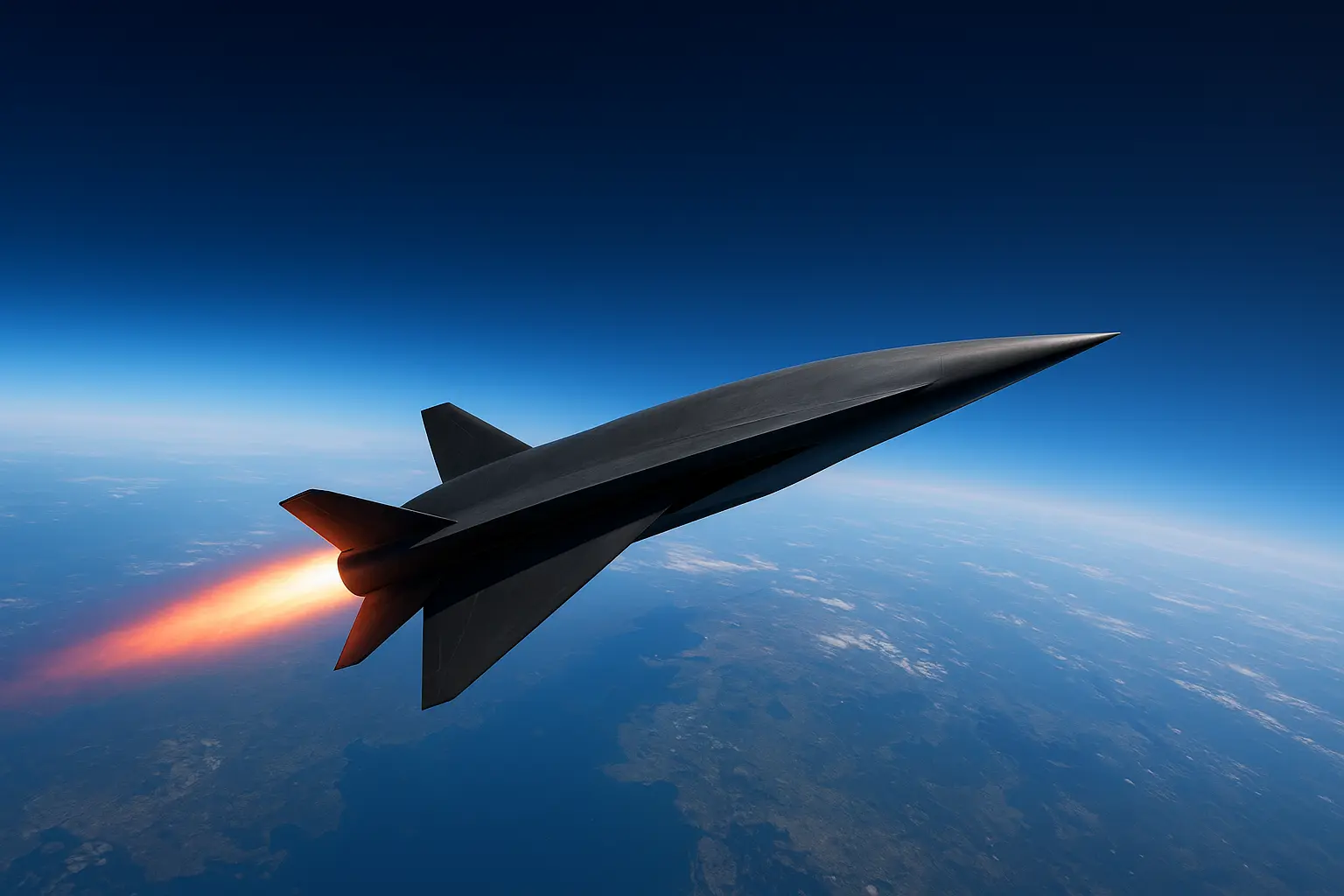
Hypersonic Threats Force Space Solutions
Ground-based systems cannot track hypersonic weapons that manoeuvre at 5x speed of sound. Space sensors provide continuous coverage at all altitudes to detect and track these threats.

Multi-Layered Orbital Architecture
Future missile defence requires satellites across LEO, MEO, GEO, and polar orbits fusing data in real-time. Single satellites cannot provide adequate coverage; constellations are essential.
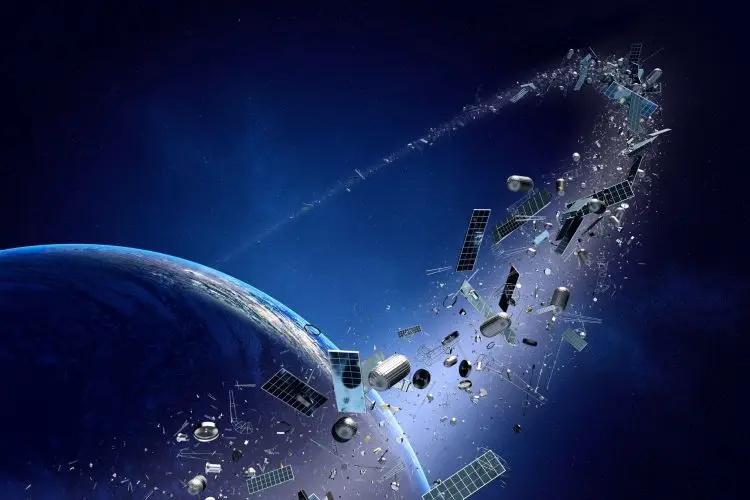
Space Debris Risk - The Hidden Danger
Military space operations create debris that destroys other satellites. Kessler Syndrome cascade collisions could render orbits unusable, threatening communications, GPS, and weather systems worldwide.
The New Warfighting Domain
About 60 countries now have space presence. Space has become a contested military domain where nations compete for orbital supremacy, changing warfare fundamentally.
)
)
)
)
)