Why Chabahar port matters to India: 5 strategic reasons New Delhi cannot walk away from Iran’s port

For New Delhi, Chabahar is not merely an overseas infrastructure project but a long-term strategic investment tied to trade, connectivity and influence across Eurasia.
Strategic stakes amid regional pressure
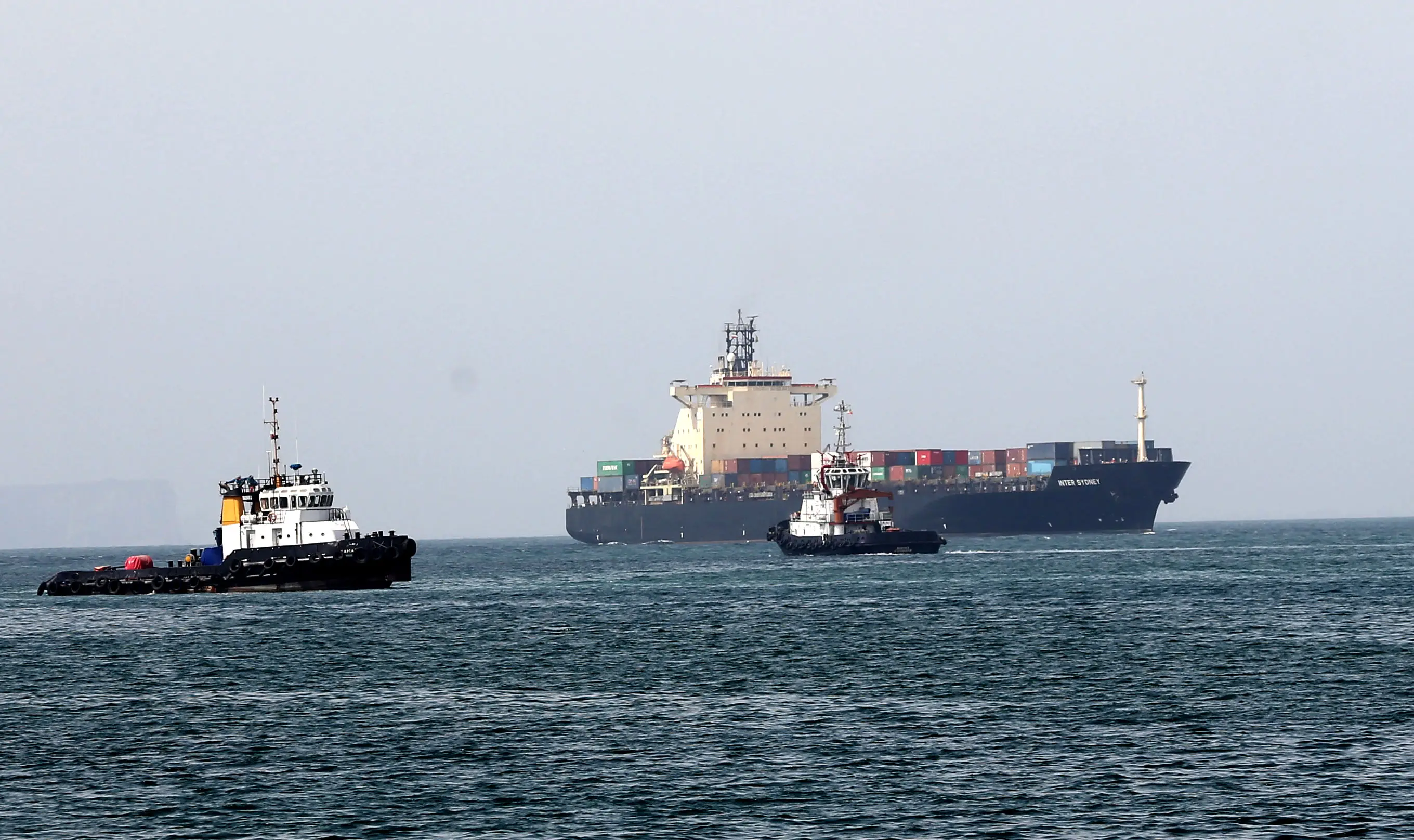
As geopolitical tensions sharpen across West Asia, India has made clear that exiting Iran’s Chabahar port is ‘not an option’ even as US sanctions waiver operations there approaches expiry. The statement comes amid uncertainty created by renewed US pressure on Iran, instability in Afghanistan and shifting regional alignments. For New Delhi, Chabahar is not merely an overseas infrastructure project but a long-term strategic investment tied to trade, connectivity and influence across Eurasia.
What MEA said
“As you are aware, on October 28, 2025, the US Department of Treasury had issued a letter outlining the guidance on the conditional sanctions waiver valid till 26 April 2026. We remain engaged with the US side in working out this arrangement," foreign ministry spokesperson Randhir Jaiswal has said.
India-Iran deal
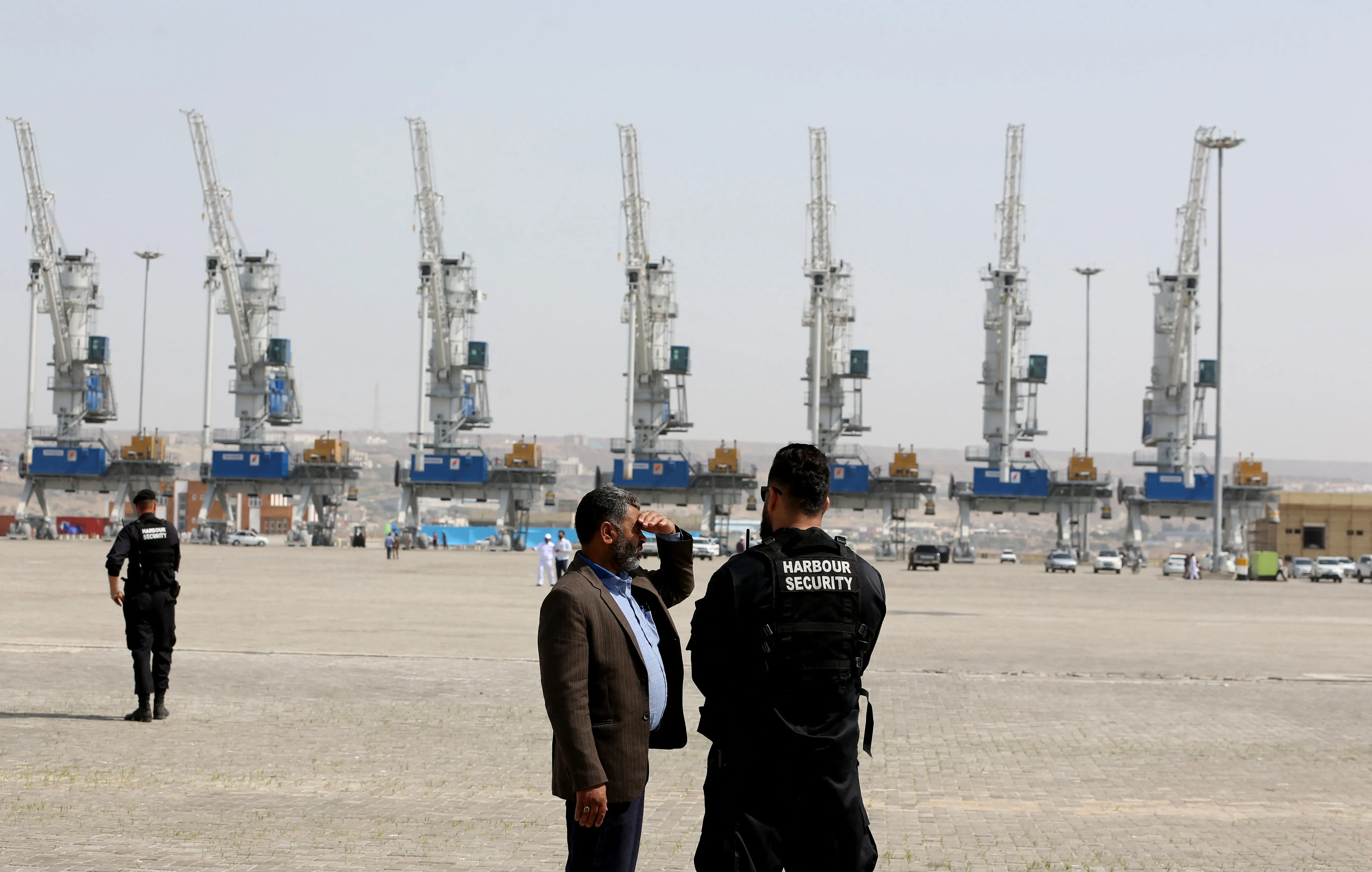
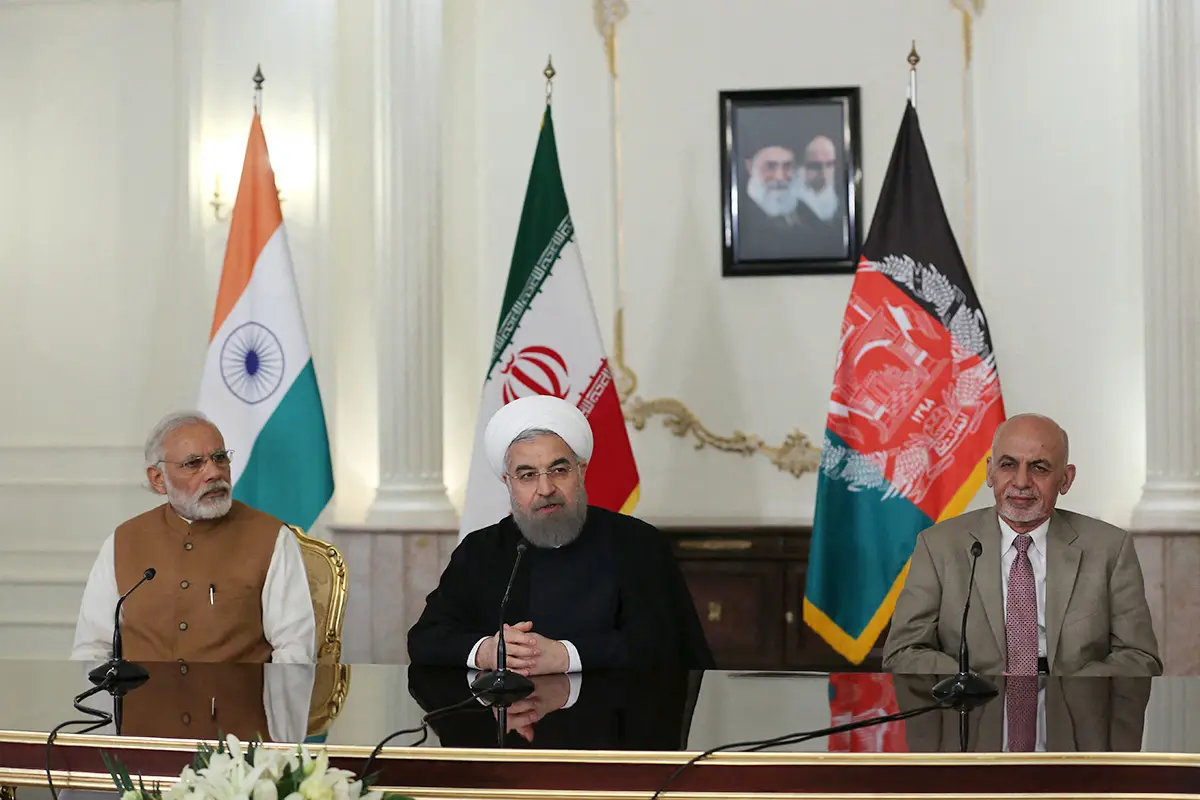
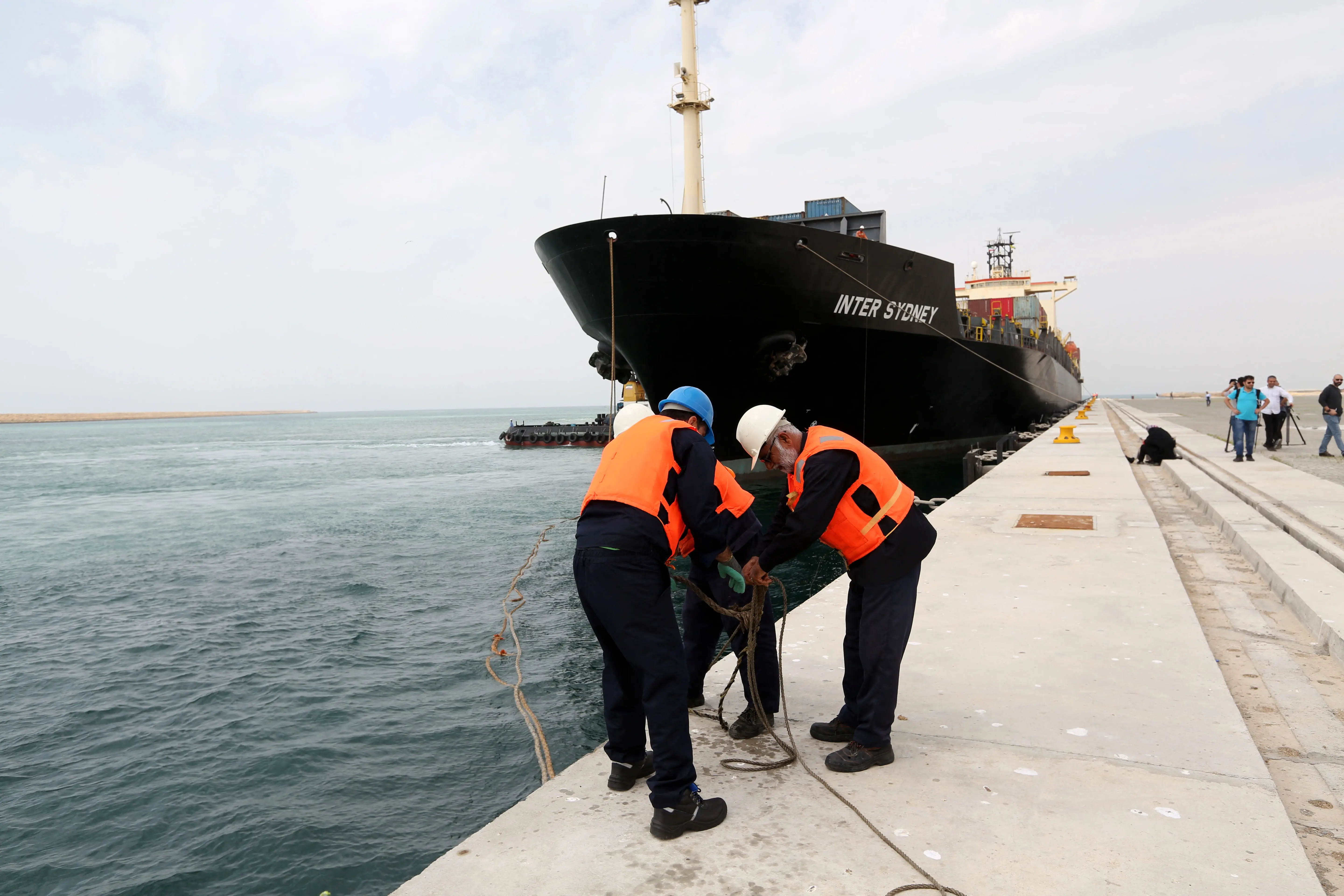
Chabahar is located on Iran’s southeastern coast and India operates the Shahid Beheshti terminal at Chabahar. India signed a 10-year contract with Iran on Monday to develop and operate the Iranian port of Chabahar. The long-term deal was signed between Indian Ports Global Limited (IPGL) and the Port & Maritime Organisation of Iran. Under the agreement it was reported that IPGL would invest about $120 million while there would be an additional $250 million in financing, bringing the contract's value to $370 million.
1. Bypassing Pakistan to reach Afghanistan
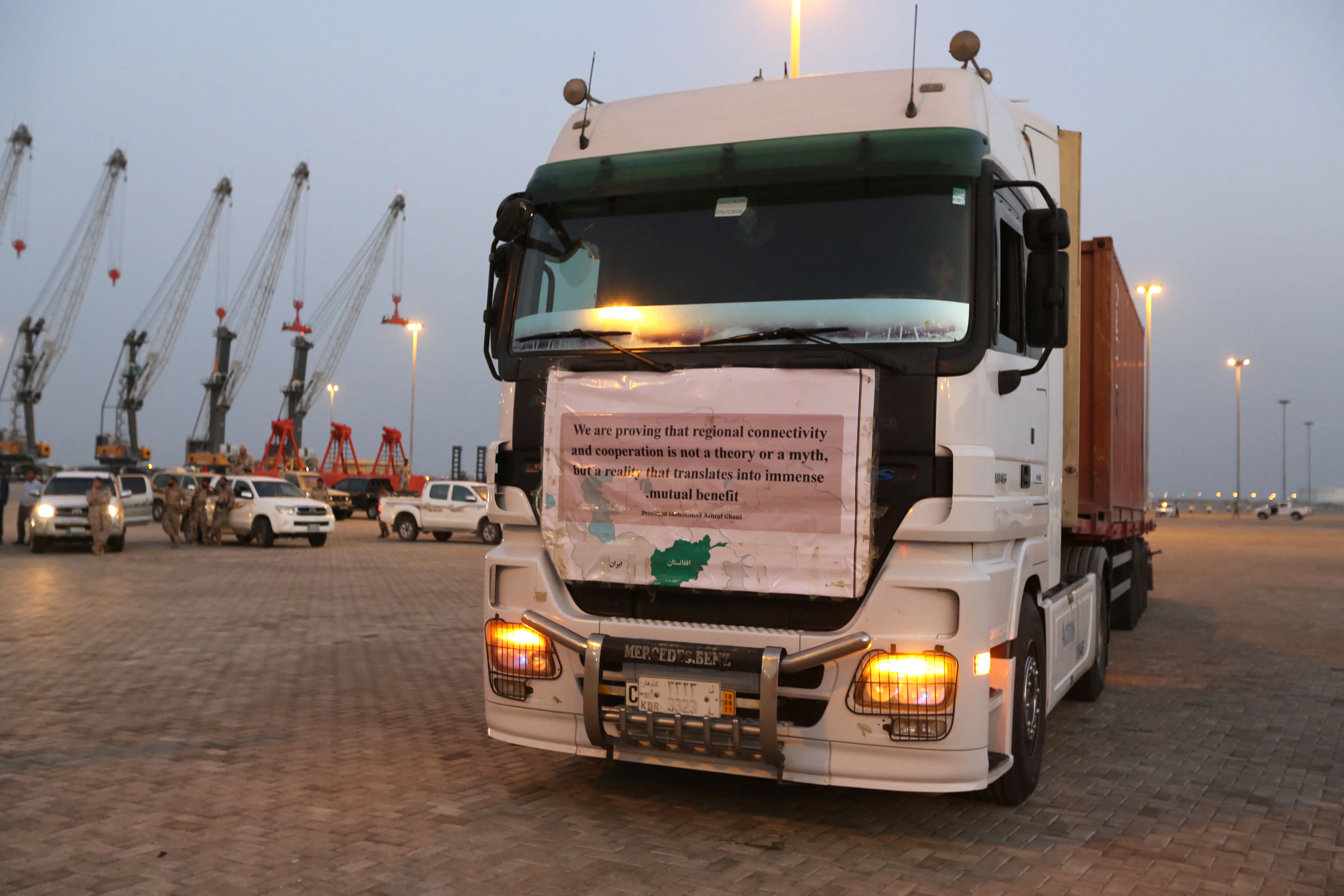
Chabahar gives India direct access to Afghanistan bypassing Pakistan, which has consistently blocked Indian overland trade. Through Chabahar, India has already delivered wheat, medicines and relief supplies to Afghanistan, establishing itself as a reliable partner during periods of crisis, according to government data cited in media reports.
2. Gateway to Central Asia and Eurasia
The port has long been New Delhi’s only viable western corridor. It is a critical node in India’s plans to connect with Iran, Russia and Europe via the International North–South Transport Corridor (INSTC). Chabahar links Indian ports with Iran’s rail and road networks, opening routes to Turkmenistan, Uzbekistan and beyond, reducing both cost and transit time for Indian exports.
3. Strategic counter to China’s Gwadar port
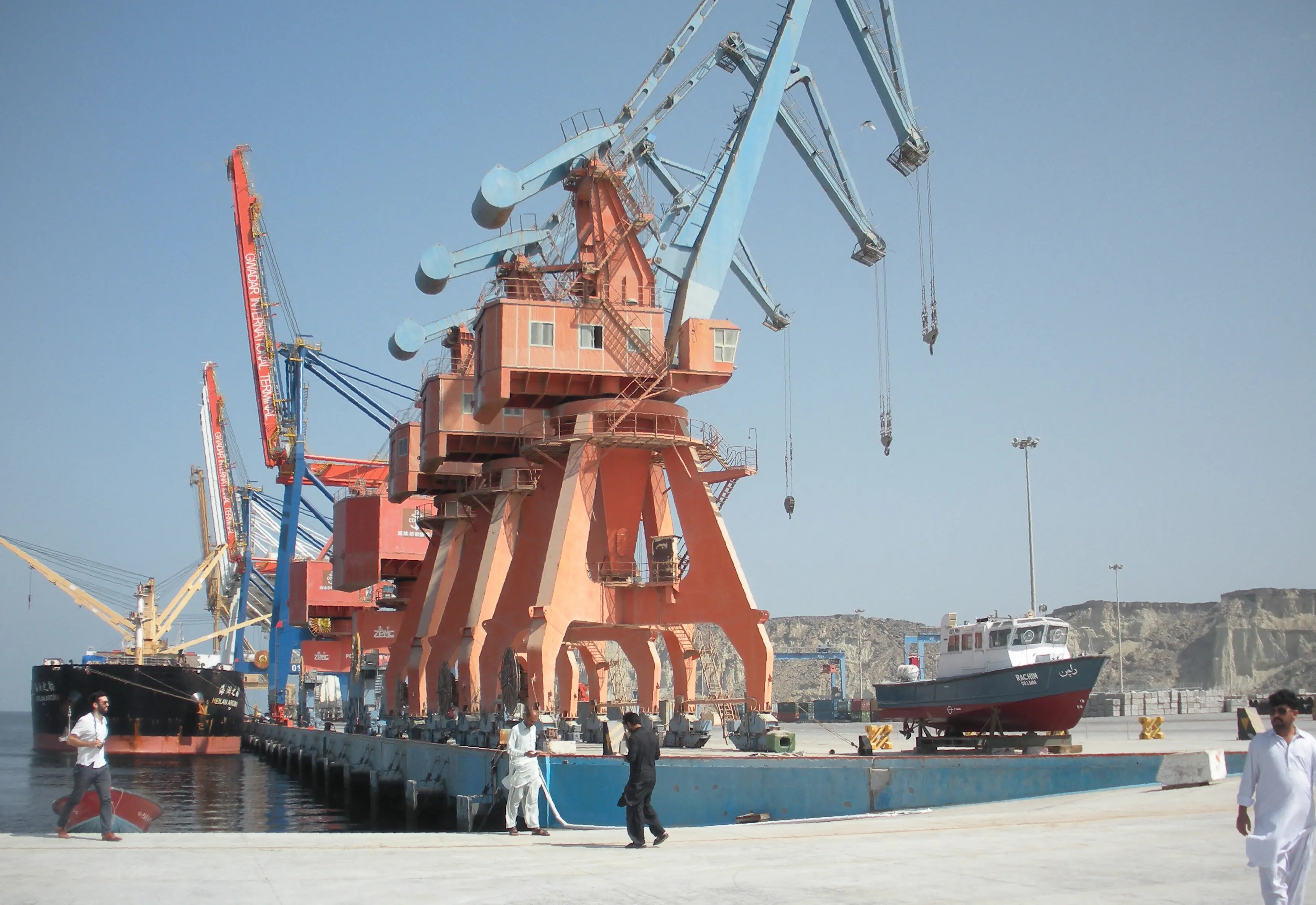
Chabahar provides a strategic counterweight to China’s Gwadar port in Pakistan, part of the China–Pakistan Economic Corridor. While India avoids framing the project in military terms, note that Chabahar strengthens India’s presence in the Arabian Sea and balances Beijing’s expanding regional footprint.
4. Energy security and trade diversification
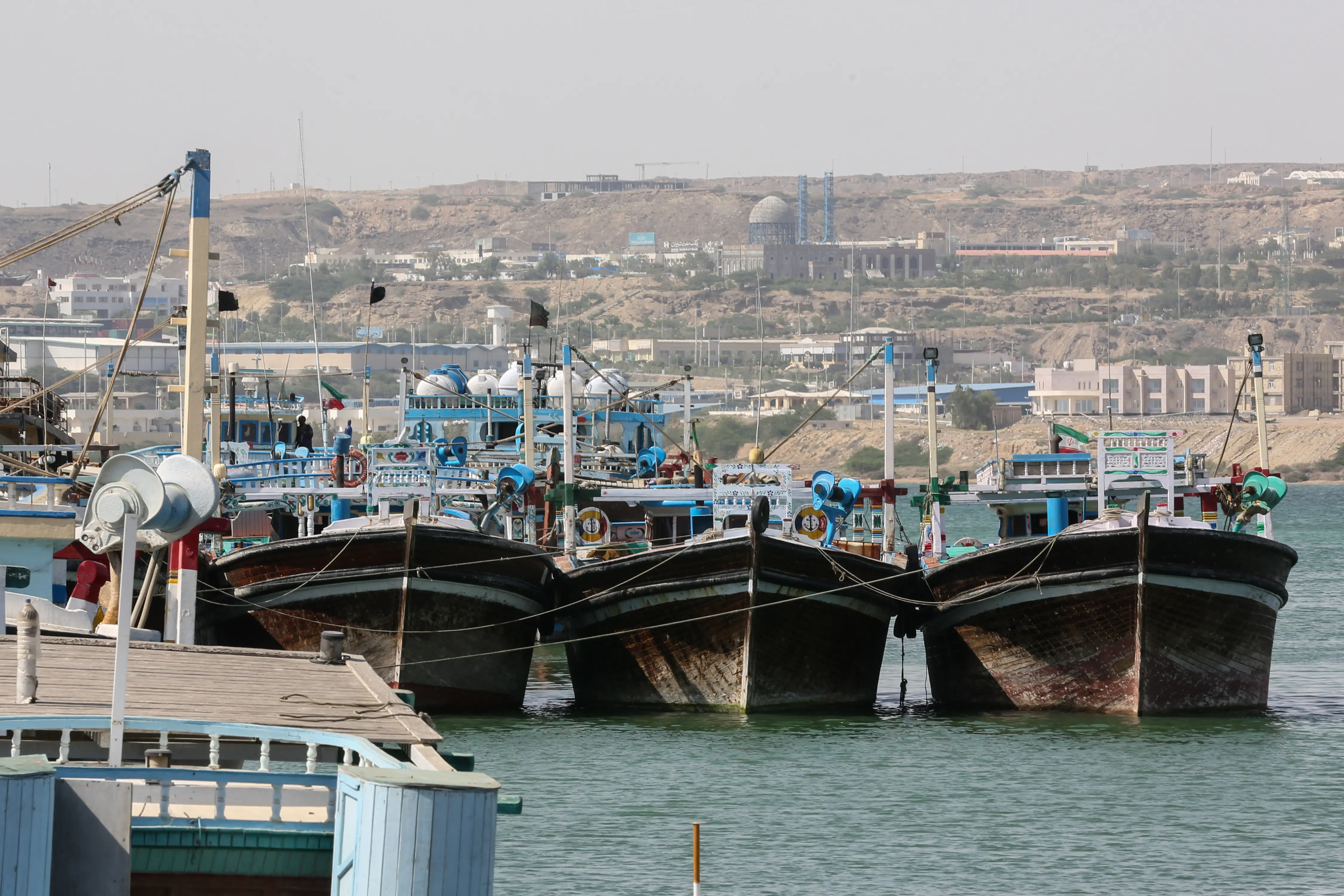
Iran remains a key energy producer, and Chabahar supports India’s broader interest in diversifying trade routes and energy partnerships. Even as crude imports fluctuate due to sanctions, the port keeps economic channels open for future engagement.
5. Diplomatic credibility and regional influence
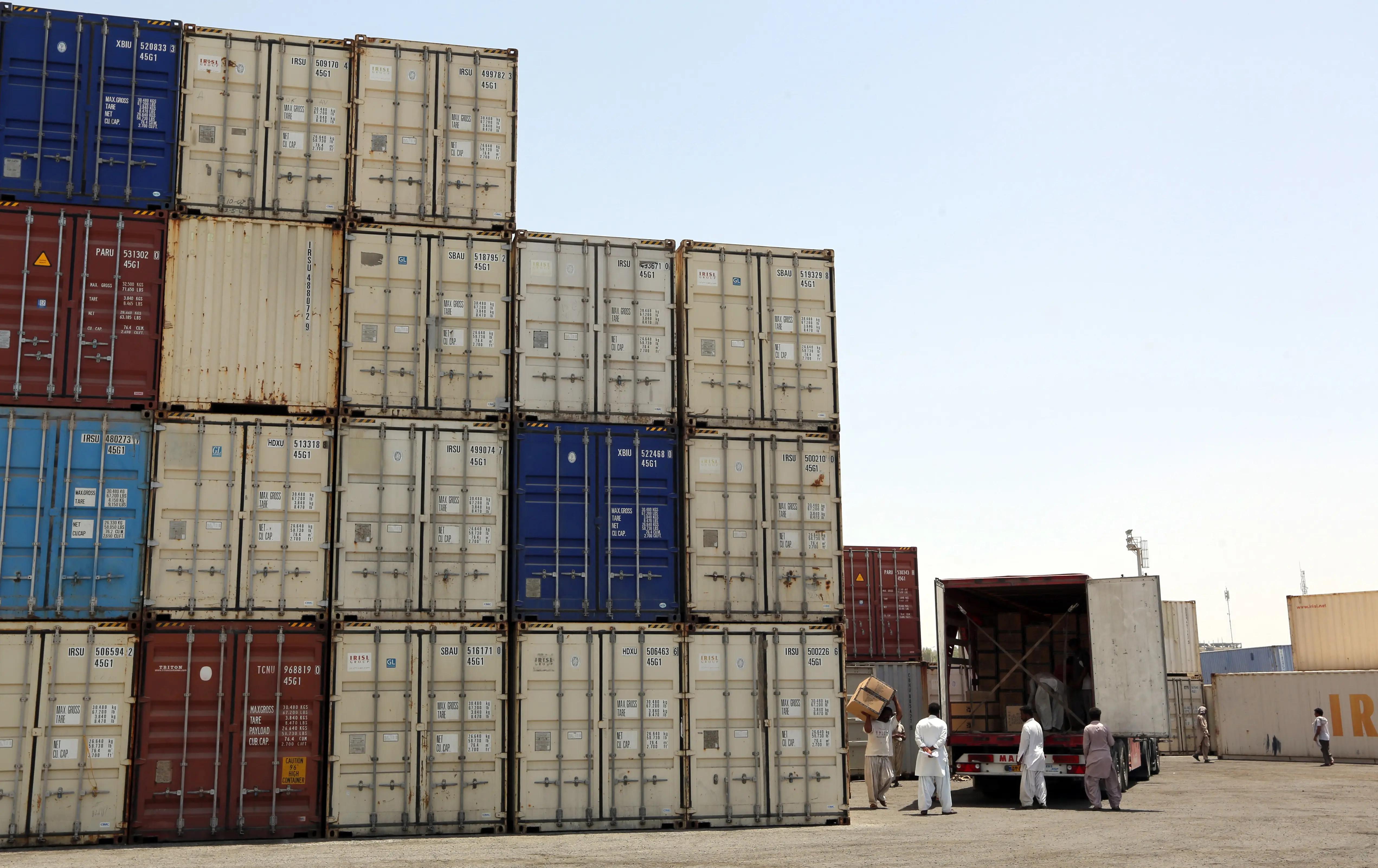
Walking away from Chabahar would damage India’s credibility as a long-term partner. Continued involvement signals strategic autonomy, reassures regional partners and reinforces India’s role as a stabilising economic actor.
)
)
)
)
)