Why carbon-fibre composites dominate high-G fighter jet engineering

Tejas uses more carbon-fibre than most fighters, making it lighter, stronger and better at surviving high-G stress. Composites resist fatigue, boost manoeuvrability and degrade slowly instead of failing suddenly revealing why India’s future jets will rely on them even more.
Carbon-Fibre Is Stronger Yet Much Lighter
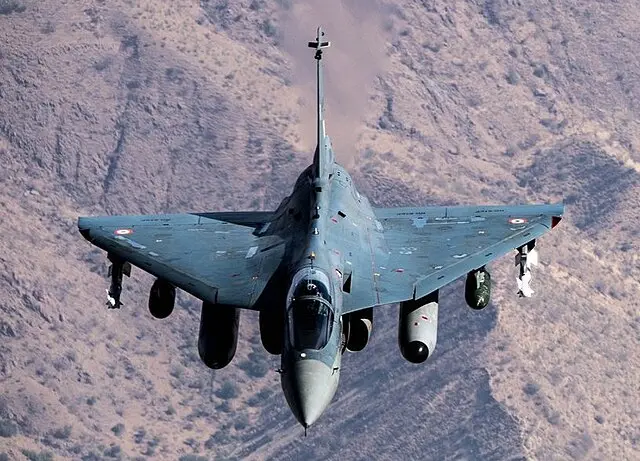
Fighter jets need strength but also need to be light. Metal is strong but heavy. Carbon-fibre is stronger than metal yet weighs five times less. This combination makes composites perfect for high-G aircraft. Tejas uses composites extensively for this reason.
The 45-55 Percent Composite Advantage
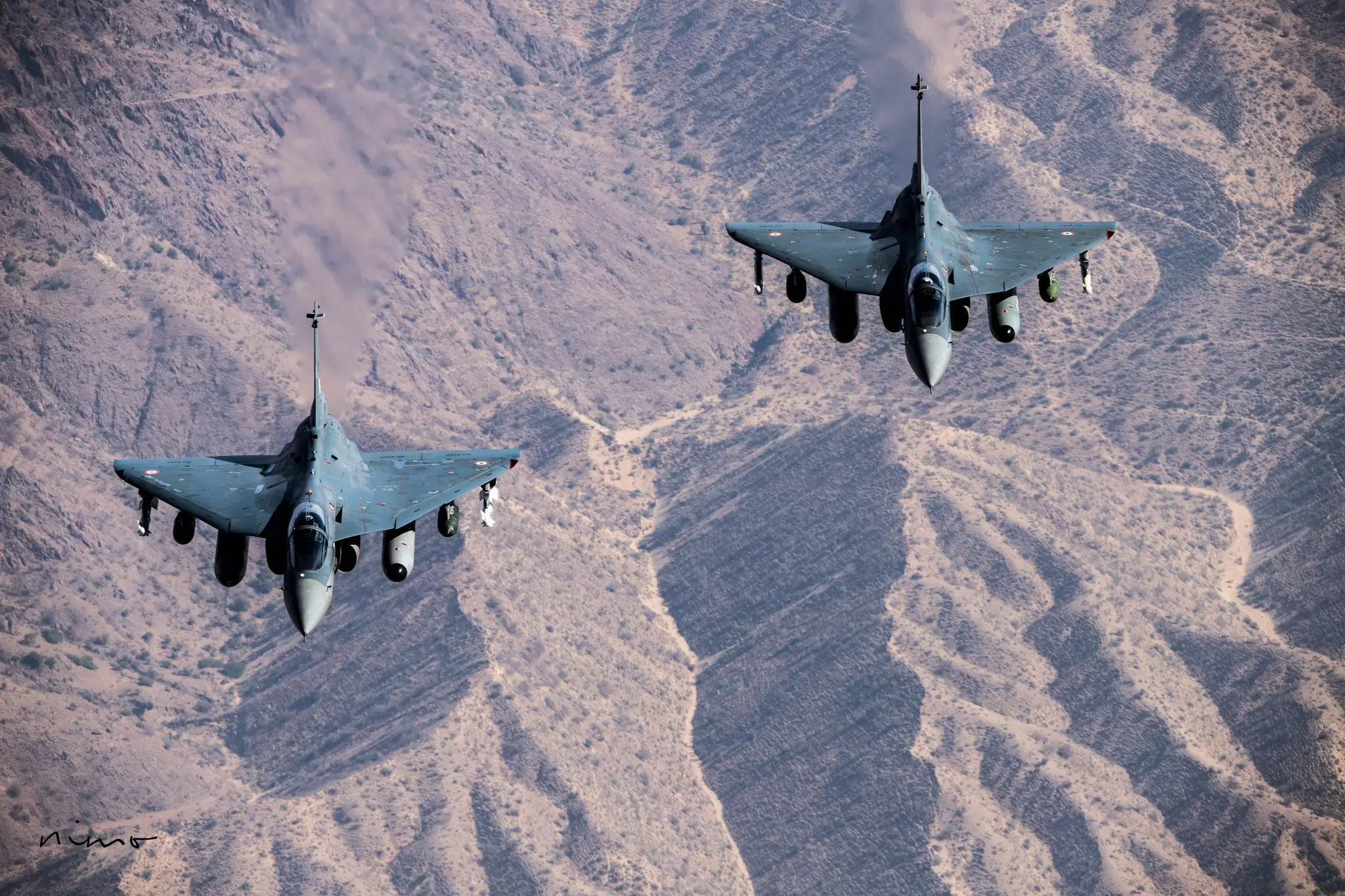
Tejas Mk1 uses 45 percent composite materials by weight. Mk1A and Mk2 increase this to 55 percent. This means more than half the airframe is now composite. The remaining structure uses aluminium-lithium and titanium alloys. This mix achieves optimal strength and weight balance.
Strength-To-Weight Ratio Excellence
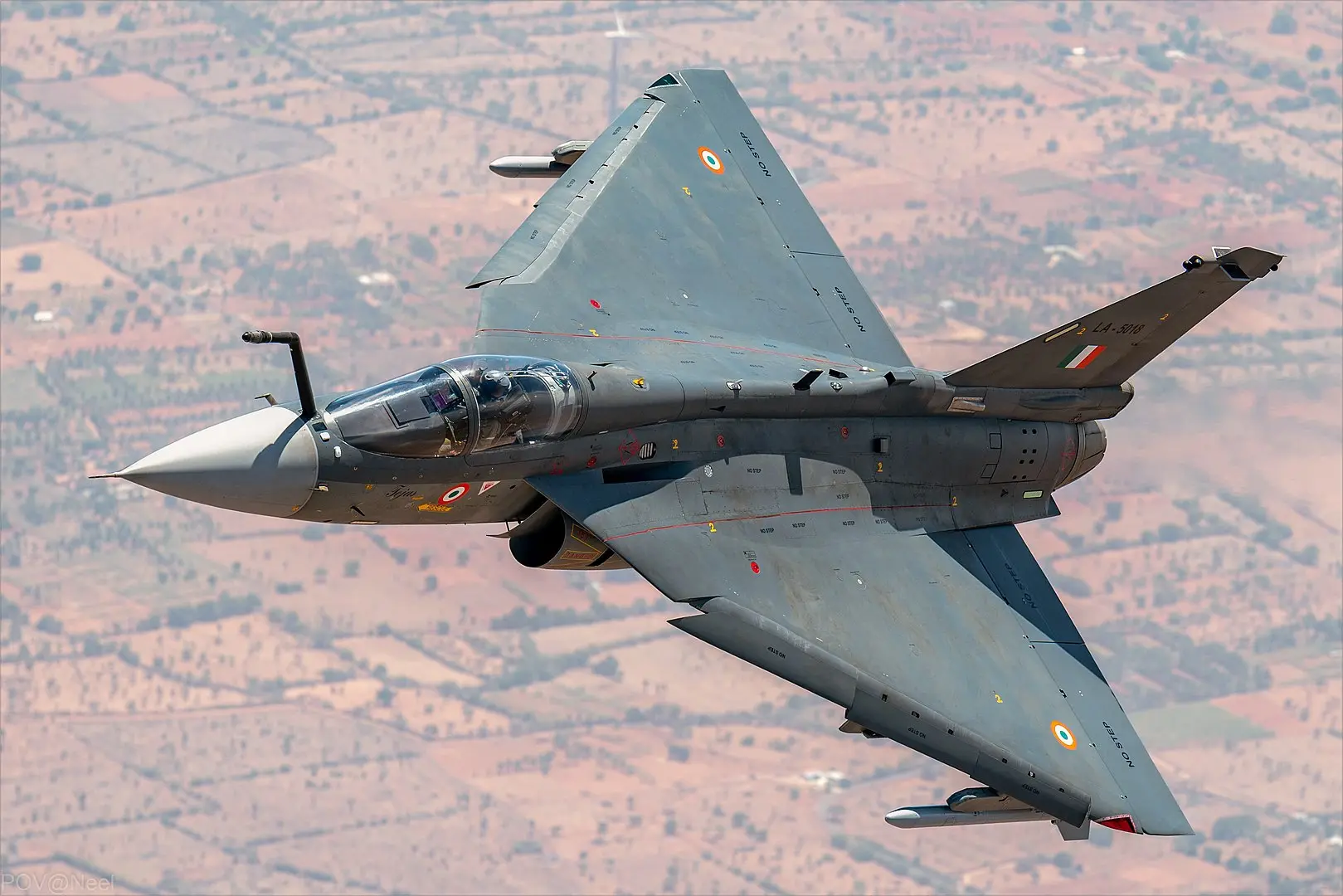
CFRP materials have minimum yield strength of 550 megapascals. This means they handle tremendous load. Their density is only one-fifth of steel. Combining strength with light weight creates high performance. A Tejas can turn harder without exceeding structural limits.
High-G Manoeuvre Capability
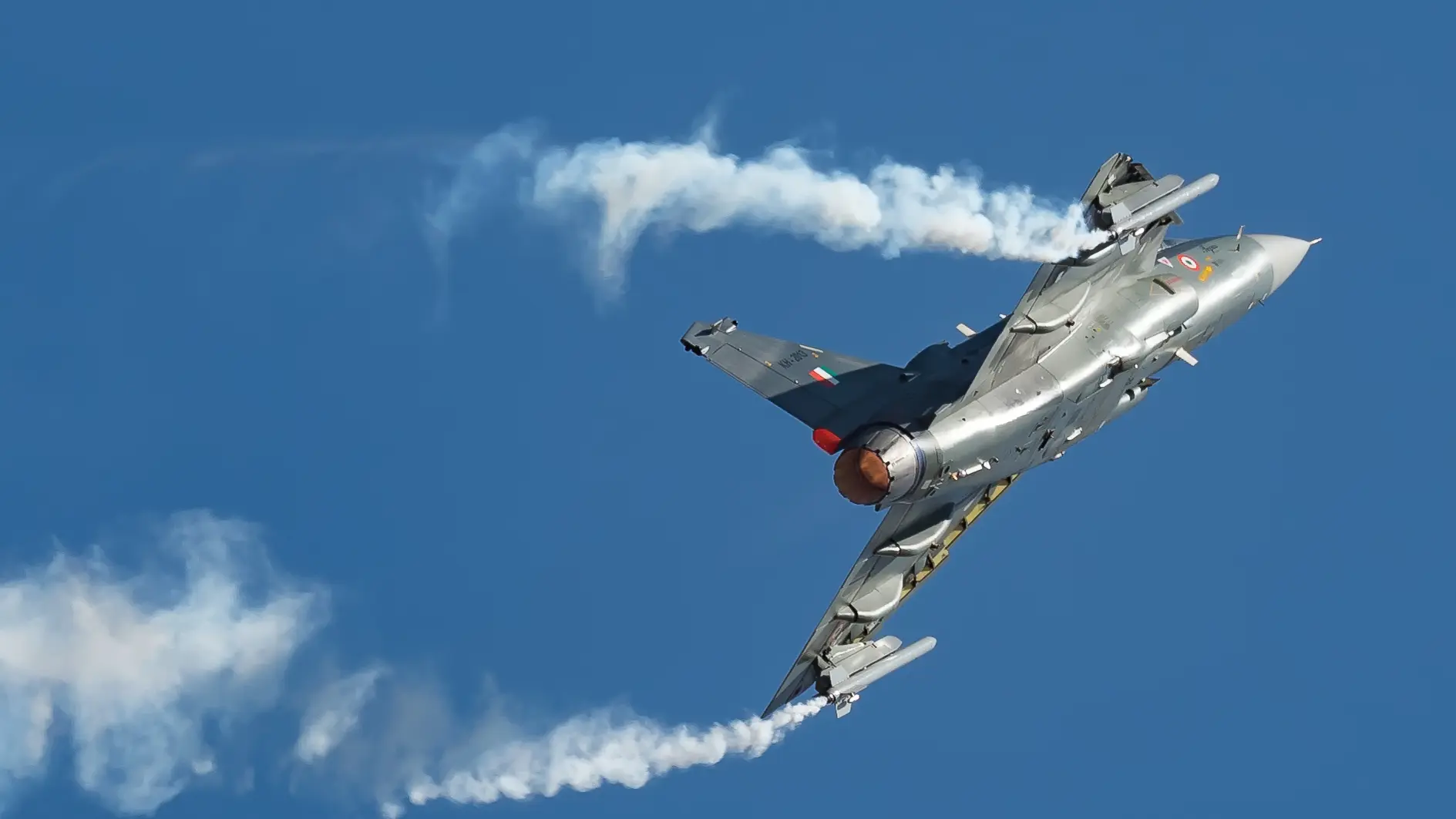
Tejas sustains 8-G manoeuvres due to composite construction. At 8-G, forces reach extreme levels. Composite materials distribute these forces across the airframe. Metal would fatigue and crack. Composites handle repeated high-G stresses better. This enables sustained combat manoeuvres.
Vacuum-Assisted Resin Moulding Creates Superior Strength
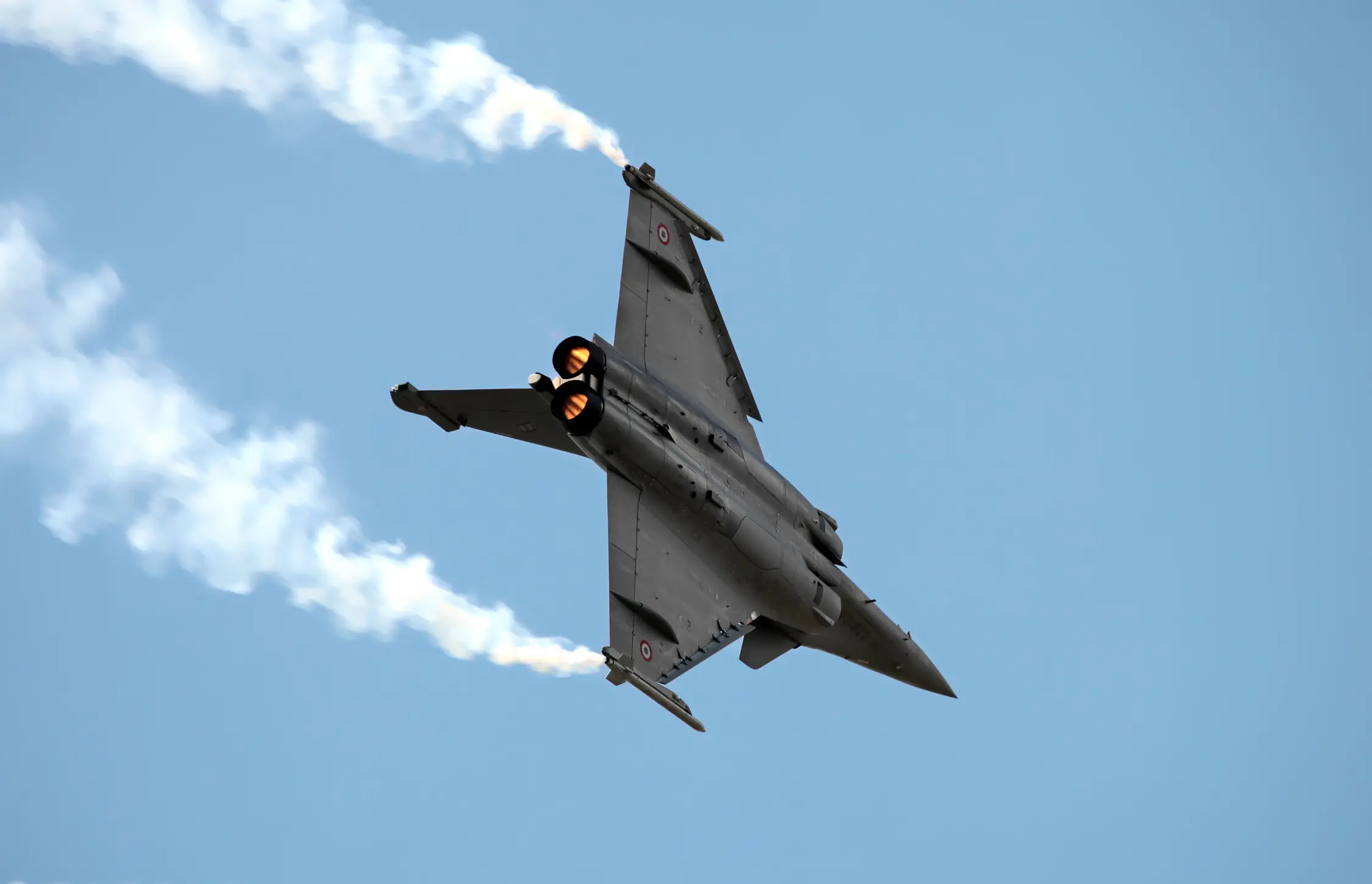
Manufacturing composites requires precision. Tejas uses vacuum-assisted resin transfer moulding (VARTM). This removes air bubbles and ensures uniform material properties. Autoclave curing applies heat and pressure for optimal fibre-resin bonding. This produces composite parts with superior strength.
Composites Weaken Gradually, Never Suddenly Break
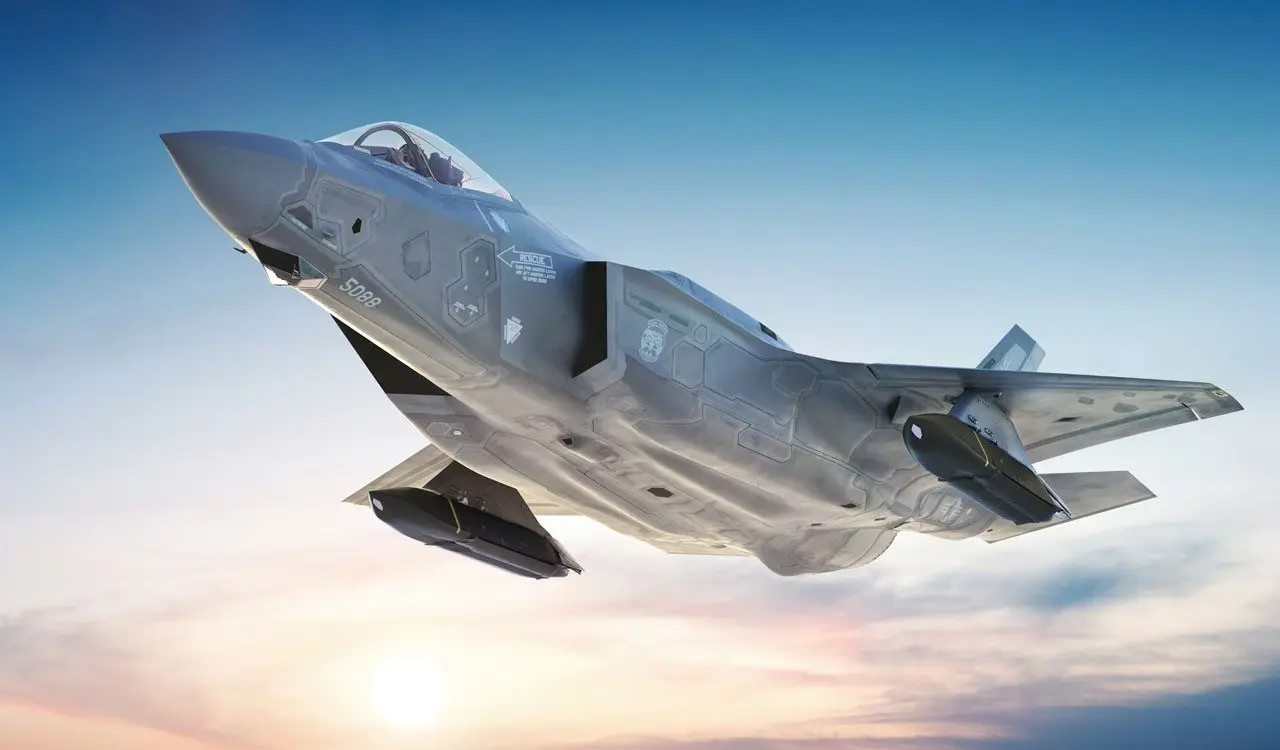
Composite materials degrade gracefully under high stress. If damage occurs, the airframe remains flyable. Metal structures sometimes fail suddenly without warning. Composites show signs of degradation first. Pilots have time to recover. This safety feature is critical during extreme manoeuvres.
Future Composite Improvements
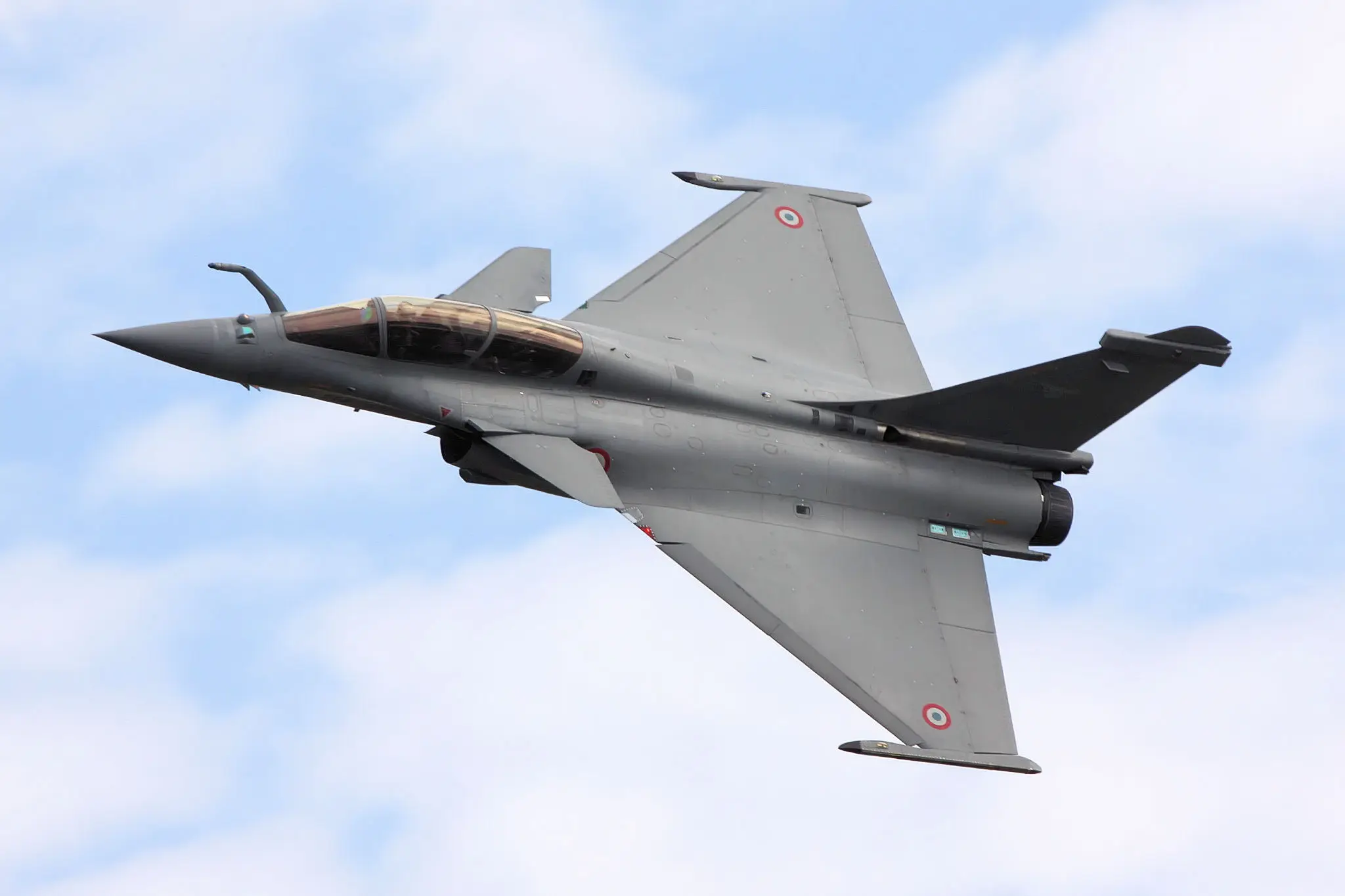
Engineers continue developing better composite materials. Next-generation composites will be stronger and lighter. New manufacturing techniques will improve quality further. Tejas Mk3 and beyond will use even more advanced composites. This will enable faster, higher-G aircraft.
)
)
)
)
)