Why Bugatti engineers spent 300 hours building just a door handle

The handle isn't made of standard plastic or aluminium. It’s often built from forged aluminium, titanium, or carbon fibre, depending on the model. These choices are made not just for strength and weight but also for thermal stability and tactile comfort.
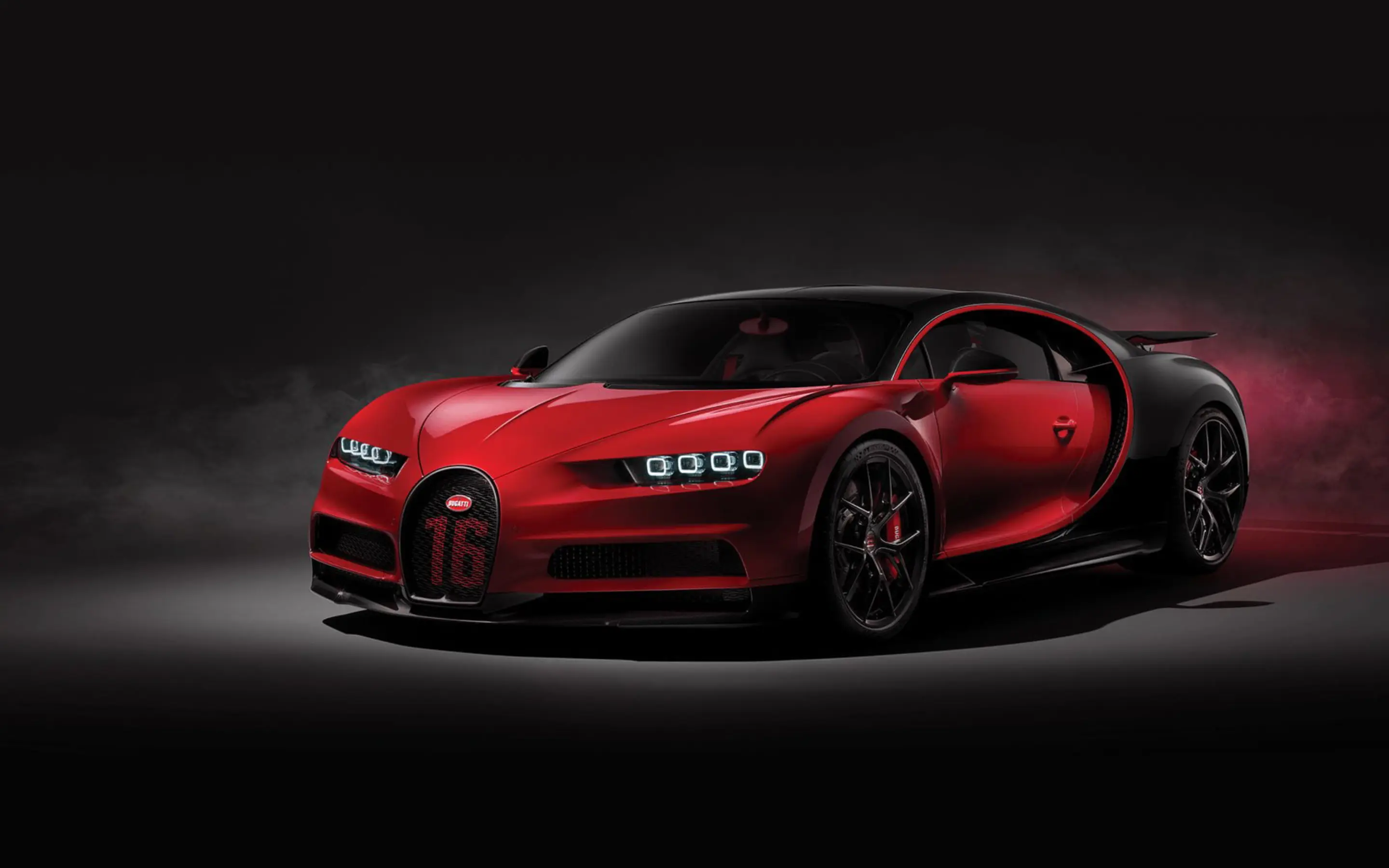
It’s Not Just a Handle – It’s Part of the Aerodynamics
Bugatti engineers don’t treat door handles like a separate part, they integrate them into the car’s overall aerodynamic design. For the Chiron and Bolide models, the handle’s shape affects airflow and drag at high speeds.
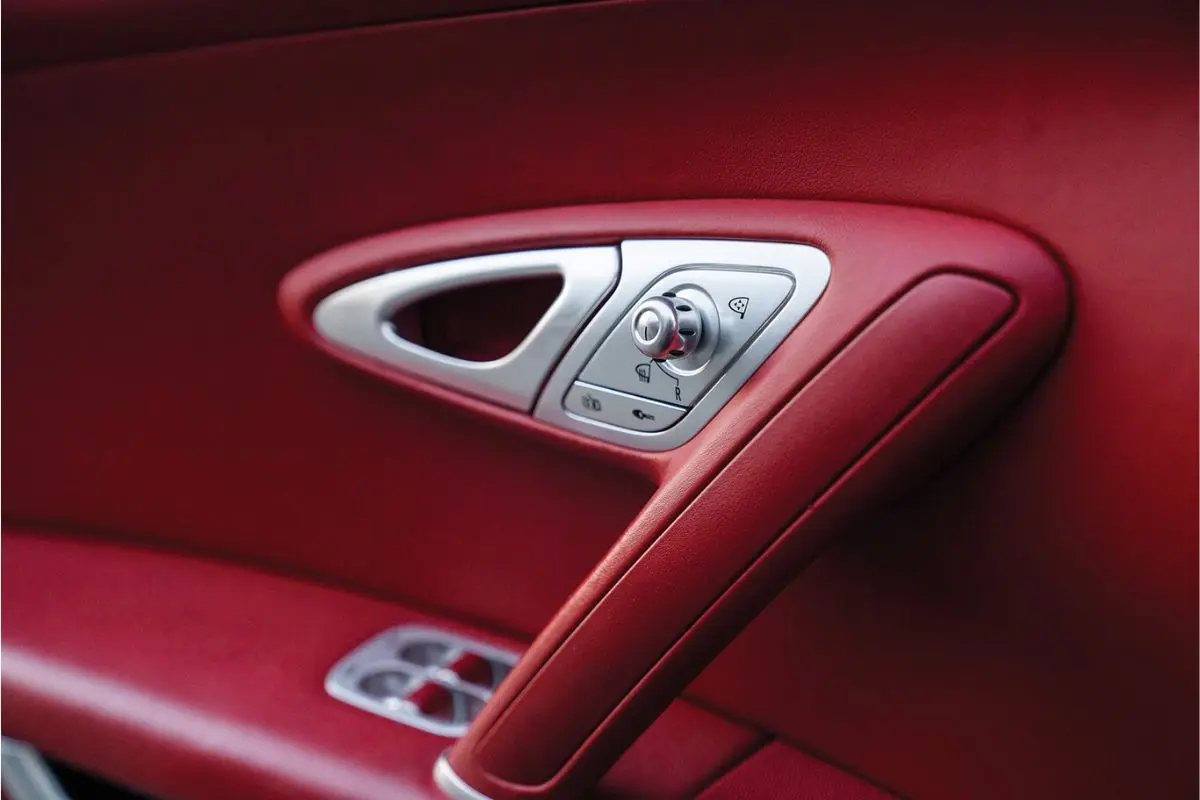
300 Hours for One Part Sounds Excessive
The company is known for its obsessive engineering. Bugatti reportedly spent 300 hours perfecting the door handle’s design, placement, material, and function. That’s more time than it takes to build an entire car at some mass-market manufacturers.
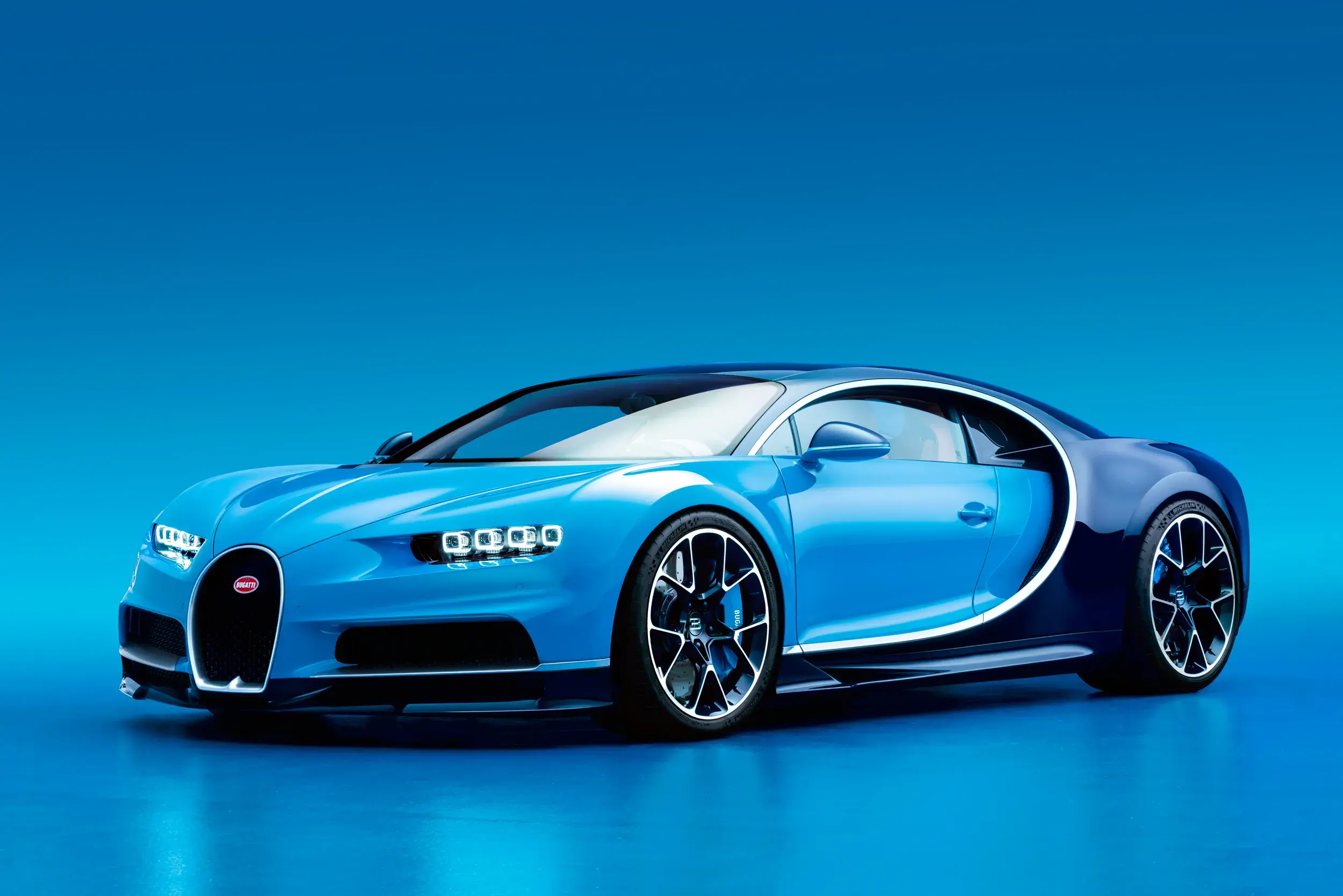
Materials Are as Important as Mechanics
The handle isn't made of standard plastic or aluminium. It’s often built from forged aluminium, titanium, or carbon fibre, depending on the model. These choices are made not just for strength and weight but also for thermal stability and tactile comfort.
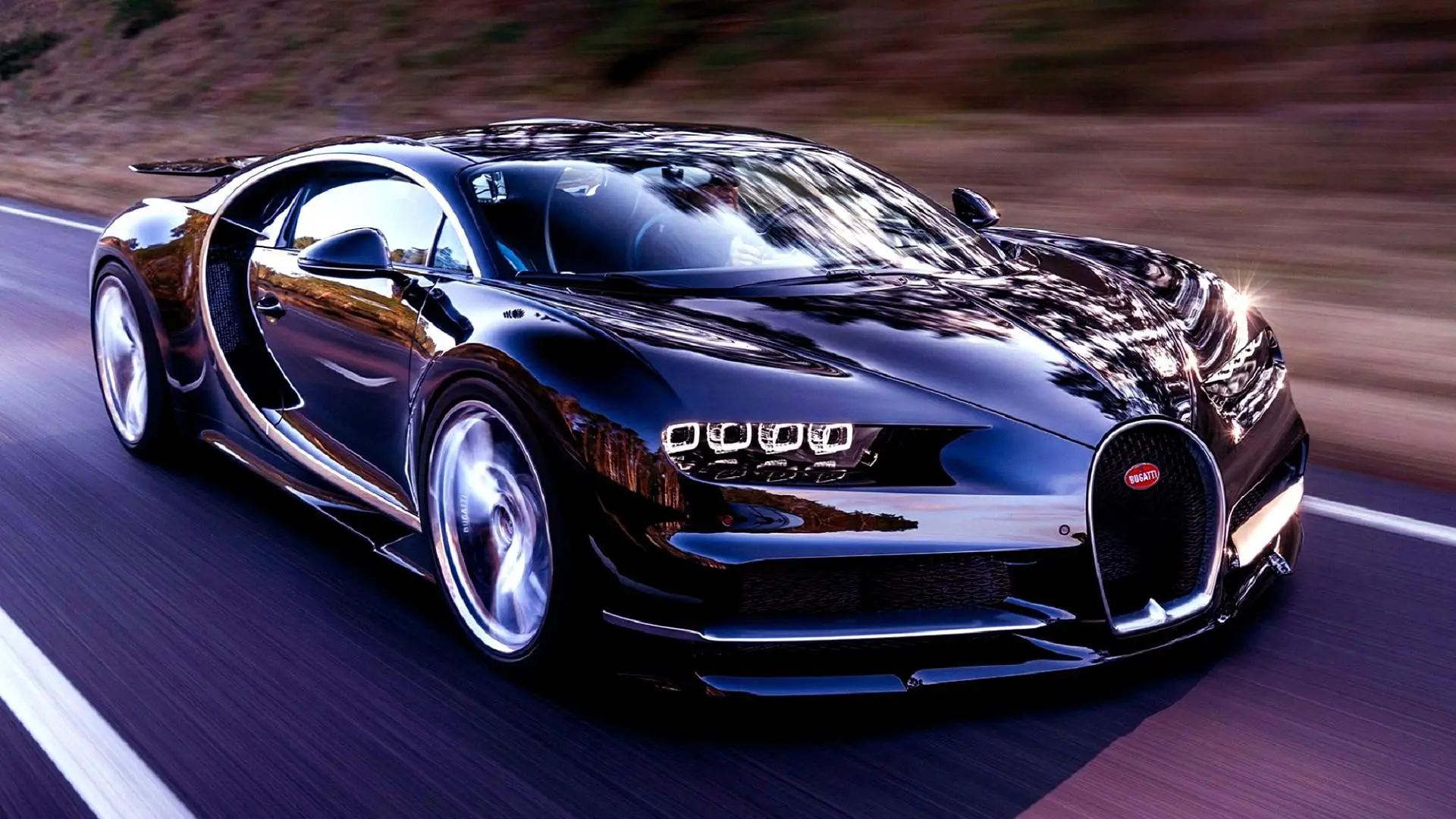
Ergonomics Mapped to the Millimetre
The engineers mapped human grip pressure, reach angle, and entry flow to determine the optimal shape and pull force of the handle. Even the “click” sound and feel of the mechanism is tuned for satisfaction.

Security, Electronics, and Sensors All Packed Inside
The handle includes RFID security tech, pressure sensors, and sometimes soft-close triggers. Everything needs to function in extreme weather conditions, from Arctic cold to desert heat, without fail.
It’s a Statement of Bugatti’s Engineering Culture
For Bugatti, no part is too small. The door handle is a representation of the brand’s philosophy: If something exists on the car, it must be beautiful, purposeful, and over-engineered.

It’s Also a Customised Touchpoint
Every Bugatti buyer gets options to customise the handle’s finish, engraving, and even lighting. For a car that costs over Rs 20 crore, the entry point deserves just as much care as the engine.
)
)
)
)
)