How does Union Budget 2026 make it easier for NRIs to invest in India?

The individual limit is set to be increased from 5 per cent to 10 per cent, while the combined cap for all such investors is proposed to rise from 10per cent to 24 per cent.

Introduction
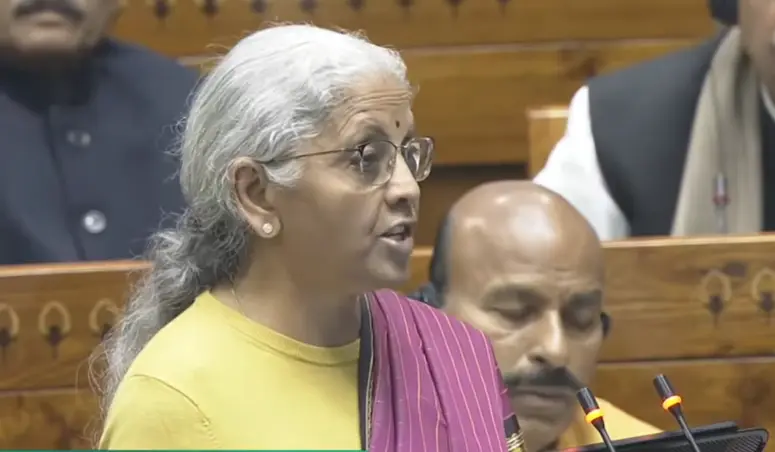
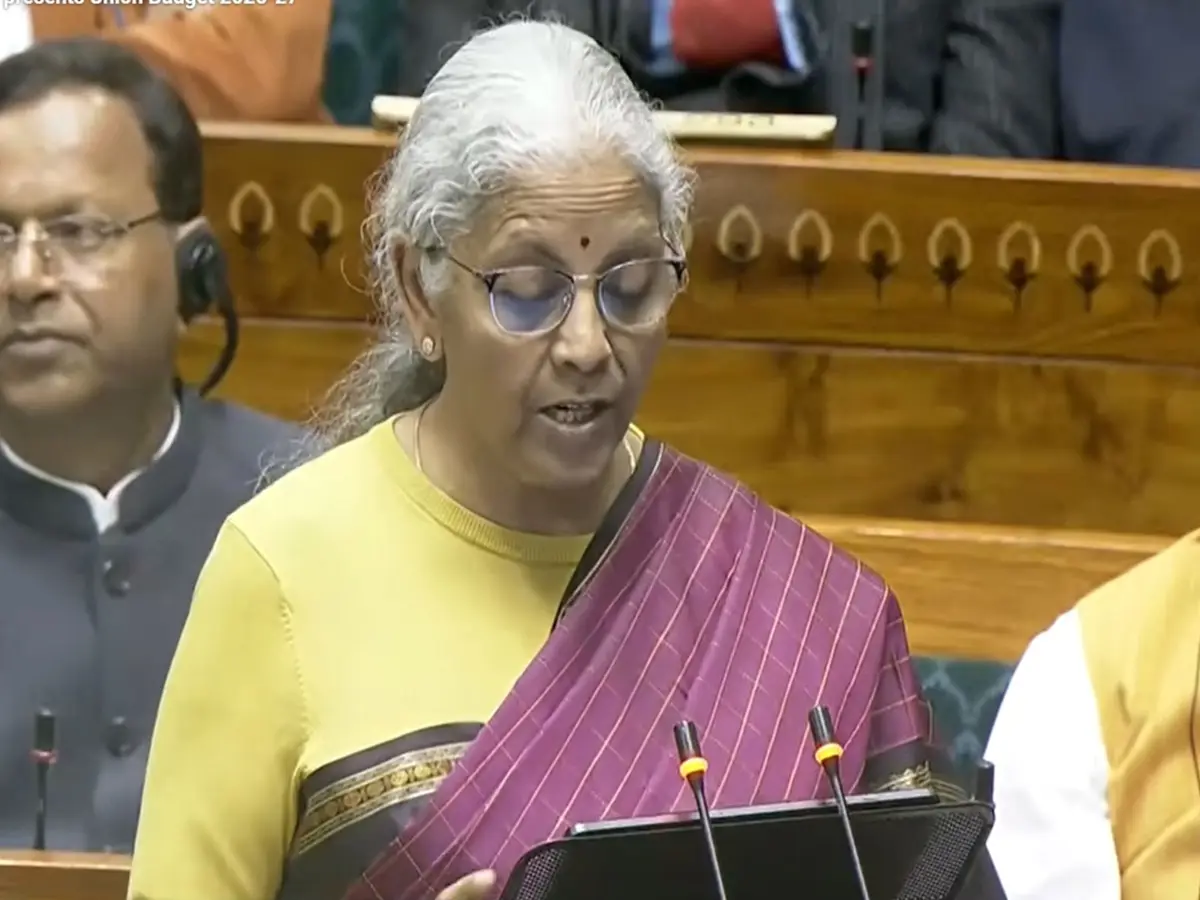
Union finance minister Nirmala Sitharaman, while presenting the Union Budget 2026-27 today in the Lok Sabha introduced key reform for non‑resident Indians (NRIs) and other overseas investors by doubling the individual investment cap in Indian listed companies.

Direct Access to Equities
Until now, a single NRI could own up to 5 per cent to 10 per cent of a company’s paid‑up capital. Under the new budget, this limit has been raised to 10 per cent, with the total cap for all NRIs combined increased to 24 per cent.
Implications for Ownership and Strategy
Previously, many non‑resident investors accessed Indian equities mainly through foreign portfolio investors or specific NRI routes. Budget 2026 proposes to allow overseas residents, including NRIs and foreign citizens, to invest directly in Indian stocks under a regulated portfolio investment scheme. This aims to simplify access and broaden participation in domestic markets.

Tax relief for foreigners
For NRIs considering investment in India, these changes offer greater scope and flexibility. Additionally, foreign nationals residing in India for up to five years get relief on non-India earnings, announced the FM.
Implications for Ownership and Strategy
The increase from 5 per cent to 10 per cent for individual holdings enables NRIs to take more meaningful stakes in companies than before. According to investment analysts, such larger shareholdings can influence price discovery and market depth, potentially improving liquidity and engagement by global Indian capital.
Automated Process for Small Taxpayers
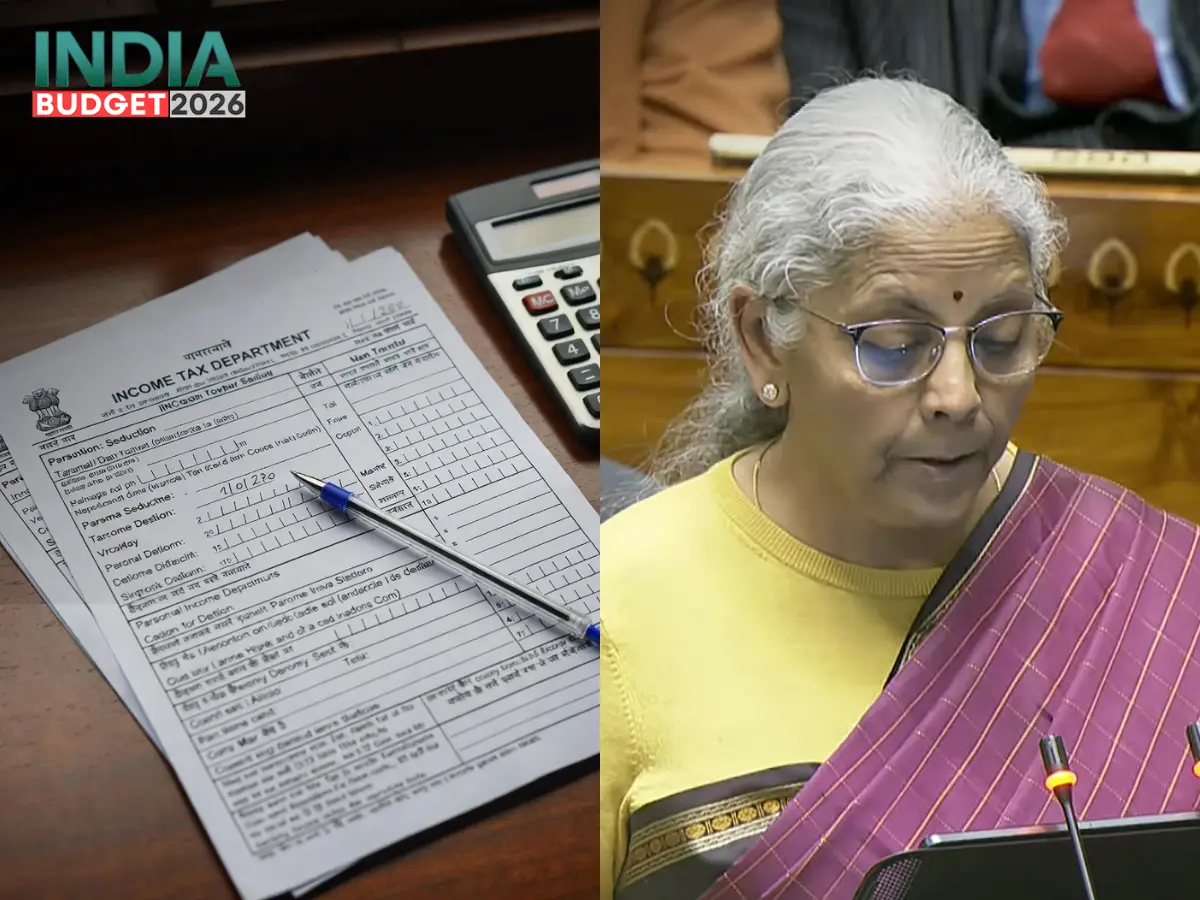
Finance Minister Nirmala Sitharaman outlined a new scheme for small taxpayers. “I propose a scheme for small taxpayers wherein a rule-based automated process will enable obtaining a lower or nil deduction certificate. Instead of filing an application with the assessing officer for the ease of taxpayer holding securities in multiple companies, I propose to enable depositaries to accept Form 15 G or Form 15 h from the investor and provide it directly to various relevant companies", said the FM. This measure is expected to simplify compliance and reduce administrative delays.
)
)
)
)
)