Why BrahMos is called a ‘carrier-killer’ missile? The physics behind its devastating impact

Capable of sustained supersonic speed throughout its flight, BrahMos delivers tremendous kinetic energy on impact, enough to threaten large warships, including aircraft carriers.
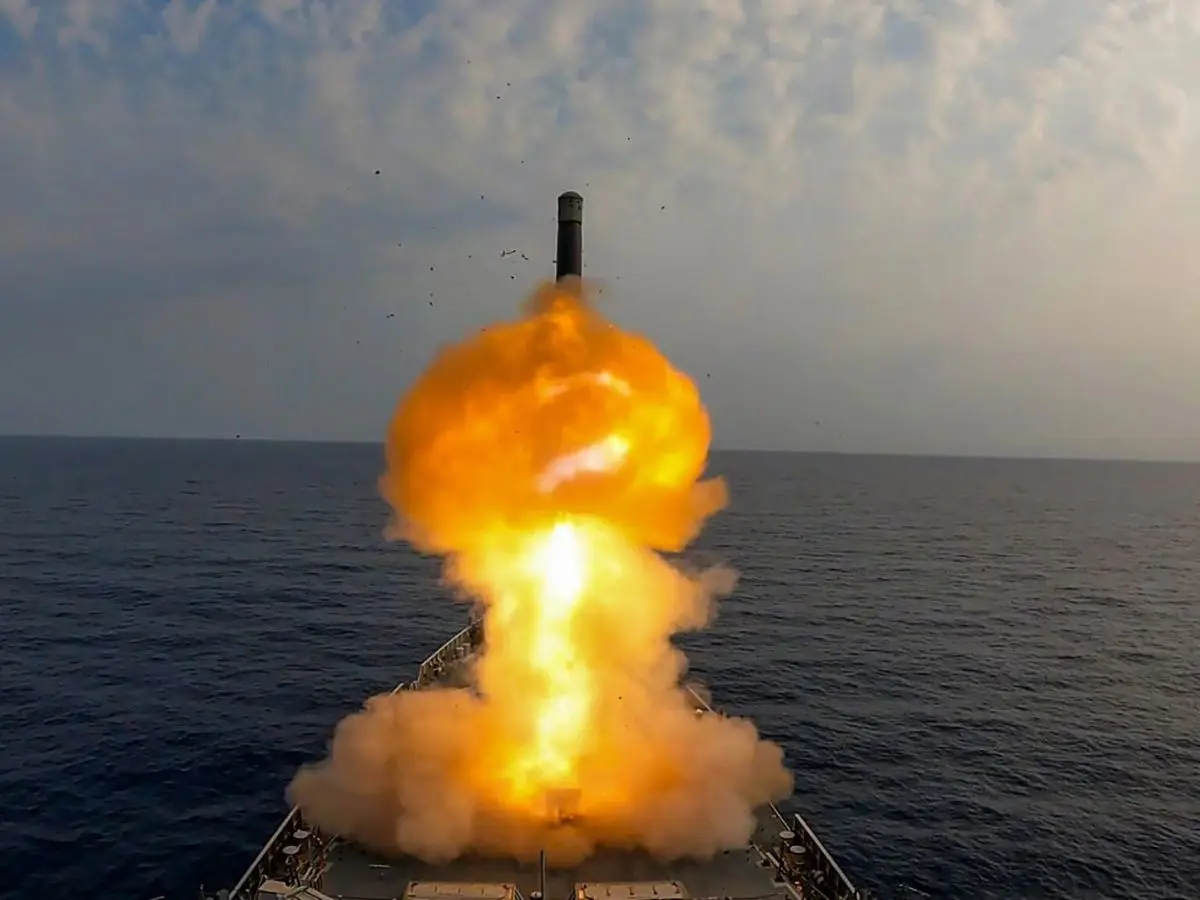
Introduction: Speed, Power and a Game‑Changing Threat
Few cruise missiles combine speed, precision and destructive force quite like BrahMos. Capable of sustained supersonic speed throughout its flight, BrahMos delivers tremendous kinetic energy on impact, enough to threaten large warships, including aircraft carriers. That blend of velocity and punch has earned it the 'carrier‑killer' label. Understanding the physical principles behind that label shows why naval assets can no longer treat BrahMos as just another missile.

How Supersonic Cruise Makes the Difference
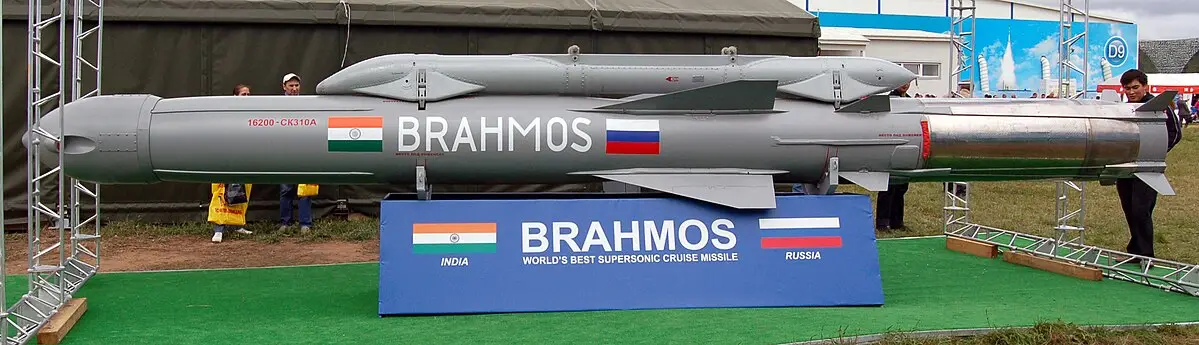
BrahMos is propelled by a two‑stage system: a solid‑fuel booster for initial thrust, followed by a liquid‑fueled ramjet sustainer that maintains its cruise at roughly Mach 2.8–3.0. At these speeds, the missile travels at more than three times the speed of sound, far faster than most subsonic cruise missiles. The extremely high velocity reduces the time available for detection and interception, while massively increasing the kinetic energy delivered on impact.
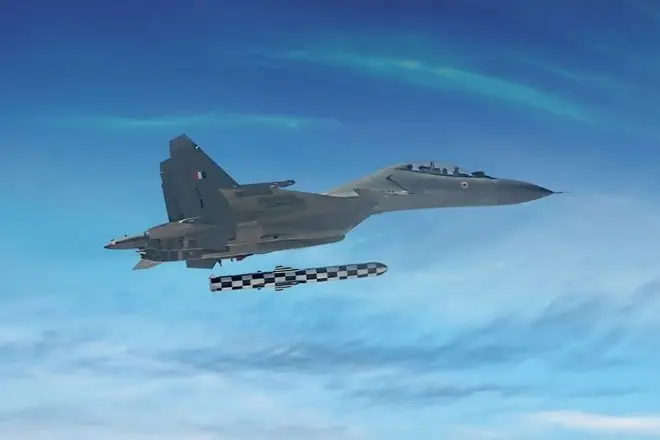
Kinetic Energy and Warhead: Double the Destructive Potential
BrahMos carries a conventional warhead of 200–300 kg. When a missile travelling at near-Mach 3 strikes a target, the impact isn’t just about the explosive payload, the missile itself acts like a high-speed projectile, delivering kinetic force that can penetrate hulls and decks before the warhead detonates. This dual nature, kinetic plus explosive, makes BrahMos far more dangerous than ordinary, slower cruise missiles.
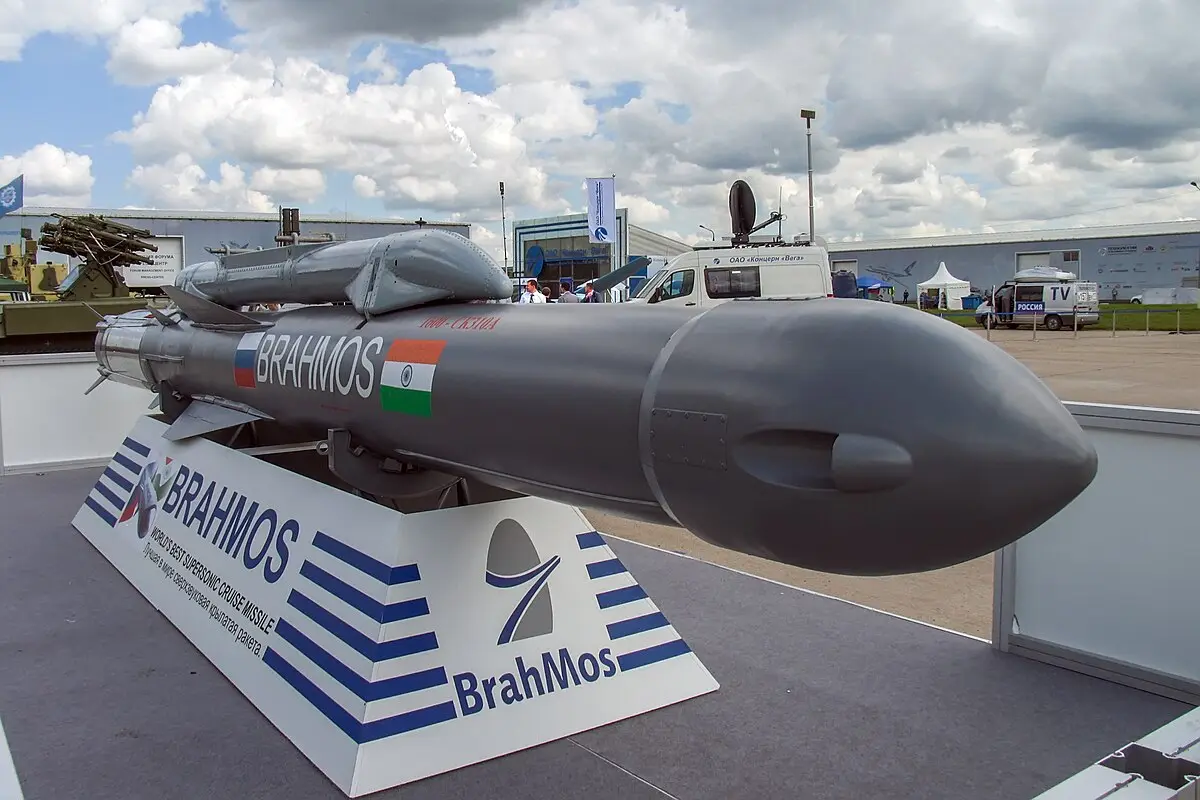
Multi‑Platform Launch: Saturation and Surprise Advantage
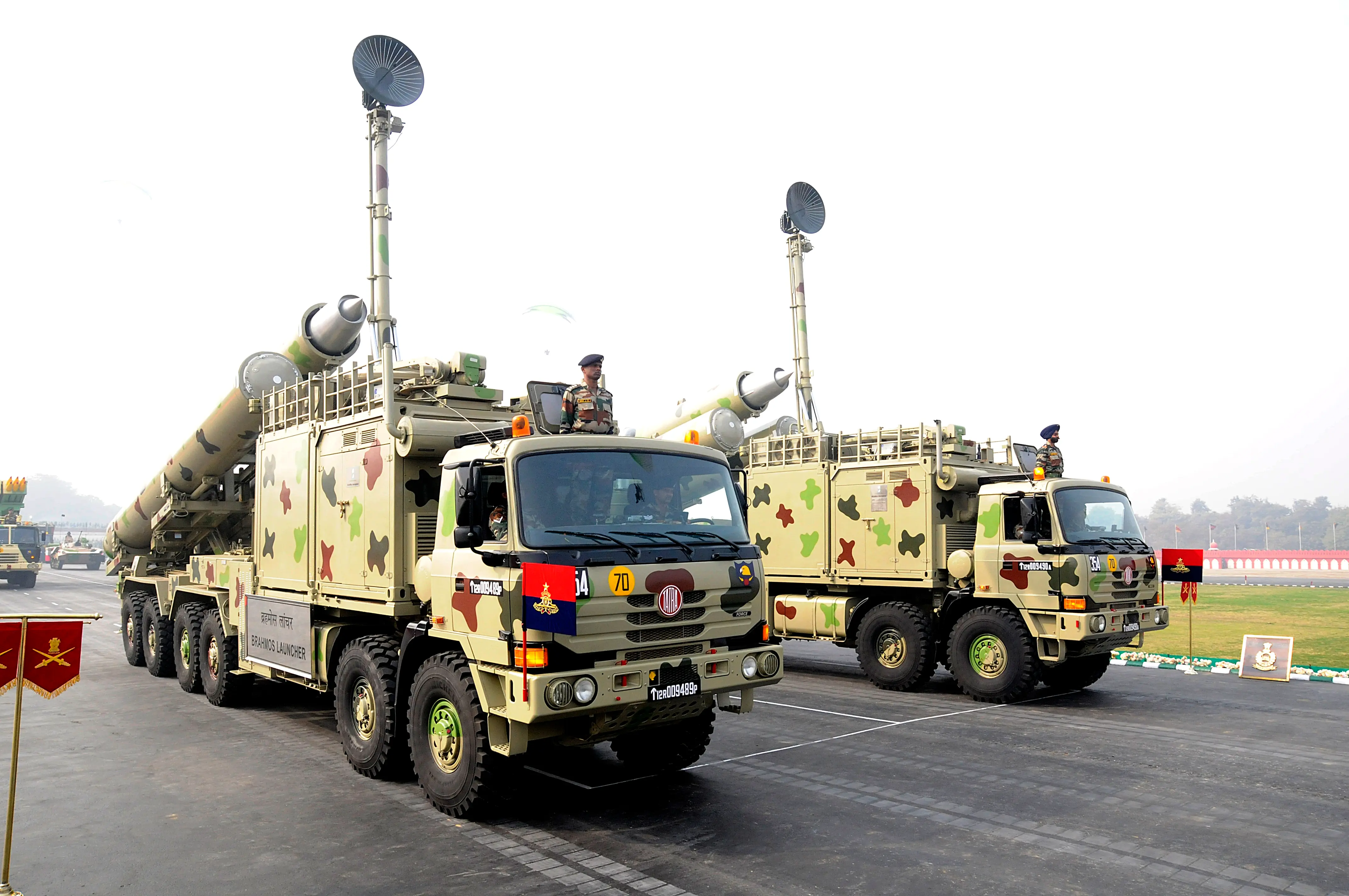
BrahMos is versatile in deployment, it can be fired from ships, submarines, land-based launchers, or aircraft. An air-launched version allows aircraft to strike targets from beyond air-defence coverage, while simultaneous launches from multiple platforms could overwhelm defences, a critical factor when targeting high-value assets such as aircraft carriers.
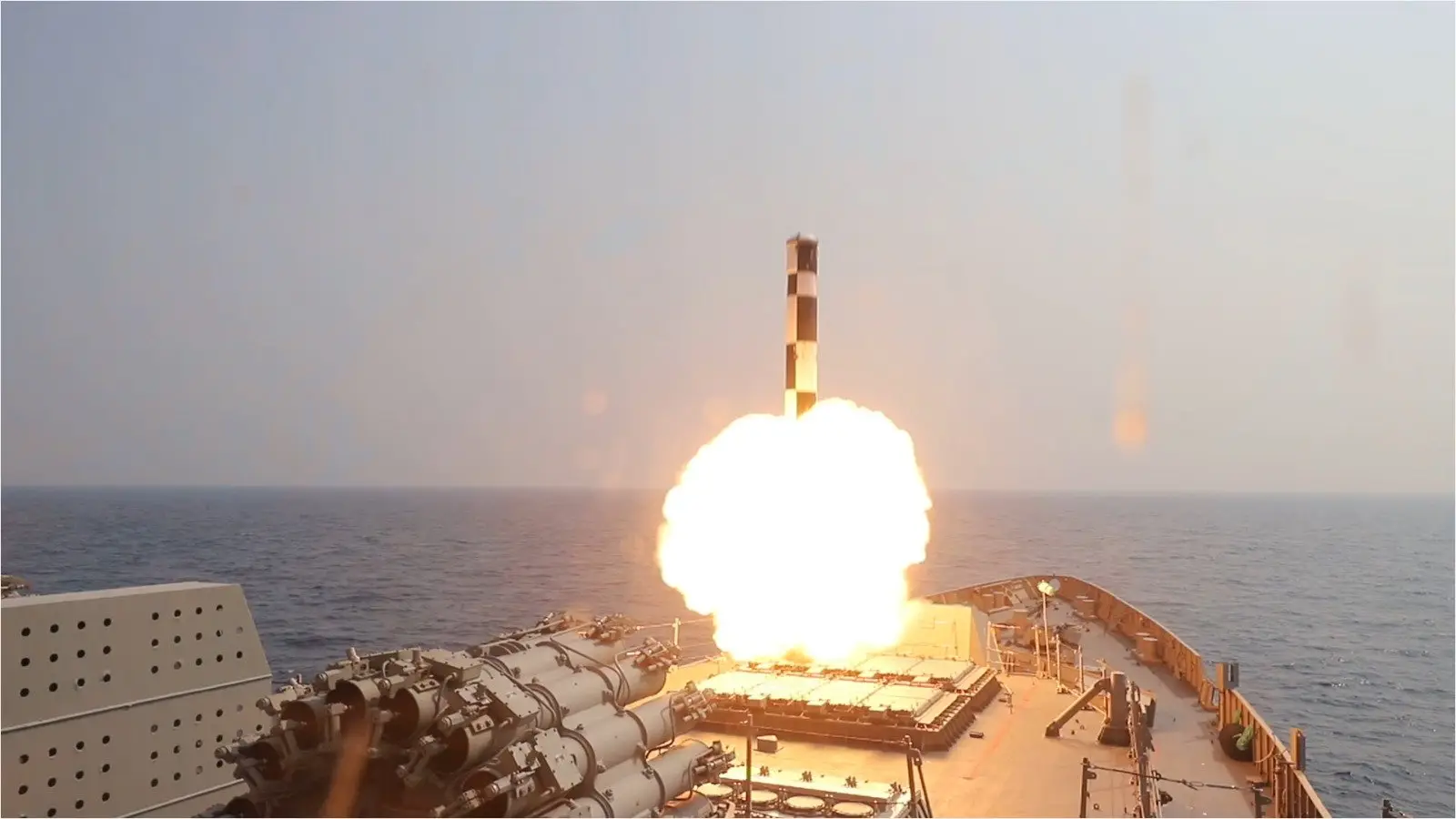
The 'Fire-and-Forget' Factor
BrahMos uses an inertial navigation system, satellite guidance and active radar homing for its terminal phase. Once launched, it follows a pre-programmed route and requires no further operator guidance. This ‘fire-and-forget’ capability, combined with supersonic speed and low-altitude approach, significantly complicates interception efforts.
Why Carriers Are Vulnerable
Aircraft carriers, despite their size and protective escorts, are susceptible to a missile like BrahMos. Its combination of high kinetic impact, potent warhead, low-altitude approach, and multi-platform launch capability can breach decks, damage electronics, or cause flooding. Even if the carrier survives, the strategic and psychological impact of a successful strike would be substantial, challenging the effectiveness of accompanying escort ships.
Proven System with Real Deterrence
BrahMos has been in operational service for nearly two decades with land, sea, and air-launched configurations. Its performance and multi-platform adaptability make it a credible deterrent, a missile that adversaries must plan around in modern naval strategy.
)
)
)
)
)