Why Bangladesh’s Eurofighter fleet could remain grounded more than flying if they buy it

Bangladesh signed a Eurofighter deal in Dec 2025, but $60,000 hourly costs and budget gaps threaten viability. Complex maintenance and European dependency could keep the fleet grounded.
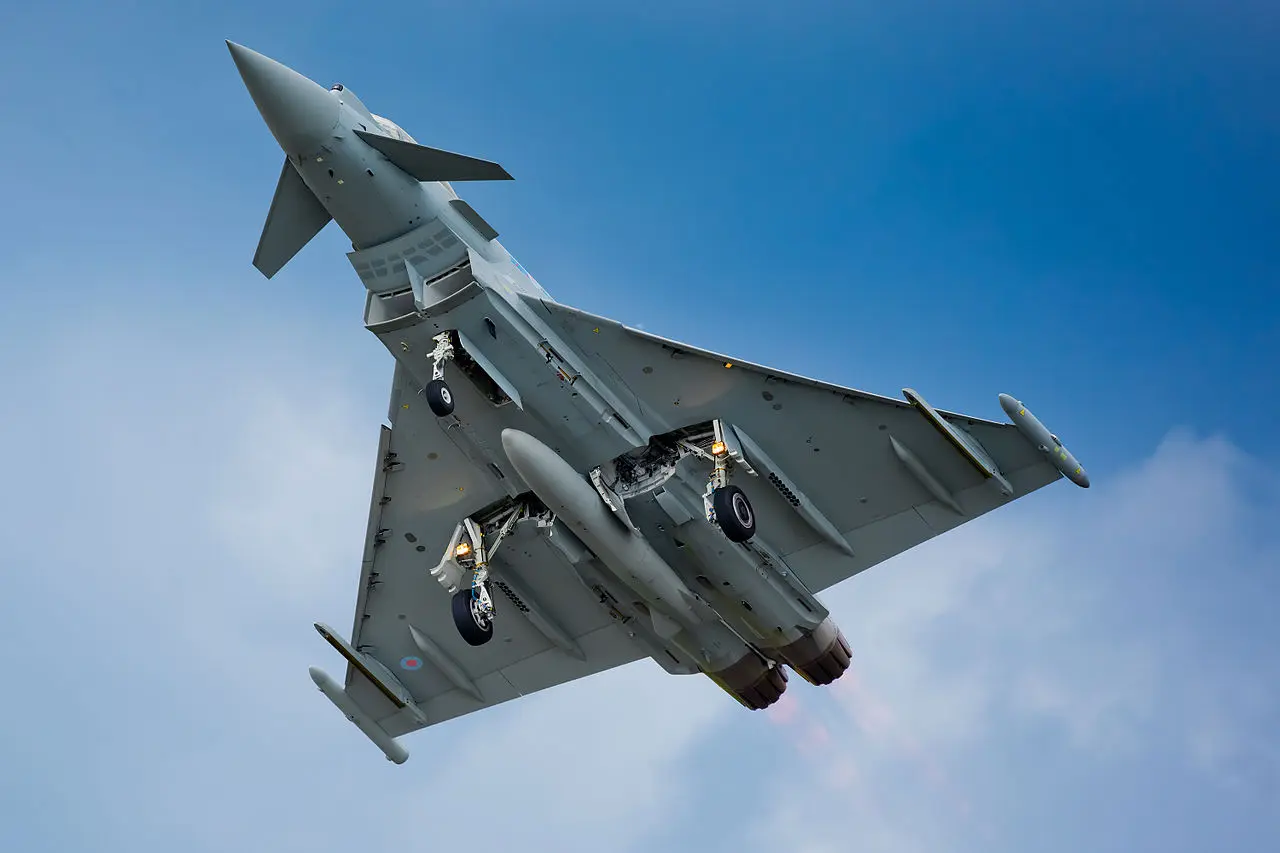
Operating cost $60,000-$65,000 per flight hour
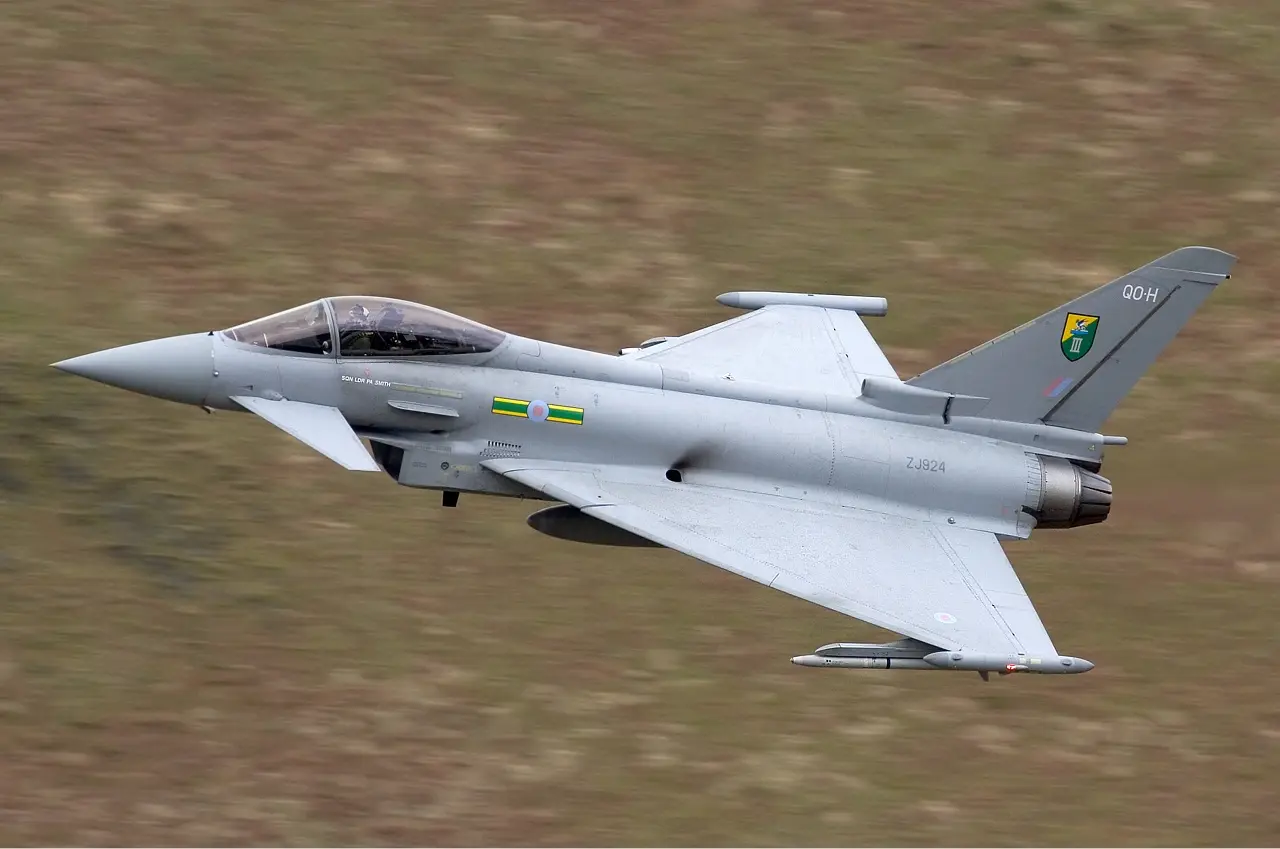
Eurofighter Typhoon operating costs reach $60,000 to $65,000 per flight hour. This includes fuel consumption, maintenance, spare parts, and routine servicing required to maintain mission-ready status.
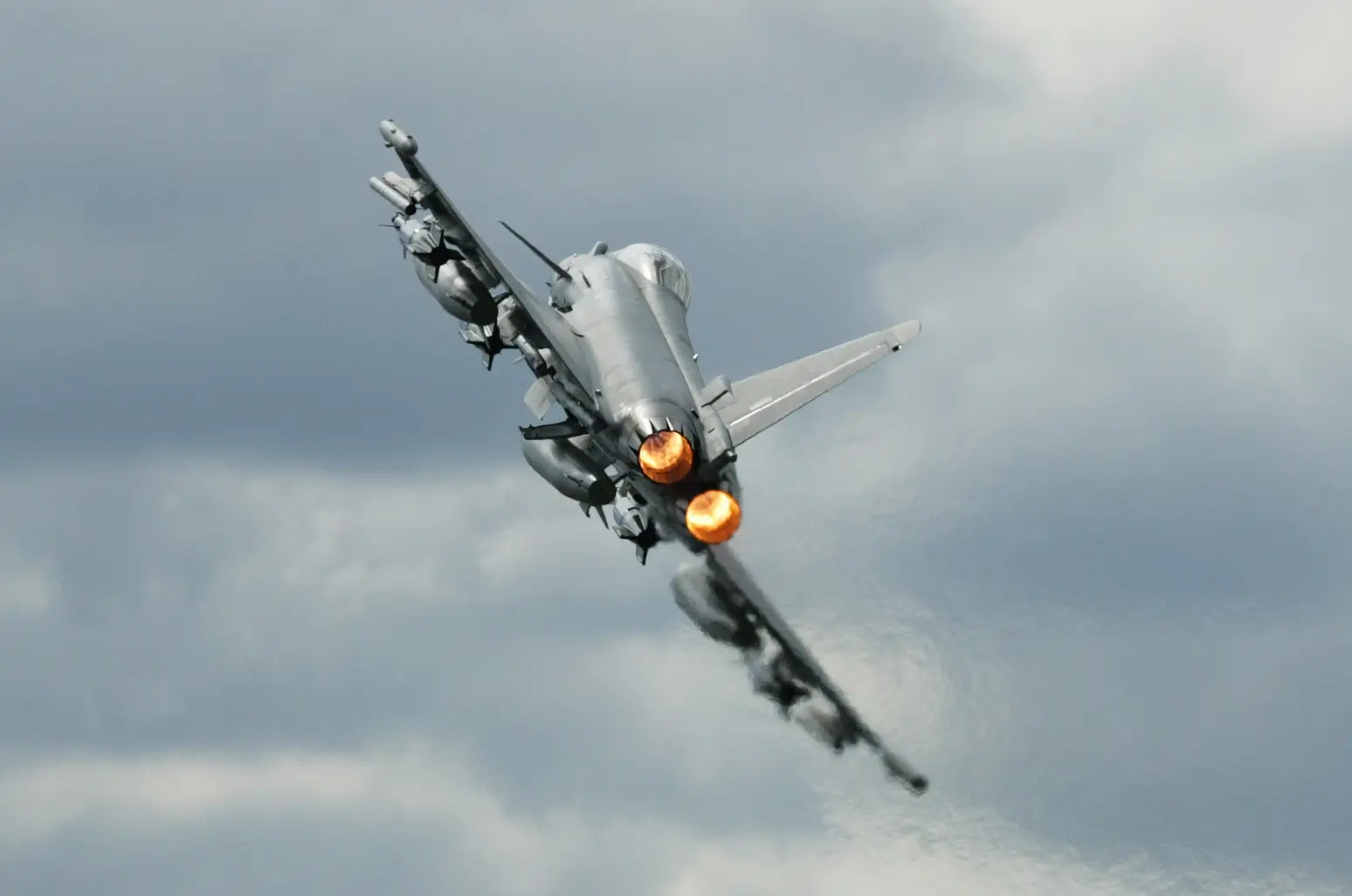
Maintenance is exceptionally complex and demanding
Eurofighter maintenance demands highly specialised technical knowledge that requires extensive training. Complex avionics systems, Rolls-Royce EJ200 engines, and integrated radar systems necessitate certified technicians with years of experience.
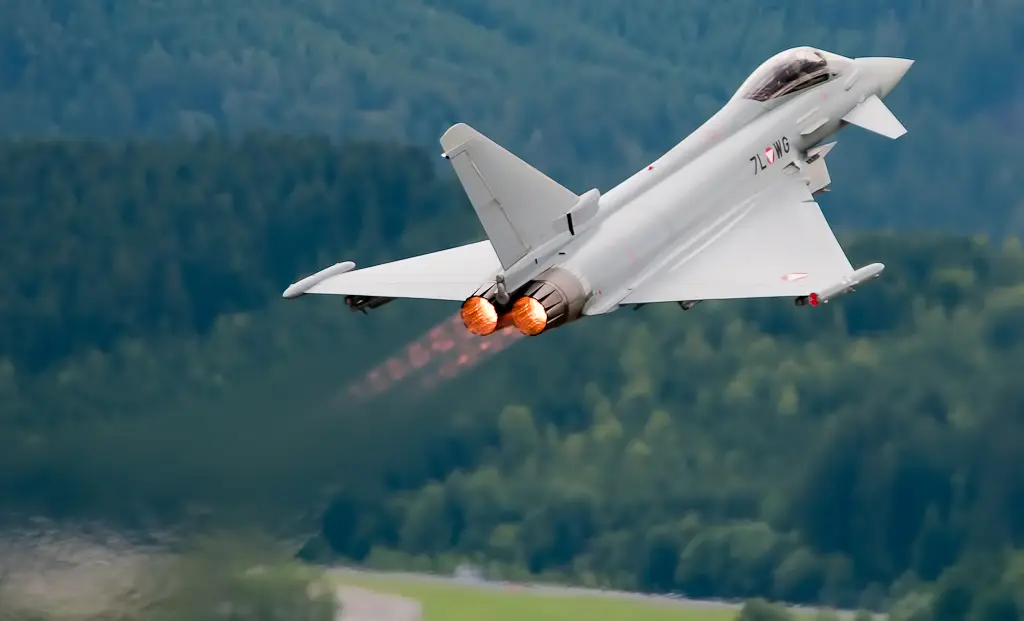
Pilot training requires 6-12 months in Europe
Converting pilots to Eurofighter operations requires 6 to 12 months training conducted in Europe. Bangladesh must send pilot candidates abroad, incurring substantial costs for training, accommodation, and instructional support.
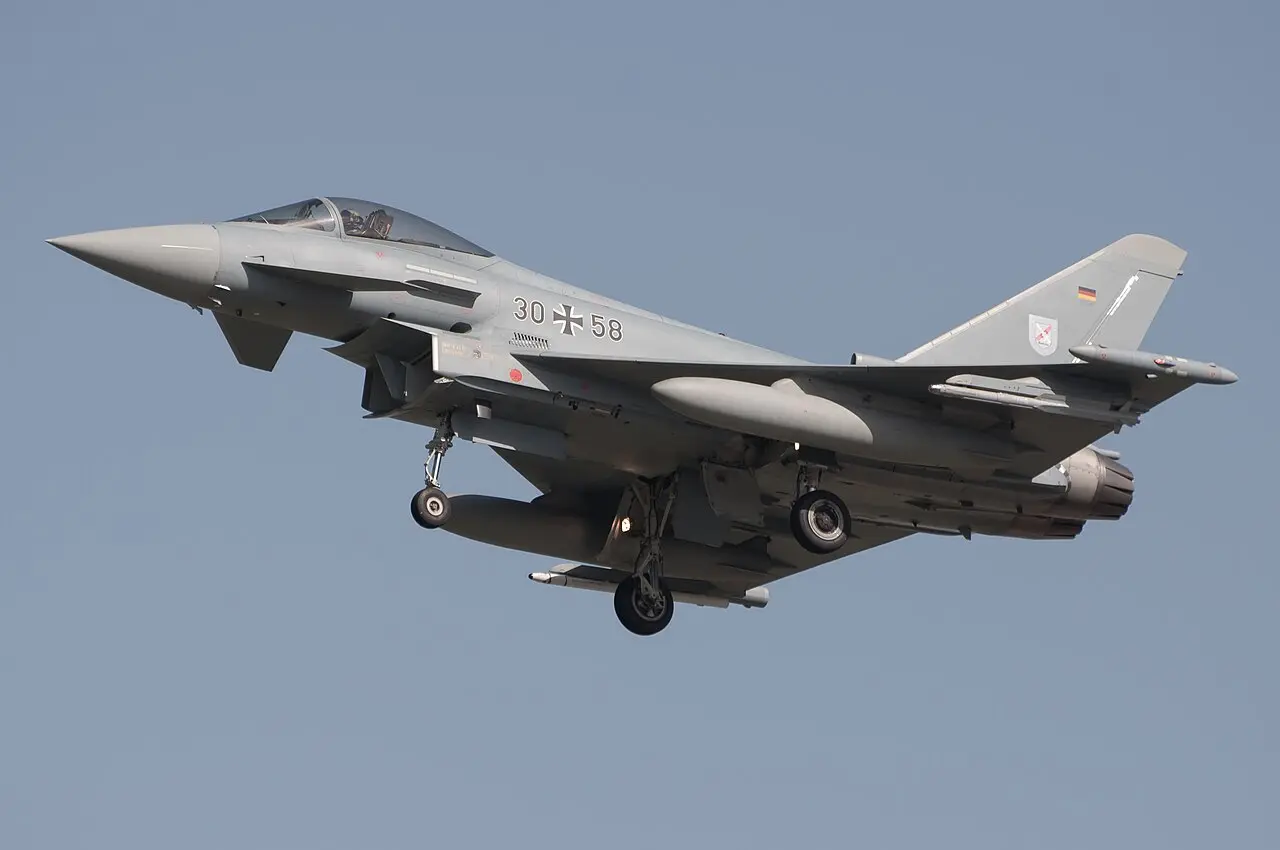
Bangladesh lacks domestic maintenance infrastructure
Bangladesh currently possesses no Eurofighter maintenance facilities. Establishing proper hangars, test equipment, and specialist repair stations requires significant capital investment beyond aircraft acquisition costs.
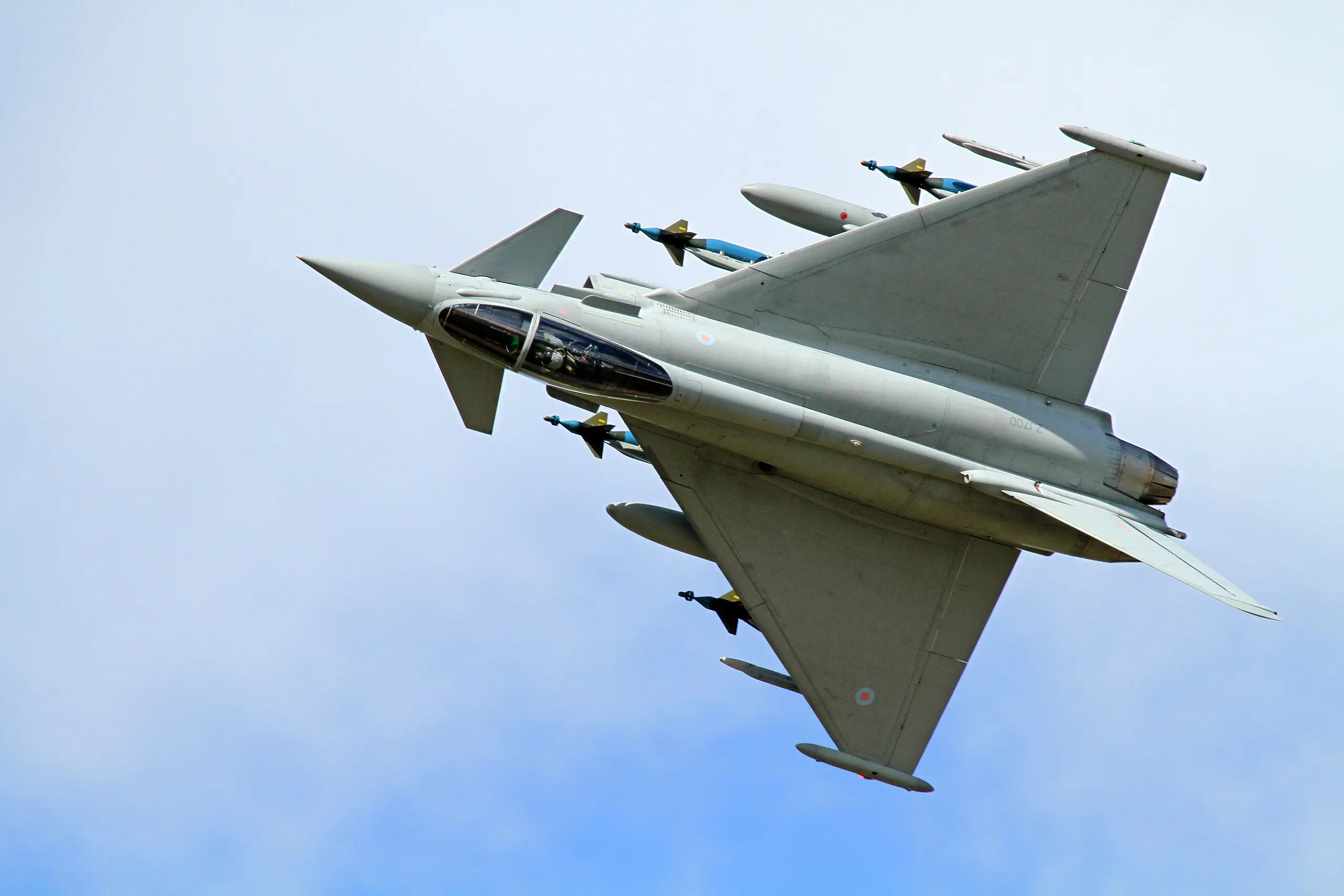
Spare parts depend entirely on European supply chains
Eurofighter spare parts are sourced exclusively through Leonardo's European networks. Long procurement timelines and import costs make individual component replacements expensive and time-consuming.
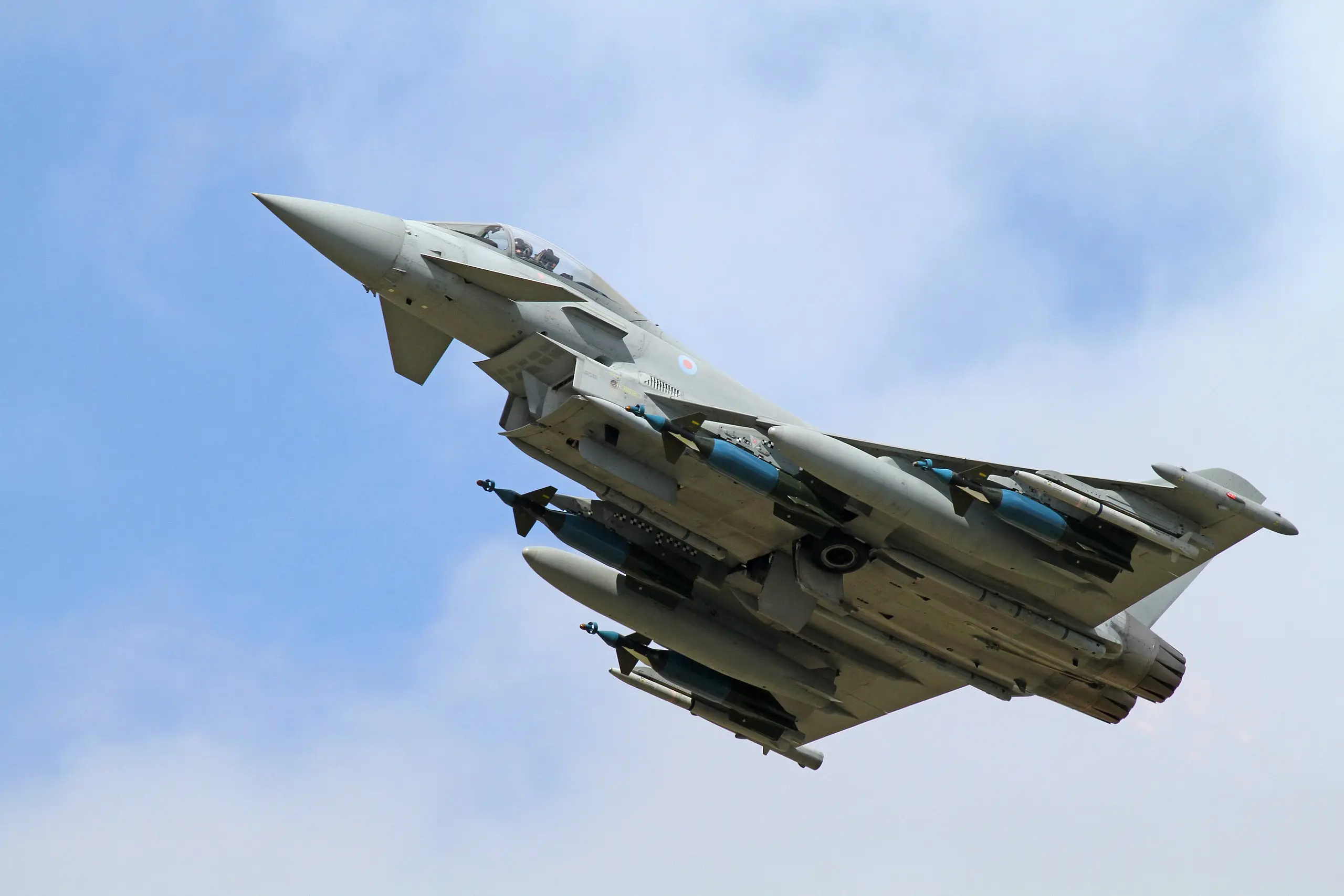
Switch to Western standards requires complete re-skilling
BAF engineers are currently trained on Russian and Chinese systems. Transitioning to the Eurofighter requires expensive, zero-to-one retraining of the entire engineering corps to meet NATO standards.
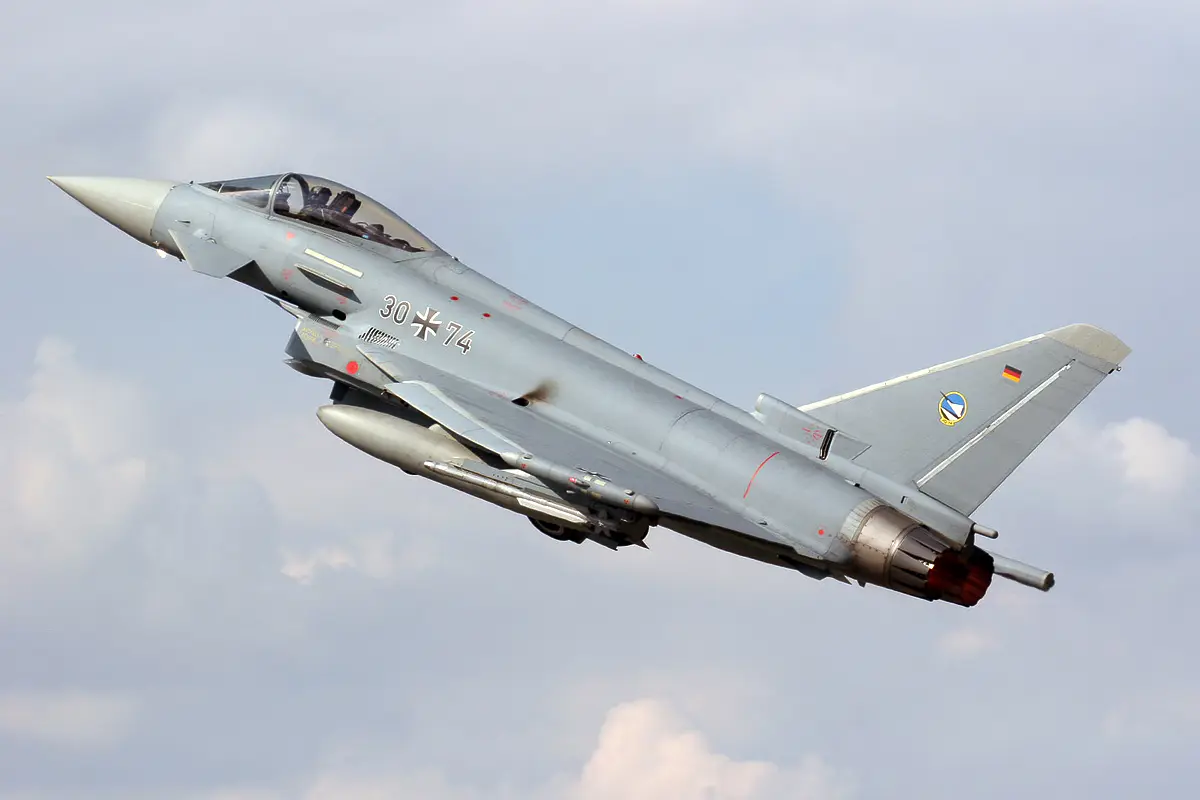
Complex avionics demand specialist training and certification
Eurofighter avionics systems require technicians to complete specialised courses and maintain ongoing certifications. This training burden extends beyond initial conversion and requires continuous investment.
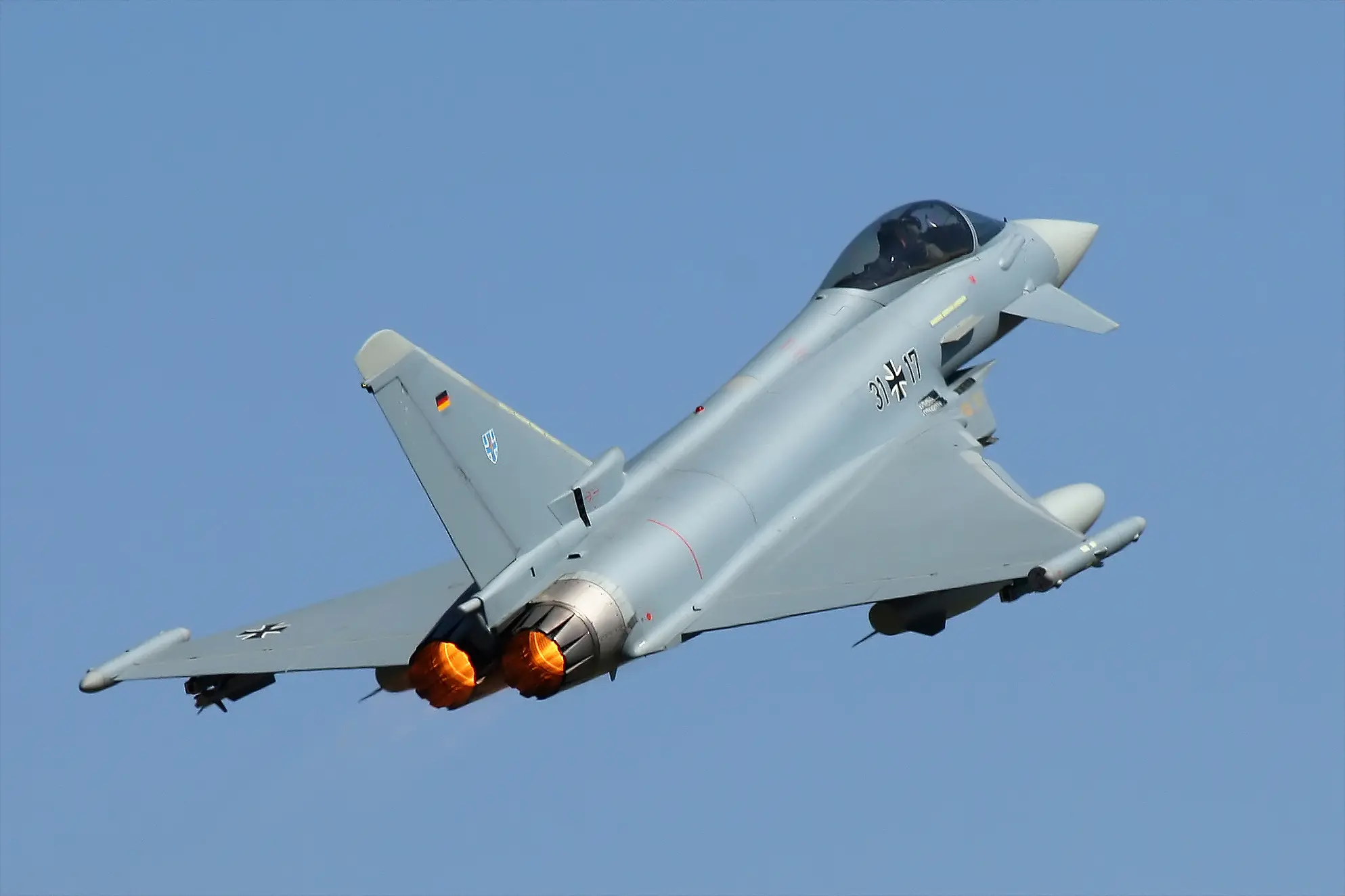
Limited regional Eurofighter operators complicate logistics
Bangladesh has no regional neighbours operating Eurofighters, limiting opportunities for shared logistics support or parts cooperation. Each nation must develop independent supply chains at substantial cost.
Infrastructure upgrade costs multiply total programme expense
Hardened shelters, advanced hangars, fuel storage, and weapons handling facilities must be constructed before operations begin. Infrastructure development adds hundreds of millions to total programme costs.
Multiple factors force difficult operational choices
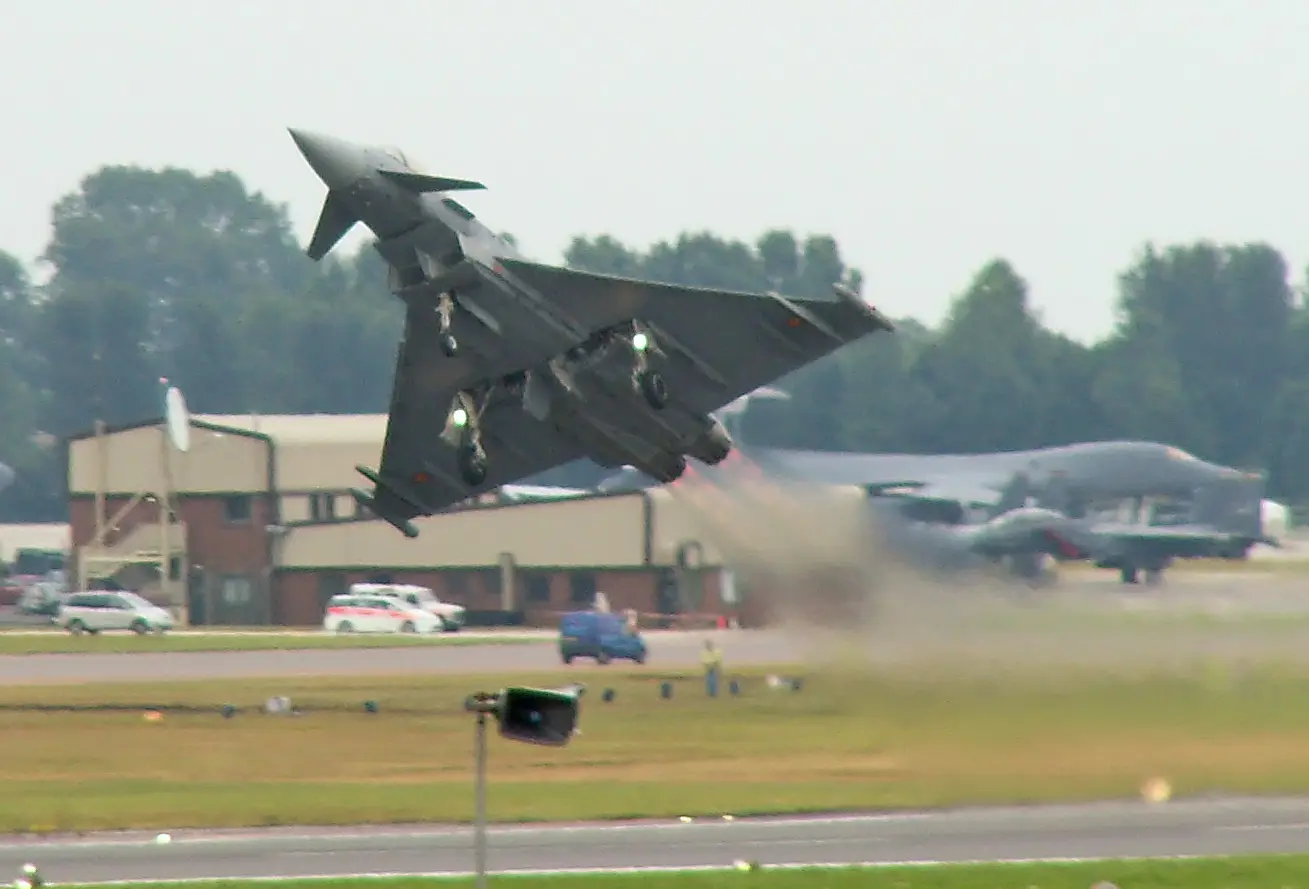
Financial constraints combined with maintenance demands, training requirements, and logistics challenges mean Bangladesh cannot sustain full fleet operations. This creates scenario of owning aircraft while flying them infrequently.
)
)

)
)