Why B-2 Bombers never fly in formation?

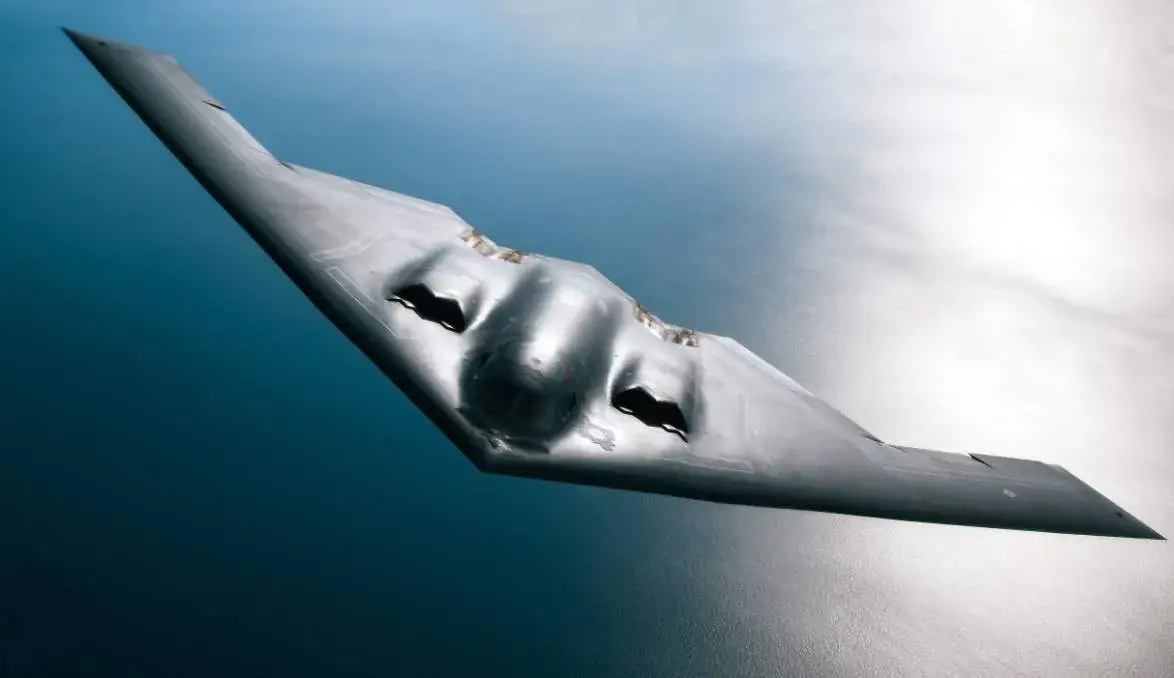
The B-2 Spirit is unlike any bomber in history. While earlier bombers relied on flying in large formations for protection, the B-2 is almost always seen flying solo. Here are seven reasons behind this unique strategy.
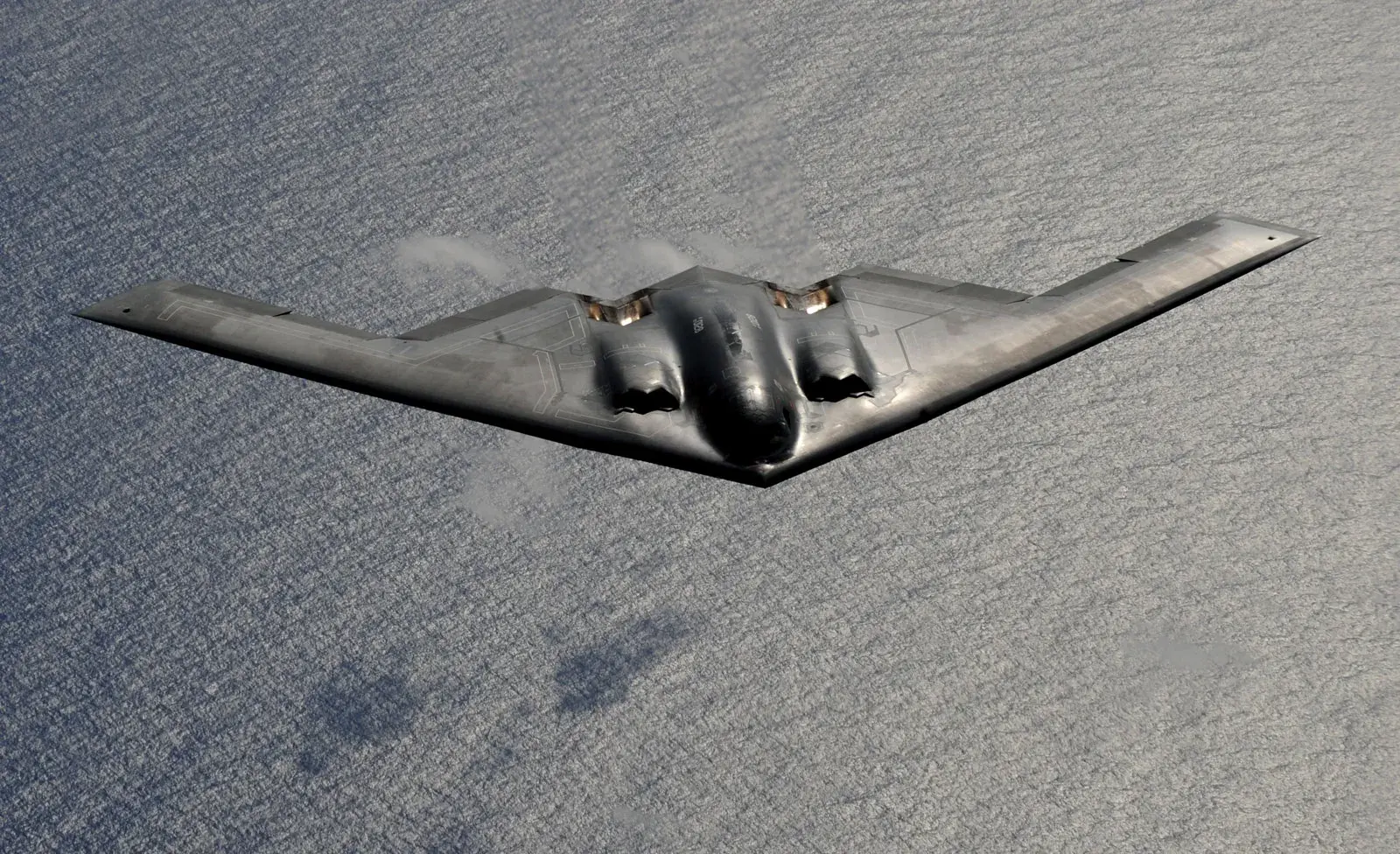
Stealth Depends on Isolation
The B-2’s design scatters radar waves to stay invisible. Flying too close to another bomber could create overlapping radar signatures, increasing the chance of detection.
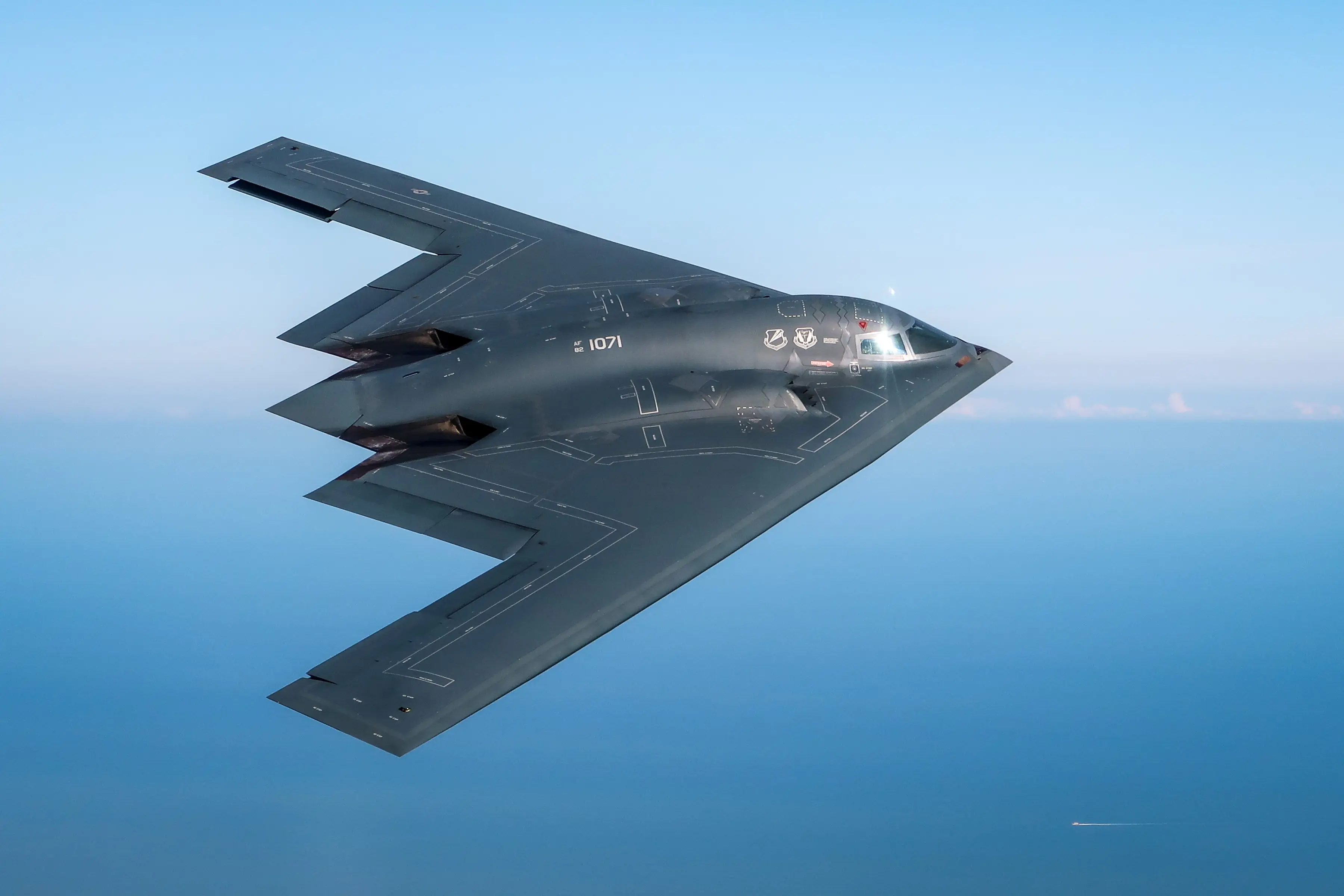
Single Aircraft, Multiple Targets
A lone B-2 can carry both nuclear and conventional weapons, enough to strike several critical sites in one mission. This removes the need for formation strikes.
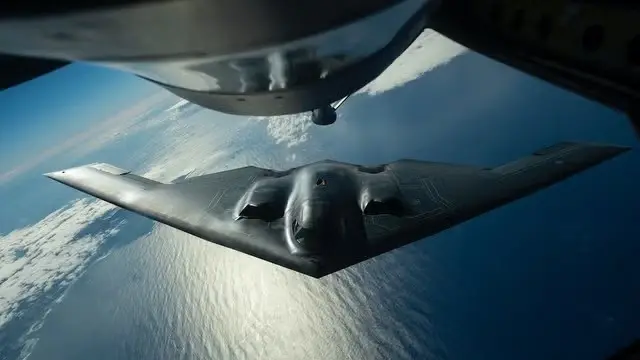
Avoiding Predictable Patterns
Formations can reveal flight paths to enemy defences. A solo B-2 can vary routes, reducing the chance of being tracked or intercepted.
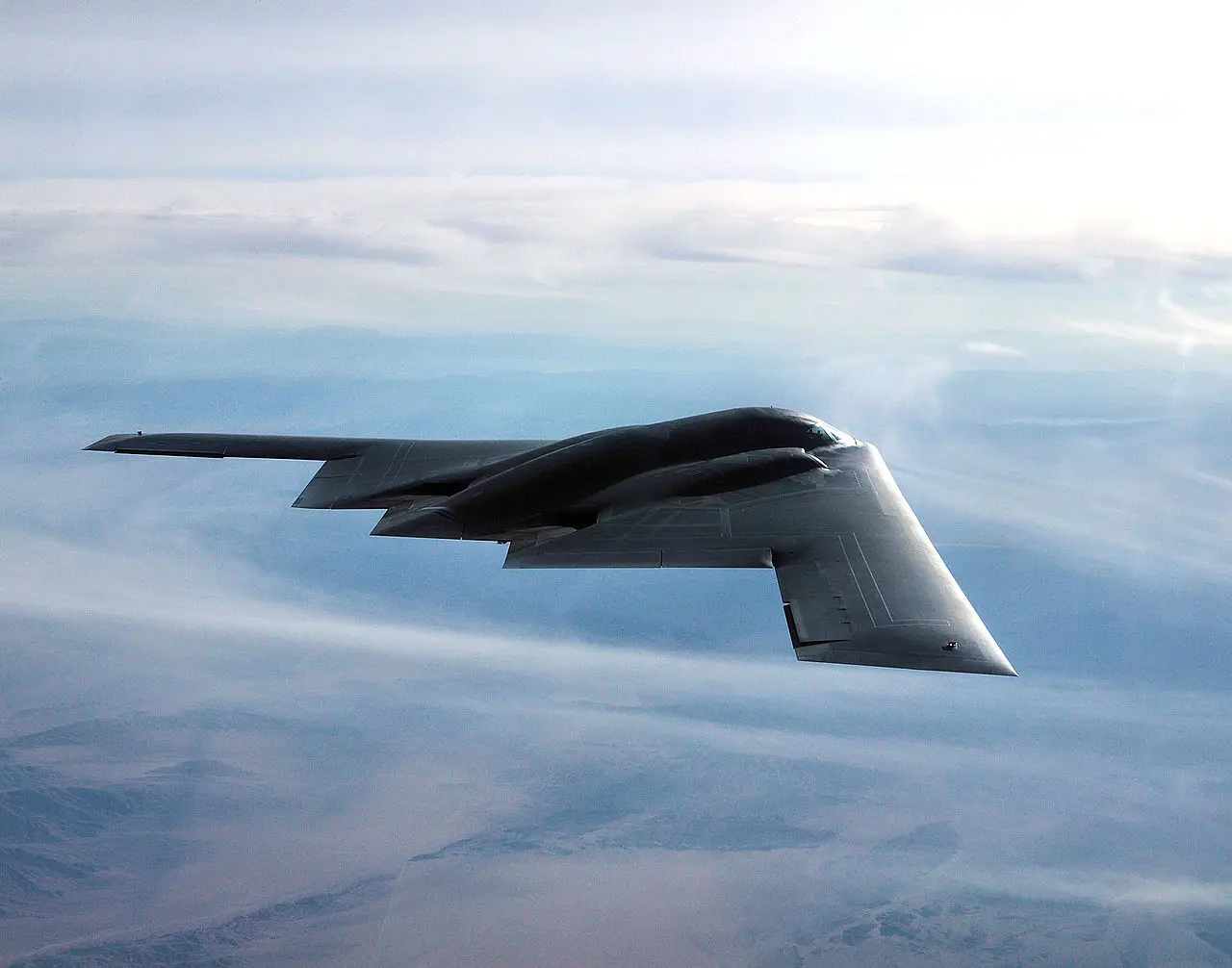
Long-Range Missions
B-2 operations often last 30+ hours. Managing multiple bombers over such distances would be risky and complex, especially during mid-air refuelling.
Lower Coordination Risks
In formation, pilots must constantly align speed and distance. For a stealth bomber, avoiding such risks ensures smooth, undetectable operations.
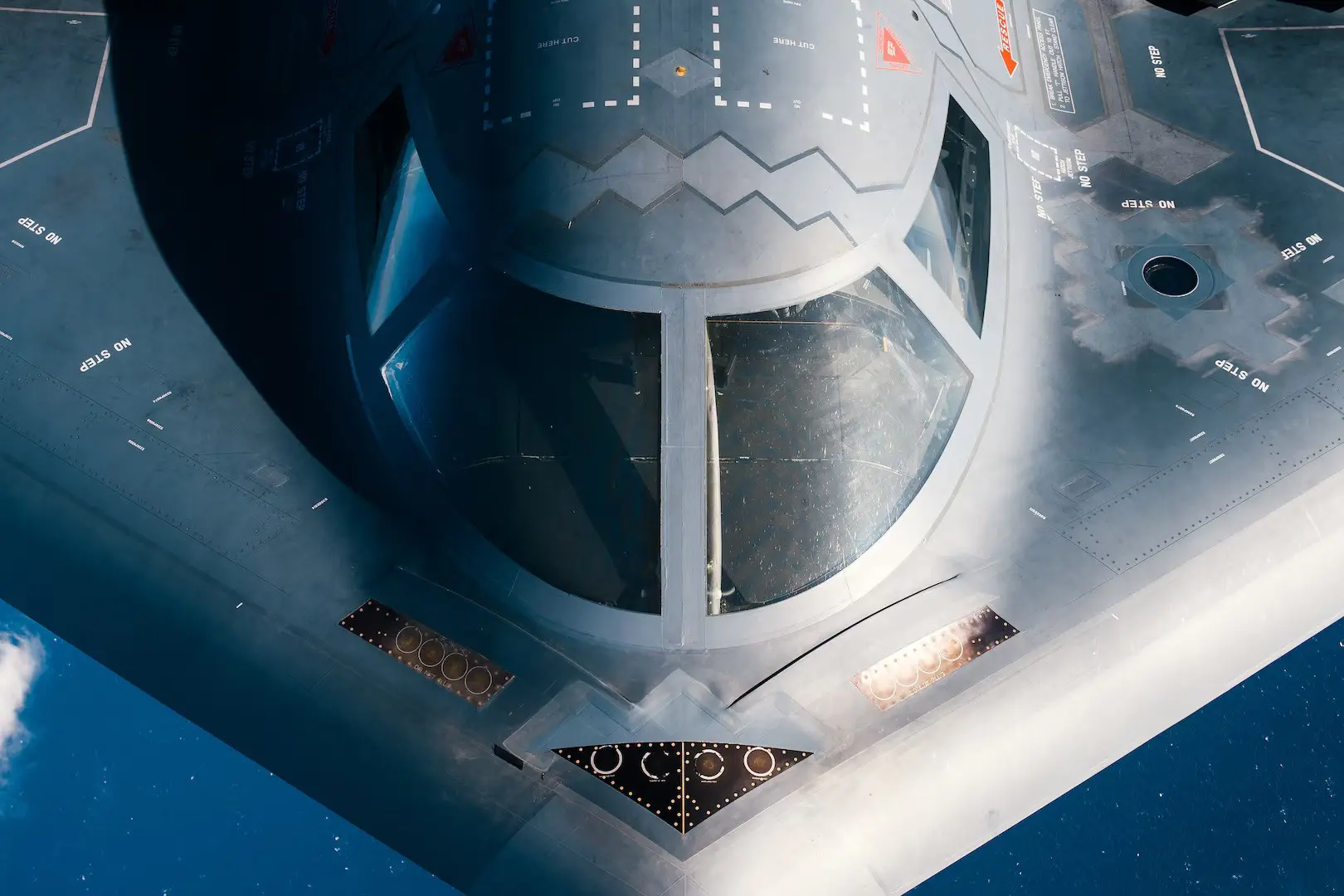
Designed as a “Lone Wolf”
Unlike World War II bombers, which relied on group defence, the B-2 was built to operate independently, striking deep inside enemy territory without support.
Strategic Message of Solitude
Flying solo signals confidence in the aircraft’s power. One B-2 is enough to project deterrence, no formation is required to make the point.
)
)
)
)
)