Why B-2 Bomber only flies at night during certain missions?

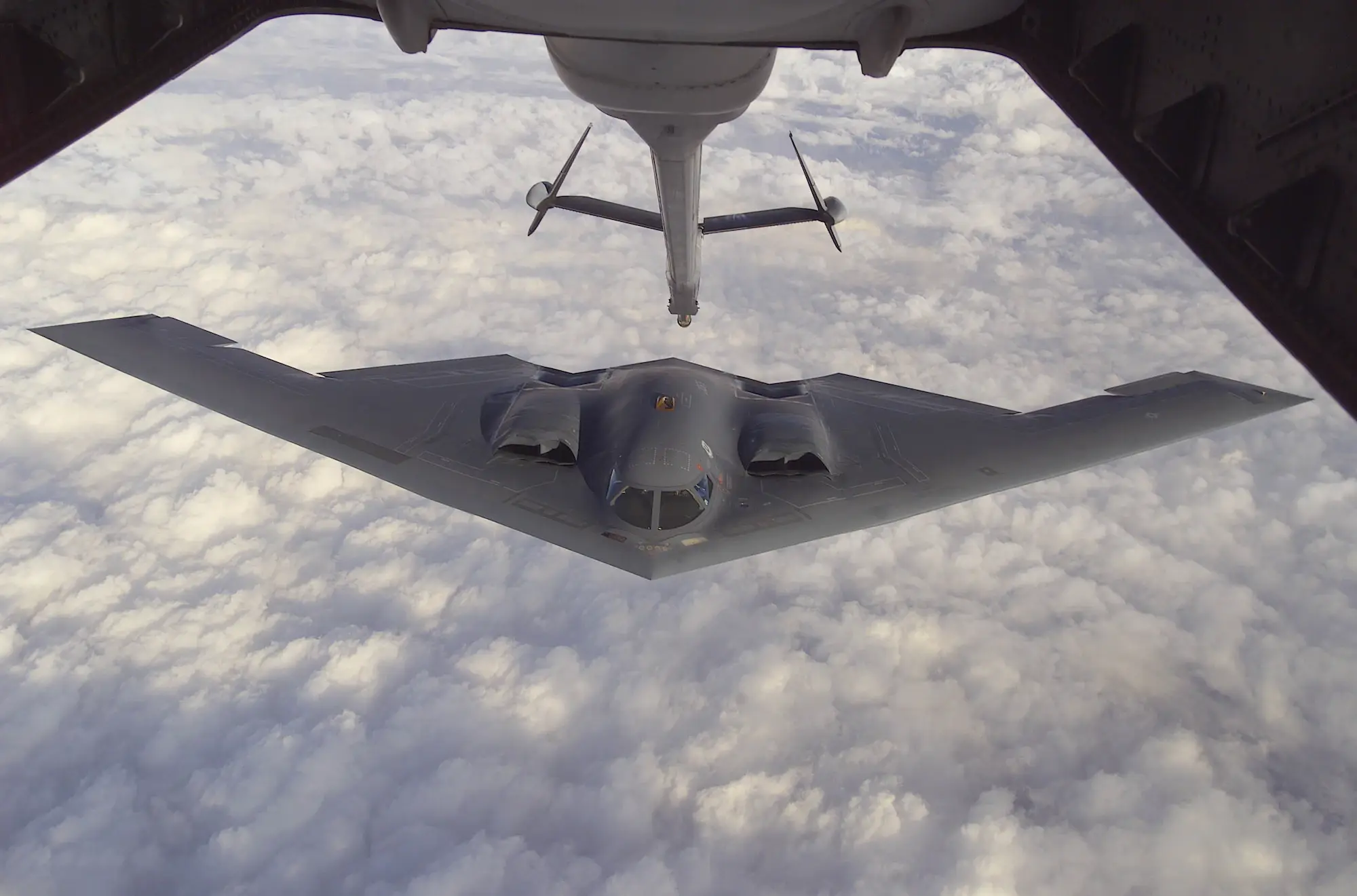
The B-2 Spirit stealth bomber is designed to evade radar, yet its missions are often carried out at night. This practice is not coincidental. Operating under the cover of darkness adds another layer of protection, ensuring the aircraft remains as difficult as possible to detect or intercept.
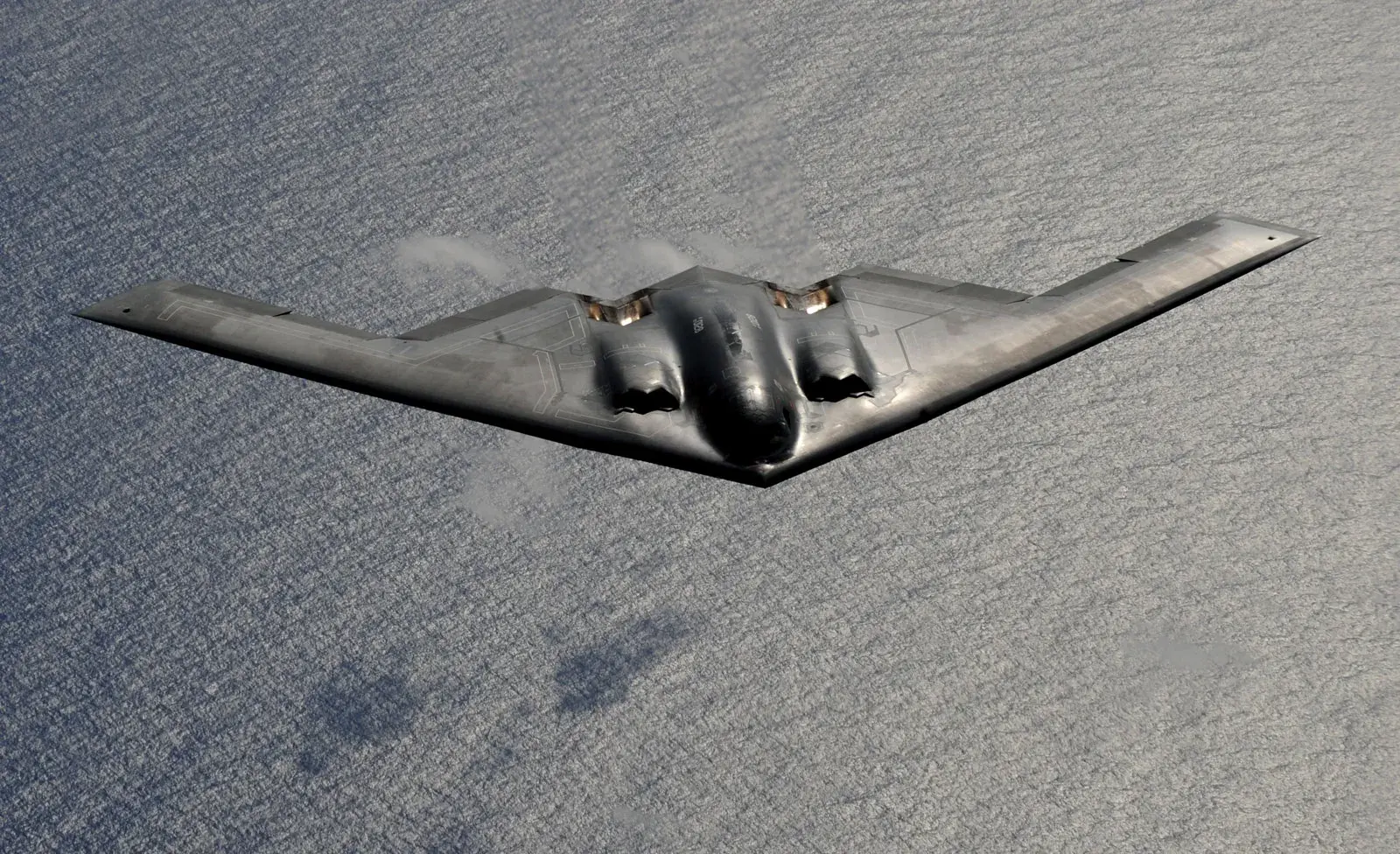
The Stealth Advantage
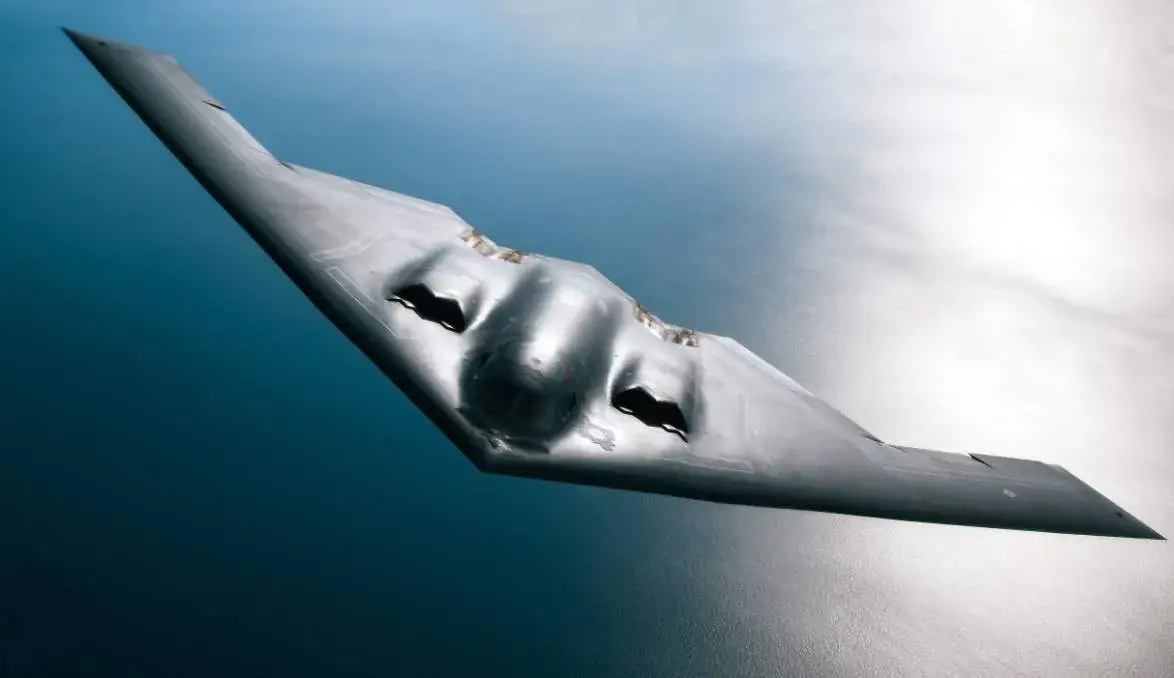
The B-2’s shape and radar-absorbing materials reduce visibility to tracking systems. Flying at night complements these features, making the aircraft less visible to both radar and visual observation.
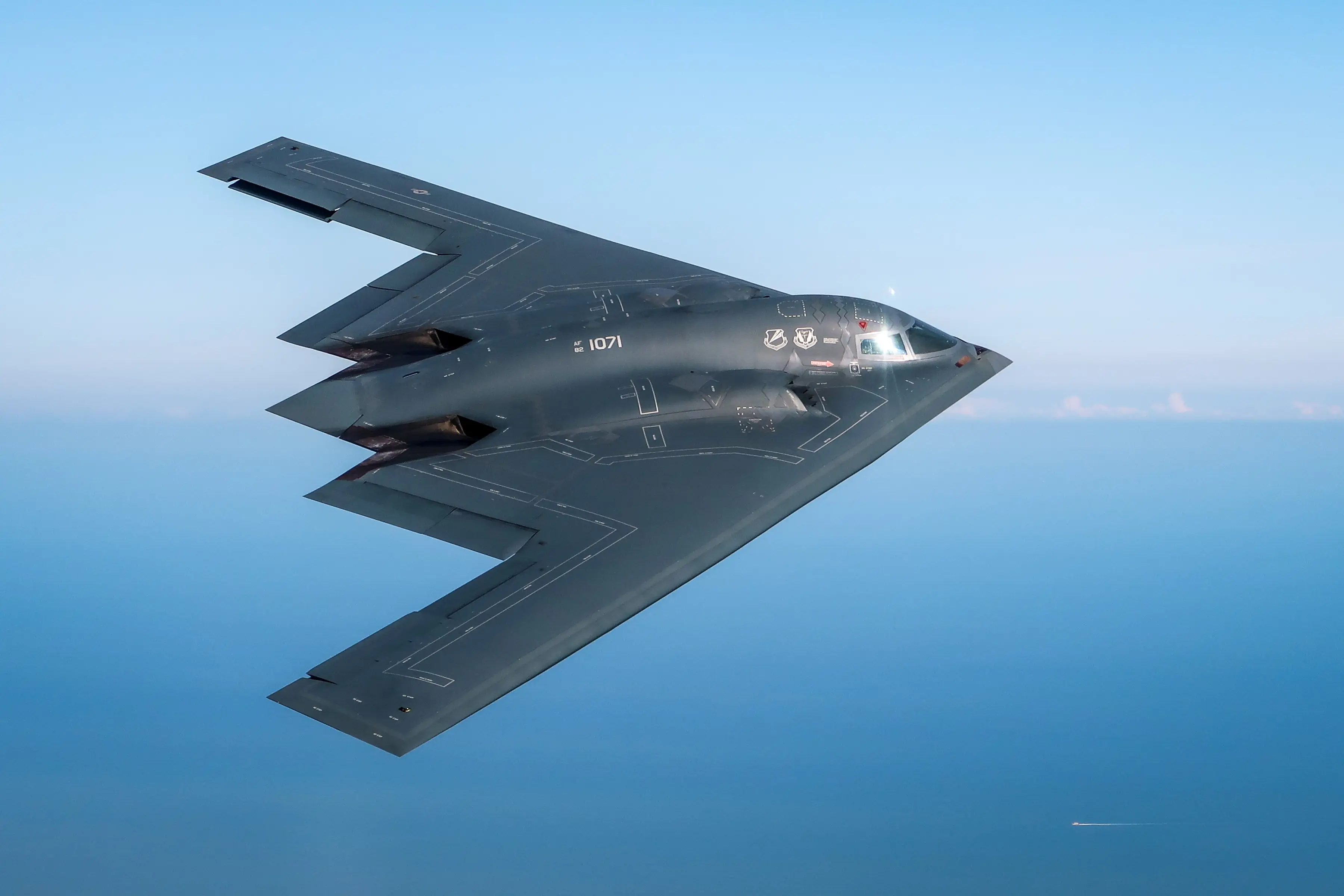
Visual Detection Risk
Even with stealth technology, the B-2 can still be spotted in daylight by ground observers or enemy pilots. Night operations reduce the chances of being seen by eye.
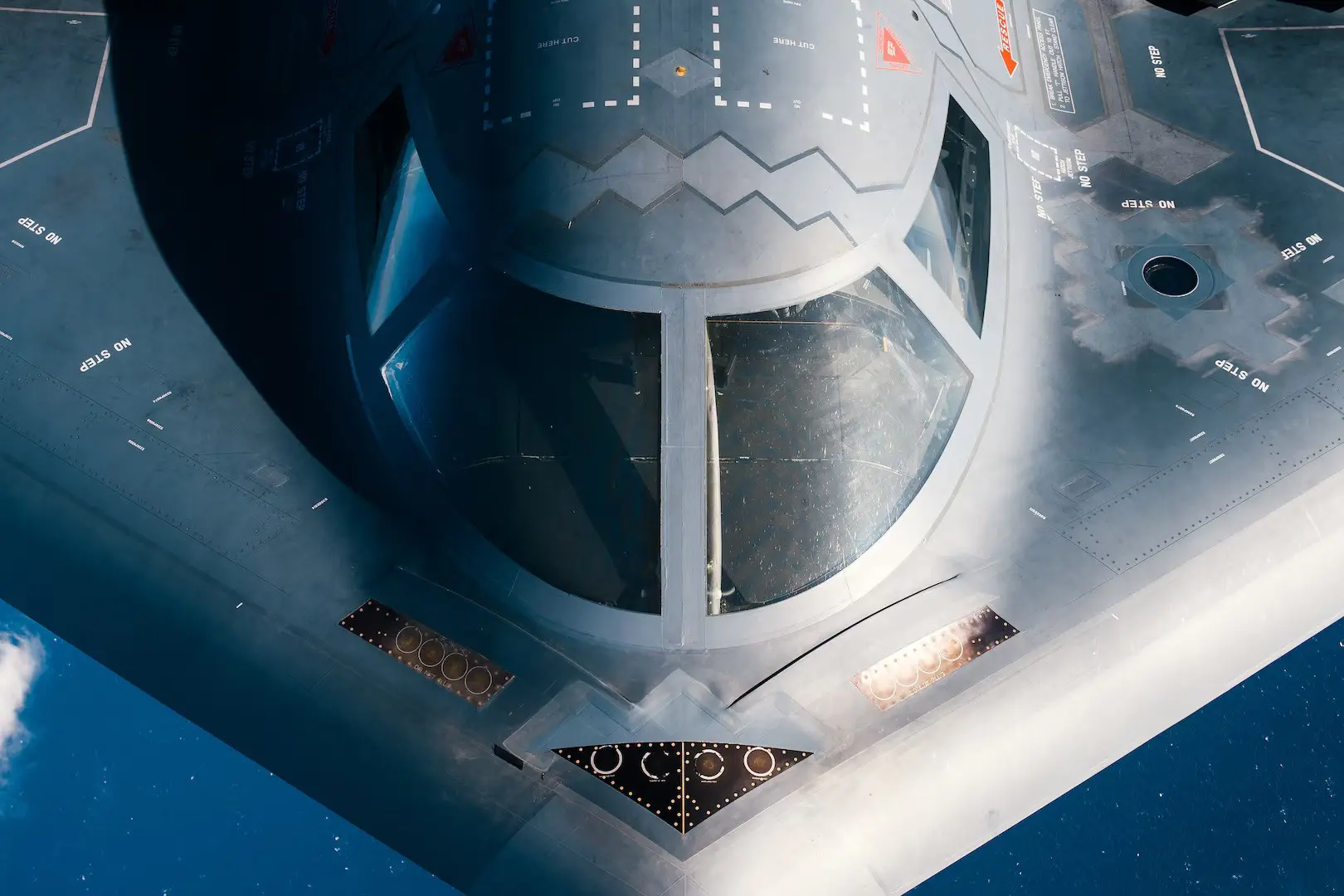
Thermal and Infrared Considerations
Operating in cooler night conditions lowers the heat signature of the aircraft. This makes it harder for infrared sensors to track or target the bomber.
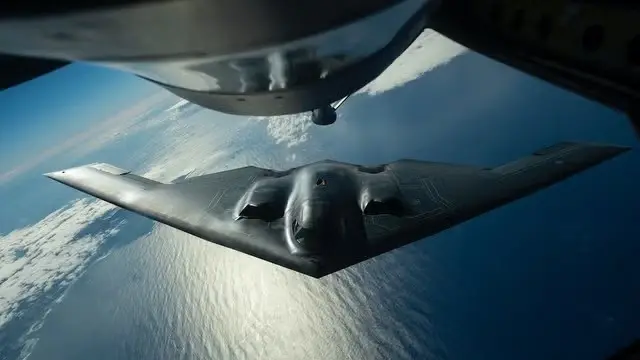
Mission Timing and Planning
Many strategic missions, especially those involving long-range strikes, are planned to begin or conclude at night. This provides additional operational flexibility while reducing exposure.
Psychological Impact
Night strikes increase uncertainty for adversaries. An unseen aircraft capable of striking from long distances adds to deterrence and complicates defensive planning.
Historical Precedent
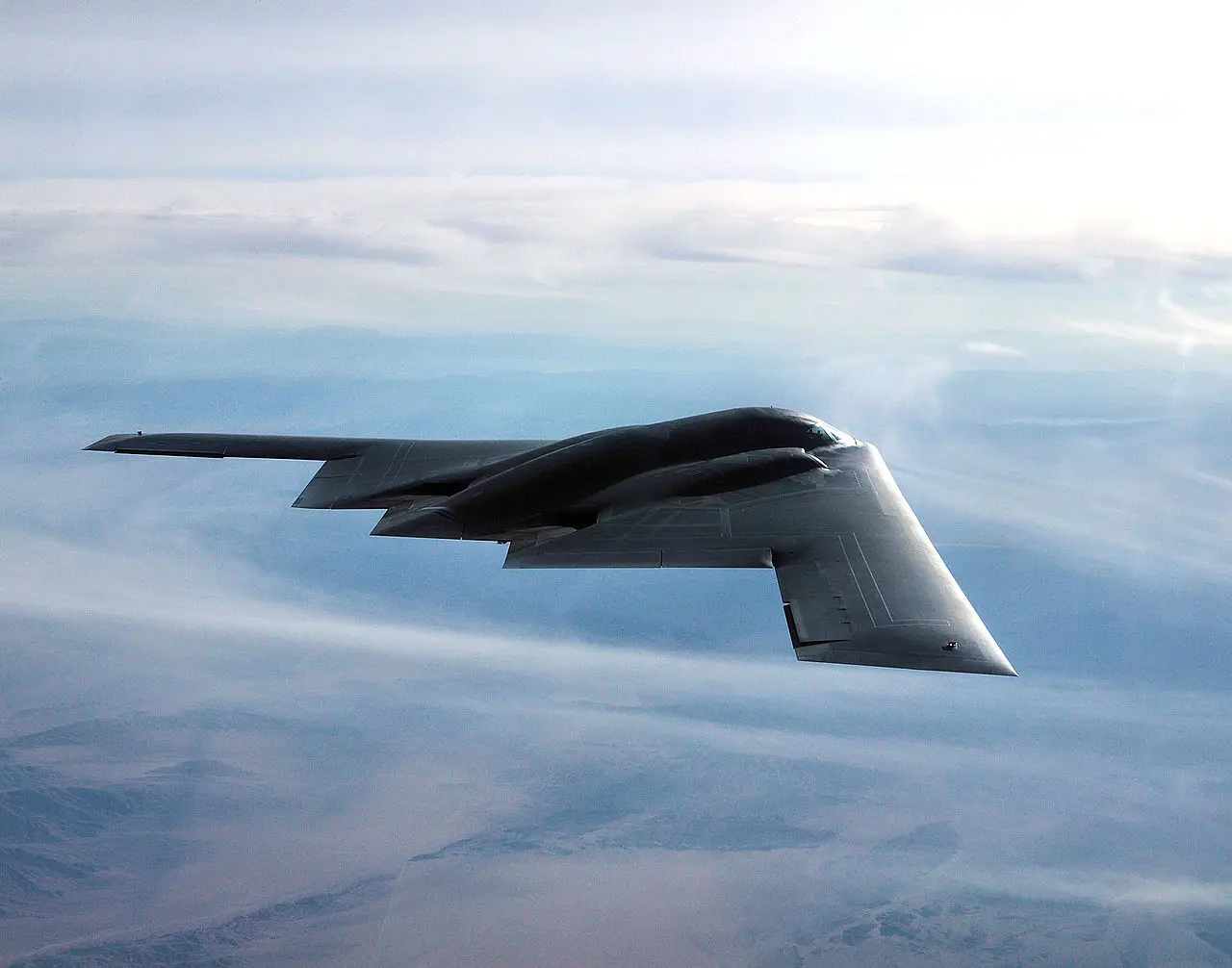
During operations in Kosovo, Iraq, and Afghanistan, B-2 sorties often began at night. This pattern reflects both tactical advantage and lessons learned from past deployments.
Part of a Larger Strategy
Night operations are not exclusive to the B-2. They form part of broader US Air Force doctrine, where darkness is used to maximise stealth and minimise detection risk.
)
)
)
)
)