Why B-2 Bomber doesn’t have a tail?

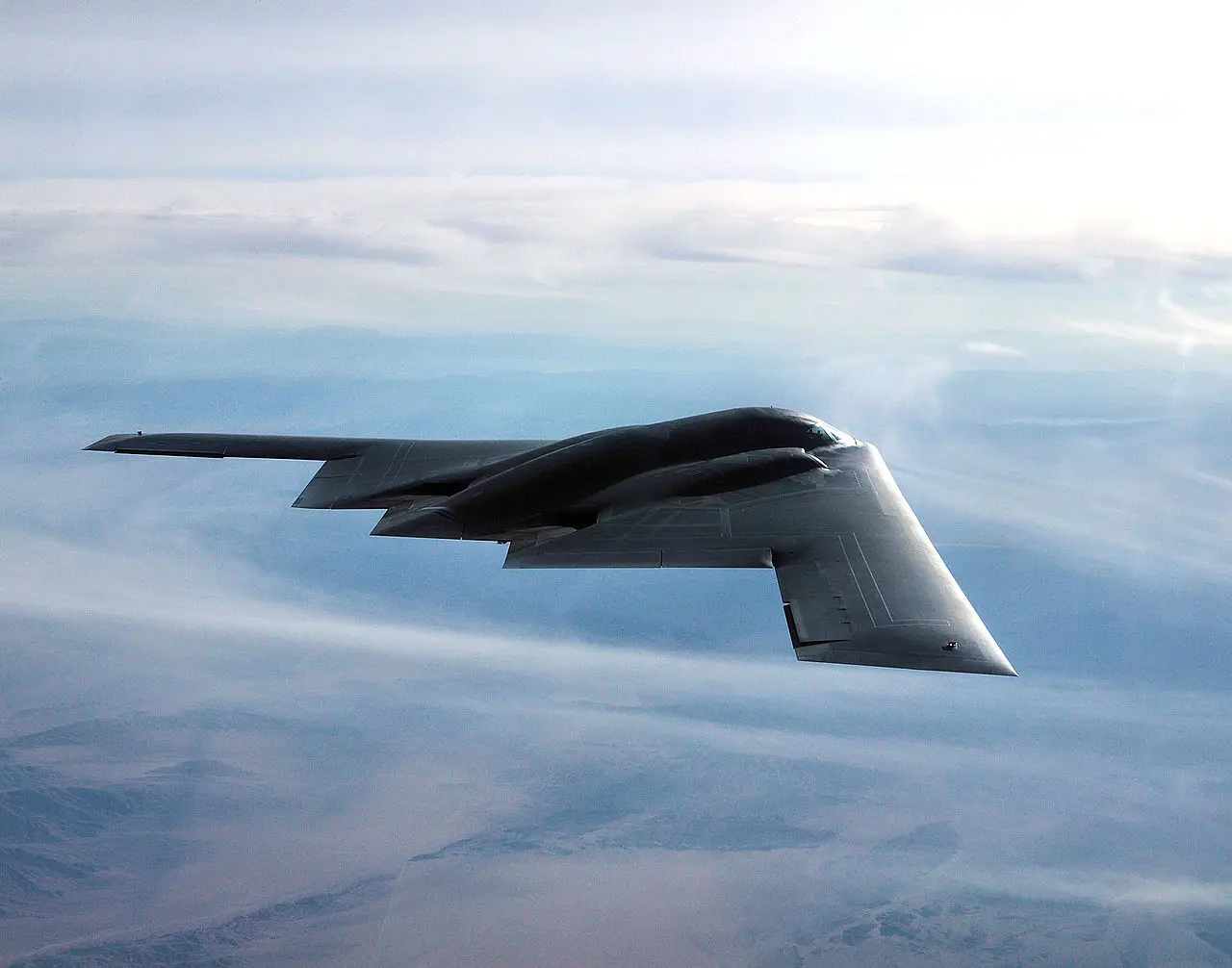
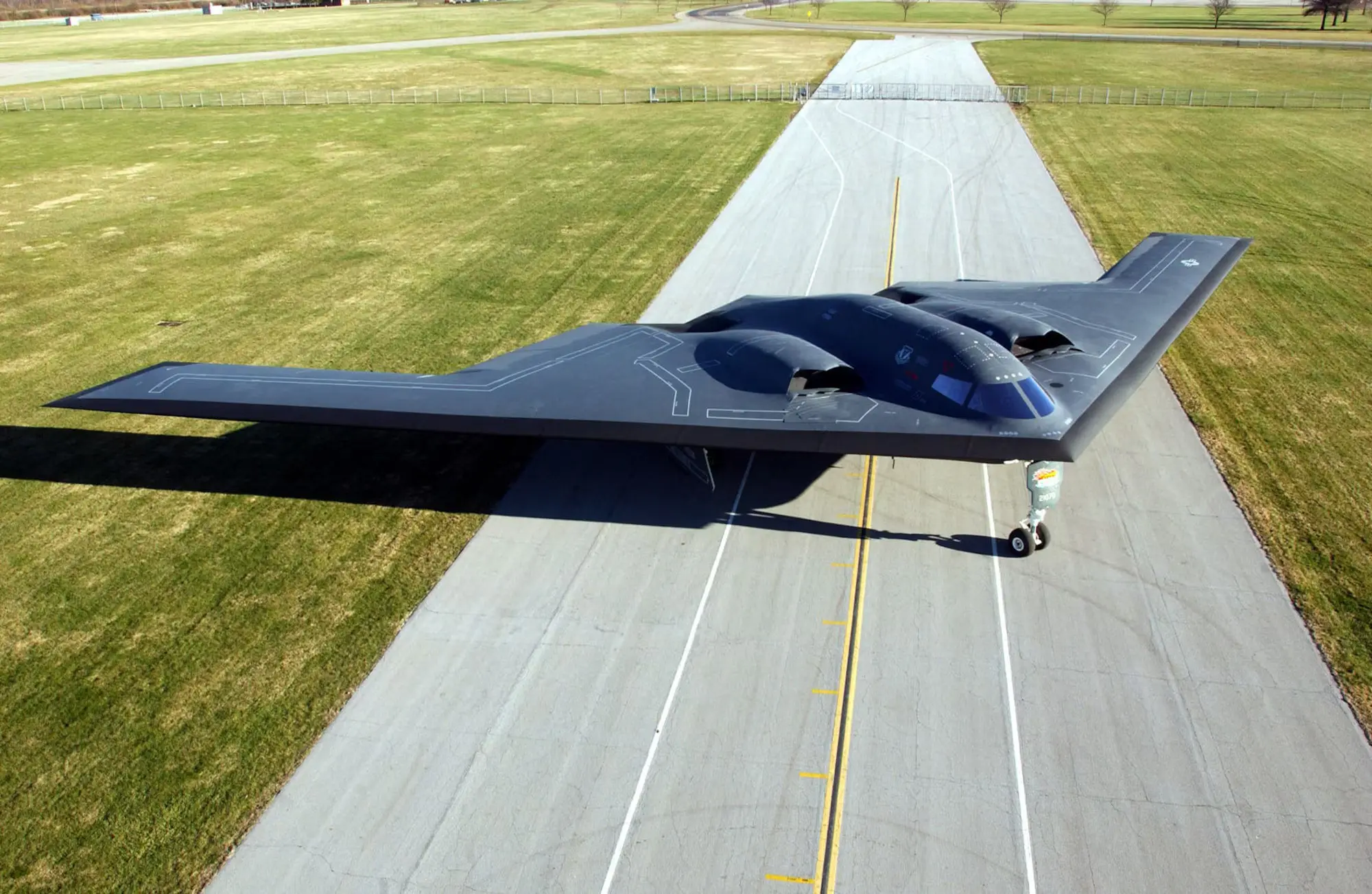
The B-2 uses a flying wing design, where the entire aircraft is essentially one giant wing. This design spreads out the bomber’s weight and lift evenly, removing the need for a separate fuselage or tail section. The result: an aircraft that looks simpler, but is incredibly complex to fly.
A Bomber That Broke the Rules
When most people think of aircraft, they picture wings, engines, and a tail for stability. The B-2 Spirit ignores that formula completely. With its smooth, bat-like shape and no tail in sight, it looks more like a UFO than a traditional bomber. But that unusual design wasn’t about style, it was all about stealth.
Radar’s Biggest Target: The Tail
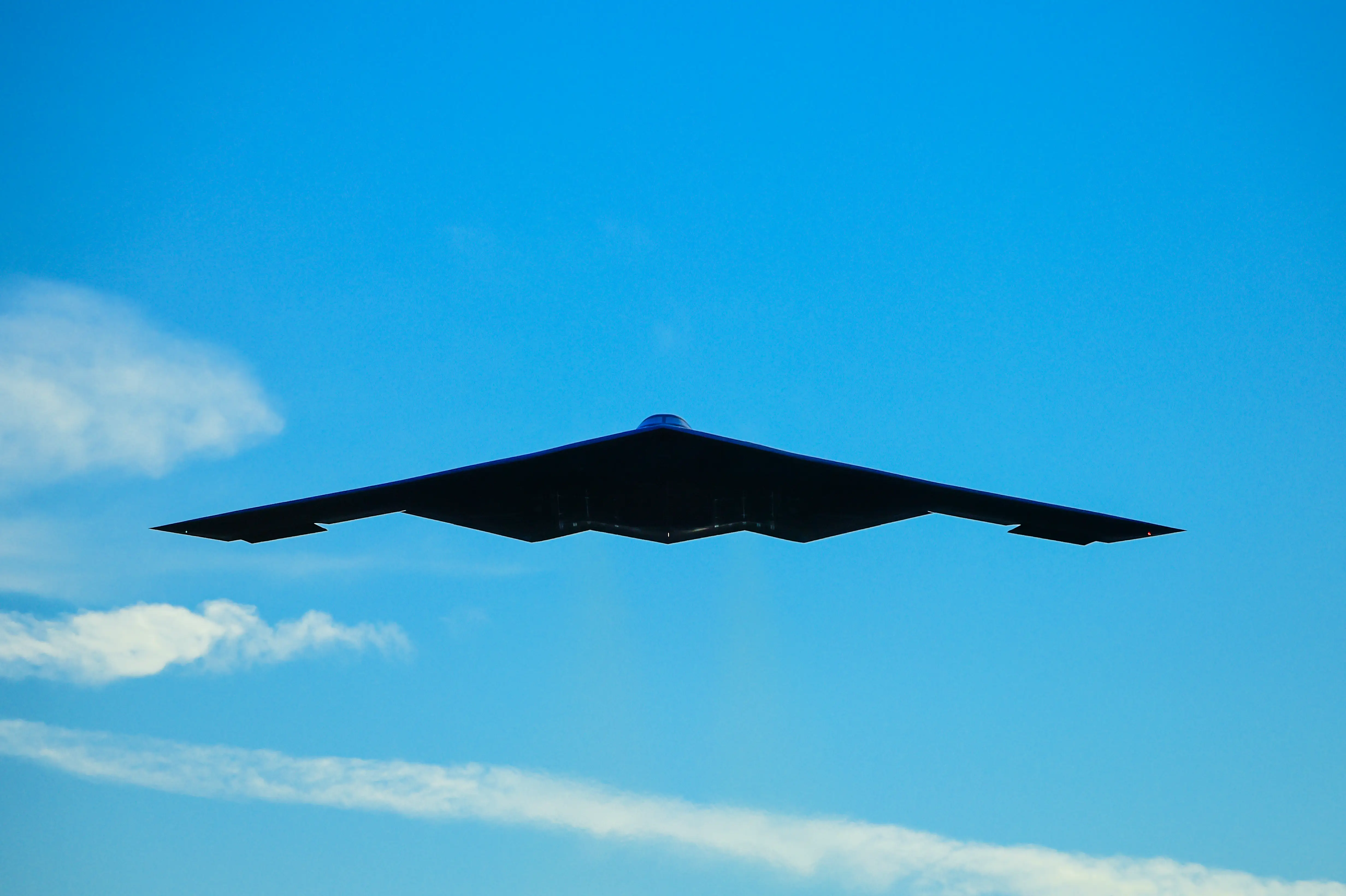
Traditional tails act like giant radar reflectors. The vertical fins on most jets bounce signals straight back to enemy radar systems, making them easy to spot. By eliminating the tail, the B-2 removes one of the biggest radar cross-section hotspots, drastically cutting its visibility.
The Flying Wing Concept
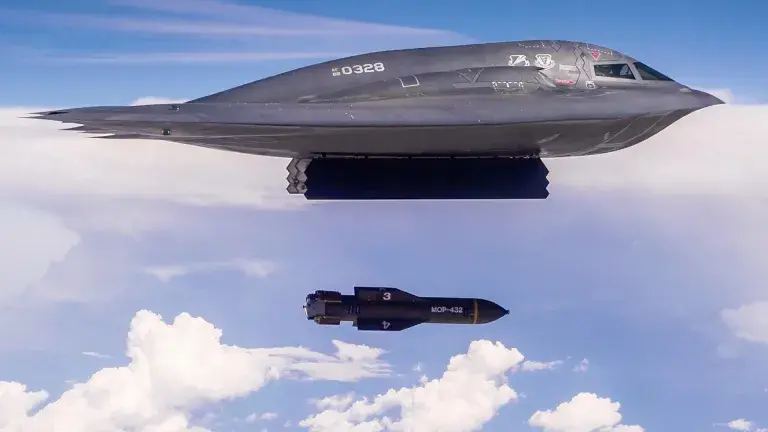
The B-2 uses a flying wing design, where the entire aircraft is essentially one giant wing. This design spreads out the bomber’s weight and lift evenly, removing the need for a separate fuselage or tail section. The result: an aircraft that looks simpler, but is incredibly complex to fly.
Stealth Over Stability
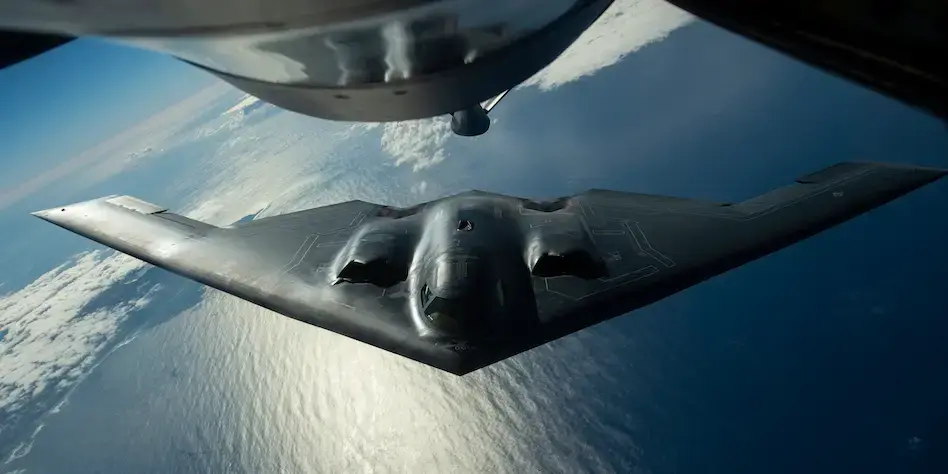
Tails provide stability in flight, they keep planes flying straight and level. By ditching them, the B-2 sacrifices natural aerodynamic balance. That’s why the aircraft is inherently unstable. Left to itself, it would wobble and fall out of control. But the payoff is that radar systems struggle to even know it’s there.
The Computers That Keep It Alive
Without a tail, the B-2 can’t rely on aerodynamics alone to stay airborne. Instead, it uses fly-by-wire technology, onboard computers that constantly adjust the control surfaces in microseconds to keep the bomber steady. In other words, the B-2 is “too unstable for a human to fly” without computers doing the hard work.
A Shape That Hides Heat and Sound
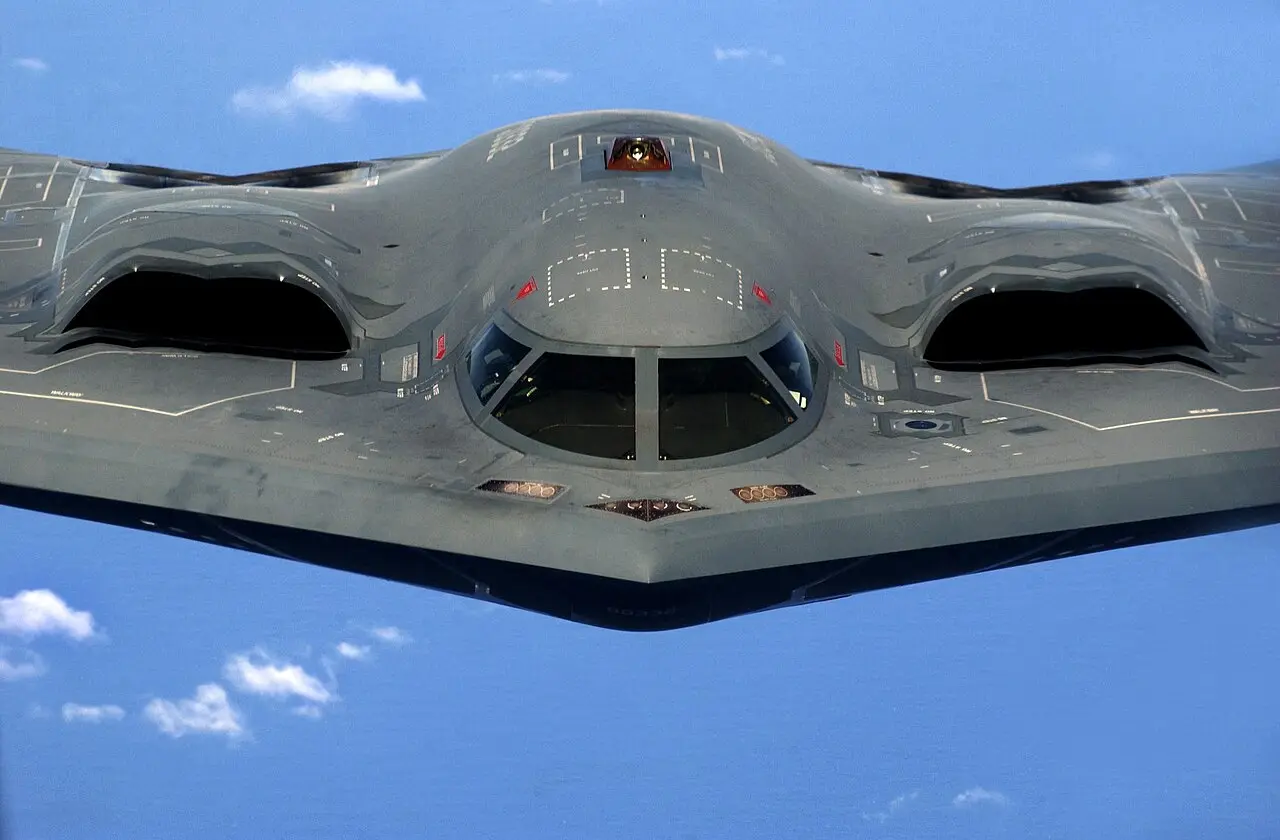
The smooth, tailless design also helps in other ways: it reduces engine heat signatures and noise by directing exhaust over the wing instead of a tail. This makes the aircraft harder to detect not just by radar, but also by heat-seeking missiles and even ground-based microphones.
A Glimpse Into the Future of Stealth
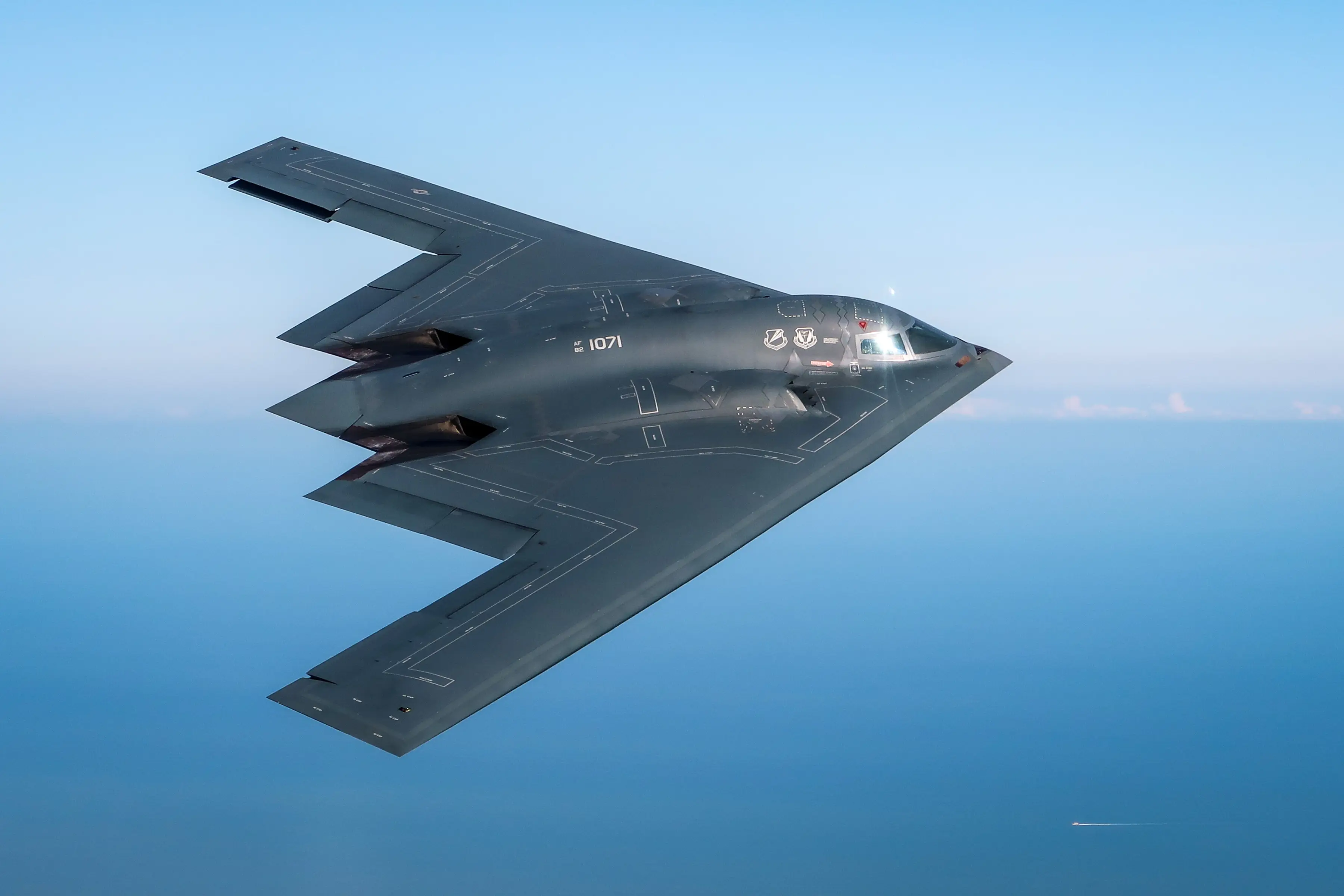
The B-2’s tailless flying wing design was once seen as radical. Today, it’s becoming the blueprint for future stealth aircraft like the B-21 Raider, which also ditches the tail for the same reasons. The lack of a tail isn’t a design flaw, it’s the ultimate stealth feature that makes the B-2 look alien, but deadly.
)
)
)
)
)