Why are wells always circular? The science behind the shape

While square or rectangular wells might seem feasible, the circular design offers distinct advantages that have made it the preferred choice globally.
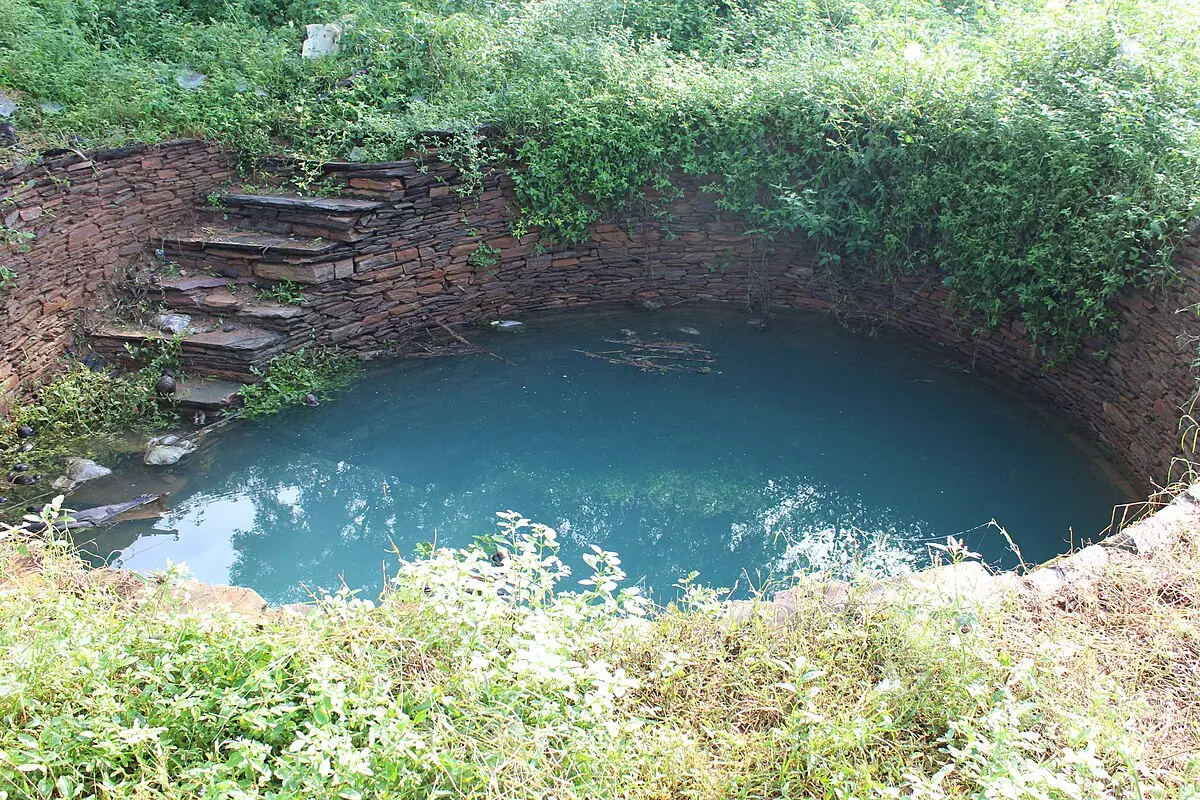
Introduction: The Ubiquity of Circular Wells
If you've ever observed a well, especially in rural or historical settings, you've likely noticed its circular shape. This design isn't arbitrary; it's the result of centuries of engineering and practical considerations. While square or rectangular wells might seem feasible, the circular design offers distinct advantages that have made it the preferred choice globally.
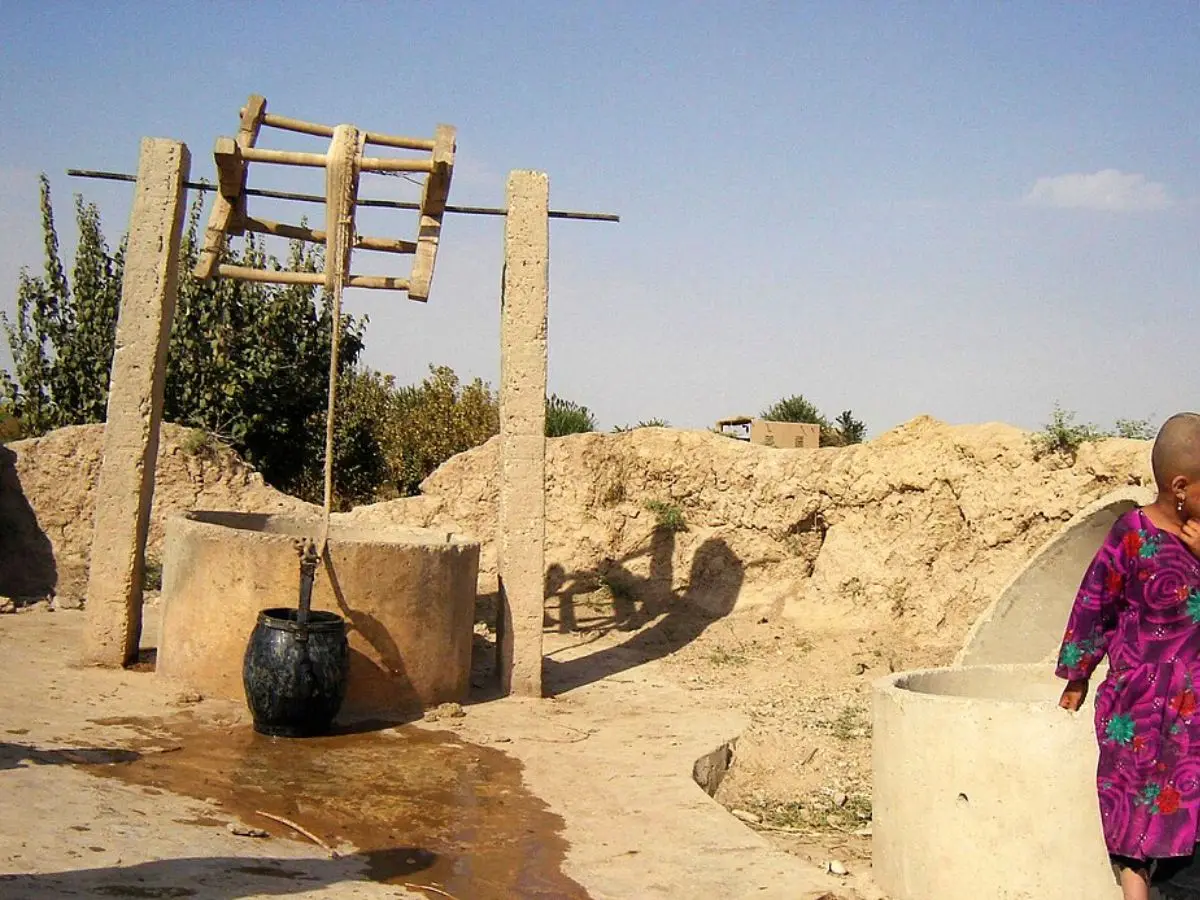
Structural Integrity: The Strength of a Circle
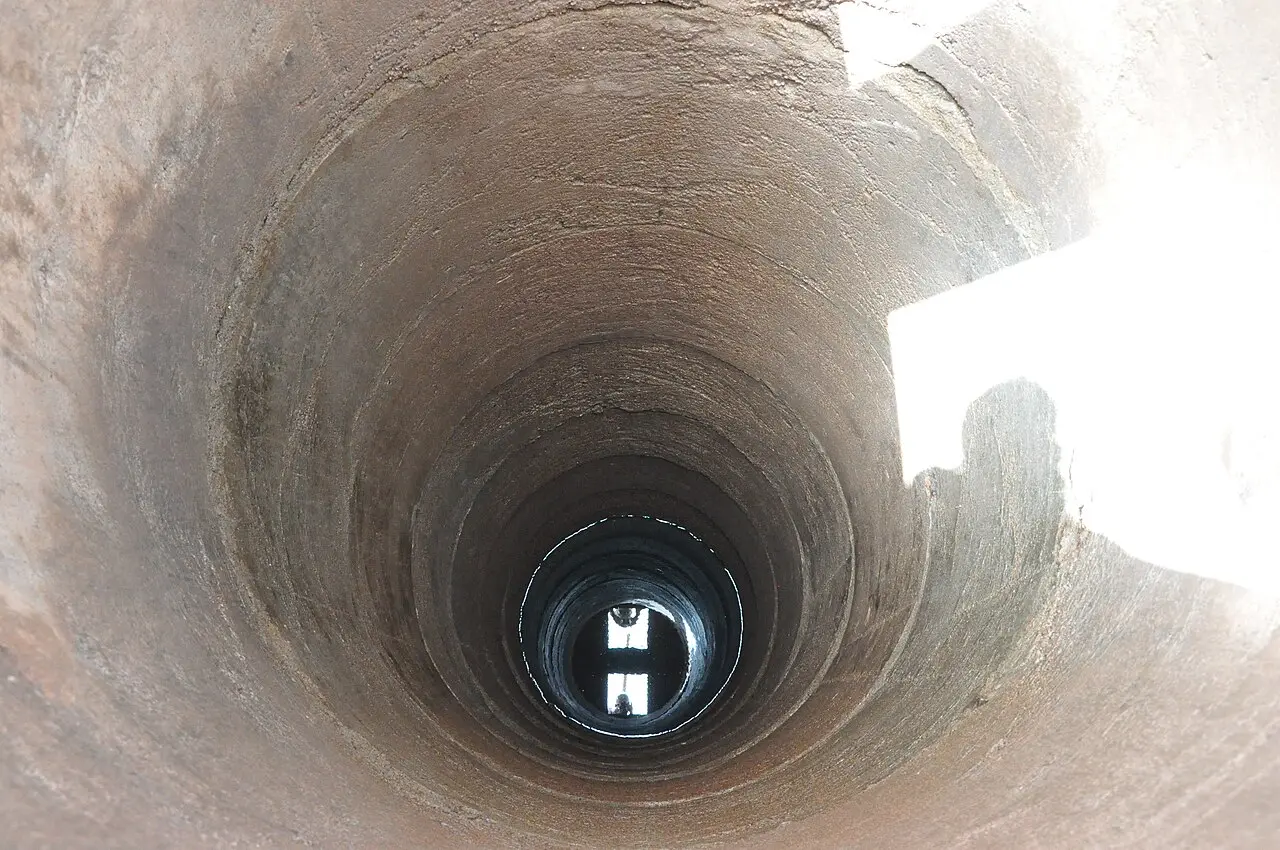
One of the primary reasons for the circular shape of wells is structural integrity. A circle evenly distributes pressure around its perimeter, reducing the risk of collapse. In contrast, square or rectangular wells concentrate stress at their corners, making them more susceptible to structural failure. This even distribution ensures that circular wells can withstand the external pressures exerted by the surrounding soil and water without compromising their stability.
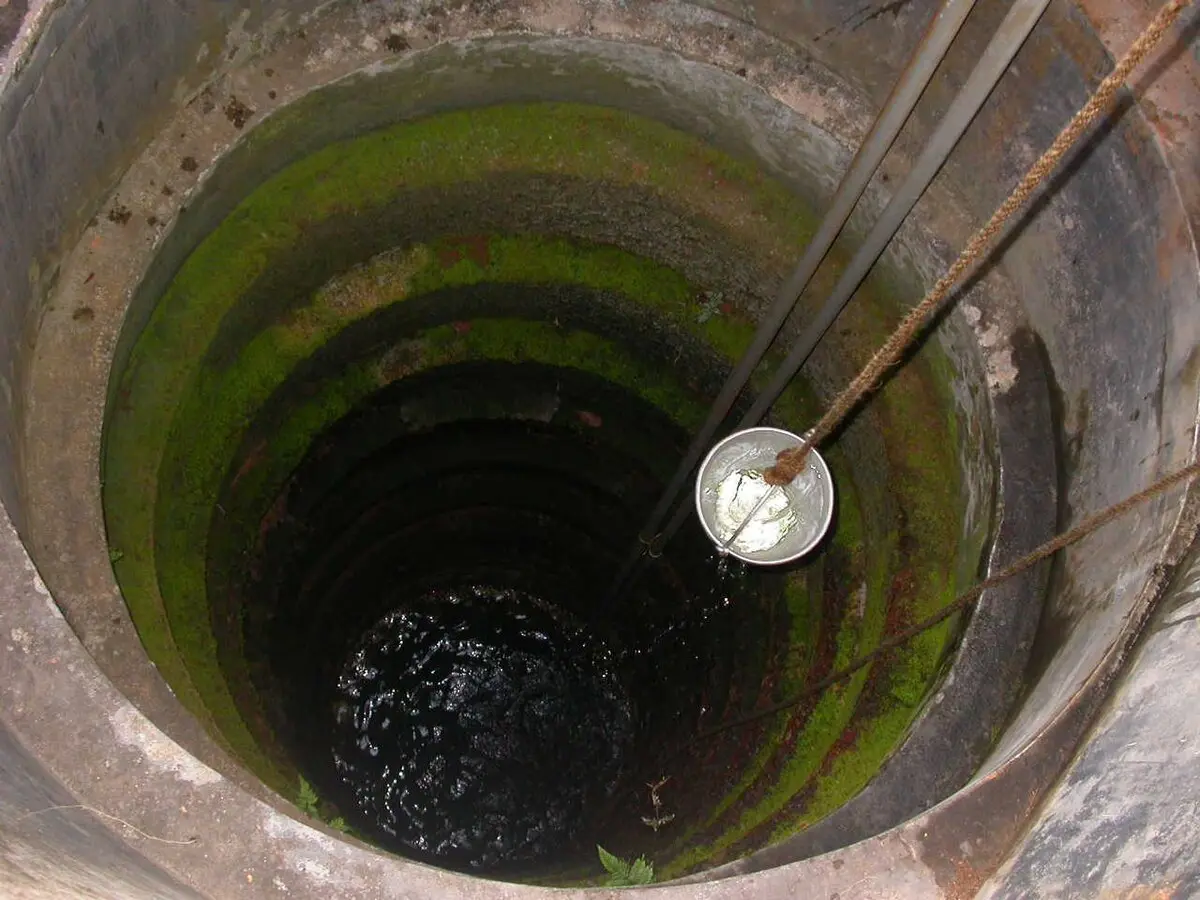
Efficiency in Construction
The construction process of a well is another factor that favours the circular design. Drilling equipment, such as rotary drills, naturally creates cylindrical holes. This method is not only efficient but also cost-effective, as it requires less material and labour compared to constructing square or rectangular wells. The circular shape also simplifies the lining process, reducing the potential for gaps or weak points that could lead to contamination or structural issues.
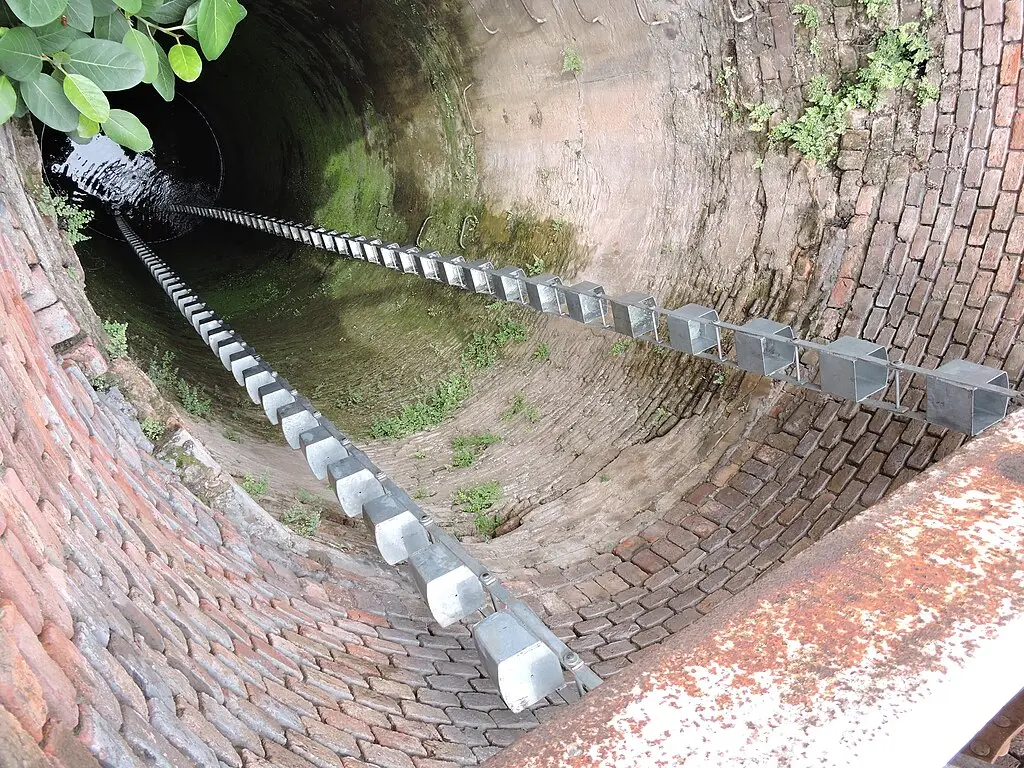
Enhanced Water Flow and Maintenance
Circular wells facilitate better water flow dynamics. The uniform shape allows for consistent water movement, reducing the likelihood of sediment build-up or stagnation. Additionally, the smooth interior surfaces of circular wells make them easier to clean and maintain, ensuring a continuous and safe water supply. This is particularly crucial in areas where water quality is paramount.
Historical Precedents and Evolution
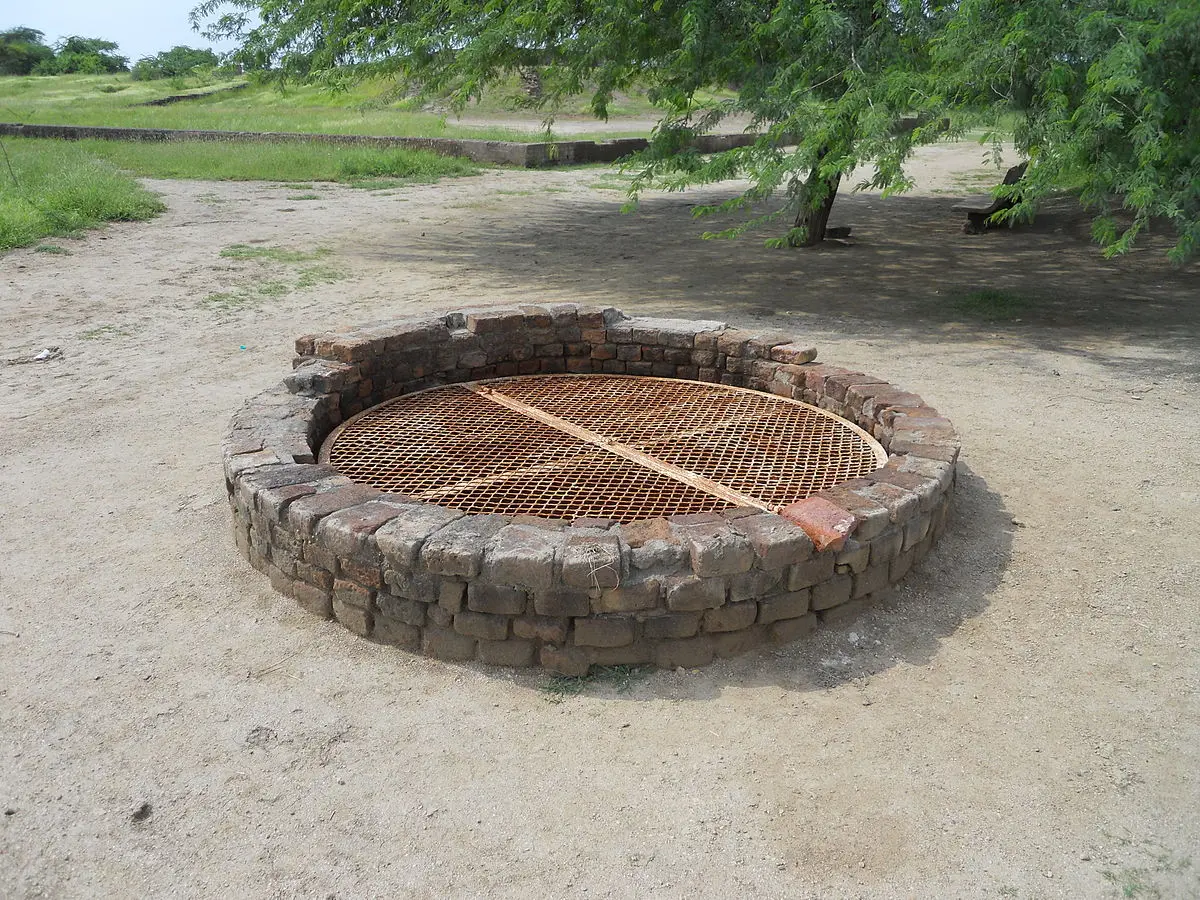
Historically, wells have been constructed in various shapes, including square and rectangular. However, over time, the limitations of these designs became apparent. Square wells, for instance, are more prone to structural weaknesses due to the concentration of stress at the corners. A circular well is easier to dig and requires fewer advanced tools. The evolution towards circular wells reflects a natural progression towards more efficient and durable designs, influenced by both practical experience and advancements in engineering.
Modern Applications and Innovations
In contemporary settings, the principles behind the circular design of wells continue to influence water infrastructure. Modern wells, while benefiting from advanced materials and technologies, still adhere to the basic design principles that make circular wells effective. Innovations in well construction aim to enhance the benefits of the circular design, focusing on sustainability, durability, and efficiency.
)
)
)
)
)