Why are US and Iran enemies? The dispute that made allies now rivals

The US and Iran were Cold War allies until the 1953 coup and the 1979 Islamic Revolution shattered ties. Hostage crises, sanctions, proxy wars, and the collapsed nuclear deal entrenched decades of hostility.
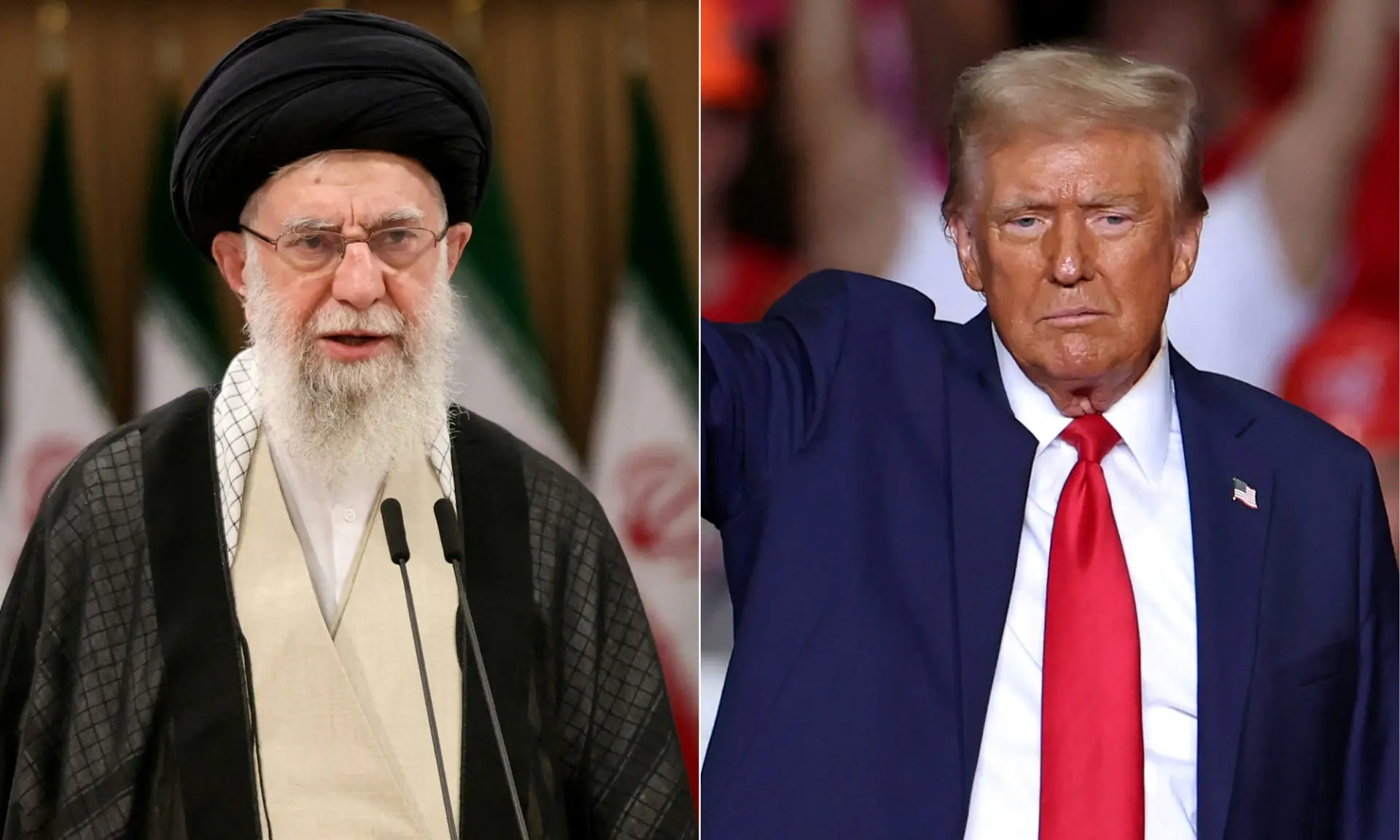
US-Iran: Battle over nuke deal
The US and Iran are standing against each other over Tehran's nuclear programme. A recent report claimed, citing defence officials, that America could launch a strike on Iran this Saturday (Feb 21). Meanwhile, US President Donald Trump said that talks are in progress with Tehran, but it has been proven over the years that it is "not easy to make a meaningful deal with Iran." Amid this, one must wonder if these two nations were always enemies? No, in fact, they were allies. SO what happened that changed everything?
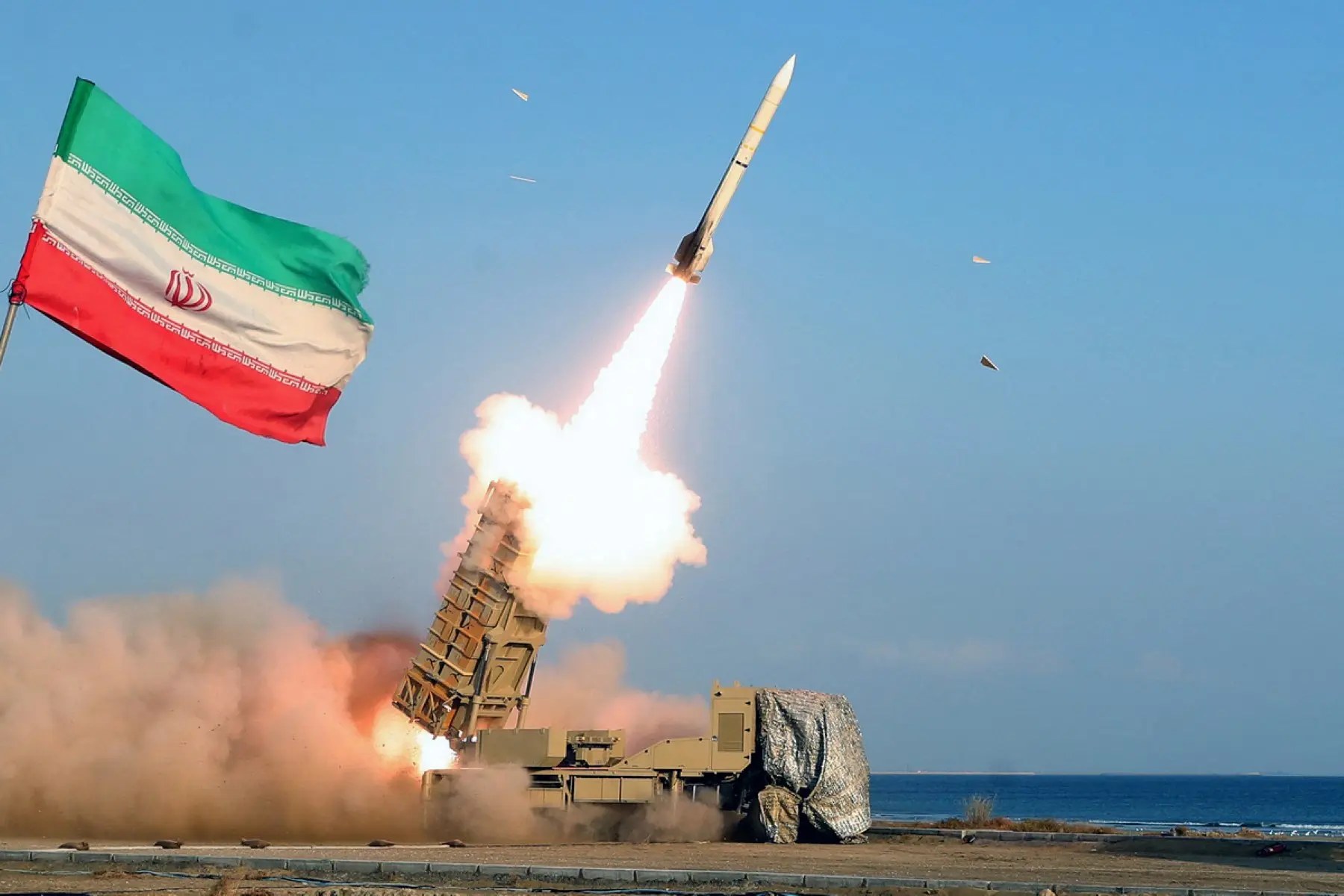
Early Cooperation
In the 1950s, the United States supported Iran’s Shah, helping build nuclear capacity and signing the Treaty of Amity to strengthen ties. This made Tehran a key US partner against Soviet influence in the Middle East.
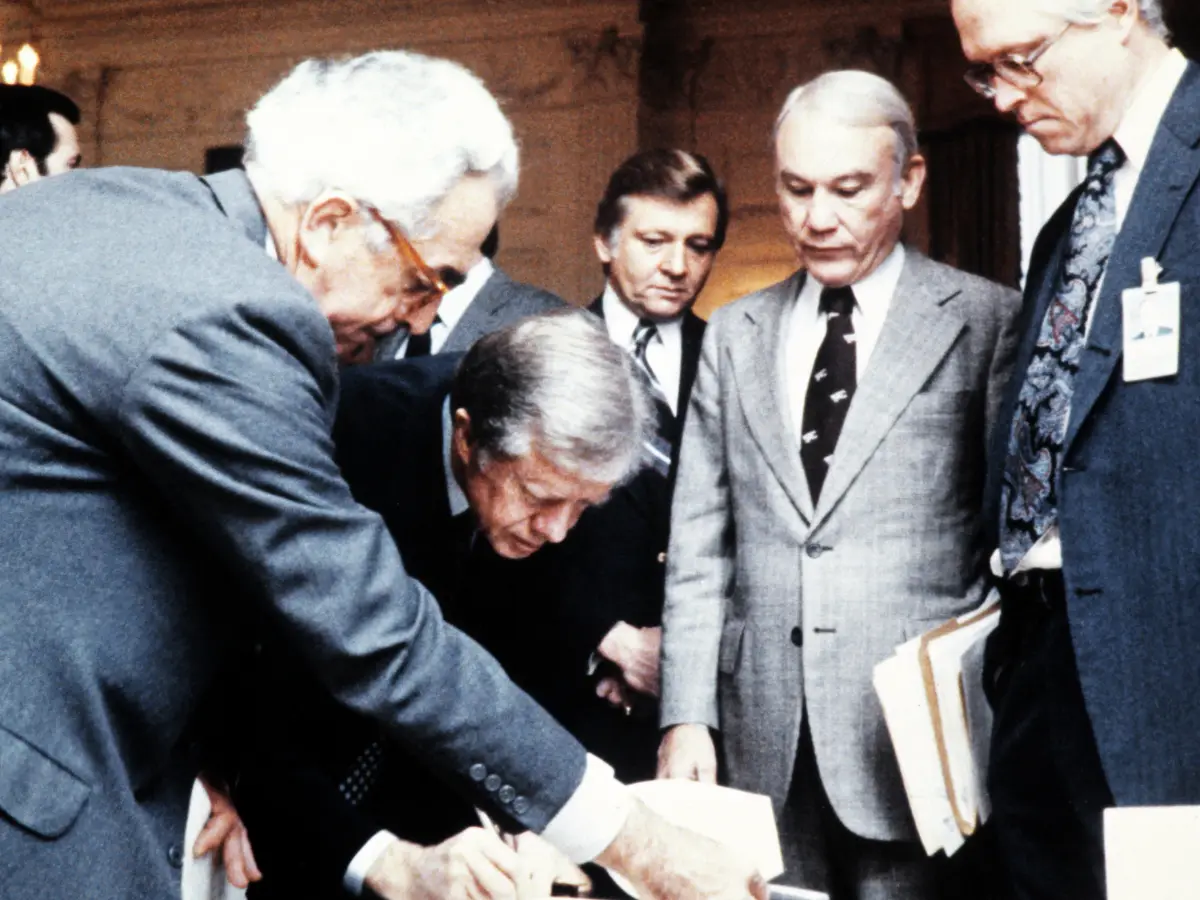
Turning Point: 1953 Coup
The CIA helped overthrow Iran’s elected PM Mossadegh, reinstating the Shah’s power. This fostered resentment among many Iranians, laying the groundwork for future distrust of the United States.
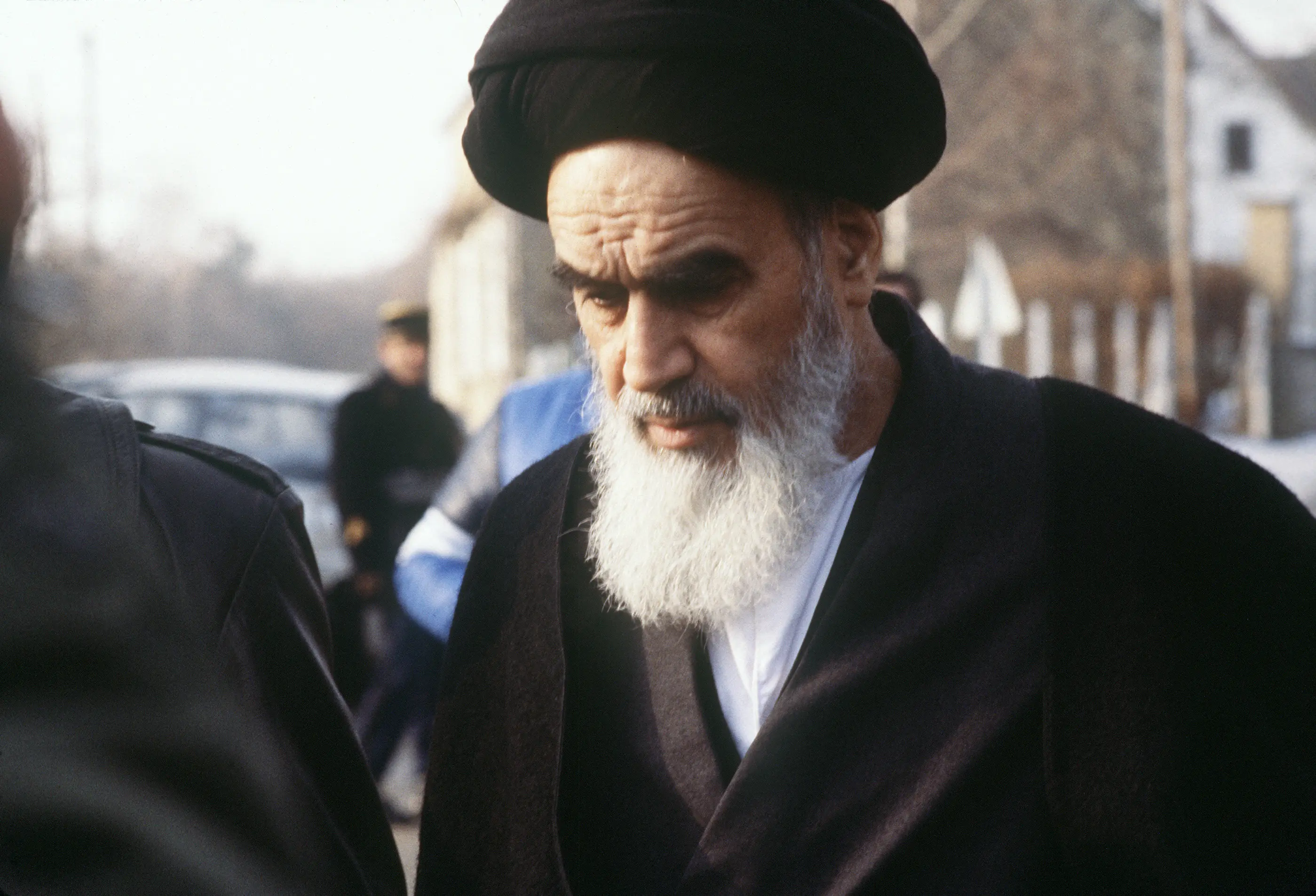
Islamic Revolution 1979
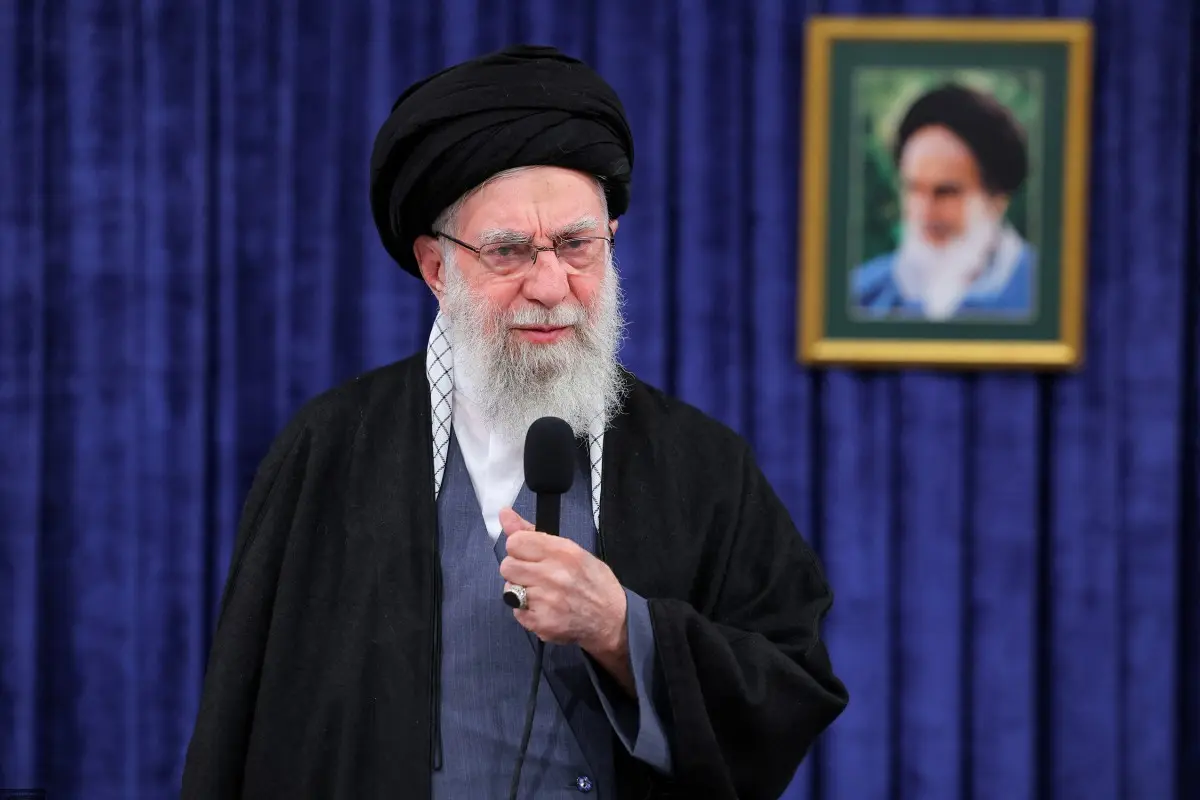
The Shah was overthrown in the Islamic Revolution, and Ayatollah Khomeini established a theocratic republic. Iran’s new regime labelled the United States the “Great Satan,” ending close relations and diplomatic cooperation.
Hostage Crisis and Severed Ties
In 1979, Iranian students seized the US Embassy and held diplomats hostage for 444 days, deeply damaging trust. Diplomatic relations were cut, and sanctions began shaping decades of hostility.
War and Proxy Conflict
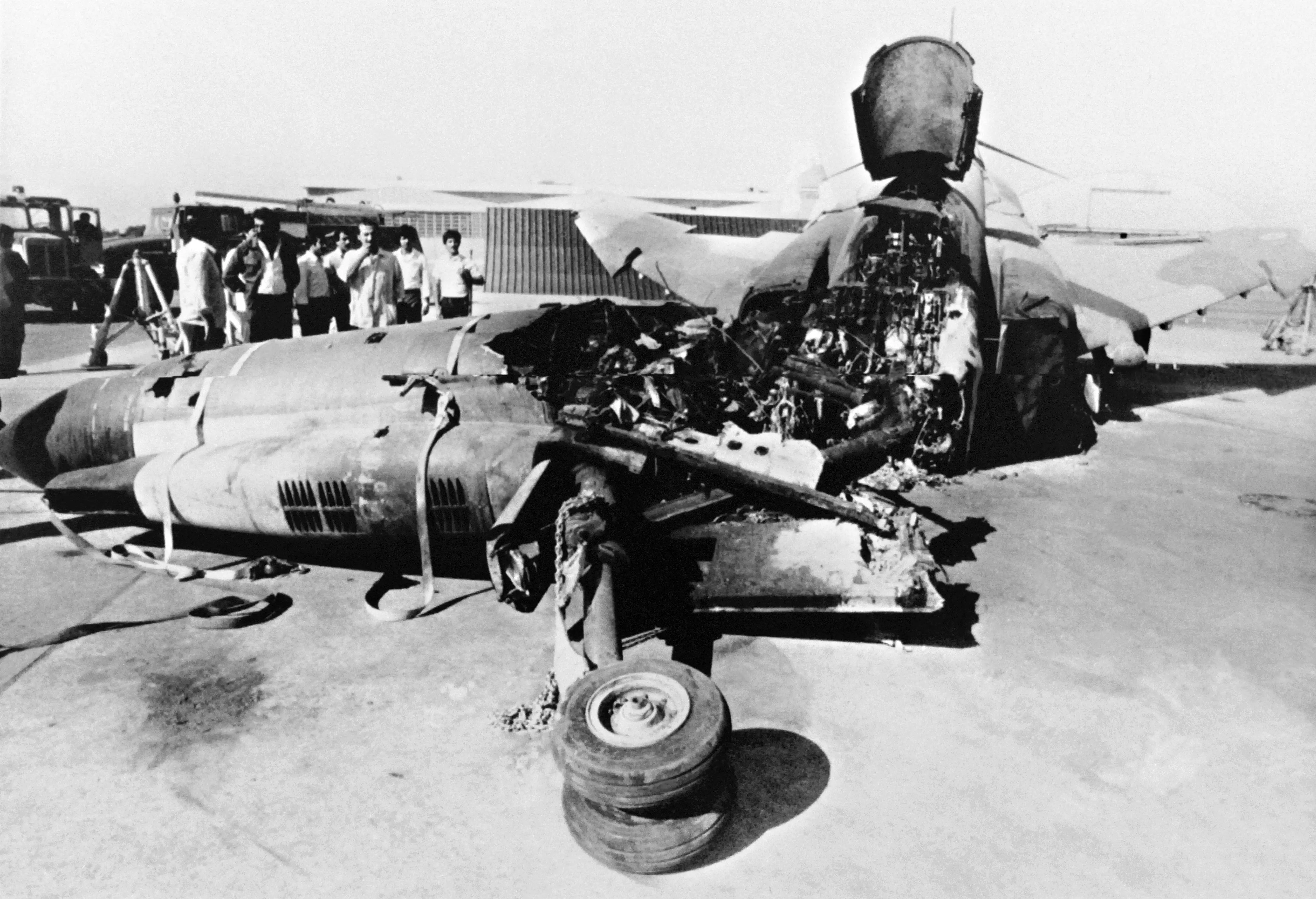
During the 1980s Iran–Iraq War, the US backed Iraq while Iran built influence via proxies. This entrenched indirect confrontation. The US later designated Iran a state sponsor of terrorism.
Nuclear Deal and Fallout
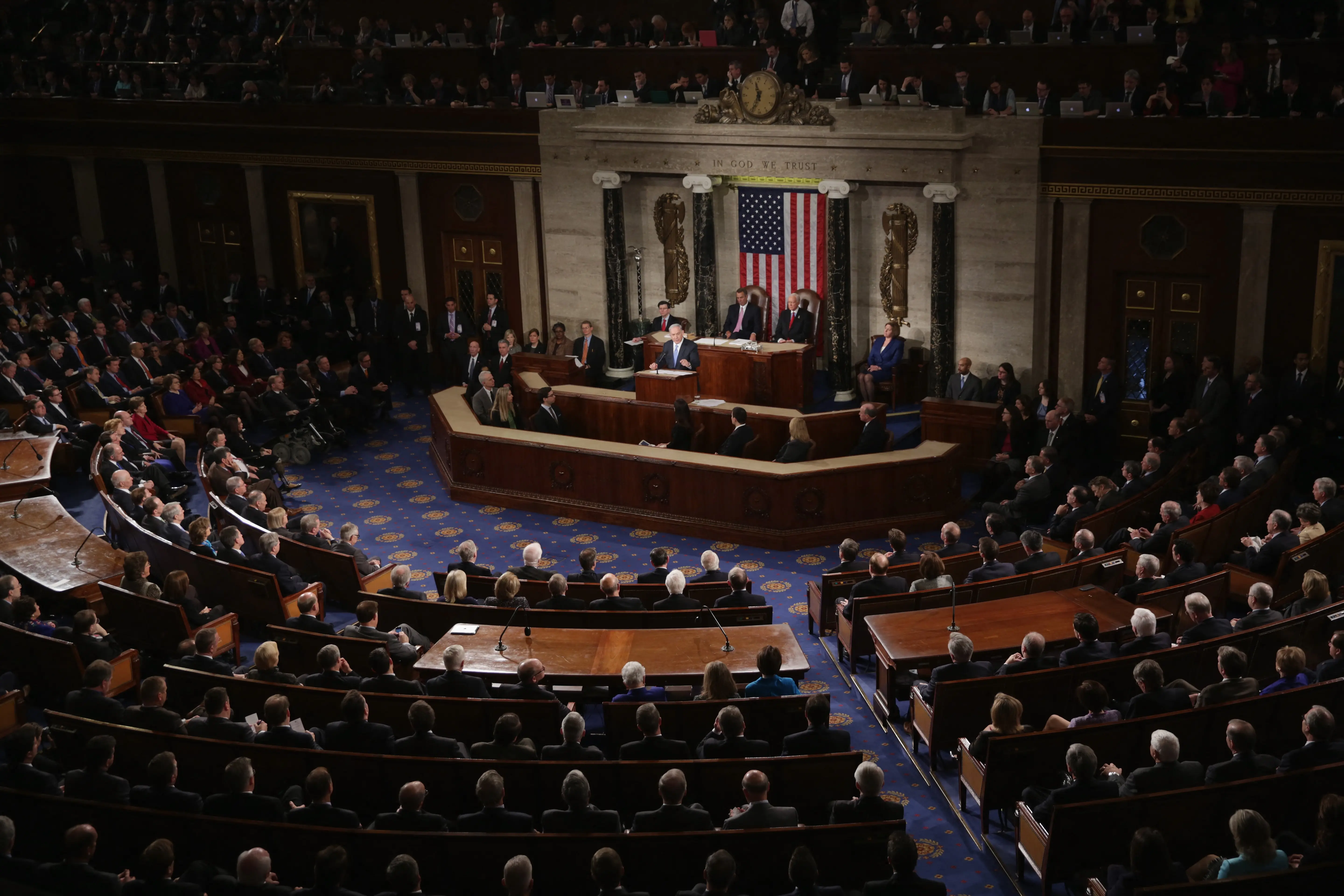
In 2015, the US and allies negotiated the Iran nuclear deal (JCPOA), limiting enrichment in exchange for sanctions relief. The U.S. withdrew in 2018, reimposed sanctions, and tensions rose again.
)
)

)
)