Why are the B-52 bomber's tyres different from those on most aircraft?

The B-52 bomber abandons standard landing gear for a tandem bicycle layout under its belly. It relies on unique wingtip outrigger wheels to protect its fuel-heavy wings, while its main tyres swivel 20 degrees to safely land sideways in crosswinds.
The Bicycle Arrangement
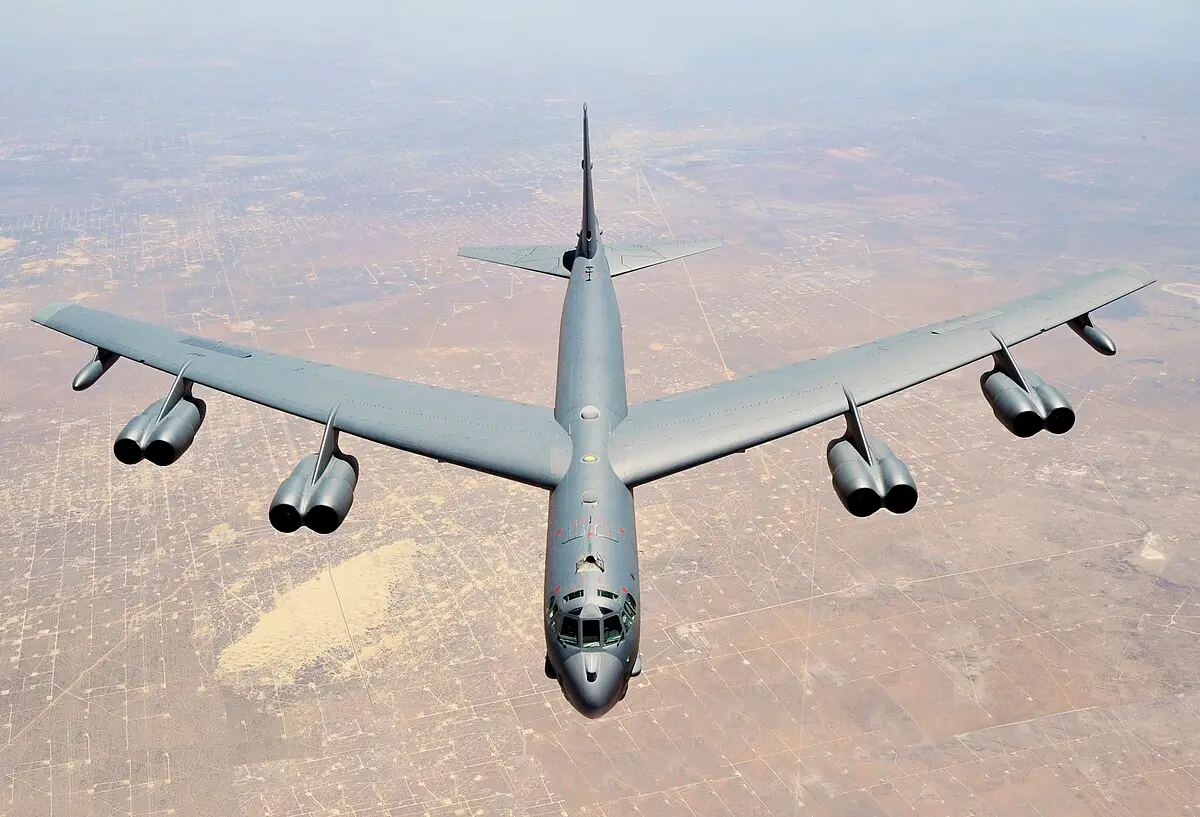
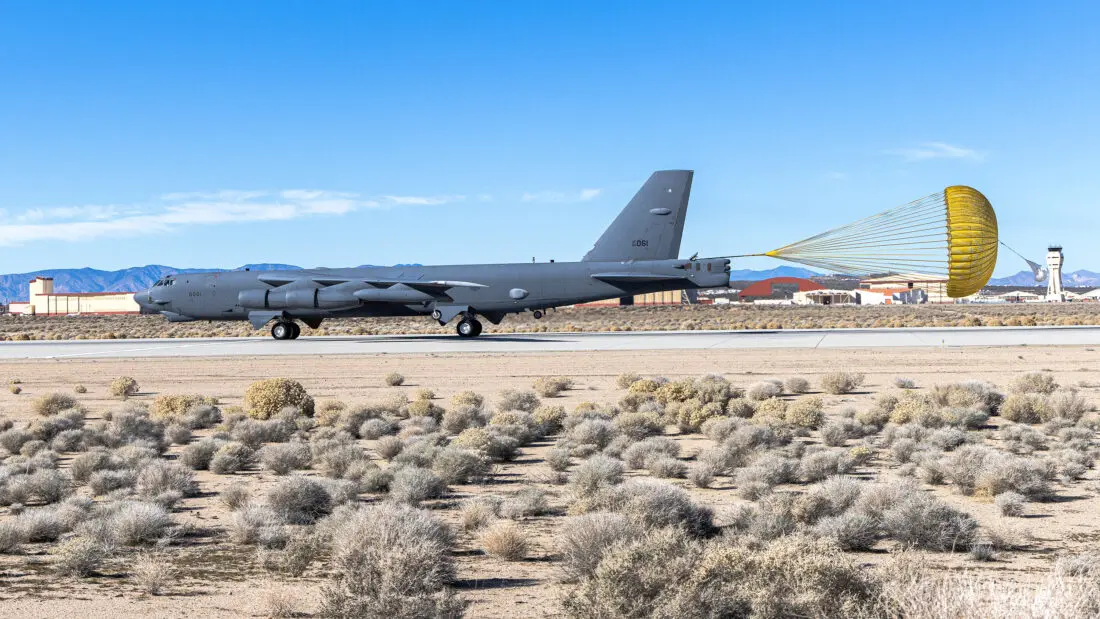
Unlike modern jets that use a standard tricycle landing gear layout, the Boeing B-52 Stratofortress features a completely bizarre tandem design. Its four main dual-wheel bogies are aligned directly down the centre of the fuselage, perfectly resembling a massive bicycle.
Wheels on the Wings
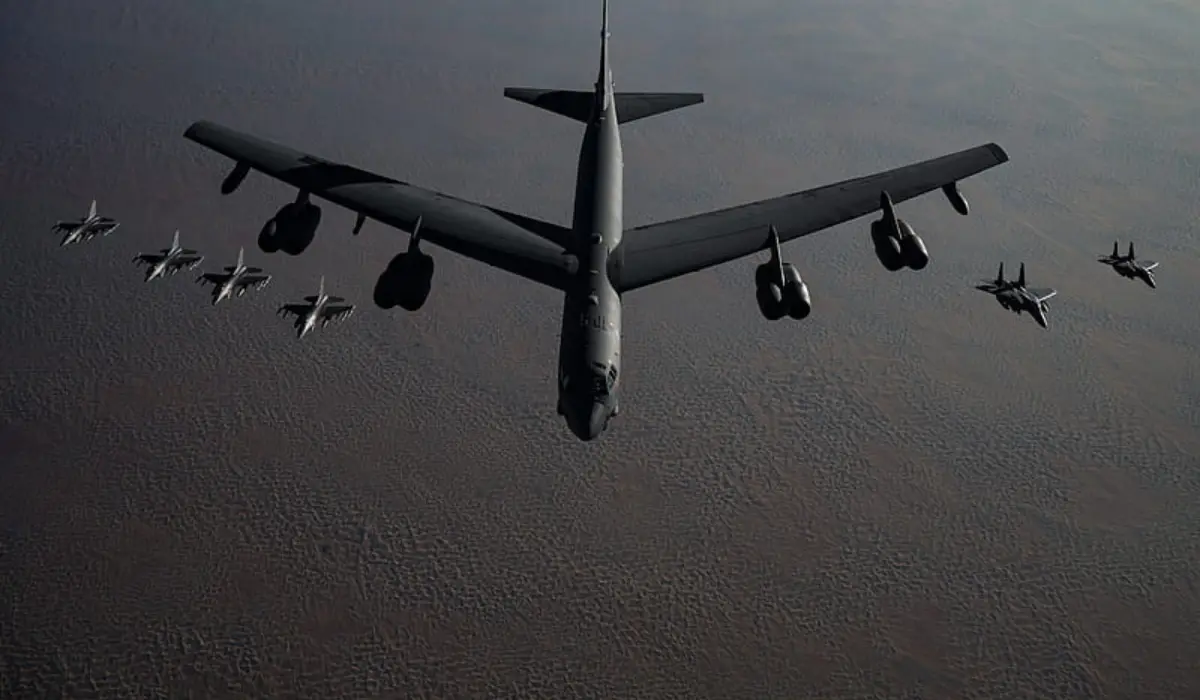
Because the primary landing gear is centrally located under the belly, the massive aircraft requires additional lateral support to remain upright. Engineers installed specialised outrigger wheels, commonly referred to as wingtip gear, near the outer edges of the bomber's immense 185-foot wingspan.
Guarding the Wingtips
These outrigger tyres serve a highly critical purpose during taxiing and ground operations. When the aircraft is loaded with up to 48,000 gallons of aviation fuel, the heavy wings can physically flex downward by 12 feet, requiring the outriggers to prevent the wingtips from scraping the concrete.
The Taxiway Trap
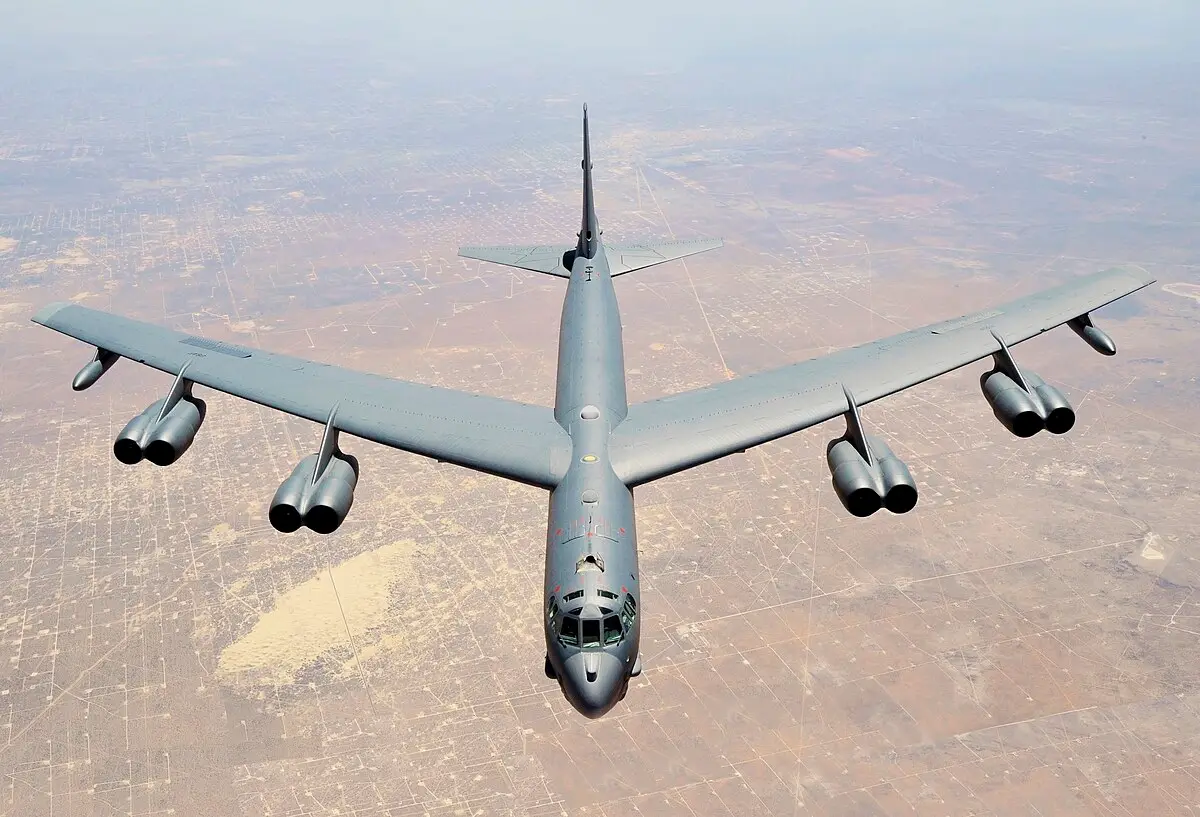
While absolutely essential for structural support, these wide wingtip wheels create severe operational hazards on the ground. Because they extend so far outward, the B-52 requires exceptionally wide taxiways, occasionally snagging runway lights or dragging through the grass on narrower military airfields.
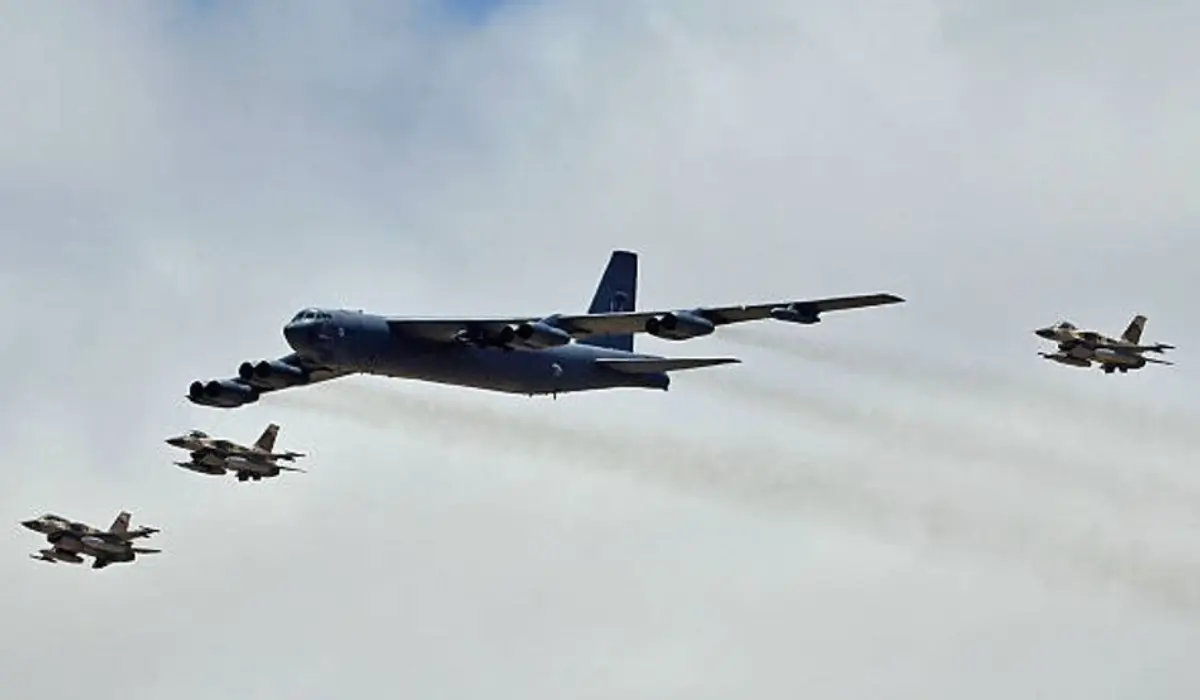
Fuel Shifting Tricks
To navigate particularly tight taxiways, B-52 aircrews can employ a clever fuel management trick. By deliberately pumping aviation fuel to one side of the aircraft, they can force one wingtip wheel to firmly touch the ground while safely lifting the opposite outrigger completely into the air.
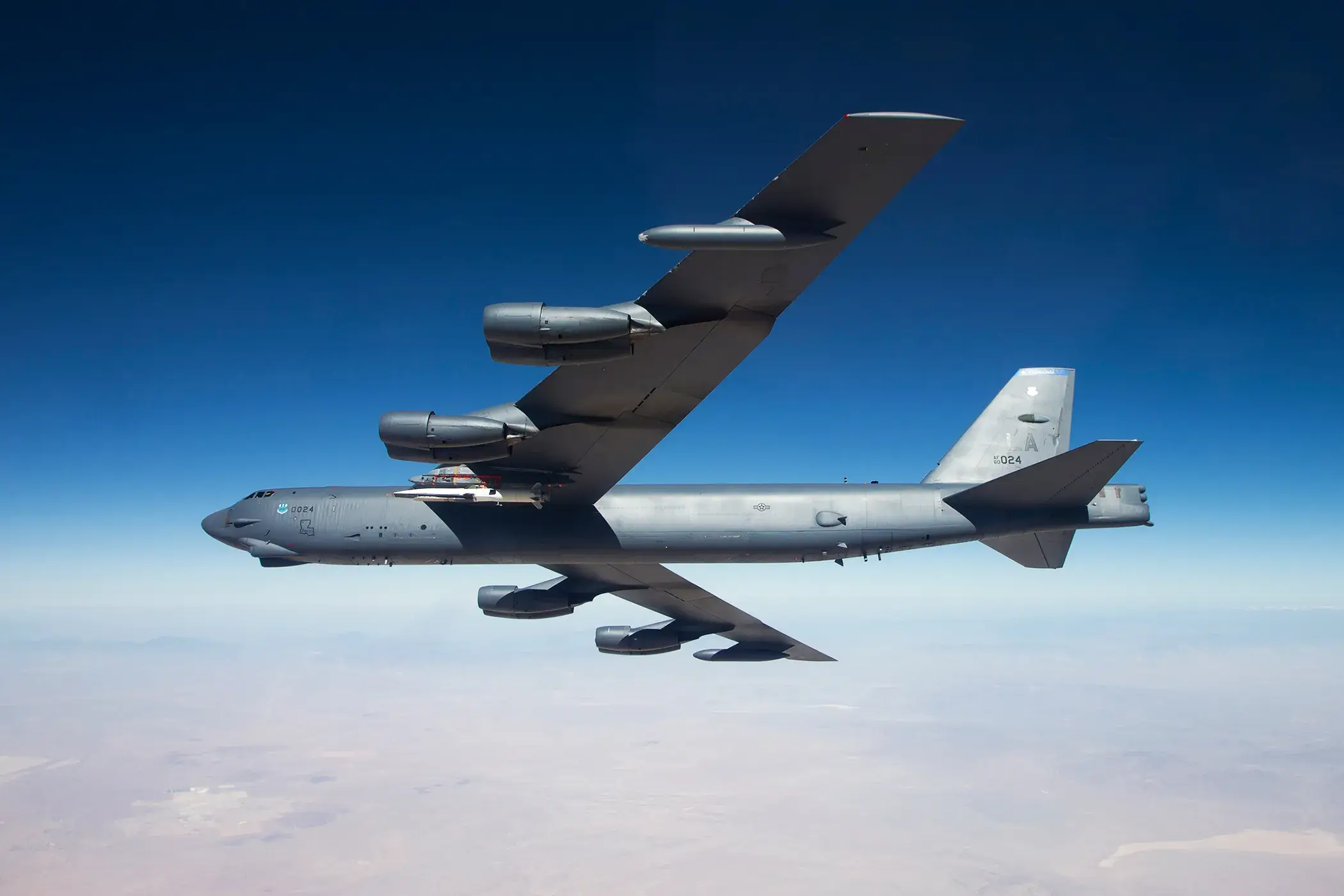
The Swivelling Main Gear
The bomber's central tyres feature another incredible capability designed to conquer severe crosswinds. Because the massive wings cannot safely dip during a crosswind touchdown, all four main underbelly bogies can independently swivel up to 20 degrees to safely absorb severe lateral drift.
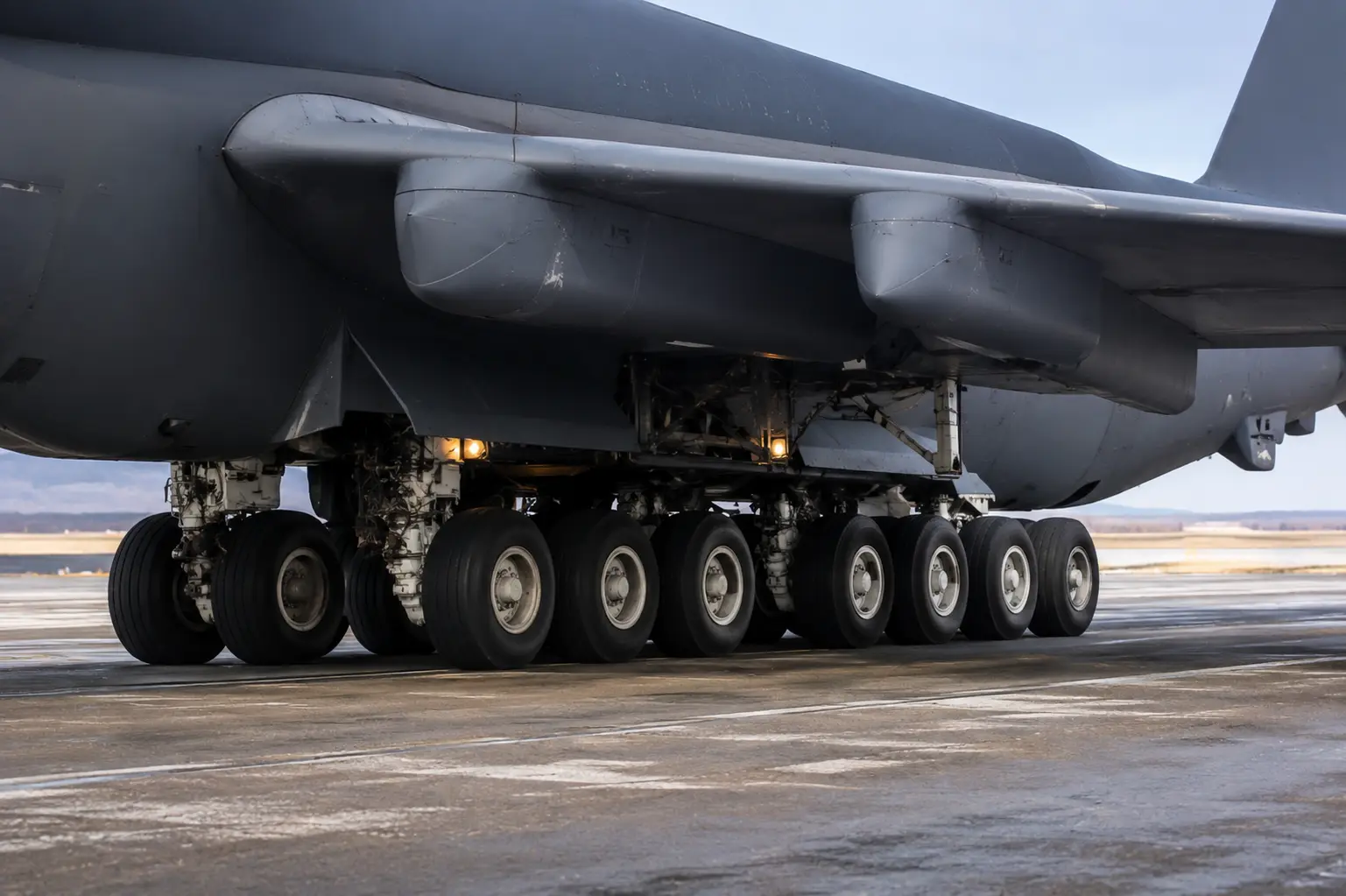
Rolling Down the Centreline
This ingenious steering system allows the heavy bomber to touch down while crabbed completely sideways. The swivelling tyres flawlessly roll straight down the runway, effortlessly protecting the USD 84 million airframe from dangerous side loads that would instantly snap a standard landing gear.
)
)
)
)
)