Why are smaller nations investing more in fighter jets?

Smaller nations are upgrading air forces with affordable fighter jets like the F-16 Block 70 and Gripen E. With low costs, local deals, and rising threats, choices reflect smart defence strategies.
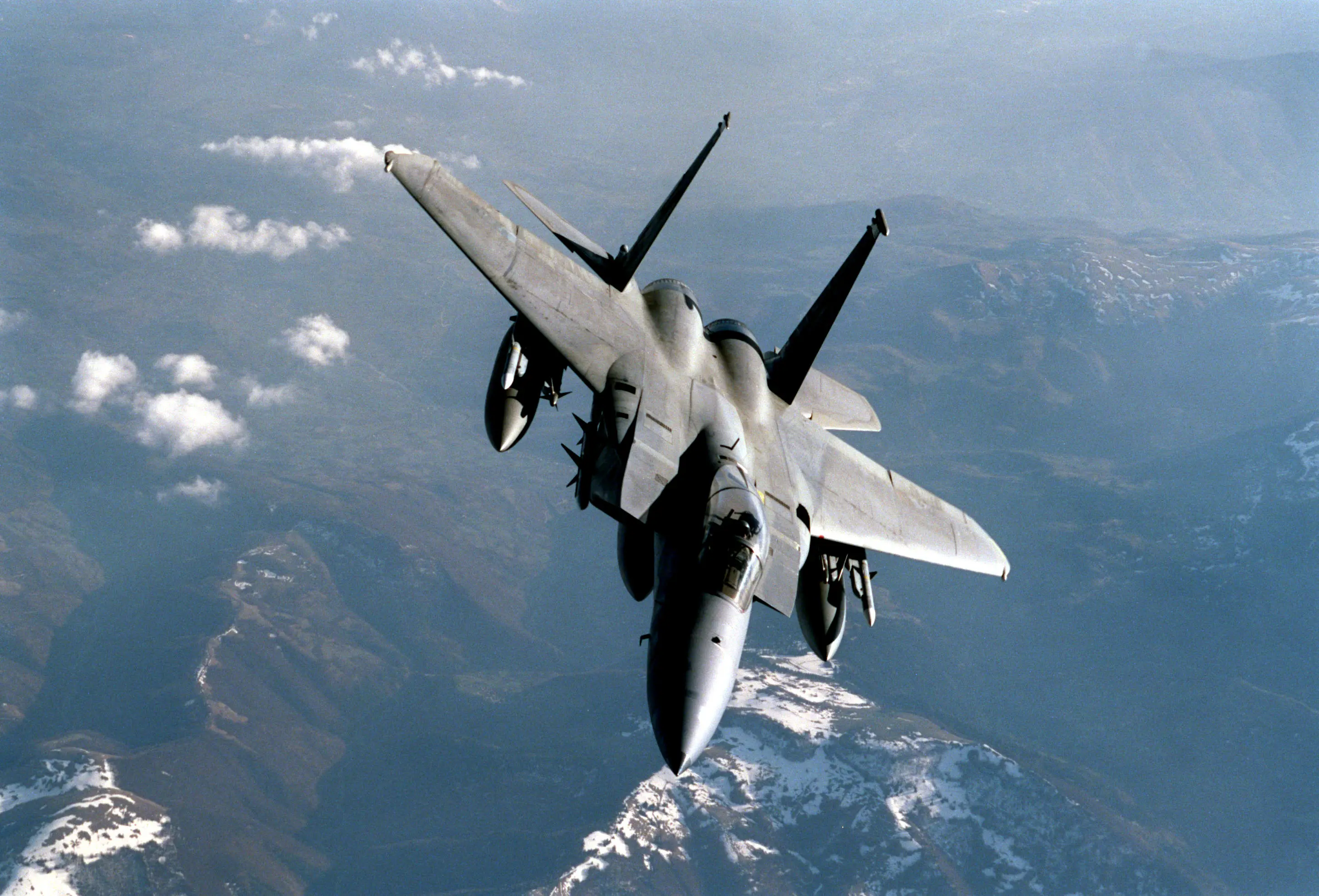
Smaller nations:
Smaller nations face tighter airspace risks and faster regional tensions, so they are modernising for deterrence, sovereignty and partner duties, including NATO. New finance terms, technology transfer and lighter 4.5 generation jets make upgrades more affordable than keeping older fleets.
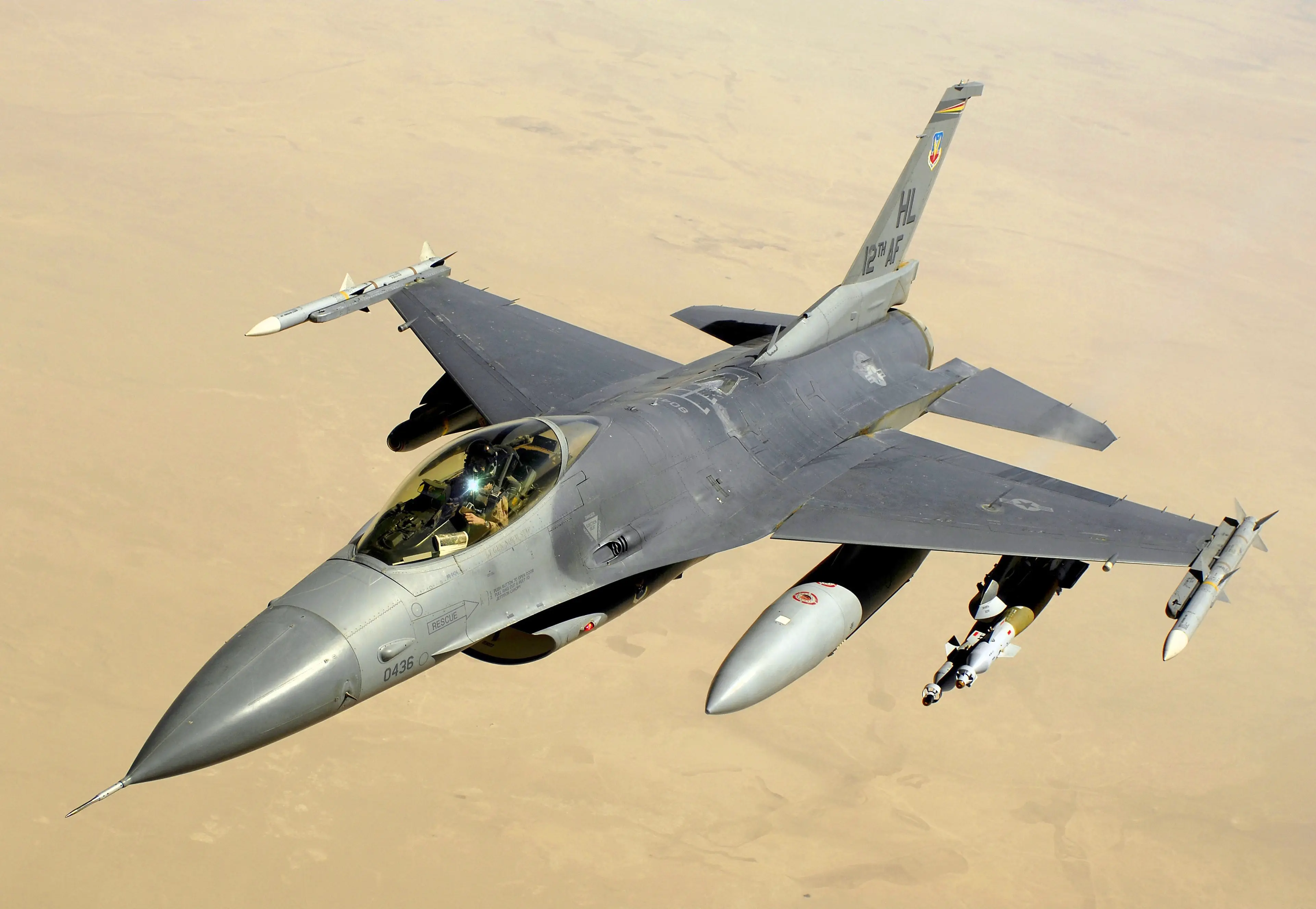
Budget smart choices F-16 Block 70 and Gripen E
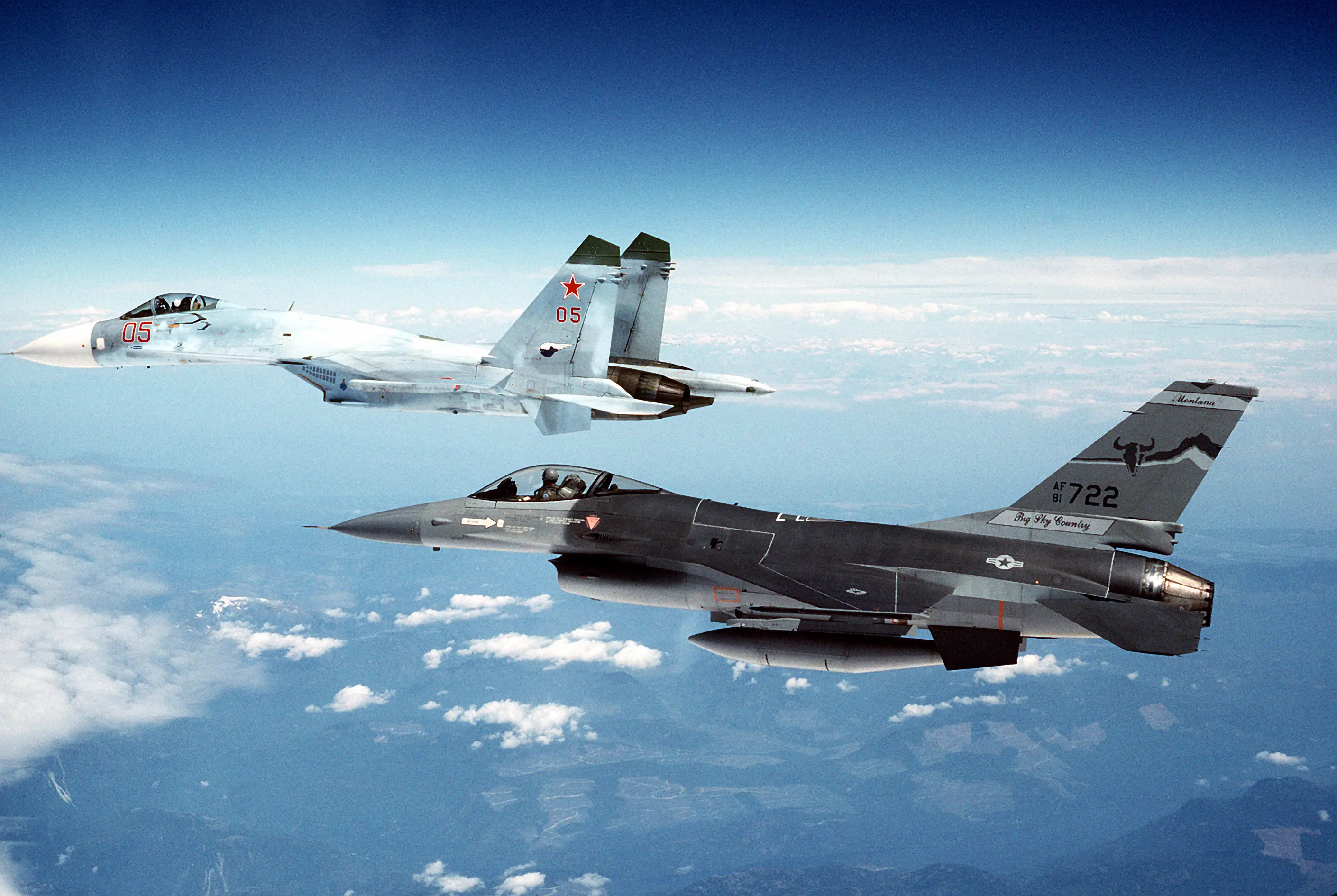
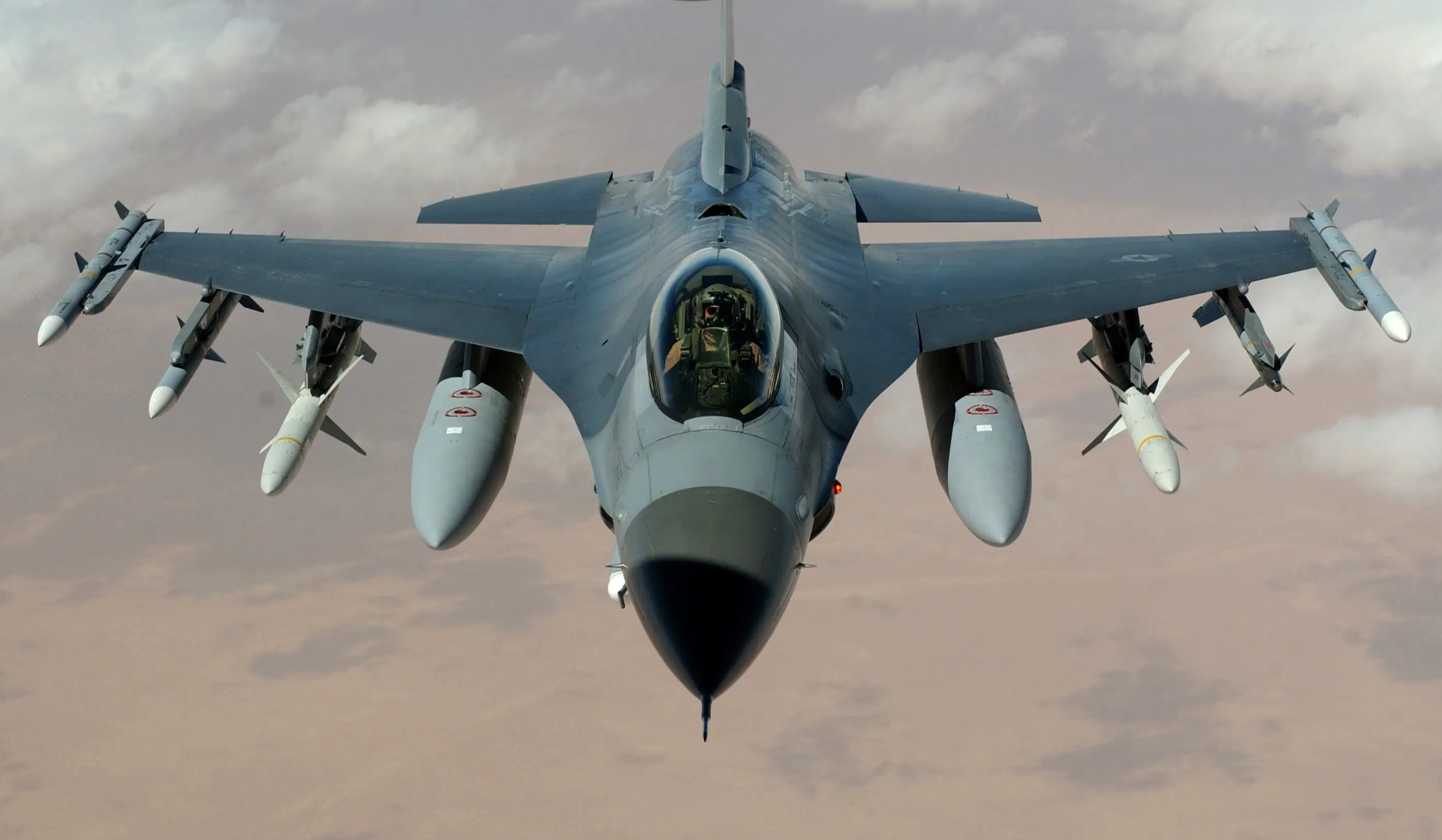
Many small and mid-size air forces shortlist the F-16 Block 70 or 72 and the Saab Gripen E for price, reliability and support. Block 70 orders are rising beyond 200 units by 2025, while Gripen E is marketed for low cost per flight hour and quick turnarounds.
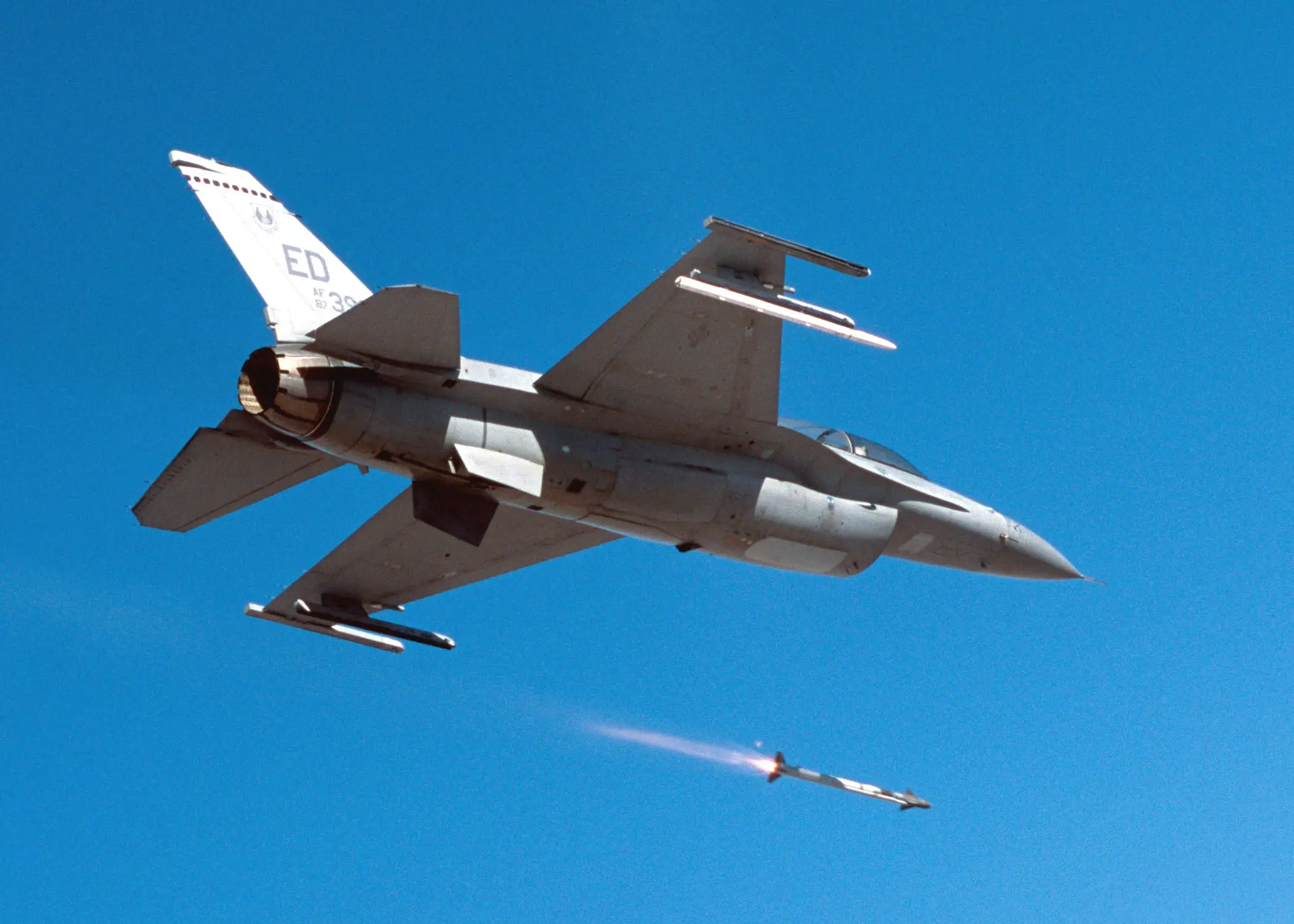
Cost per flight hour keeping fleets flying
Independent studies note Gripen has among the lowest operating costs in the West, often cited around $4,700 to $7,000 per hour in past reports. The F-16 Block 70 costs more to run but benefits from a large global supply chain and common spares.
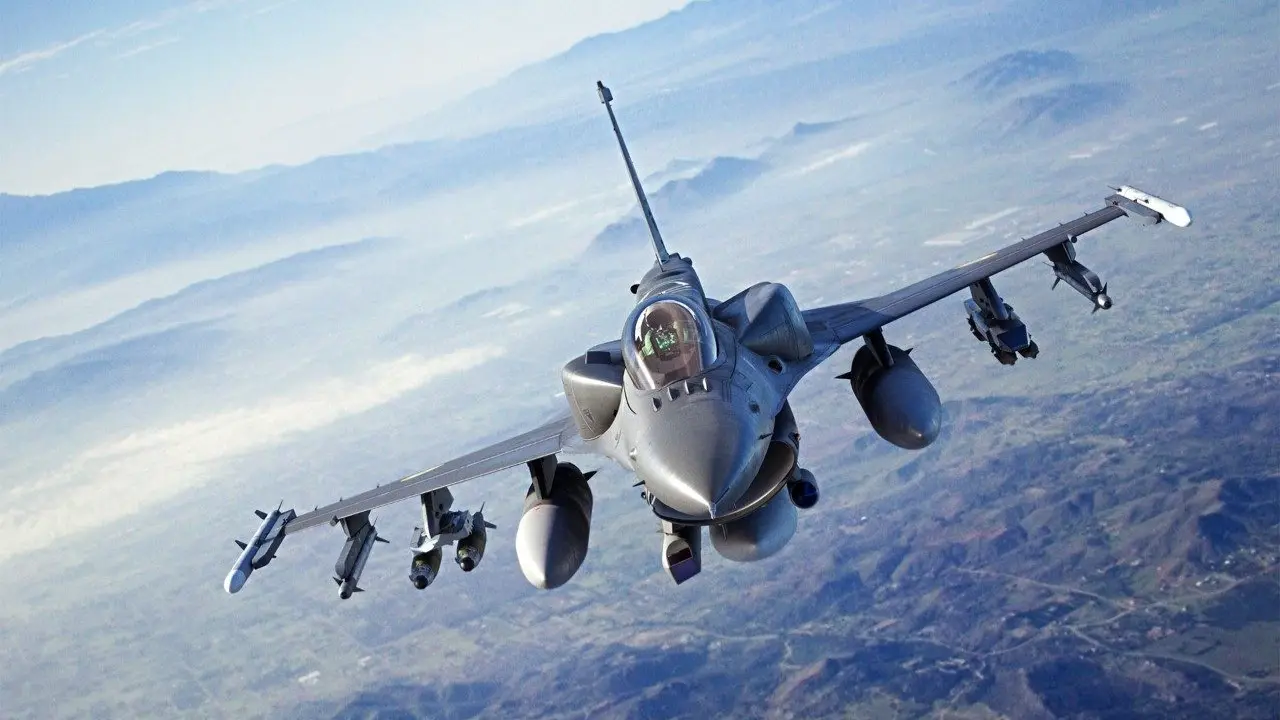
Fresh orders proof of demand
Recent moves show momentum. Bulgaria received its first F-16 Block 70 in 2025 and the backlog keeps growing. The Philippines advanced a $5.58 billion F-16 Block 70 or 72 package through US approval in 2025 to build front-line fighter capacity. Smaller forces are rearming.
Why not always stealth
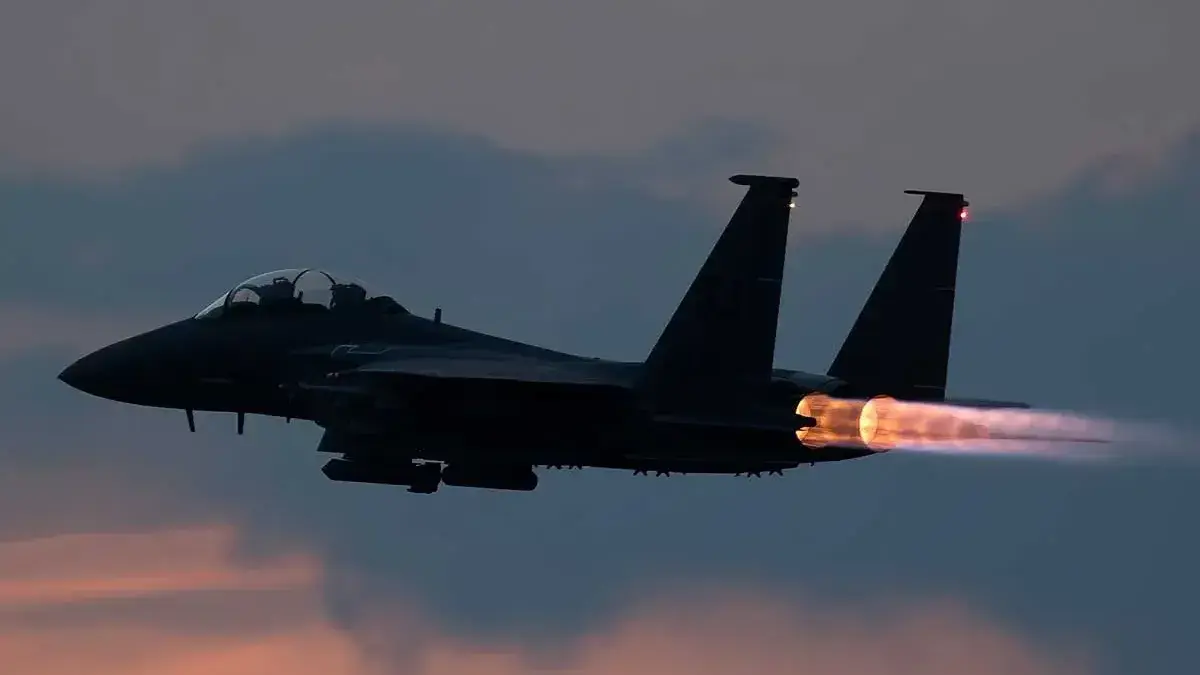
The F-35 brings top-tier capability but with higher lifecycle costs and complex sustainment. Some nations choose European or 4.5 generation options to match budgets and missions. Many pick mixed fleets, buying affordable multirole jets now with upgrades later as needs grow.
Industrial offsets and autonomy
Smaller nations seek technology transfer, local assembly and jobs. Offers are often stronger with Gripen through flexible offsets, or with tailored F-16 packages under Foreign Military Sales. This builds local skills and shortens supply chains to improve readiness.
Regional catalysts Europe and Indo-Pacific
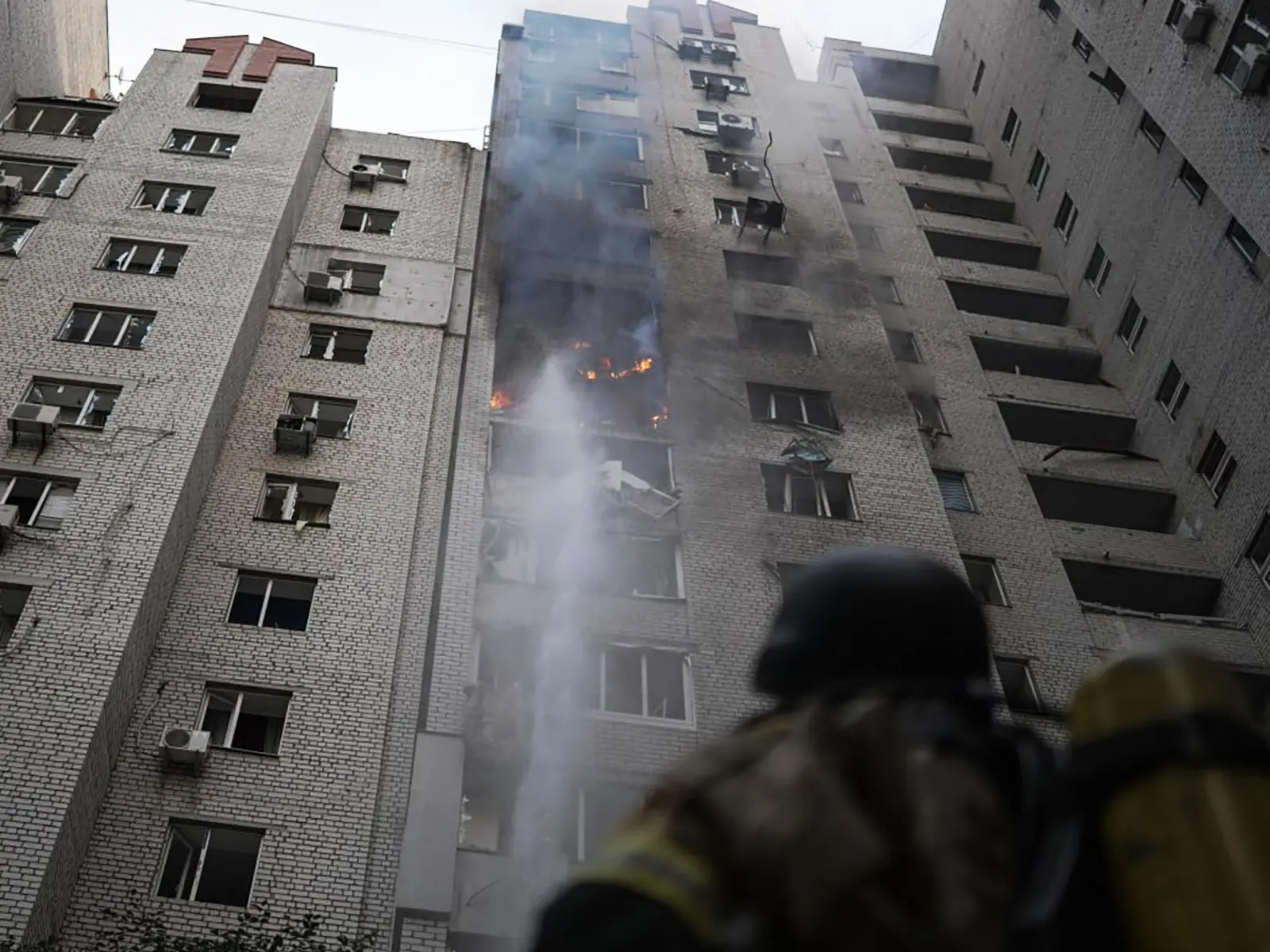
Security shocks in Europe and rising tensions in the Indo Pacific push even mid-tier or small air forces to sign fighter deals to protect airspace and join coalition operations. In Latin America, recent Gripen selections show how financing plus offsets can unlock a first modern fighter purchase.
)
)
)
)
)