Why are laser based directed energy weapon cheaper to fire but harder to build?

Laser weapons derive much of their attraction from the low marginal cost of each engagement and their speed of engagement.
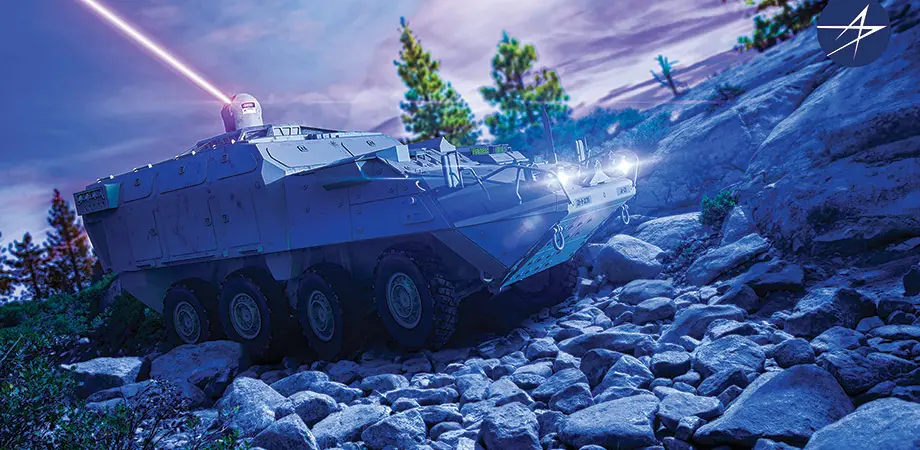
The paradox of directed‑energy weapons
Directed‑energy weapons (DEWs), particularly the high‑energy lasers, have captured defence planners’ attention due to multiple reasons, notably that while their operational cost per shot is far lower than traditional missiles, yet they require immense expertise and infrastructure to develop. According to Lockheed Martin, laser weapons are changing the defence equation, "The “ammunition” is merely the power supply, and the magazine is limitless." This article examines why firing is inexpensive but building and fielding such systems remains technically demanding.
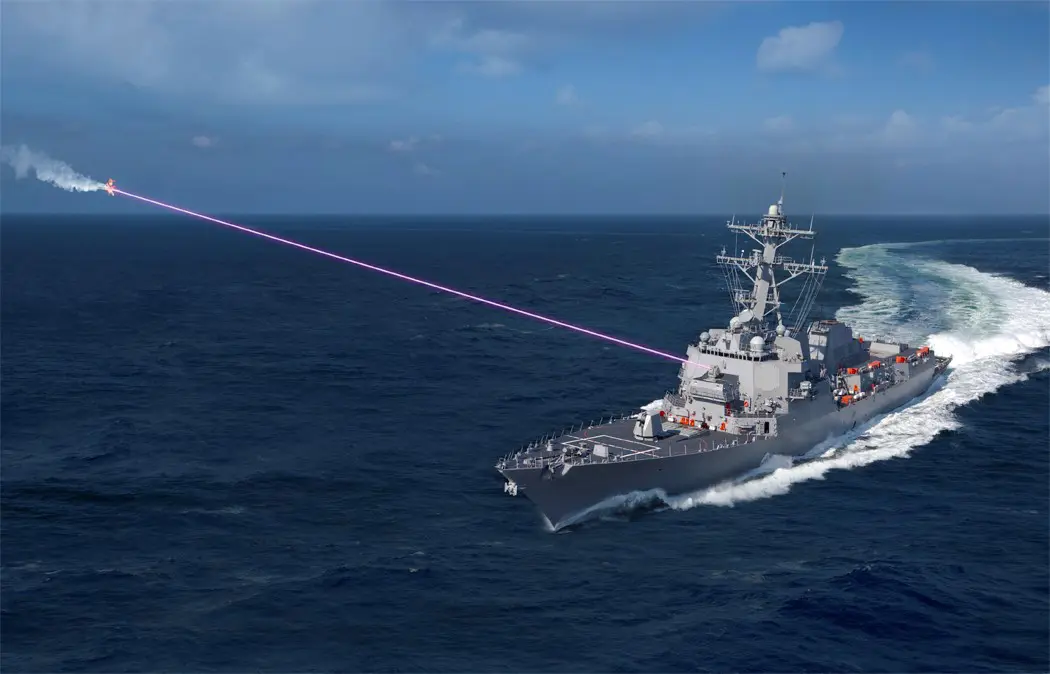
Cost per shot versus development cost
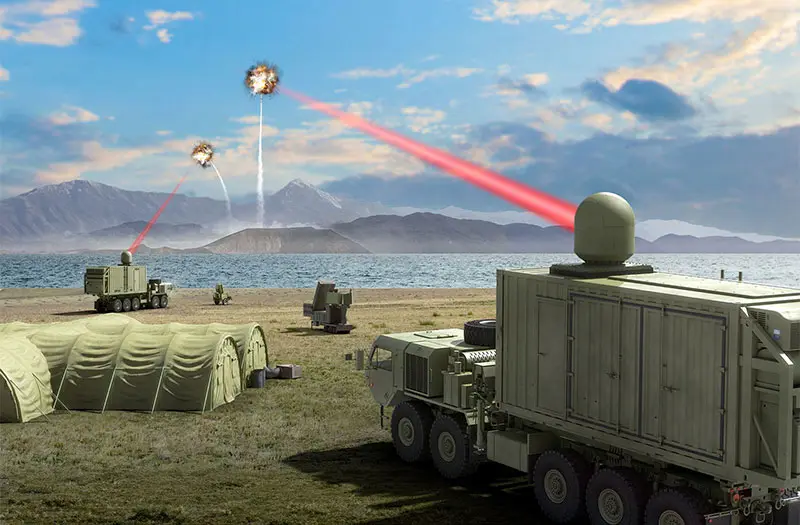
Laser weapons derive much of their attraction from the low marginal cost of each engagement and their speed of engagement. Lockheed Martin points out that the primary consumable in a laser system is electrical power, not costly explosives or propellants. Once installed, a laser can engage threats repeatedly without physical ammunition, reducing long‑term expense. However, according to SPIE, the international society for optics and photonics, “development of laser weaponry has been a more methodical and challenging process, balancing a fine line between aspirations and practical constraints." By contrast, a conventional surface‑to‑air missile or interceptor can cost hundreds of thousands to millions of dollars per launch. The dramatic difference in per‑shot cost is a key reason why militaries are investing in directed‑energy systems.
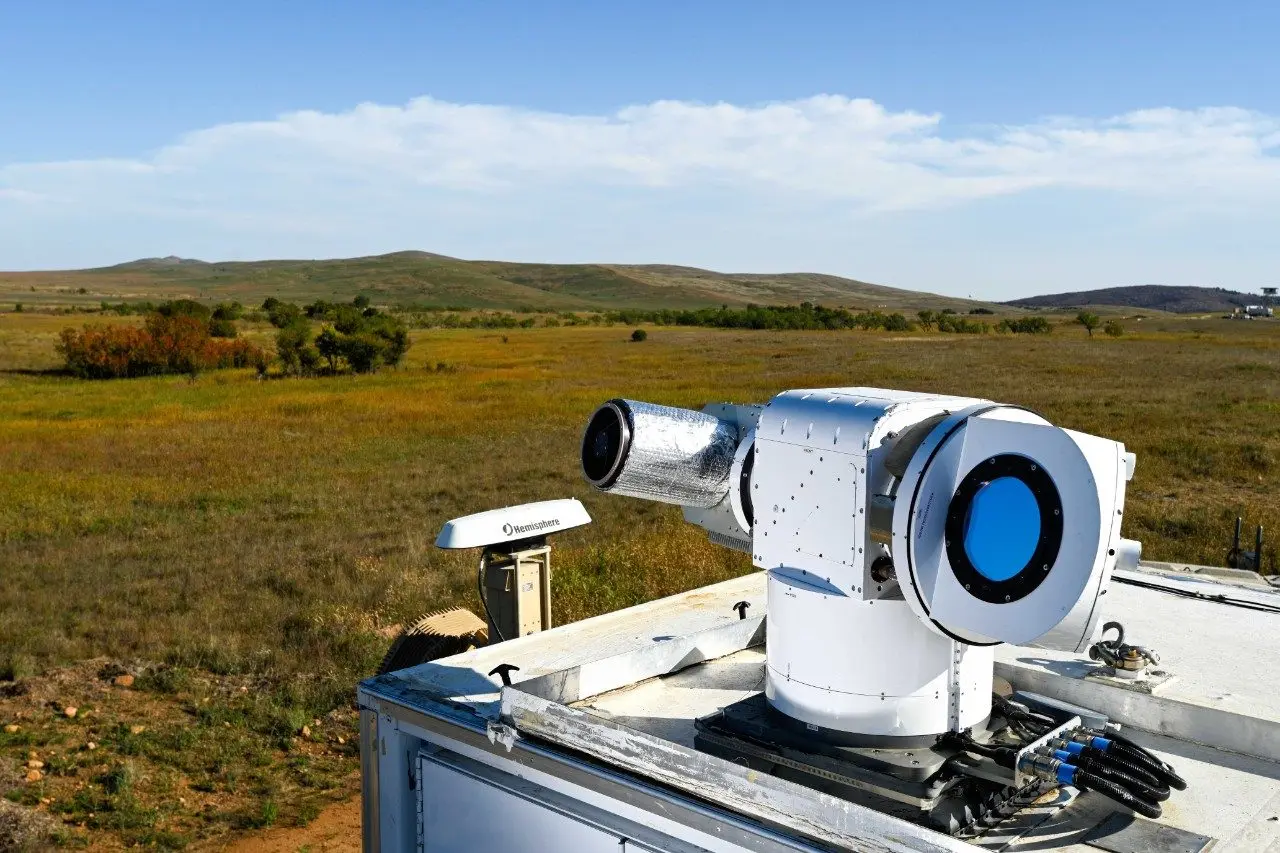
Engineering complexity of beam generation
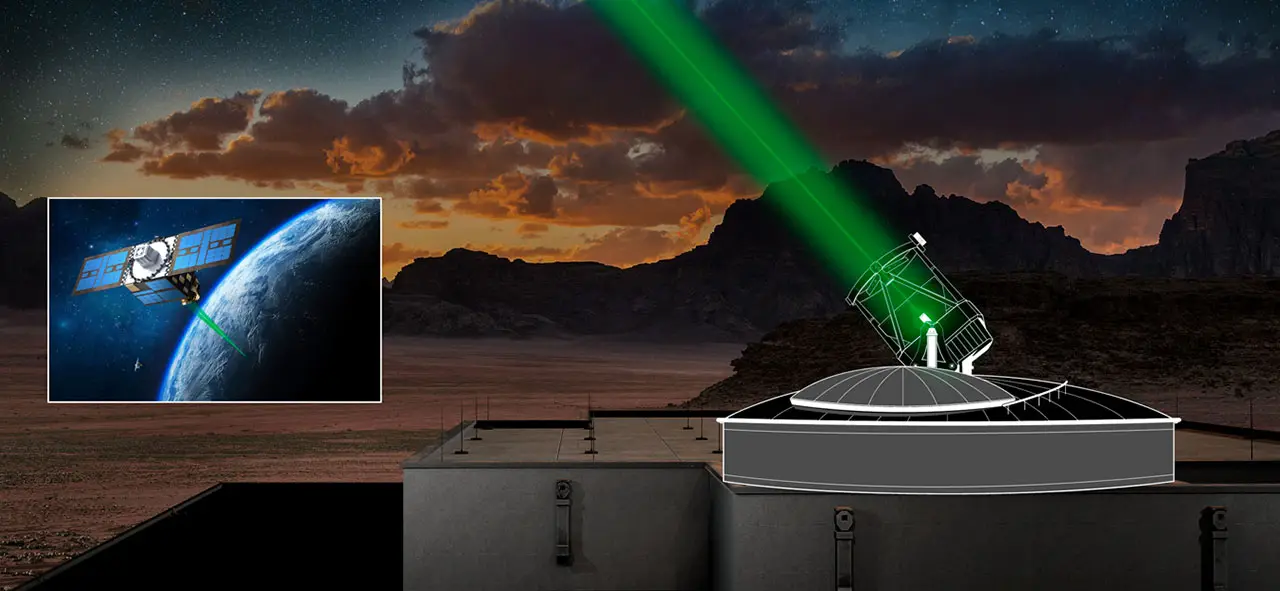
Turning electricity into a coherent beam capable of damaging a target is not straightforward. What makes the process more difficult is the fact that multiple fibre lasers and beam‑control optics must work in concert to shape, focus and direct the energy. Precise control of beam quality, atmospheric distortion compensation and target tracking requires sophisticated algorithms and hardware integration, which also increases development complexity.
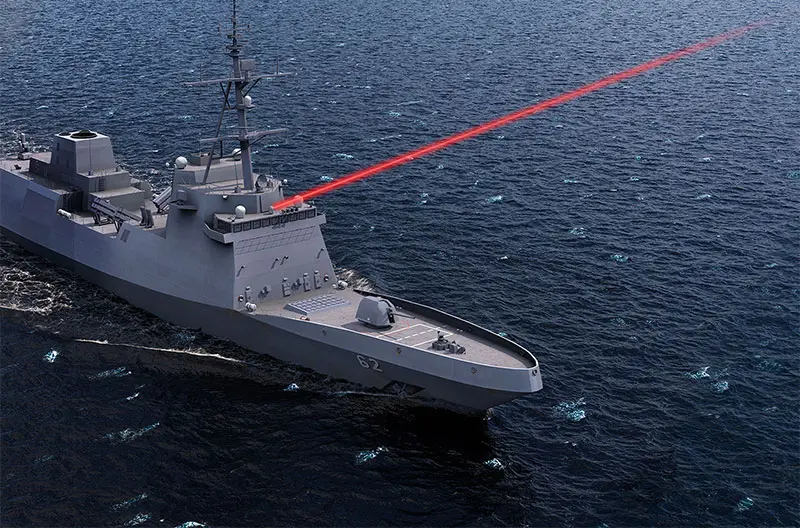
Power and thermal management challenges
High‑energy lasers demand large amounts of electrical power and generate significant heat. One of the biggest problem faced by laser weapons, as highlighted by several research studies and media reports is, the huge amount of power required to destroy useful targets such as missiles. Designing generators, power conversion systems and cooling mechanisms that fit within military platforms such as ships or vehicles involves advanced engineering. These subsystems often require to be custom built to meet size, weight and power constraints.
Integration with existing defence systems
Official sources highlight that DEWs are rarely stand‑alone weapons; they must integrate with surveillance, targeting and combat management systems. This requires substantial software and systems engineering to ensure lasers can detect threats, track them reliably and engage without disrupting other onboard systems.
Testing and validation requirements
Directed‑energy programmes undergo extensive testing before deployment to validate performance under real‑world conditions. Weather, atmospheric effects and platform motion can all affect laser propagation. Rigorous trials are necessary to ensure reliability and safety, adding time and cost to development. Global laser directed-energy weapon (DEW) development spans decades of research, for example, Israel's Iron beam systems have been under development for over a decade and will enter operational service by the end of 2025.
)
)
)
)
)