Why are fighter jets painted grey?

Fighter jets are painted grey to blend in with the sky and clouds, making them harder to spot visually. This colour also helps reduce radar detection and limits heat from the sun. The grey shade balances camouflage at different altitudes and includes advanced paint technology.
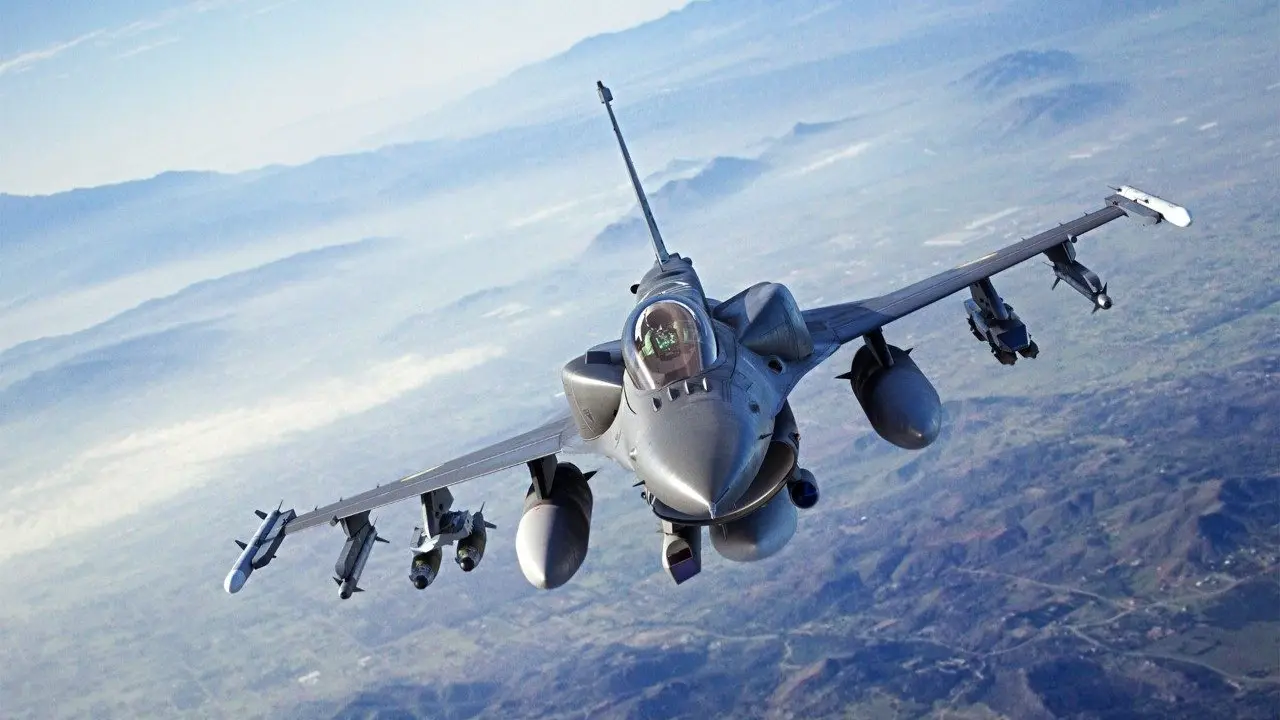
Visual Camouflage
Fighter jets are painted grey because the colour closely matches the sky and clouds at various altitudes. This camouflage helps jets blend into the background, making it tough for enemies to spot them with the naked eye.
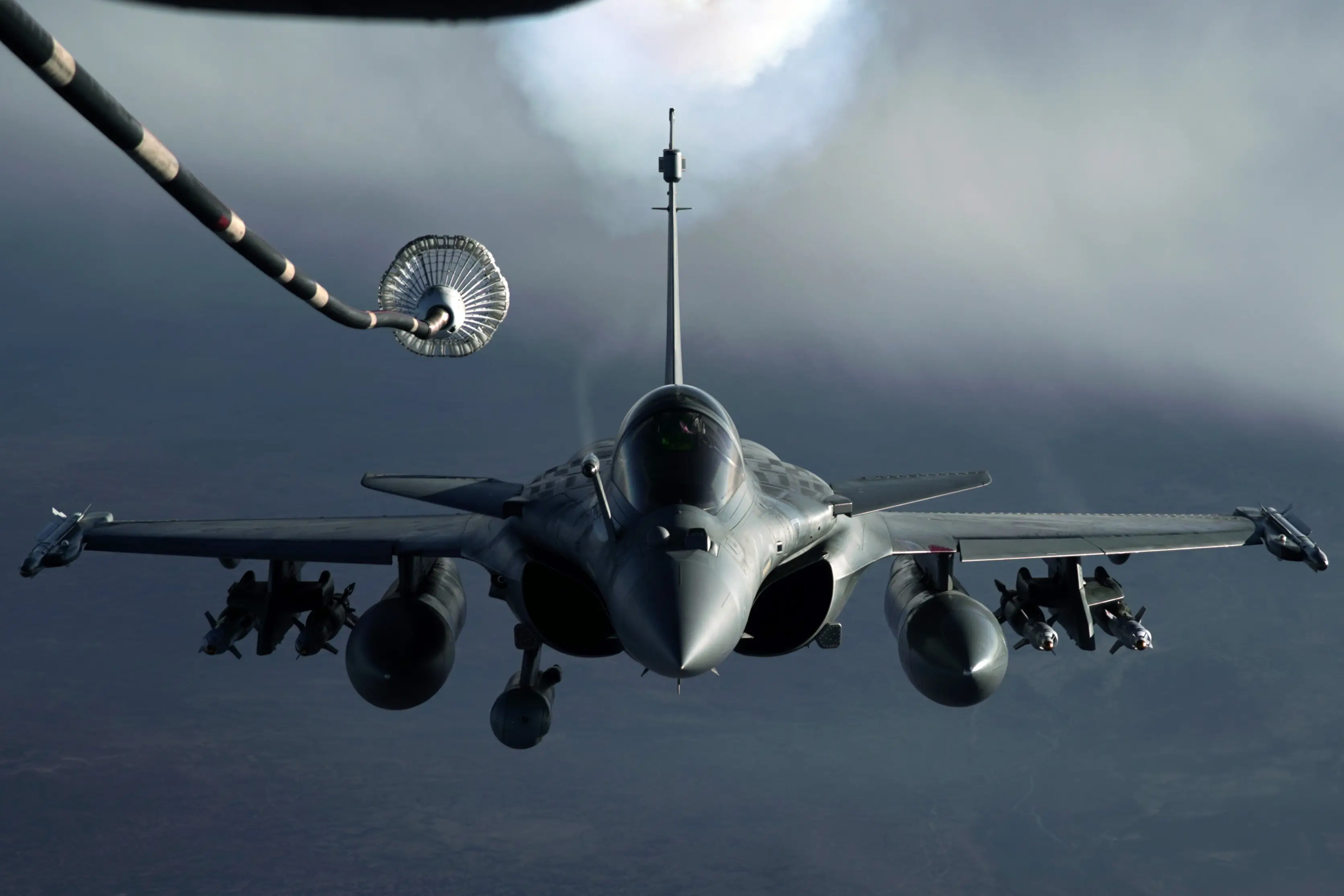
Reducing Radar Signature
Modern grey paint on jets often contains materials that absorb radar waves. This “radar-absorbent” paint lowers the aircraft’s radar cross-section, reducing the chance of detection by enemy radar systems.
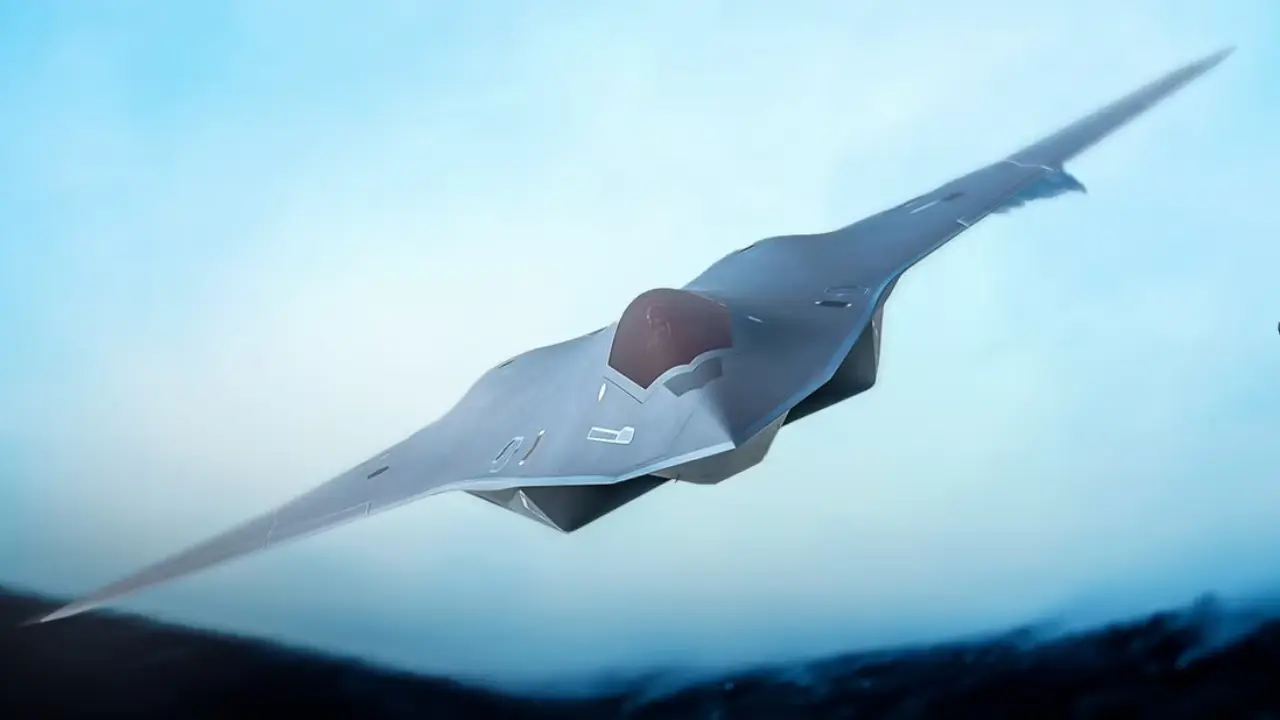
Heat and Light Management
Grey paint limits how much solar heat the aircraft absorbs, preventing overheating during long flights. It also reduces glare and reflections that could give away the jet’s position.
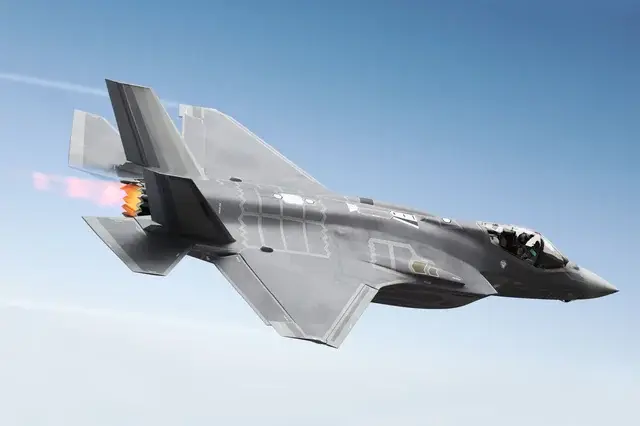
Adaptability to Environments
Jets flying over water often use bluish-grey, while those at higher altitudes are painted in lighter greys to match the sky. This adaptability helps maintain camouflage in different environments and lighting conditions.
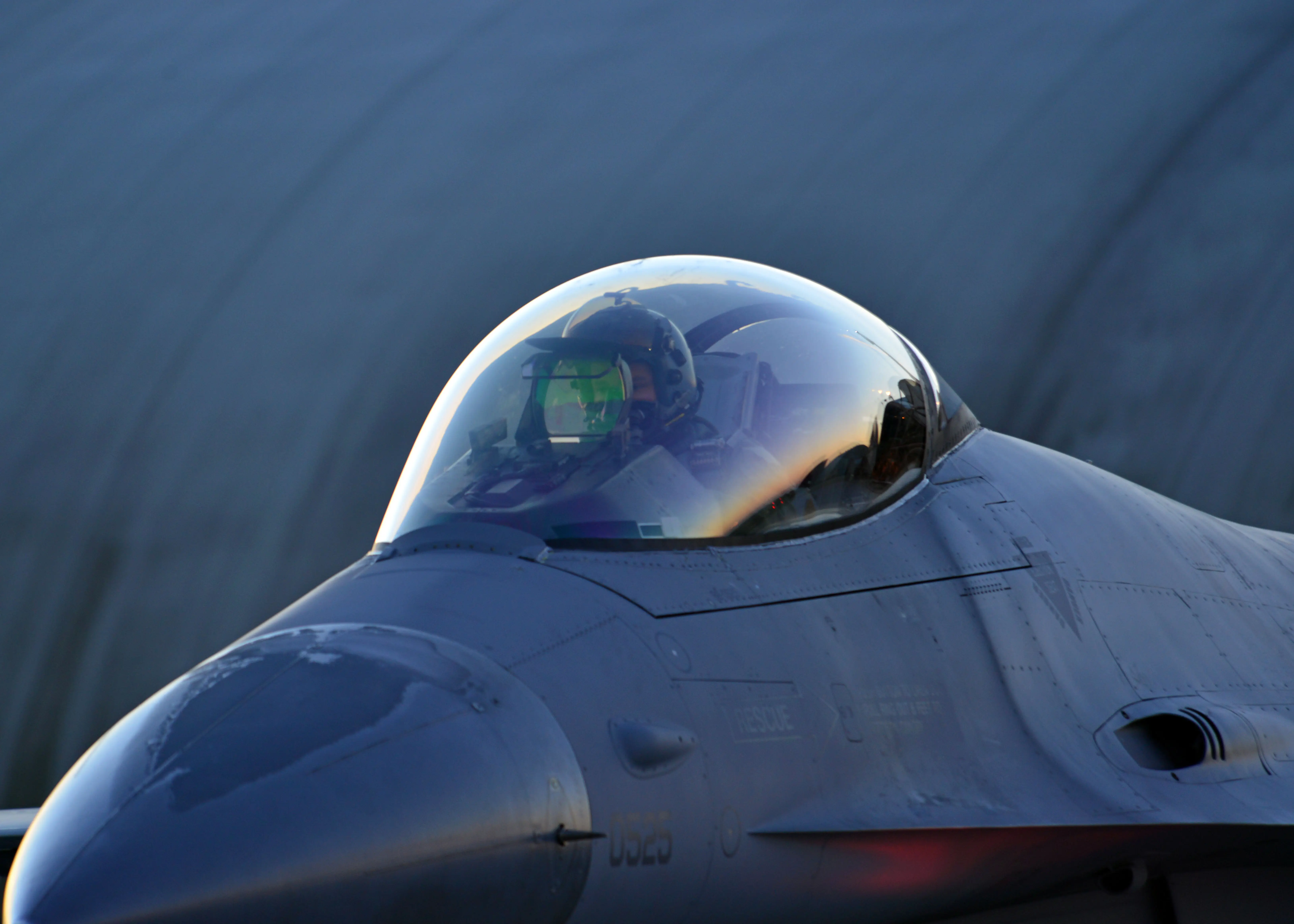
History of Grey Camouflage
The use of grey for military aircraft began around World War I and evolved through World War II. It has proven effective in multiple combat theatres, as it provides balanced concealment both in the air and on the ground.
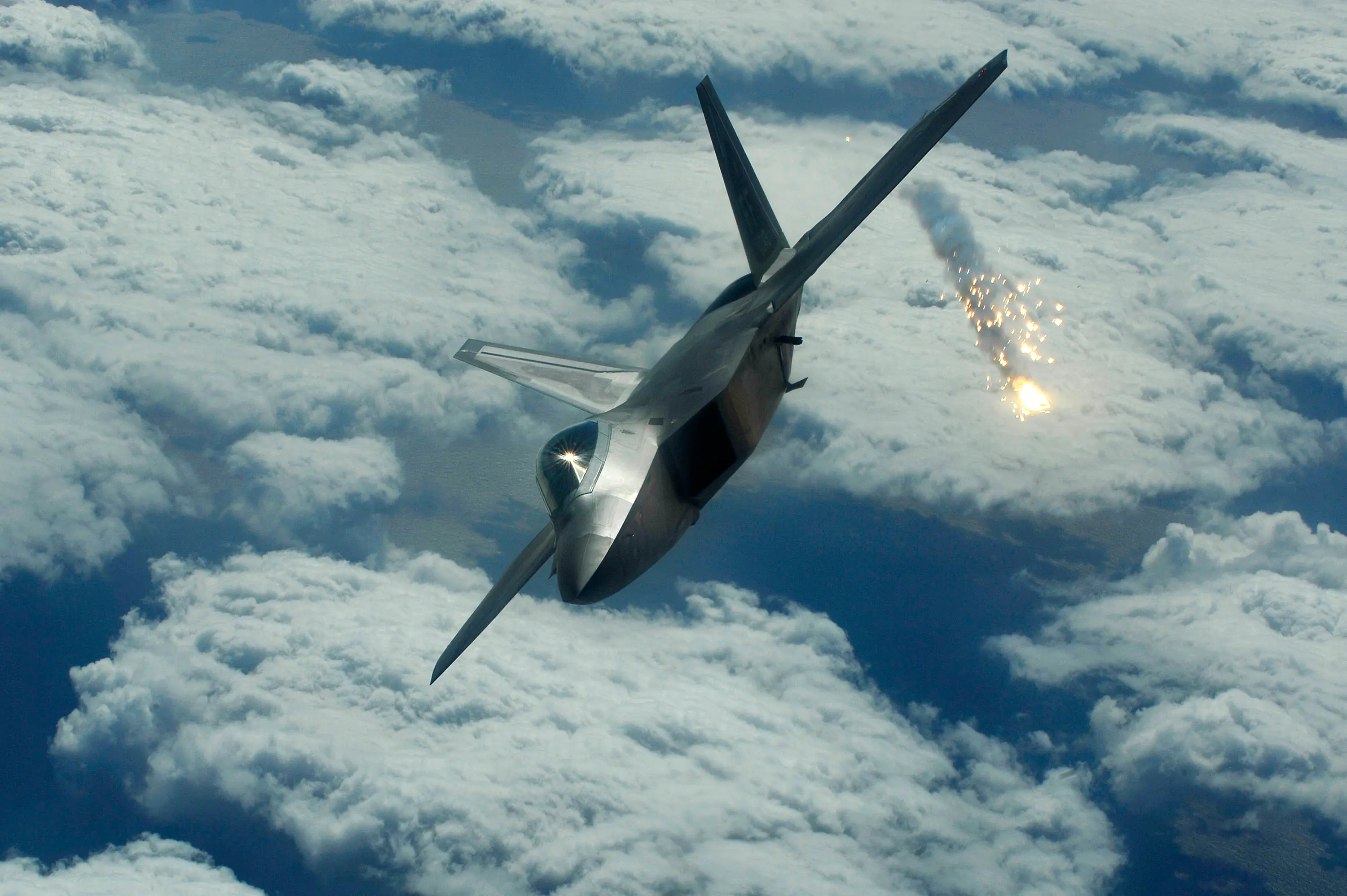
Stealth Technology Integration
Apart from camouflage, special greys incorporate stealth technology. The paint may have layers of microscopic materials that absorb signals from radar and infrared detectors, making jets challenging to detect even with advanced systems.
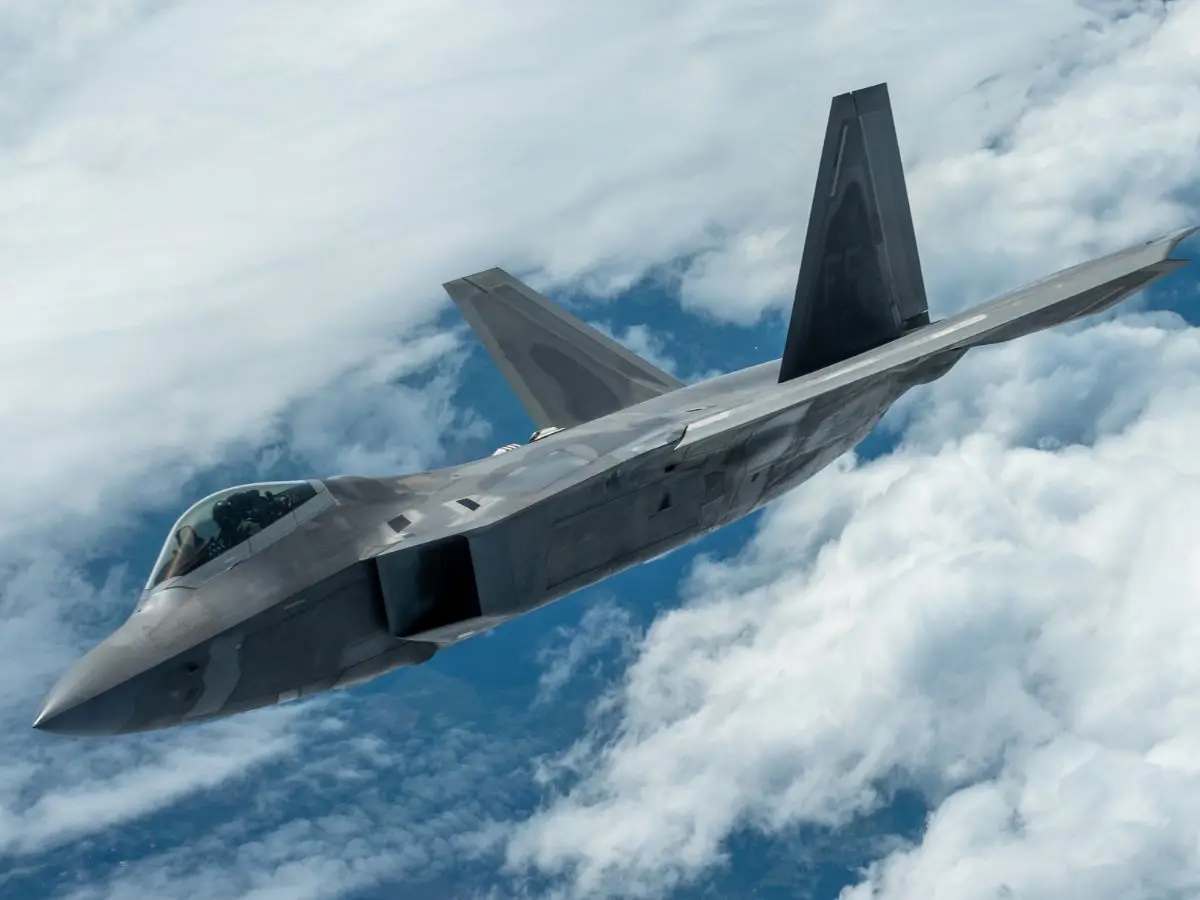
Benefits
Grey paint is economical and can be quickly applied to reduce maintenance times. Its neutrality means it neither stands out nor adds significant weight, helping jets focus on performance and stealth simultaneously.
)
)
)
)
)