Why US is still flying a 1952 war machine in 2026

The B-52 Stratofortress first flew in 1952 — before colour television was common, before commercial jet travel existed, and before most living humans were born. The US Air Force plans to keep flying it until 2050. Here is why no replacement has ever matched it.
Born Before Colour TV
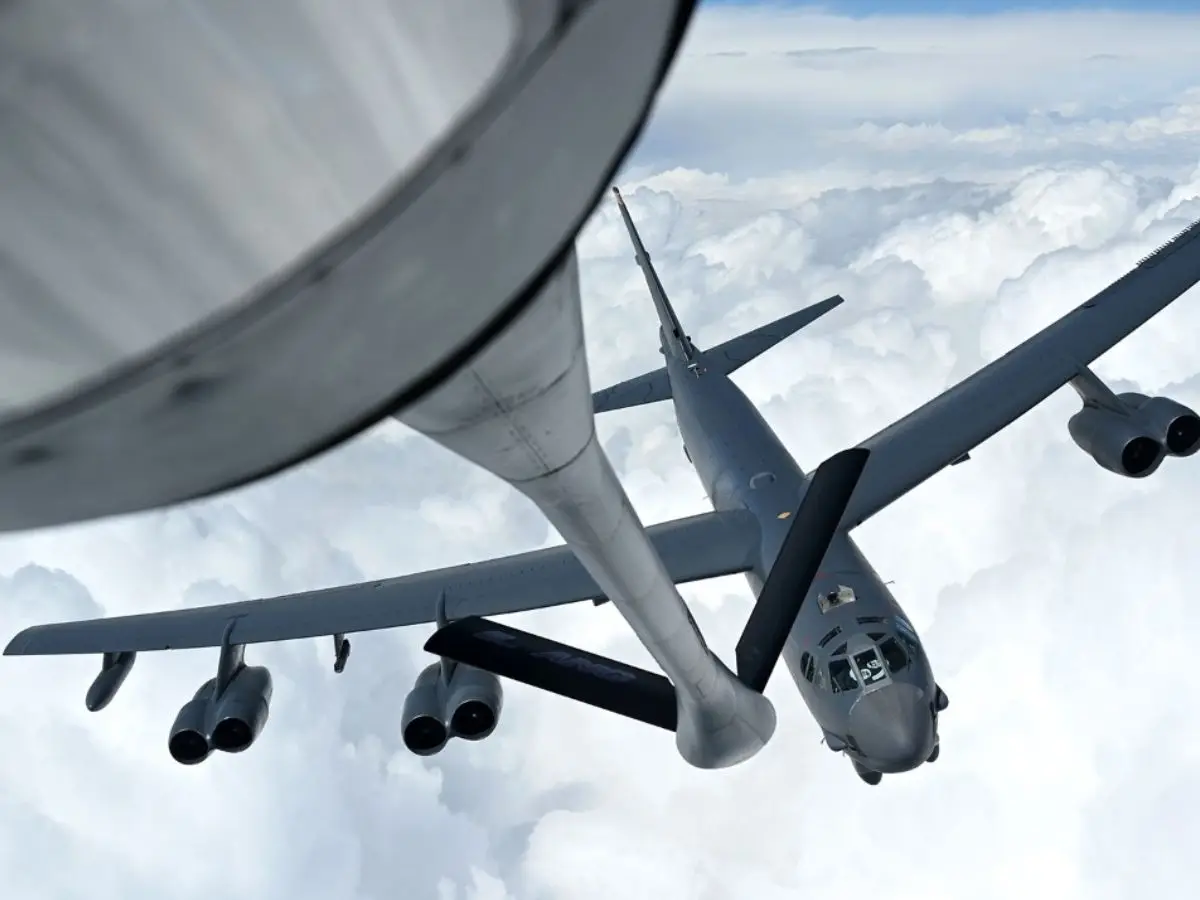
The B-52 made its maiden flight on April 15, 1952. At that time, colour television was a laboratory experiment, commercial jet aviation was still years away, and Queen Elizabeth II had been on the throne for just two months. The aircraft that flew then is still flying now — upgraded, but fundamentally the same airframe.
How Many Presidents Has It Outlasted?
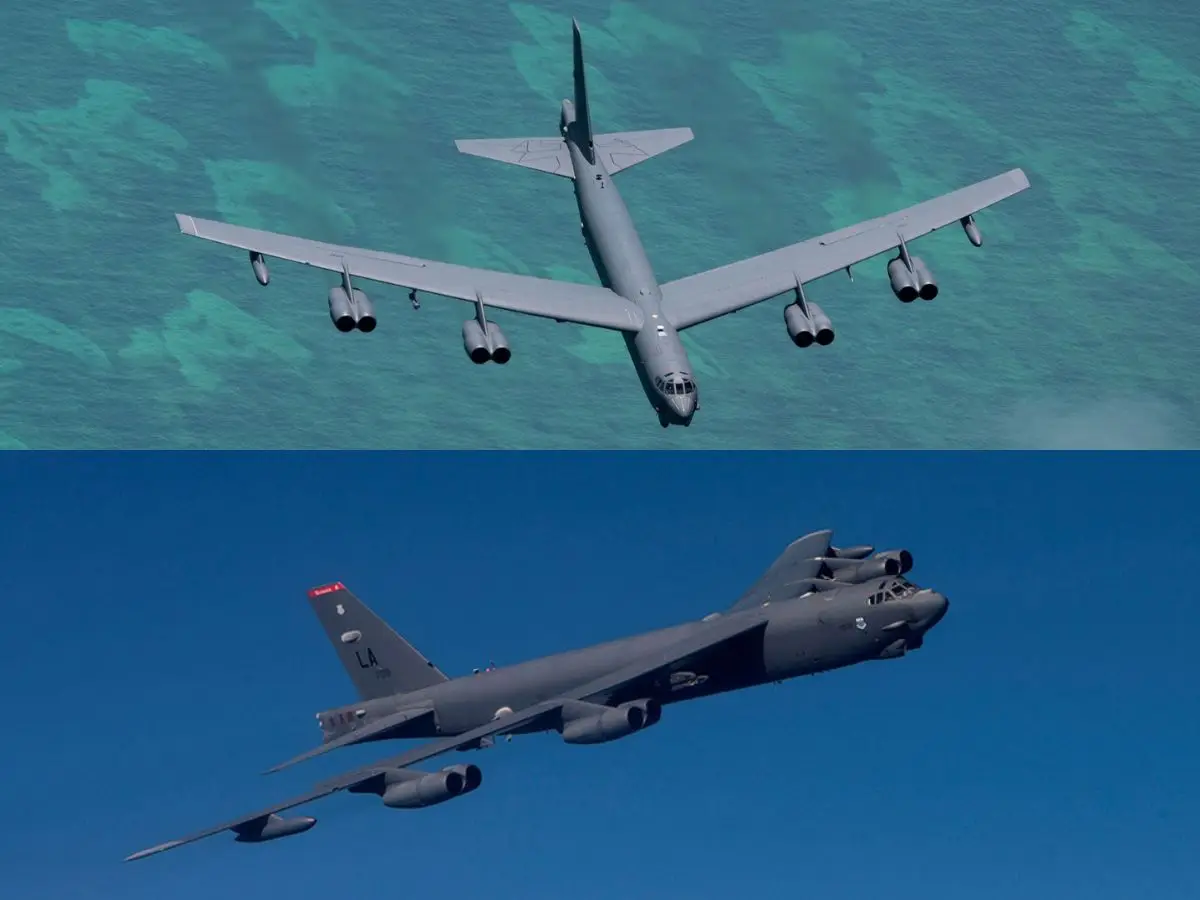
The B-52 has served under 13 US presidents — from Eisenhower to Biden and beyond. It has outlasted the Soviet Union it was built to threaten, the Cold War doctrine that justified its existence, and every American military aircraft programme designed to replace it.
Why America Never Built A Replacement
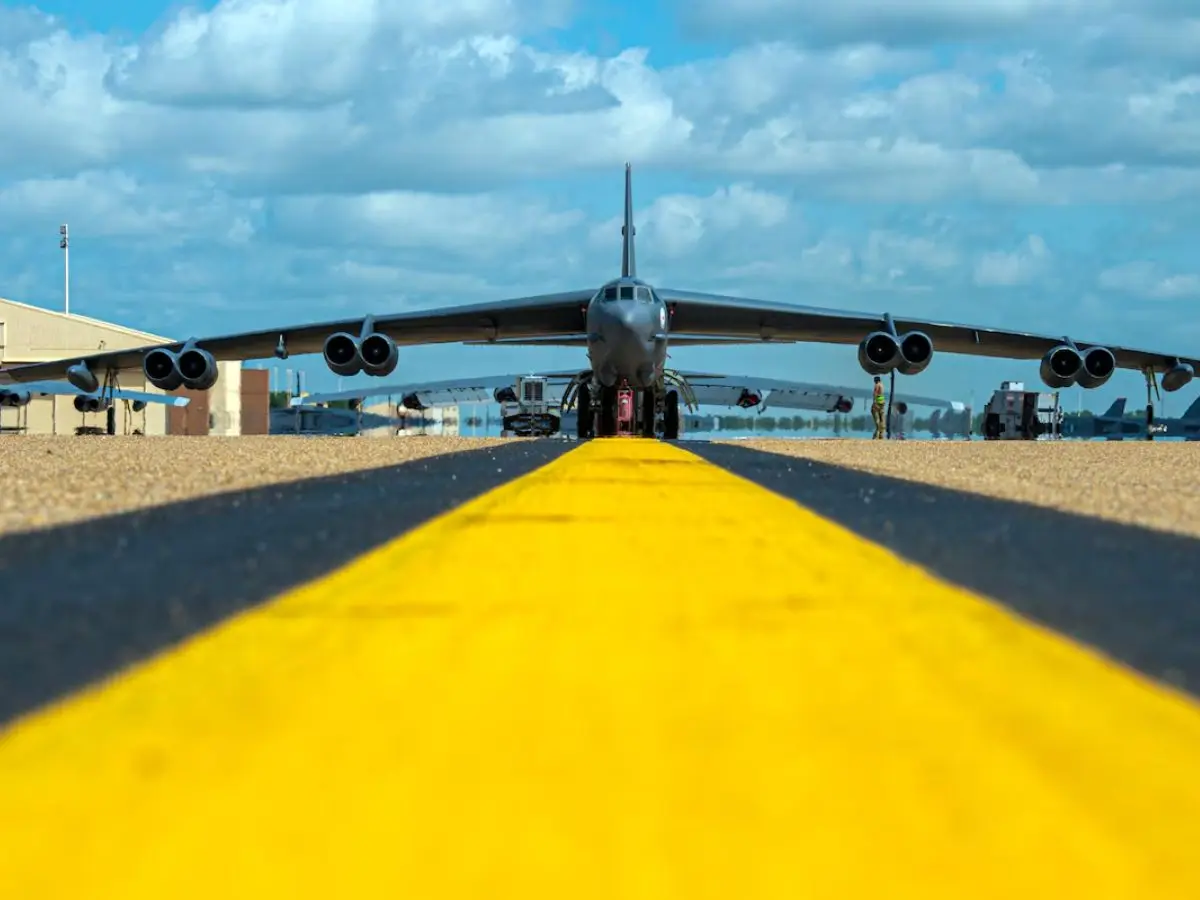
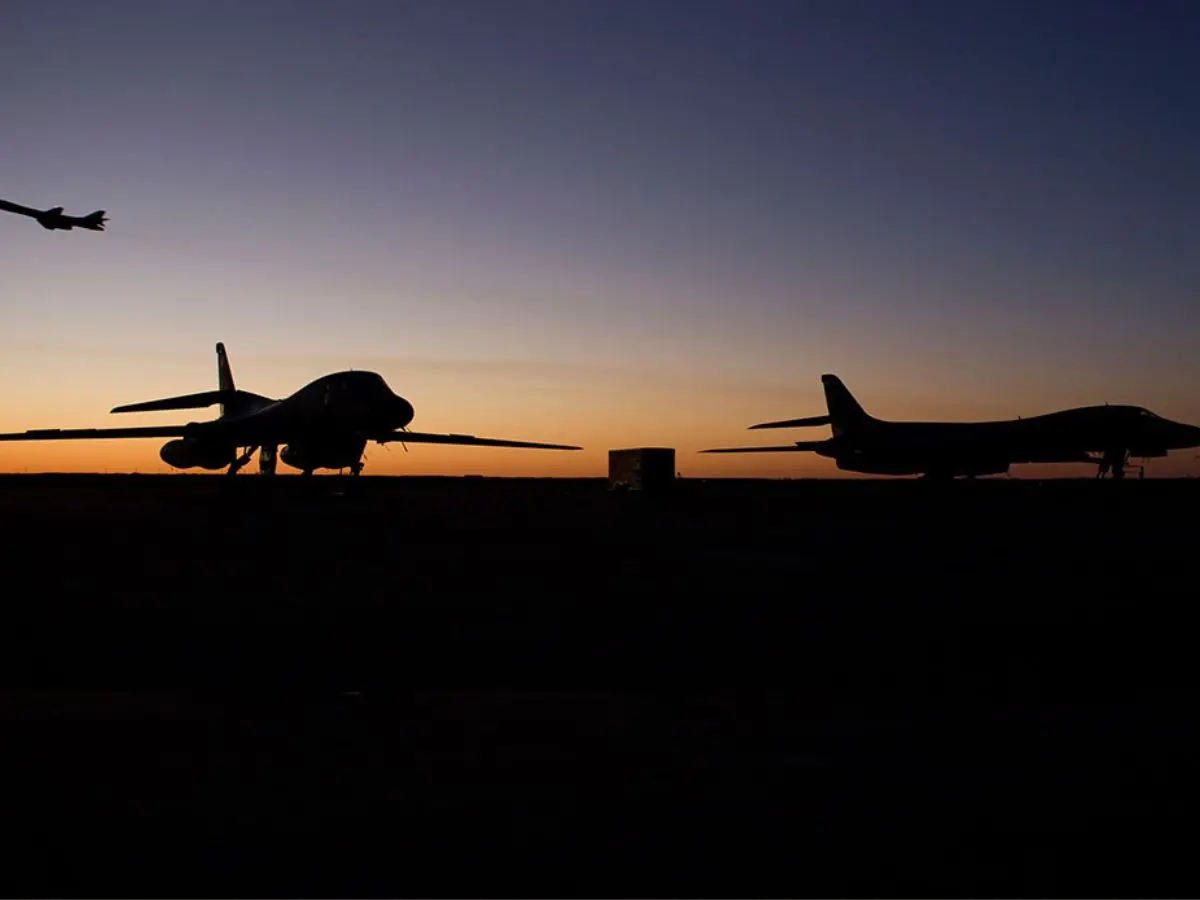
The B-1 Lancer and B-2 Spirit were both developed as B-52 successors. The B-1 was too maintenance-intensive and costly per flight hour. The B-2 costs over $2 billion per aircraft. The B-52, by contrast, costs around $70,000 per flight hour and carries a payload neither successor can fully match.
The Parts Keep Getting Upgraded
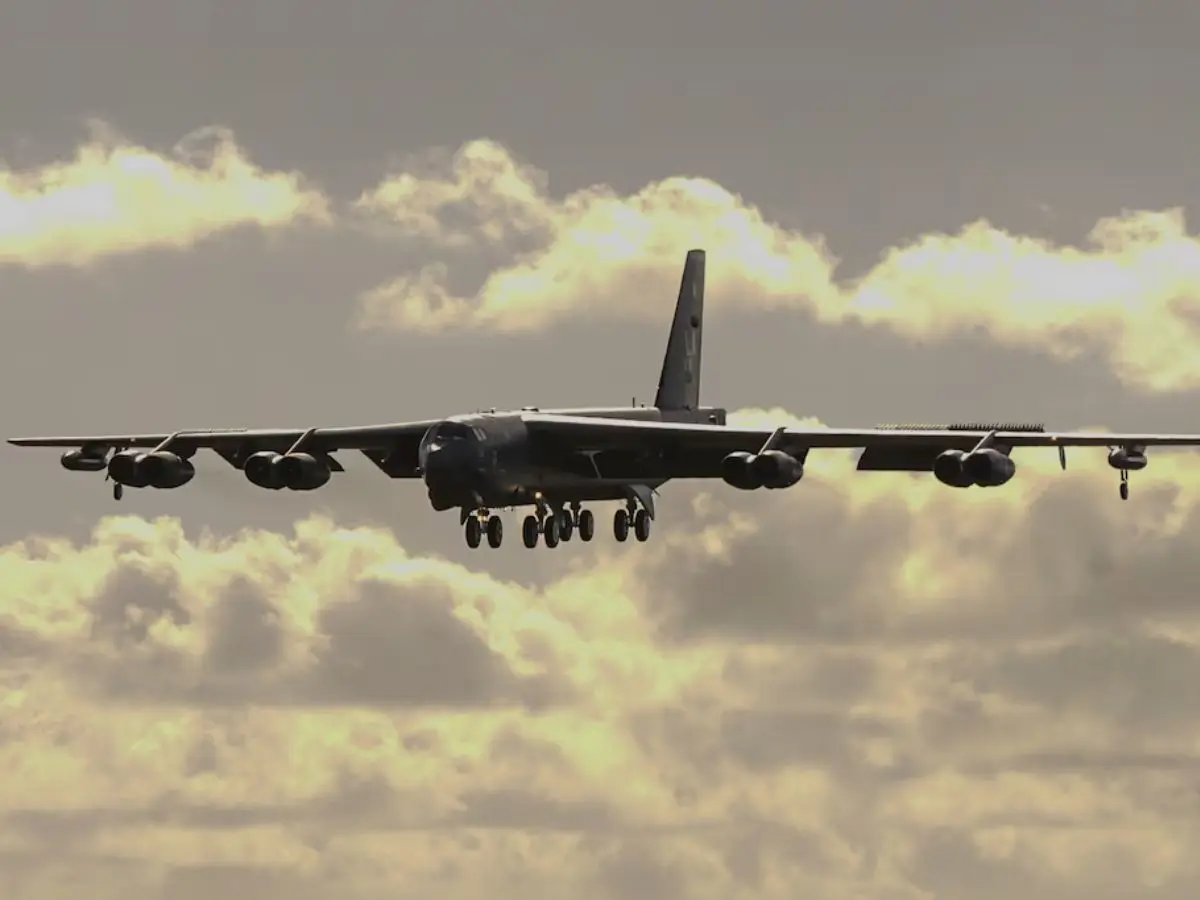
What flies today is not the same aircraft that flew in 1952 in any meaningful functional sense. The engines have been replaced twice. The avionics have been completely modernised. The weapons systems can now carry precision GPS-guided bombs and long-range cruise missiles that did not exist when the airframe was designed.
The Airframe That Just Will Not Quit
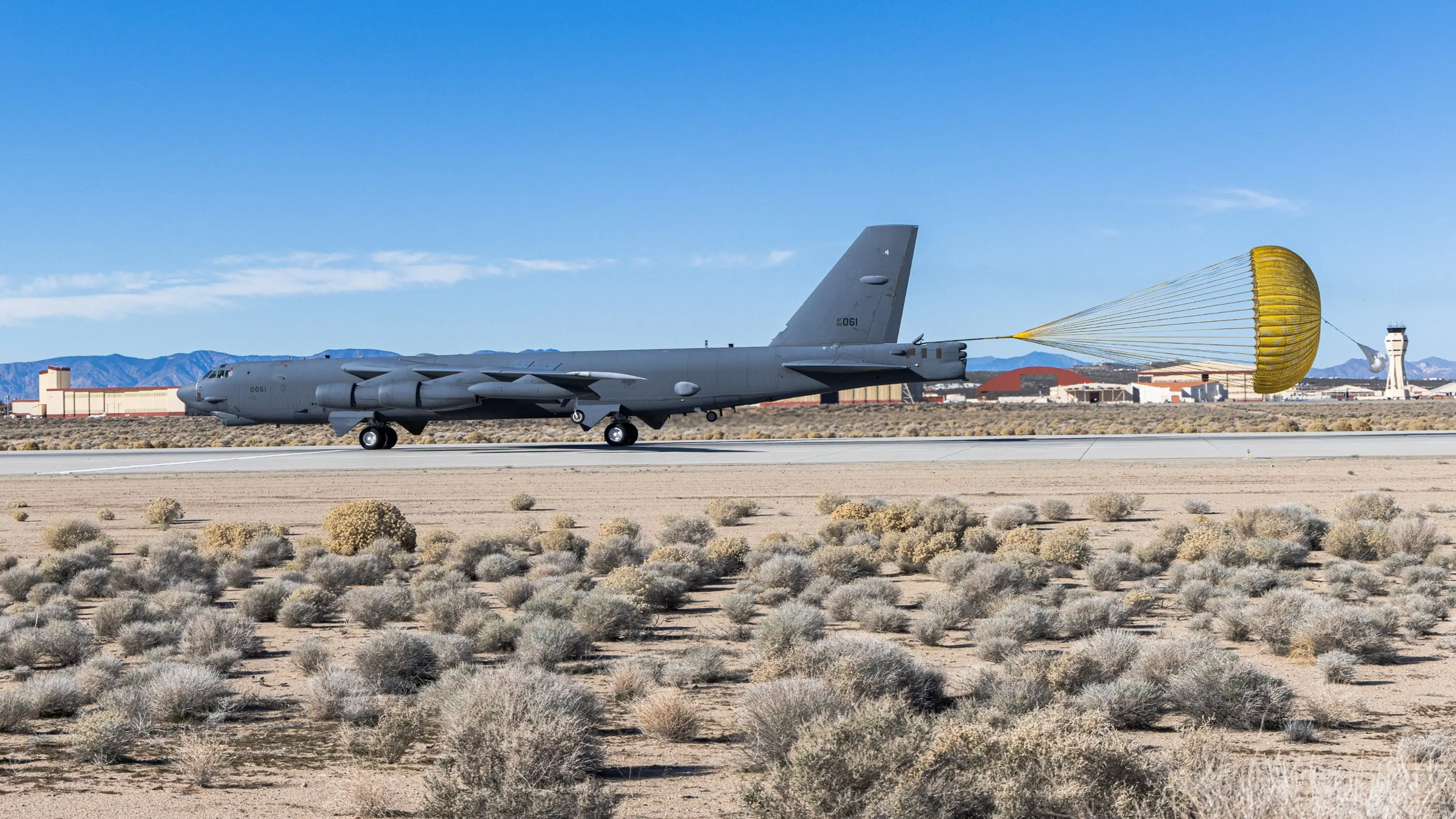
Aircraft age is measured in flight cycles and stress accumulation, not calendar years. The B-52's enormous wings flex rather than resist turbulence, dramatically reducing metal fatigue. Engineers have calculated the airframe can structurally support operations well into the 2080s — outlasting virtually every other aircraft in service today.
Flying Into 2050 — The Official Plan
The US Air Force has formally committed to operating the B-52 through at least 2050. A new engine replacement programme — fitting the aircraft with 8 Rolls-Royce F130 turbofan engines — is underway. By the time the last B-52 retires, it will have been in continuous active service for approximately 100 years.
What It Says About Military Design
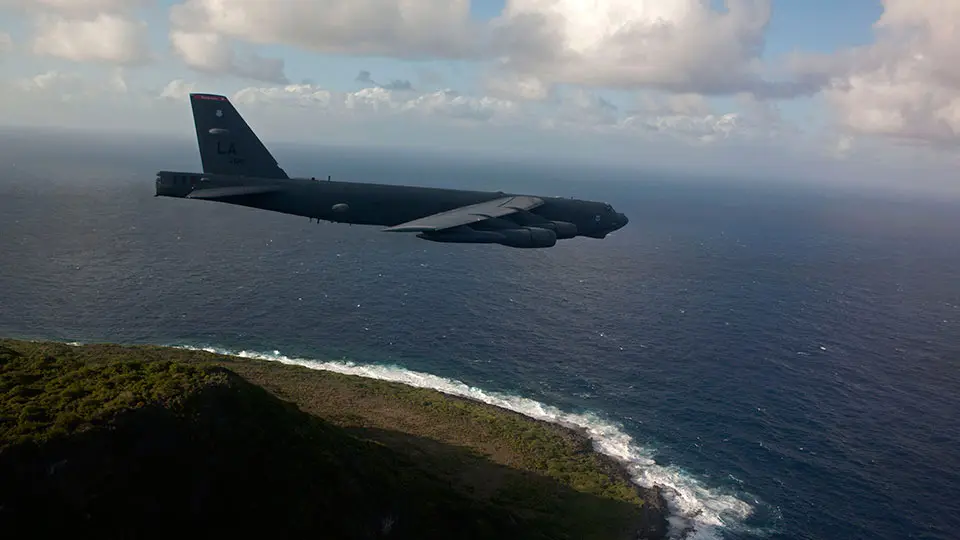
The B-52's longevity is not nostalgia — it is economics and capability. A massive, high-payload, long-range aircraft that can be continuously upgraded is more strategically valuable than a cutting-edge replacement that costs 30 times more and carries less. The lesson the Pentagon keeps relearning: simple, big, and adaptable beats complex and expensive.
)
)
)
)
)