Why aircraft carriers are still irreplaceable in modern warfare

A modern aircraft carrier is more than just a launch platform, it is a self-contained command and control centre. Equipped with advanced radar, communications, and electronic warfare systems, carriers serve as floating headquarters during complex operations.
The enduring symbol of power at sea
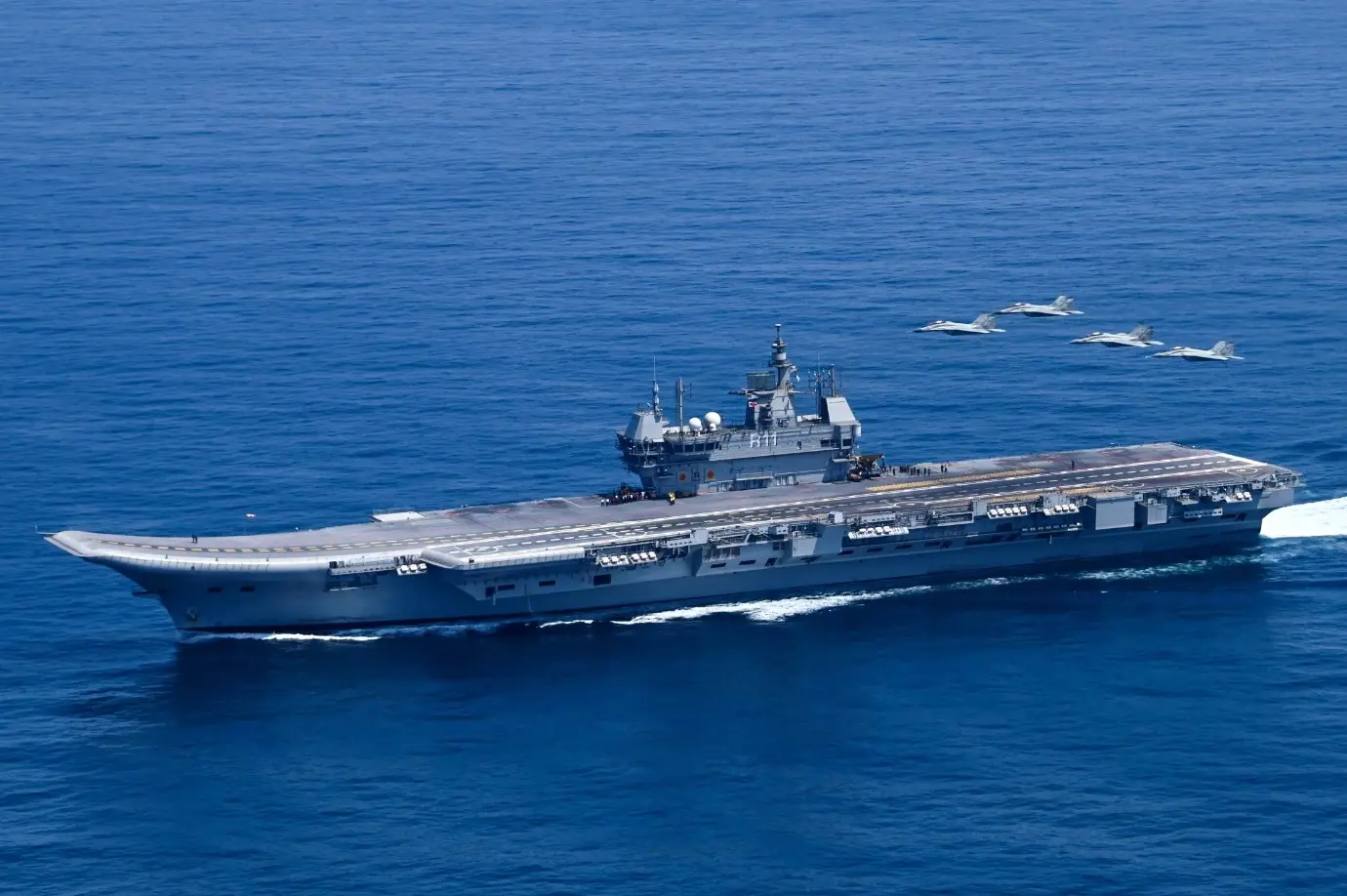
More than a century after their invention, aircraft carriers remain the most potent expression of maritime power. Despite advances in missile technology, satellite surveillance, and cyber warfare, these massive floating airbases continue to dominate naval strategy. Their ability to project air power anywhere on the globe makes them indispensable to modern militaries, combining reach, flexibility, and sustained combat capability that few other platforms can match.
The logic of global reach
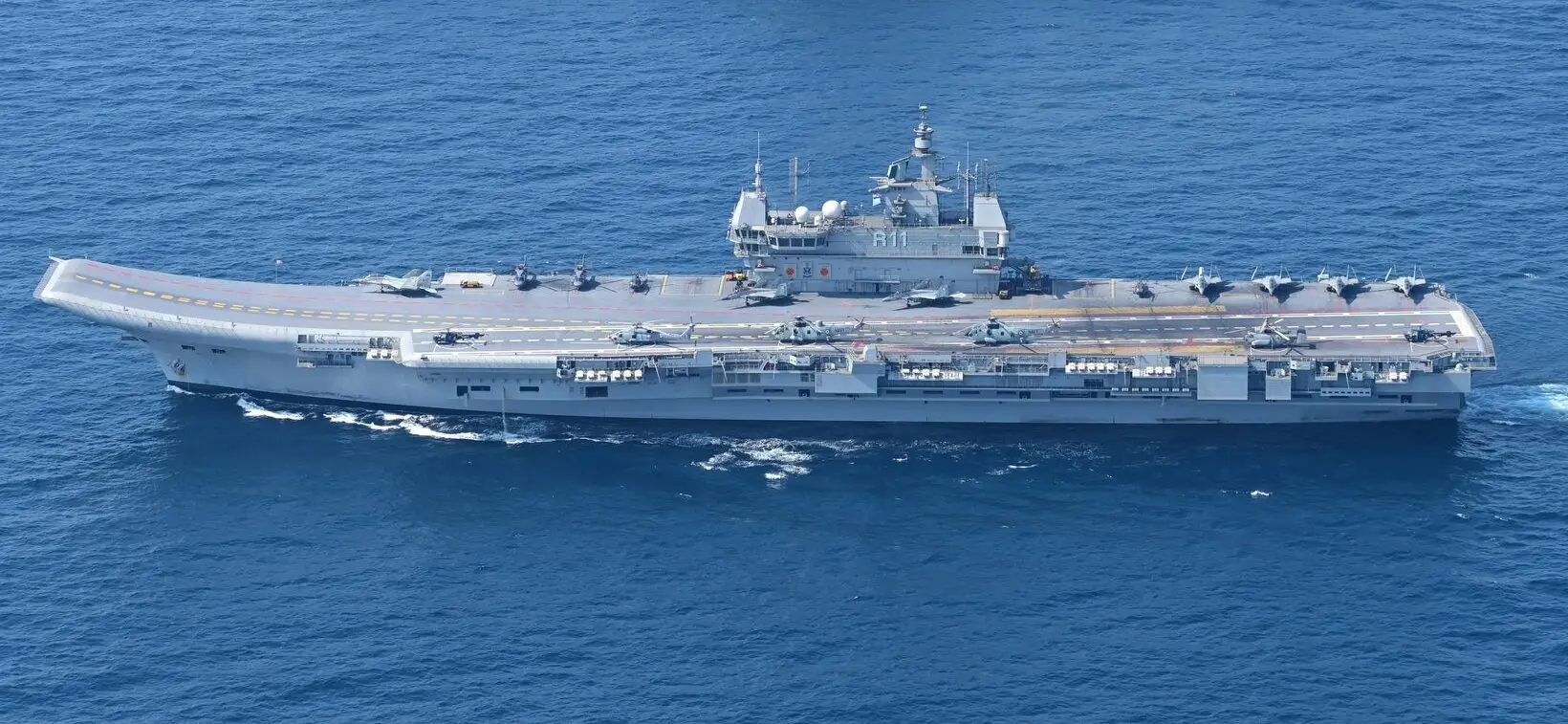
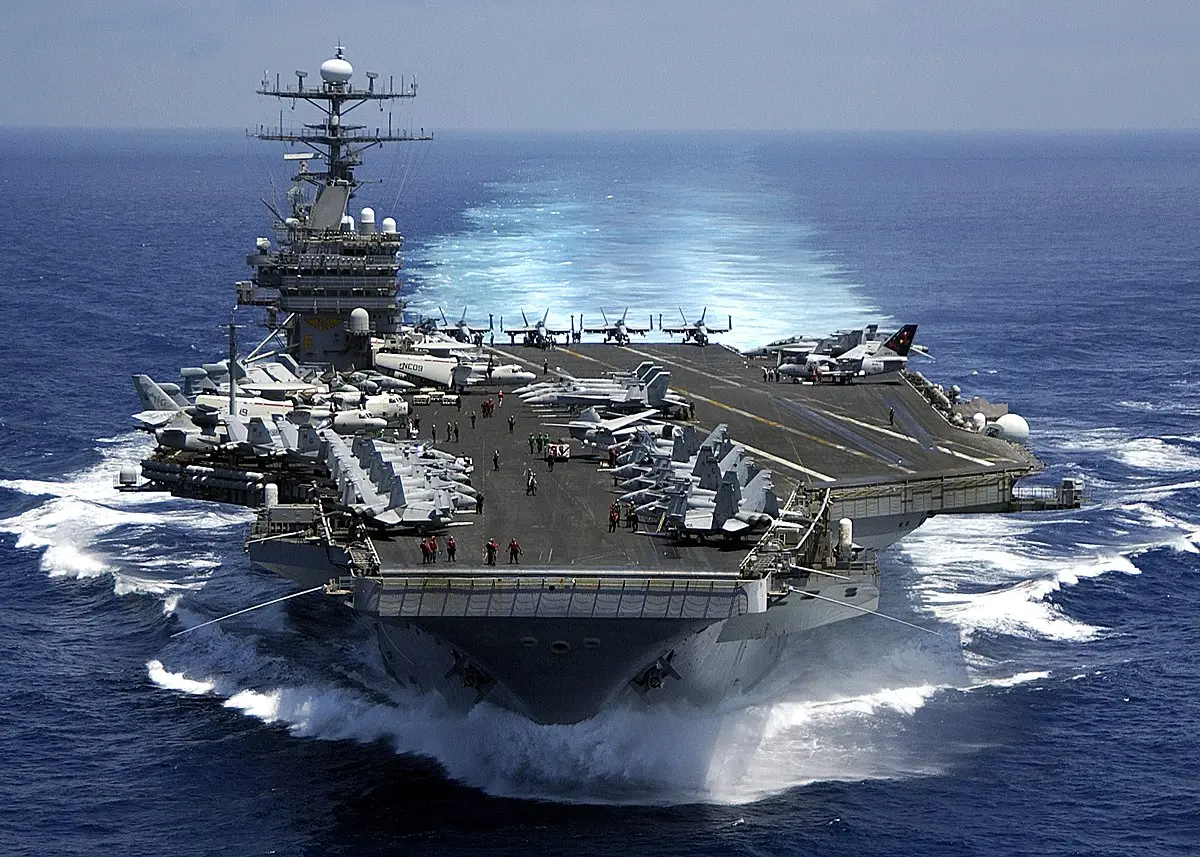
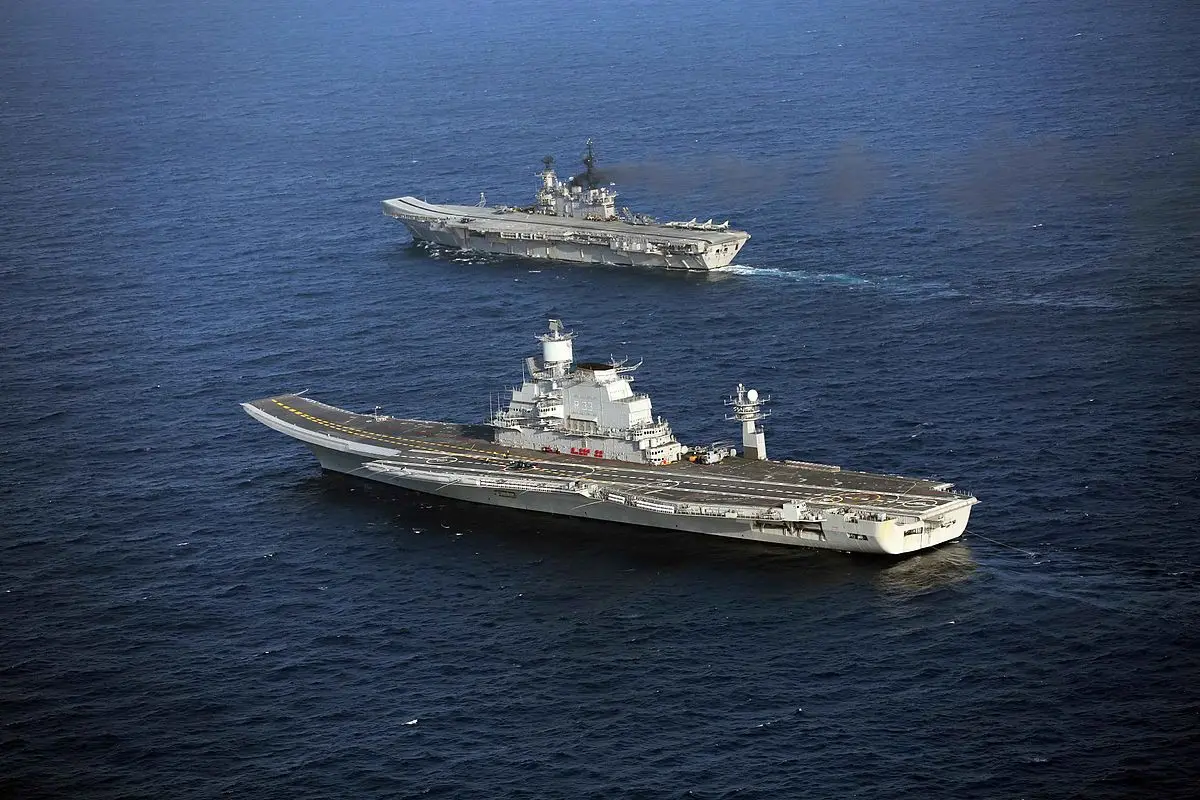
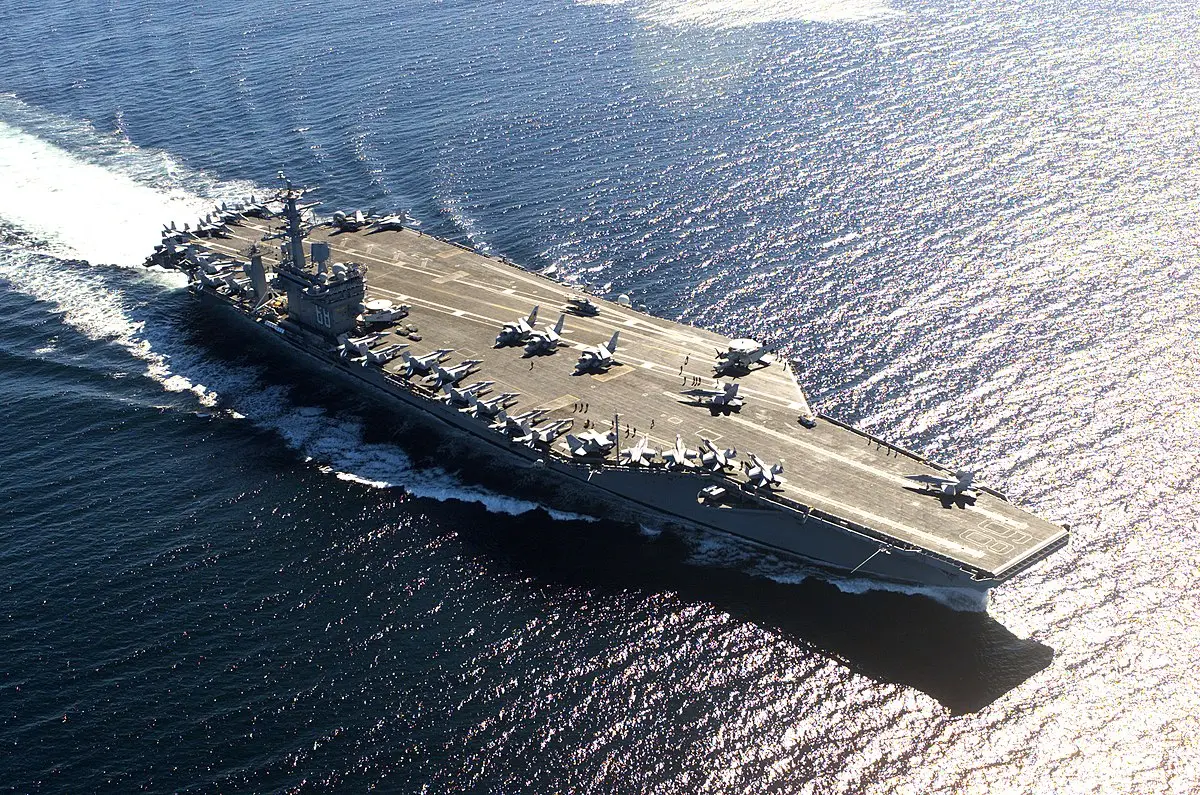
Aircraft carriers allow nations to deploy air power without relying on foreign bases. A single carrier can move thousands of kilometres in days and establish an instant airbase off any coastline. This mobility enables rapid crisis response, deterrence, and power projection. The United States Navy’s supercarriers, for instance, can operate over 1,000 kilometres from shore, carrying around 70 aircraft, including fighter jets, helicopters, and surveillance planes. Similarly, India’s INS Vikramaditya and INS Vikrant give the Indian Navy a crucial edge in the Indian Ocean, allowing sustained operations far from home ports.
Floating airbases and command hubs
A modern aircraft carrier is more than just a launch platform, it is a self-contained command and control centre. Equipped with advanced radar, communications, and electronic warfare systems, carriers serve as floating headquarters during complex operations. They coordinate fleets, submarines, and air wings simultaneously. The Combat Information Centre aboard carriers like the USS Gerald R. Ford or INS Vikrant integrates satellite feeds and radar data, offering commanders real-time situational awareness across sea and sky.
Survivability and deterrence
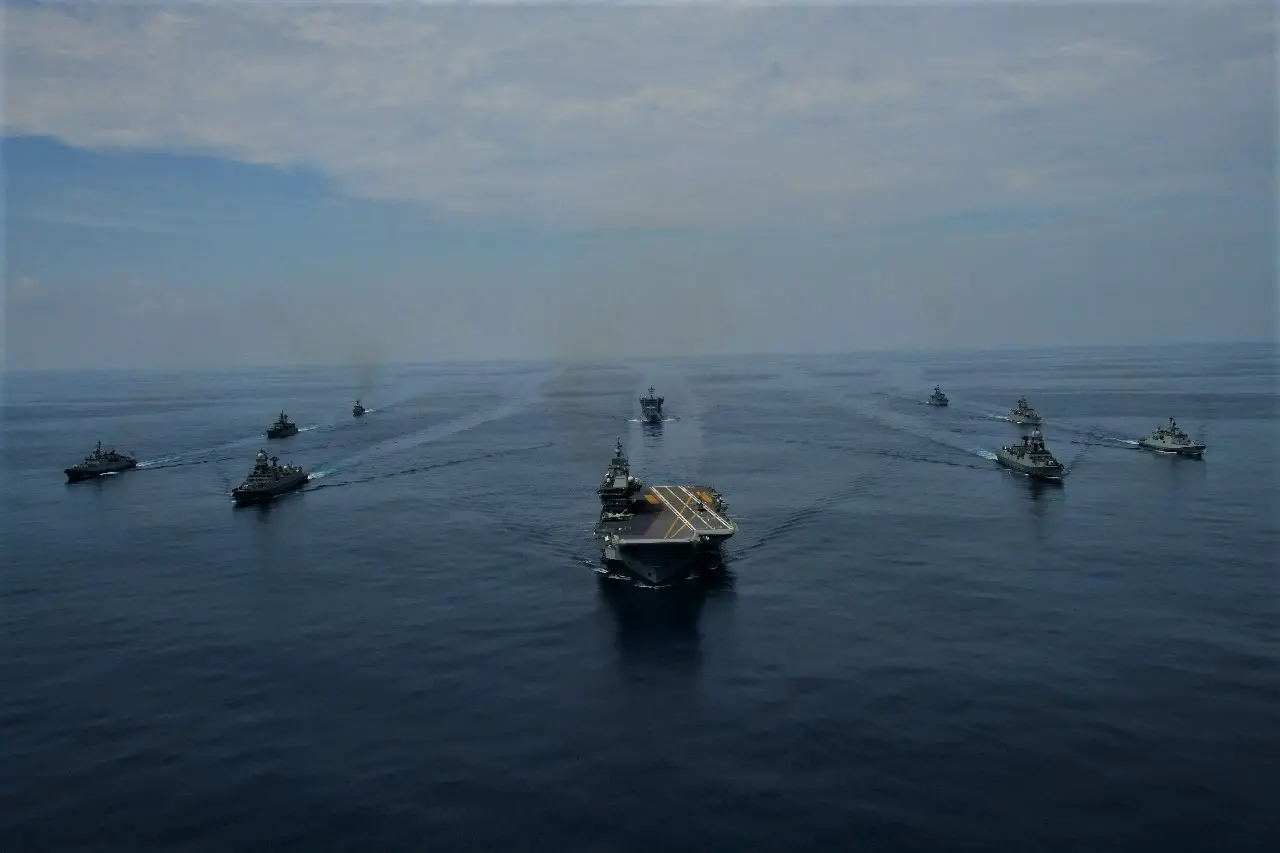
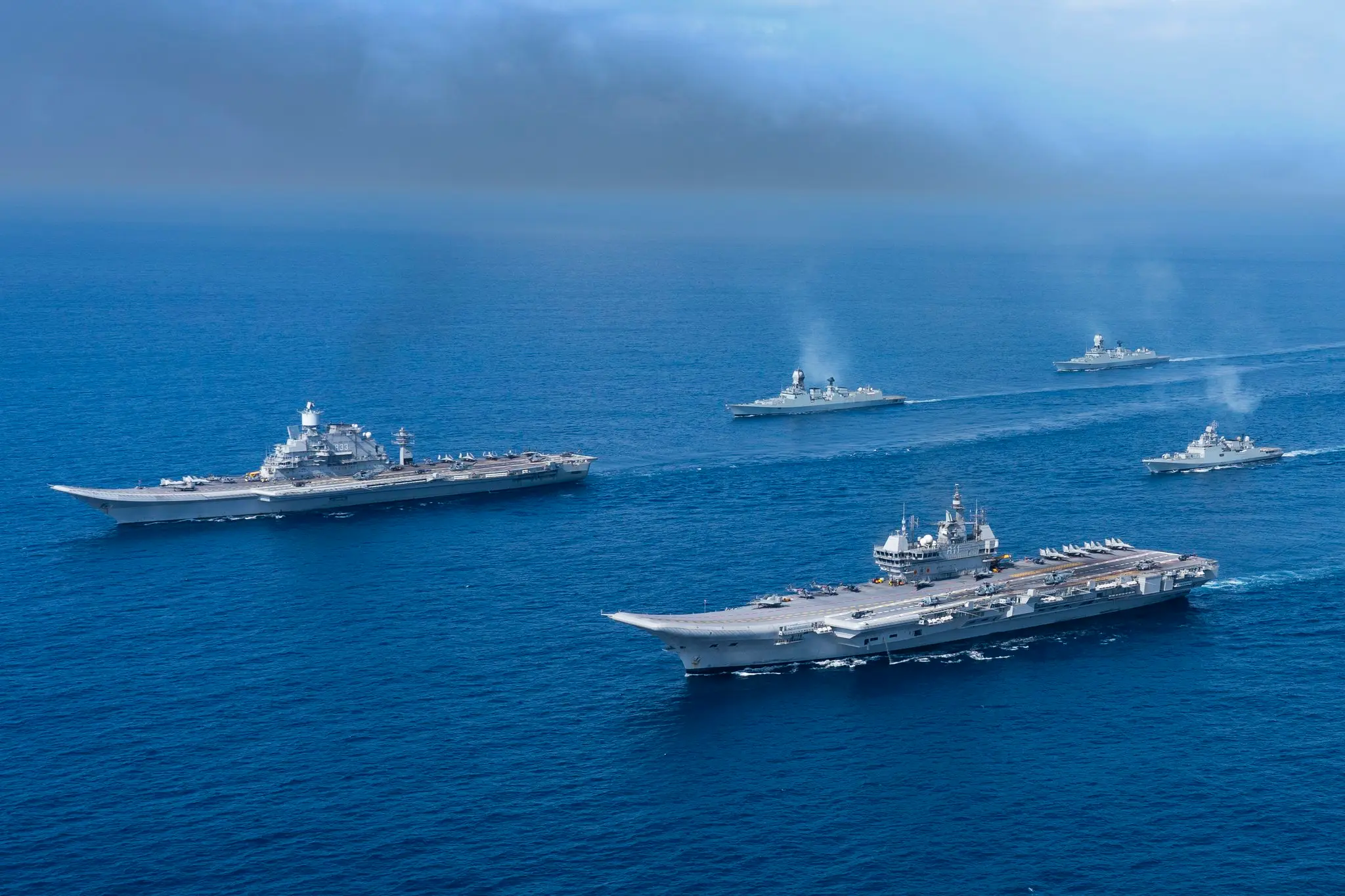
While critics argue that carriers are vulnerable to modern anti-ship missiles, their layered defence systems make them far from easy targets. Carrier Strike Groups (CSGs) travel with escorting destroyers, frigates, and submarines equipped with long-range air defence and anti-submarine systems. Advanced countermeasures, decoys, and radar-absorbing designs enhance survivability. Beyond defence, the very presence of a carrier acts as a powerful deterrent, nations think twice before escalating conflicts when a floating airbase looms offshore.
Versatility beyond combat
Carriers are also invaluable in non-combat operations. They have delivered humanitarian aid during natural disasters, evacuated civilians during crises, and supported peacekeeping missions. India’s carriers have participated in relief operations in the Indian Ocean and the Indo-Pacific. The USS Abraham Lincoln, for example, provided assistance following the 2004 Indian Ocean tsunami, proving that carriers are as vital in saving lives as they are in combat.
India’s growing carrier ambitions
India’s indigenous aircraft carrier programme, marked by the commissioning of INS Vikrant, signals its determination to become a blue-water naval power. The ship, built at Cochin Shipyard, can operate MiG-29K fighter jets and helicopters, and its successful construction underscores India’s advancing shipbuilding capabilities. Plans for a second indigenous carrier, INS Vishal, reflect India’s intent to maintain continuous carrier presence across its strategic maritime zones.
The future of the carrier era
As warfare evolves, so do carriers. Next-generation vessels will incorporate electromagnetic launch systems, stealth features, and unmanned aerial combat vehicles. While hypersonic missiles pose new challenges, no other platform currently matches a carrier’s combination of mobility, endurance, and multi-domain power projection. As long as nations seek to control the seas and skies, aircraft carriers will remain the irreplaceable giants of modern warfare, floating fortresses that define the limits of naval power.
)
)
)
)
)