Why Airbus’s A320 recall is a global flight nightmare?

The recall was triggered by a mid-air incident (on a flight operated by JetBlue) in which a sudden “uncommanded altitude drop” sent the plane into emergency descent.
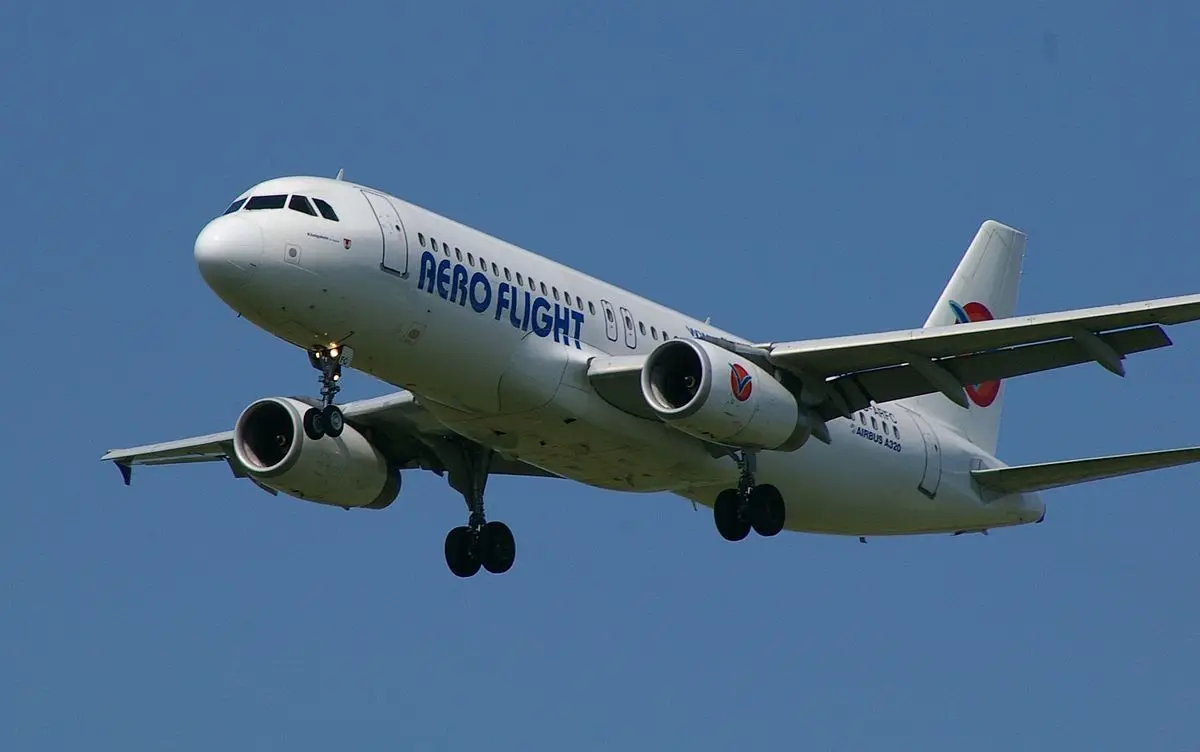
1. A Global Recall — Thousands of Planes Grounded Overnight
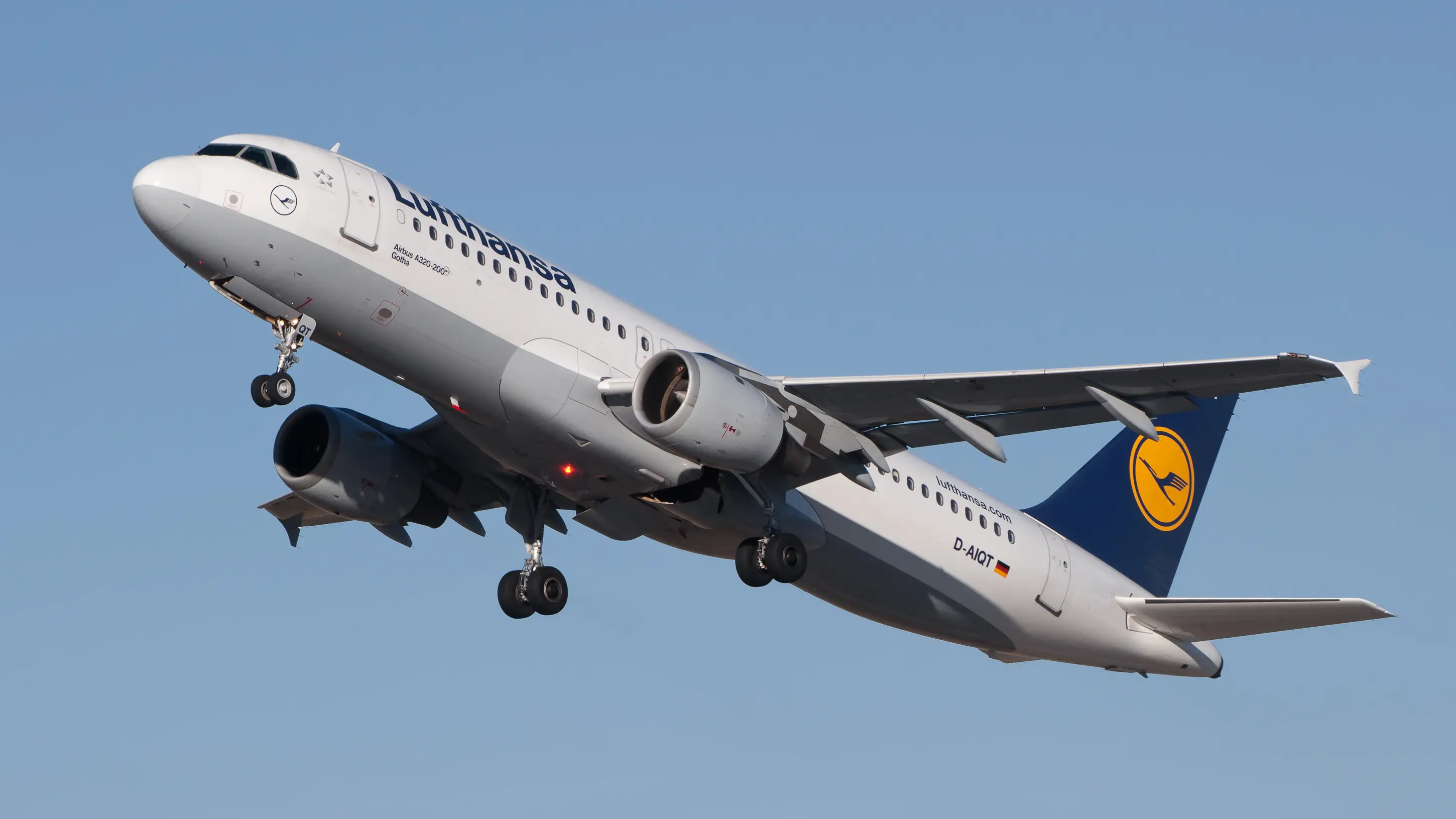
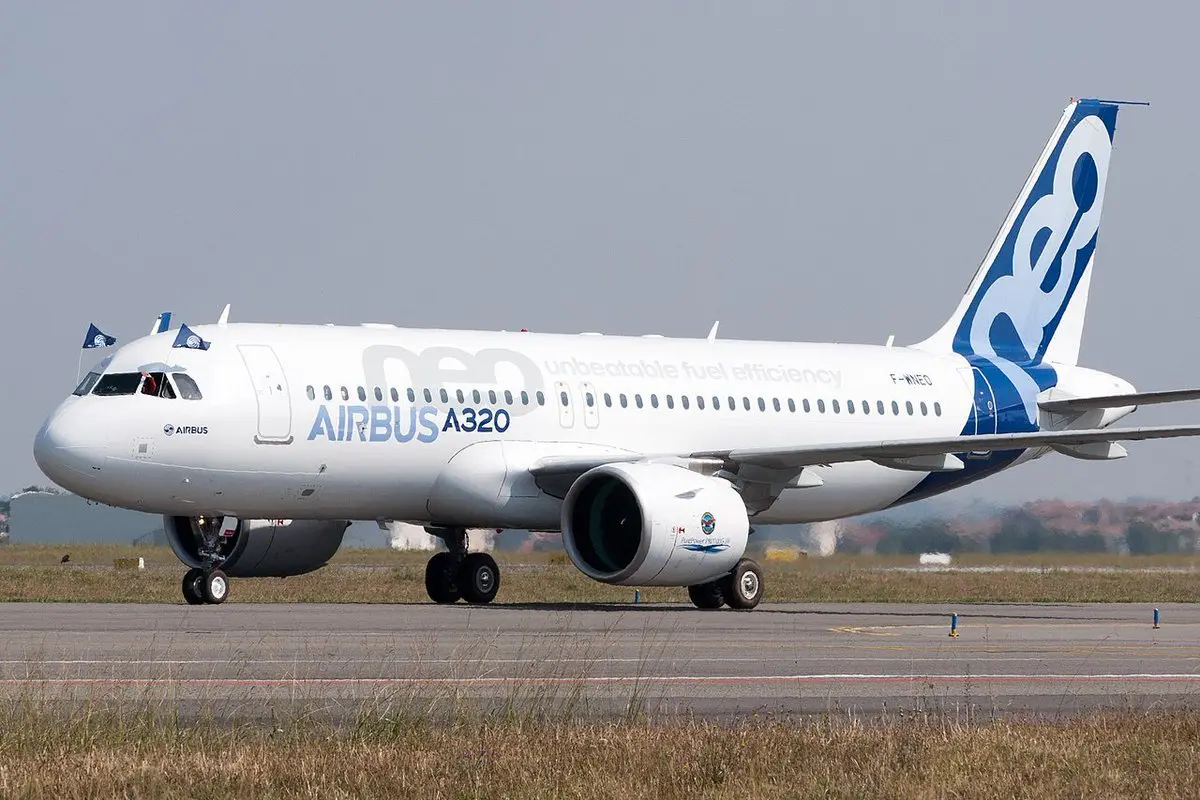
Airbus has issued an urgent global recall of about 6,000 A320-family jets, more than half of all A320s in service worldwide after discovering a software vulnerability that can corrupt flight-control data. The fix must be applied before any affected plane can fly again.
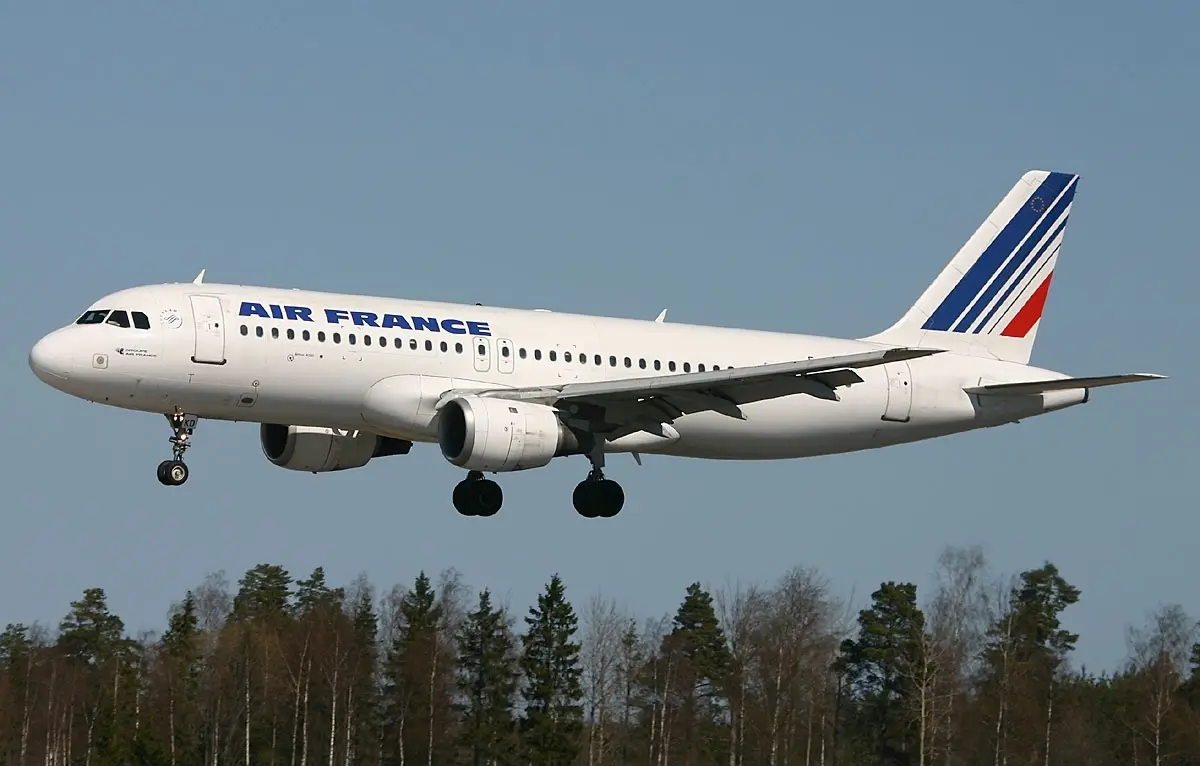
2. The Risk: Solar Radiation Can Scramble Critical Flight Controls
The recall was triggered by a mid-air incident (on a flight operated by JetBlue) in which a sudden “uncommanded altitude drop” sent the plane into emergency descent. Investigation pointed to intense solar radiation interfering with the plane’s computers, potentially corrupting essential control data.
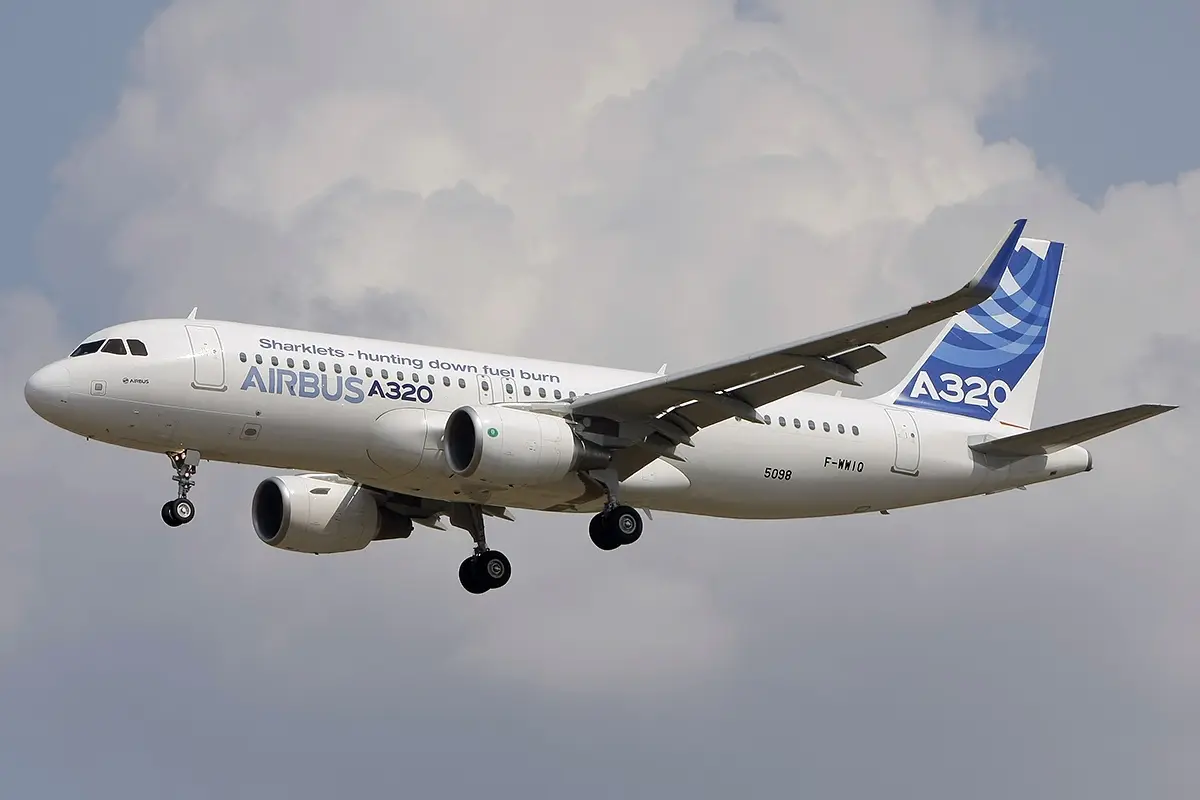
3. What That Means for Safety — Planes Could Lose Control Without Warning
In a fly-by-wire aircraft like the A320, software controls govern everything: autopilot, pitch, altitude, control surfaces. If those systems get corrupted, pilots might suddenly lose control or automated safeguards may fail — with little time to respond. The JetBlue scare shows how deadly that can be.
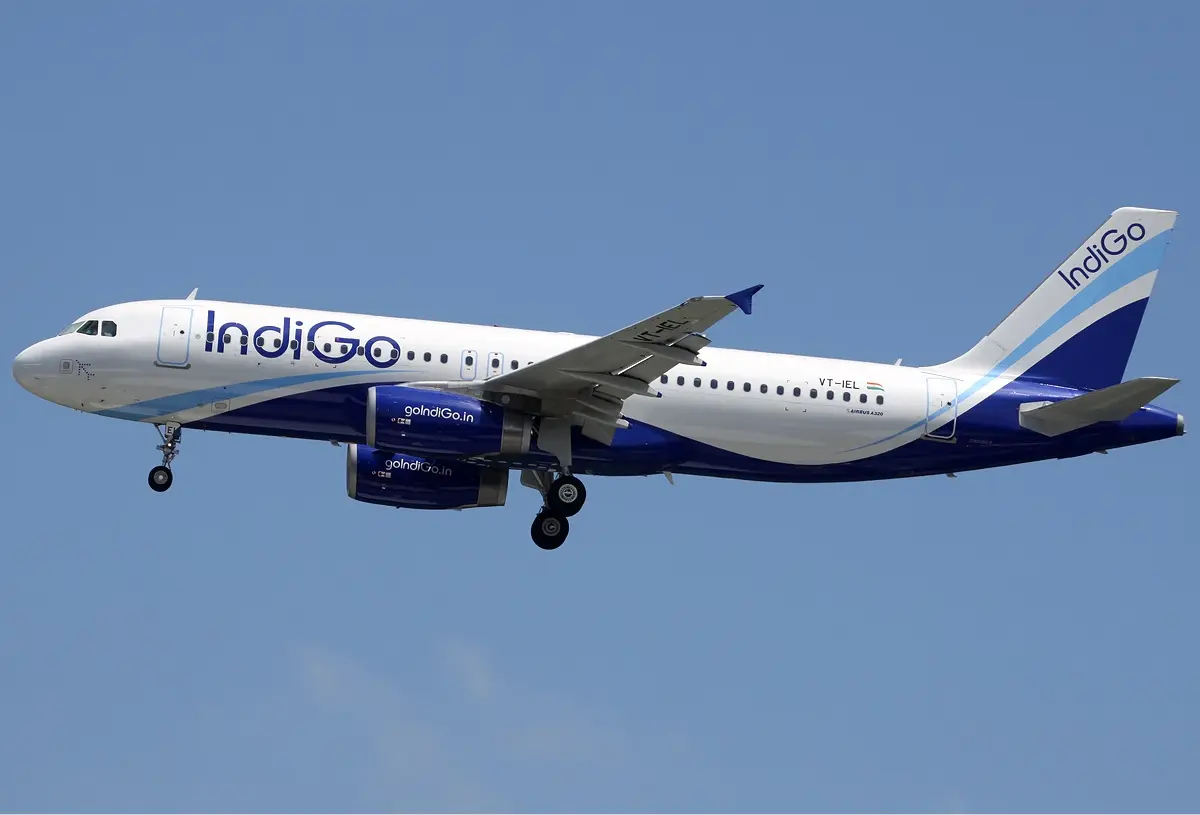
4. Massive Travel Chaos Has Already Begun
Airlines worldwide, including major carriers in India, the US, Europe, and Latin America, have announced flight cancellations or delays. With the recall coming just over a major travel weekend, millions of travellers are now facing uncertainty, cancellations, or abrupt reroutings.
5. The Fix Isn’t Simple — Some Planes May Stay Grounded for Days
While many jets can get a software update in a couple of hours, about one-third reportedly need hardware changes, which could take days or even weeks. That means large chunks of the global A320 fleet could remain grounded, disrupting flights well into the holiday travel season.
6. Trust in the Skies Is Shaken — The A320 Is the Workhorse of Global Aviation
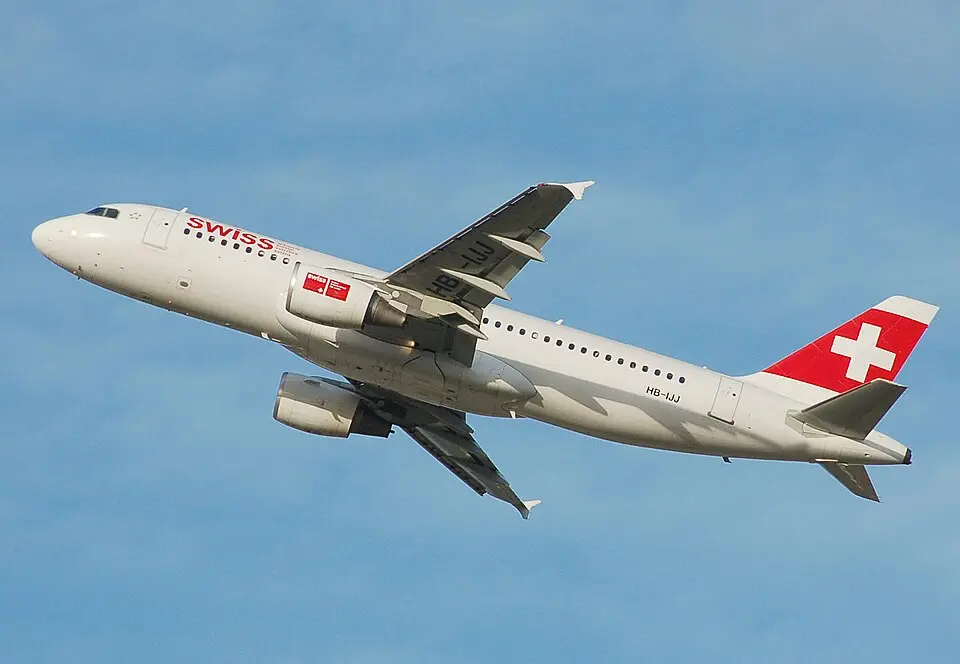
The A320 family is one of the most widely used aircraft worldwide, operated by dozens of major airlines, budget carriers, and regional firms. A systemic flaw affecting so many planes undermines public trust in commercial air travel safety and raises questions about how many “invisible risks” might still be lurking in aircraft software globally.
7. Why This Must Be a Wake-Up Call for Aviation Regulators and Passengers
If a straightforward burst of solar radiation can compromise flight controls, airlines and regulators must rethink how they validate and safeguard aircraft software. For passengers, this recall is a stark reminder: even routine flights rely on fragile lines of code — and in certain conditions, those lines can snap.
)
)
)
)
)