Why Afghanistan’s earthquakes strike at night more often?

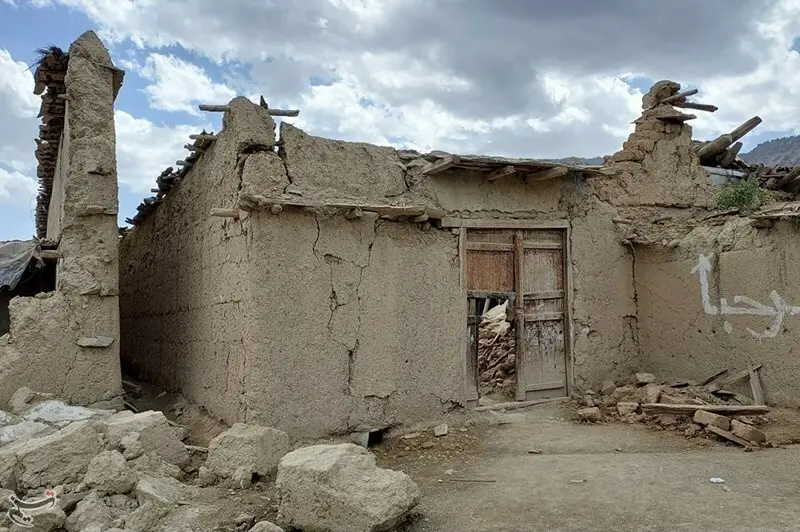
Most rural Afghan homes are made of mud, clay, and stone, materials that crumble quickly during tremors. At night, with families indoors, casualties rise sharply.
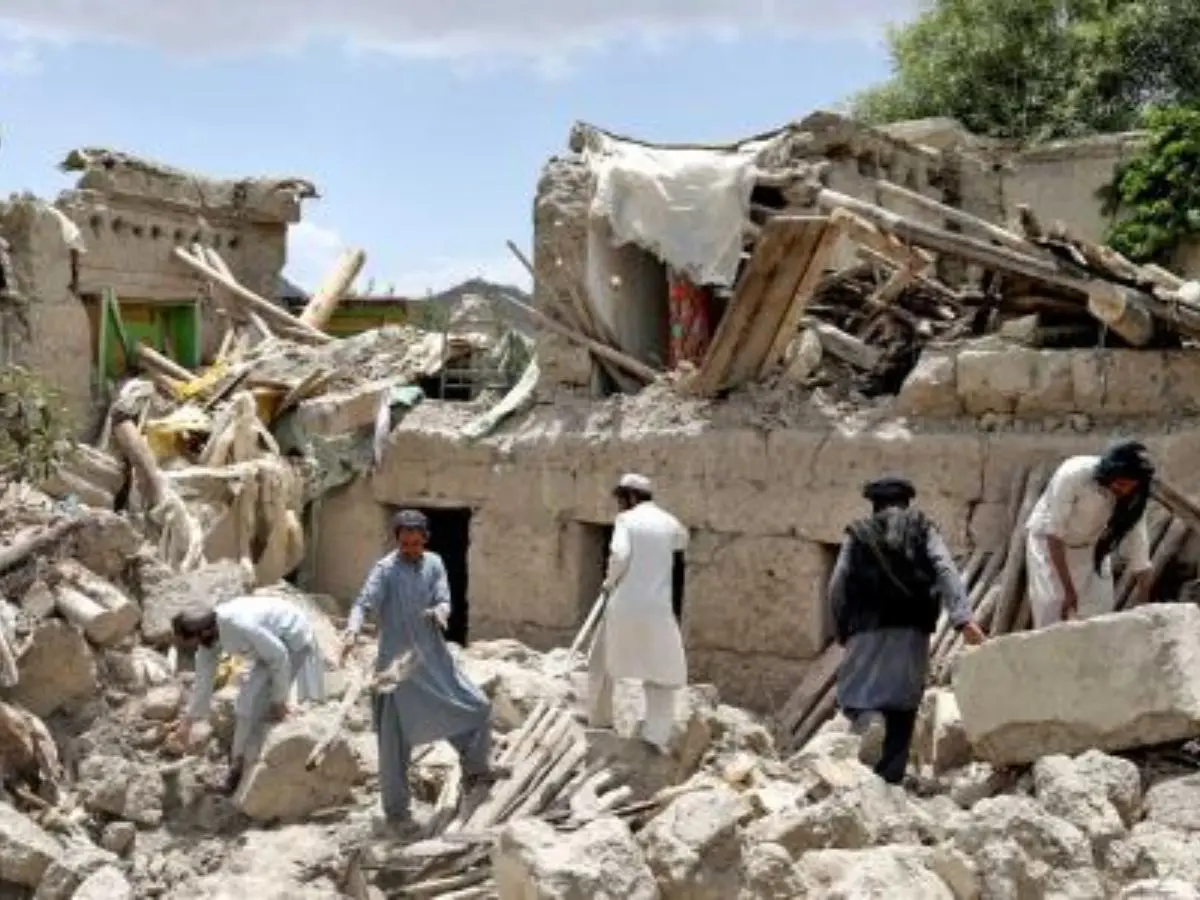
The Midnight Kabul Quake
The August 31, 2025, Afghanistan earthquake struck shortly after midnight, catching thousands in their sleep and killing over 800 people. Nighttime quakes often turn deadly because of how and when they hit.
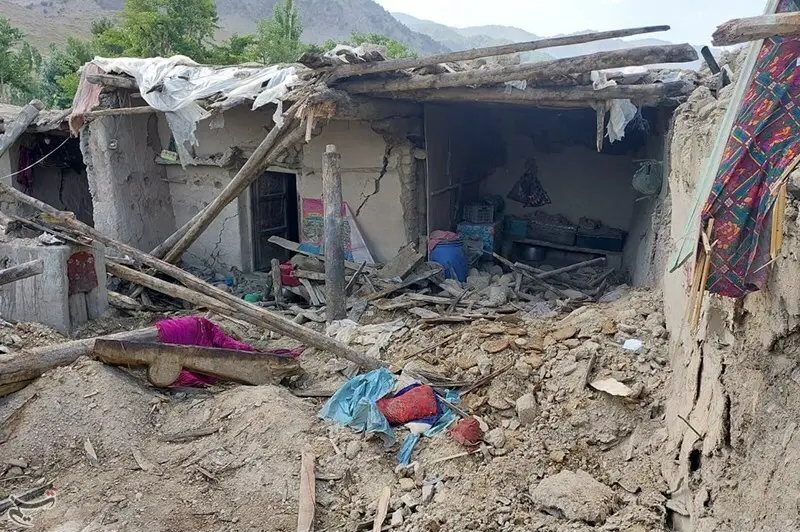
Nocturnal Perception Gap
At night, people are asleep and slower to react. Even a few seconds of delay in escaping collapsing homes can mean the difference between life and death.
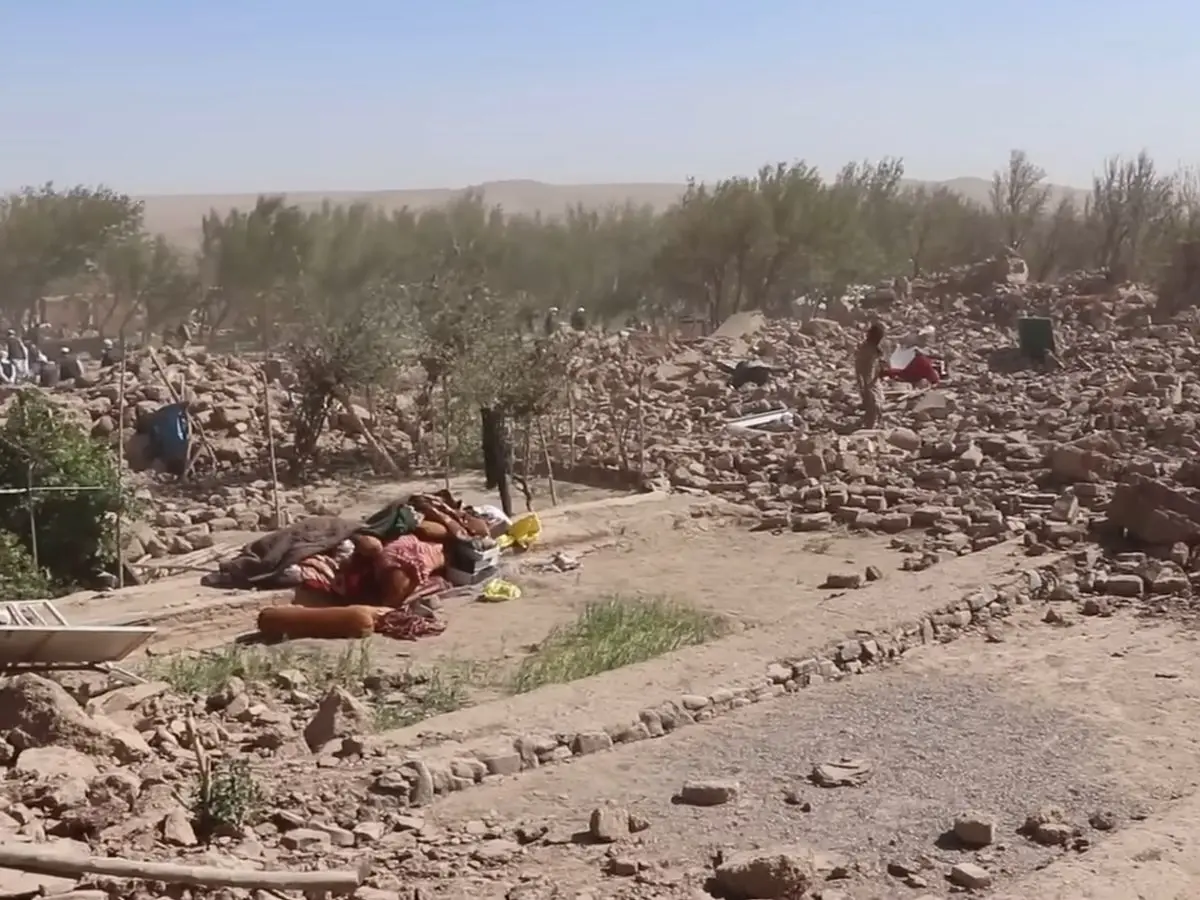
Afghanistan’s Mud-Brick Homes
Most rural Afghan homes are made of mud, clay, and stone, materials that crumble quickly during tremors. At night, with families indoors, casualties rise sharply.
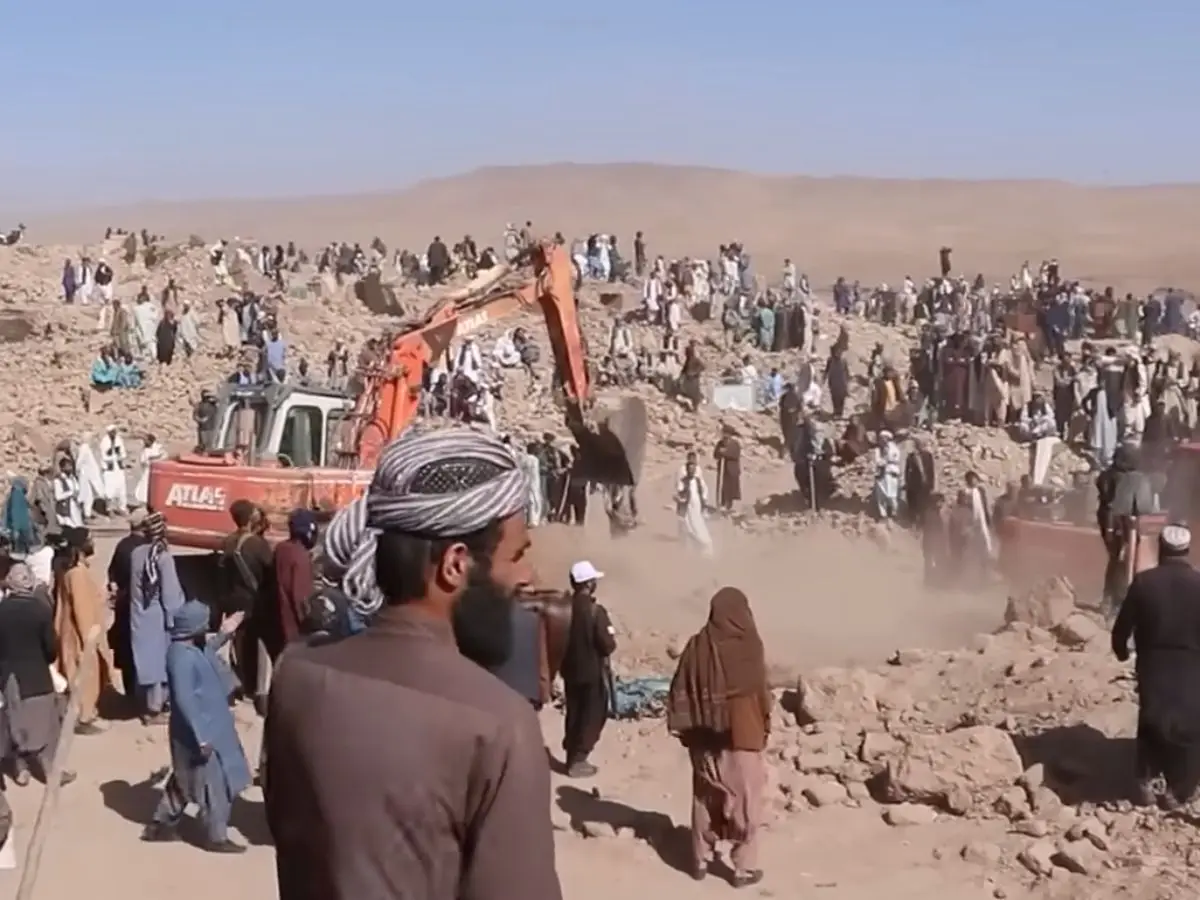
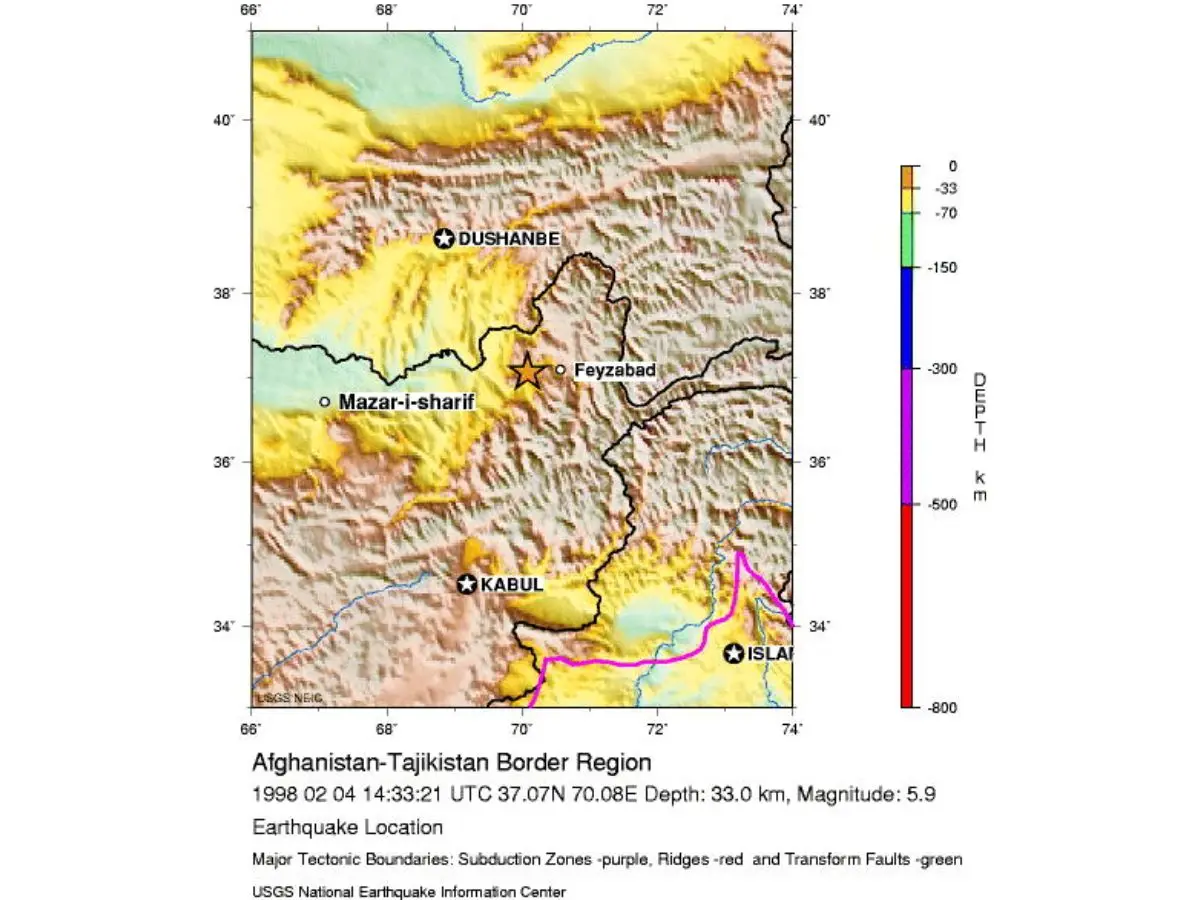
Faultline Patterns and Timing
Some seismologists suggest that thermal cycles of the Earth’s crust, differences between day and night temperatures, can influence when stress along a fault finally slips.
The “Silent Hours” Effect
Emergency response is weakest between midnight and dawn. Quakes at this time face slower rescues, delayed medical help, and limited communication.
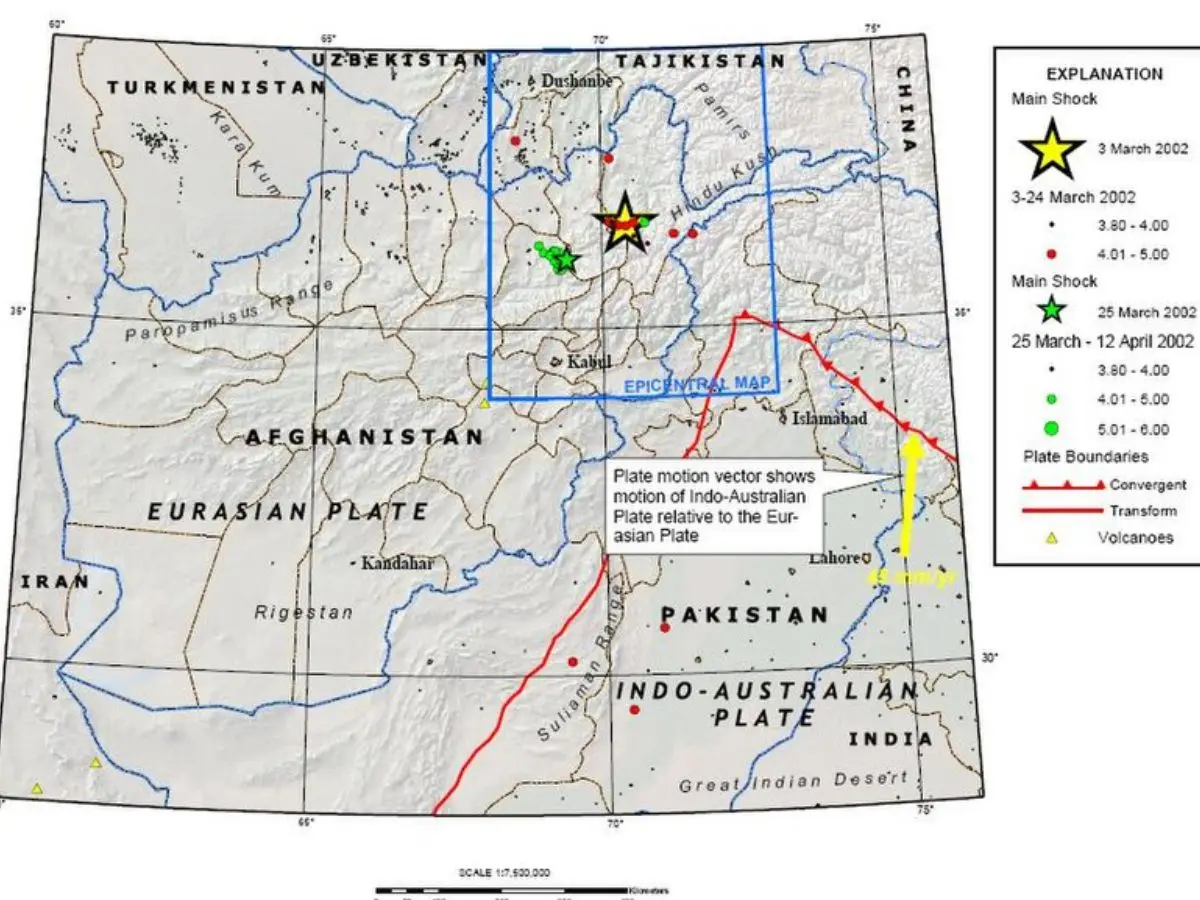
History Repeats
From the 2022 Paktika quake to the 2023 Herat tremors, several of Afghanistan’s deadliest earthquakes have struck at night, exposing a dangerous recurring pattern.
A Deadly Combination
When you combine fragile homes, sleeping families, cold mountain nights, and weak rescue systems, Afghanistan’s nighttime earthquakes become far more lethal than daytime ones.
)
)
)
)
)