Why Afghanistan’s earthquakes are different from Japan or California?

In wealthier regions, recovery is rapid. In Afghanistan, each earthquake compounds ongoing crises displacement, hunger, and conflict, making every tremor a humanitarian disaster.
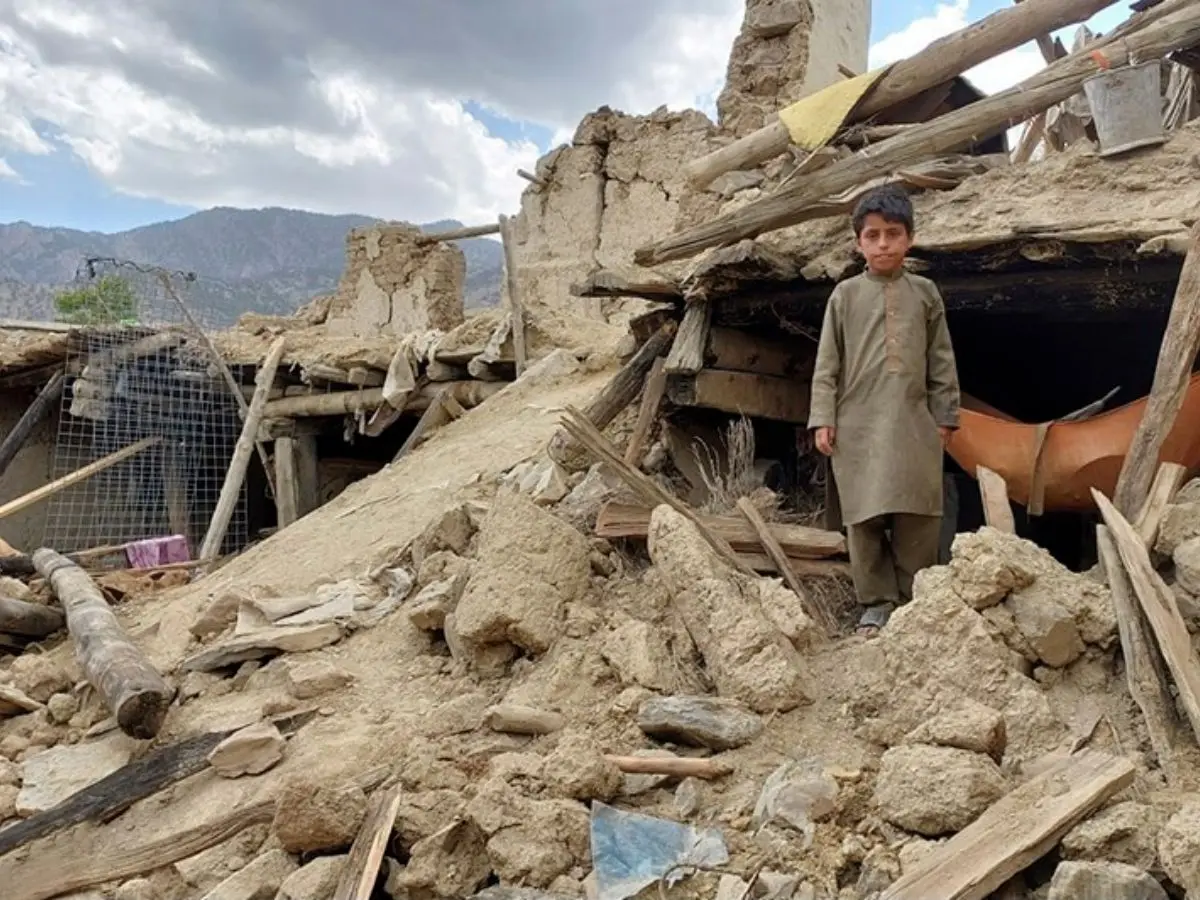
Different Tectonic Settings
Japan sits on the “Ring of Fire,” where oceanic plates dive under continental ones, and California faces the sliding San Andreas Fault. Afghanistan, however, lies at the collision zone of the Indian and Eurasian plates, creating vertical stress unlike anywhere else.
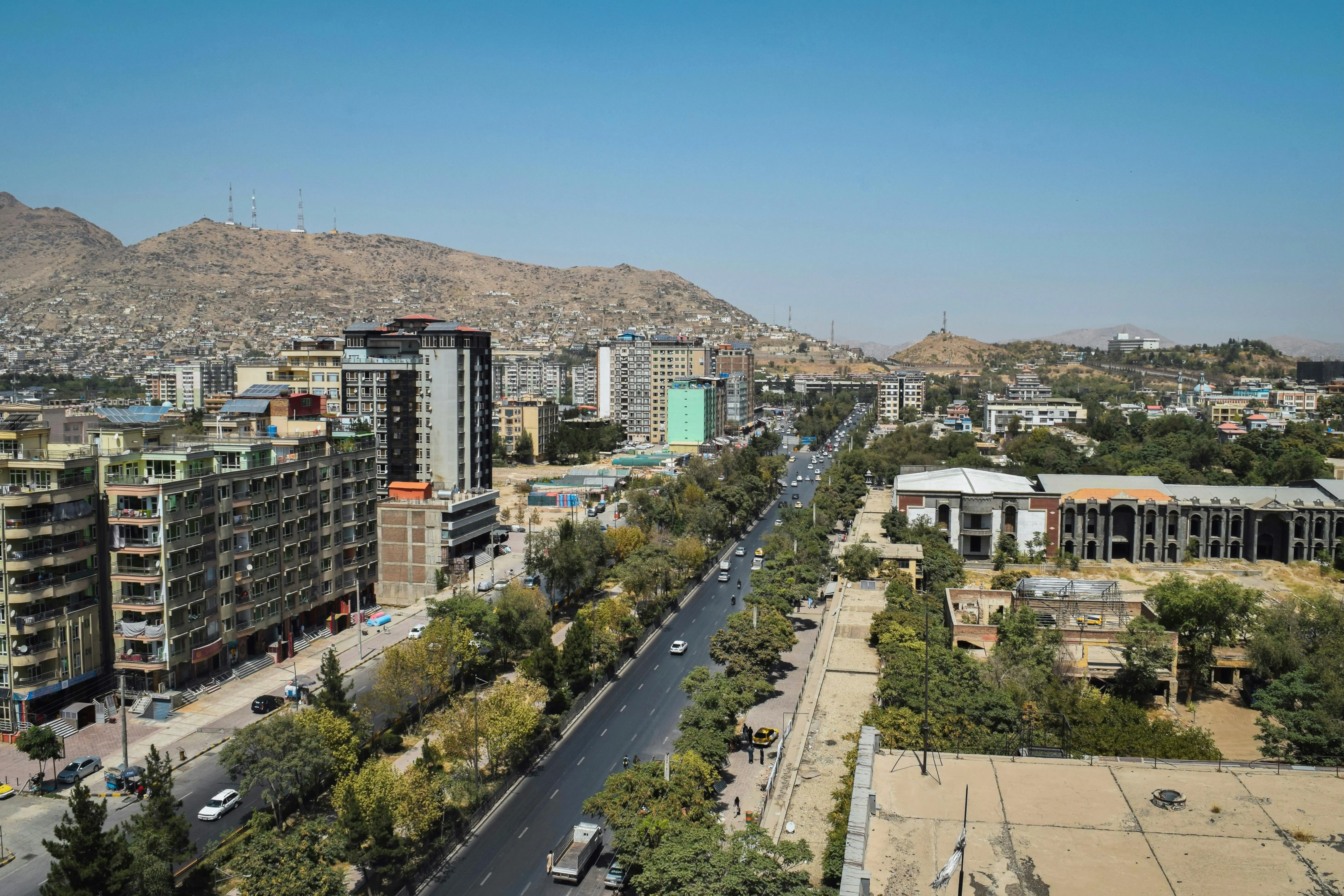
Deeper Quakes in the Hindu Kush
Unlike the shallow quakes in Japan or California, Afghanistan often suffers deep-focus earthquakes, sometimes more than 150 km underground. These tremors can travel farther, spreading destruction across borders.
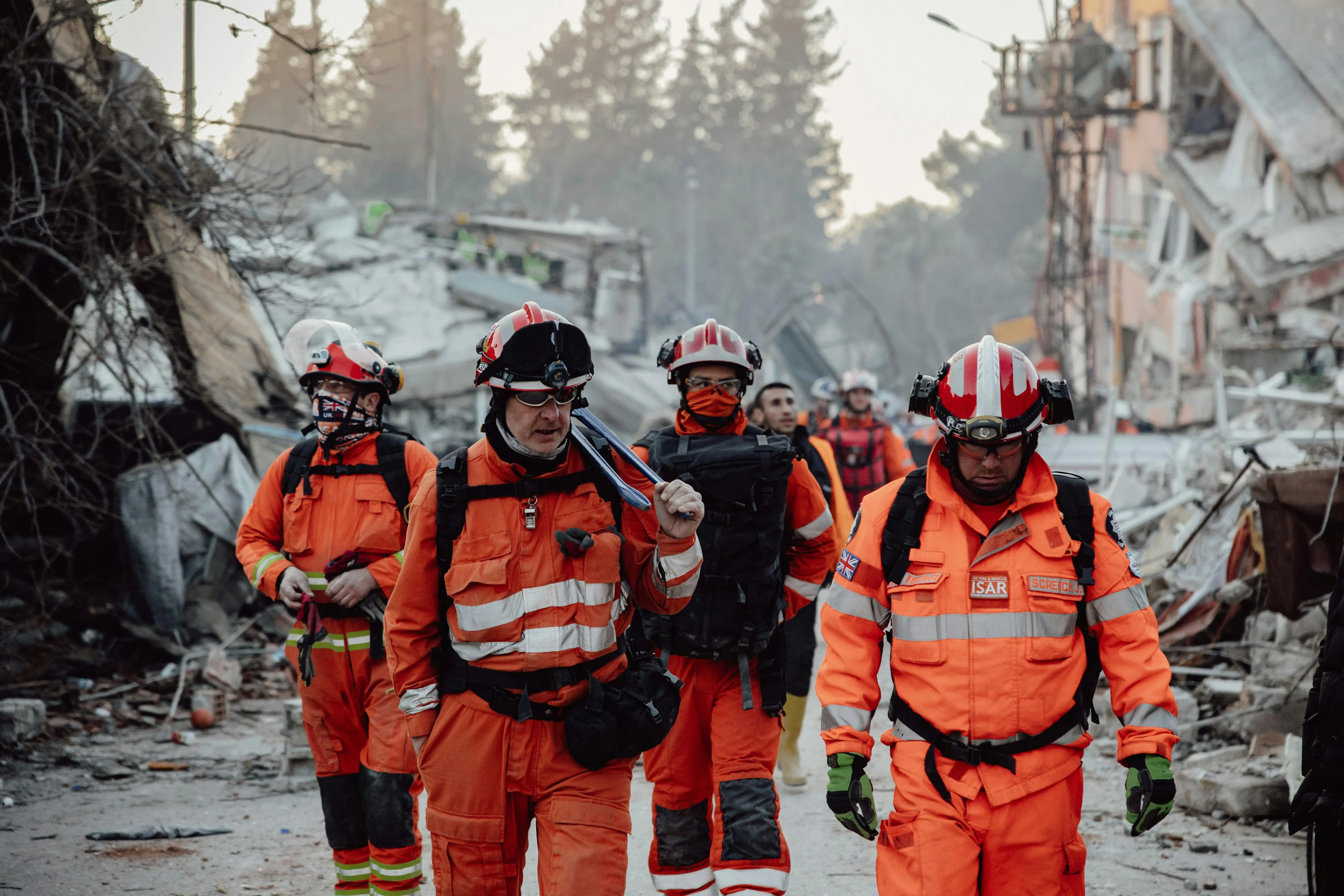
Locked vs. Sliding Faults
California’s faults release pressure through frequent smaller quakes. In Afghanistan, faults stay locked for centuries, storing immense energy that erupts in sudden, catastrophic events.
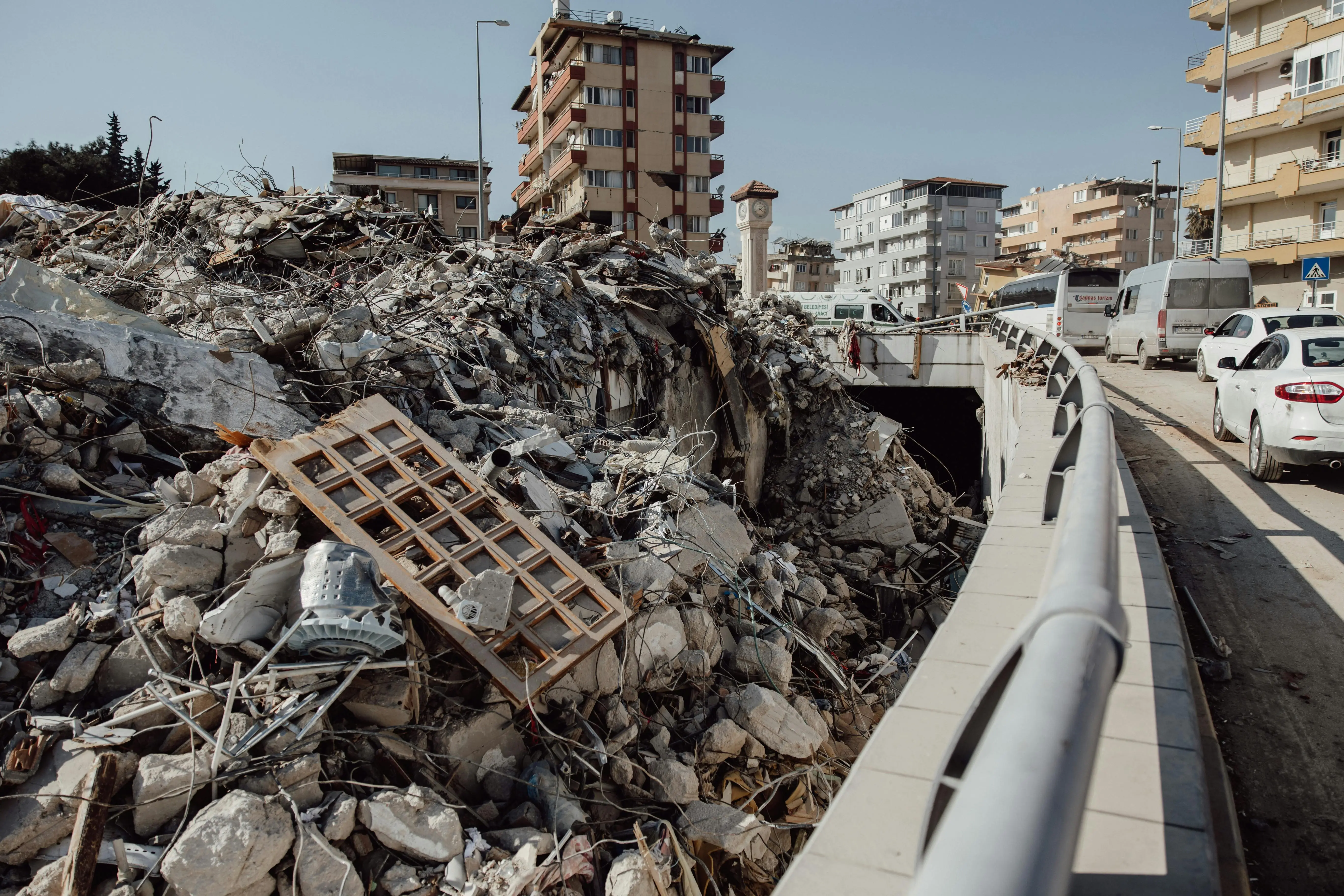
Weaker Infrastructure
Japan and California invest heavily in quake-resistant infrastructure. Afghanistan, plagued by poverty and conflict, has fragile mud-brick homes and unplanned cities, making even moderate quakes deadly.
Lack of Monitoring Systems
Japan has world-class warning systems. California has advanced seismic networks. Afghanistan, by contrast, has limited seismic monitoring, meaning communities get almost no warning.
Geological Complexity
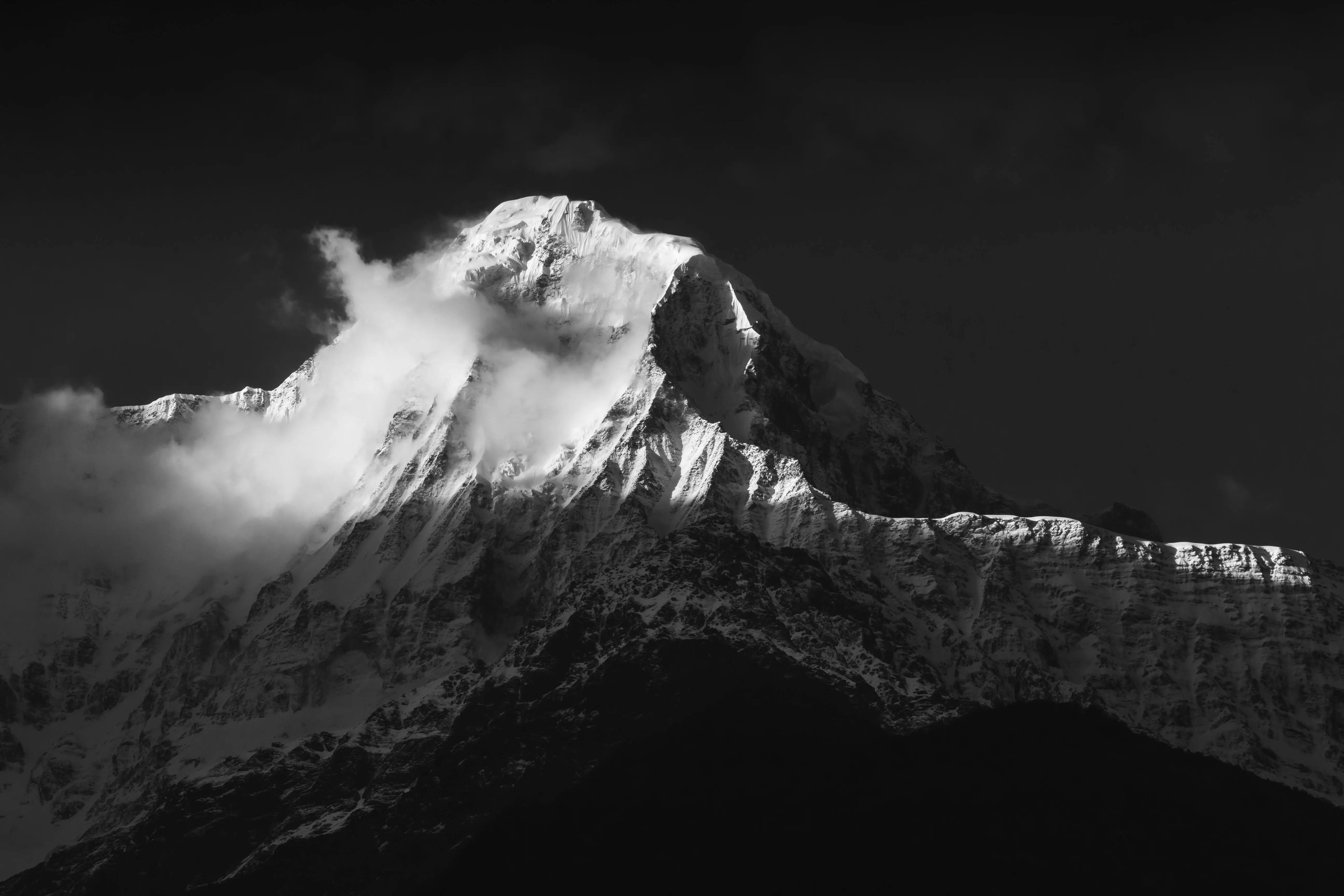
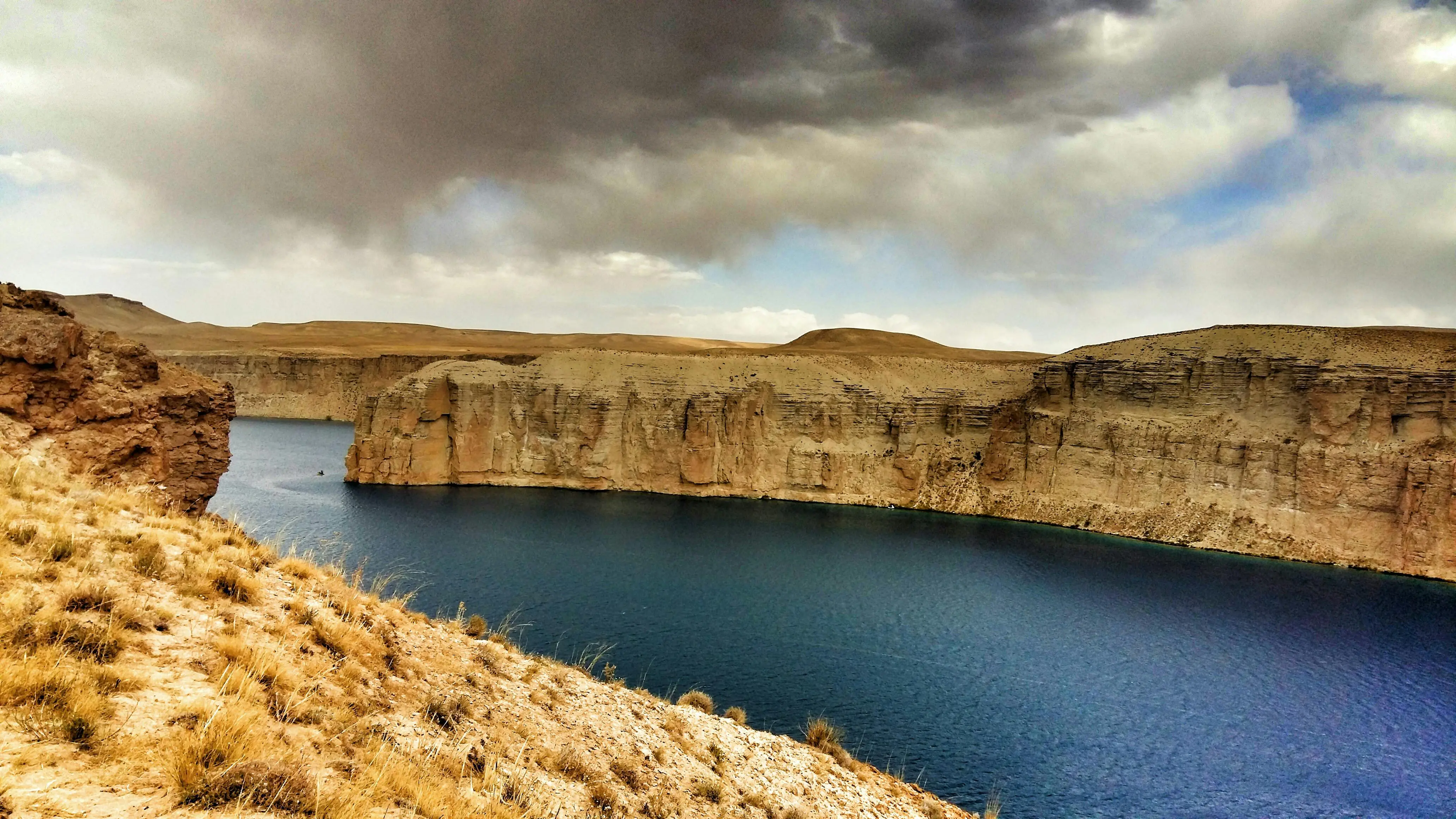
The Hindu Kush mountains are among the most geologically complex regions on Earth, with overlapping fault systems. This makes predicting quake behaviour harder than in California or Japan.
Humanitarian Impact
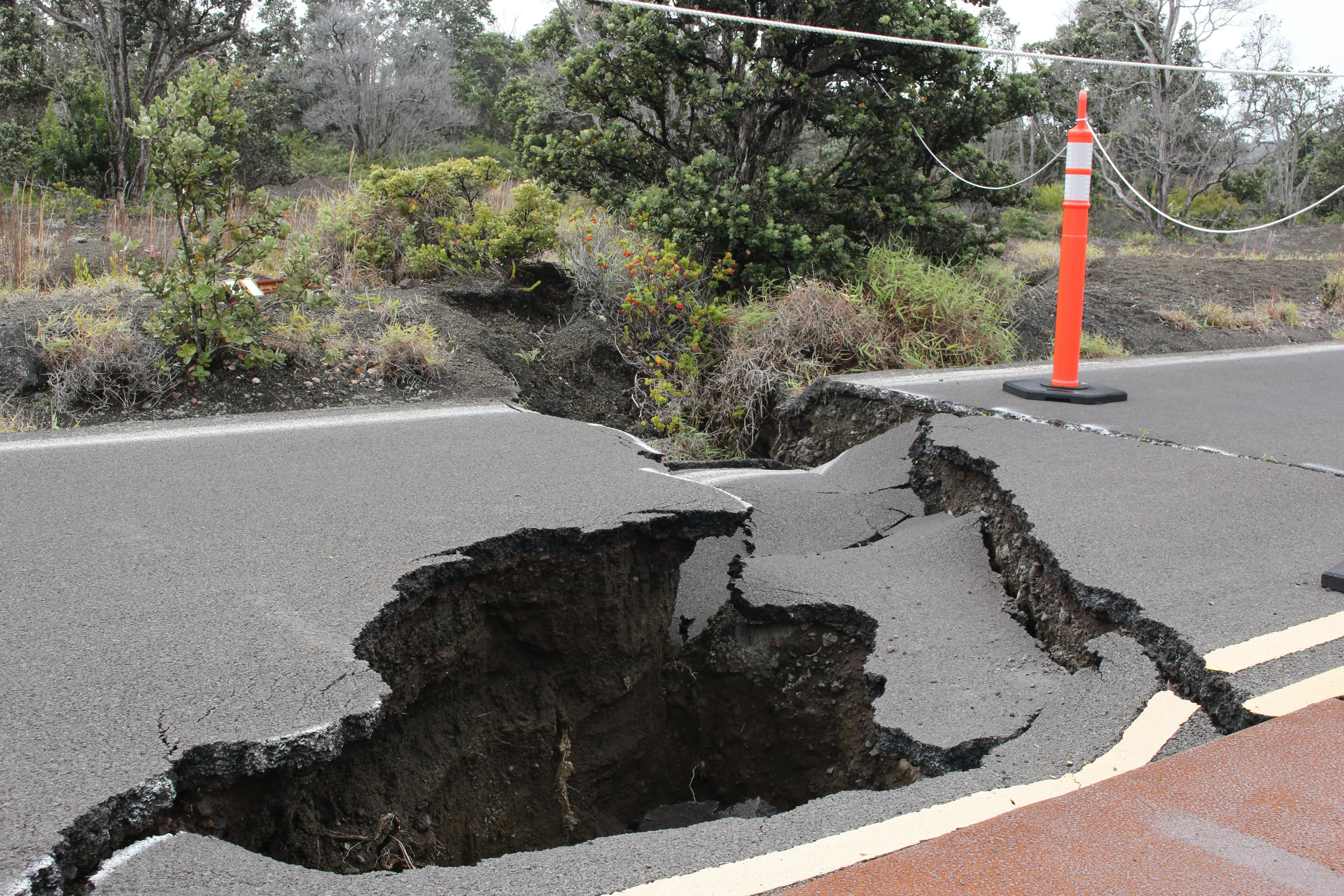
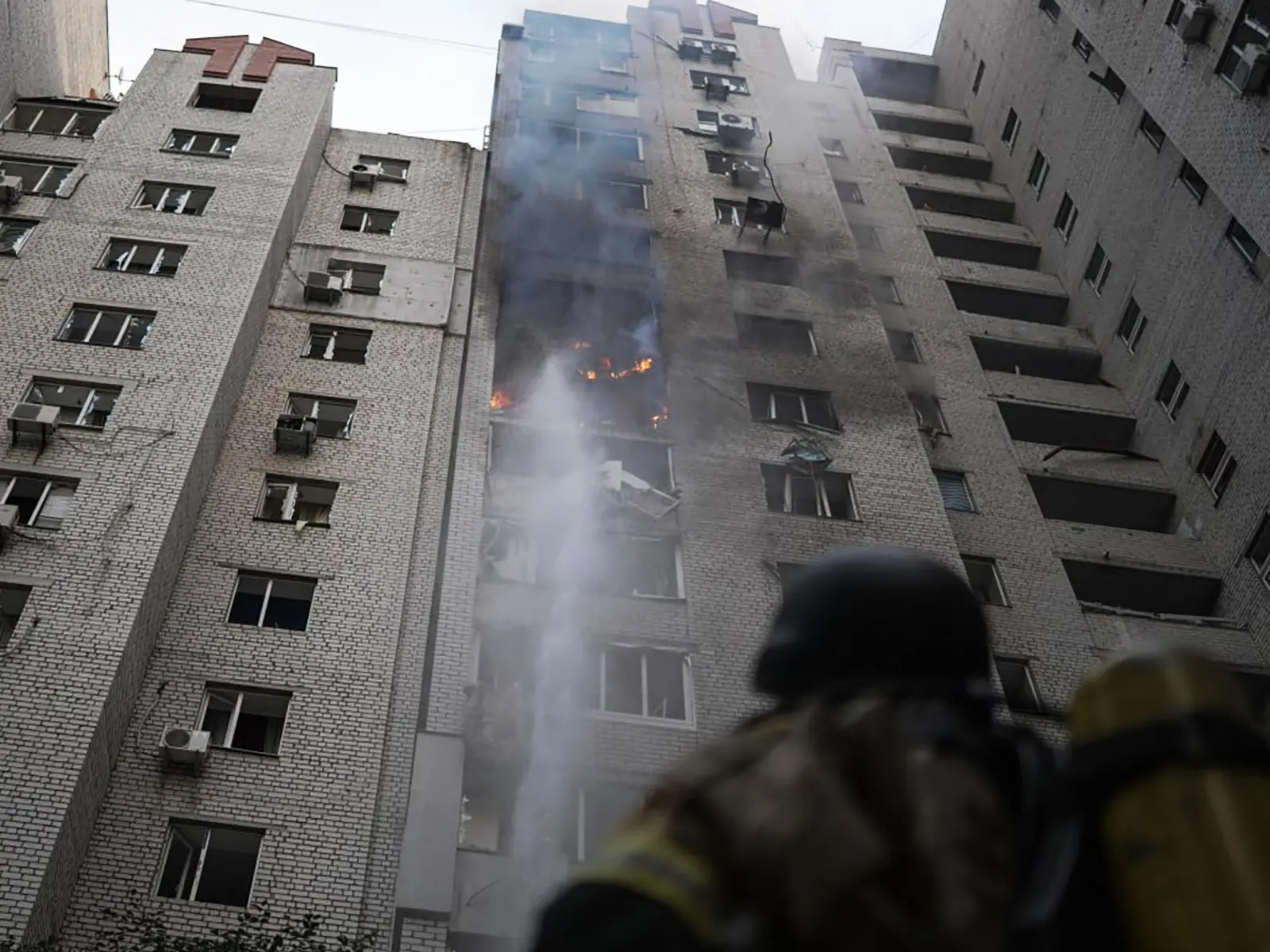
In wealthier regions, recovery is rapid. In Afghanistan, each earthquake compounds ongoing crises displacement, hunger, and conflict, making every tremor a humanitarian disaster.
)
)
)
)
)