Why a single F-22 costs over $140 million to build

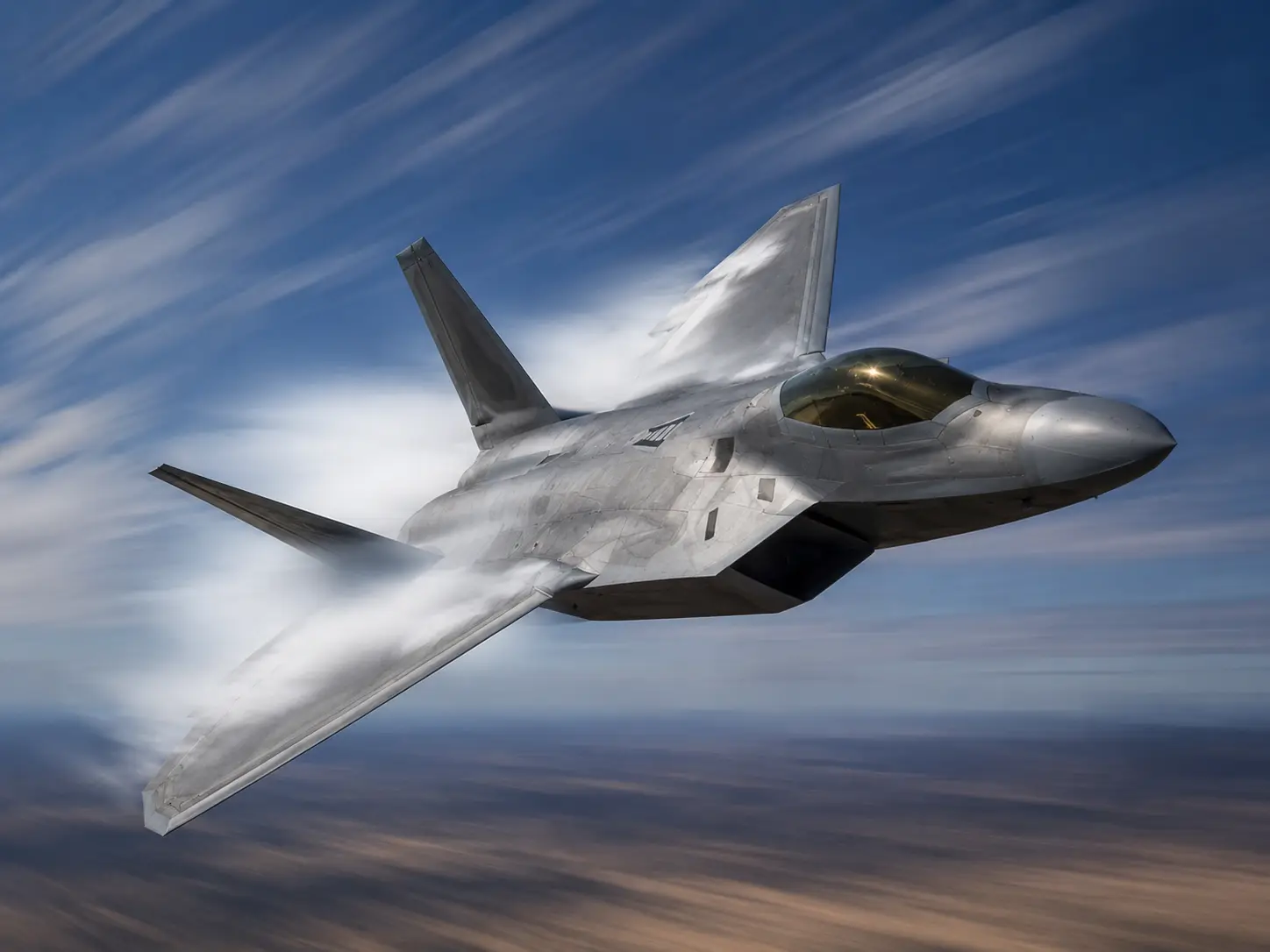
Manufacturing the F-22 Raptor costs $143 million per jet due to a truncated 195-aircraft production run, advanced stealth materials, dual turbofan engines, and strict federal export bans.
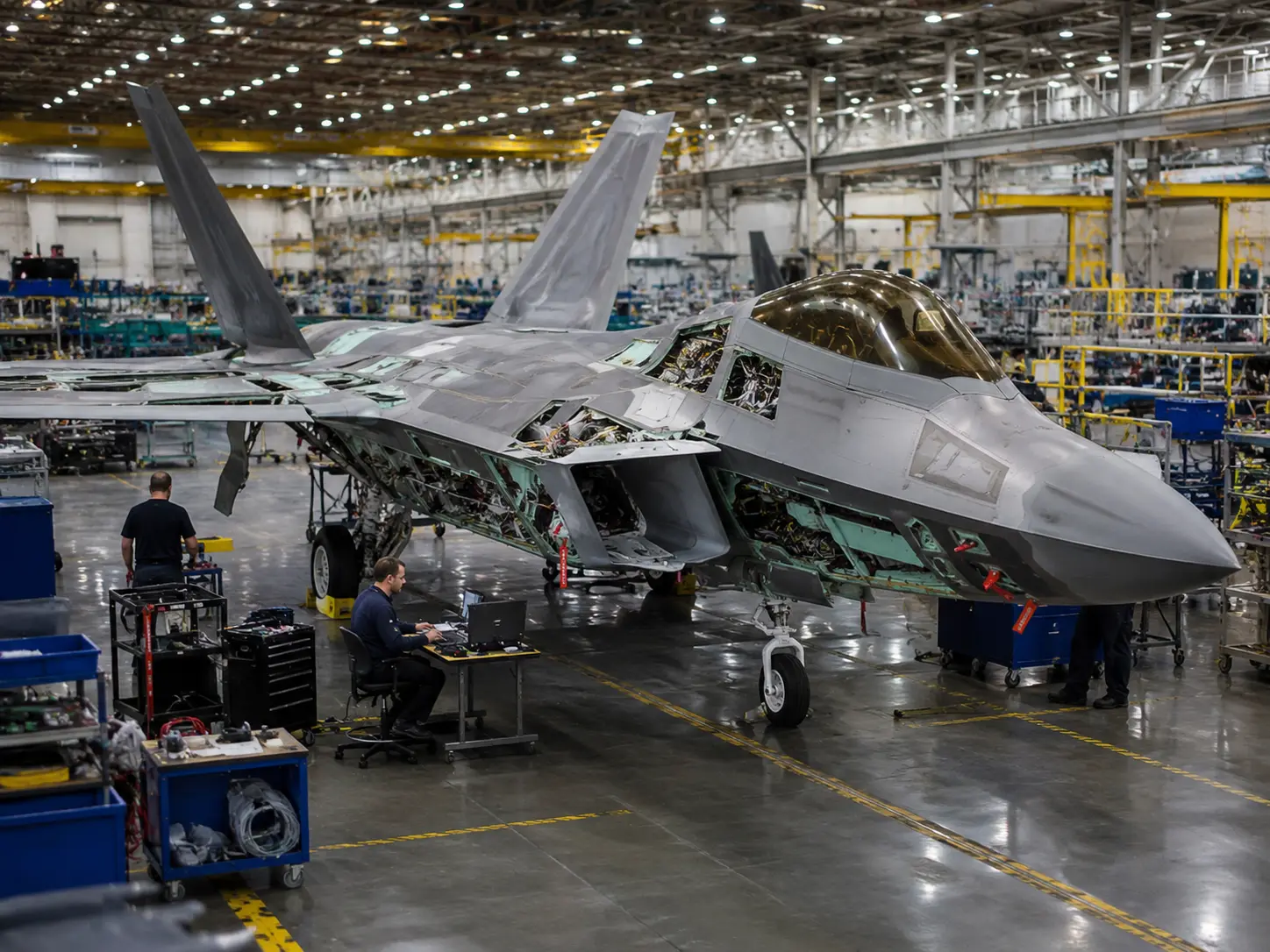
Baseline $143 million cost
The US Air Force lists the official unit flyaway cost of the F-22 Raptor at $143 million. This baseline figure covers the physical airframe, integrated avionics, and twin turbofan engines built during the final production lots. When factoring in total research and development, the complete programme acquisition cost reaches roughly $334 million per aircraft.
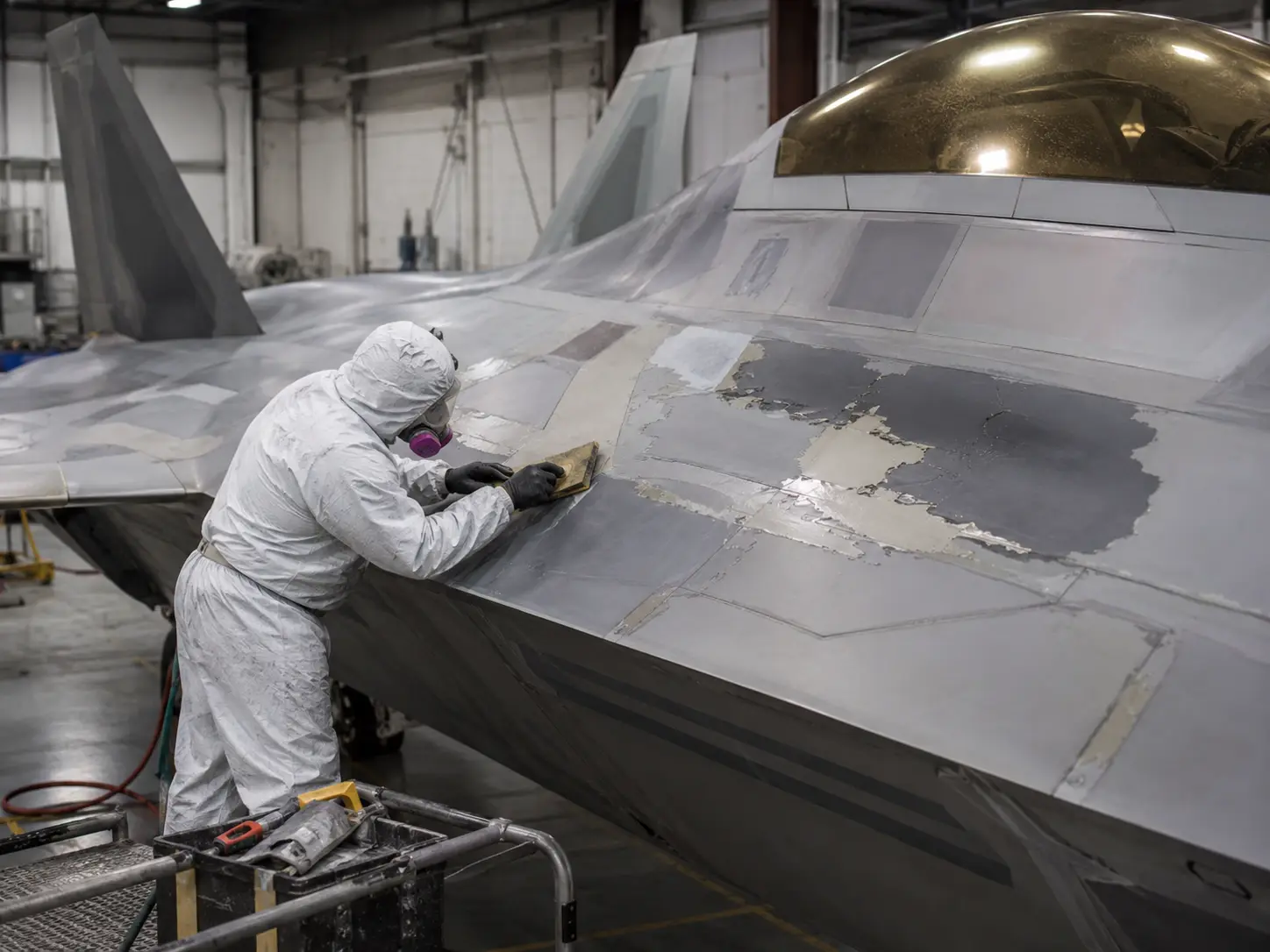
Fleet capped at 195
The Pentagon originally planned to procure 750 Advanced Tactical Fighters to replace its aging F-15 fleet. However, total production was ultimately halted at just 195 aircraft, comprising 187 operational combat models and eight test planes. Halting the assembly line early prevented the military from achieving cost-reducing industrial economies of scale.
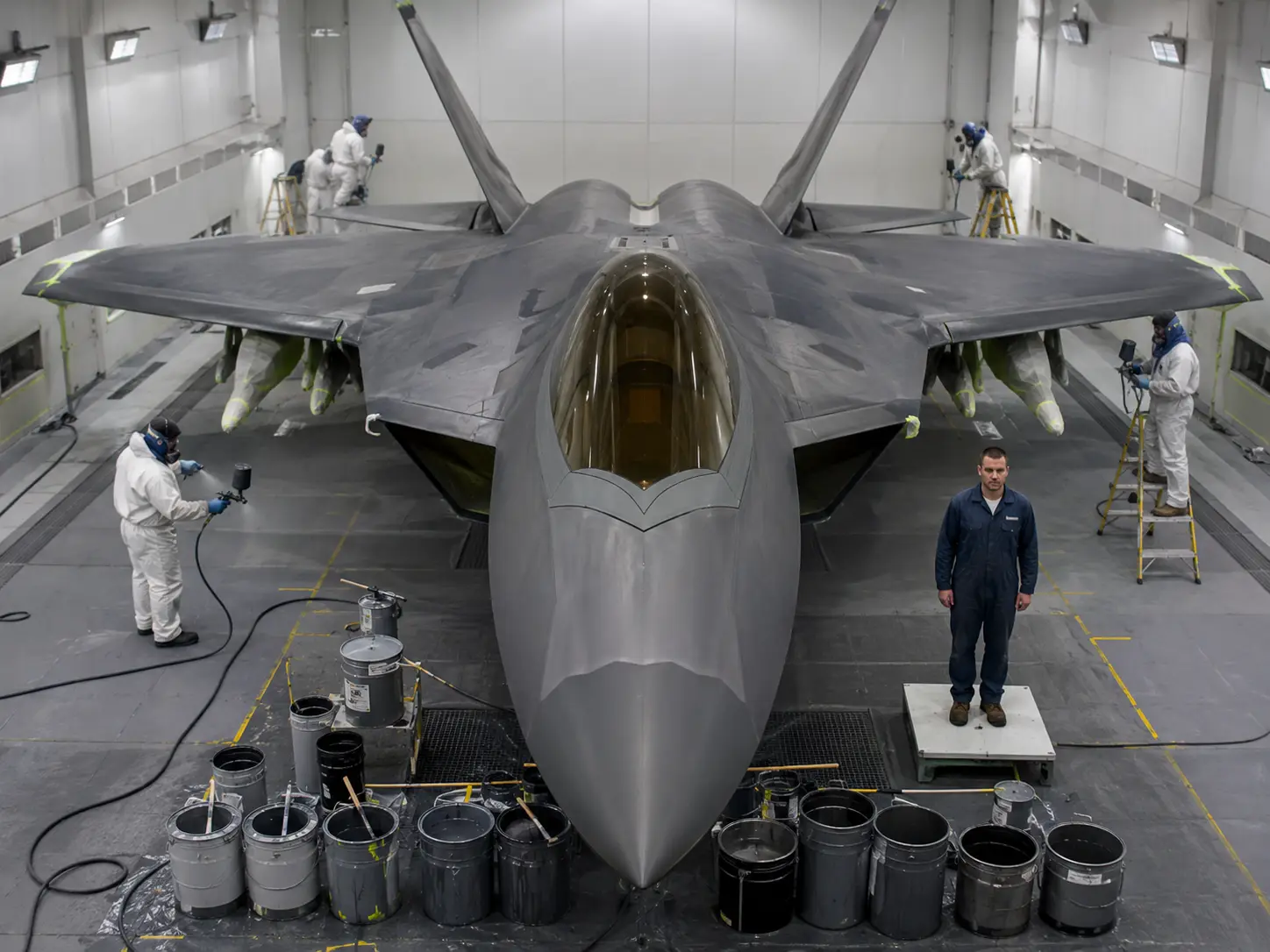
70,000 pounds combined thrust
Every airframe relies on two Pratt & Whitney F119-PW-100 turbofan engines, significantly increasing baseline manufacturing expenses. Combined, these power plants produce over 70,000 pounds of thrust and incorporate complex two-dimensional thrust-vectoring exhaust nozzles. This architecture allows supersonic cruise without afterburners, but heavily inflates propulsion costs.
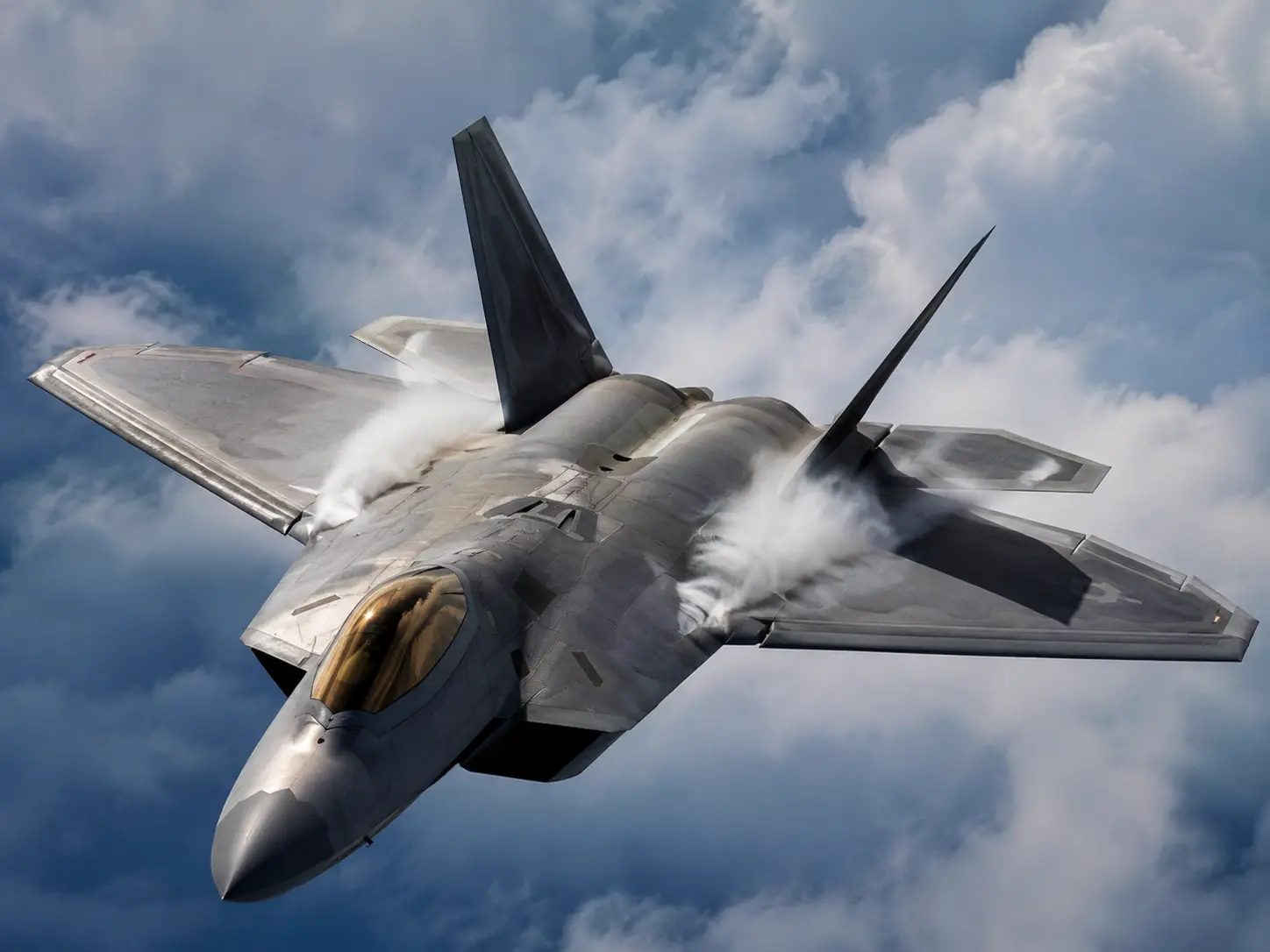
39% titanium structural weight
Fabricating the aircraft requires massive amounts of high-strength materials to withstand supersonic flight stresses. Titanium alloys account for roughly 39 per cent of the airframe's total structural weight. Machining these specialized metals and applying sensitive radar-absorbent stealth coatings to the exterior skin demanded highly intricate, expensive manufacturing processes.
Zero foreign export orders
To safeguard its highly classified stealth architecture and advanced avionics, federal law legally prohibited exporting the Raptor to foreign allies. Because the United States Air Force remained the sole customer, no international orders were available to expand production. The US government consequently absorbed the entire financial burden of the assembly line.
)
)
)
)
)