Why a replacement F-22 engine costs more than $10 million

Replacing an F-22 engine costs over $10 million due to a capped 507-unit production run, single-crystal superalloy turbine blades, and 20-degree thrust vectoring nozzles for Mach 1.8 supercruise.
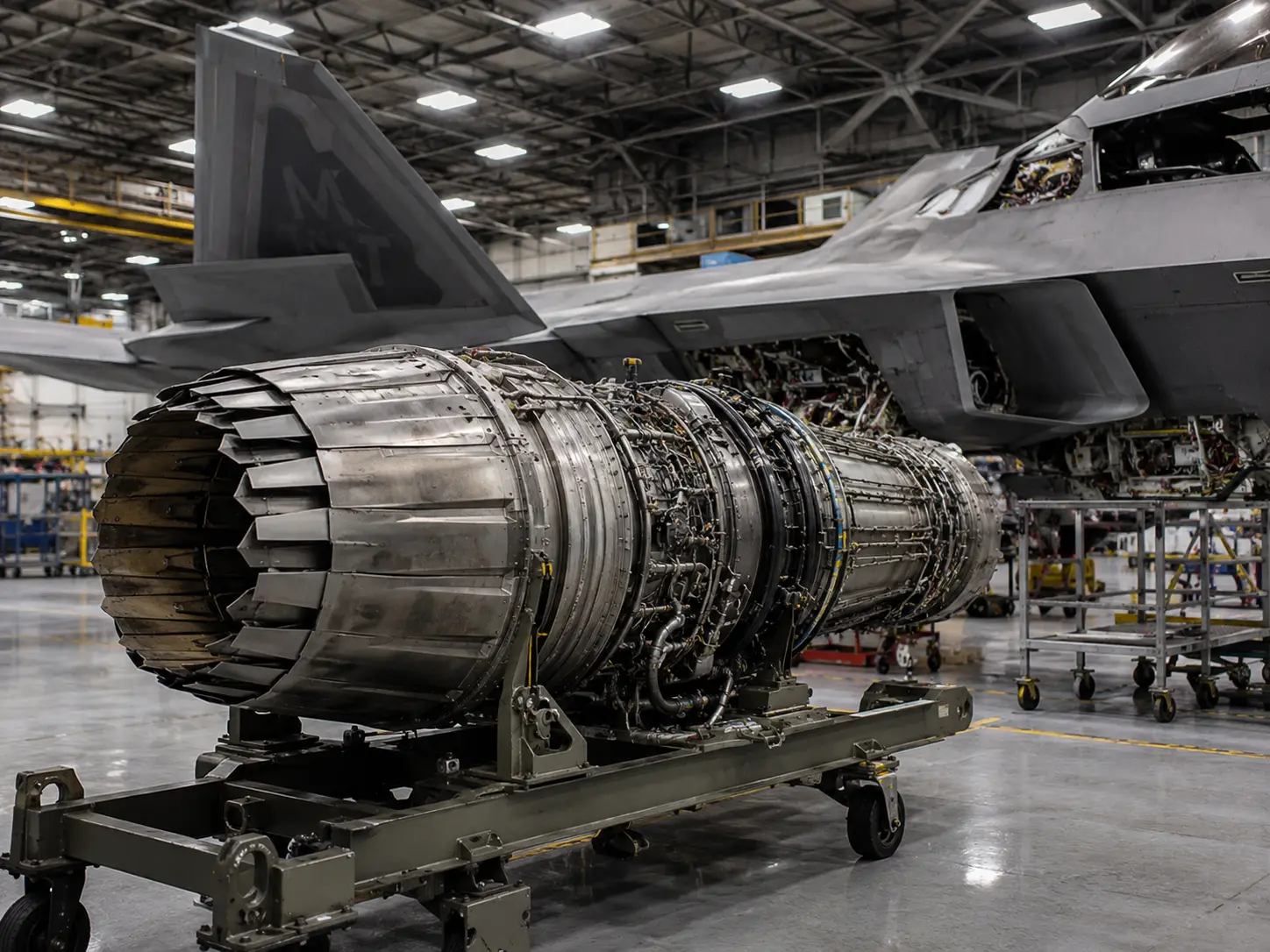
Exceeds $10 million cost
Procuring a replacement Pratt & Whitney F119 turbofan requires a massive capital outlay exceeding $10 million per unit. Because the stealth fighter operates under extreme atmospheric regimes, its power plants cannot rely on standard commercial hardware. Every individual component is custom-machined to strict military tolerances, heavily inflating baseline manufacturing and logistics expenses.
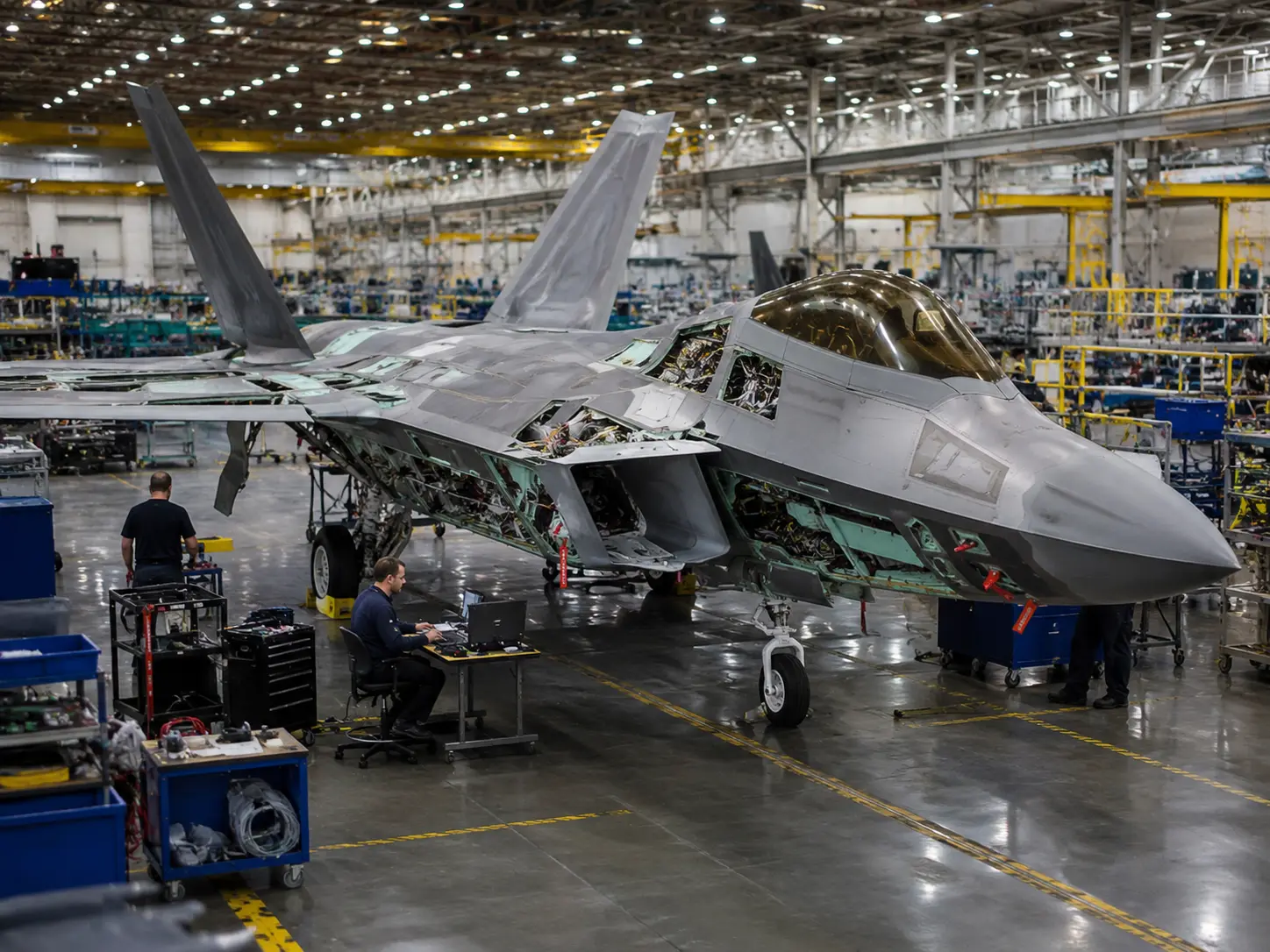
Capped at 507 units
The United States military originally planned to buy thousands of advanced tactical fighter engines, but assembly lines permanently closed after producing exactly 507 units. Halting production early prevented the manufacturer from achieving cost-reducing industrial economies of scale. Sourcing custom replacement parts for an out-of-production architecture requires specialised engineering.
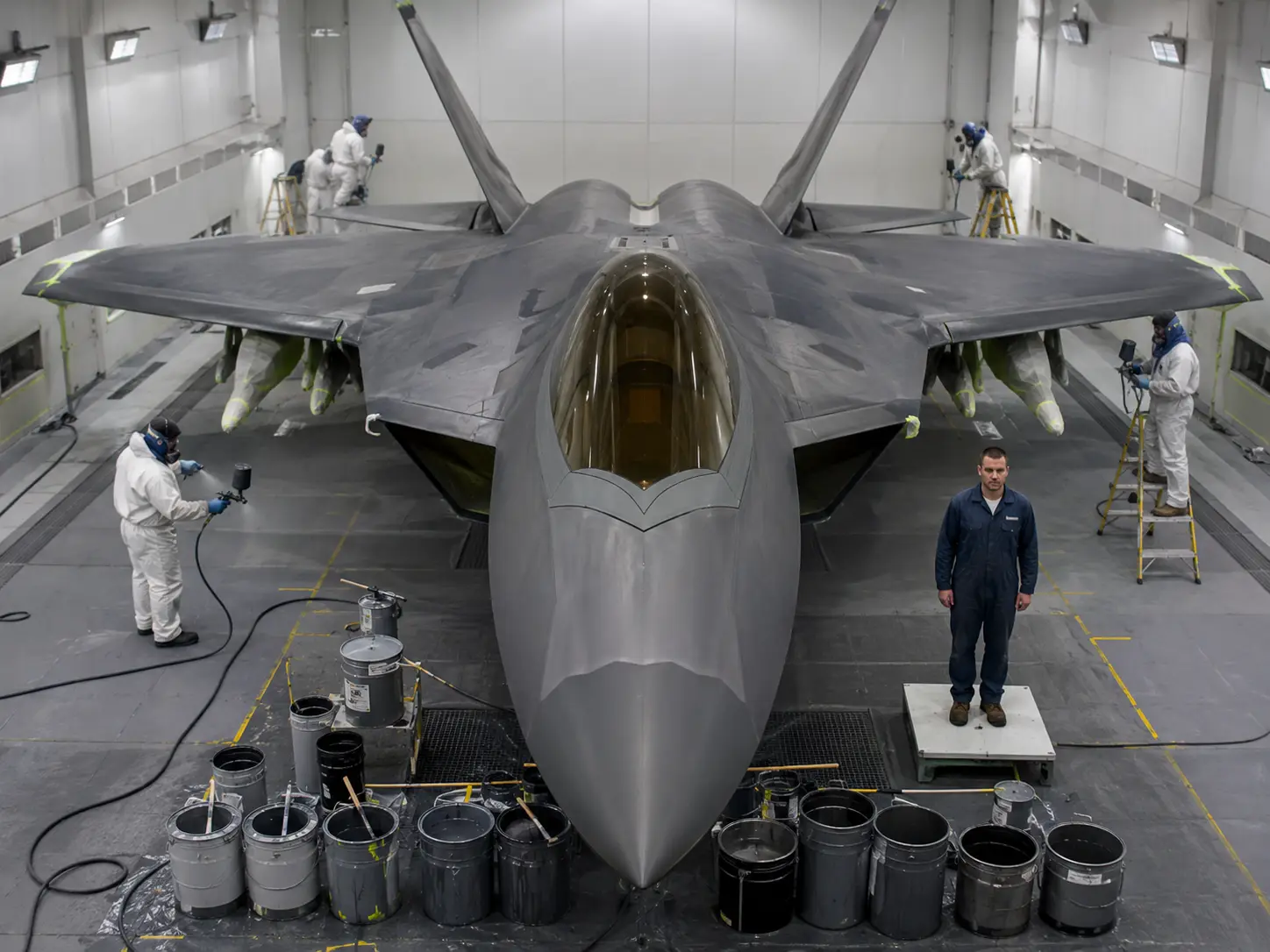
Withstands 1,649°C extreme heat
The internal turbine stages must survive scorching inlet temperatures approaching 3,000°F (1,649°C) during sustained supersonic missions. To prevent mechanical failure under such intense heat, the high-pressure turbine relies on single-crystal superalloy blades. Fabricating these specialised airfoils with advanced internal cooling demands intricate vacuum manufacturing processes.
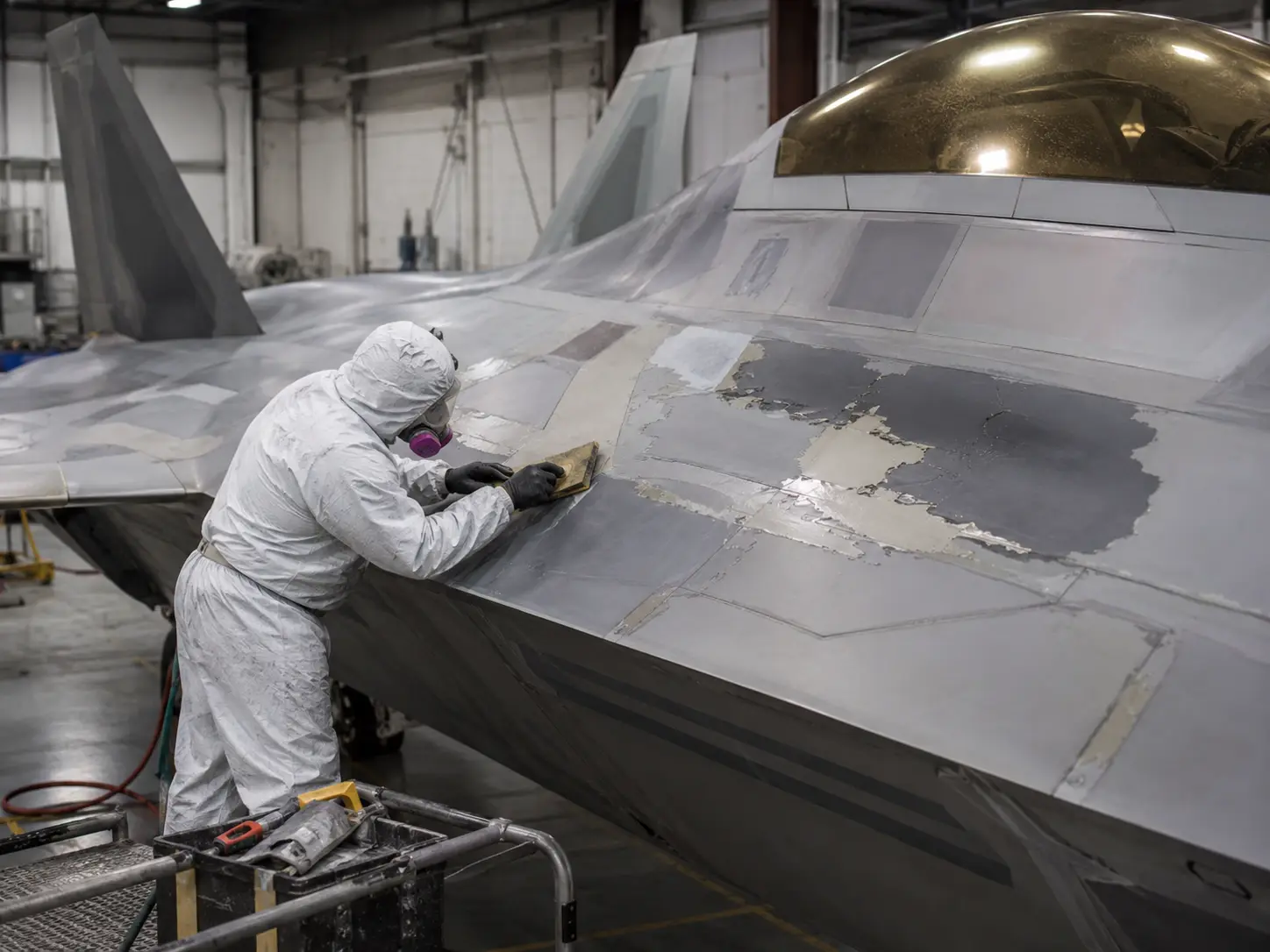
Vectors thrust 20 degrees
Unlike conventional fixed-nozzle jet engines, the F119 features a two-dimensional exhaust nozzle that pivots up or down by 20 degrees. This mechanical vectoring redirects the high-pressure jet blast, giving the aircraft exceptional pitch authority and manoeuvrability. Precision manufacturing the tough titanium and heat-resistant alloys required for these moving flaps adds millions in cos
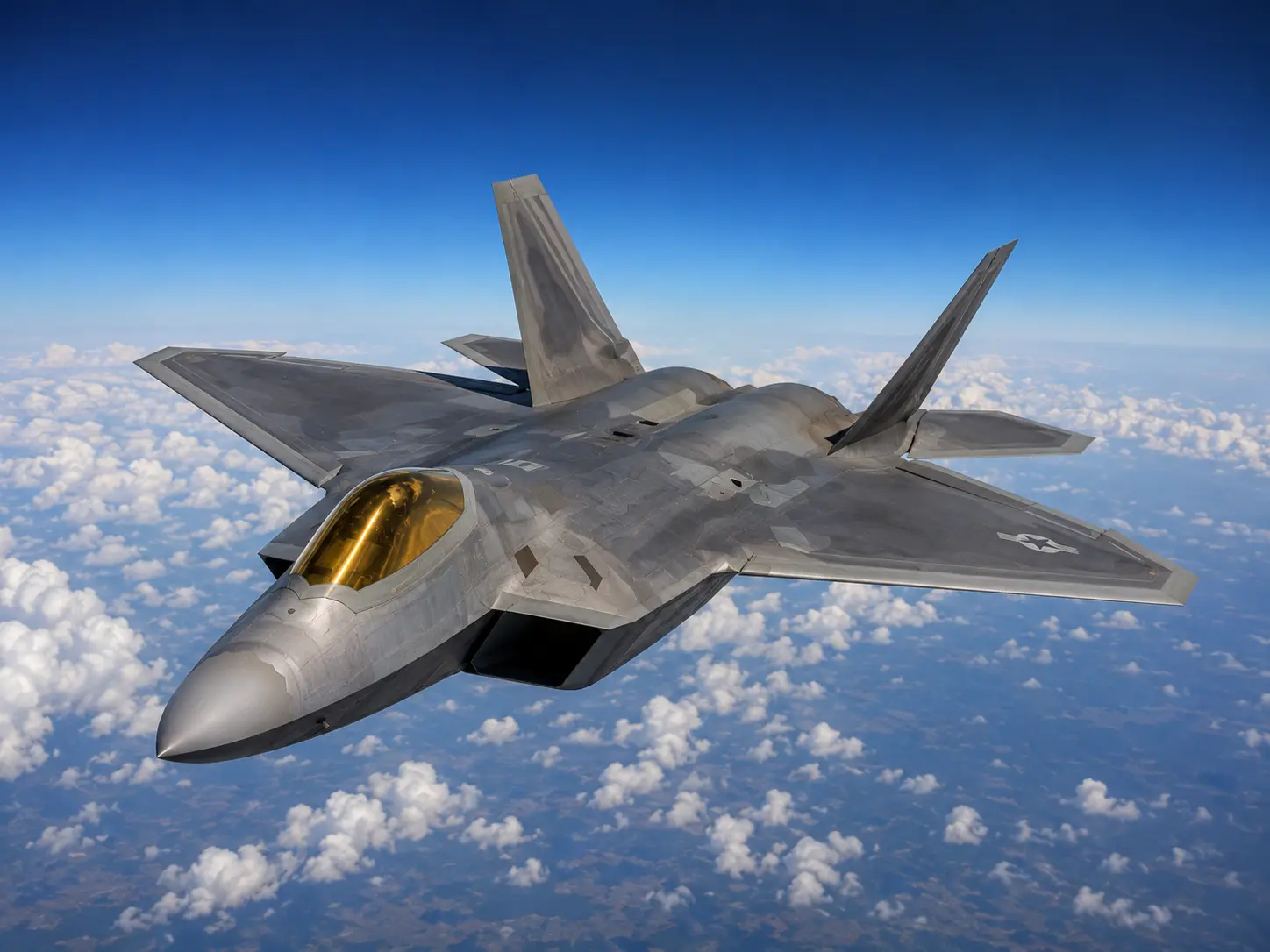
Outputs 35,000 pounds peak thrust
The power plant is engineered to push the heavy fighter to supersonic speeds of Mach 1.8 without using fuel-draining afterburners. Delivering this unaugmented supercruise alongside 35,000 pounds of peak afterburning thrust requires counter-rotating core turbines and integrally bladed fan disks. The complex digital electronic controls managing these dual parameters make the unit a high-cost asset.
)
)
)
)
)