Why a fighter jet burns over 3,000 litres of fuel per hour

Fighter jets burn between 2,500 and 9,000 litres of fuel per hour depending on aircraft type and flight conditions. Engine power, afterburner systems, and supersonic speeds dramatically increase consumption.

The Baseline Numbers - Fighter Jet Fuel Consumption Figures
The F-16 Fighting Falcon consumes approximately 2,800 to 3,028 litres per hour during standard cruising flight without afterburner activation. This consumption figure increases dramatically during high-intensity manoeuvres or when pilots engage the afterburner, where consumption can exceed 9,000 litres per hour. The Rafale fighter jet consumes roughly 2,500 litres per hour at efficient cruise speed and altitude, but consumption can increase to 9,000 litres during combat manoeuvres. The F-35 Lightning II, the newest generation fighter, burns approximately 5,678 litres per hour during normal operations. These figures demonstrate that fuel consumption is not constant but varies dramatically based on flight conditions, speed, altitude, and aircraft weight.
Engine Power Requirements - Why Massive Thrust Demands Fuel
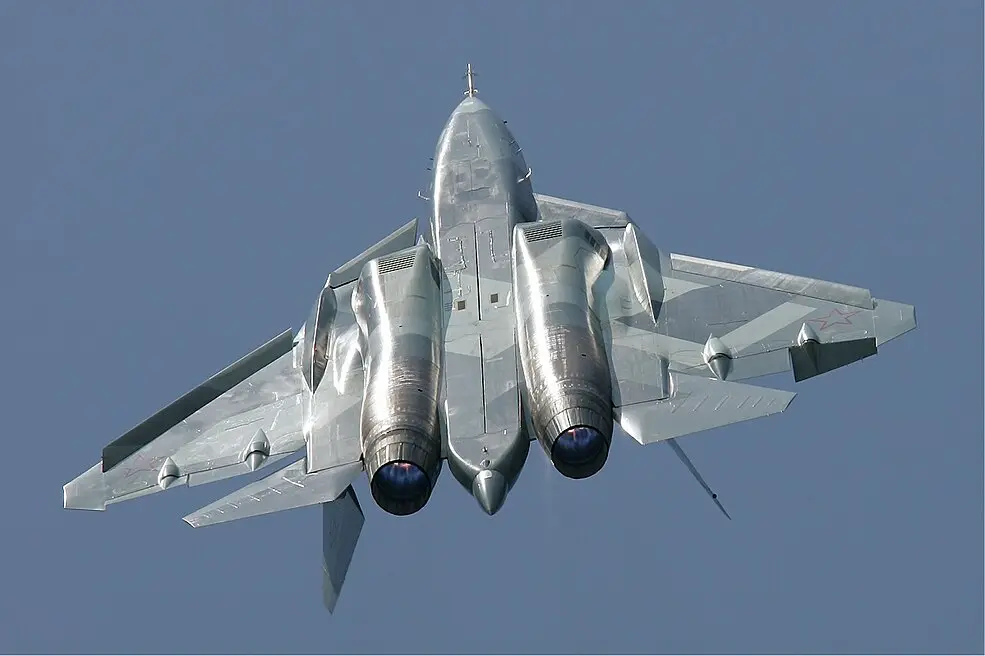
Fighter jet engines prioritise performance over fuel efficiency. A General Electric F110 engine, standard in advanced F-16 variants, produces 28,000 pounds of thrust. This is equivalent to the weight of approximately 40 cars concentrated into engine power. The F-35's Pratt & Whitney F135 engine generates 43,000 pounds of thrust with afterburner engagement. Producing such enormous thrust requires continuous, intense fuel combustion. Commercial aircraft engines, by contrast, prioritise efficiency and burn significantly less fuel per hour. Military aviation accepts substantial fuel consumption as the necessary cost of having the speed and acceleration capability required for combat operations.
The Afterburner Effect - Fuel Consumption Multiplied Instantly
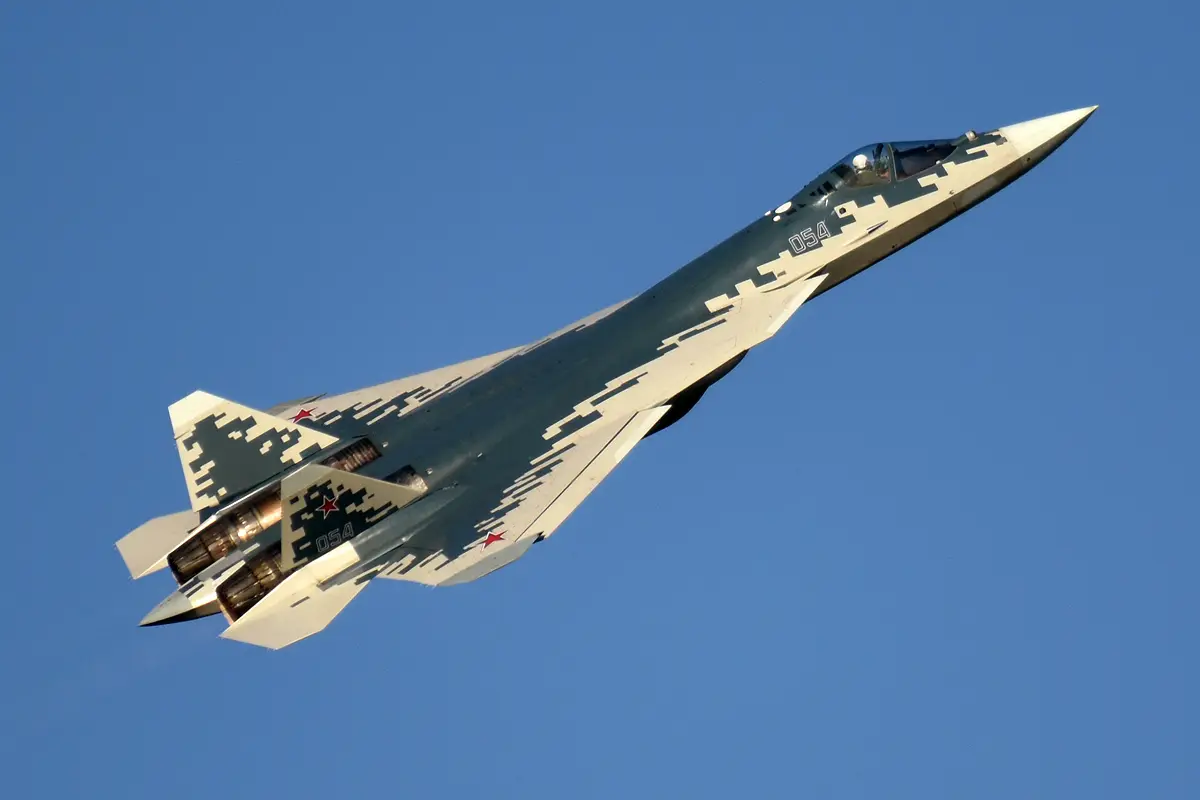
An afterburner injects additional fuel directly into an aircraft's exhaust stream, creating a dramatic thrust boost for rapid acceleration or emergency situations. When an F-16 pilot activates afterburner, fuel consumption jumps from 2,800 litres per hour to over 9,000 litres per hour - more than tripling consumption instantly. The Rafale fighter jet's consumption spikes similarly from 2,500 litres during normal flight to 9,000 litres or more with afterburner engaged. This technology allows aircraft to accelerate from subsonic to supersonic speeds in seconds - a critical tactical advantage. However, afterburner exhausts fuel reserves rapidly; a fighter carrying 10,000 litres internally can sustain full afterburner operation for only 25 to 30 minutes before fuel depletion forces engine shutdown.
Aerodynamic Drag and Speed - Why Faster Flight Burns More Fuel
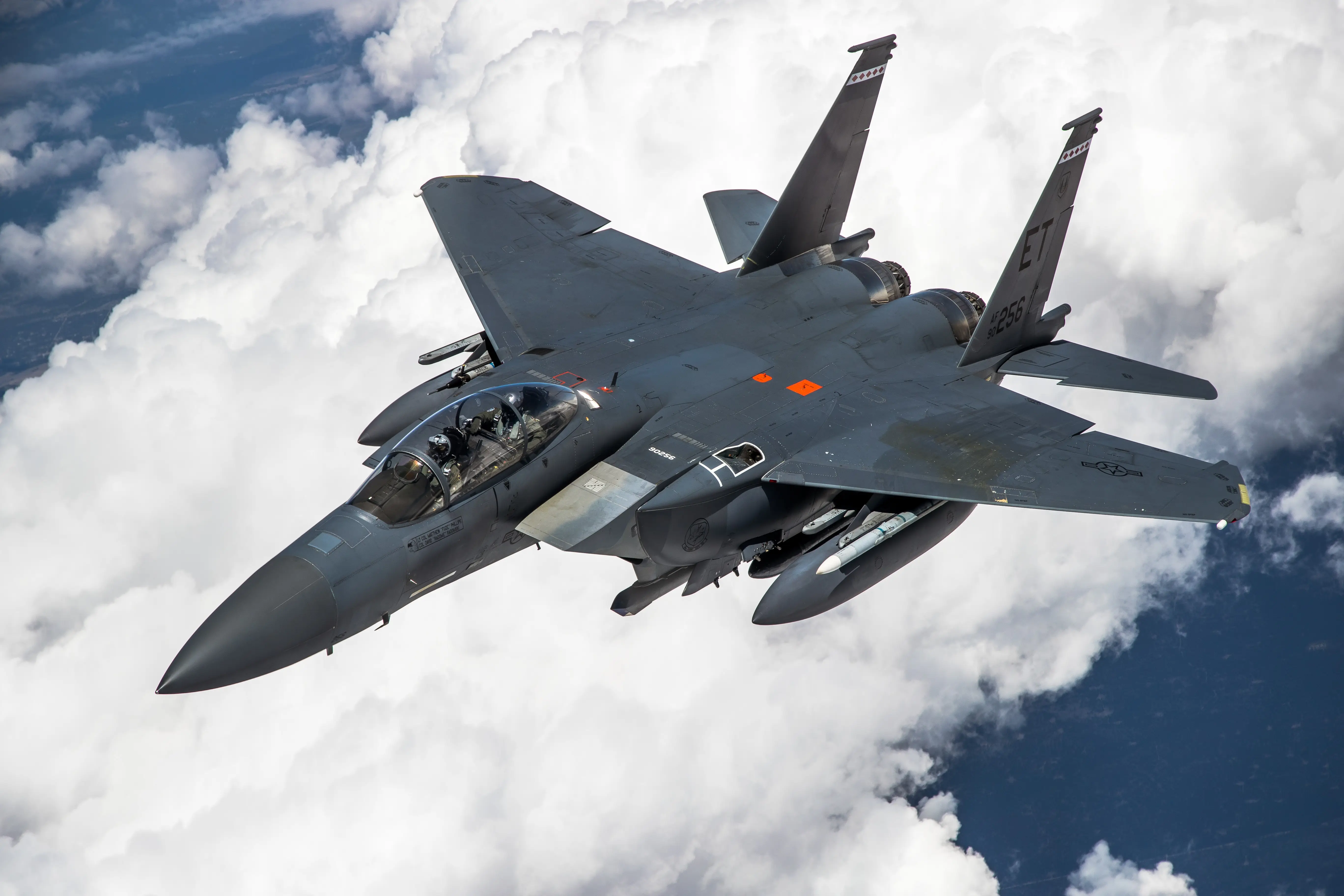
Aerodynamic drag - air resistance - increases proportionally to the square of velocity. When an aircraft doubles its speed, aerodynamic drag increases by a factor of four, requiring four times more engine power and fuel consumption. The Rafale demonstrates this principle: flying at subsonic cruise speed around 900 kilometres per hour, it consumes 2,500 litres per hour. Flying at supersonic speeds increases consumption to three or four times higher figures. Fighter jets typically cruise at subsonic speeds for maximum efficiency, then accelerate to supersonic speeds only when tactical situations demand rapid response. This speed-fuel relationship fundamentally influences military aviation planning and mission strategy for all air forces.
Altitude Effects - How Flying Higher Reduces Fuel Burn by 30 Per Cent
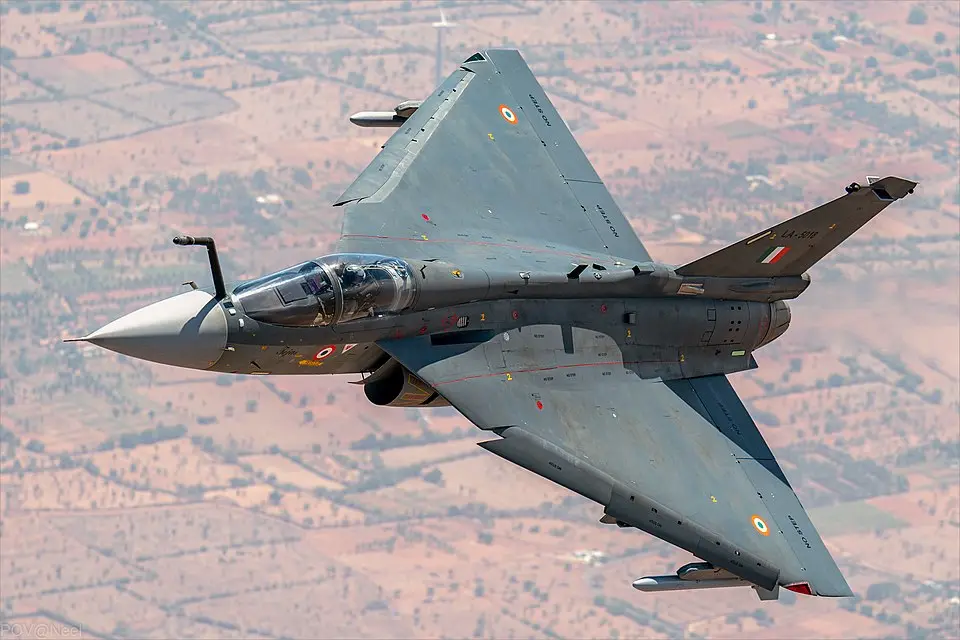
Aircraft flying at high altitude (10,000 to 15,000 metres) experience lower air density, which reduces aerodynamic drag substantially. Lower drag means engines can maintain speed using less power, directly reducing fuel consumption. Flight data shows that a fighter jet at 15,000 metres altitude can reduce fuel consumption by approximately 30 per cent compared to flying at 3,000 metres altitude. The colder air temperatures at high altitude also improve engine combustion efficiency. Air forces strategically plan missions to maximise high-altitude cruise segments and minimise low-altitude operations, thereby extending aircraft range and managing limited fuel budgets effectively.
Aircraft Comparison - F-16, Rafale, F-35 and Other Fighters
The Rafale fighter jet consumes approximately 2,500 litres per hour during efficient cruising - among the more fuel-efficient modern fighters. The F-16 consumes 2,800 to 3,028 litres per hour, offering reasonable efficiency for its capabilities. The F-35 Lightning II burns roughly 5,678 litres per hour - nearly double the Rafale's consumption. These differences reflect distinct design priorities: smaller, lighter aircraft naturally burn less fuel than larger, more heavily equipped fighters. Defence forces select specific aircraft models based on mission requirements, strategic needs, and total lifecycle costs, where fuel consumption represents an important but not solely decisive factor.
Weight and Payload Impact - How Weapons Increase Fuel Consumption
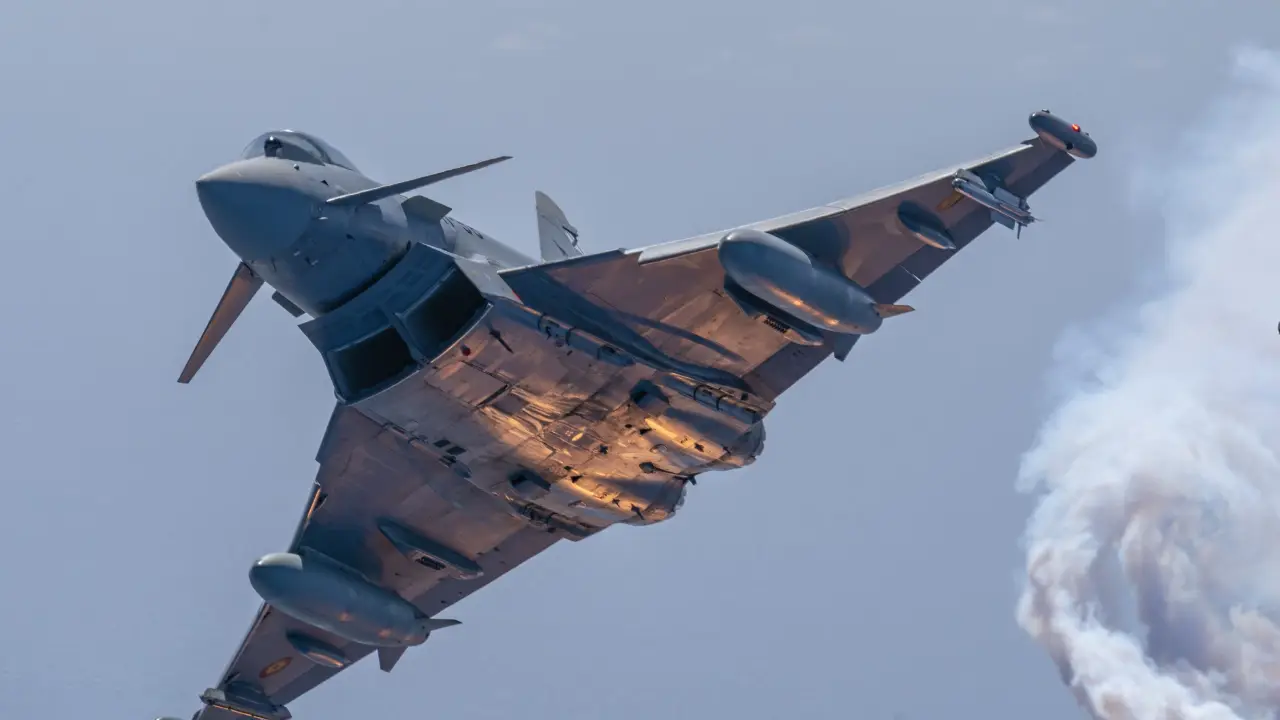
Aircraft weight directly influences fuel consumption; heavier planes require more engine power to maintain speed and altitude. A Rafale fighter carrying external weapons, targeting pods, and fuel tanks experiences increased aerodynamic drag and weight that boosts fuel consumption by 20 to 40 per cent compared to an unloaded aircraft. An F-16 with full combat payload burns noticeably more fuel than the same aircraft conducting a lightly-armed patrol mission. Air forces carefully balance weapons loads against fuel efficiency, calculating how mission requirements affect range and operational duration. This relationship between payload and fuel consumption significantly influences tactical planning and mission decisions.
Fuel System Design - Tank Capacity and Operating Range
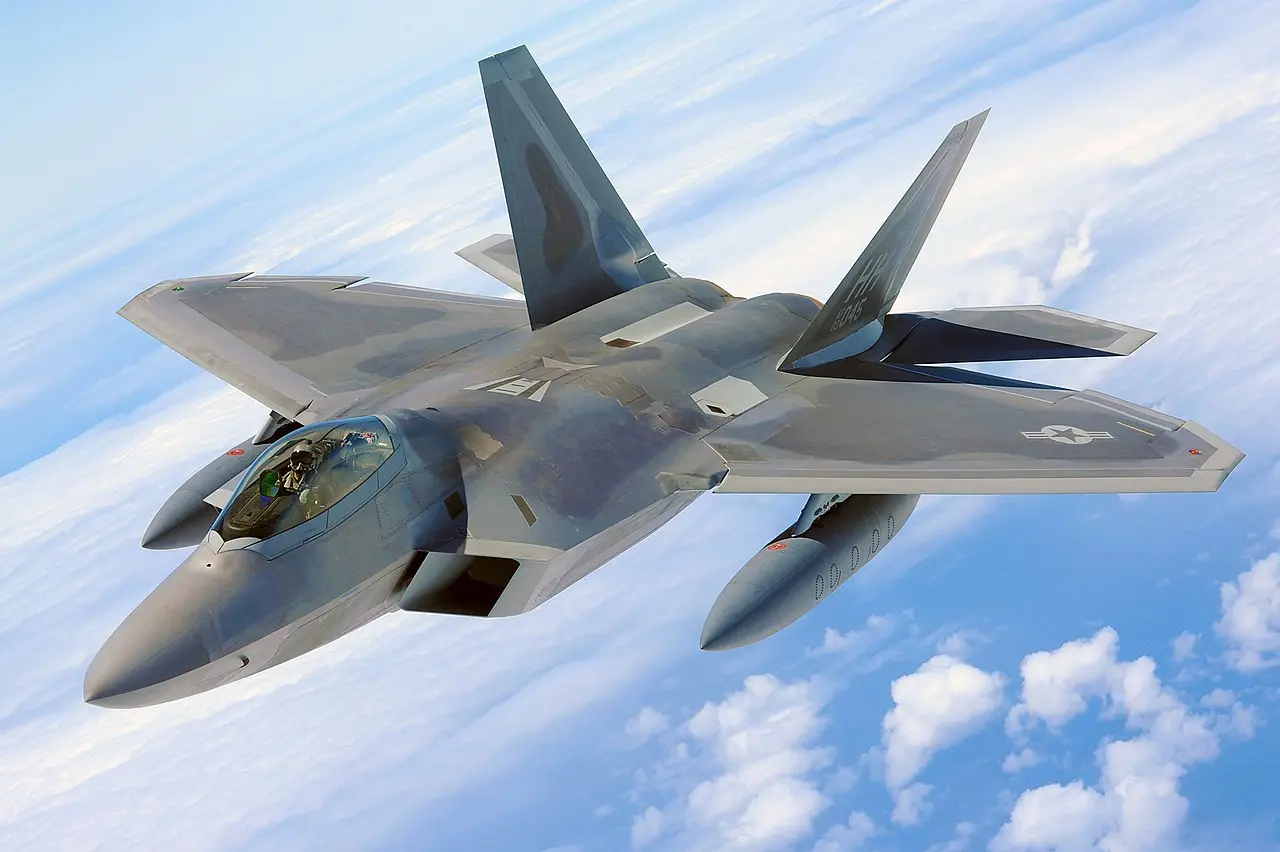
The Rafale fighter jet carries approximately 5,750 litres of fuel internally, with the capability to add external conformal fuel tanks totalling 5,700 additional litres, bringing maximum capacity to around 11,450 litres. The F-16 carries roughly 7,700 litres of internal fuel. The F-35 Lightning II has greater fuel capacity, allowing it to operate at greater ranges despite higher consumption rates. Internal fuel capacity fundamentally determines how long an aircraft can remain airborne before requiring aerial refuelling or returning to base. Pilots and mission planners calculate fuel reserves carefully, ensuring sufficient margins for emergencies and unexpected manoeuvres during combat operations.
Operational Costs - How Fuel Consumption Affects Defence Budgets
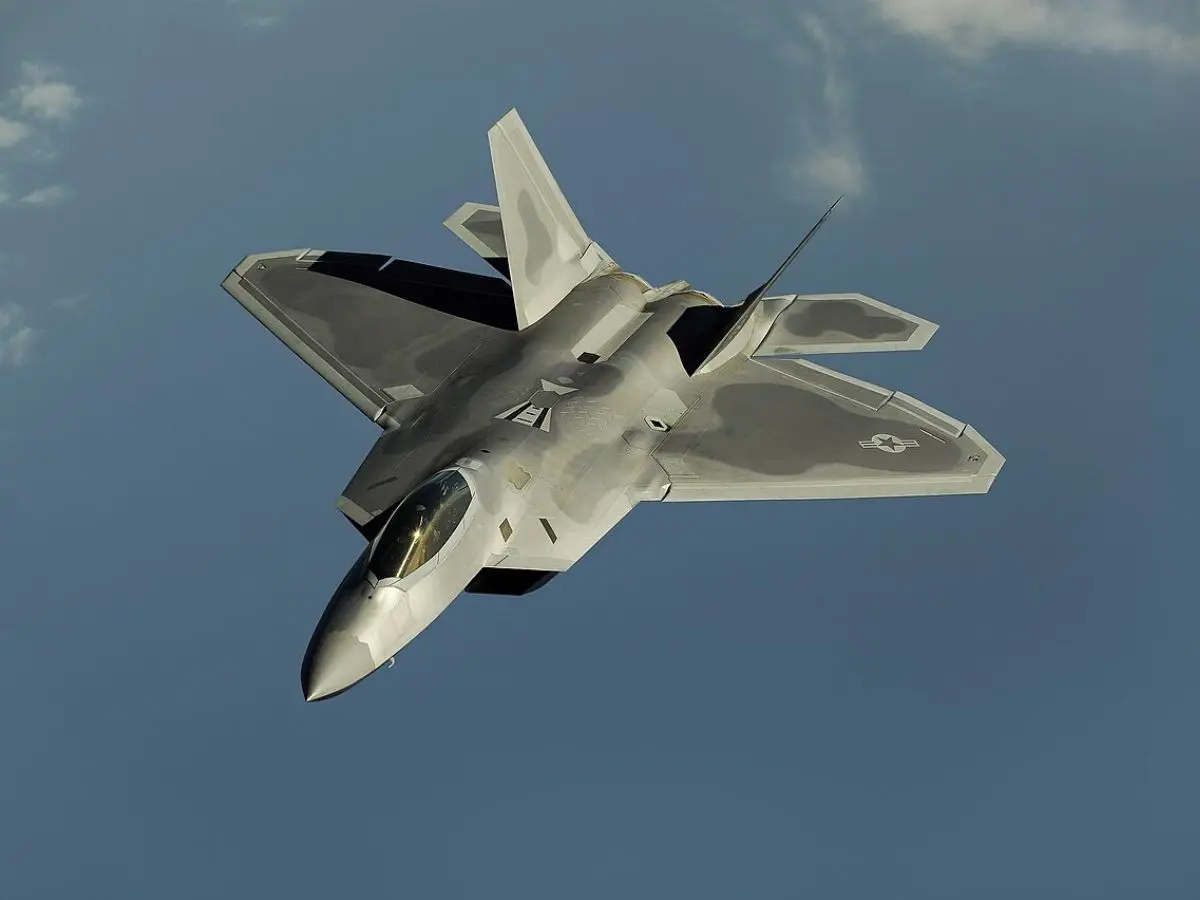
Operating a single modern fighter jet, including fuel expenses, costs millions of pounds annually. The F-16 Flying Falcon consumes approximately 2,800 to 3,028 litres per hour; extended operations consume thousands of litres per mission. The F-35 Lightning II's higher consumption of 5,678 litres per hour increases operational costs substantially. Air forces must budget for aerial refuelling operations, fuel storage infrastructure at military bases, and tanker aircraft maintenance to support fighter operations. These fuel expenses represent a significant portion of defence budgets, influencing how frequently aircraft can conduct training missions and actual operations. Understanding fuel costs helps explain defence procurement decisions and military strategy choices.
Future Technology - Will Fuel Consumption Change
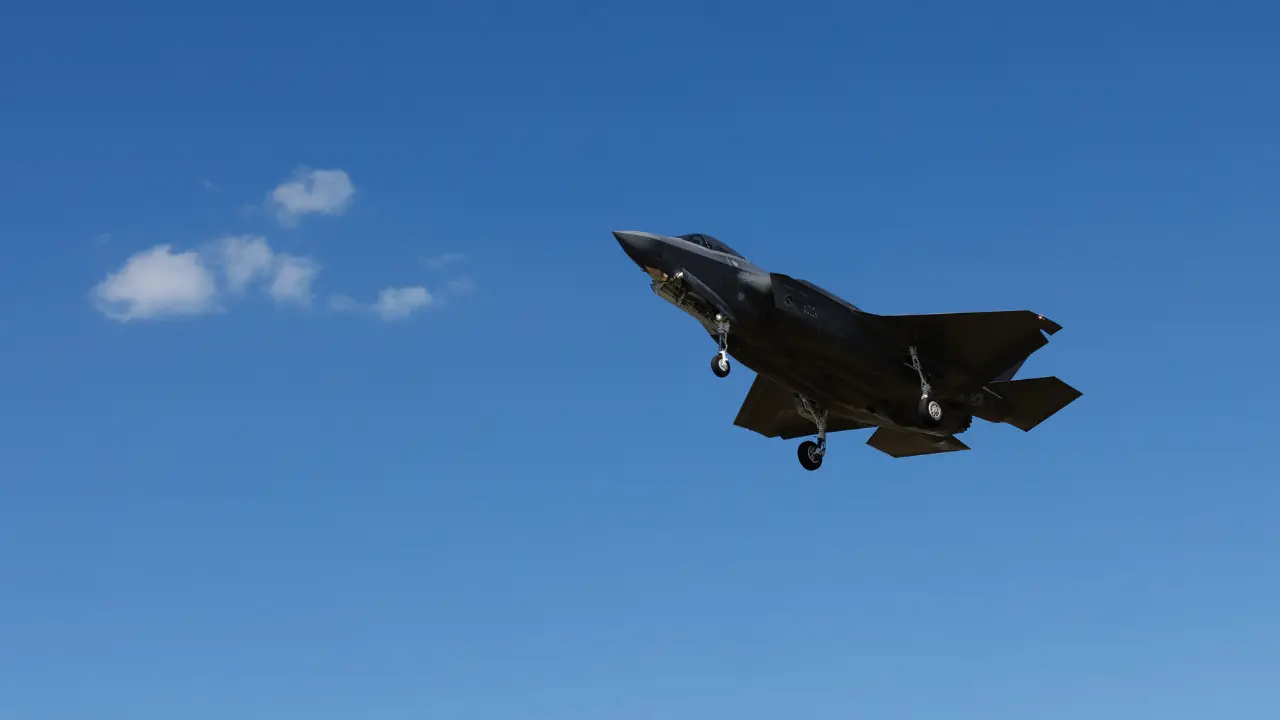
Modern military aviation research explores technologies that could improve fuel efficiency without sacrificing performance. Advanced engine designs, lightweight composite materials, and optimised aerodynamics continue evolving. However, future fighter jets will likely continue consuming thousands of litres per hour because military requirements continue demanding greater capability, speed, and manoeuvrability. Sixth-generation fighter concepts currently in development prioritise performance enhancement alongside efficiency improvements. Alternative jet fuels and improved engine combustion systems may contribute to incremental efficiency gains, but fundamental physics ensures high-performance aircraft will remain fuel-intensive. Defence forces will continue accepting substantial fuel consumption as the necessary cost of maintaining modern, capable air forces.
)
)
)
)
)