Why a $5 bolt can ground a $100 million fighter jet?

Every component in a fighter jet, from the massive engines to the tiniest fasteners, plays a critical role in keeping the aircraft flight-ready. Unlike commercial aircraft, where redundancy and scale offer some flexibility, fighter jets demand extreme precision.
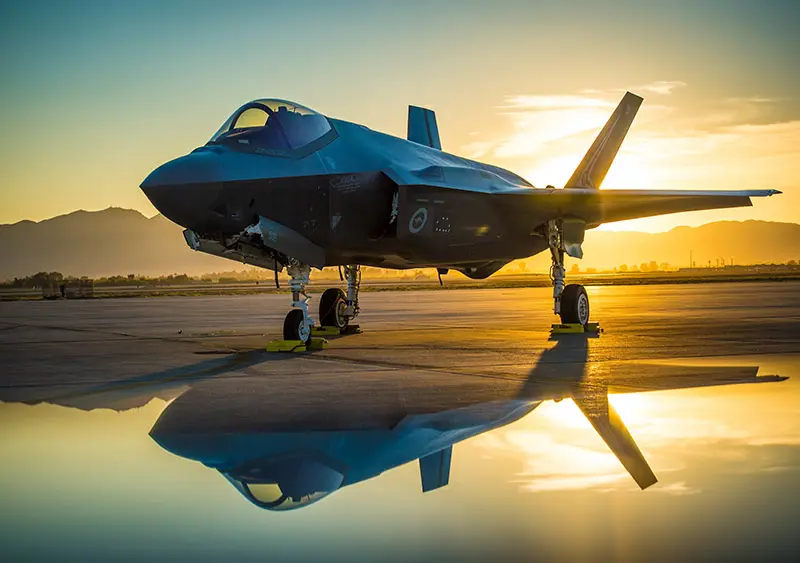
Big Machine, Small Parts
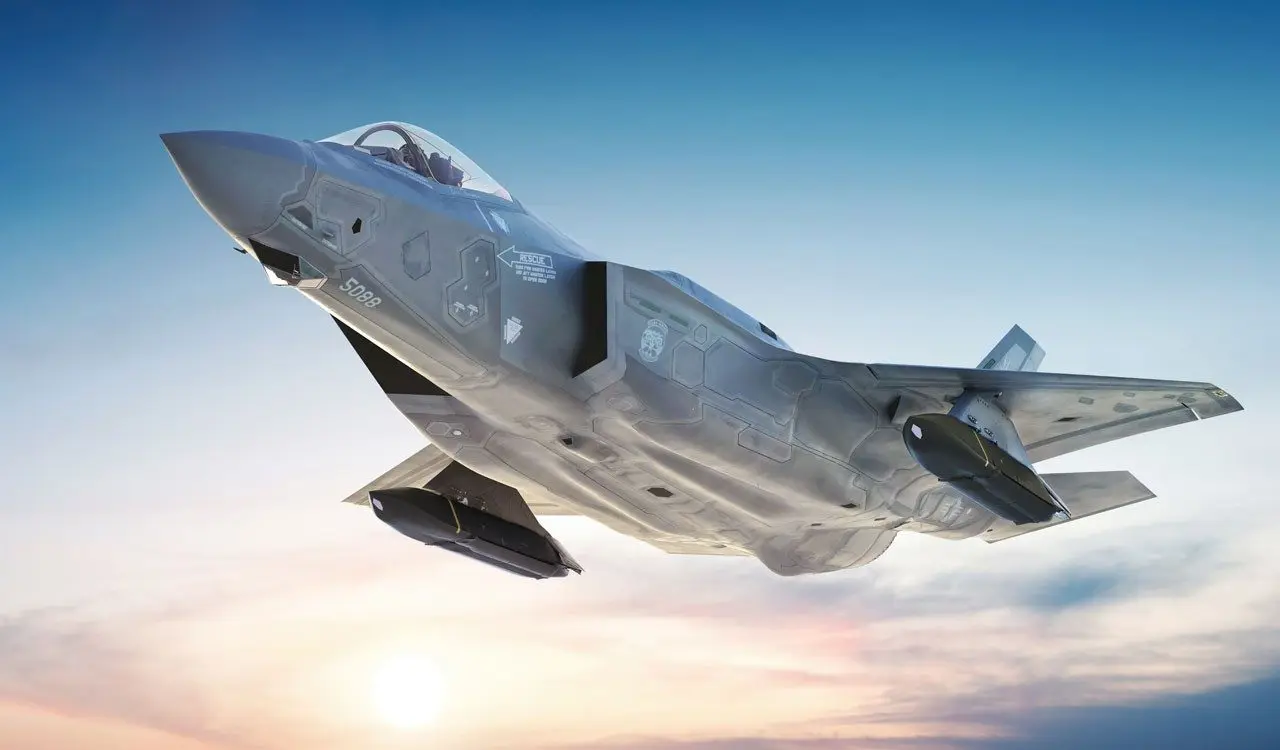
Fighter jets are some of the most expensive machines ever built, with cutting-edge jets like the F-35 Lightning II costing over $100 million apiece. But what if we told you that all it takes to stop one of these flying fortresses from taking off… is a $5 bolt? It might sound absurd, but in the high-precision world of aerospace engineering, even the smallest components can bring billion-dollar operations to a standstill.
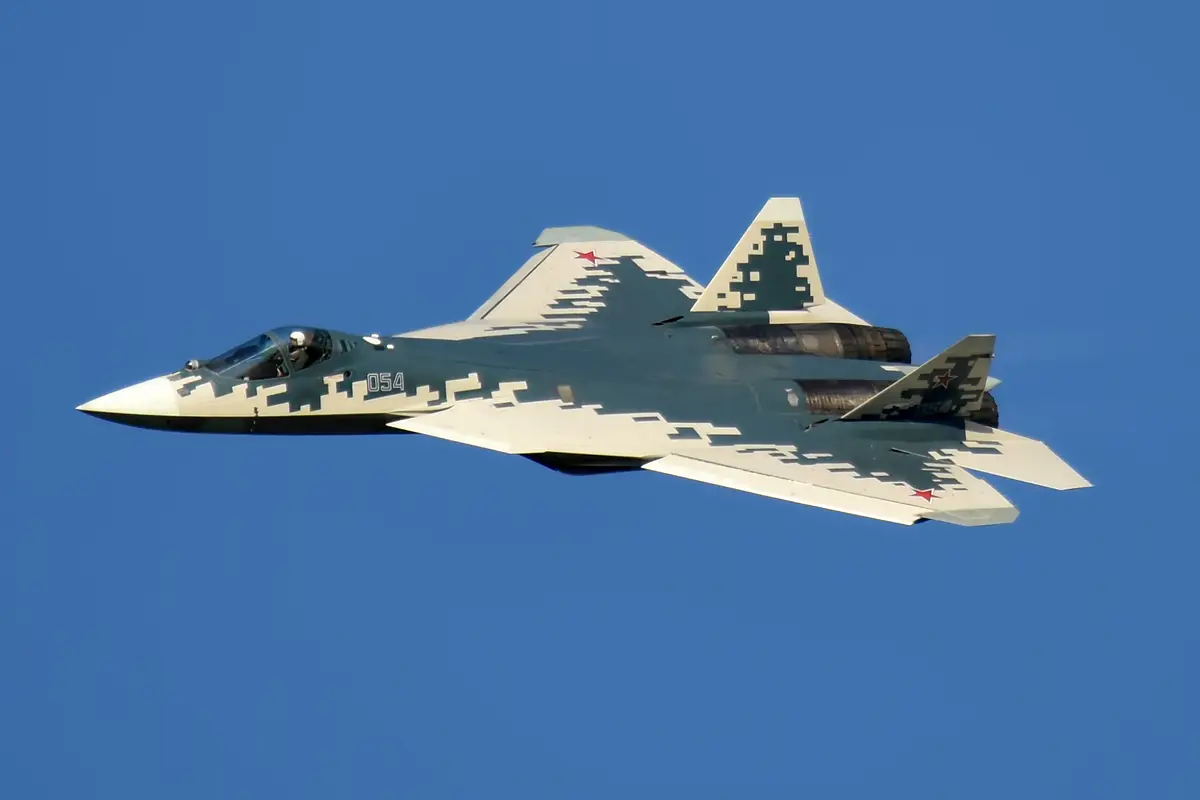
Microscopic Precision
Every component in a fighter jet, from the massive engines to the tiniest fasteners, plays a critical role in keeping the aircraft flight-ready. Unlike commercial aircraft, where redundancy and scale offer some flexibility, fighter jets demand extreme precision. That $5 bolt may be holding together part of the landing gear mechanism, an access panel, a flight-critical sensor, or a high-vibration zone in the engine bay. If it's missing, loose, or incorrectly torqued, the aircraft might be declared "non-mission capable."
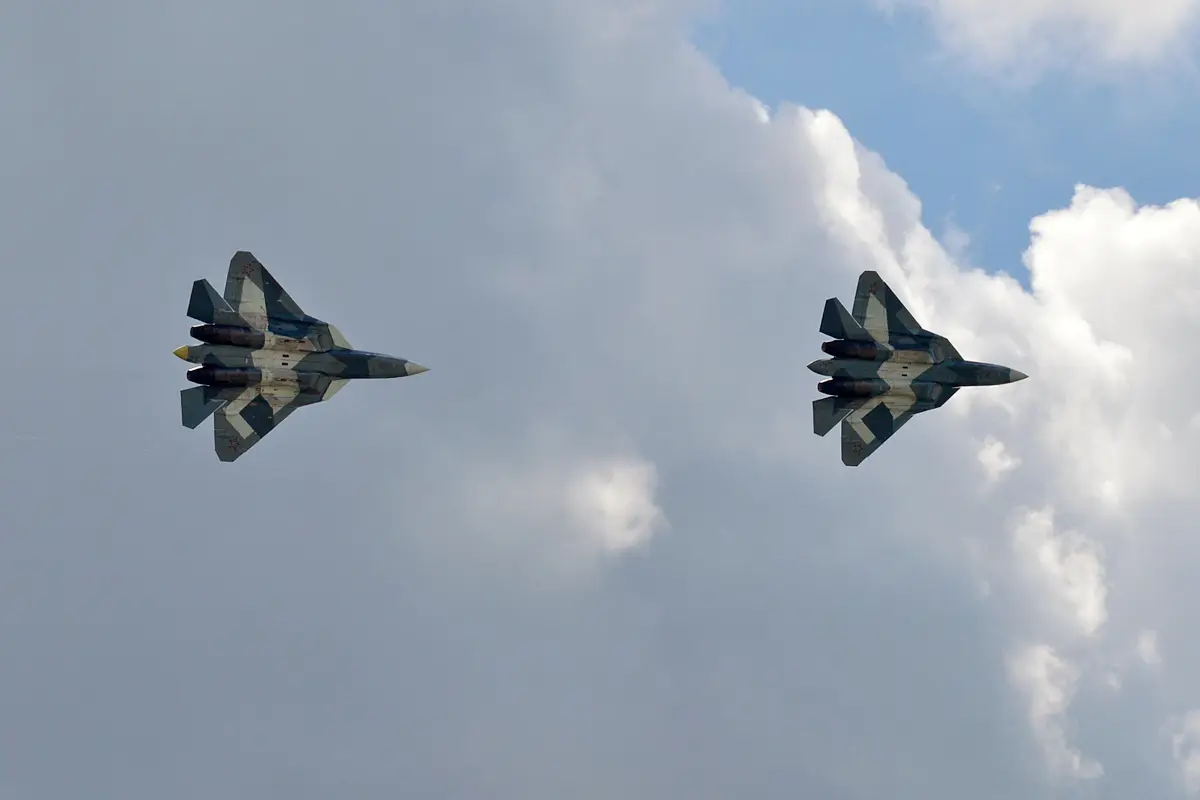
Maintenance Protocols Don’t Compromise
Military aviation follows a strict “no margin for error” rule. Fighter jets operate in high-G environments, face enemy fire, and fly at supersonic speeds, where even a minor component failure could lead to catastrophic consequences. That’s why every fastener, bolt, washer, and wire must be accounted for. During pre-flight checks, if even one bolt is found damaged, loose, or out of spec, the aircraft is grounded, no exceptions.
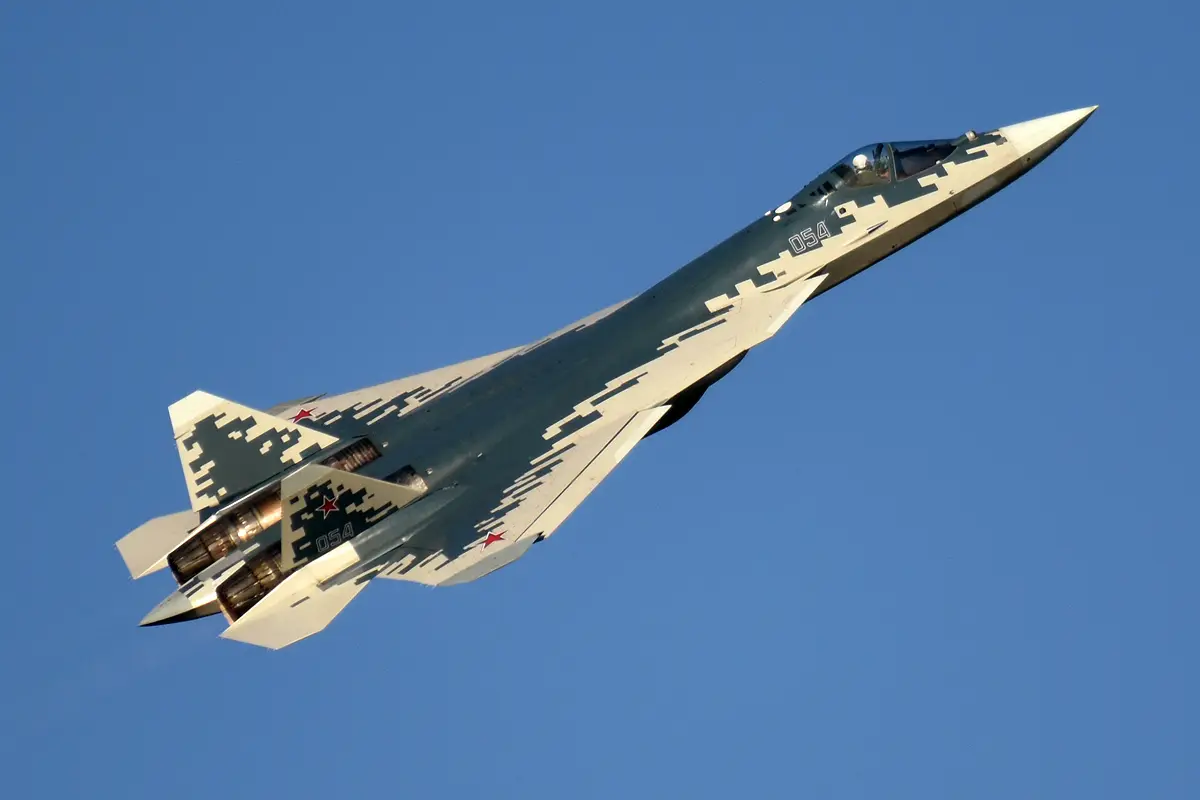
The $5 Part with a $5 Million Price Tag
Imagine a scenario where a small bolt on the leading-edge flap actuator of a fighter jet fails mid-flight. That could throw off aerodynamic balance, force an emergency landing, or cause structural damage worth millions. Worse, it could endanger the pilot. That’s why parts costing mere dollars are sometimes treated with the same urgency as missiles or engines. The cost of neglect is far higher than the cost of a delay.
Grounded Over a Missing Screw?
It’s not rare, in fact, aircraft being grounded over a tiny part is common. In 2019, a fleet of U.S. Navy F/A-18s was grounded because of missing retaining pins. The Indian Air Force’s Sukhoi Su-30MKIs have occasionally faced delays due to issues with small imported components. In many modern aircraft, sourcing even the simplest part can involve supply chains, documentation, and international regulations, turning a $5 delay into a multi-day operation pause.
Small Part, Big Problem
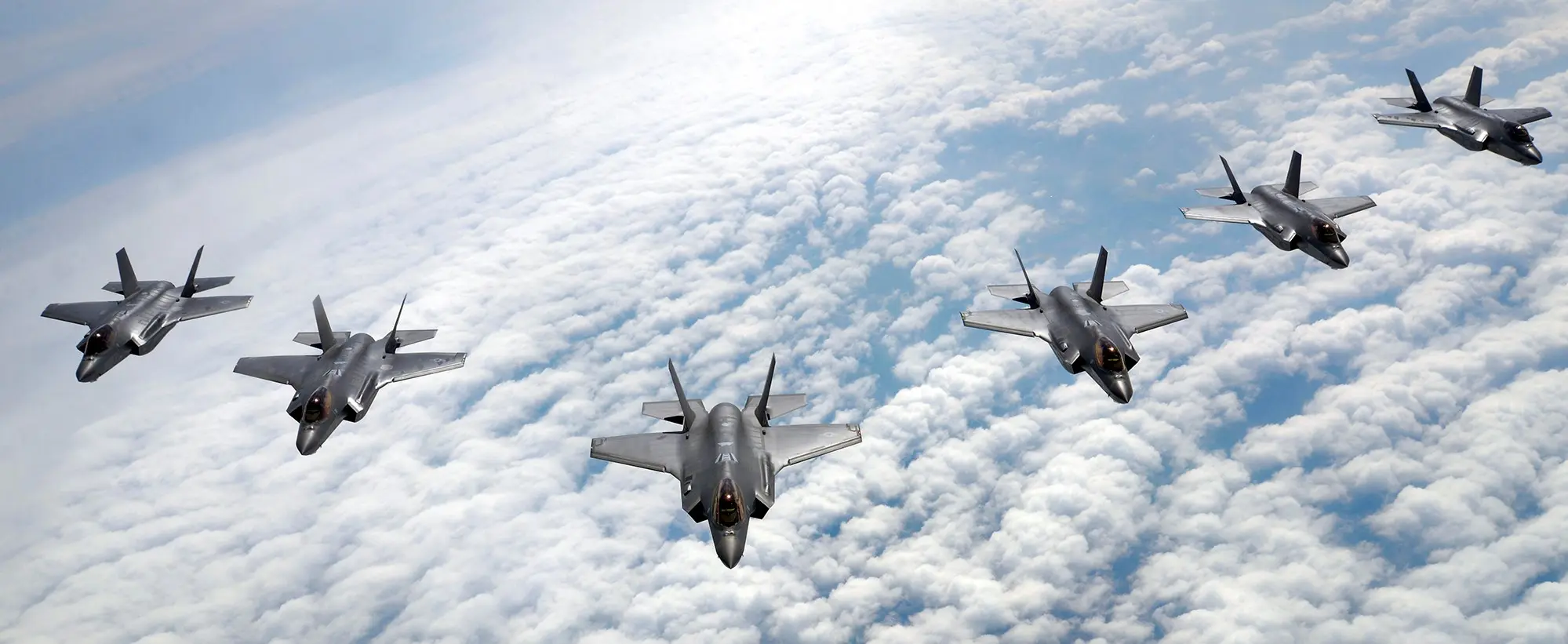
In fighter aviation, small parts have big responsibilities. That humble $5 bolt might look insignificant, but its absence could mean a cancelled mission, a grounded fleet, or millions in repair costs. Fighter jets aren’t just about missiles and engines, they’re about perfection at every level. Because in the sky, everything matters, especially the smallest things.
)
)
)
)
)