Why 5th-gen fighter jets like Su-57 and F-35 are already outdated for warfare

Countries are developing integrated air defence systems with networked radars, infrared sensors, and missiles. These networks can reduce the survivability of even advanced stealth jets in contested airspace.
Escalating Costs vs. Limited Numbers
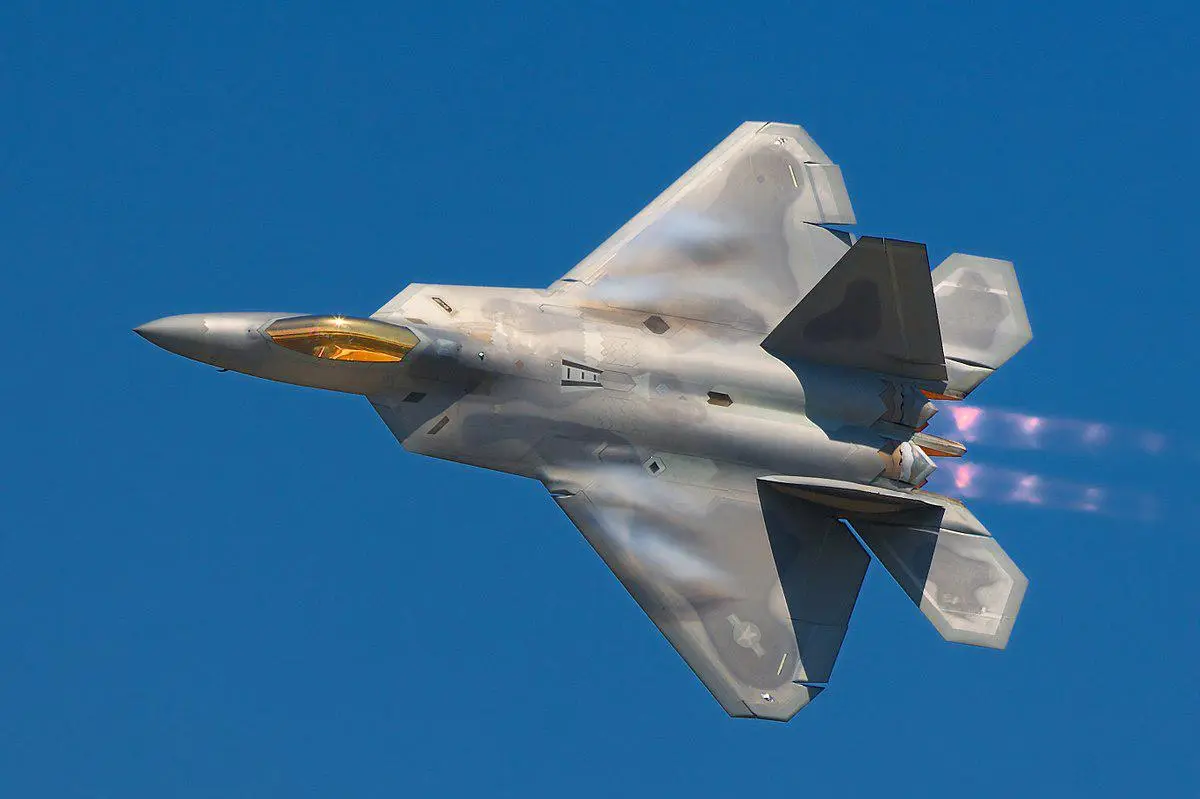
Fifth-generation fighters such as the Su-57 or F-35 are extremely expensive to design, build, and maintain. Air forces often end up with fewer aircraft than planned, reducing their ability to sustain large-scale air campaigns.
Stealth Works Only in Specific Conditions
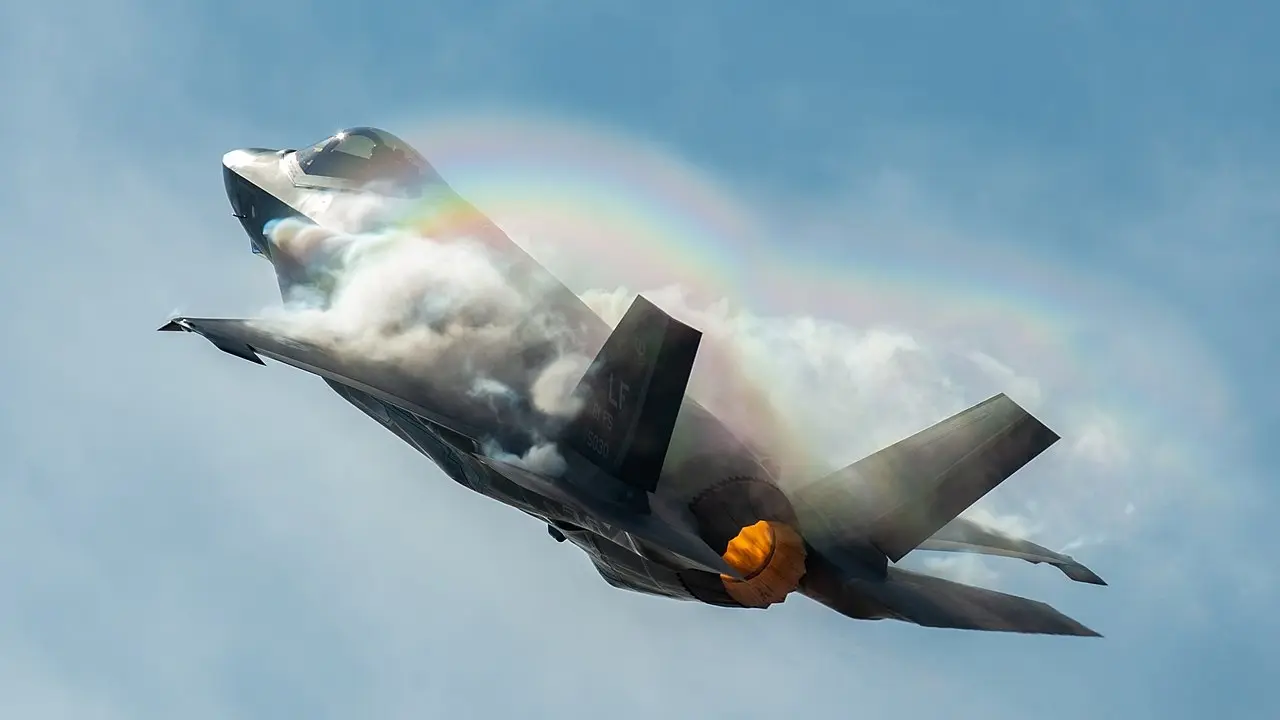
Stealth coatings and designs are optimised against certain radar bands. Modern radar systems using low-frequency bands or passive detection can still pick up stealth aircraft, reducing the practical advantage of “invisibility.”
Maintenance Burden
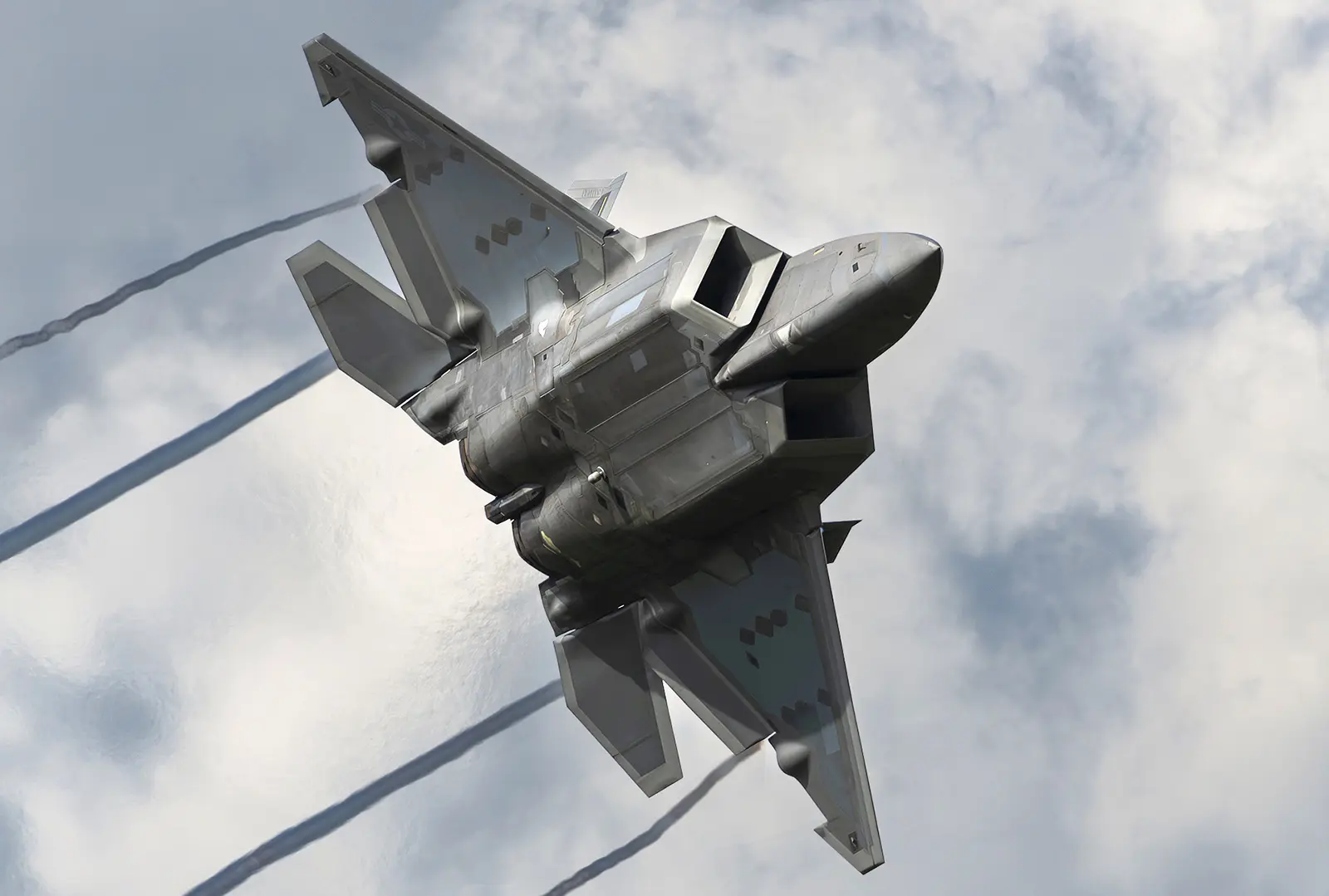
The radar-absorbing coatings and complex electronics demand constant maintenance. This means lower readiness rates, with many jets often grounded instead of being combat-ready.
Vulnerability in Modern Air Defence Environments
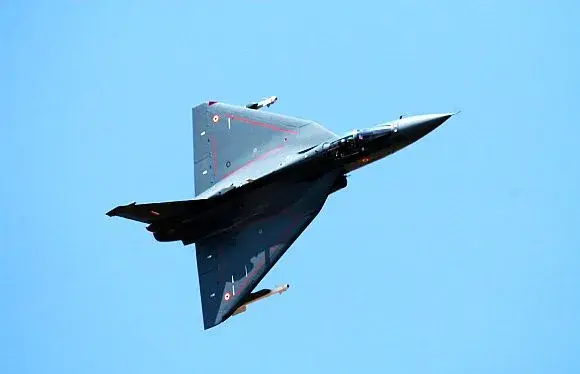
Countries are developing integrated air defence systems with networked radars, infrared sensors, and missiles. These networks can reduce the survivability of even advanced stealth jets in contested airspace.
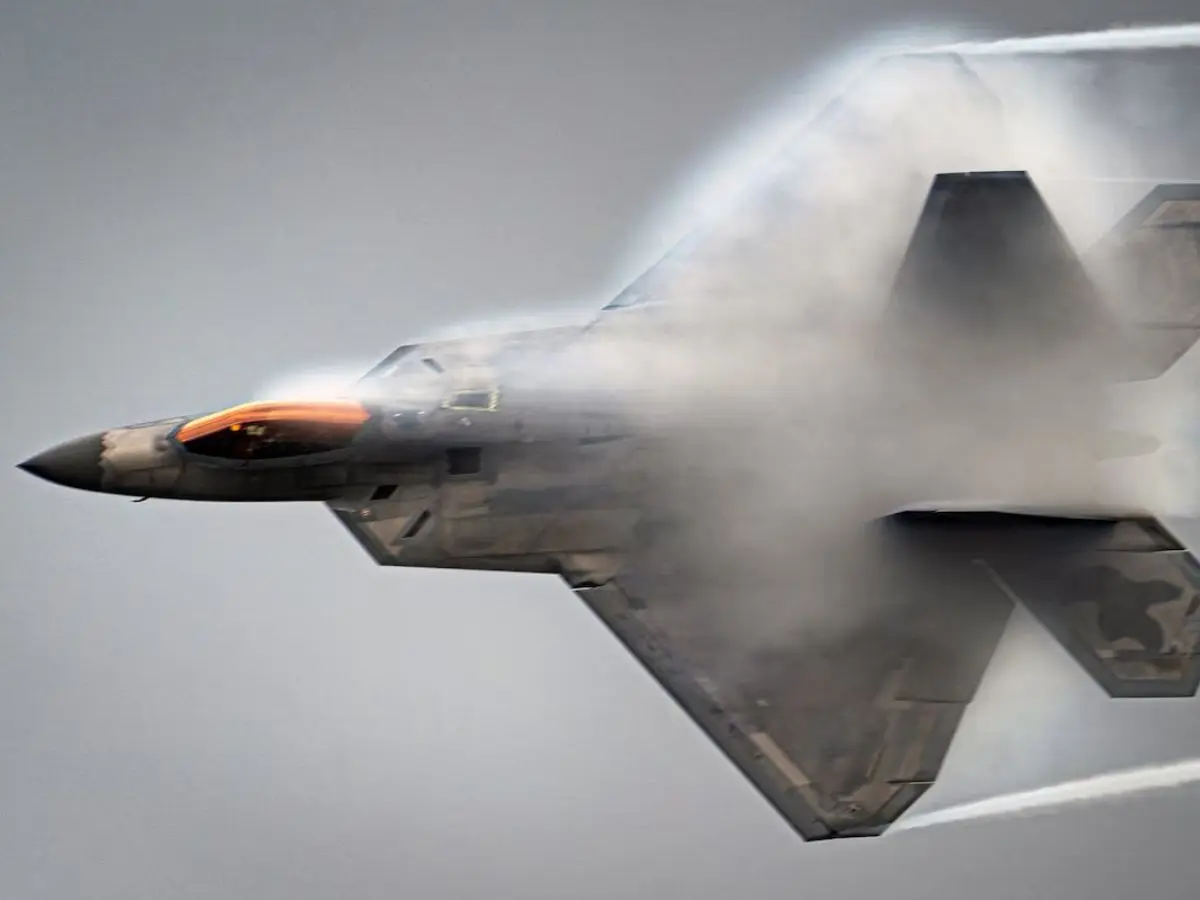
Dependence on Secure Data Networks
Fifth-generation jets rely heavily on data links, satellites, and sensor fusion. If these networks are jammed or disrupted in war, the aircraft lose much of their advantage.
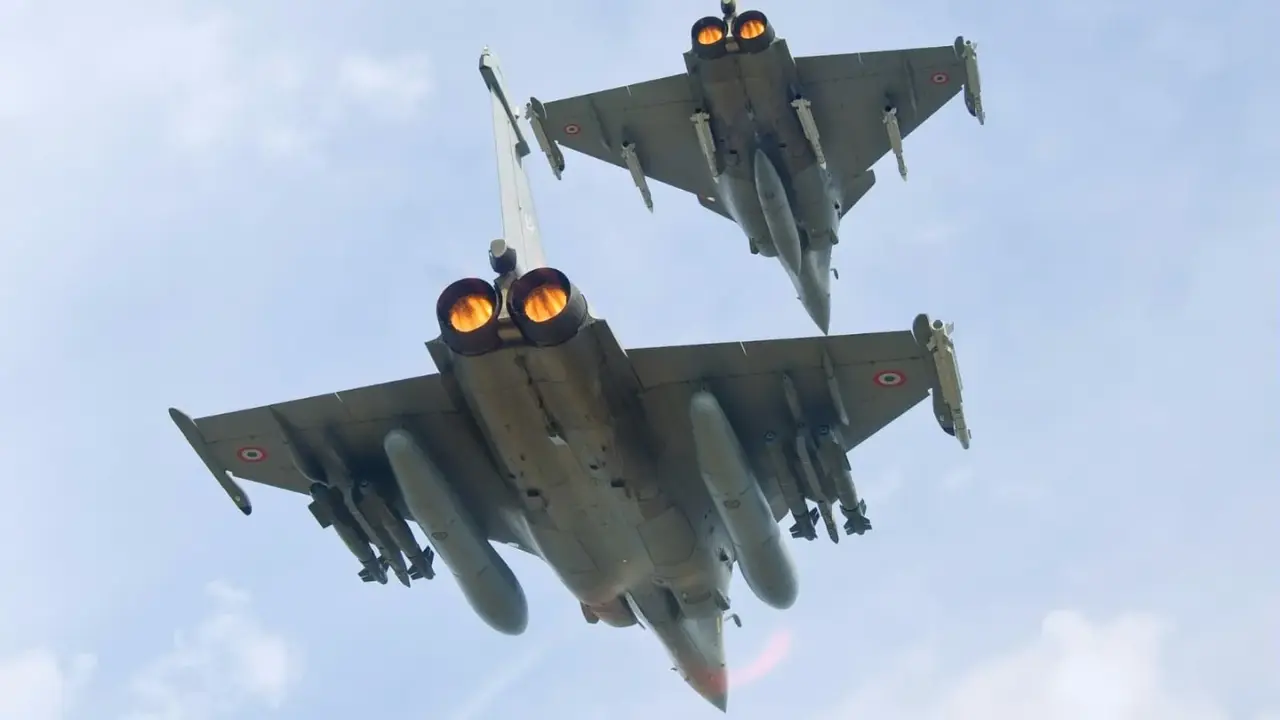
Diminishing Returns Against Drones and Missiles
Cheap drones, cruise missiles, and electronic warfare systems are changing the battlefield. Deploying a billion-dollar stealth jet against low-cost swarms often makes little sense strategically.
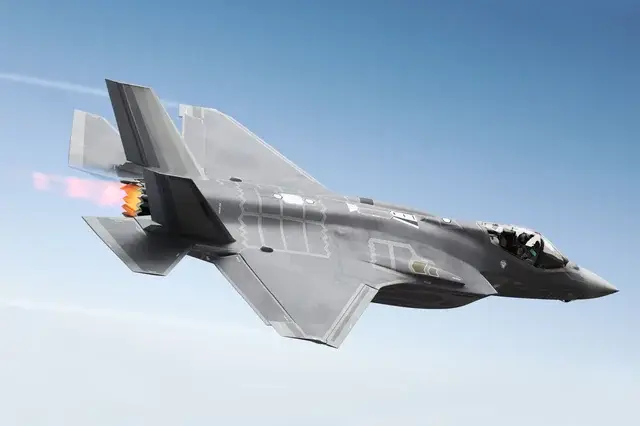
Shift Toward 6th Generation and Unmanned Systems
Many air forces are already investing in sixth-generation fighters and unmanned “loyal wingman” drones. These platforms could outperform current fifth-generation aircraft in cost-effectiveness and adaptability.
)
)
)
)
)