Why 50,000°C 'Firewall' isn’t a wall but a filter? Here's what NASA's Voyager data says..

By directly sampling this frontier, Voyager proved the firewall isn’t a blockade, but rather a semi-permeable filter, more like a cosmic sponge than a wall.
What Voyager Discovered at the Edge
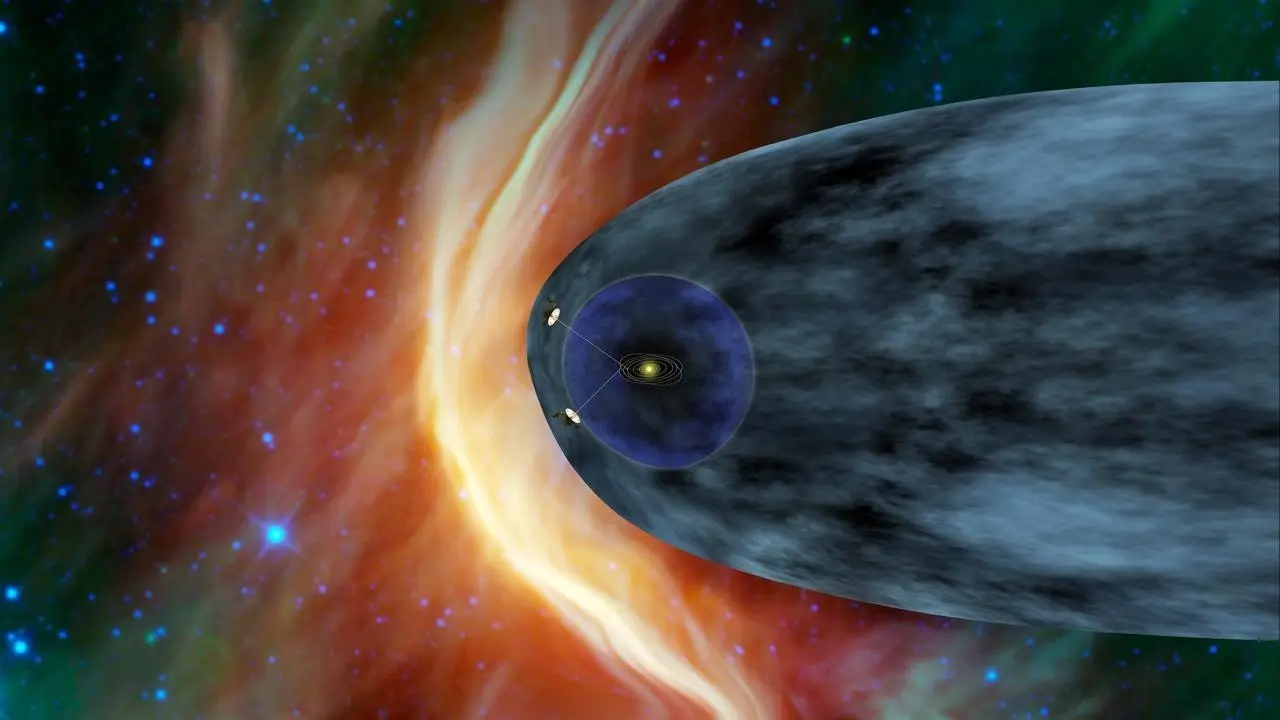
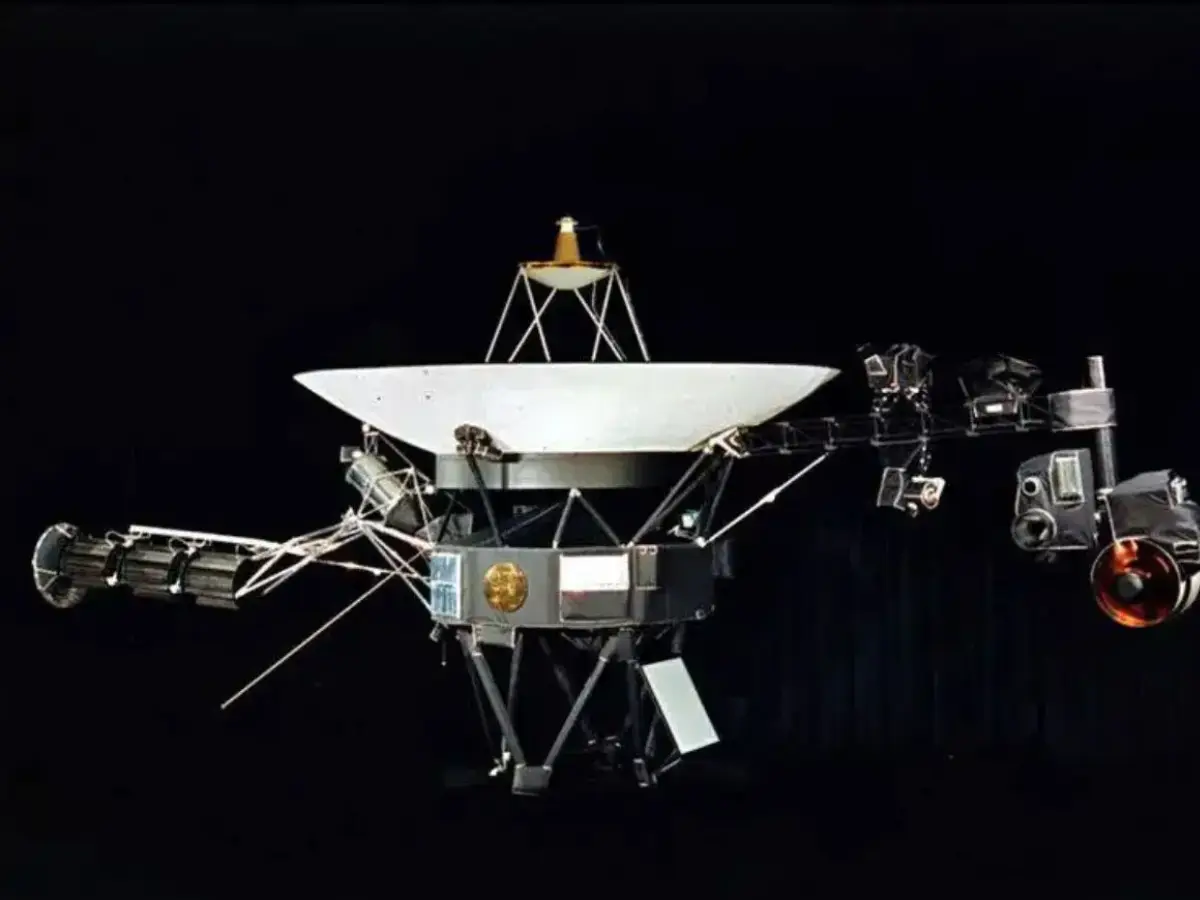
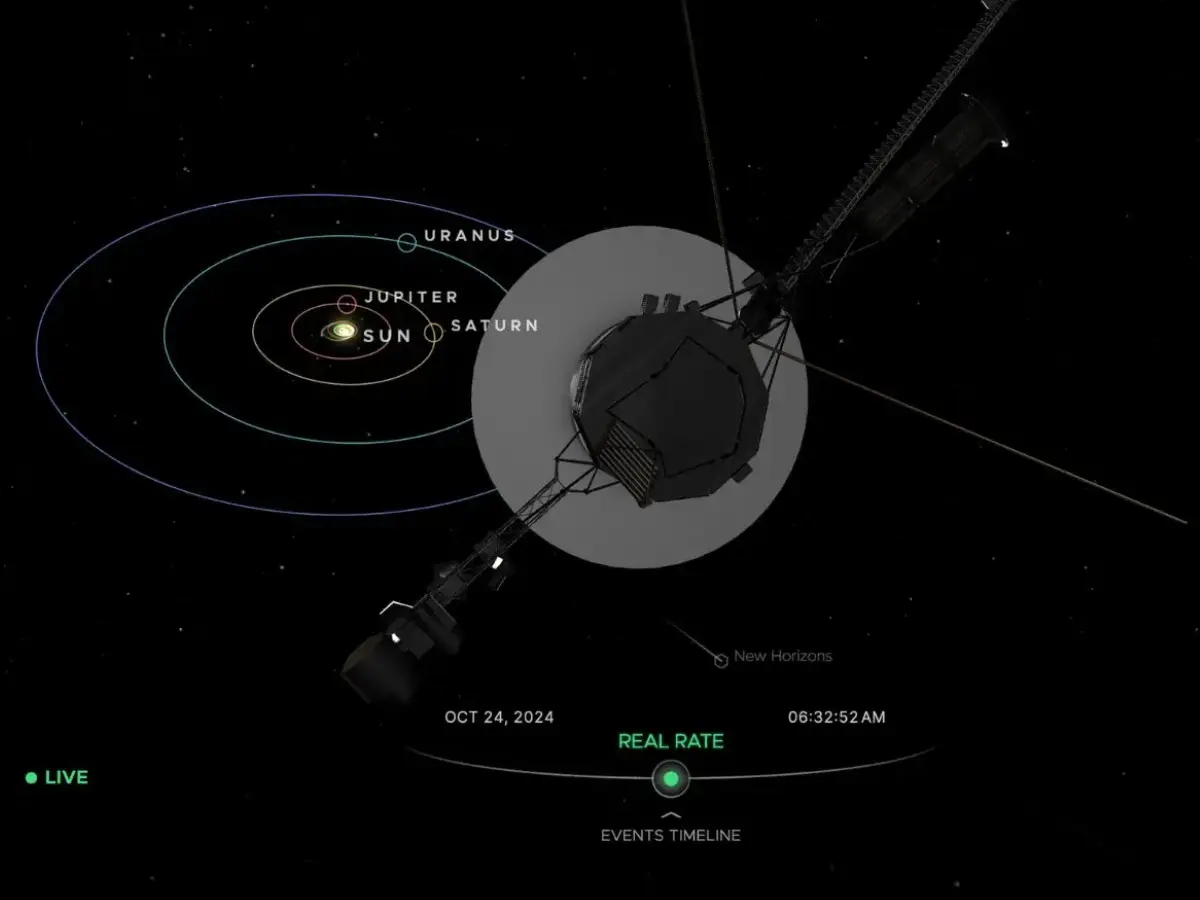
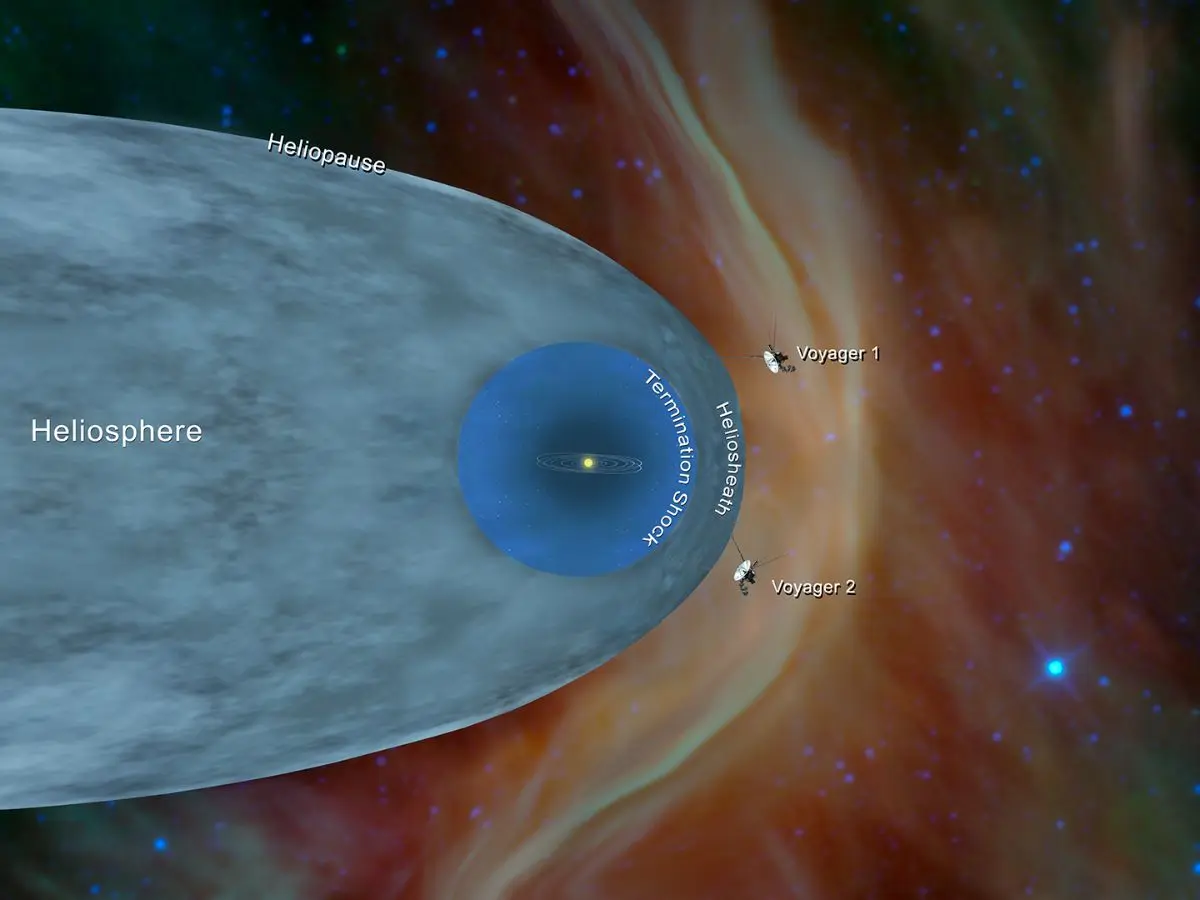
When Voyager 1 crossed the heliopause in 2012, scientists expected a sharp boundary, like hitting a cosmic wall. Instead, they found something more subtle: a layer of charged particles acting like a filter.
Not a Solid Barrier
The so-called “firewall” is not a wall of fire or a solid shield. It is a transition zone where the solar wind slows down and mixes with the interstellar medium.
Filtering Cosmic Rays
Voyager’s instruments showed that this region blocks or weakens some cosmic rays while letting others through. Much like Earth’s magnetic field filters radiation, the heliopause acts as the Solar System’s outer filter.
Why Scientists Expected a Wall
Before Voyager’s crossing, models predicted the heliopause would be a sharp, well-defined boundary. Instead, Voyager revealed that the transition was messy, layered, and dynamic.
How It Protects the Solar System
This “filter” helps reduce harmful cosmic radiation reaching the inner planets. Without it, Earth and its neighbours would face higher doses of high-energy particles.
Voyager’s Role in Changing the Picture
By directly sampling this frontier, Voyager proved the firewall isn’t a blockade, but rather a semi-permeable filter, more like a cosmic sponge than a wall.
Why This Matters for the Future
Understanding how this filter works is crucial for planning deep space travel. Astronauts leaving the heliopause will be exposed to far more cosmic radiation than inside.
)
)
)
)
)