Why 3I/ATLAS is a goldmine for telescope programs and which instruments participated?

Earth-based observatories played a massive role. Facilities such as ESO’s Very Large Telescope (VLT), Keck, Gemini North & South, Subaru, LCOGT, and dozens of smaller professional observatories provided daily or weekly astrometry, spectroscopy, and photometry.
1. A Rare Interstellar Visitor With Fresh Physics to Study
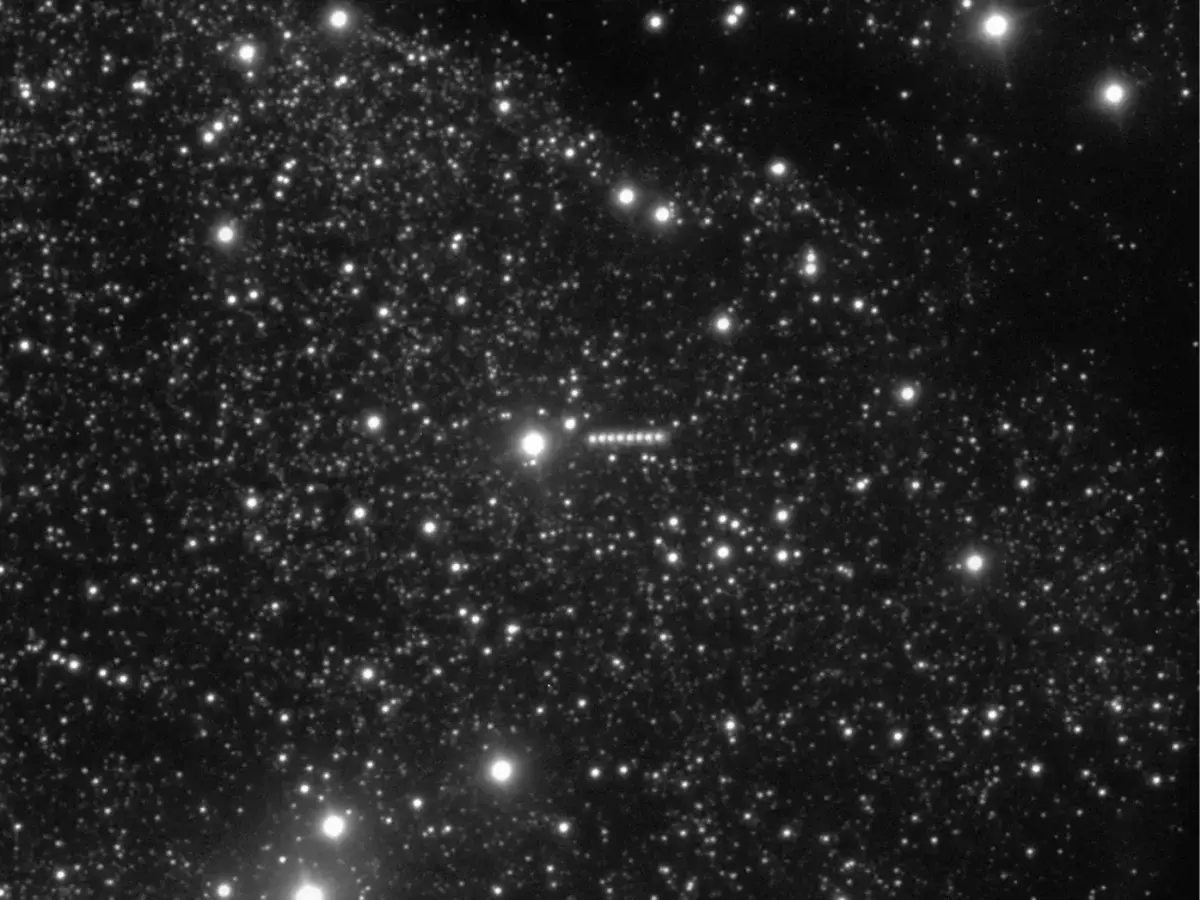
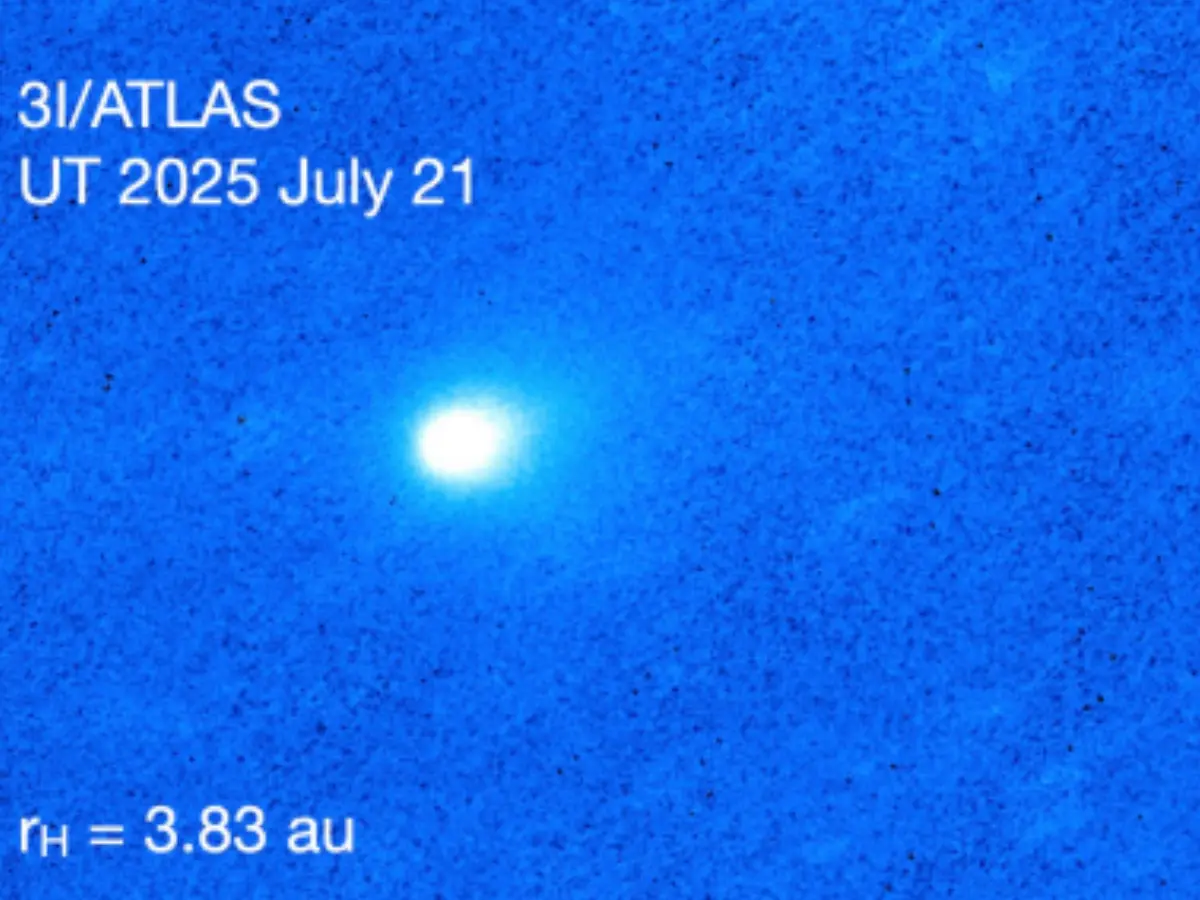
3I/ATLAS is only the third confirmed interstellar object ever detected, after 1I/ʻOumuamua and 2I/Borisov. Such visitors bring material formed around other stars, untouched by the Sun for billions of years. For telescopes, this is a once-in-a-generation target: an object with alien chemistry, unusual dust behaviour, and extreme orbital dynamics that simply do not exist in the Solar System. Every wavelength, optical, infrared, ultraviolet, radio offers unique information, making it a scientific goldmine.
2. JWST’s Spectroscopy Revealed Its CO₂-Rich Coma
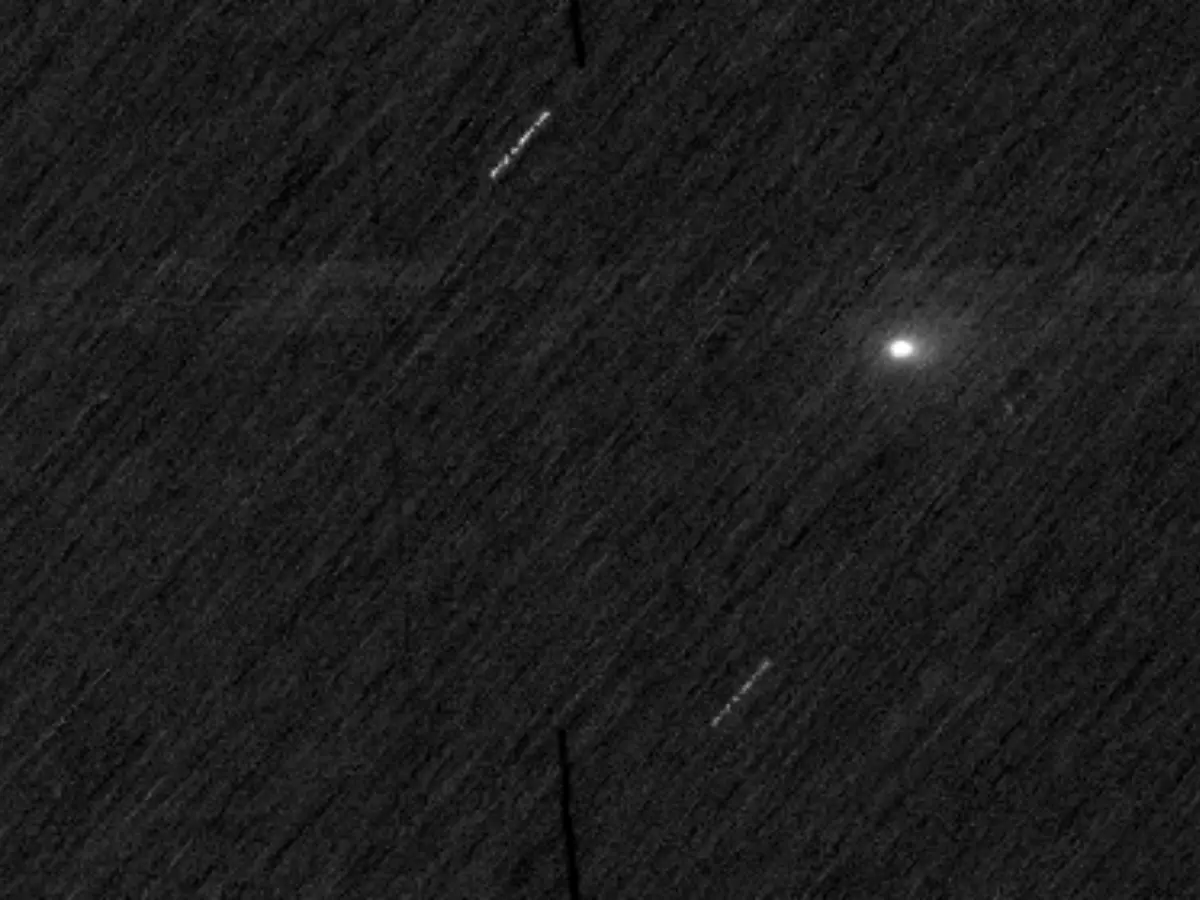
NASA’s James Webb Space Telescope (JWST) delivered the most valuable dataset on 3I/ATLAS. Using its NIRSpec instrument, JWST detected dominant CO₂, water vapour, carbon monoxide and OCS, with CO₂ far more abundant than in typical Solar System comets. This unusually high CO₂/H₂O ratio shocked researchers and hinted at formation near a CO₂ ice line in another star system. JWST’s sensitivity made it the flagship observatory for studying the comet’s chemistry with unmatched precision.
3. Hubble Captured High-Resolution Images of the Morphing Coma
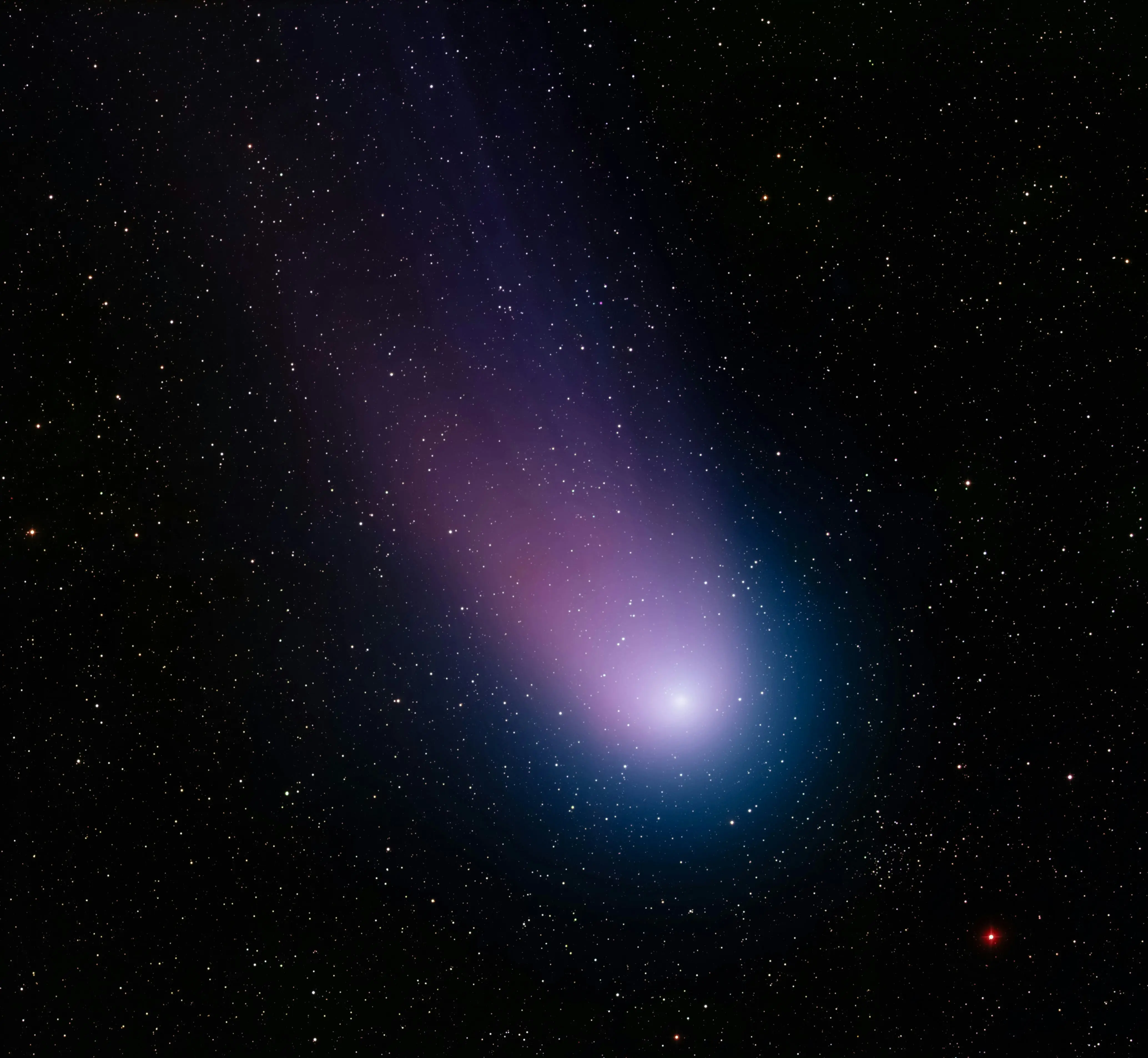
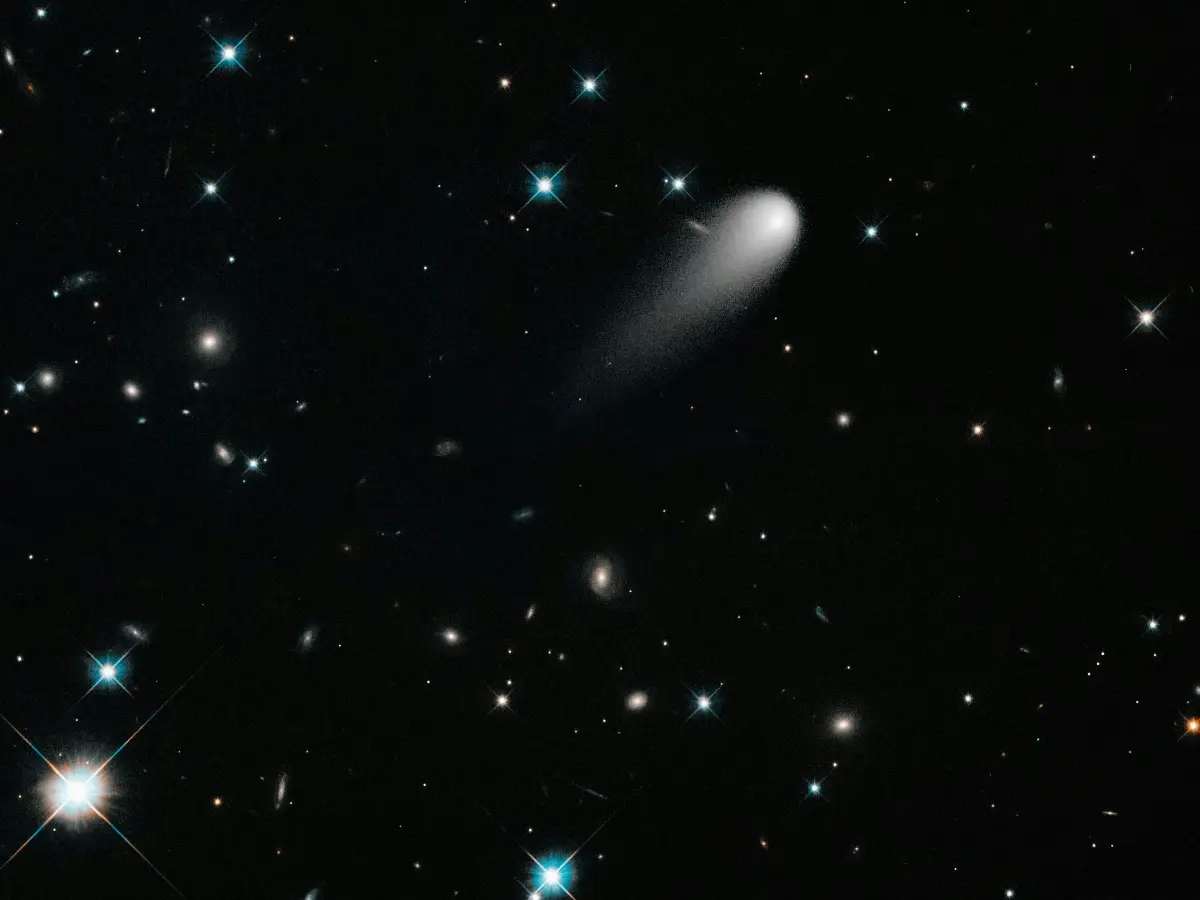
The Hubble Space Telescope (HST) contributed high-resolution optical images that tracked changes in the comet’s coma and dust tail. Hubble detected plumes, jets, brightness shifts, and the evolution of the dust halo as 3I/ATLAS heated up. Its stable, high-contrast imaging helped map the structure of the coma and measure dust production rates that ground telescopes struggle to capture at such faint magnitudes.
4. Ground Giants Like VLT, Keck, Gemini and Subaru Tracked Its Activity
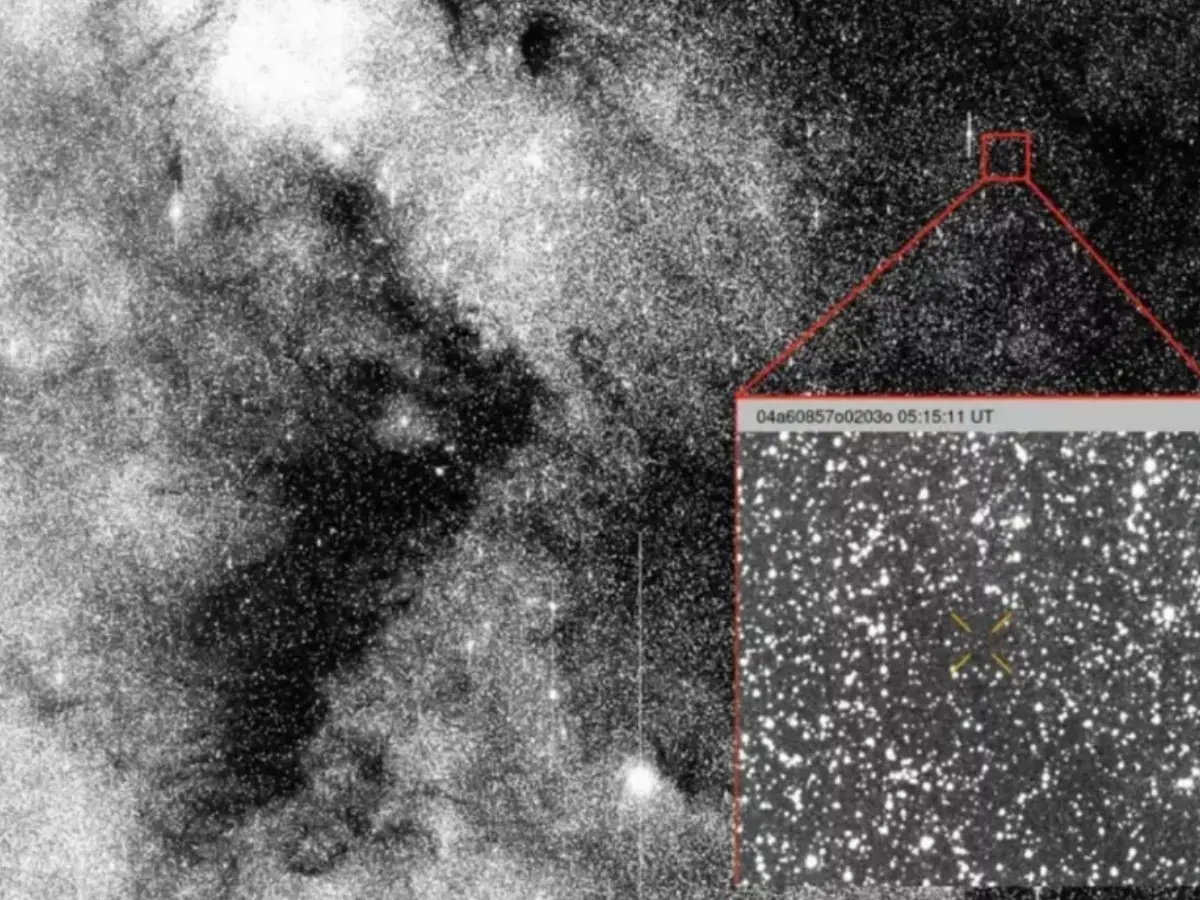
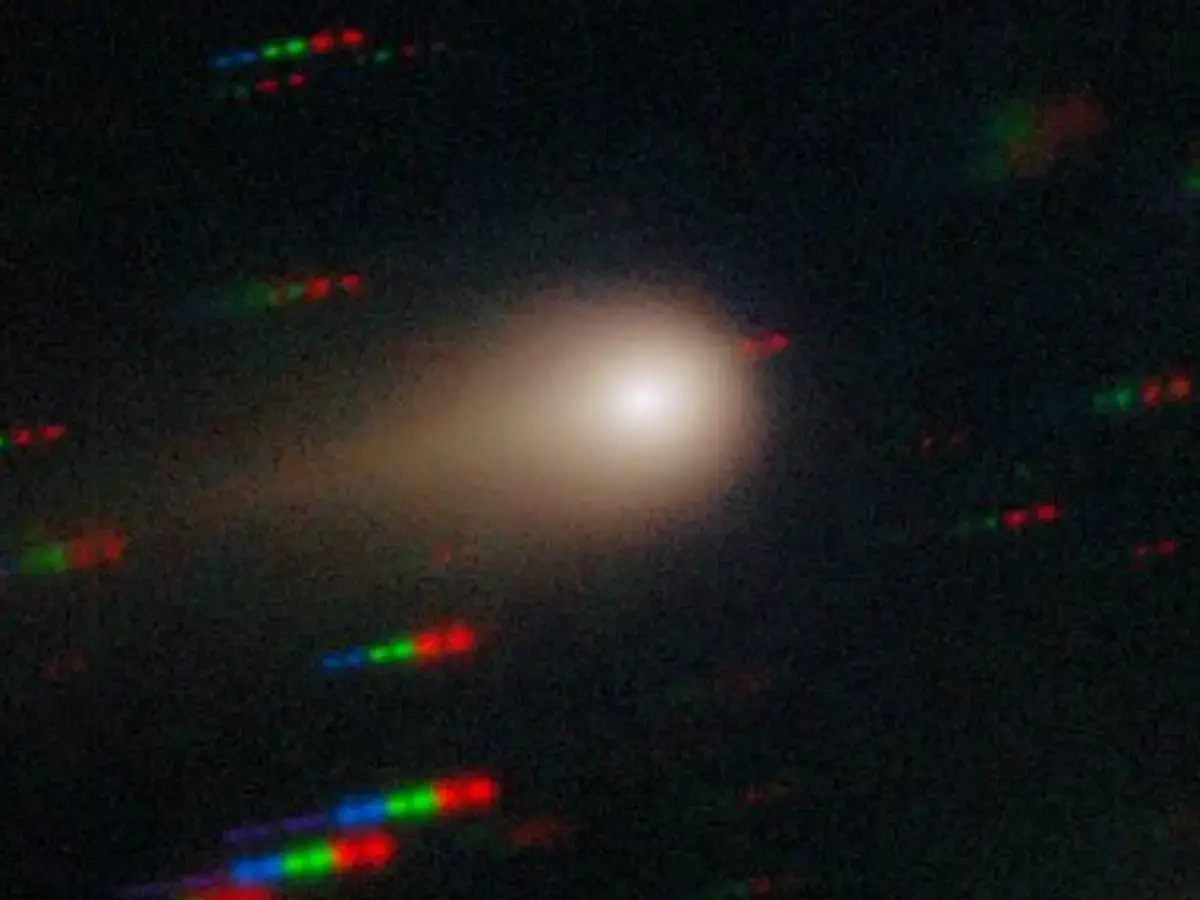
Earth-based observatories played a massive role. Facilities such as ESO’s Very Large Telescope (VLT), Keck, Gemini North & South, Subaru, LCOGT, and dozens of smaller professional observatories provided daily or weekly astrometry, spectroscopy, and photometry. They monitored dust output, colour changes, rotation signatures, and gas production. These observations refined the comet’s orbit, confirmed its hyperbolic nature, and offered multi-wavelength data from visible to near-infrared.
5. Mars Orbiters Provided a Unique Off-Earth Viewing Angle
ESA’s Mars Express and NASA’s MRO gave astronomers an entirely different geometry: observing 3I/ATLAS from another planet. This allowed parallax measurements, improved orbit triangulation, and cross-confirmation of dust behaviour from a non-Earth line of sight. This is extremely rare in comet studies and added enormous value to trajectory refinement and coma modelling.
6. Pre-Discovery and Survey Telescopes Added Crucial Data Points
Wide-field surveys like ATLAS (the discovery telescope), Pan-STARRS, ZTF, TESS precovery data, and other archival sky surveys supplied early positional measurements, even before 3I/ATLAS was officially identified. These pre-discovery detections extended the observation arc backward, dramatically improving the accuracy of orbital calculations and confirming that it was truly interstellar (eccentricity ≫ 1).
7. Multi-Observatory Collaboration Created the Most Complete Dataset Ever for an Interstellar Comet
3I/ATLAS triggered one of the largest coordinated observing campaigns since 2I/Borisov. Virtually every major telescope, space-based, ground-based, professional, and survey-class contributed. The result is a full-spectrum dataset, from deep infrared chemistry (JWST), to high-resolution optical imaging (Hubble), to global spectral monitoring (Keck, VLT, Gemini), to planetary-orbiter perspectives. For astrophysics, this is a perfect storm: rare object + broad wavelength coverage + multi-planet geometry, making 3I/ATLAS one of the richest scientific opportunities in modern comet science.
)
)
)
)
)