Why 3I/ATLAS’ comet has a 'hyperbolic trajectory'?

It's inbound velocity (before being significantly affected by the Sun’s gravity) is very high, estimates put it around 58 km/s relative to the Sun, making it faster than most Solar System comets and even the earlier interstellar visitors.
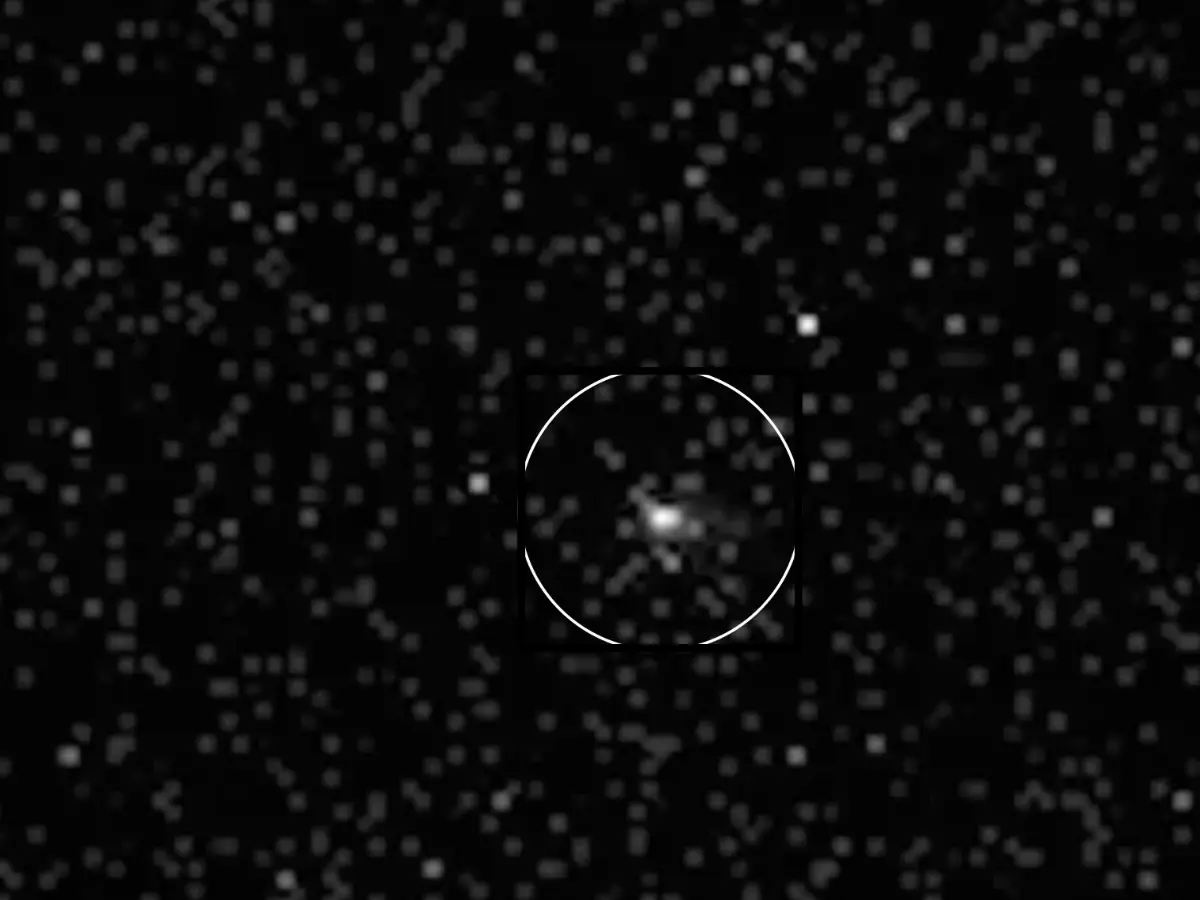
1. What “hyperbolic trajectory” means
A hyperbolic orbit describes a path where an object has enough speed to escape the Sun’s gravity, unlike bound objects (like planets or regular comets) that follow elliptical orbits. In technical terms, hyperbolic orbits have orbital eccentricity (e) > 1. For 3I/ATLAS, that’s exactly the case: its computed orbit is strongly hyperbolic, meaning it will pass through the Solar System only once and then continue onward into interstellar space.
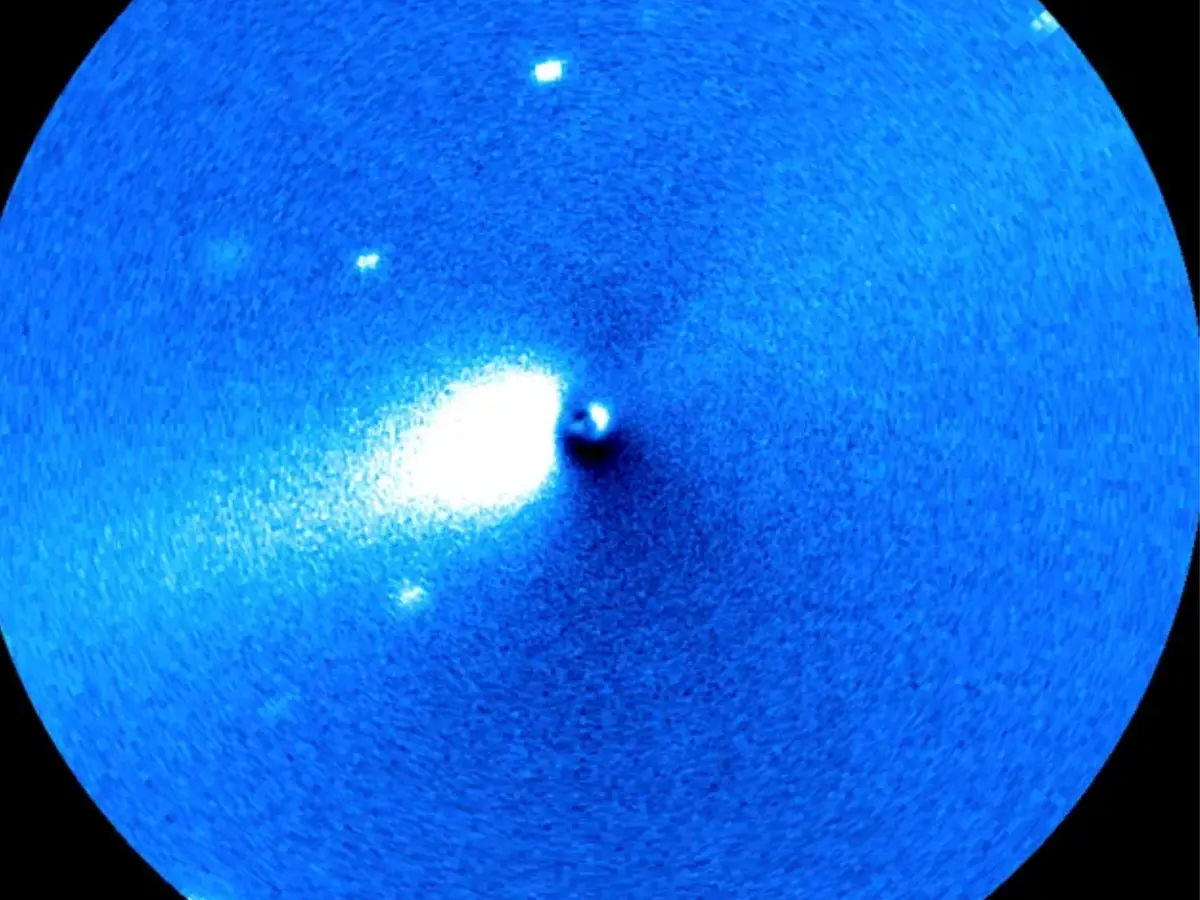
2. Its measured eccentricity and speed
Observations show 3I/ATLAS has an orbital eccentricity around ≈ 6.1–6.2, far above 1 — one of the most hyperbolic trajectories ever recorded for a comet-like object. Also, its inbound velocity (before being significantly affected by the Sun’s gravity) is very high, estimates put it around 58 km/s relative to the Sun, making it faster than most Solar System comets and even the earlier interstellar visitors. These parameters, high speed + high eccentricity, make it dynamically “unbound” to the Sun.

3. It came from outside the Solar System
Because of its high excess velocity and hyperbolic orbit, scientists conclude 3I/ATLAS did not form inside our Solar System. Instead, it came from outside, an interstellar object passing through our neighbourhood. This origin distinguishes it from long-period or Oort-cloud comets, which may appear from far away but remain gravitationally bound to the Sun’s potential well (thus have e < 1).
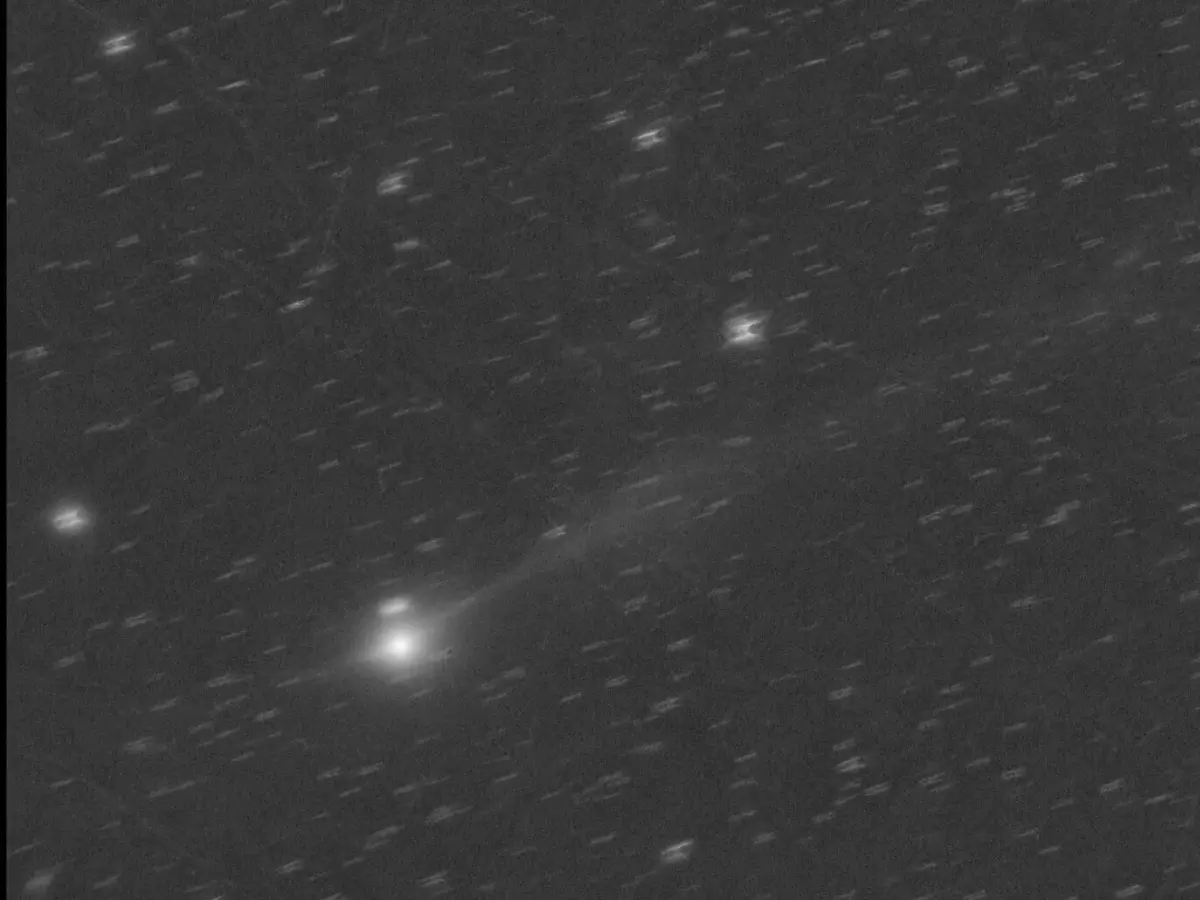
4. Its path is one-way — no return
Because the orbit is unbound, 3I/ATLAS will not loop back once it leaves. It’s a one-time visitor: from deep interstellar space into the Solar System, then back out into interstellar space. This is a defining feature of a hyperbolic interstellar object. Astronomers thus treat 3I/ATLAS as a rare chance to directly sample material from beyond our Solar System, a fleeting window.
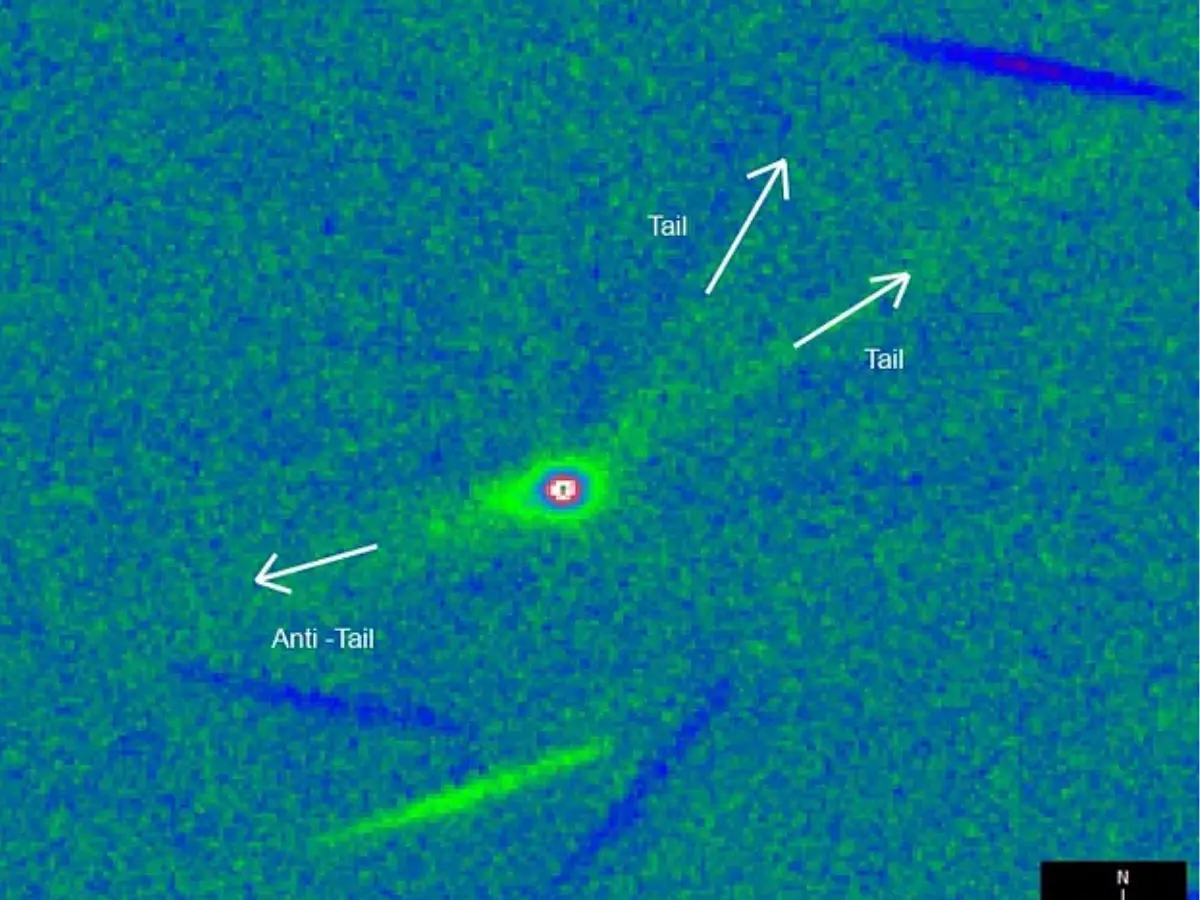
5. Pre-discovery observations confirmed its trajectory
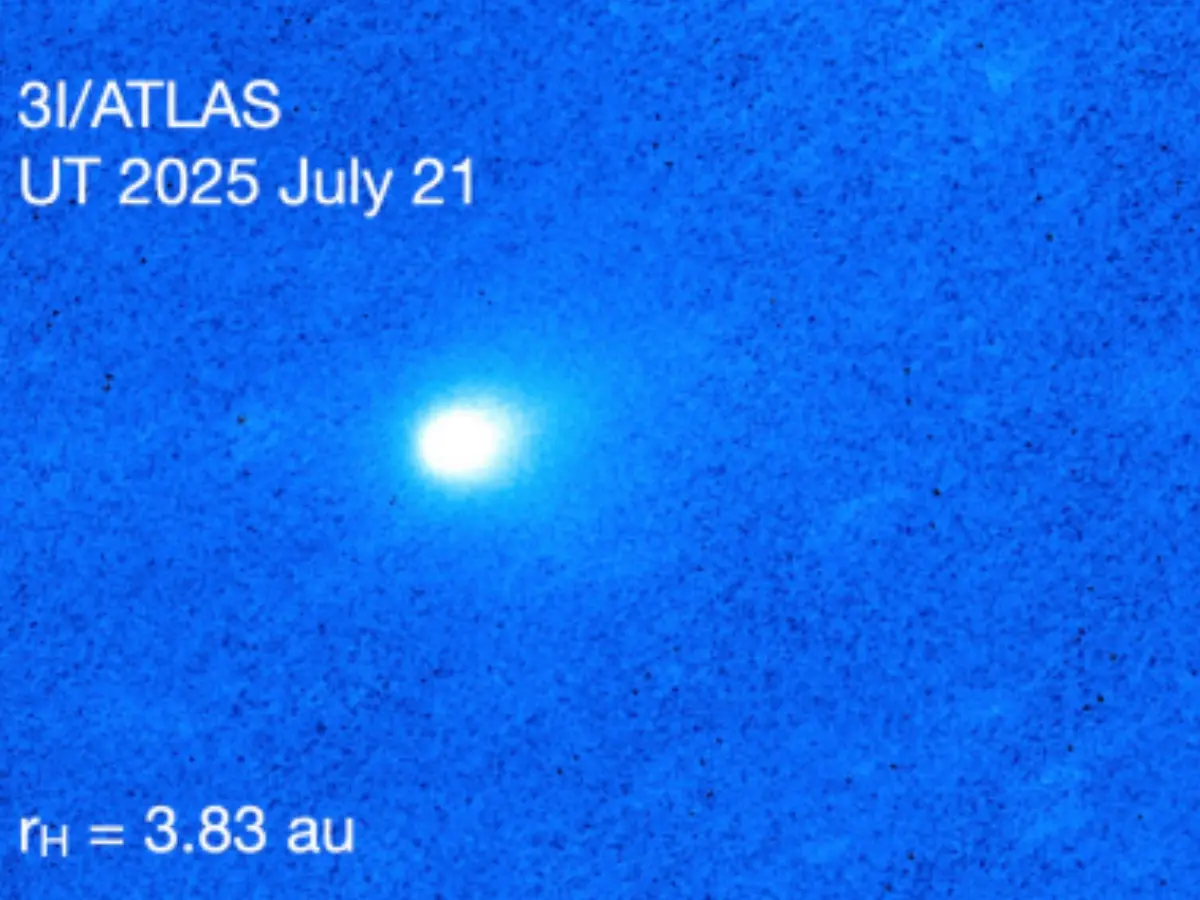
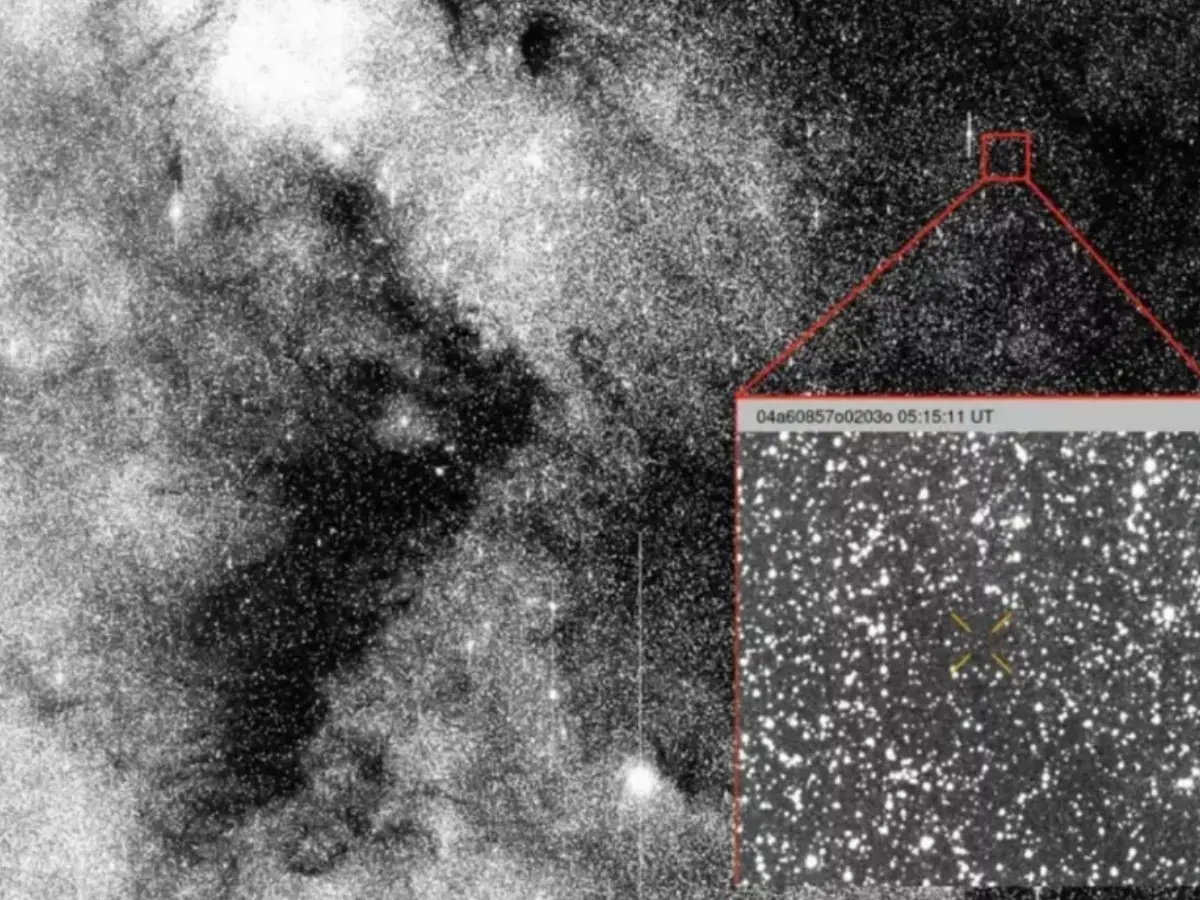
After its official discovery on 1 July 2025 by the ATLAS survey telescope, astronomers located pre-discovery images (from other sky-survey data) dating back to May/June 2025. These extended observations helped refine its orbit and confirm its hyperbolic interstellar, path. Thus, within days of discovery, the evidence built up strongly in favour of an unbound orbit.
6. Its trajectory shape and geometry (inclination, direction) support interstellar origin
3I/ATLAS’s orbit is highly inclined and retrograde (i.e. opposite in direction compared to most Solar System bodies), with a tilt of 5° relative to the ecliptic and a retrograde angle of 175°. Such odd geometry, combined with high speed, is hard to reconcile with formation in the Solar System; instead it matches expectations for interstellar interlopers.

7. Observational corroboration: multiple instruments tracked it on hyperbolic path
Observatories worldwide from ground-based telescopes to space instruments have tracked its motion, coma, tail changes, and trajectory. Imaging by space observatories (e.g. from Earth, Mars orbiters) and astrometric measurements consistently match a hyperbolic, unbound orbit. Because of this converging evidence, astronomers are confident 3I/ATLAS is indeed an interstellar comet on its way out.
Bottom Line
3I/ATLAS’s extremely high orbital eccentricity, high inbound speed, atypical inclination/retrograde path, and multi-observatory orbit determination leave no reasonable doubt: it’s not bound to the Sun and is simply passing through, a true interstellar visitor on a one-time, hyperbolic trajectory.
)
)
)
)
)