Who would win? Comparing the military power of the Israel and Iran in case of a war

Israel relies on advanced F-35 jets and 465,000 reserves, while Iran counters with 610,000 active troops and 3,000 ballistic missiles.
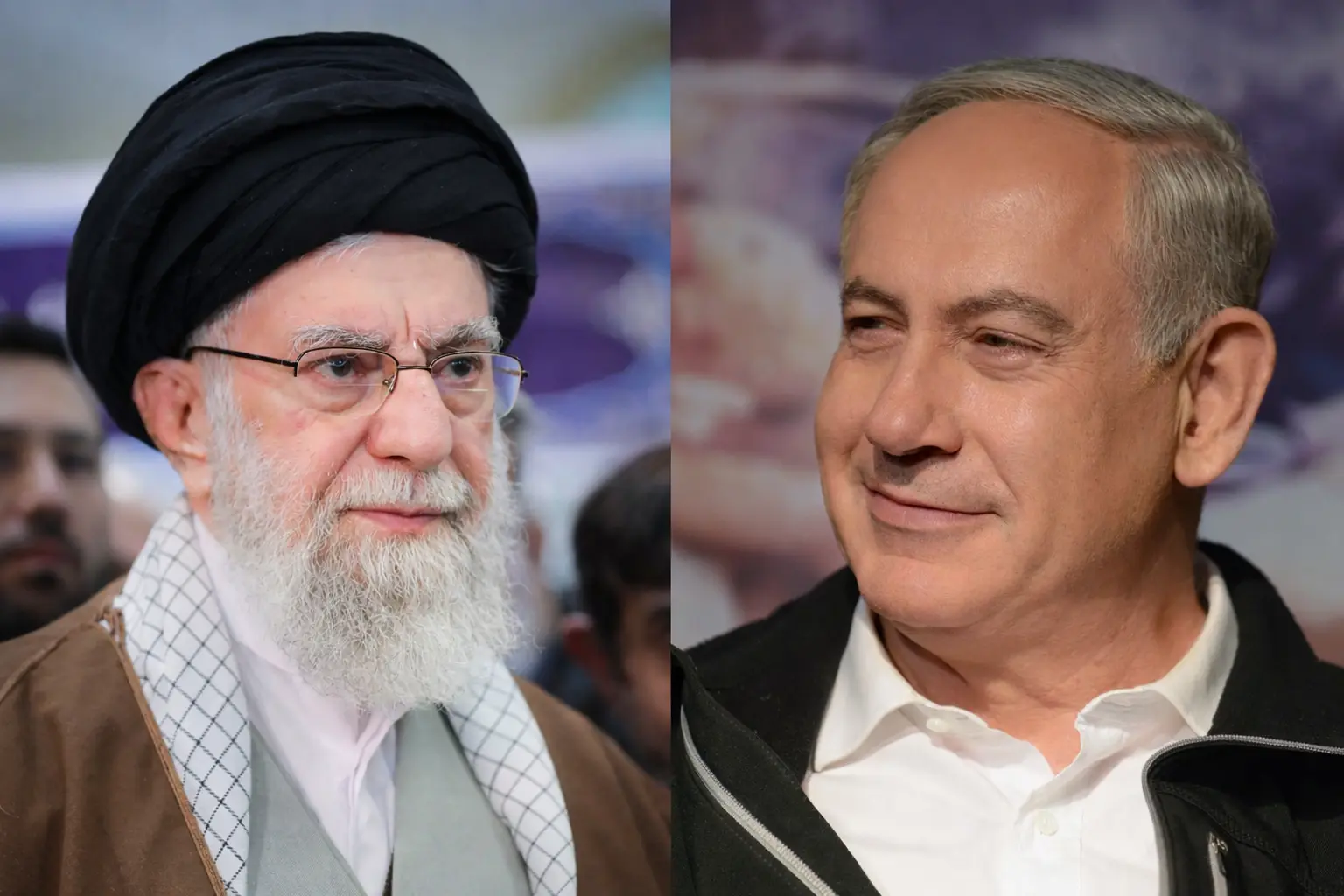
610,000 active Iranian soldiers
Iran holds a massive advantage in raw manpower with approximately 610,000 active personnel compared to Israel’s 169,500 troops. The Islamic Republic also commands the Islamic Revolutionary Guard Corps (IRGC), a separate elite branch. Israel relies on a smaller, highly professional standing army that prioritises technology over mass numbers.
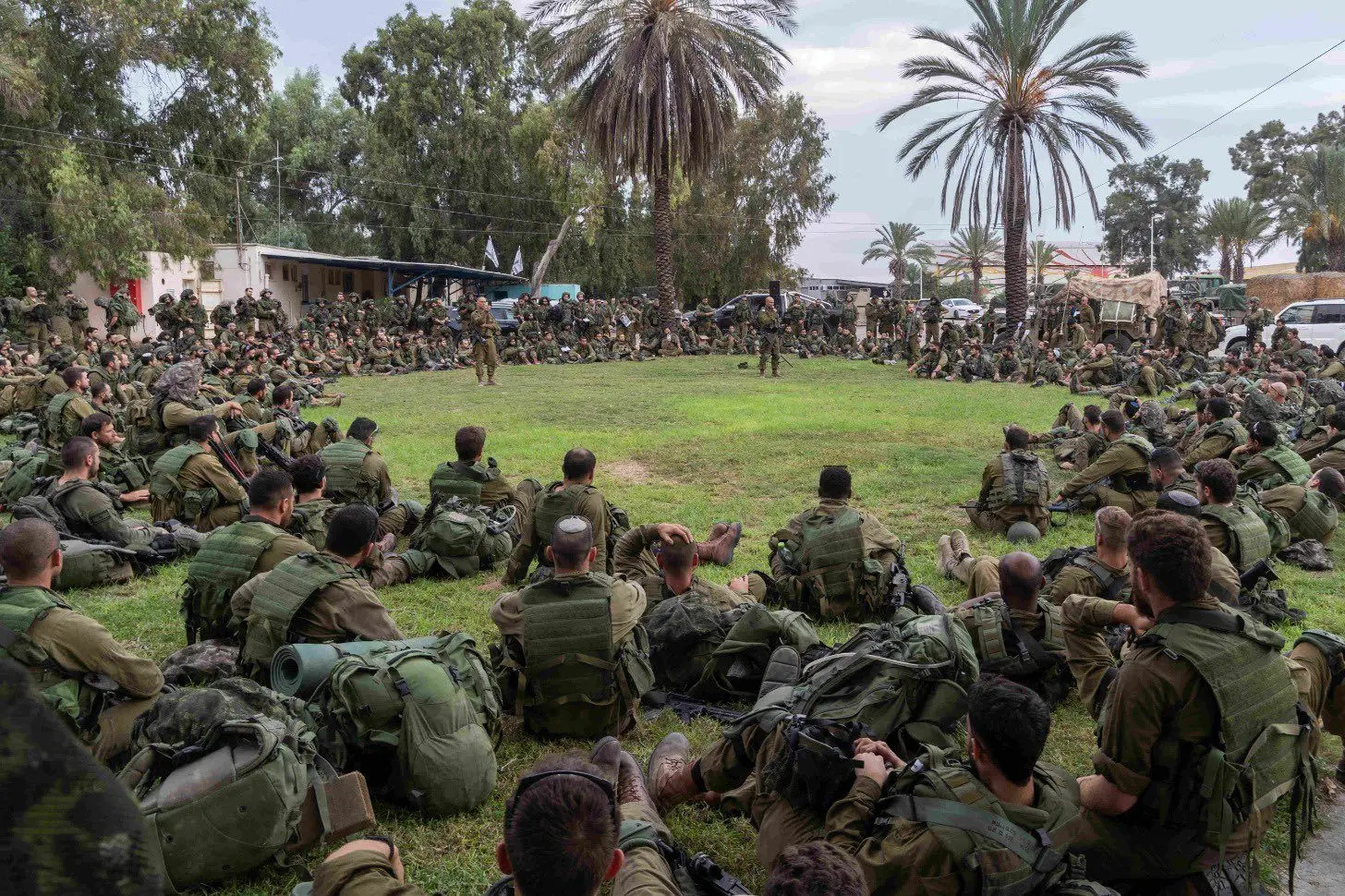
465,000 Israeli reserve forces
Israel can rapidly mobilise a massive fighting force, calling up roughly 465,000 reservists in times of war. This surge capability allows the Israel Defence Forces (IDF) to triple its size within days. Iran has a smaller official reserve pool of about 350,000, relying more on its large standing army and Basij paramilitary units.
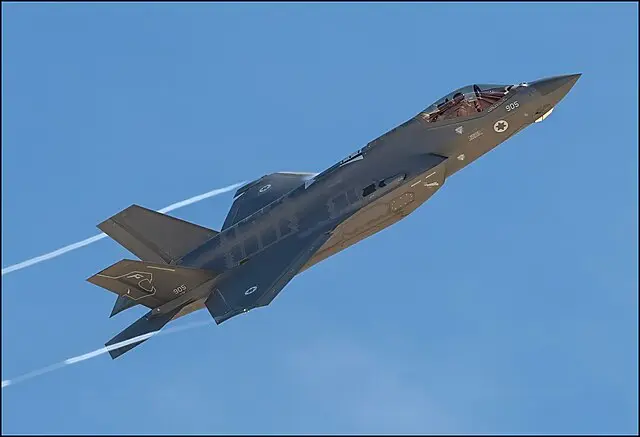
340 advanced Israeli fighter jets
Israel controls the skies with a technologically superior fleet of over 340 aircraft, including stealth F-35I Adir jets. This gives them a distinct edge in precision strikes and air superiority. Iran’s air force consists of aging F-14 Tomcats and MiG-29s, struggling with maintenance due to decades of international sanctions.
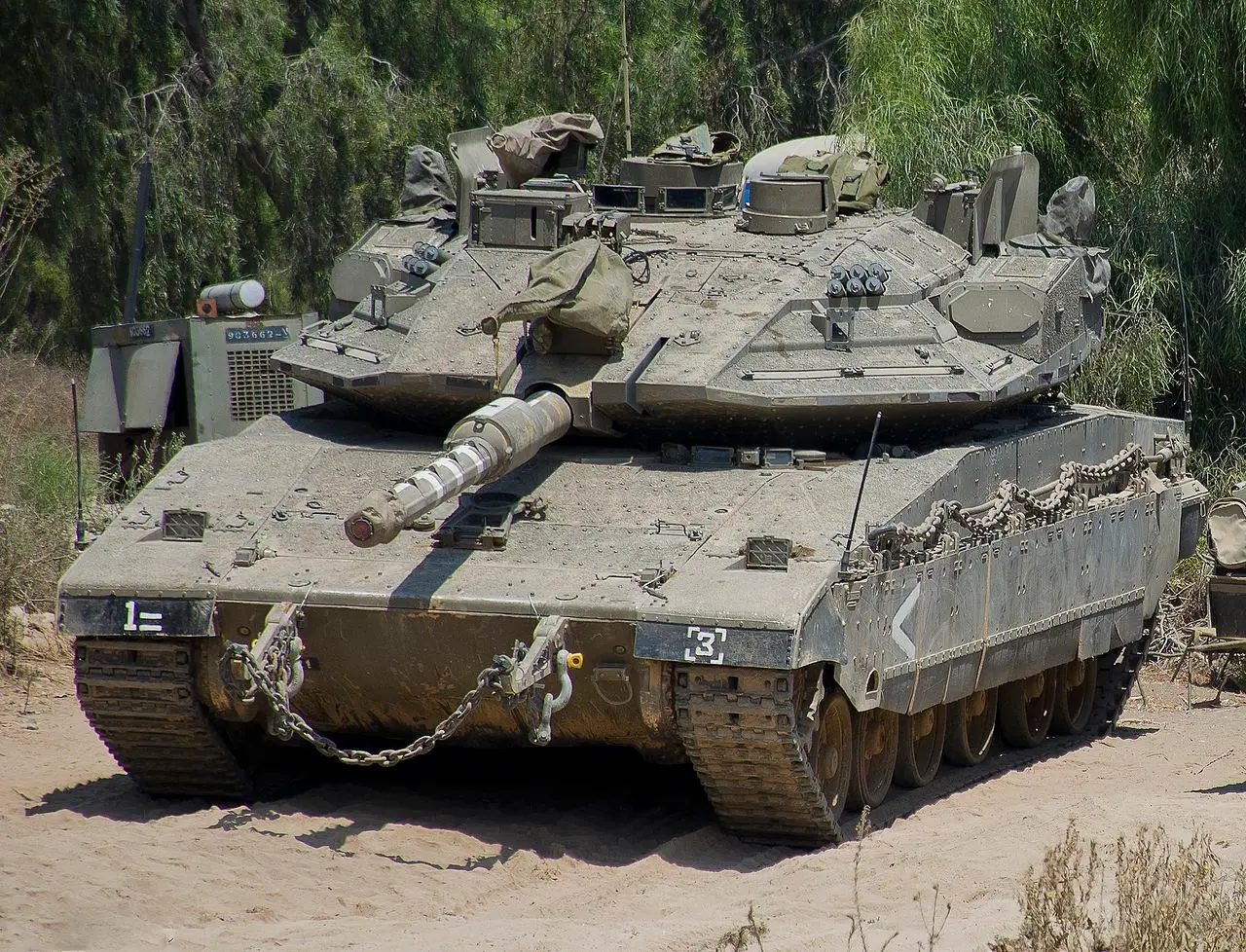
2,200 Merkava battle tanks
The Israeli ground forces operate around 2,200 tanks, spearheaded by the indigenous Merkava Mk 4, known for its advanced protection systems. Iran possesses a larger numerical force of roughly 2,800 tanks, including the Karrar and older T-72 models. However, Israel's armour is widely considered more survivable on the modern battlefield.
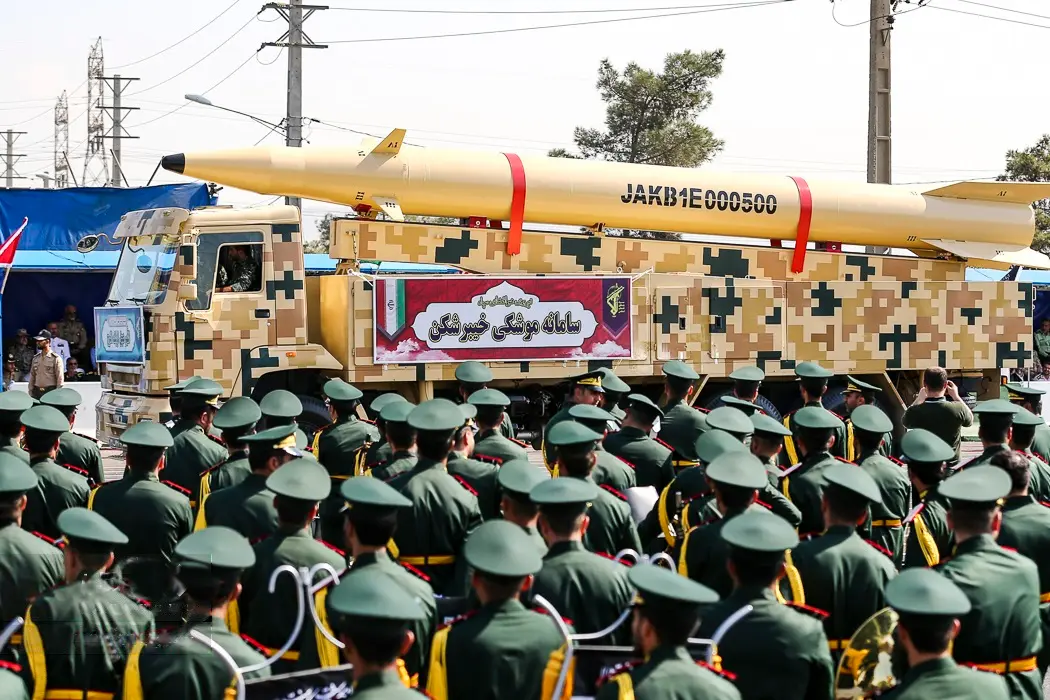
3,000 Iranian ballistic missiles
Tehran possesses the largest missile arsenal in the Middle East, with over 3,000 ballistic missiles capable of striking targets up to 2,000 kilometres away. This includes the Sejjil and Kheibar missile families designed to overwhelm defences. Israel maintains its own Jericho missile series, though exact numbers remain classified.
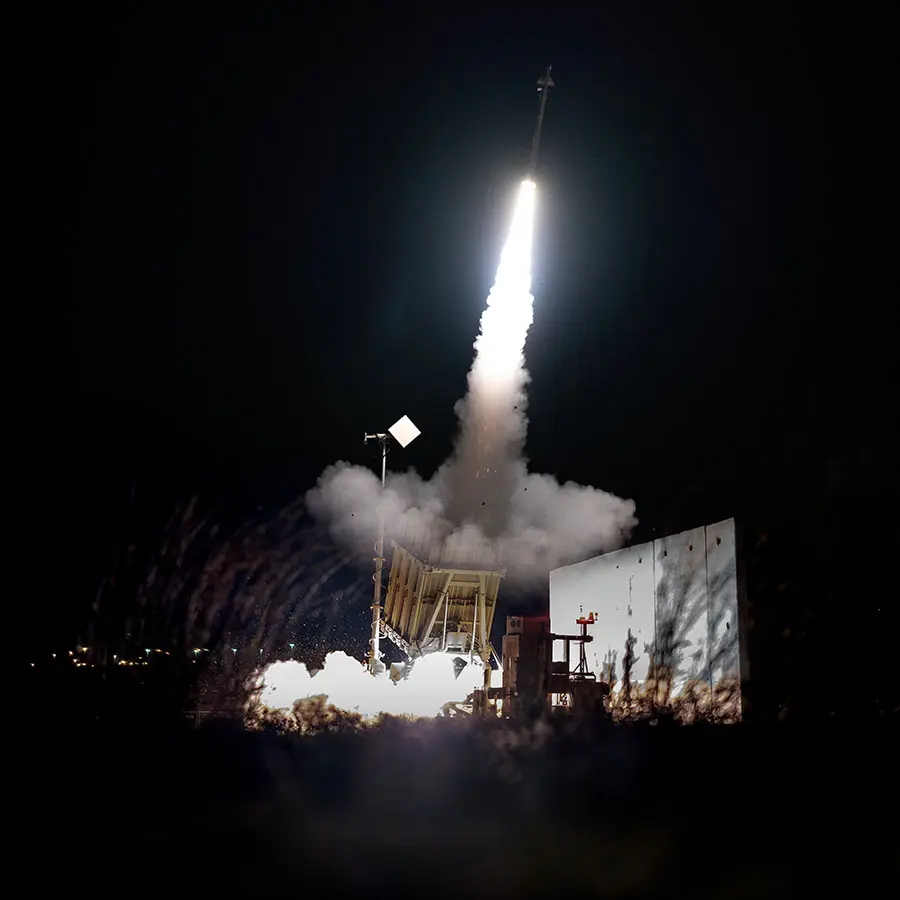
90 per cent Iron Dome success
Israel relies on a multi-layered air defence network, including the Iron Dome, David’s Sling, and Arrow systems, which boast interception rates above 90 per cent. These systems are specifically built to counter rockets and ballistic threats. Iran utilises the Russian S-300 and domestic Bavar-373 systems to protect its airspace.
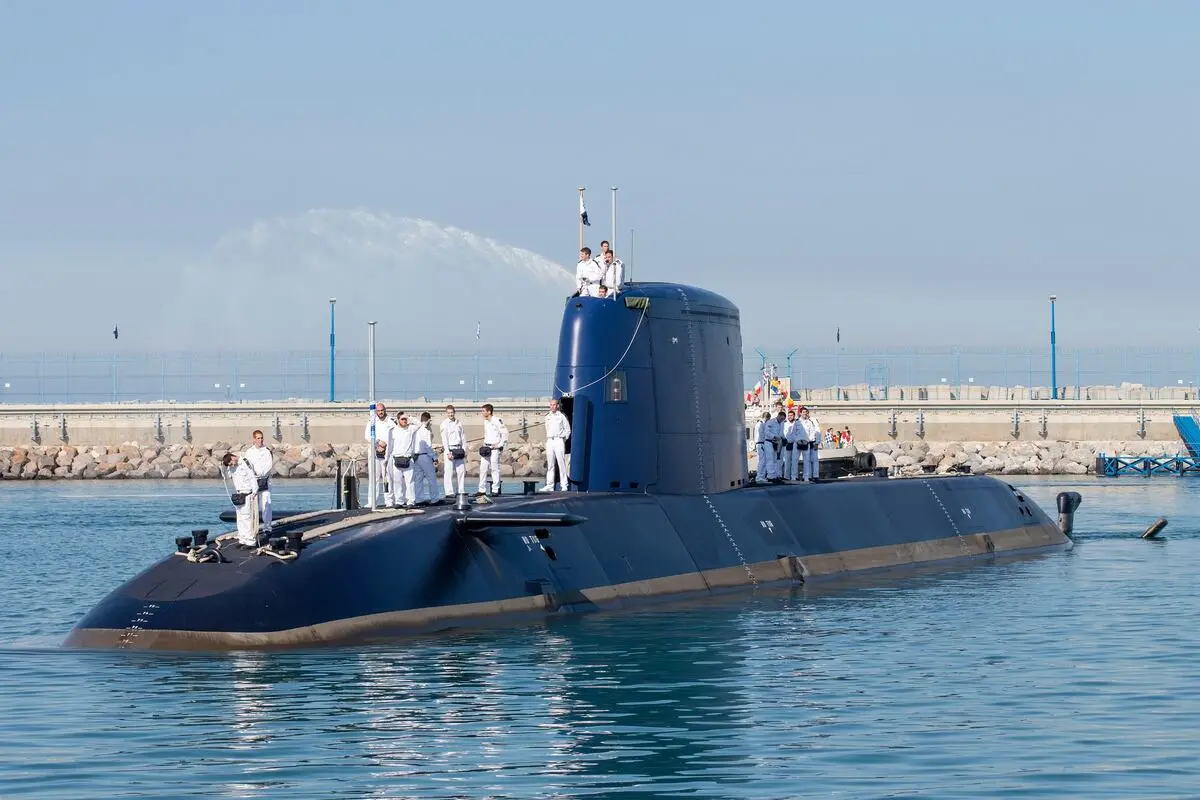
19 Iranian naval submarines
Iran’s navy operates a fleet of 19 submarines, focusing on Kilo-class vessels and smaller Ghadir midget submarines for coastal ambushes. Israel maintains a smaller but more advanced fleet of 5 German-built Dolphin-class submarines. These Israeli vessels are reportedly capable of carrying nuclear-tipped cruise missiles for second-strike capability.
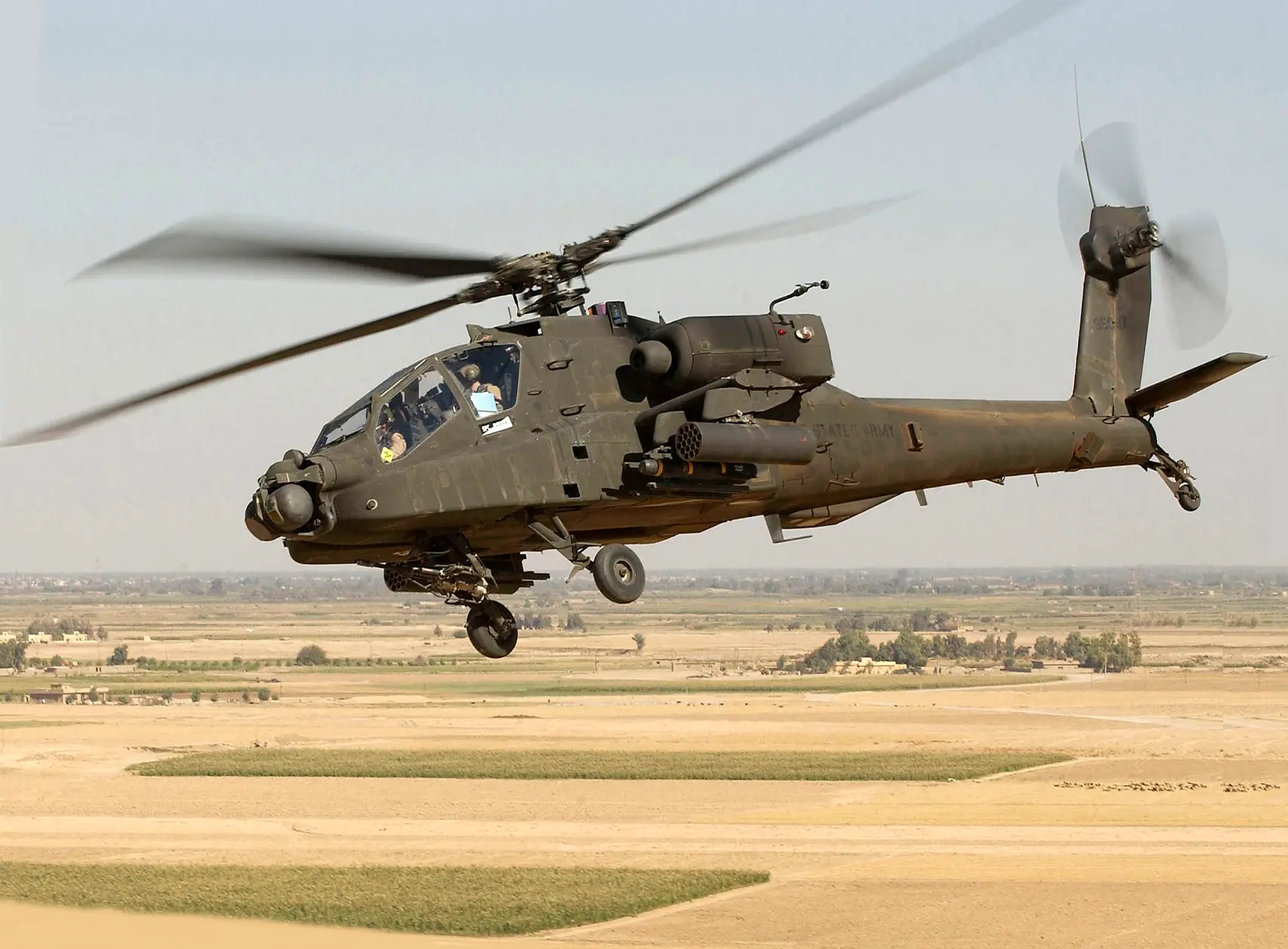
48 Israeli Apache helicopters
For close air support, Israel flies 48 Boeing AH-64 Apache attack helicopters, providing lethal anti-tank capabilities. These gunships are integrated with ground units for precision strikes. Iran operates a mix of roughly 12 older Cobra helicopters and recreated versions like the Toufan, which lack modern avionics.
65,000 Iranian armoured vehicles
Iran has amassed a huge fleet of nearly 65,000 armoured vehicles to support its infantry across vast terrain. This includes personnel carriers and infantry fighting vehicles for mass movement. Israel operates approximately 43,000 armoured vehicles, focusing heavily on the heavy Namer APC which offers tank-level protection to soldiers.
90 undeclared nuclear warheads
While never officially confirming it, international assessments estimate Israel possesses around 90 nuclear warheads. This acts as the ultimate strategic deterrent in any existential conflict. Iran does not possess a nuclear weapon but has an advanced nuclear programme that remains a central point of tension in the region.
)
)
)
)
)