Who would win? Comparing the cyber power of the US and Iran in case of a war

The US commands superior cyber resources and budget, while Iran relies on asymmetric tactics and proxies. A direct conflict would see American military dominance but significant economic damage from Iranian disruptors.
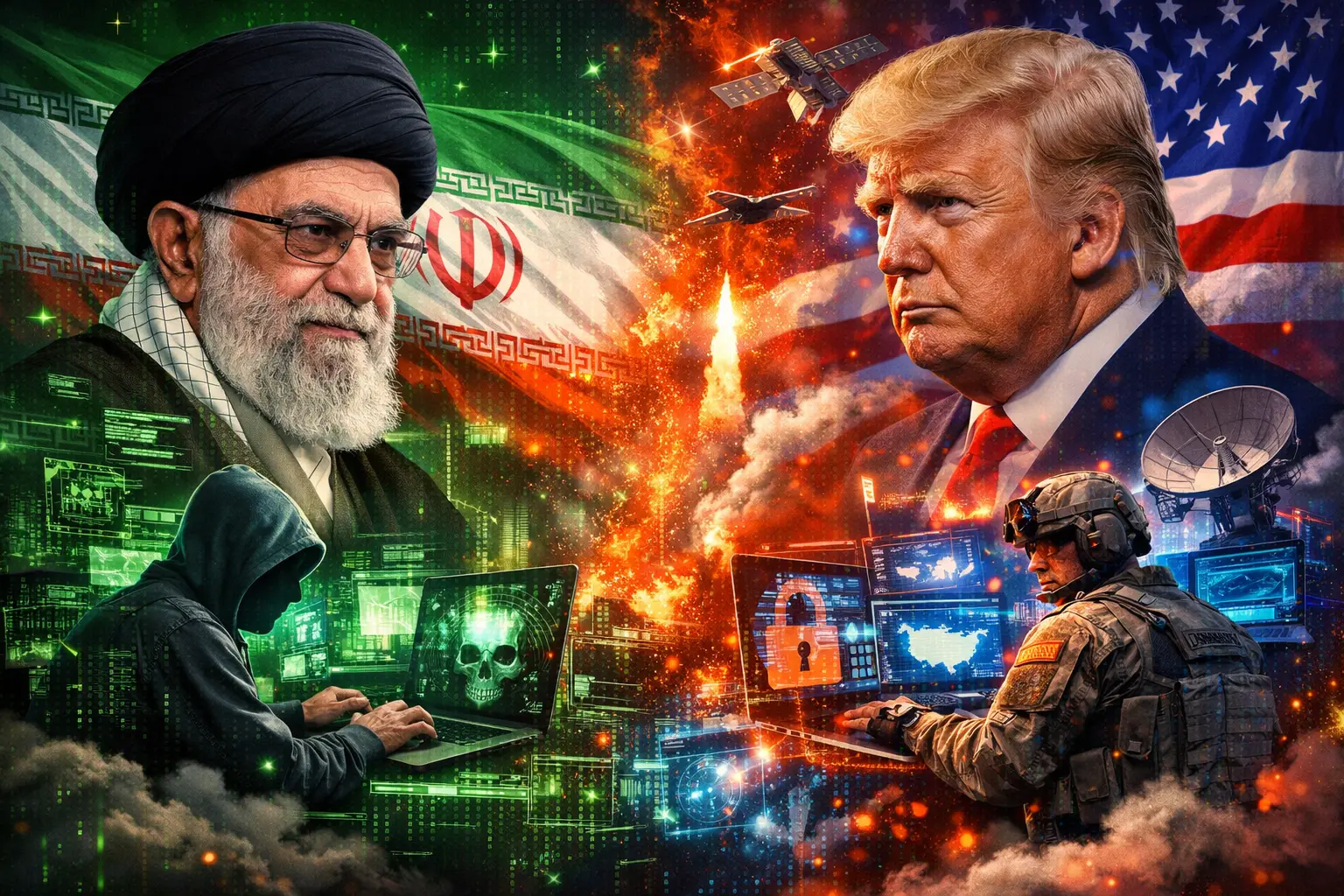
Global leader meets regional disruptor
The United States commands top-tier global cyber infrastructure with advanced persistent capabilities. Iran operates as a potent tier-two power, compensating for technical gaps with aggression. A conflict would pit American precision against Iranian unpredictability.
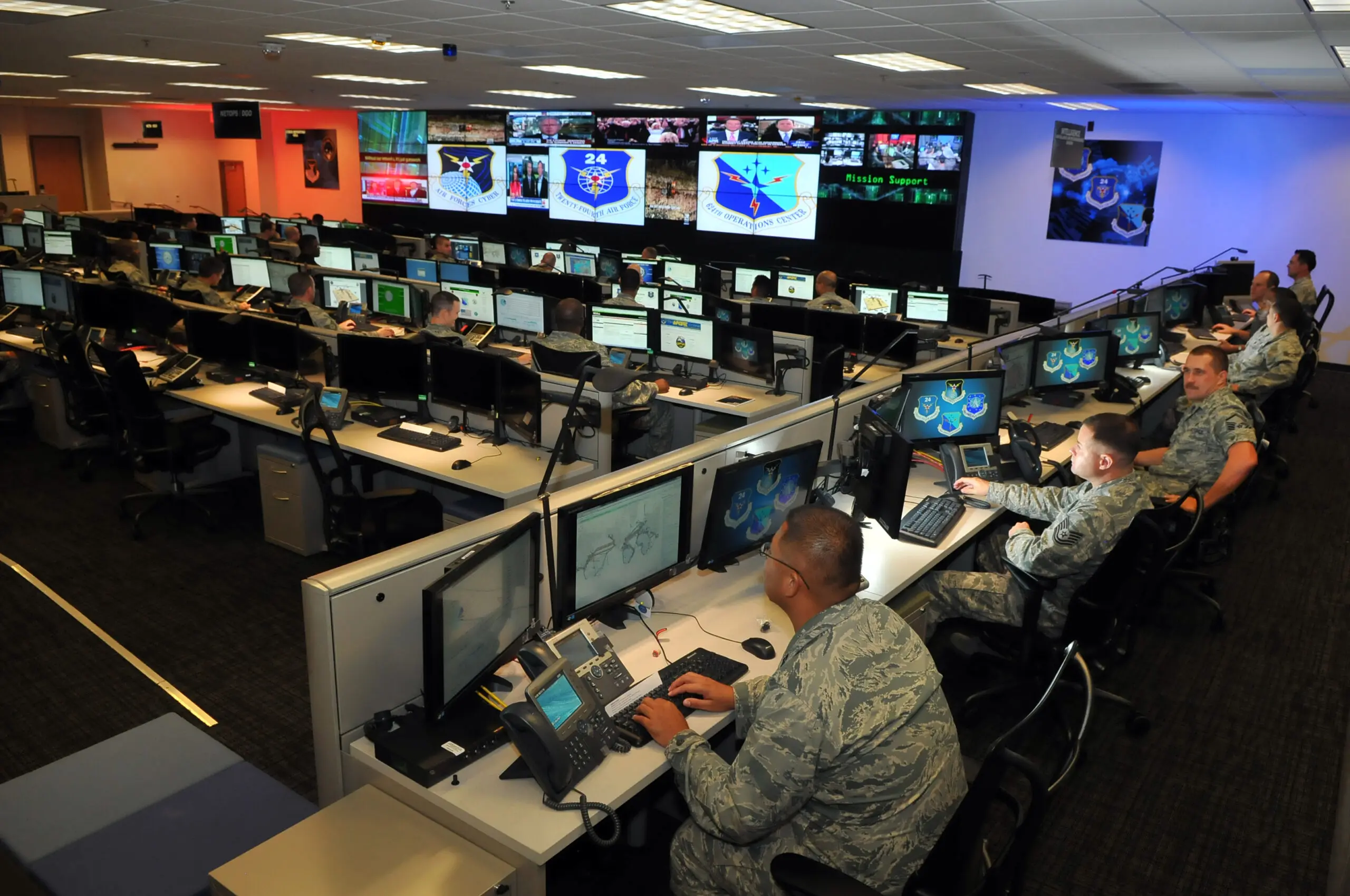
6,000 troops in Cyber Command
The US Cyber Command integrates 133 distinct teams with over 6,000 active personnel. It operates as a unified combatant command for synchronised global strikes. This structure allows for seamless coordination across air, land, and sea domains. The force prioritises high-level espionage and strategic deterrence.
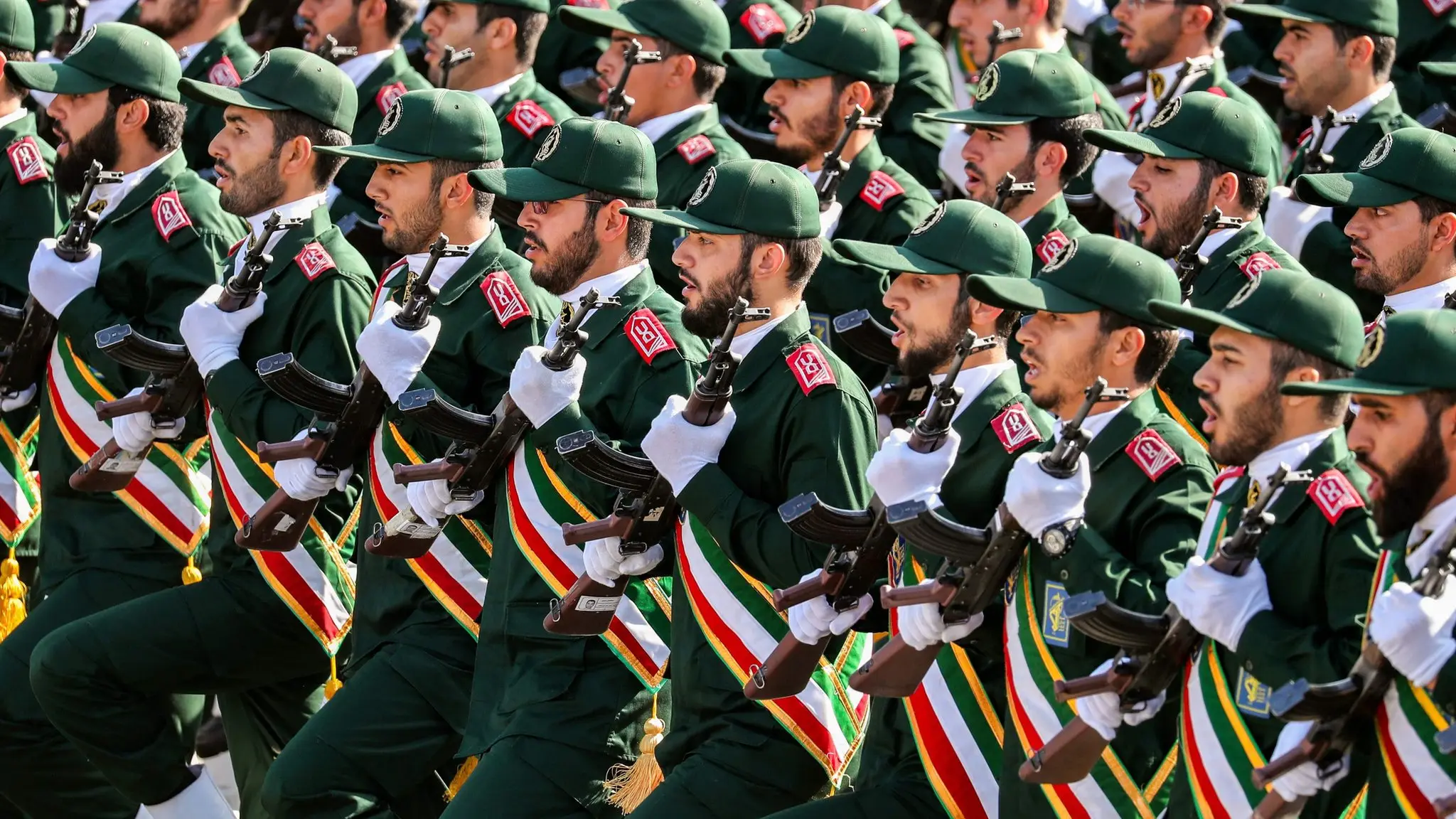
IRGC controls decentralised cyber forces
Iran’s cyber power relies heavily on the Islamic Revolutionary Guard Corps (IRGC). The Electronic Warfare Organisation leads offensive operations alongside the Ministry of Intelligence. Tehran also employs a loose network of proxy hackers to maintain deniability. This fragmented structure makes their attacks harder to attribute.
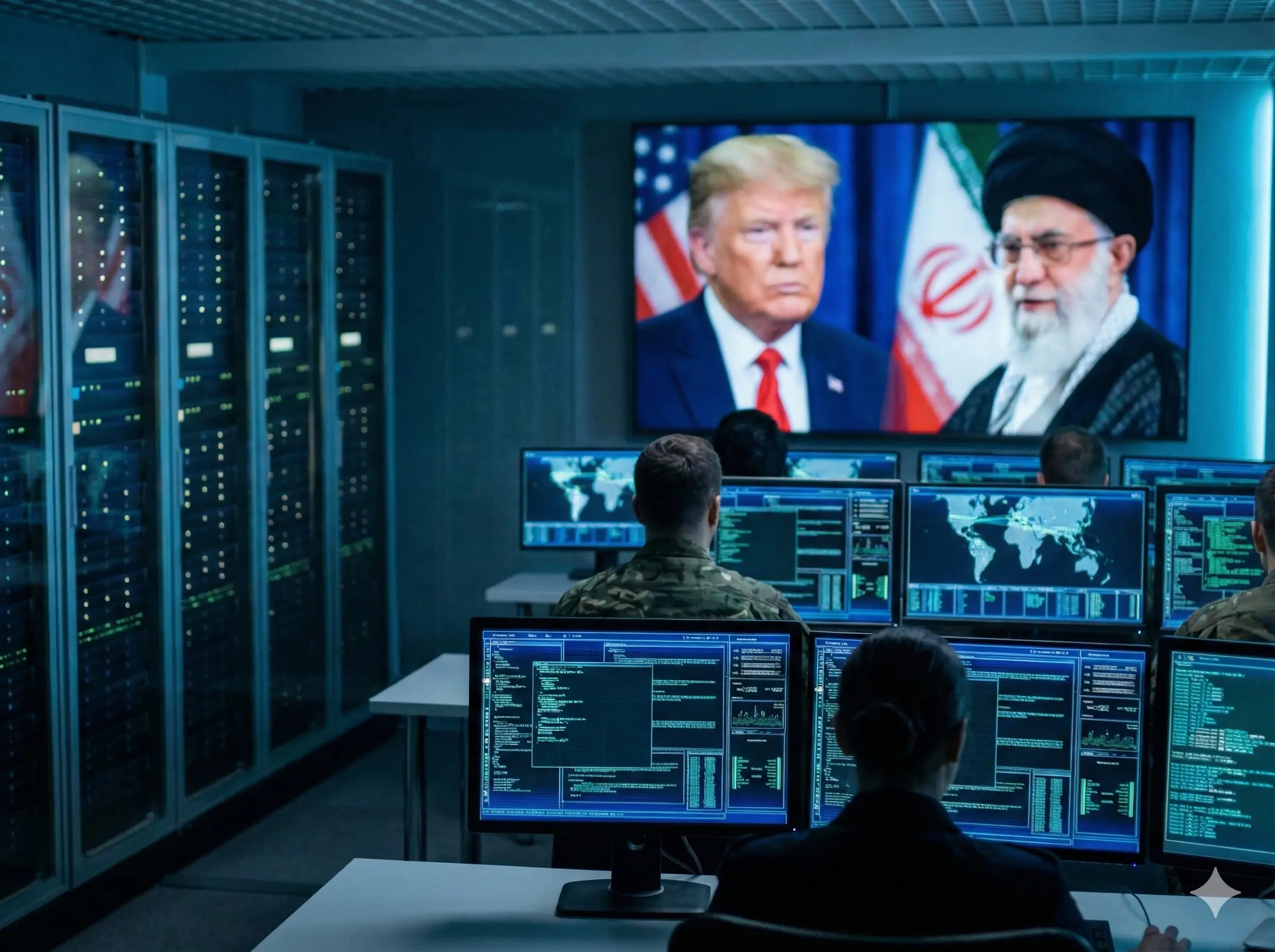
$13 billion US cyber budget
The US Department of Defence requested over $13 billion for cyber activities in 2024. This massive funding supports advanced research and zero-day exploit acquisition. Iran operates with a significantly smaller, undisclosed state budget. Tehran maximises impact by using cheaper, open-source malware tools.
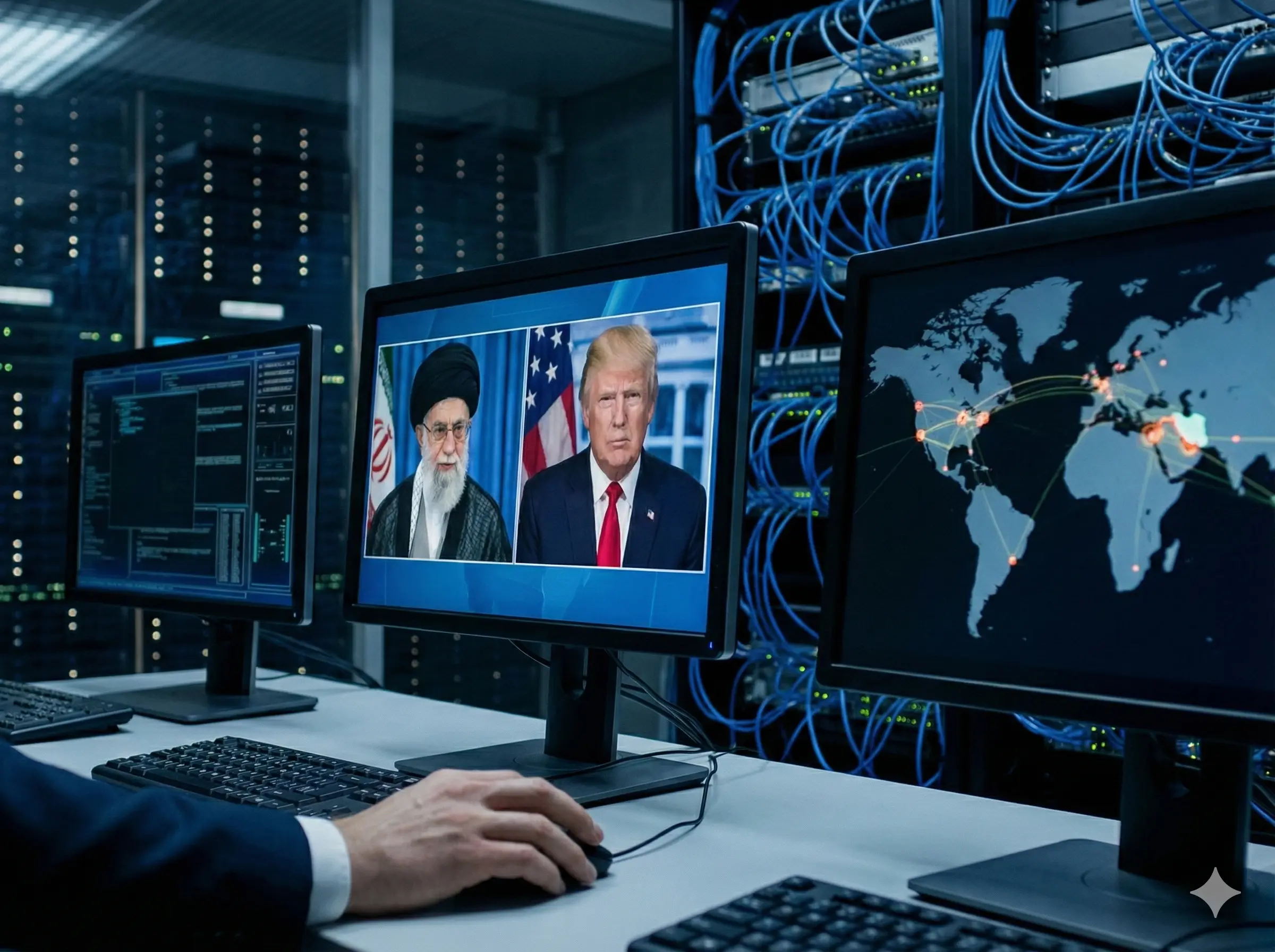
Defend Forward persistent engagement strategy
American doctrine focuses on ‘Defend Forward’ to disrupt threats at their source. US forces actively hunt malware on foreign networks before it reaches America. This proactive stance aims to degrade adversary capabilities continuously. The strategy relies on maintaining constant contact with enemy systems.
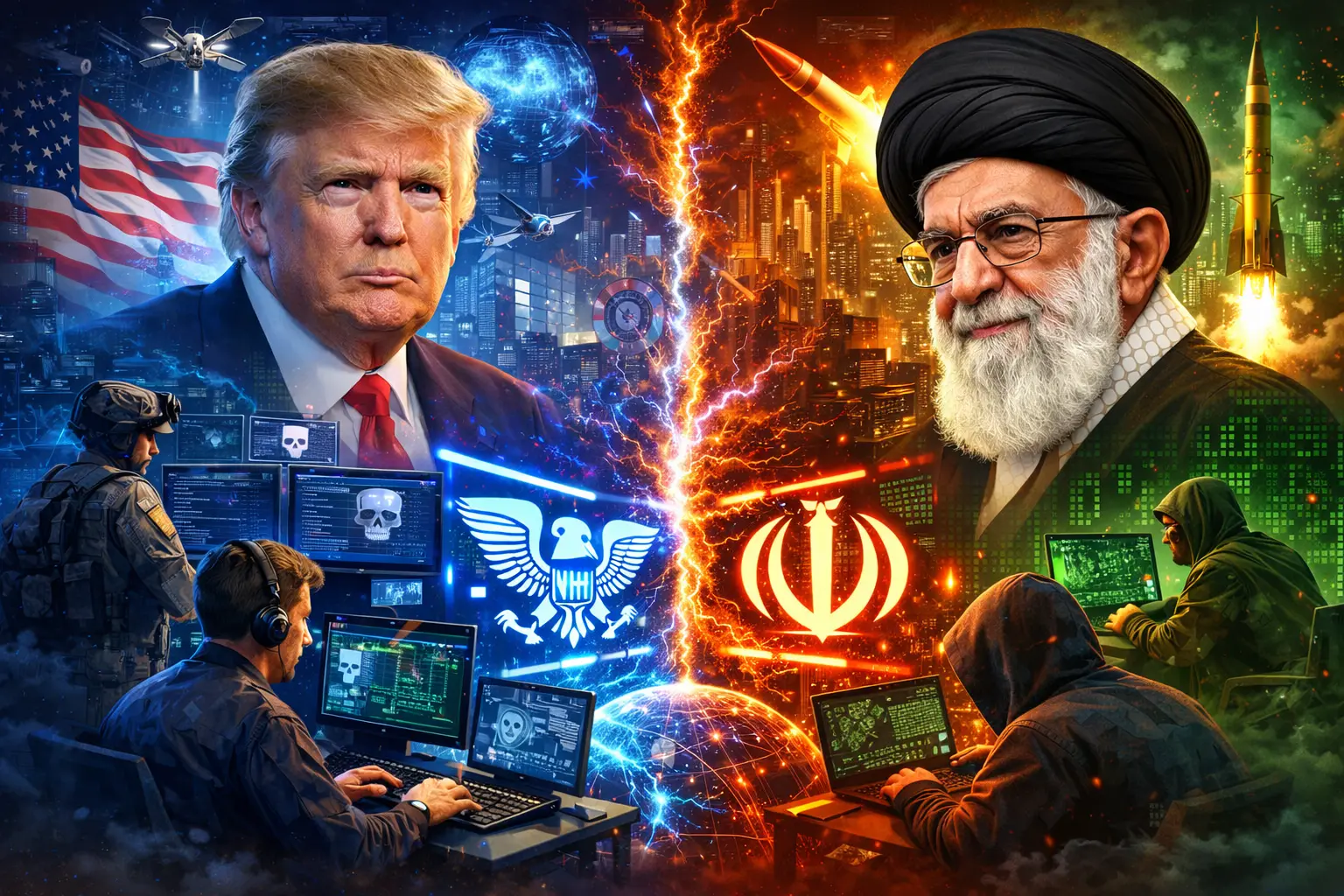
Asymmetric attacks on civilian targets
Iran targets soft civilian sectors like banks to inflict economic pain. Their doctrine focuses on asymmetric warfare to bypass superior US military defences. Tehran views cyberattacks as a vital tool for reciprocity and signalling. The goal is creating chaos rather than winning a technical fight.
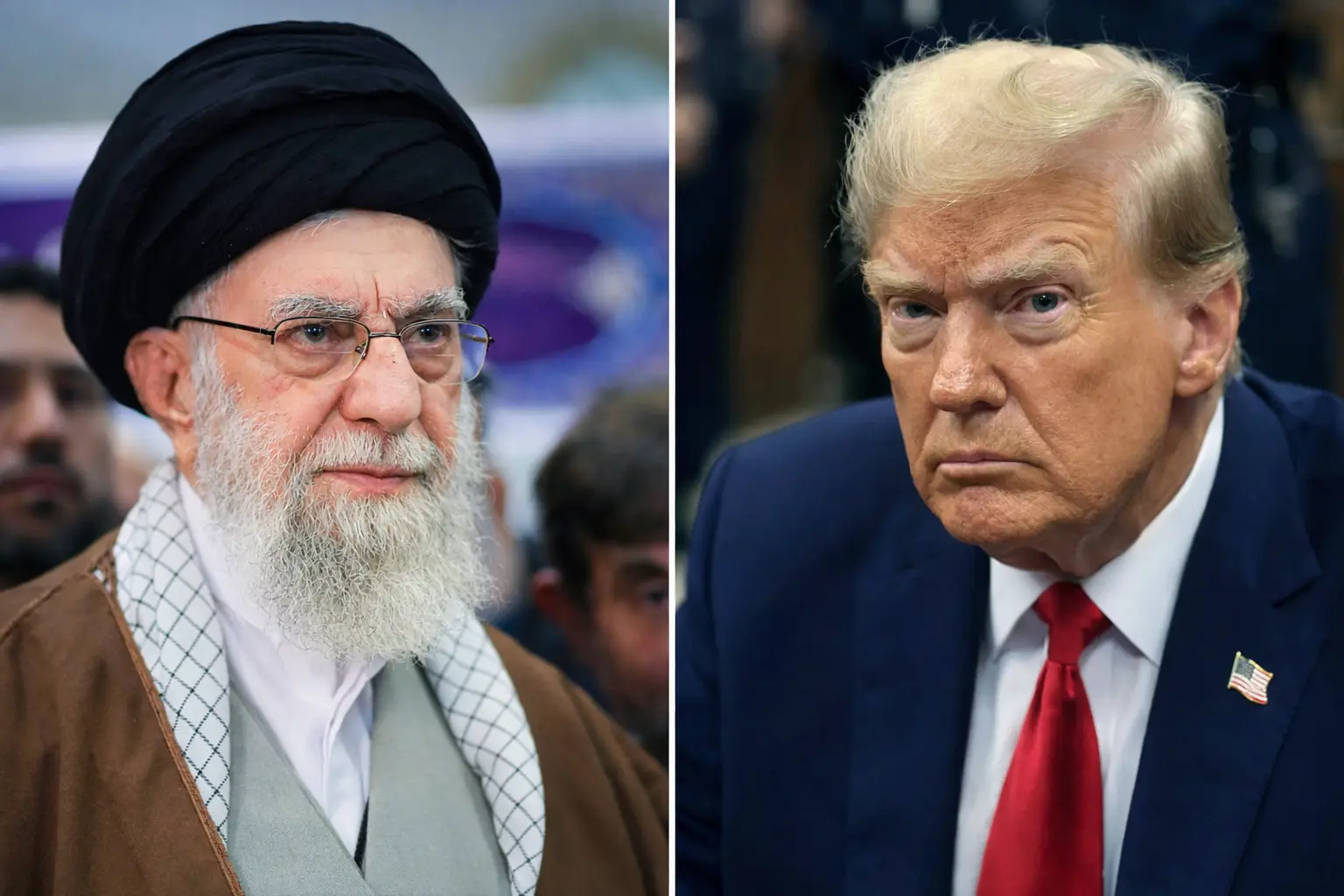
Stuxnet precision against wiper destruction
US offensive tools are often stealthy and designed for precise intelligence gathering. In contrast, Iranian malware is typically ‘noisier’ and highly destructive. Tehran frequently uses ‘wiper’ software to delete data wholesale from enemy systems. American cyber weapons can remain undetected in networks for years.
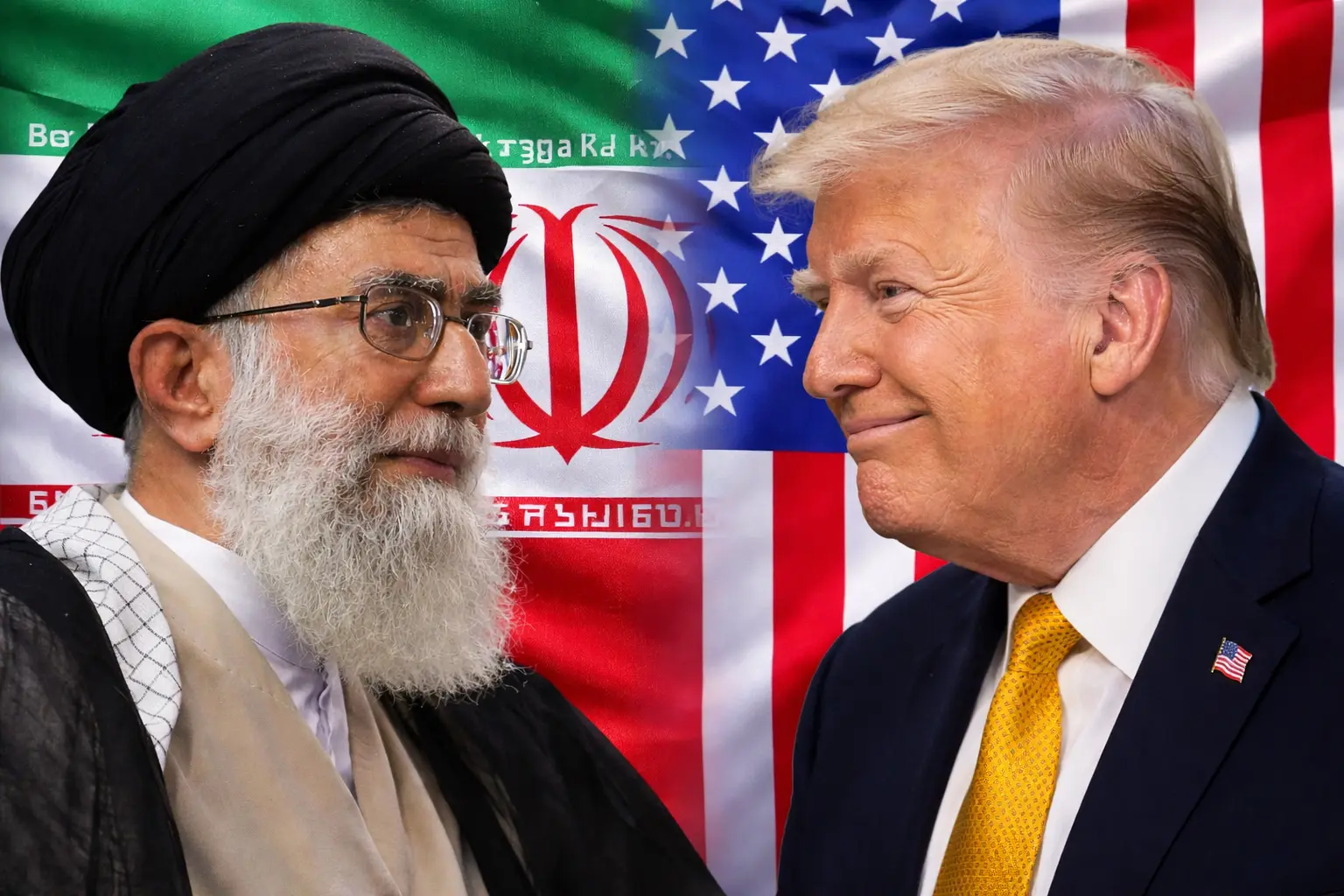
High US digitisation increases risk
The massive digitisation of the US economy creates a target-rich environment. Iran remains less connected to the global internet, offering a defensive advantage. Tehran can disconnect its national ‘Halal net’ to block external attacks. This isolation makes Iranian critical systems harder to access remotely.
Iran uses proxies for deniability
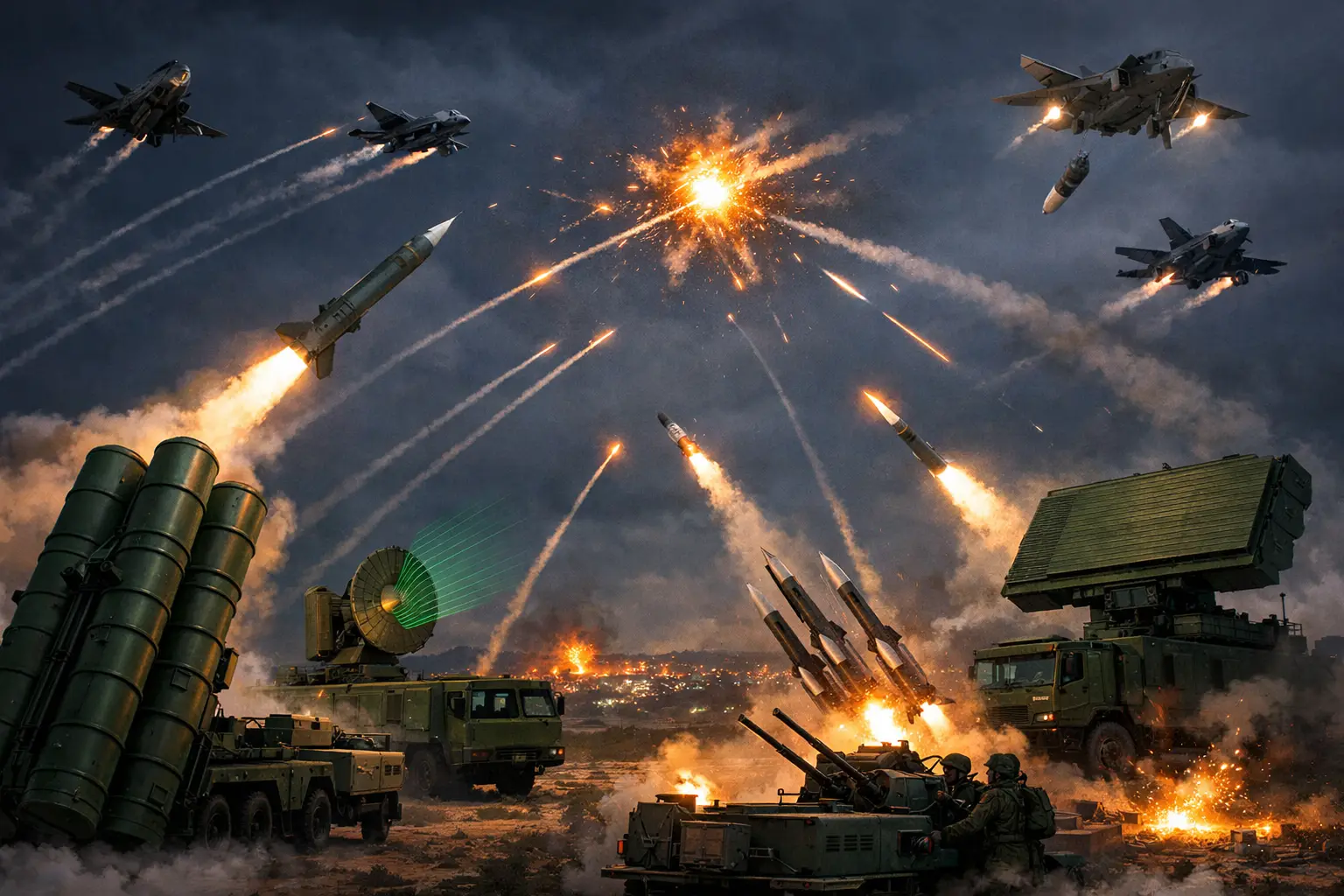
Tehran outsources dirty work to proxy groups in Lebanon and Iraq. These non-state actors harass US allies without direct diplomatic consequences. The US relies closer on formal alliances like the Five Eyes for intelligence. Iranian proxies allow for reckless attacks with reduced risk of retaliation.
US wins military exchange
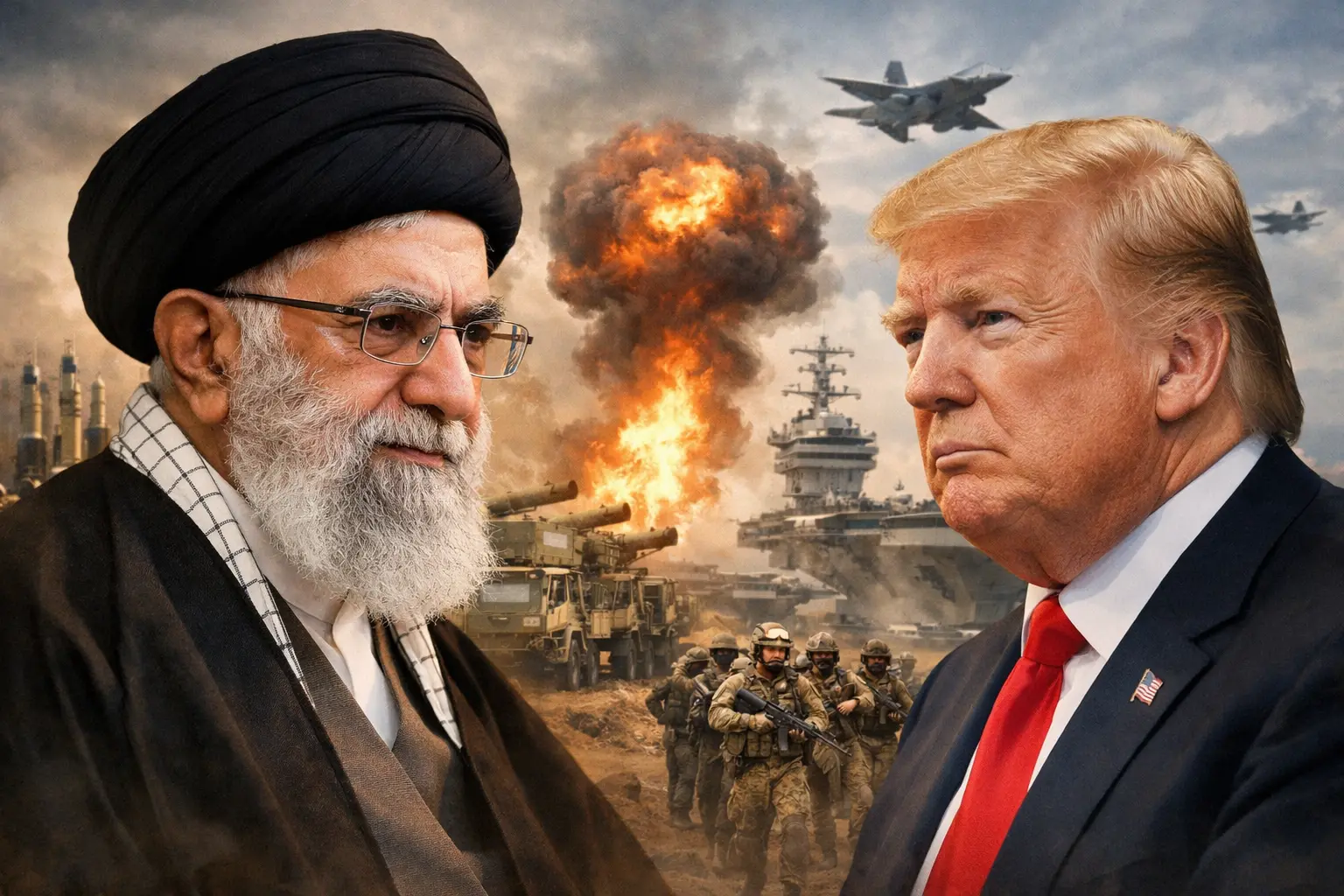
The US would dominate a total cyber war with superior firepower. However, Iran could still inflict billions in damages on American businesses. Washington wins the military fight but faces high economic costs. The digital conflict ensures no side emerges completely unscathed.
)
)
)
)
)