Who would win? Comparing the air power of the US and Iran in case of a war

The US holds overwhelming aerial superiority with 13,000+ aircraft and stealth jets. Iran counters this with a regional "air shield" of drones and S-300 missiles to deter threats.

Global air power rankings
The United States holds the world's most powerful military position with a top-tier power index. In contrast, Iran is a strong regional power, currently ranked 16th globally in the 2025 military strength index.
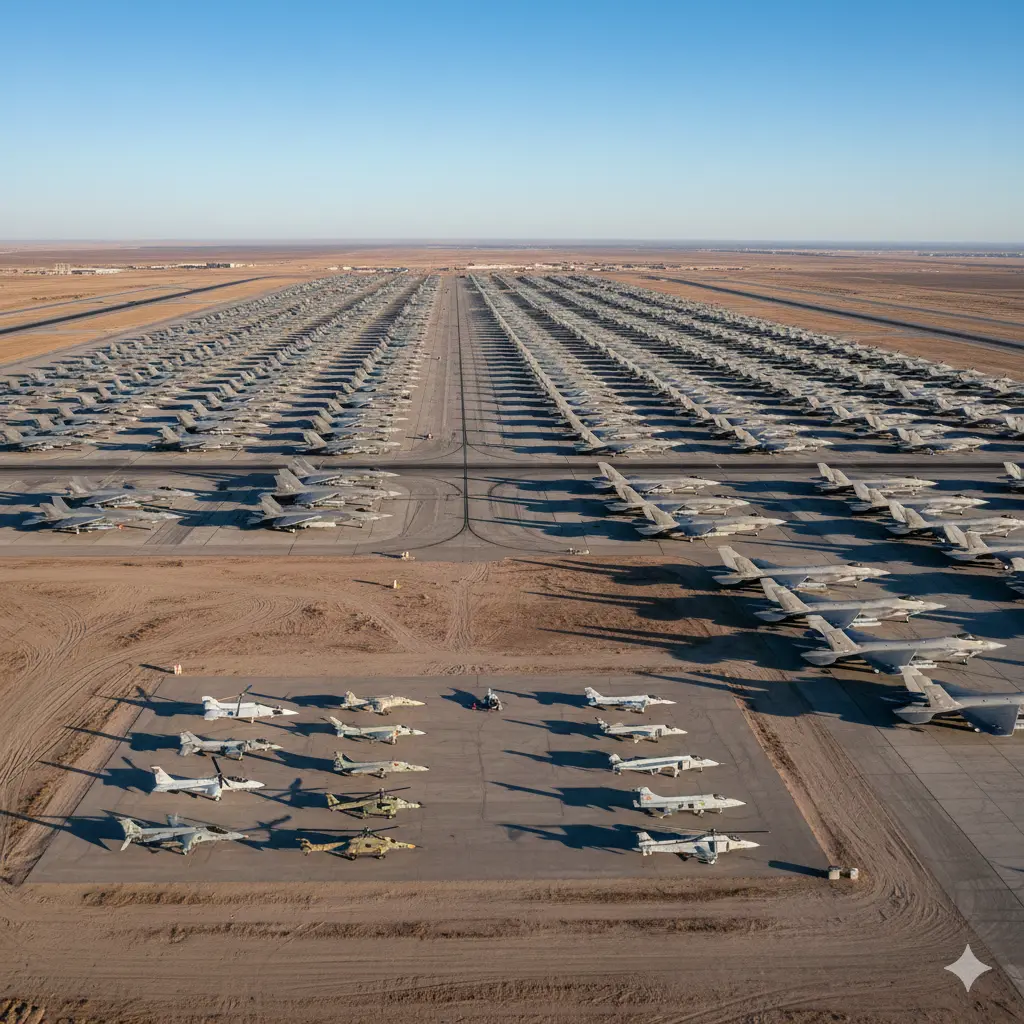
Massive fleet size disparity
The US commands a staggering total of over 13,000 aircraft across its military branches. Iran’s total air fleet is significantly smaller, estimated at approximately 551 to 561 aircraft as of early 2025.
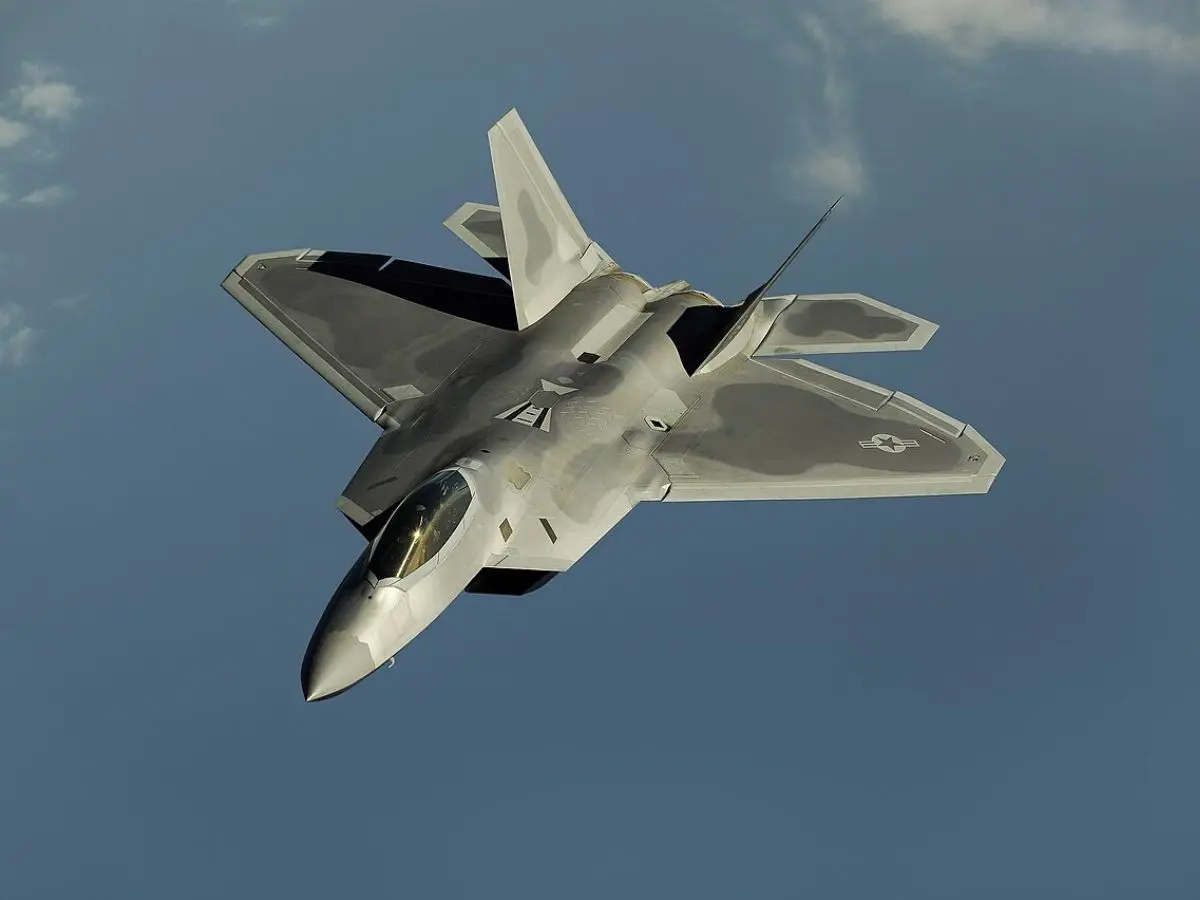
Advanced stealth vs legacy jets
US air power is defined by fifth-generation stealth fighters like the F-35 Lightning II and F-22 Raptor. Iran's air force primarily operates ageing third-generation aircraft, including the F-4 Phantom and MiG-29.

Strike and attack capabilities
The US possesses nearly 1,800 dedicated fighter and interceptor aircraft for high-intensity combat. Iran maintains about 188 hunting or interceptor aircraft, many of which are older models maintained through domestic upgrades.
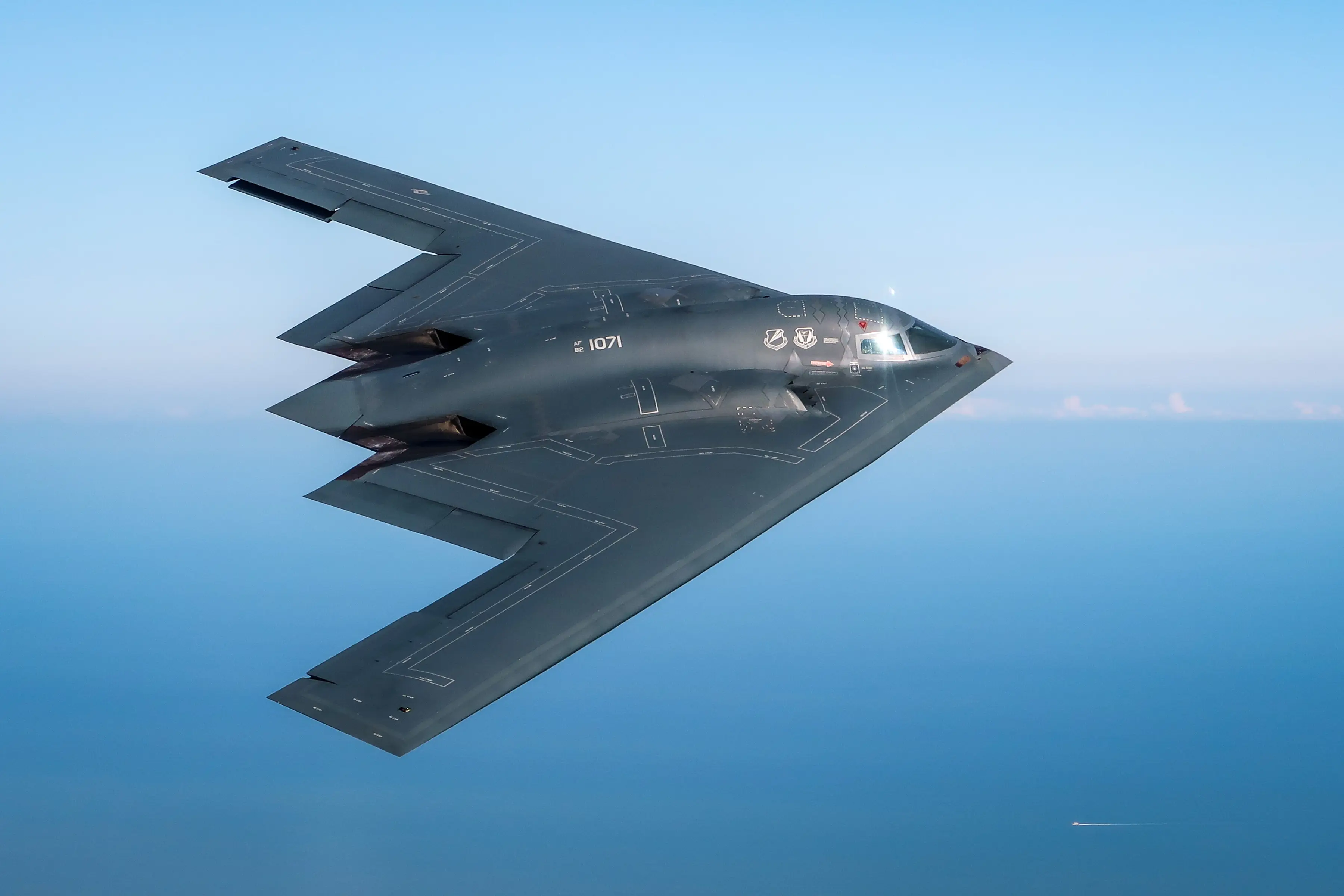
The role of heavy bombers
The US maintains a unique strategic advantage with massive bombers like the B-2 Spirit and B-52 Stratofortress. Iran lacks a comparable long-range strategic bomber fleet, focusing instead on shorter-range regional operations.
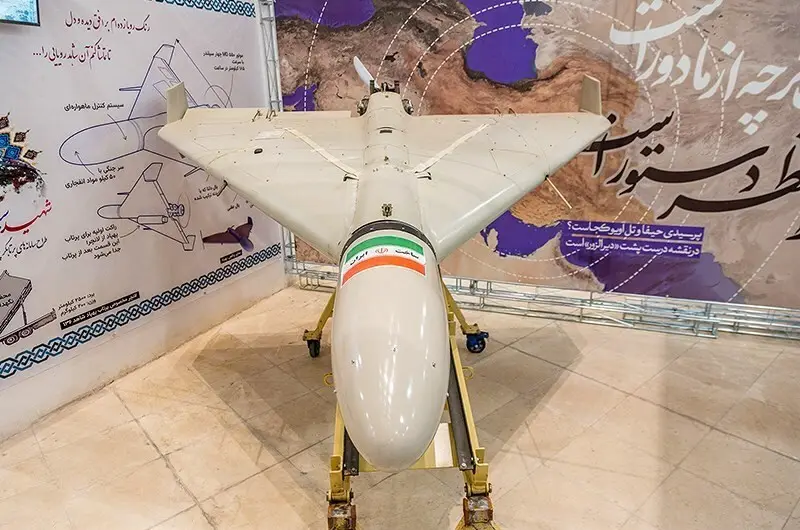
Iran’s asymmetric drone threat
To compensate for its ageing planes, Iran has invested heavily in an ambitious drone programme. US commanders have noted that Iranian UAVs, like the Shahed-136, pose a significant challenge to traditional air superiority.
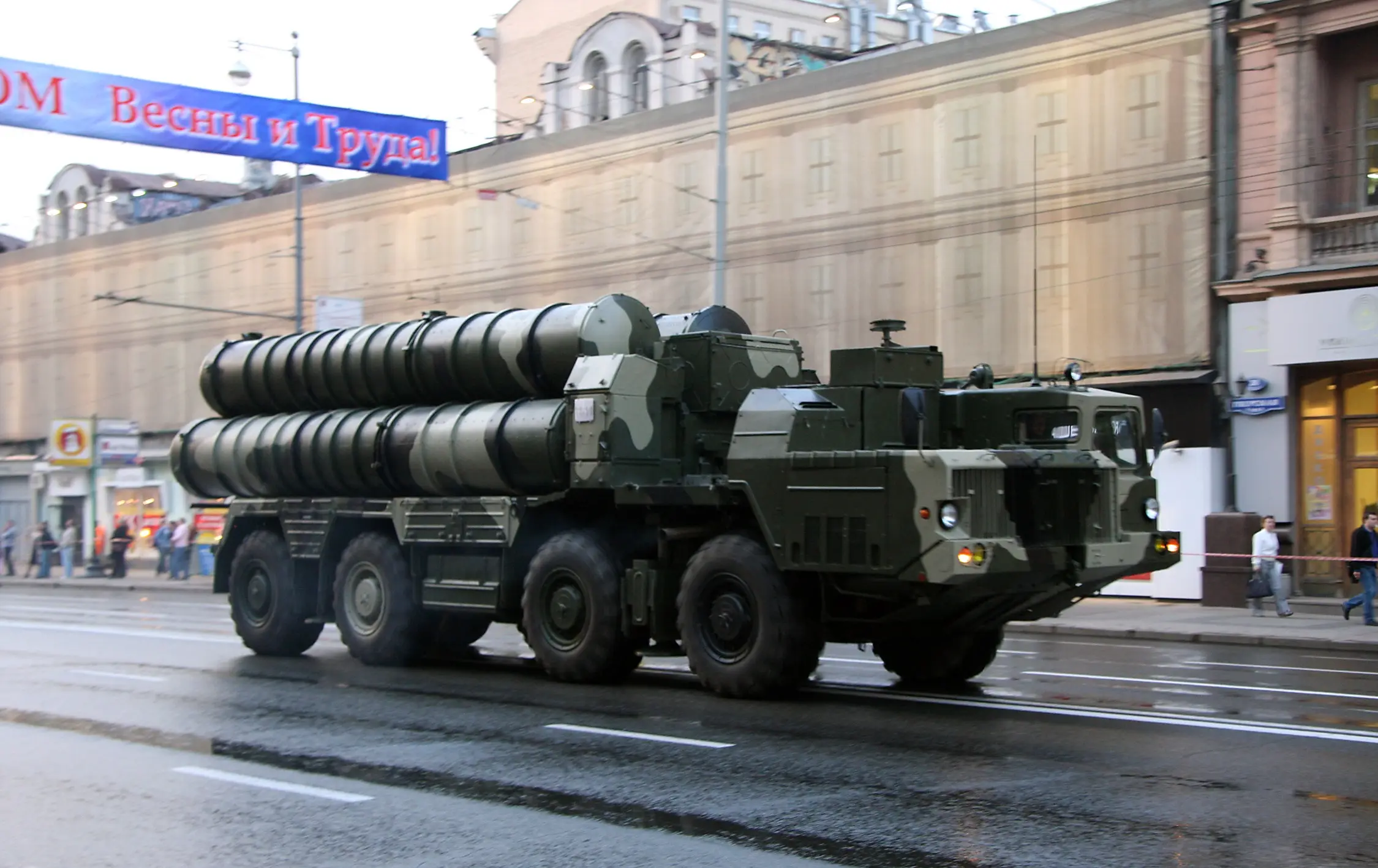
Air defence and the S-300
Iran relies on its "air shield," featuring the Russian-made S-300PMU-2 missile system to protect its airspace. This system can track multiple aircraft simultaneously and acts as a primary deterrent against aerial incursions.
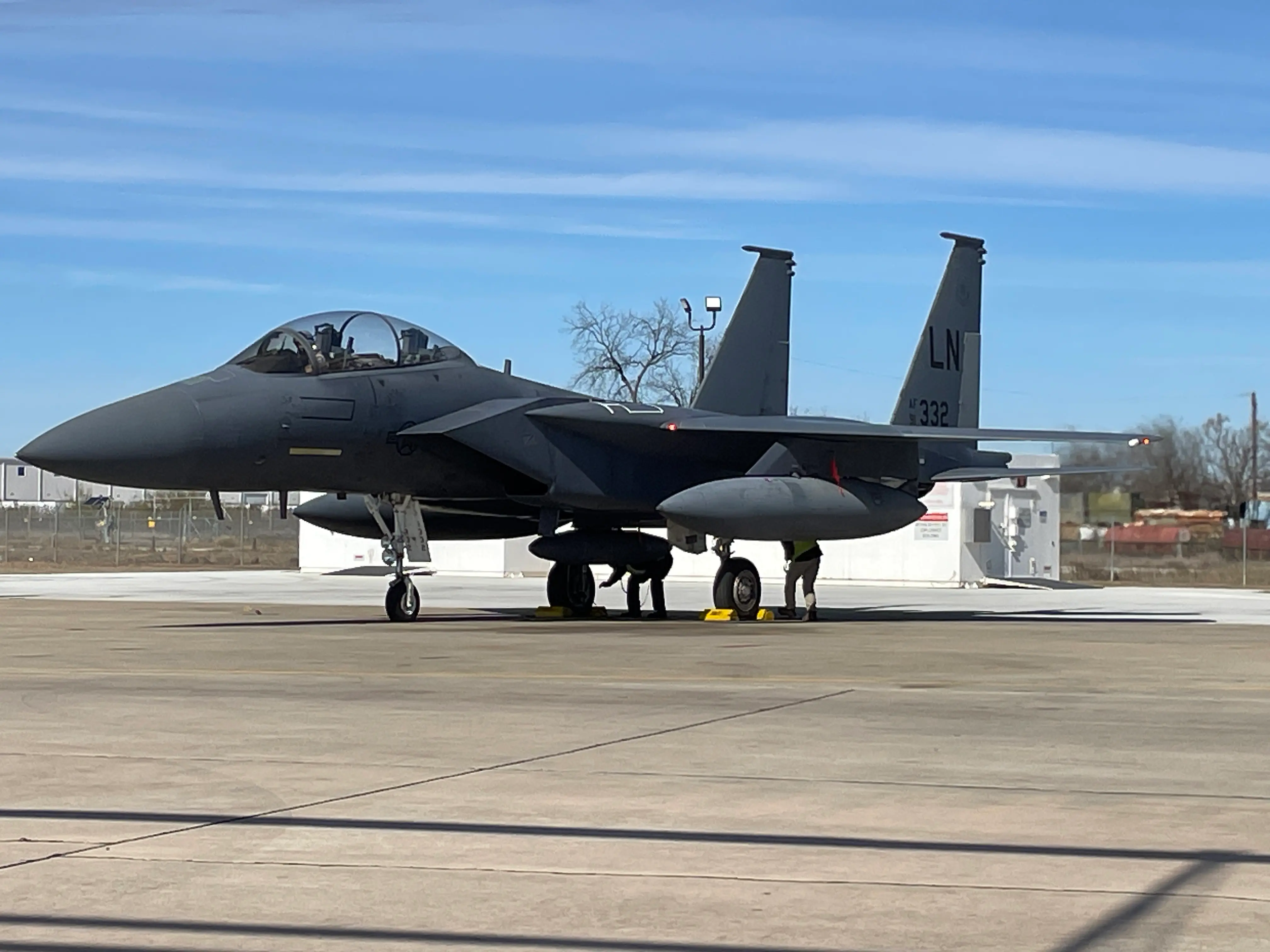
US electronic warfare edge
New US technology, such as the EPAWSS system on F-15E Strike Eagles, acts as an "electronic ghost." This allows US jets to potentially blind radar systems like the S-300 during surgical strikes.

Defence budget and investment
The US military budget is overwhelmingly large at approximately $895 billion for 2025. Iran’s defence spending is considerably lower, estimated at around $15.45 billion, limiting its ability to modernize its fleet.
Strategic depth and reach
The US benefits from a global network of over 750 overseas bases and advanced aerial refuelling tankers. Iran focuses on defensive depth and area-denial tactics within its own borders to raise the cost of any conflict.
)
)
)
)
)