Who would win? Comparing the air power of the Israel and Iran in case of a war

Israel holds a distinct advantage in air power with its modern F-35 stealth jets and advanced pilots. Iran relies on an aging fleet of F-14s but counters with massive drone swarms and ballistic missiles.
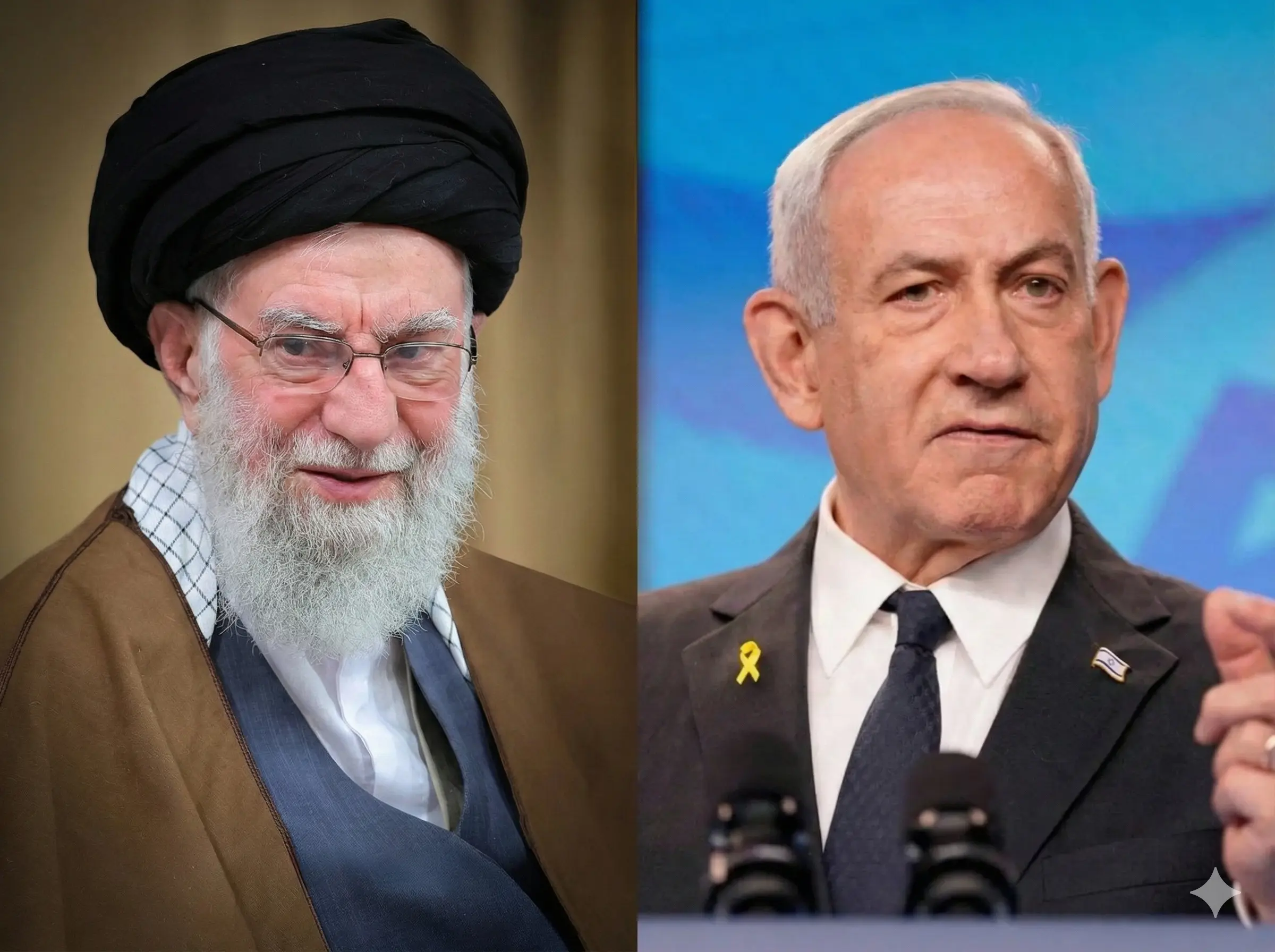
Total Combat Fleet Strength
Israel operates approximately 345 combat-capable aircraft, focusing on high-tech multirole fighters. Iran possesses roughly 312 combat aircraft, but many are older models from the 1970s. While the total numbers appear similar, the operational readiness and modernity of the fleets differ significantly.
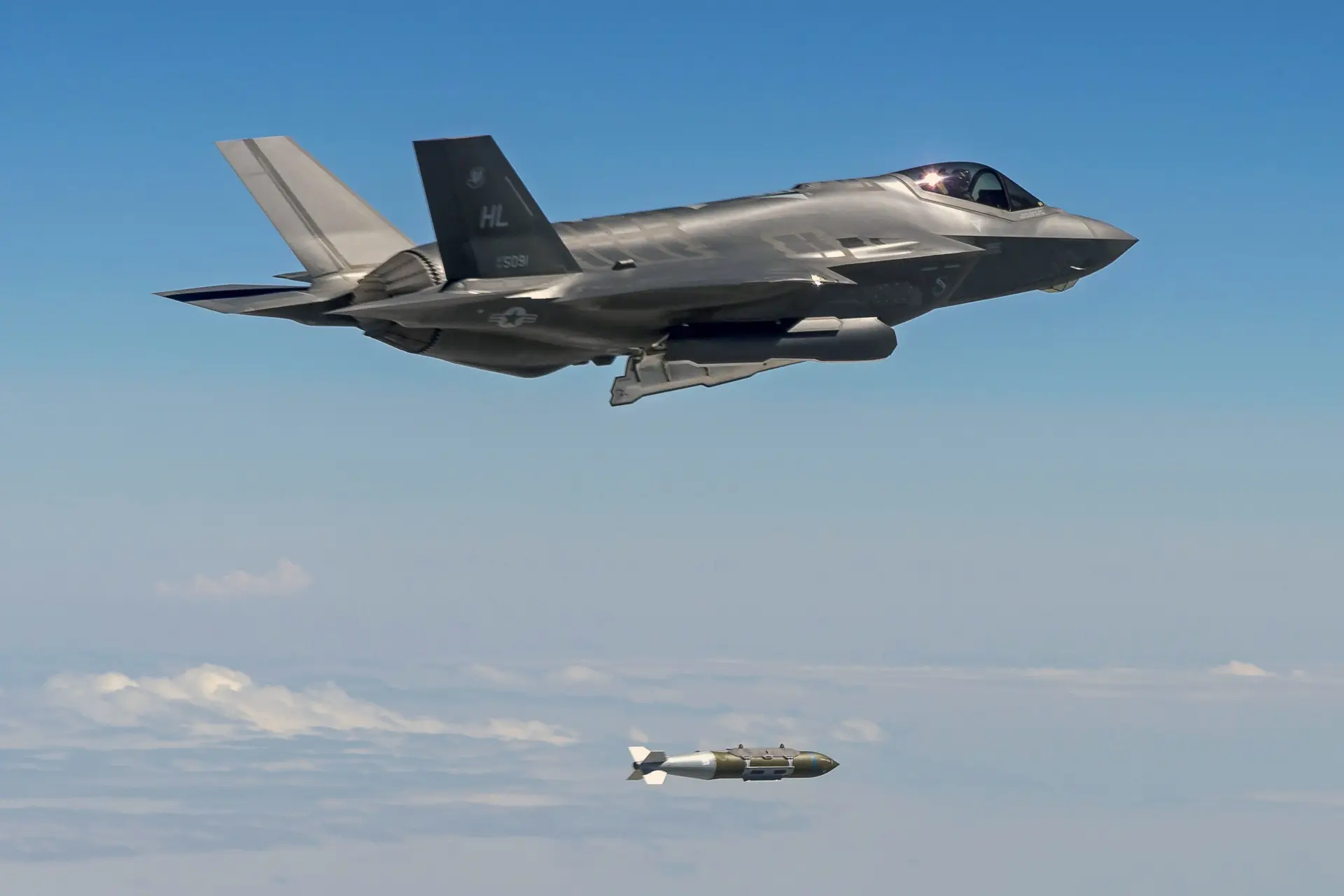
Israel’s Stealth Advantage
The Israeli Air Force flies the F-35I ‘Adir’, a fifth-generation stealth fighter custom-built for their needs. These jets can evade radar detection and strike deep into enemy territory. Israel currently operates nearly 40 of these advanced aircraft, giving them a capability Iran cannot match.
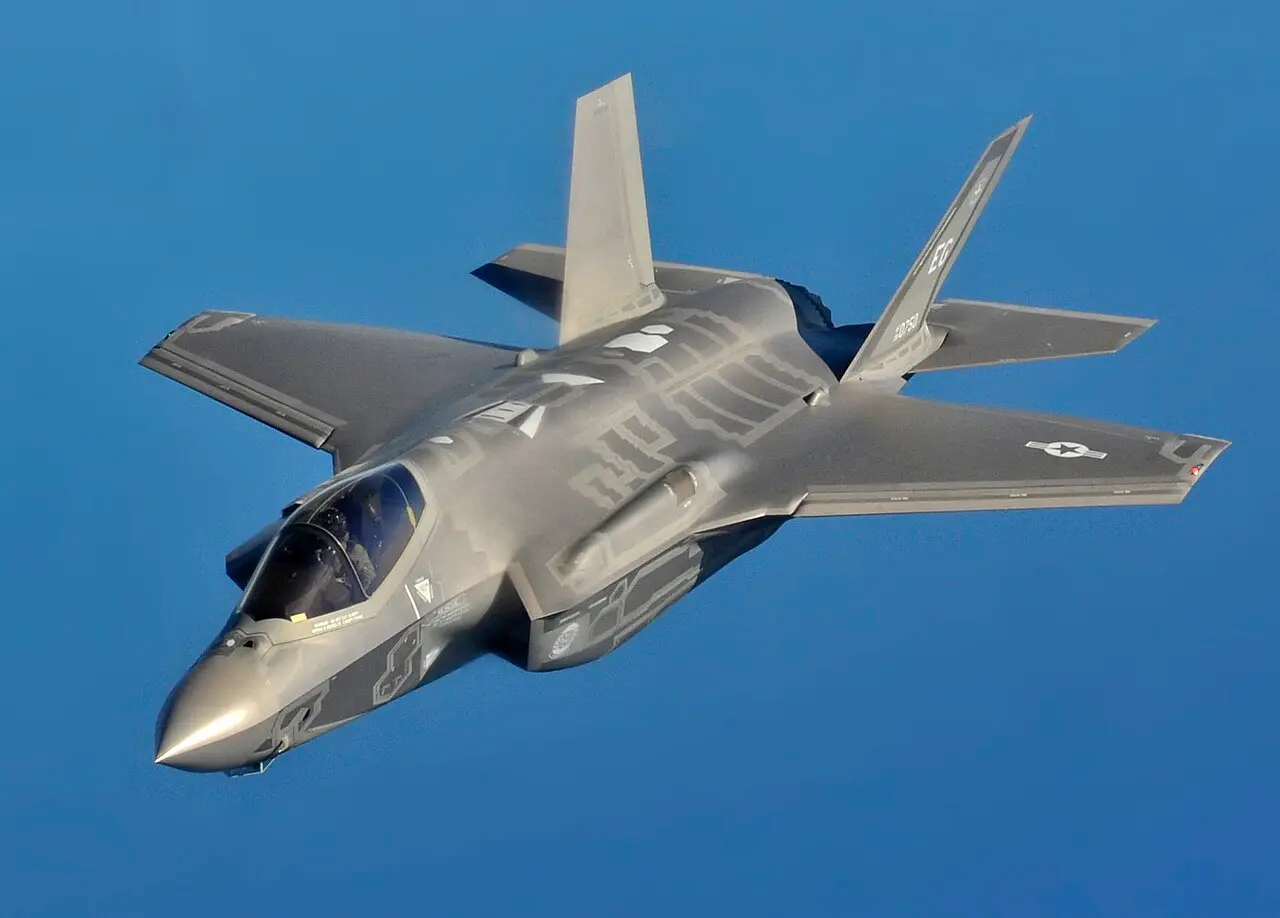
Iran’s Aging Fighter Jets
Iran’s air force still relies on pre-1979 American aircraft like the F-14 Tomcat and F-4 Phantom. Maintaining these jets is difficult due to decades of sanctions and a lack of spare parts. This "museum fleet" would struggle to survive in a modern dogfight against superior technology.
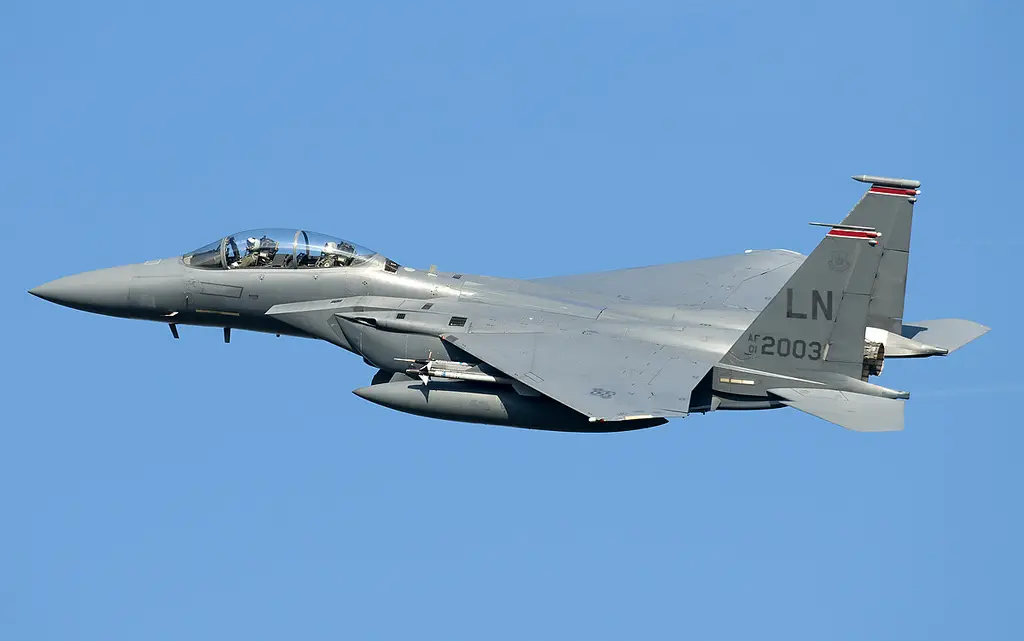
The Backbone of the Fleets
Israel’s main workhorses are the F-15 Eagle and F-16 Sufa, heavily upgraded with advanced avionics. In contrast, Iran’s best fighters are the Russian MiG-29s and Su-24s, which are capable but outdated compared to Israeli equivalents. Israel’s jets can carry more weapons and fly longer distances.
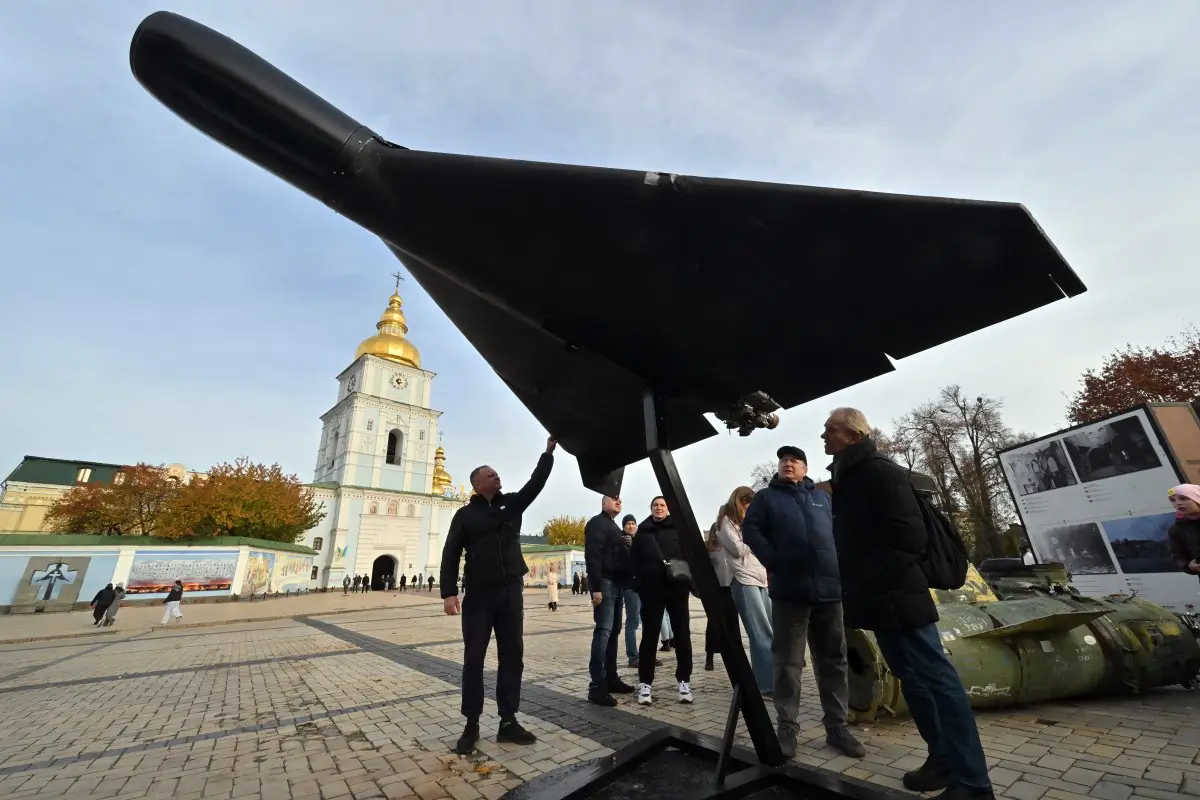
Iran’s Drone Dominance
To compensate for a weaker air force, Iran has invested heavily in unmanned aerial vehicles (UAVs). The Shahed-136 "suicide drone" allows Iran to launch cheap, mass attacks on targets. These swarms act as a poor man’s air force, designed to overwhelm enemy defences through sheer volume.
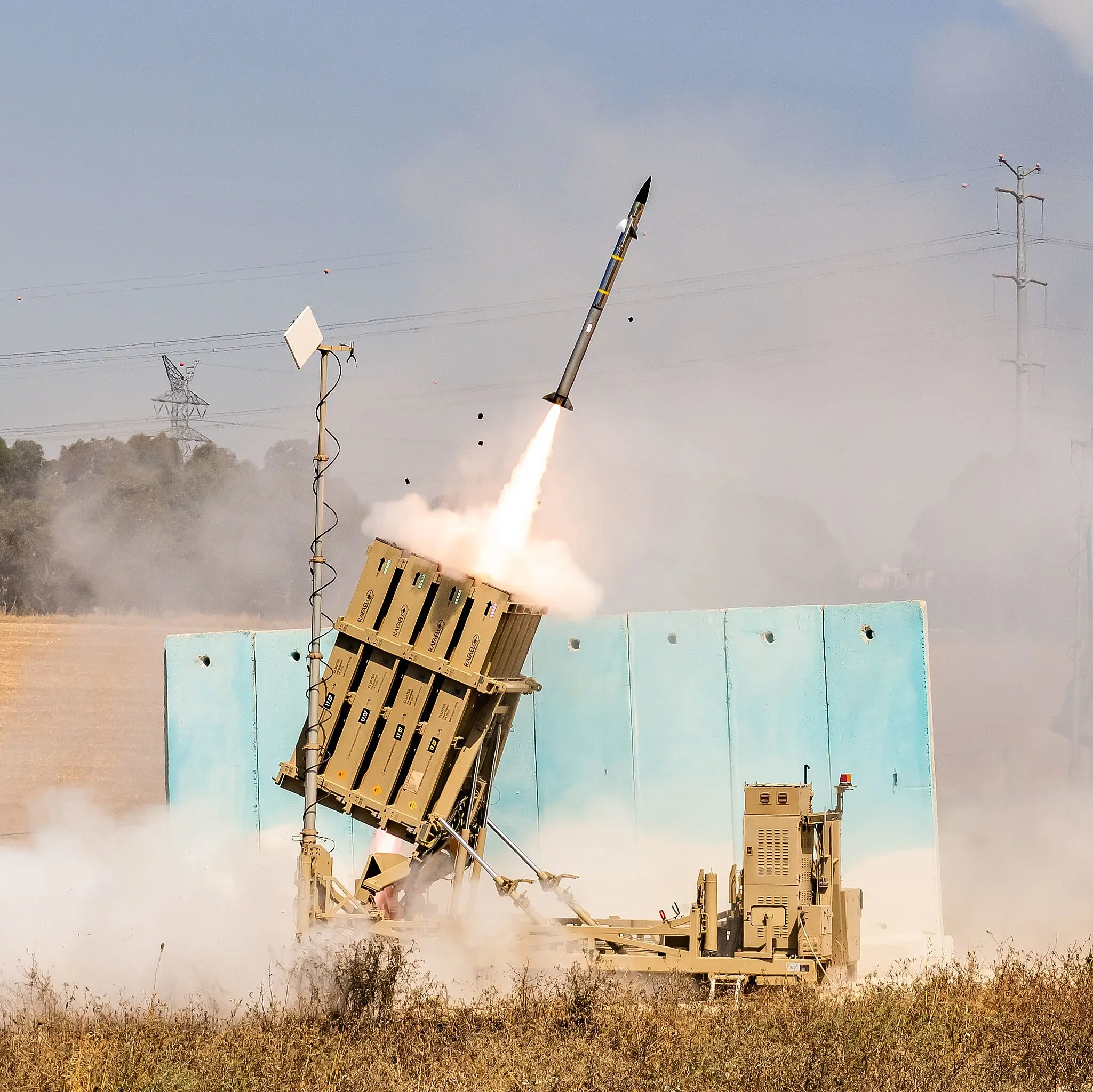
Israeli Air Defence Shield
Israel possesses one of the world's most dense air defence networks. Systems like the Iron Dome, David’s Sling, and Arrow-3 protect its airspace from rockets and missiles. This multi-layered shield effectively neutralises most aerial threats before they reach populated areas.
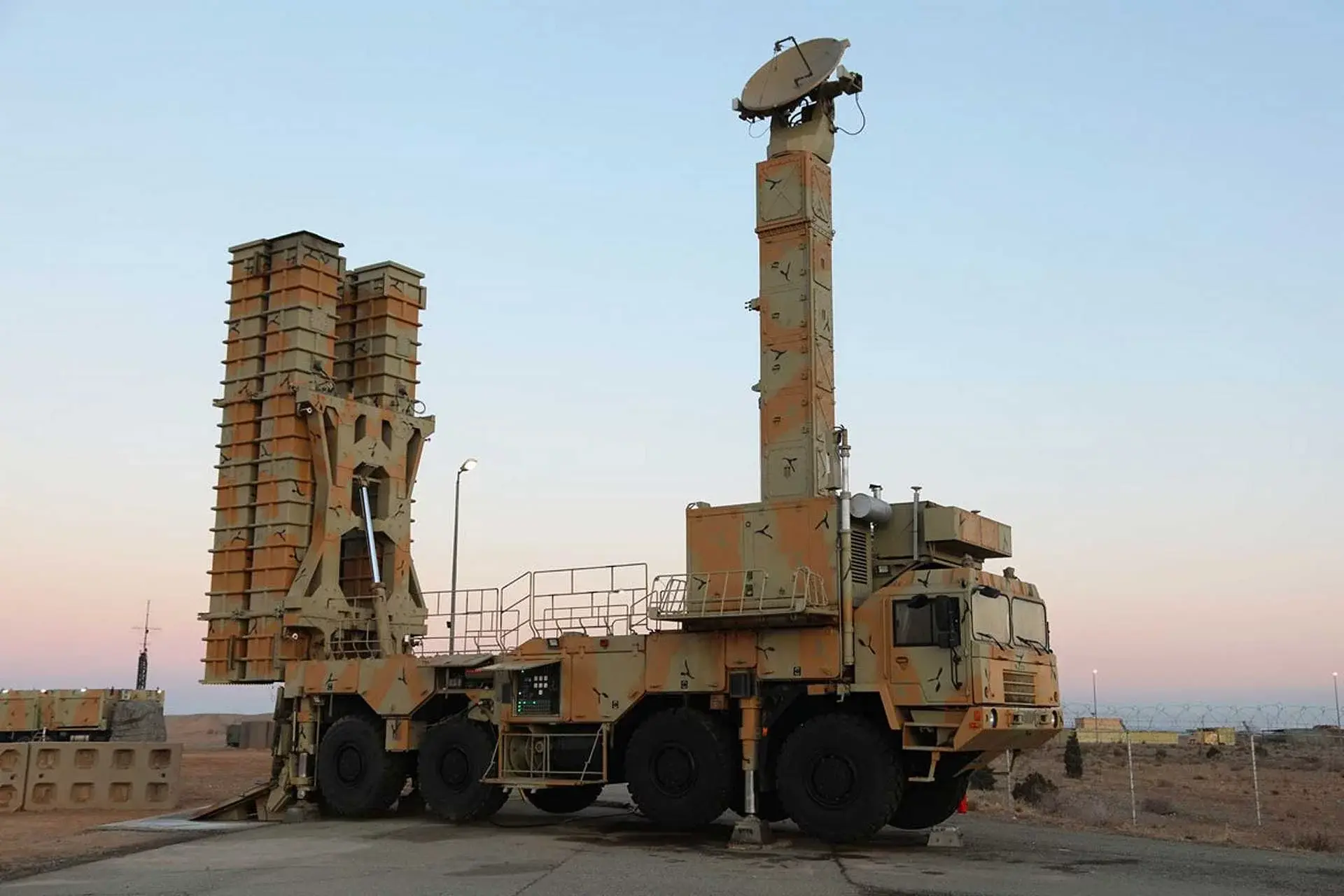
Iran’s Defensive Capabilities
Iran relies on the Russian S-300 system and its locally produced Bavar-373 for air defence. While these systems are powerful, experts question their ability to track and hit Israel’s stealth F-35s. Iran’s air defence network is also less integrated than Israel’s sophisticated command structure.
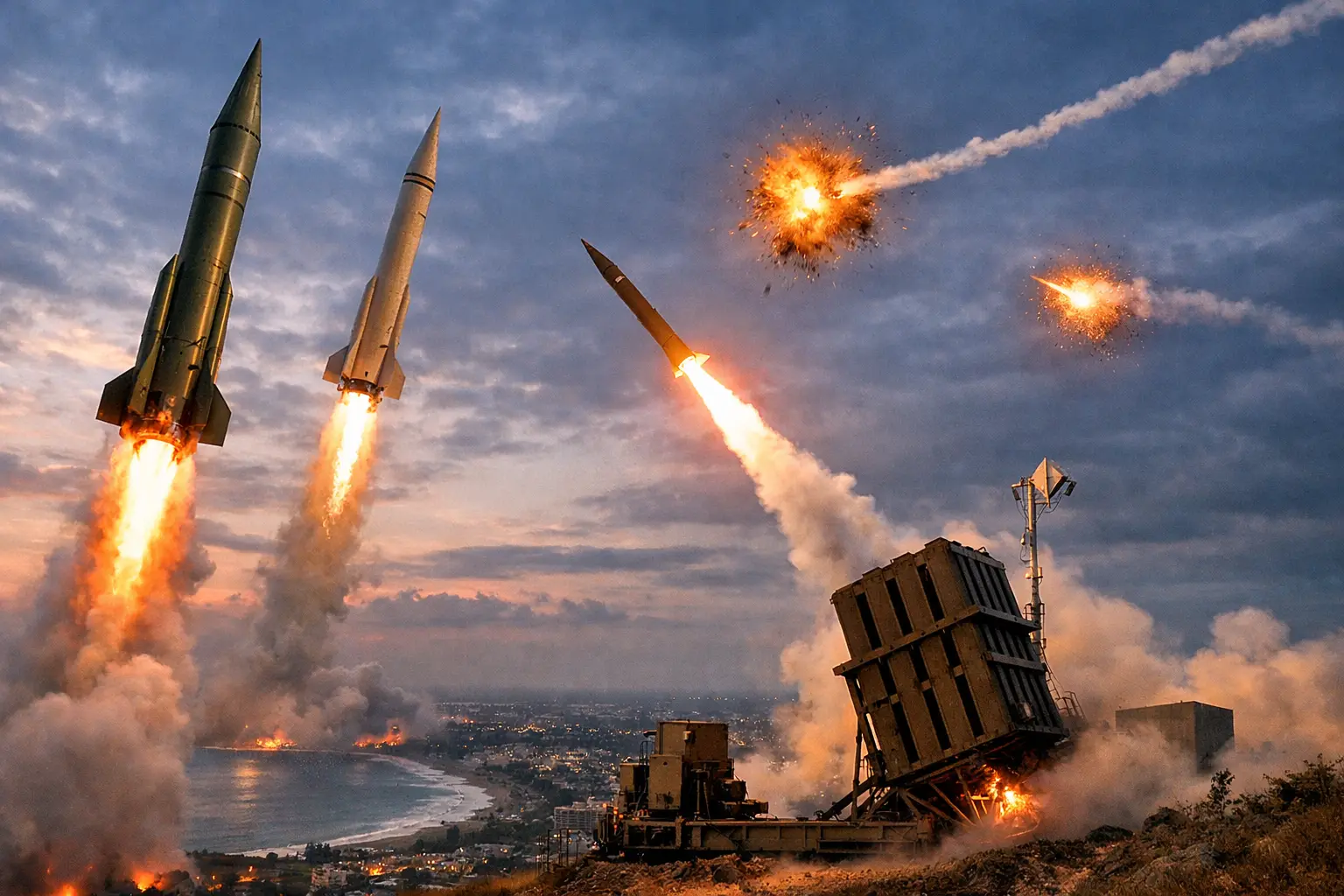
Missile Arsenals
Since Iran cannot win a direct air-to-air battle, it focuses on ballistic and cruise missiles. Iran holds thousands of missiles capable of reaching Israel, serving as their primary deterrent. This missile force is their strategic substitute for a modern bomber fleet.

Pilot Training and Technology
Israeli pilots are widely considered among the best-trained in the world, with frequent combat experience. They also benefit from superior electronic warfare suites that can jam enemy radars. Iranian pilots lack access to modern training simulators and fly fewer hours due to equipment shortages.

The Strategic Verdict
In a direct air war, Israel’s technological superiority and stealth capabilities would likely secure total air dominance. Iran would be unable to challenge Israeli jets in the sky and would instead rely on missile barrages and drone swarms. Israel wins the air battle, but the missile threat remains a challenge.
)
)
)
)
)