Who will replace the International Space Station after 2030?

The ISS has hosted over 4,000 experiments since its first crew arrived in 2000, serving as a microgravity laboratory for over 5,000 researchers worldwide. Research ranged from the impact of microgravity on human health to the development of new materials and medical insights.
Introduction: the countdown to 2030
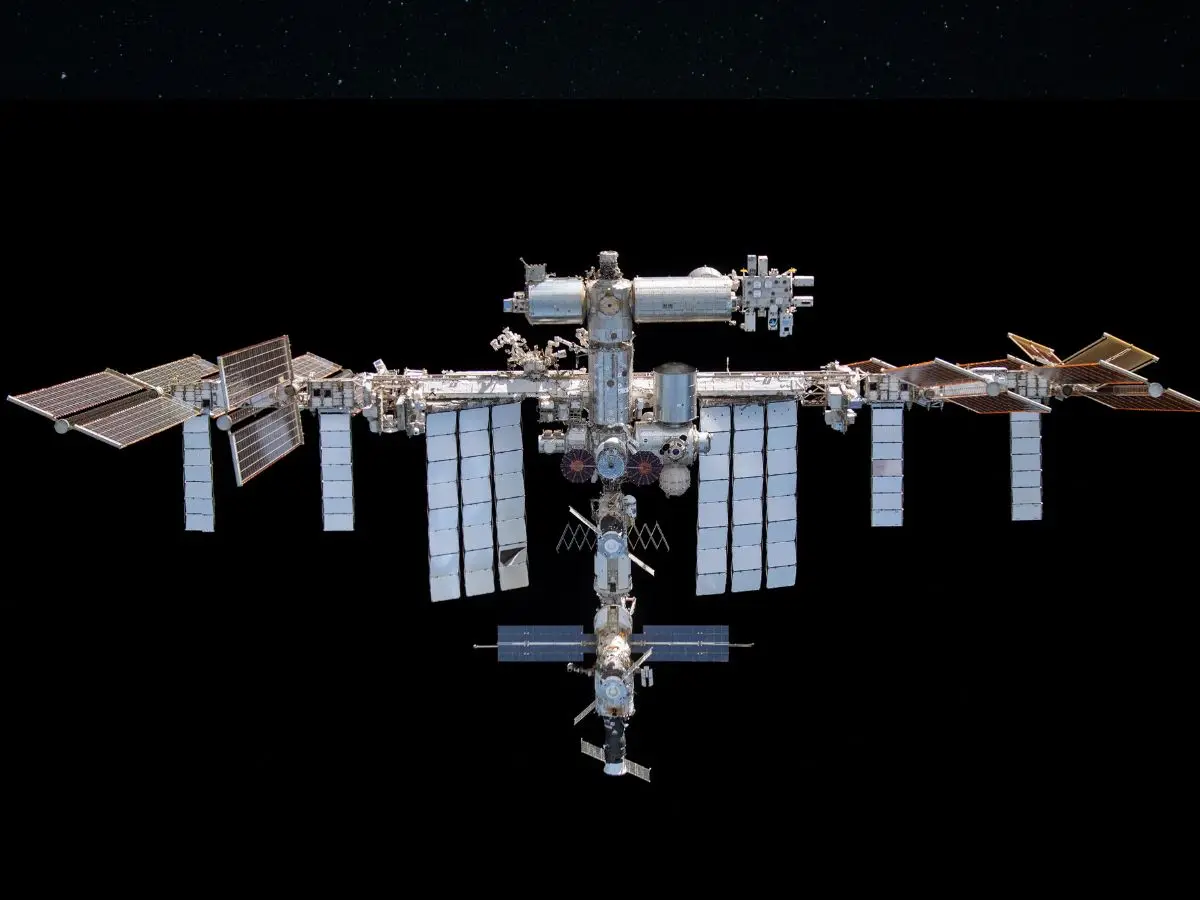
The International Space Station (ISS), launched in 1998, is scheduled for controlled reentry into Earth’s atmosphere in 2030. For more than two decades it has been humanity’s permanent outpost in space, but with its retirement approaching, questions remain: will there be a seamless transition to new stations, or a gap in continuous human presence in orbit? Recently, Indian astronaut Shubhanshu Shukla made history by becoming the first Indian to visit the International Space Station (ISS) as part of the Axiom-4 (Ax-4) mission, a private spaceflight collaboration with ISRO, NASA, and SpaceX.
What the ISS leaves behind
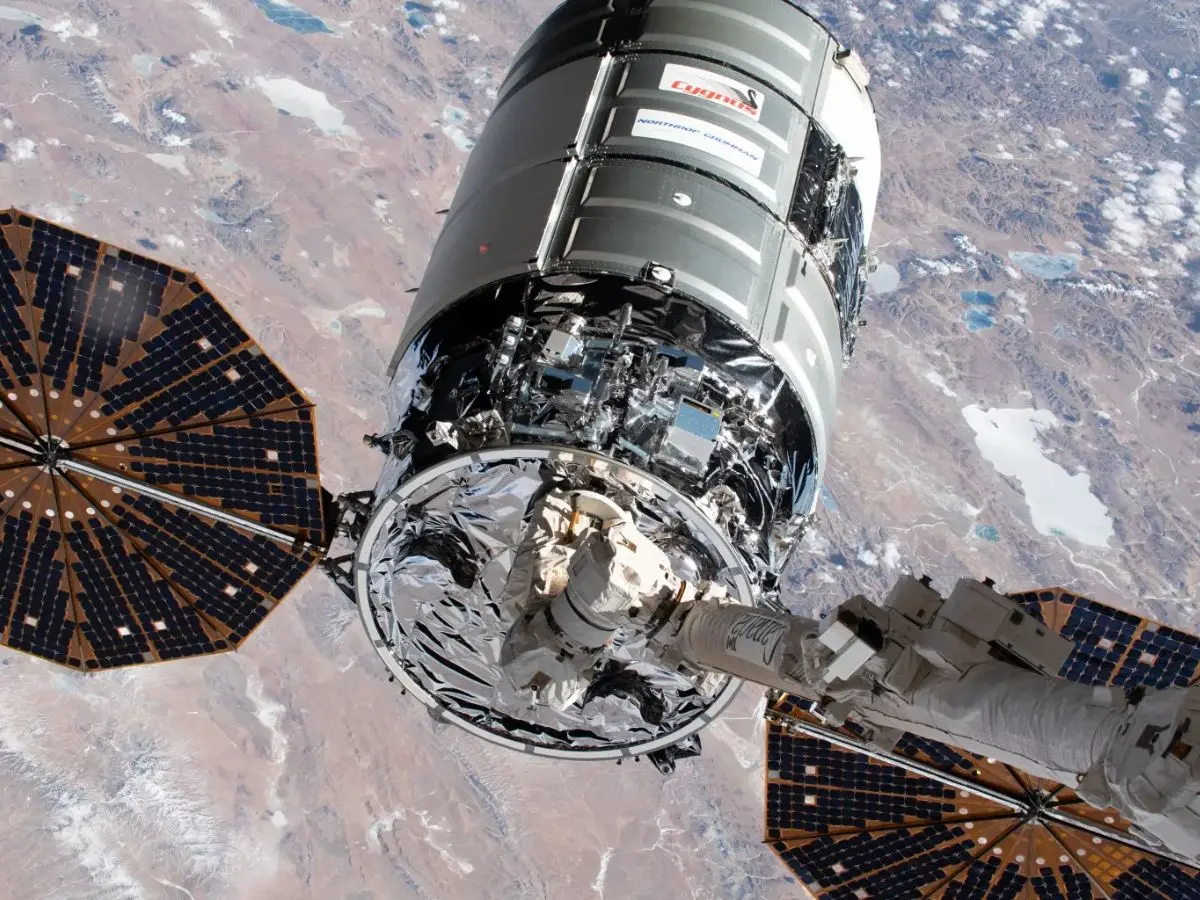
The ISS has hosted over 4,000 experiments since its first crew arrived in 2000, serving as a microgravity laboratory for over 5,000 researchers worldwide. Research ranged from the impact of microgravity on human health to the development of new materials and medical insights. Just as importantly, the station provided experience in maintaining life-support systems, handling emergencies, and running long-duration missions, skills that will underpin future exploration of the Moon and Mars.
NASA’s transition strategy
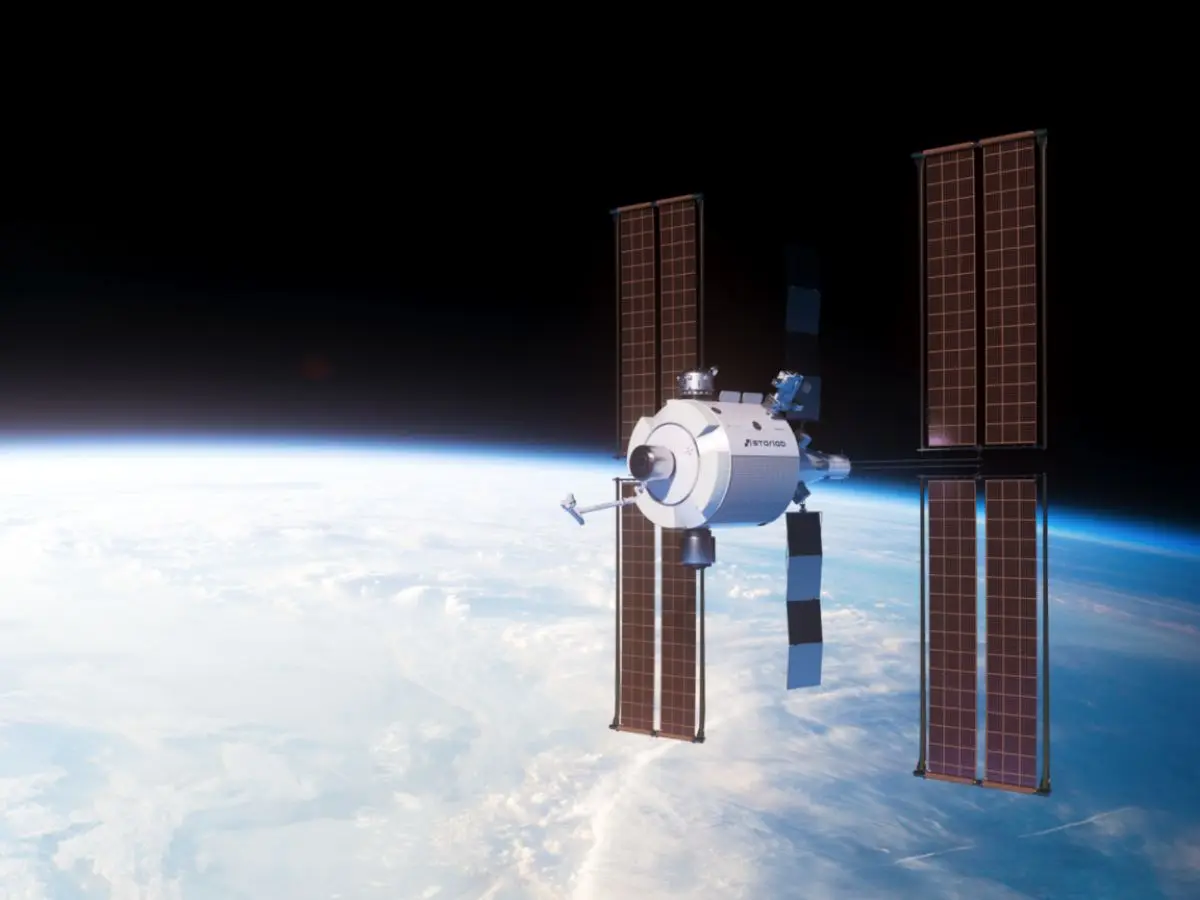
Instead of building another government-owned laboratory, NASA is turning to private industry through its Commercial Low Earth Orbit Destinations programme. The aim is to create a market in which multiple companies design, build and operate stations, while agencies like NASA simply become paying customers for research and crew time. This model echoes the successful approach used to develop commercial cargo and crew transport to the ISS.
Key contenders for the post-ISS era
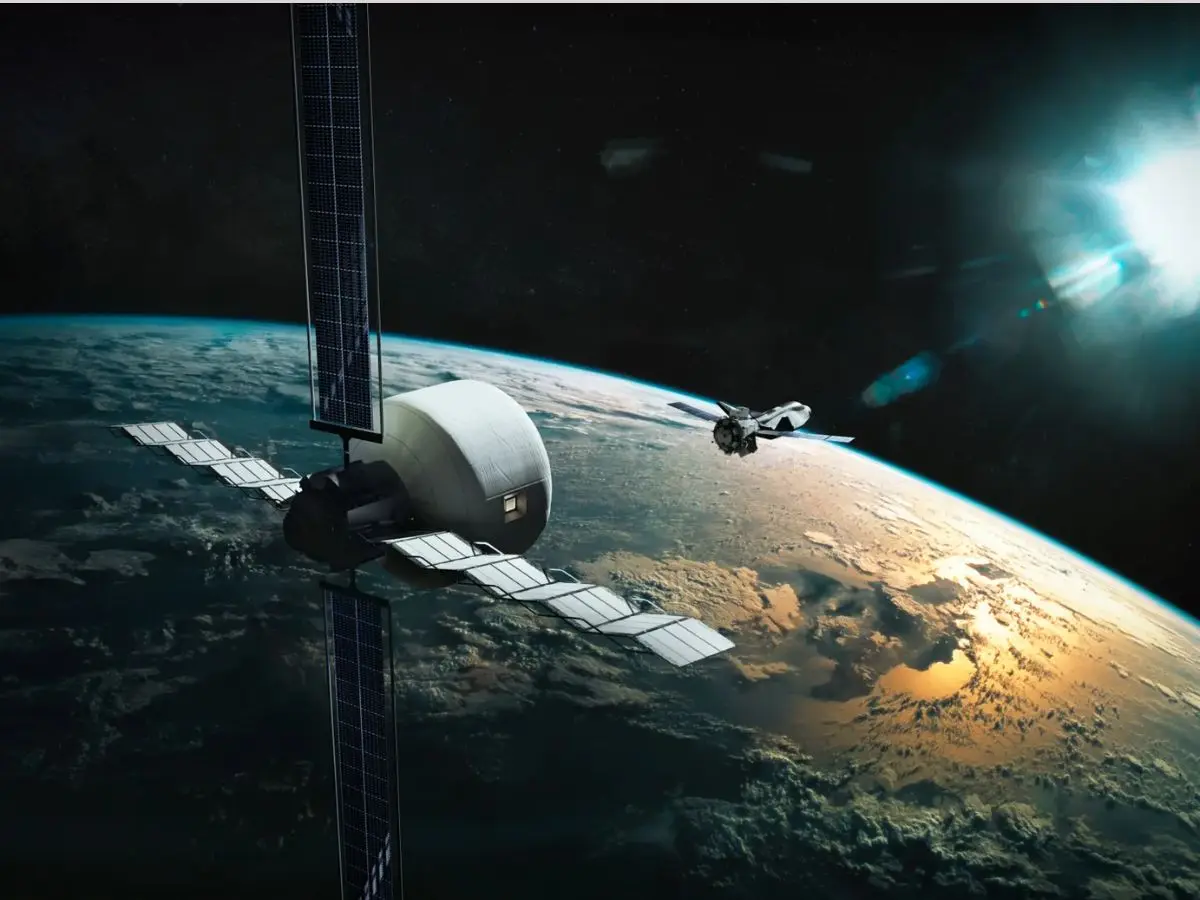
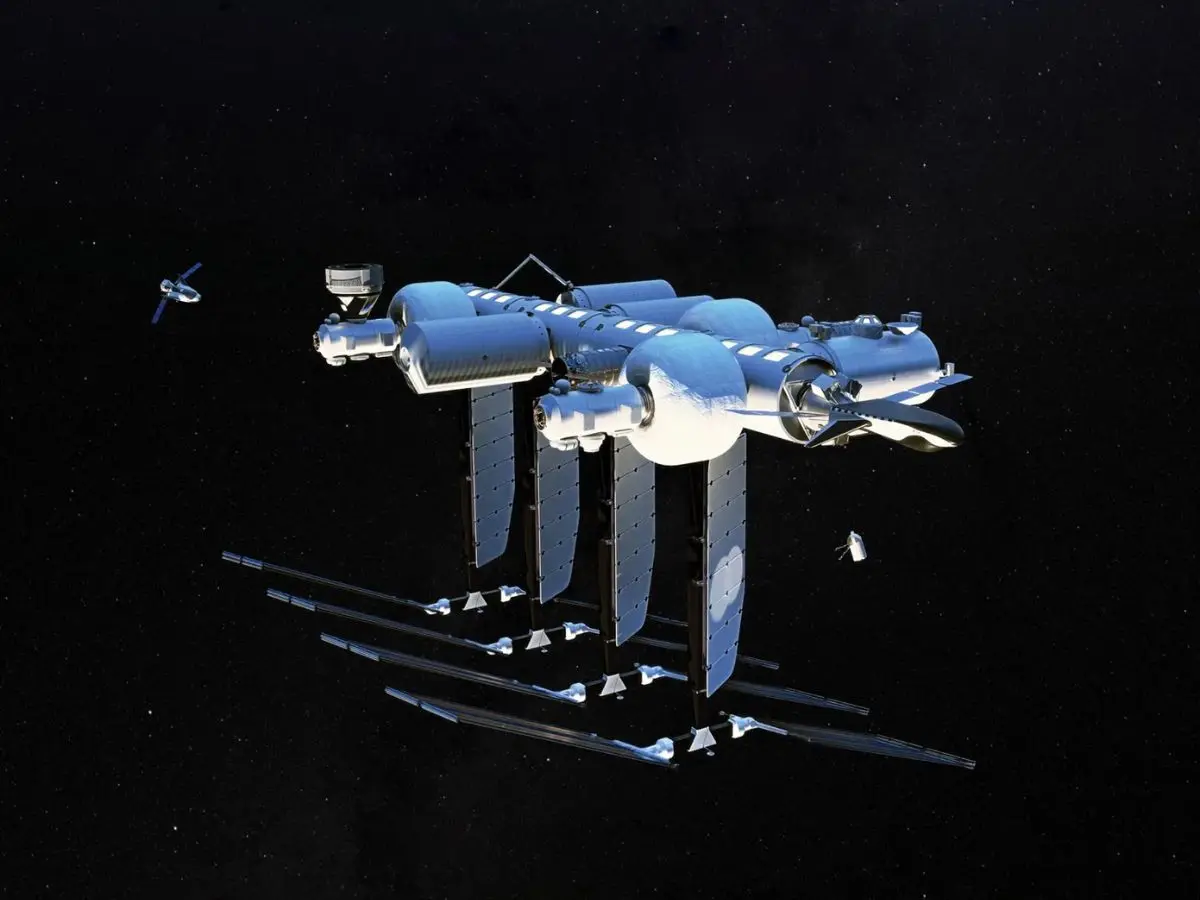
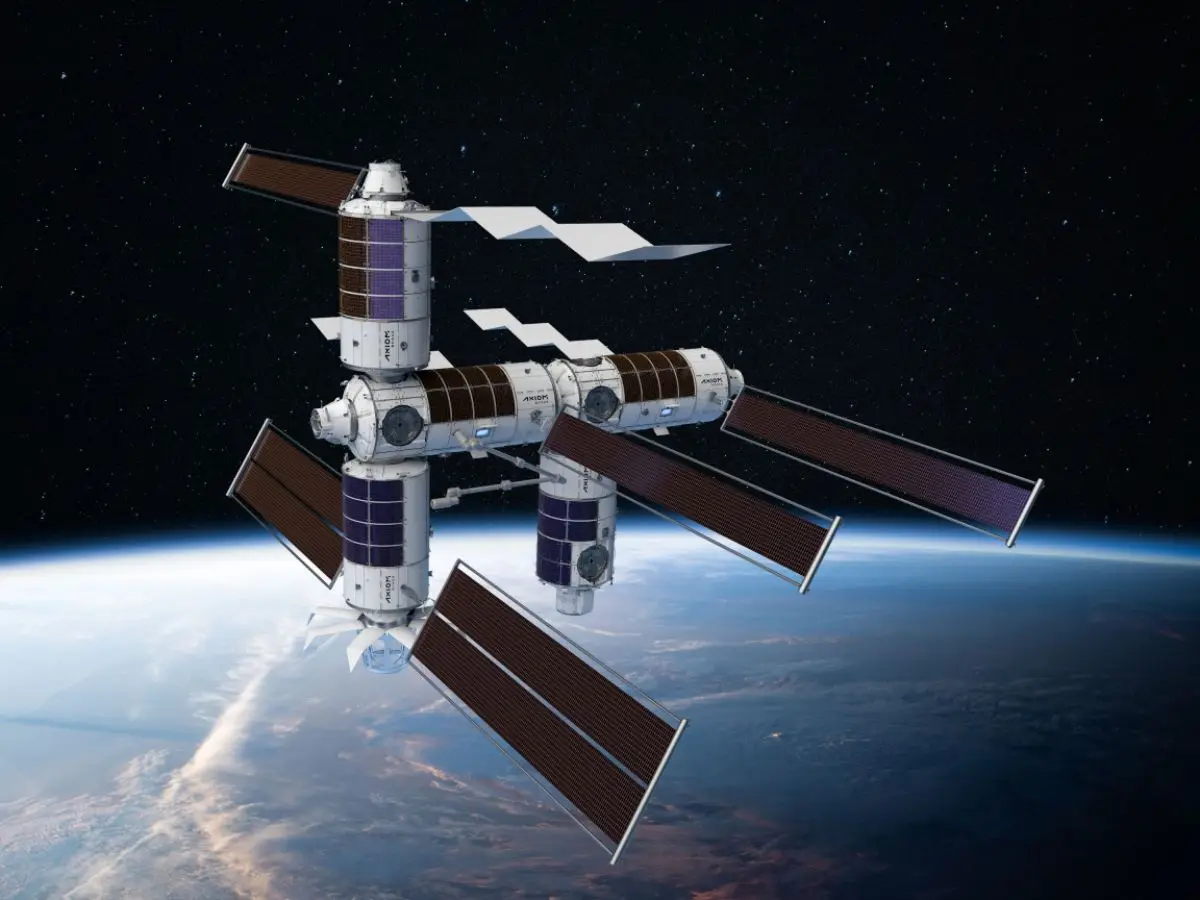
According to the Daily Galaxy, several firms are competing to fill the gap. Axiom Space is already building modules that will initially attach to the ISS and later detach to form an independent station. Orbital Reef, developed by Blue Origin and Sierra Space, is planned as a versatile platform combining research, manufacturing and tourism. Starlab, led by Voyager Space and Airbus, is designed to provide advanced laboratory capabilities. Other players, such as VAST, are also exploring station concepts aimed at research and in-space production.
Challenges of building new stations
Operating in orbit demands far more than simply launching modules. Future stations must provide robust life-support systems, reliable docking, radiation protection, and safe long-term habitability. New projects will also need to ensure financial sustainability in a market that is still untested beyond government contracts. Technical delays or cost overruns could easily slow progress, raising the risk of a gap once the ISS is retired.
The risk of a gap in space presence
History offers a cautionary tale: after Skylab’s fall in 1979, there was a long hiatus before the ISS became operational. A similar gap after 2030 could interrupt scientific research and weaken international cooperation. While commercial stations promise flexibility and innovation, there is no guarantee they will be ready on time.
)
)
)
)
)