Who will get Ted Turner’s fortune?

Following his death in May 2026, Ted Turner leaves behind a USD 2.8 billion fortune. His wealth, primarily tied to two million acres of land and a massive bison herd, will be divided among his five children and his philanthropic foundations.
The USD 2.8 Billion Empire
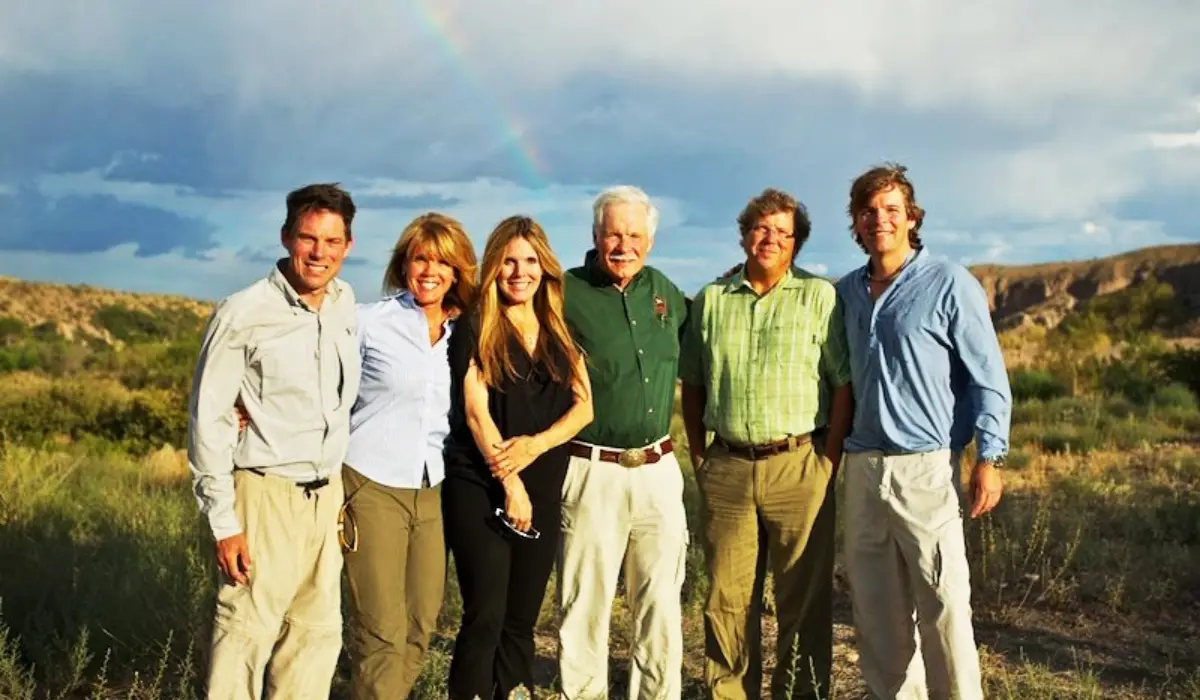
At the time of his death at age 87 in May 2026, Ted Turner's net worth was estimated at roughly USD 2.8 billion. While he famously lost billions during the AOL-Time Warner merger, his massive investments in private land preserved his billionaire status.
Five children
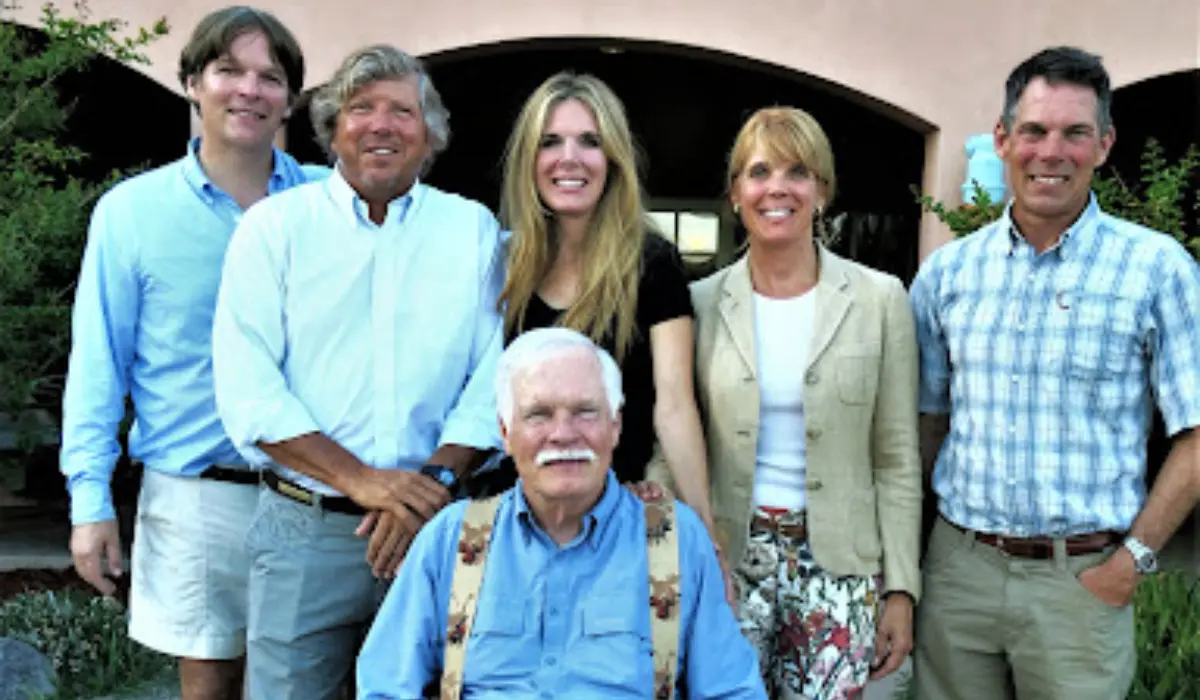
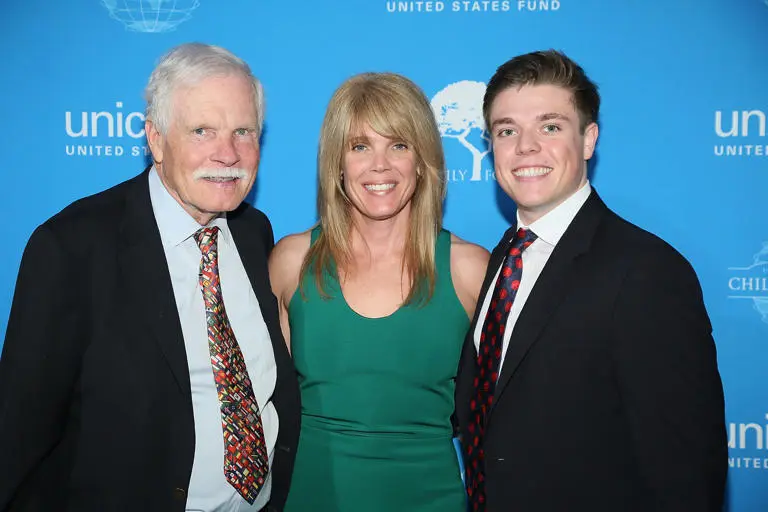
Turner is survived by his five children: Laura Lee, Robert Edward IV, Beau, Rhett, and Jennie. As his direct heirs, they are expected to inherit significant portions of his private wealth, estates, and continued leadership roles within the family enterprises.
Two Million Acres
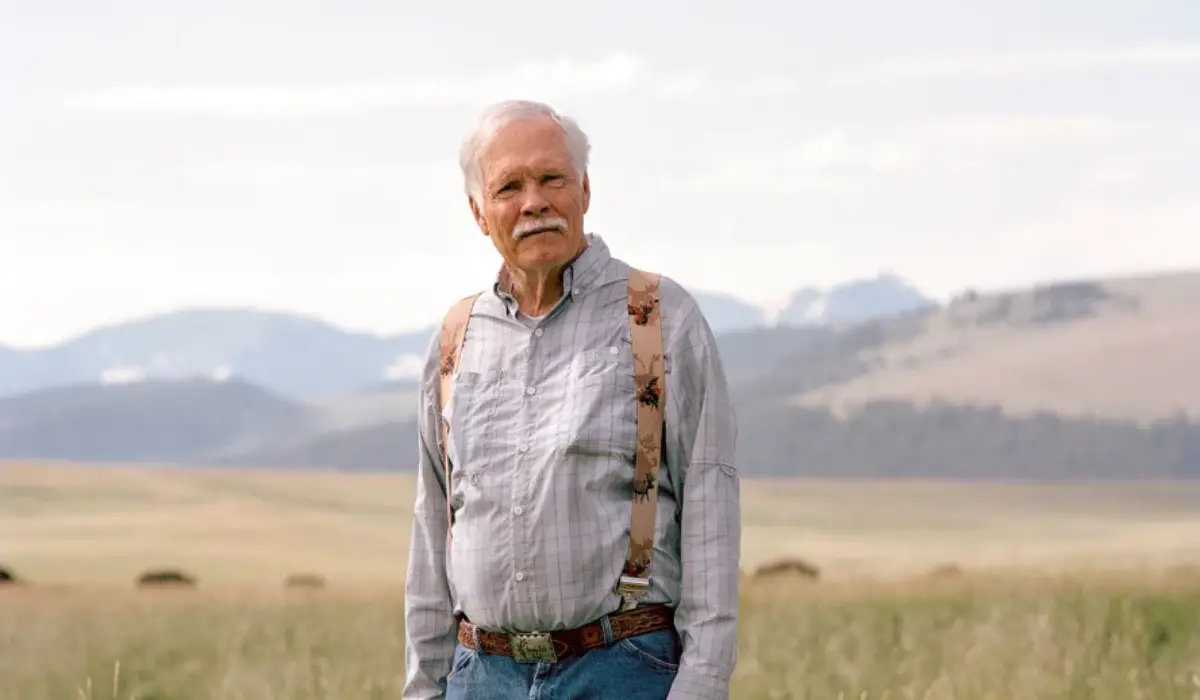
The CNN founder leaves behind a staggering real estate portfolio, having previously held the title of America's largest private landowner. His estate controls roughly two million acres across the United States, including massive ranches in Montana, Nebraska, and New Mexico.
The Bison Legacy
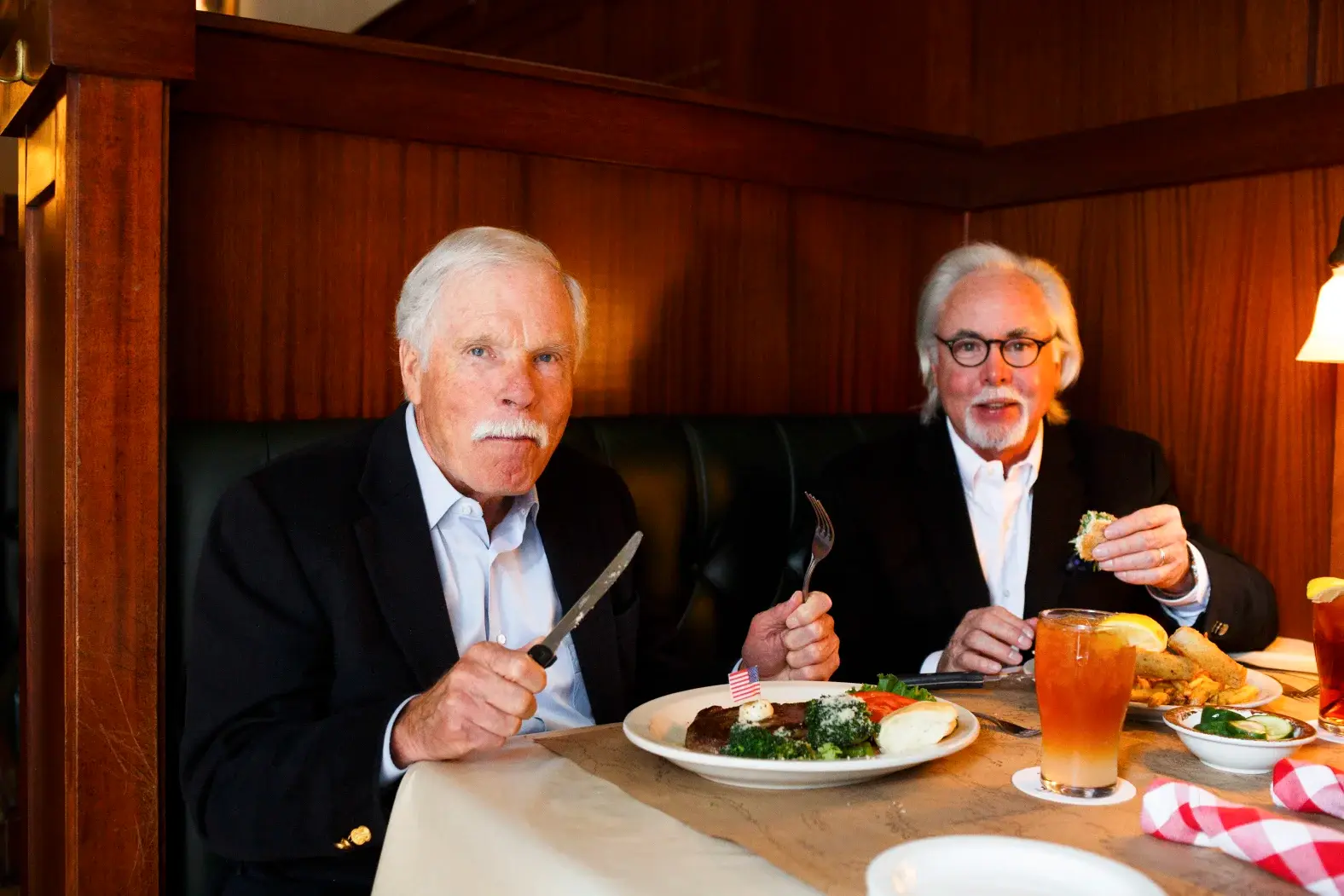
A significant portion of his physical wealth is tied to his unprecedented conservation efforts and agricultural businesses. His heirs and estate managers will inherit the responsibility of overseeing the world's largest private bison herd, numbering over 45,000 animals.
Ted's Montana Grill
Beyond raw land and real estate, the Turner fortune includes profitable hospitality and commercial ventures. This includes the successful 'Ted's Montana Grill' restaurant chain, which was strategically created to commercialise bison meat and fund his broader conservation empire.
The Philanthropic Promise
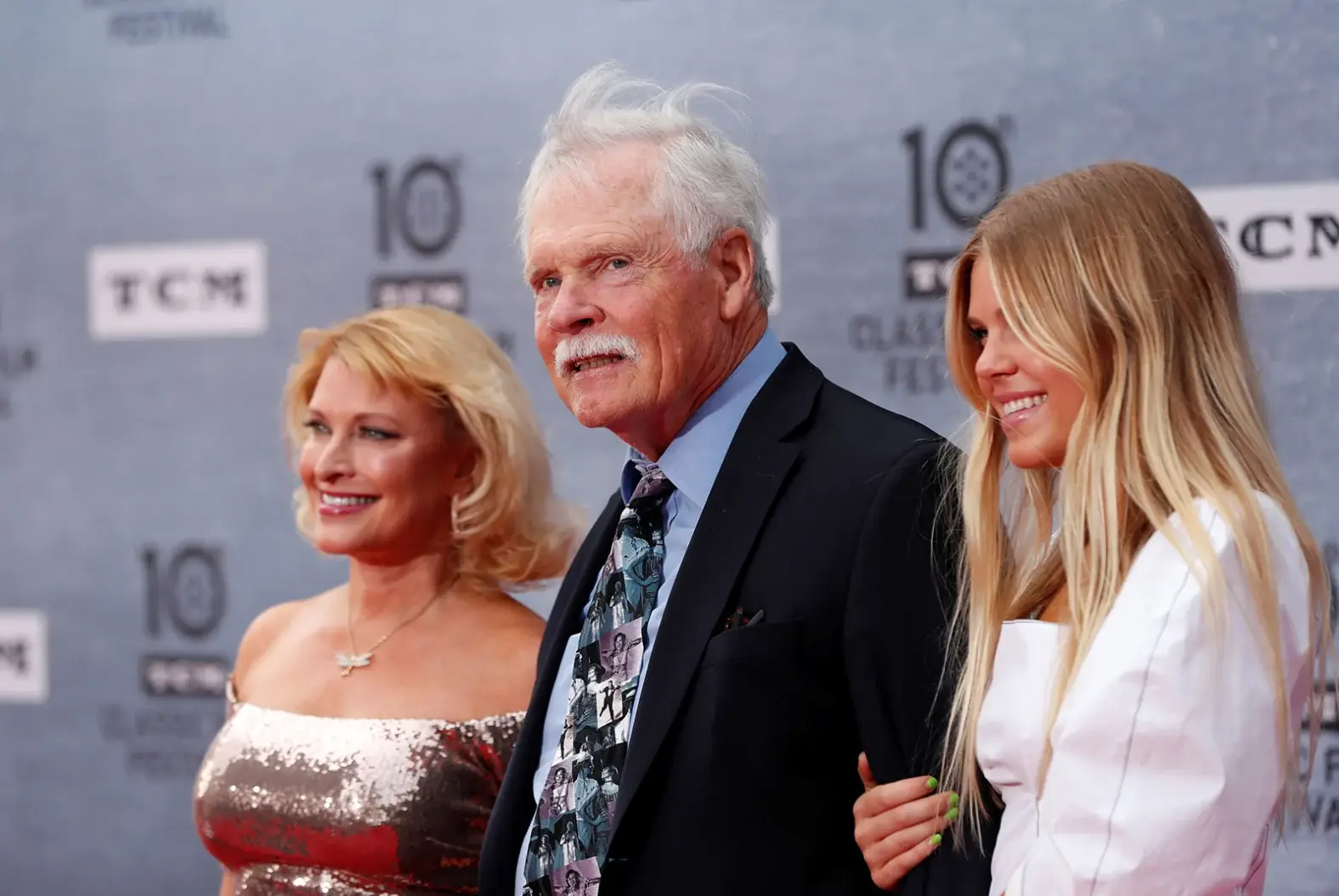
Turner was a pioneer of the 'Giving Pledge', having famously donated USD 1 billion to the United Nations in 1997. A massive percentage of his remaining wealth is legally structured to continually fund the Turner Foundation and his ongoing environmental initiatives.
Children and foundation boards will work collaboratively
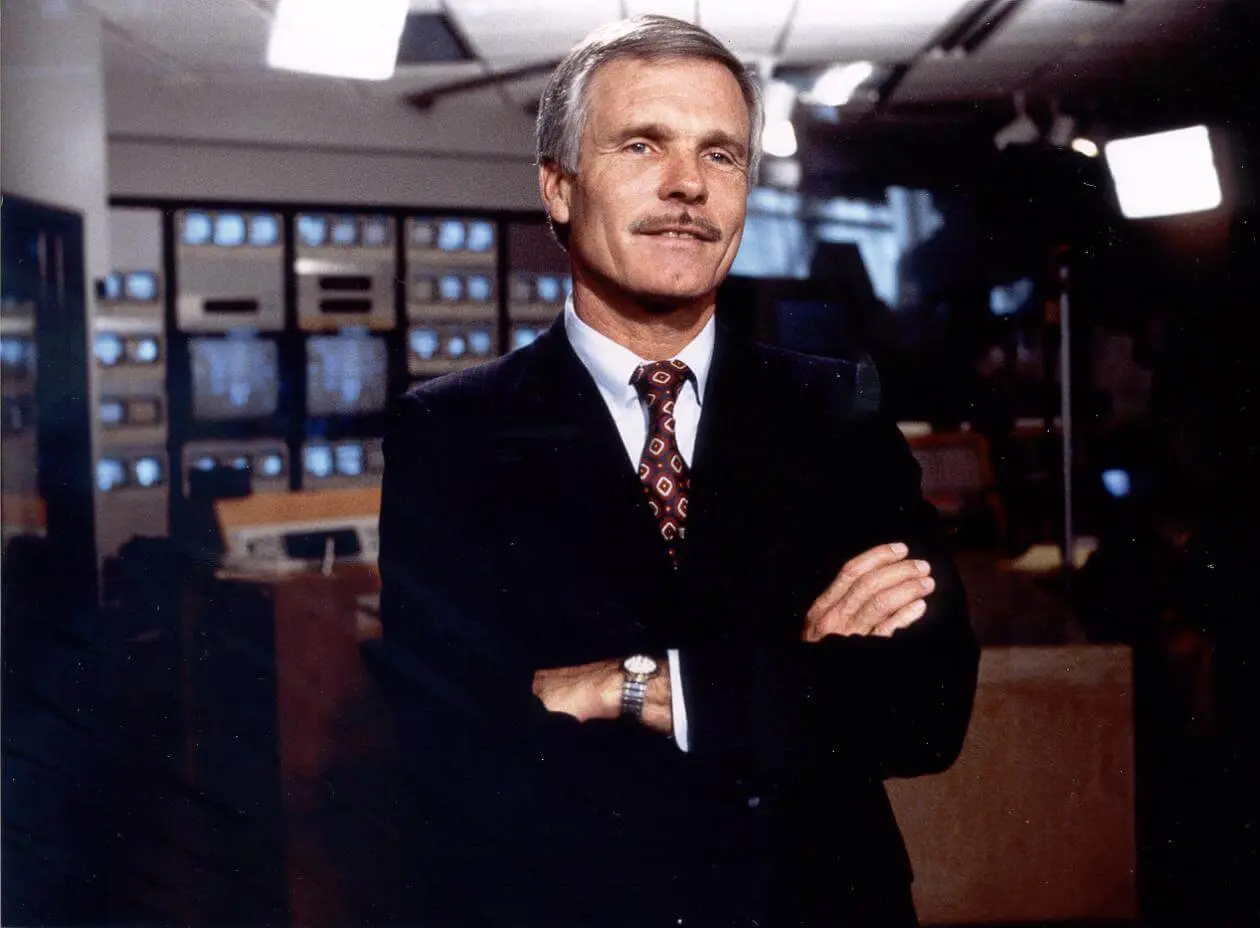
Dividing a fortune primarily composed of vast rural ecosystems and active conservation projects is highly complex. Financial experts anticipate that his children and foundation boards will work collaboratively to ensure his ecological legacy remains intact for future generations.
)
)
)
)
)