Who will be the next Chief Minister of West Bengal? BJP’s past choices forewarn a surprise | In Pics

BJP’s impending chief ministerial choice in West Bengal has everybody guessing. Suvendhu Adhikari’s name has propped up constantly, but a look at the party’s past unconventional moves tells us that the choice of Narendra Modi-led party may not be so obvious.
Written by Kenisha Arora
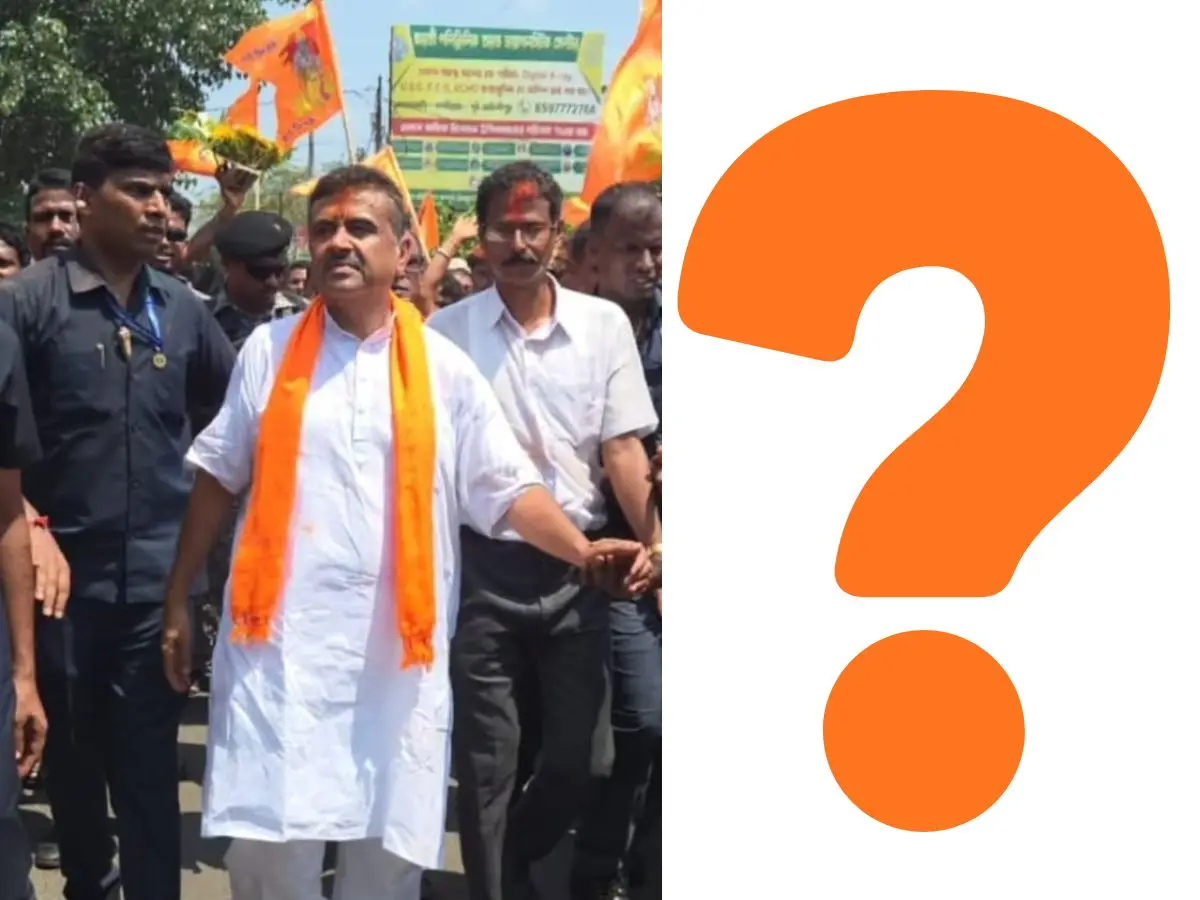
Who will be West Bengal CM? Will the BJP surprise us in Bengal?
After its tectonic victory in West Bengal, the Bharatiya Janata Party (BJP) is in the final stages of selecting the Chief Minister of the State. The frontrunner for the seat is ex-TMC member Suvendhu Adhikari, who defeated Mamata Banerjee in Bhabanipur. But the BJP’s past record cautions us that it might spring a surprise in announcing the new leader.
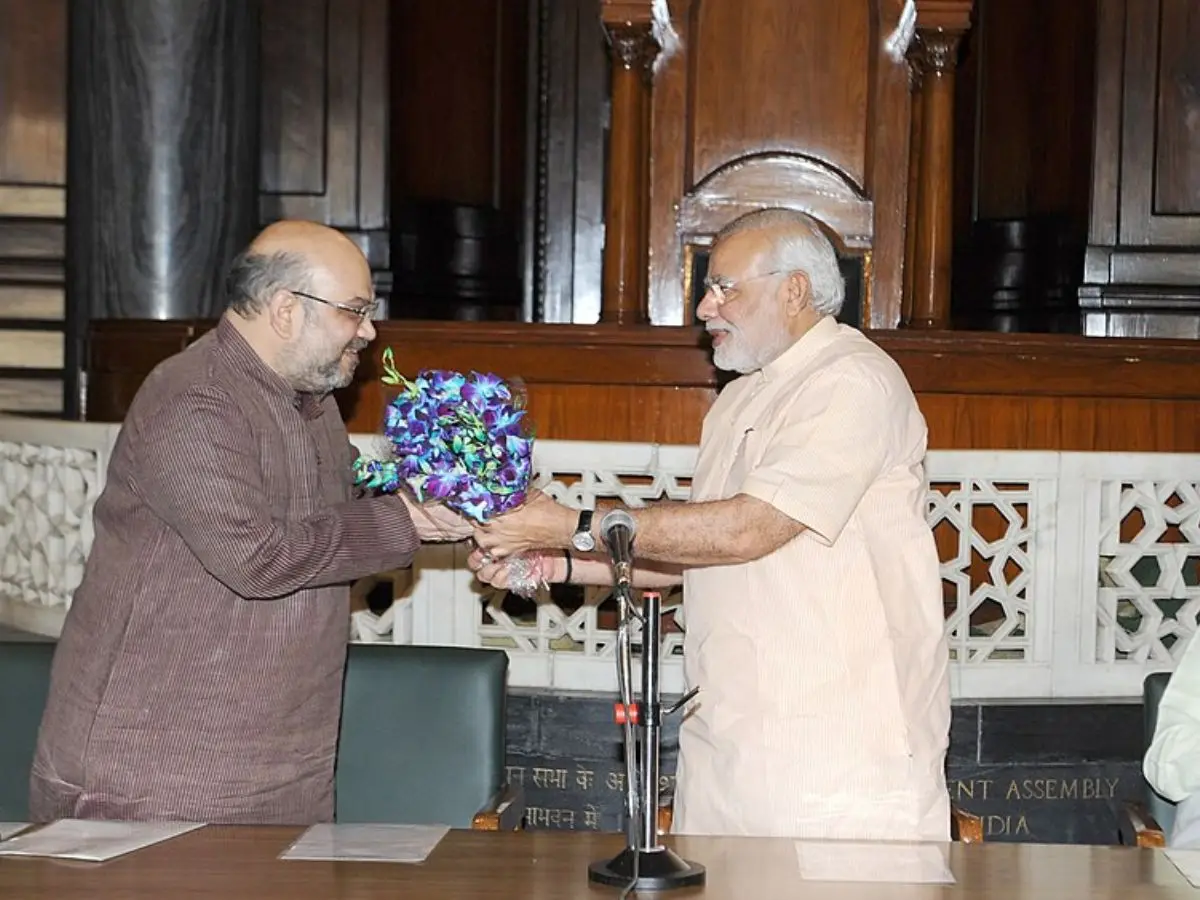
BJP's unconventional strategy
The party has established a trend of choosing unexpected candidates for leadership positions, often moving away from established, veteran leaders to lesser-known names. This approach, directed by the Modi-Shah cadre, is widely seen as a strategy to maintain a careful balance in the organisational structure and its voter base.
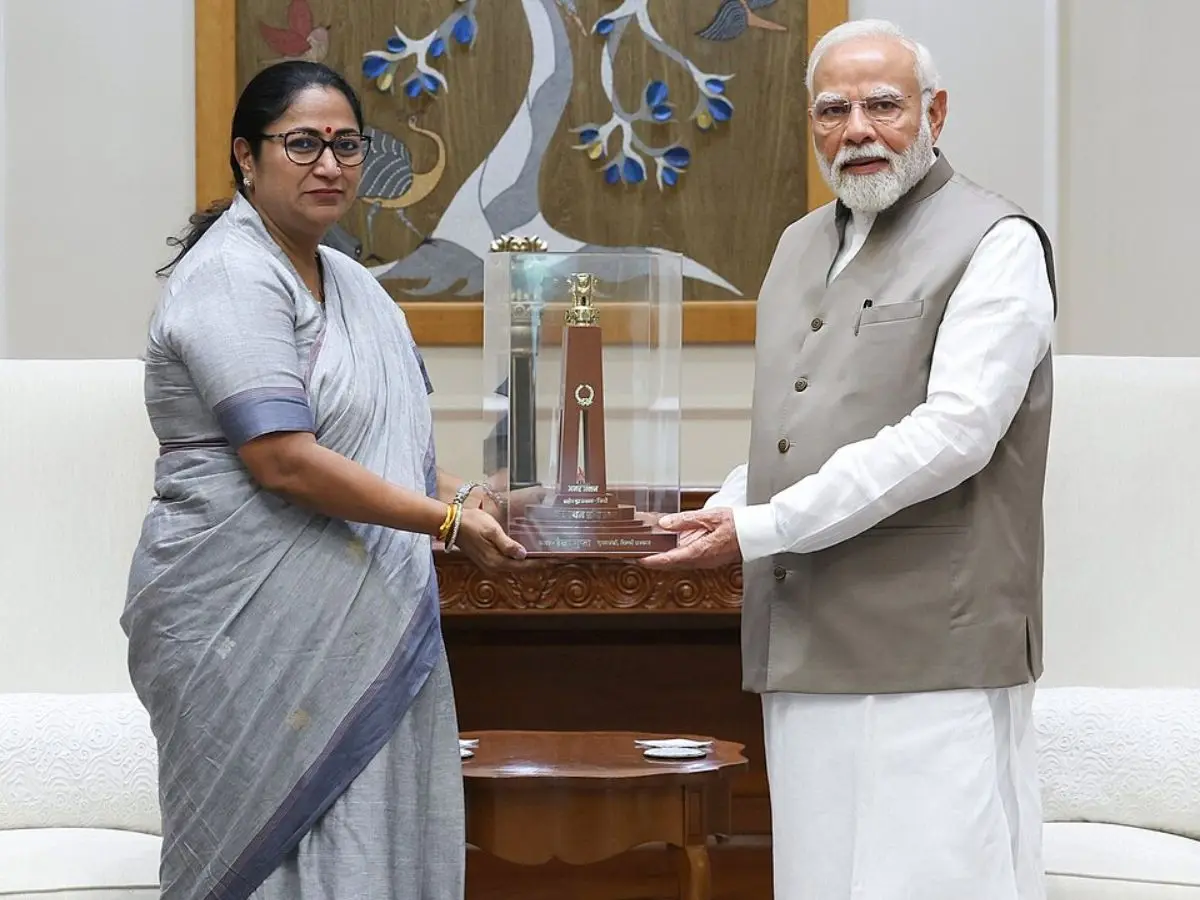
Rekha Gupta in Delhi
The most recent instance where the party shocked the country was the appointment of Rekha Gupta as Chief Minister of Delhi. She was chosen over Parvesh Verma, who defeated former CM Arvind Kejriwal, similar to how Bengal’s Suvendu Adhikari defeated the incumbent Mamata Banerjee. Former South Delhi mayor and a first-time MLA, Gupta was seen as a fresh face, allegedly picked to balance optics against Aam Aadmi Party’s (AAP) Atishi. Notably, she also has deep-rooted ties to the RSS.
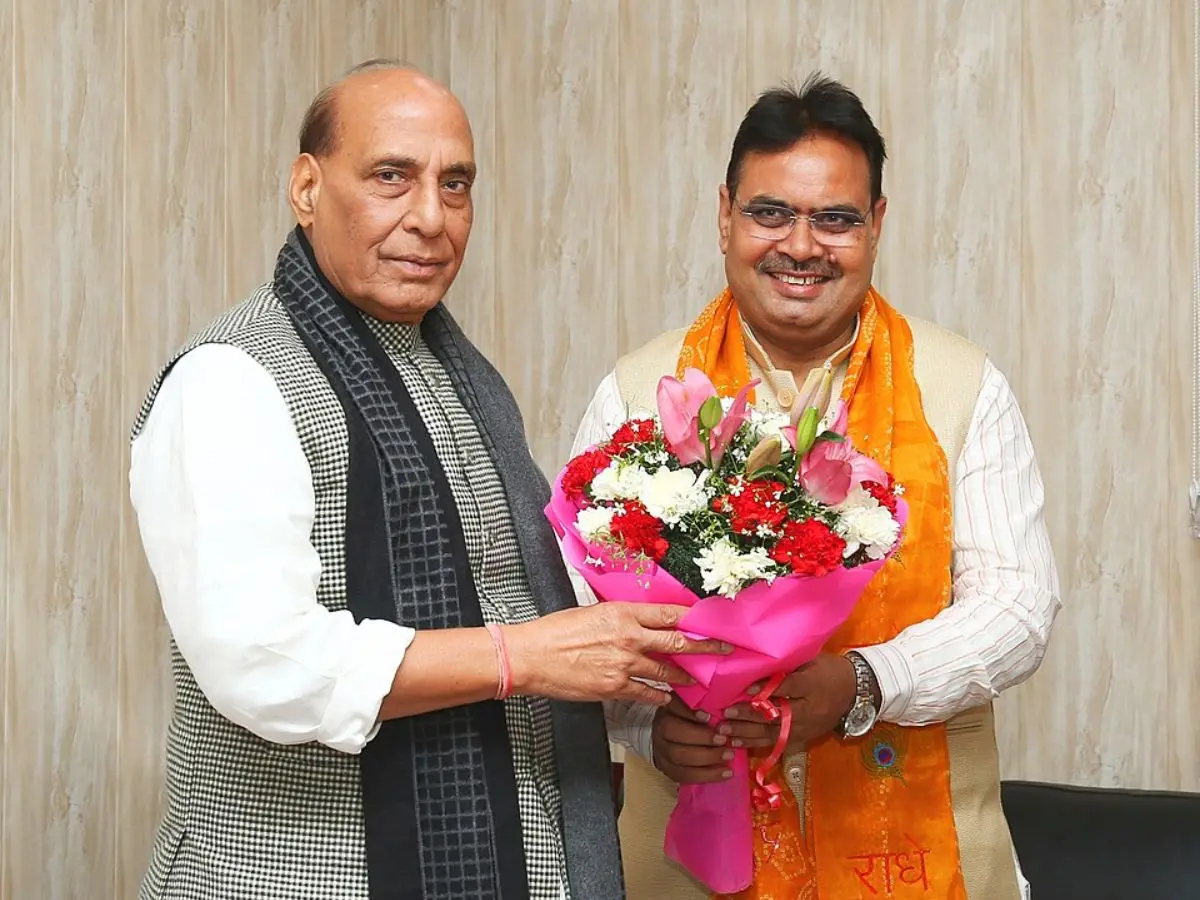
A “triple surprise” in 2023
In 2023, the BJP delivered what was labelled a triple surprise at the time: its selection of Chief Ministers for Chhattisgarh, Madhya Pradesh and Rajasthan. The choice for Rajasthan, first-time MLA Bhajan Lal Sharma, bypassed even former chief minister Vasundhara Raje. Sharma, a Brahmin with a strong organisational connect, was said to signal that loyalists could rise through the ranks. It also balanced caste equations by appointing a Dalit and a Rajput as deputy CMs.
Mohan Yadav in MP
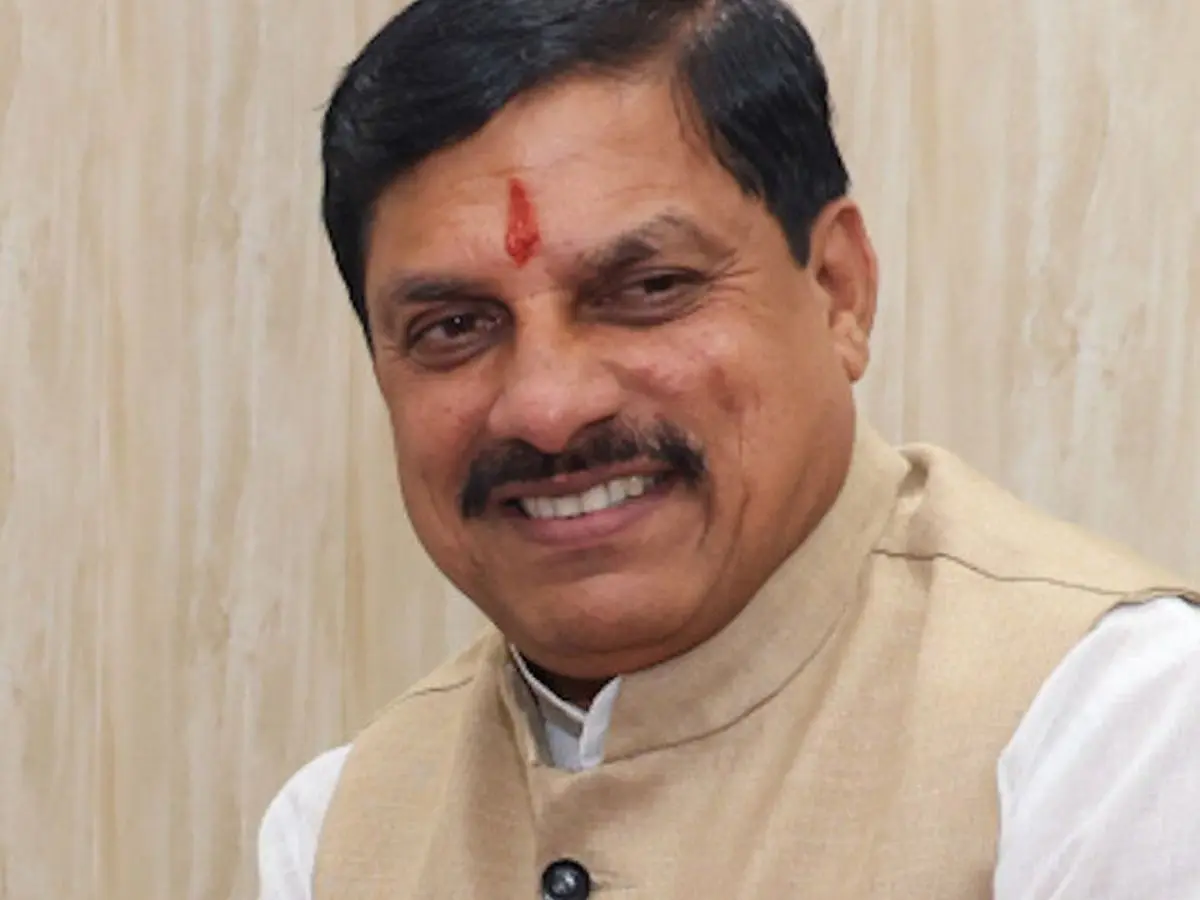
In Madhya Pradesh, four-time CM Shivraj Singh Chouhan’s reign was abruptly ended with the appointment of Mohan Yadav, an OBC (Other Backwards Classes) leader, to the CM post. The choice was stunning for even Yadav himself, who seemed overwhelmed when called to the podium. The move did two things, put an end to the “Chouhan era” in MP and put out an “inclusivity” signal to the Yadav community, an established stronghold of opposition leaders like Akhilesh Yadav and Lalu Yadav.
Tribal outreach efforts
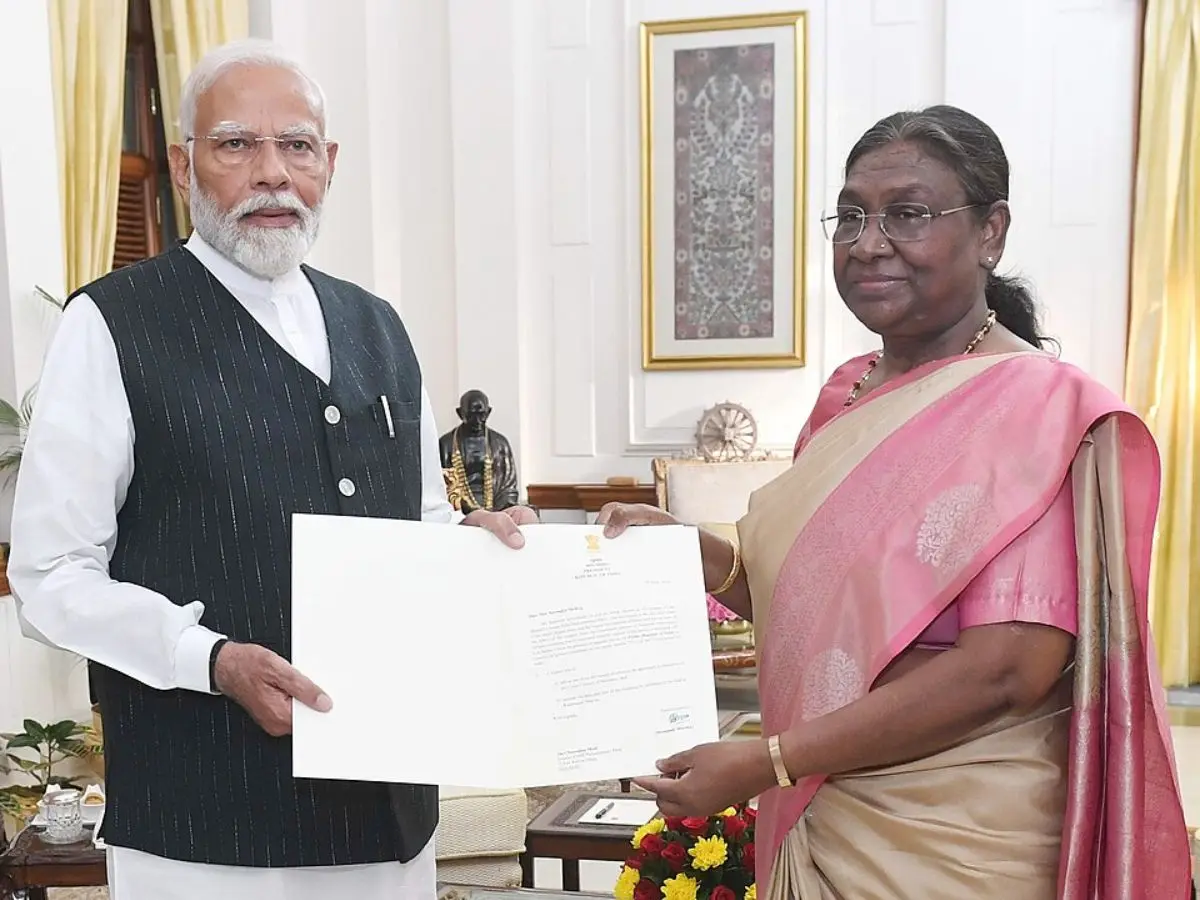
Vishnu Deo Sai, as CM in Chhattisgarh, sought to reaffirm the trust of the tribal community towards the party. The move aligned with Modi’s rigorous tribal outreach, also reinforced by the selection of tribal leader Droupadi Murmu as the president of India. The choice asserted the pattern BJP often chooses to follow, bringing fresh faces while carefully balancing caste interests in appointments of CMs and their deputies.
How BJP won big with UP political gamble
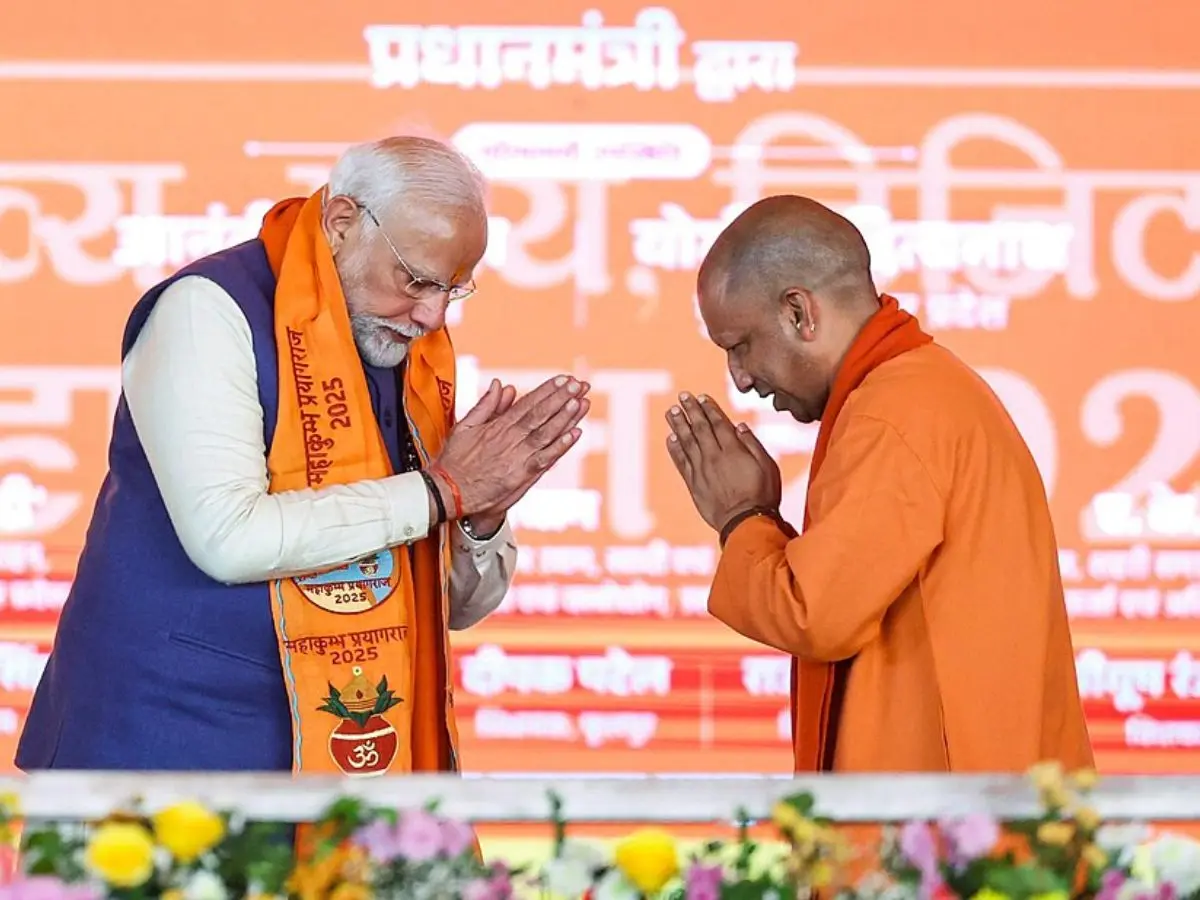
Yogi Adityanath, a leader with mass appeal today, was also seen as an unconventional choice at the time. He has made ripples across state borders, unlike any other leader in a chief ministerial position. The mantle of Uttar Pradesh’s CM position fell on Yogi in 2017, despite ministers like Rajnath Singh and Manoj Sinha in the running. The appointment of the two-time CM, who used to be in the spotlight for controversial remarks, signalled that the BJP is assertive about its Hindu nationalist credentials. It also showed their commitment to grassroots politics, a domain Yogi was widely considered to be in touch with.
What to expect in Bengal?
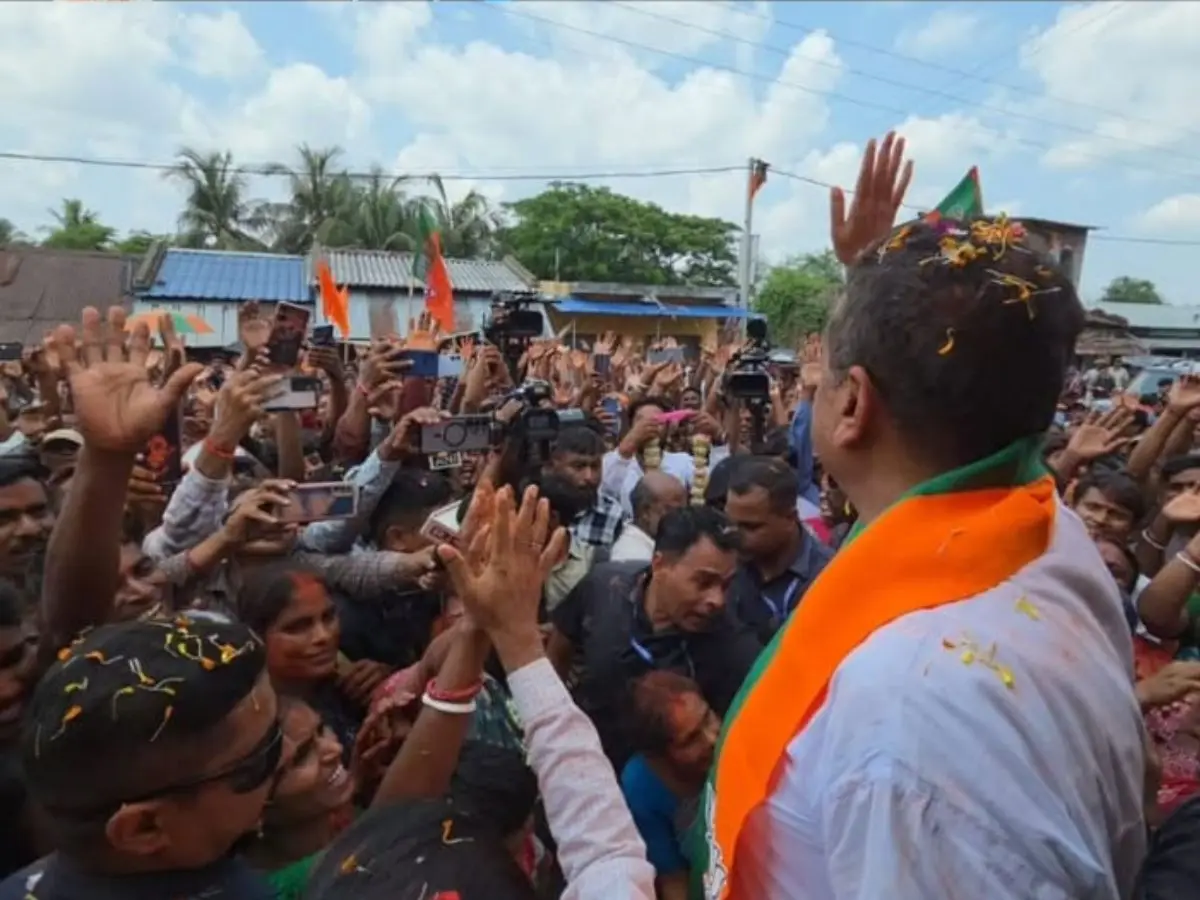
BJP’s art for picking “surprise” CMs has effectively conveyed intended messages to the country and through its ranks. It says that any grounded, diligent worker can be picked for the top posts. Critics also argue that it is a signal that no tall state leader is to grow beyond a limit. A common denominator amongst most such leaders includes long-standing ties with the Sangh. With the swearing-in ceremony for West Bengal tomorrow (9 May), the nation waits anxiously to see what the party has planned for the state.
)
)
)
)
)