Who was the real 'Rehman Dakait' and what role did he play in 26/11 Mumbai terror attack?

The 2025 film Dhurandhar depicts Rehman as the man who provided the "safe passage" for the 26/11 terrorists to leave Karachi’s coast. The movie suggests that the ISI needed his local influence to launch the boats undetected.
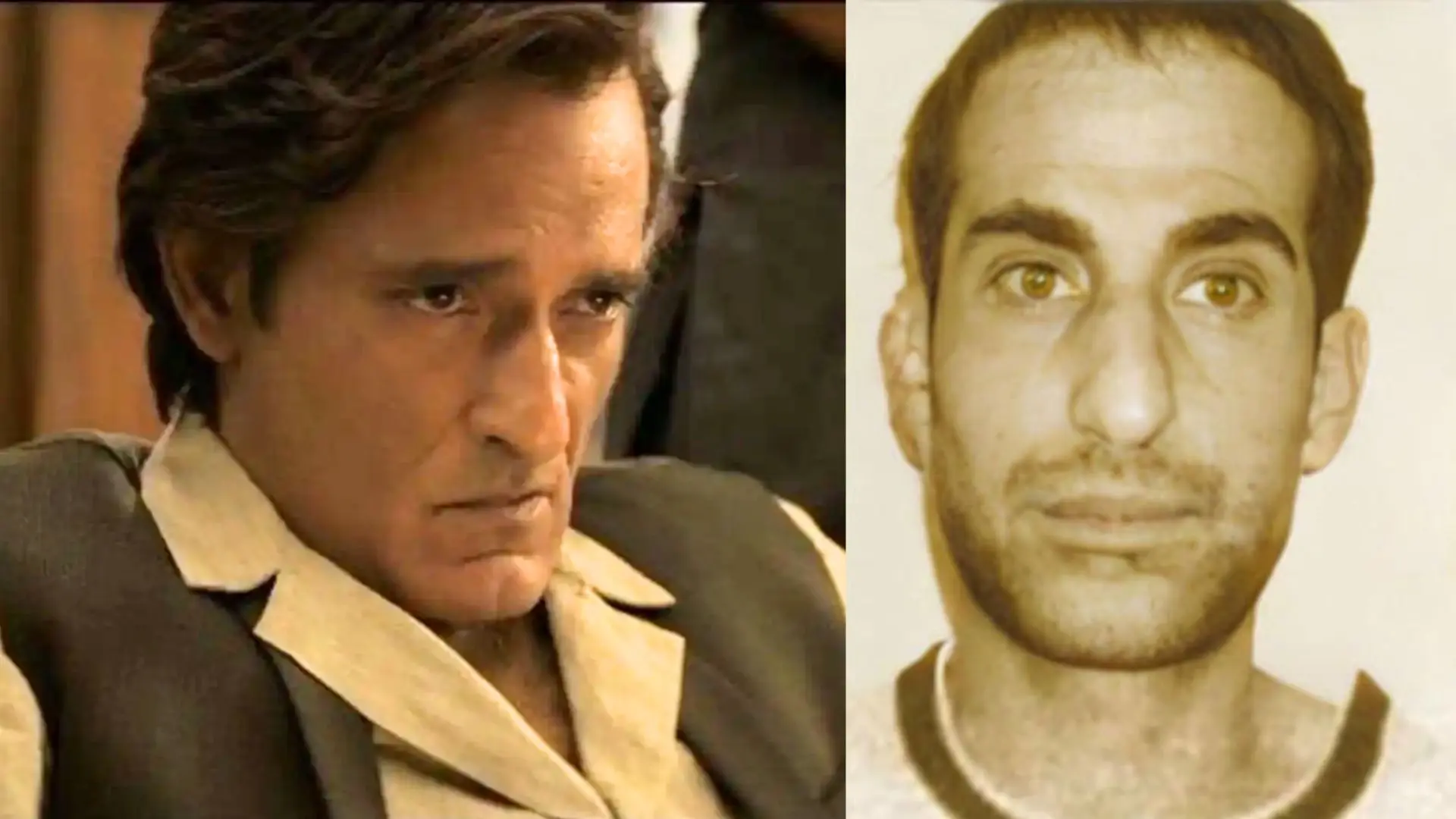
1. Who was the real Rehman Dakait?
His real name was Sardar Abdul Rehman Baloch (born 1980). He was not initially a terrorist in the religious or ideological sense but a gangster and drug lord based in Lyari, one of Karachi's oldest and poorest coastal neighbourhoods. He was the central figure in the bloody "Lyari Gang War," fighting rivals like Arshad Pappu for control of the drug and extortion trade.
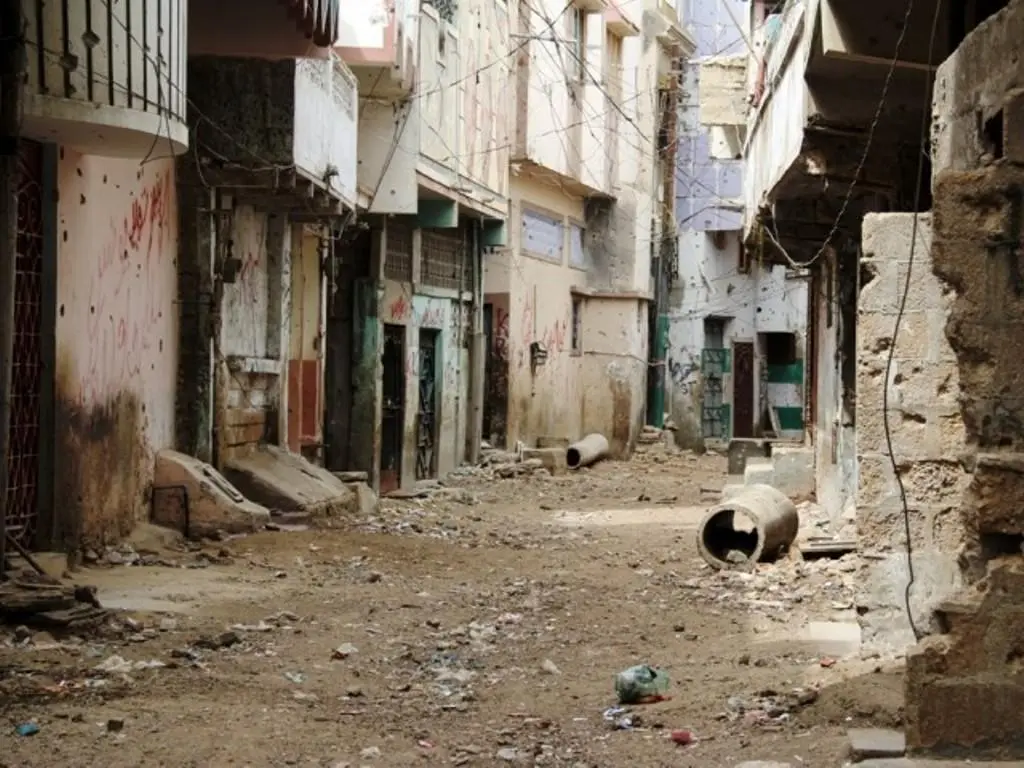
2. The 'Robin Hood' Strategy
To survive the police, Rehman needed the people. He used his blood money to fund a massive welfare network, schools, clinics, and ambulances, under the banner of the People’s Aman Committee (PAC). This earned him fierce loyalty. In the eyes of the state, he was a terrorist; in the eyes of Lyari’s locals, he was a saviour who provided what the government wouldn't.
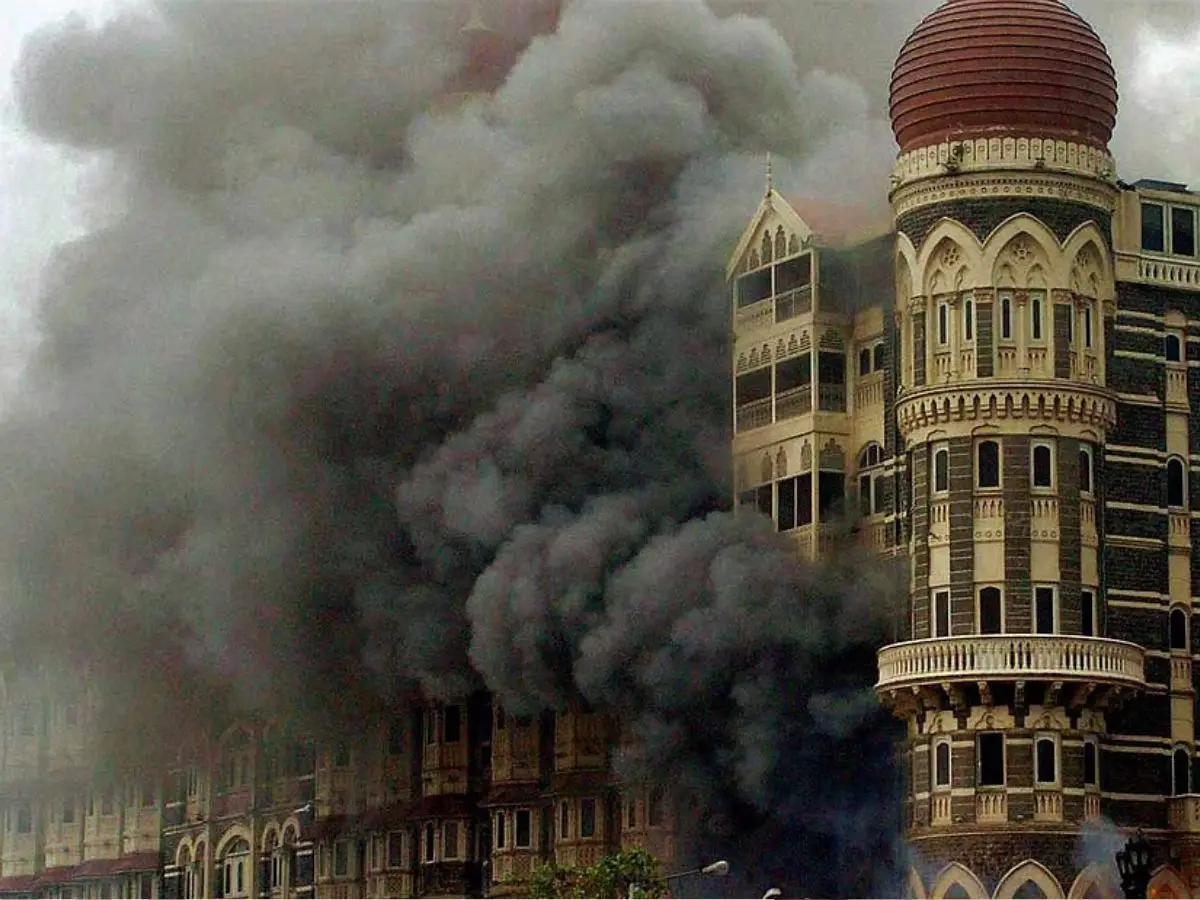
3. The 26/11 Facilitator
The 2025 film Dhurandhar depicts Rehman as the man who provided the "safe passage" for the 26/11 terrorists to leave Karachi’s coast. The movie suggests that the ISI needed his local influence to launch the boats undetected. This dramatic plot point has led many to believe he was a key architect of the Mumbai attacks.
4. The 'Smoking Gun' of Absence
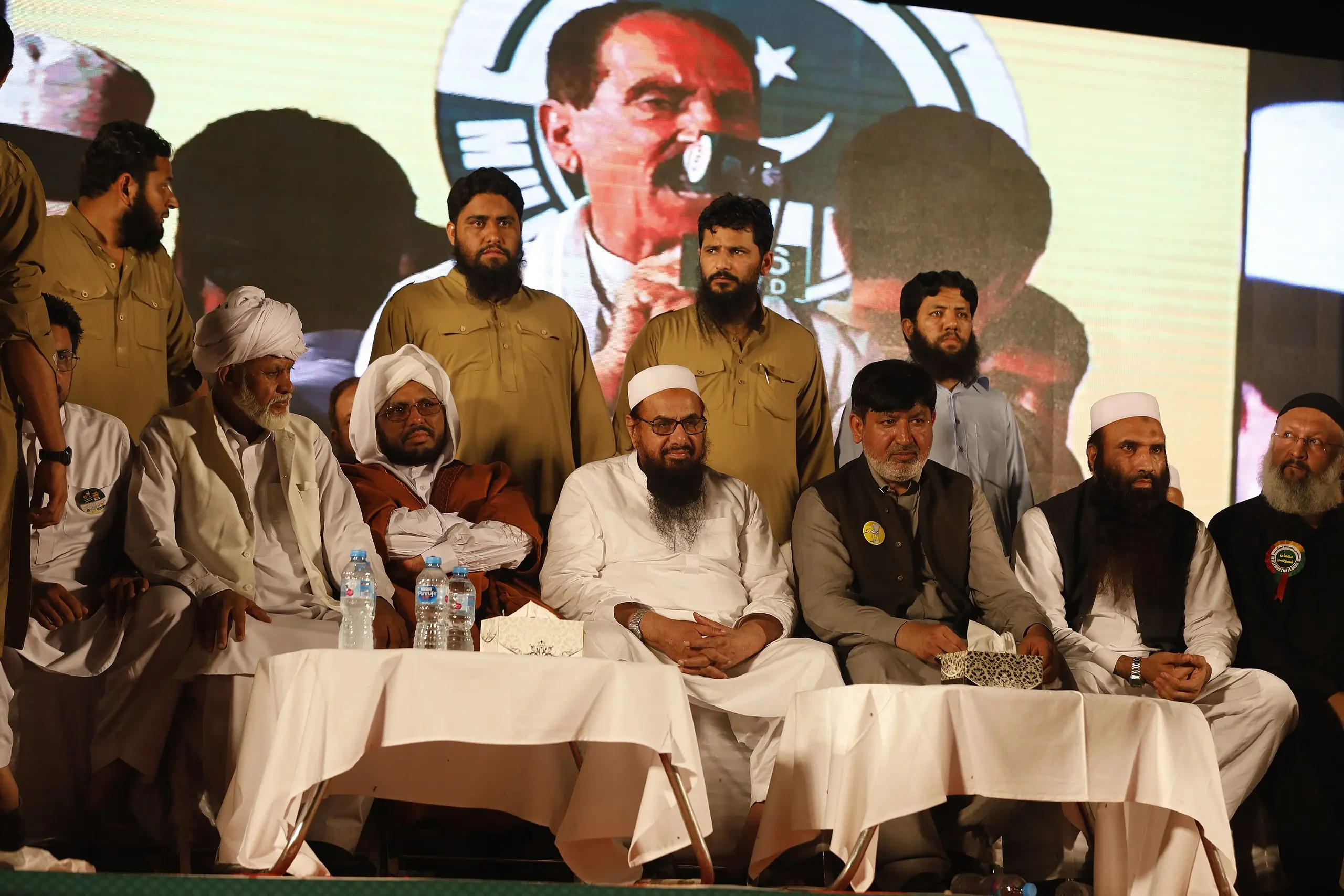
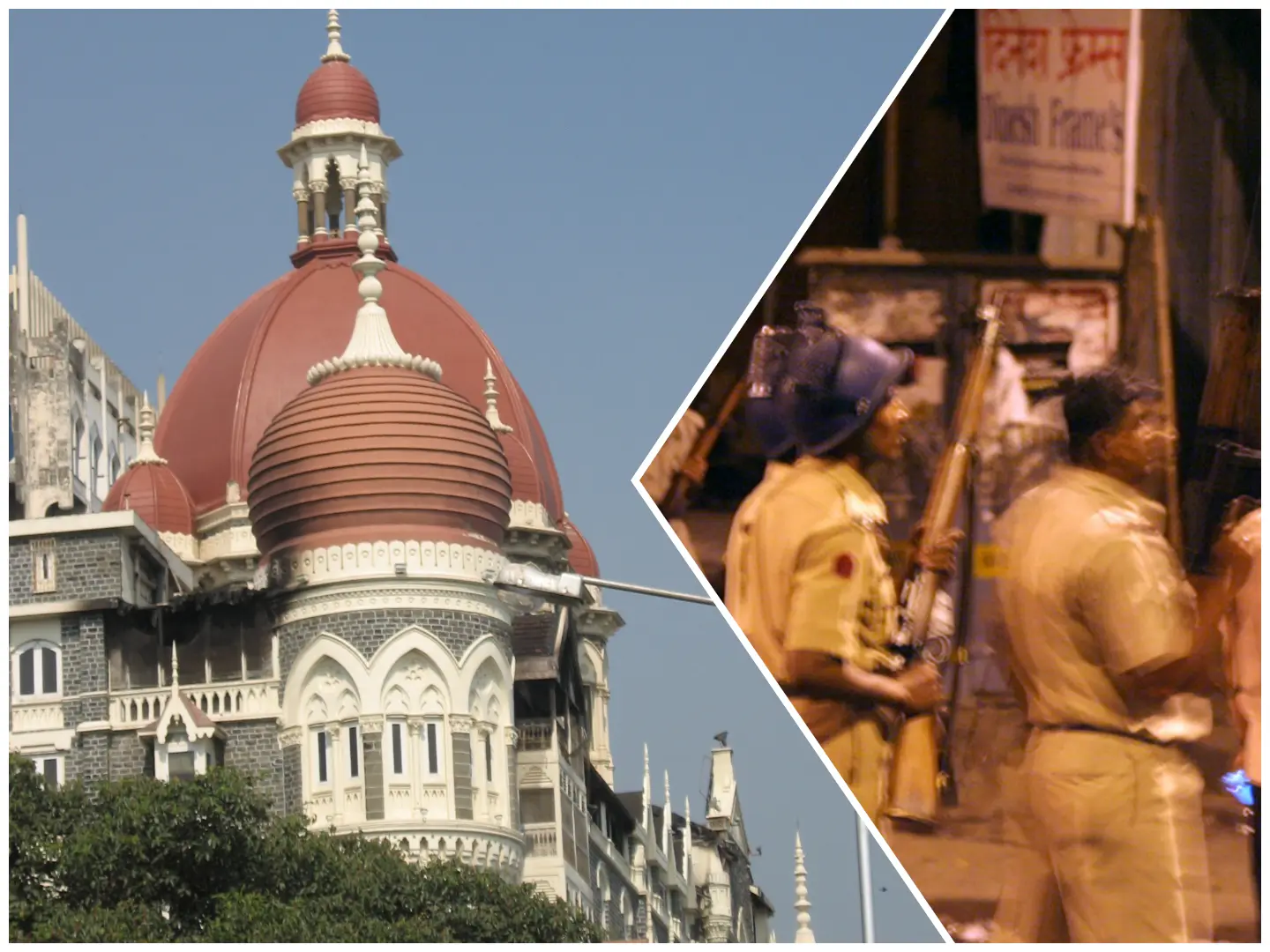
The biggest proof against the movie’s claim is the Official 26/11 Dossier. In the 11,000+ page charge sheet filed by Mumbai Police and the evidence handed to the FBI, Rehman Dakait’s name does not appear once. If he had provided the launchpad, he would have been a top extradition target. The planners listed are all LeT commanders (Hafiz Saeed, Zakiur Rehman Lakhvi), not Lyari gangsters.
5. The Case of 'Mistaken Identity'
Why did the movie link him to the attack? It is likely a mix-up of names used for creative freedom and cinematic liberty. The actual mastermind of the 26/11 military operations was Zakiur Rehman Lakhvi (LeT Commander). The movie seems to have blended the real terrorist's name (Rehman) with the real gangster's persona (Dakait) to create a gritty, street-level villain that never may have actually existed in the terror plot.
6. The Headley Testimony David Headley
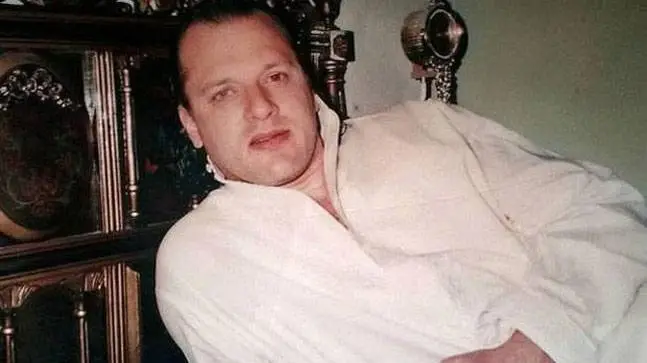
The American spy who mapped Mumbai for the attacks, gave exhaustive details to the NIA and FBI about every person who helped him. He explicitly described how the terrorists launched under the supervision of LeT naval commanders and ISI frogmen. He never mentioned needing permission or help from a local drug lord like Rehman Dakait. The launch was a sophisticated naval operation, not a gangland favour.

7. The Encounter
Rehman Dakait’s story didn't end in a courtroom. In August 2009, less than a year after 26/11, he was killed in a controversial shootout by Karachi’s famous "encounter specialist" Chaudhary Aslam Khan. While the police called it a shootout, locals called it an execution. His death sparked riots across Karachi, cementing his legacy as a martyr to his followers, even as the rest of the world remembers him as a criminal.
Summary
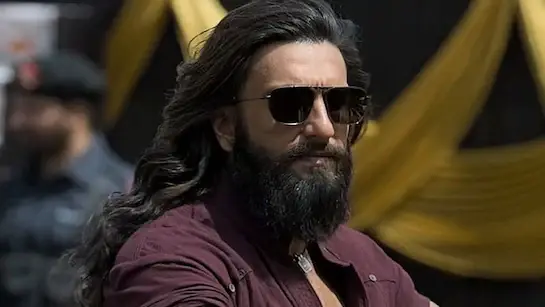
The claim that Rehman Dakait was involved is a "Cinematic Liberty." The movie needed a face for the "Karachi Launchpad," and Akshaye Khanna’s character filled that void. In reality, the 26/11 launch was a highly sophisticated naval operation run by LeT engineers and ISI officers, not street gangsters.
)
)
)
)
)