Who was Alexander Graham Bell? The man whose inventions shaped modern communication

Who was Alexander Graham Bell? From inventing the telephone to shaping modern communication, explore the life and legacy of one of history’s greatest innovators.
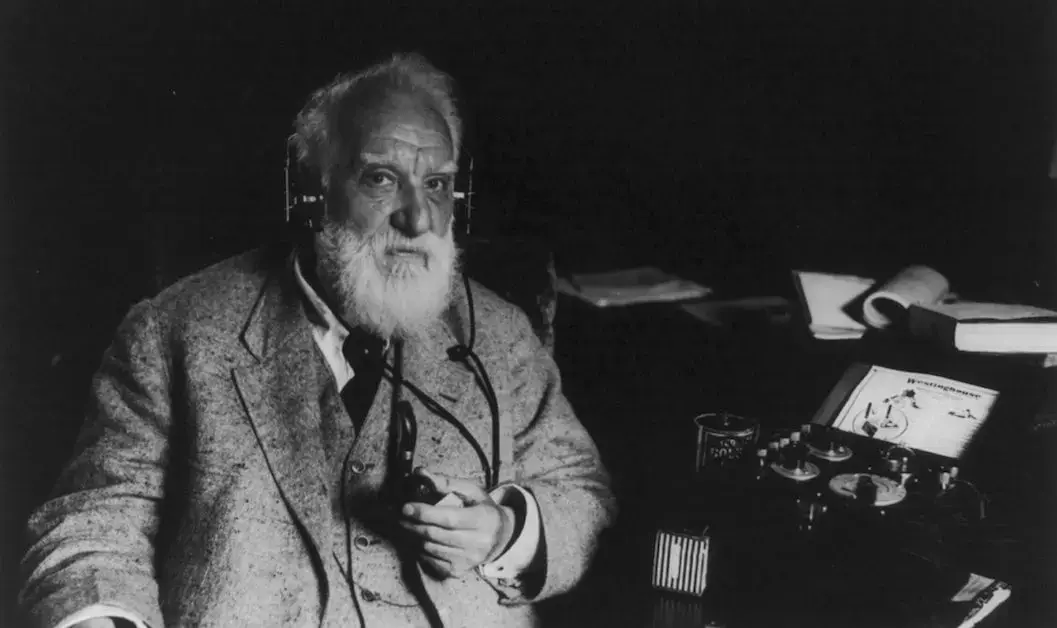
Who was Alexander Graham Bell?
Graham Bell was a scientist, innovator and educator for the deaf. He taught at various schools in Boston and later worked with notable figures like Helen Keller. His mother and wife both were deaf, and it widely inspired him in his lifelong research of sound and hearing and motivated him to work on improving communication, specifically for the hearing impaired.
A prodigy
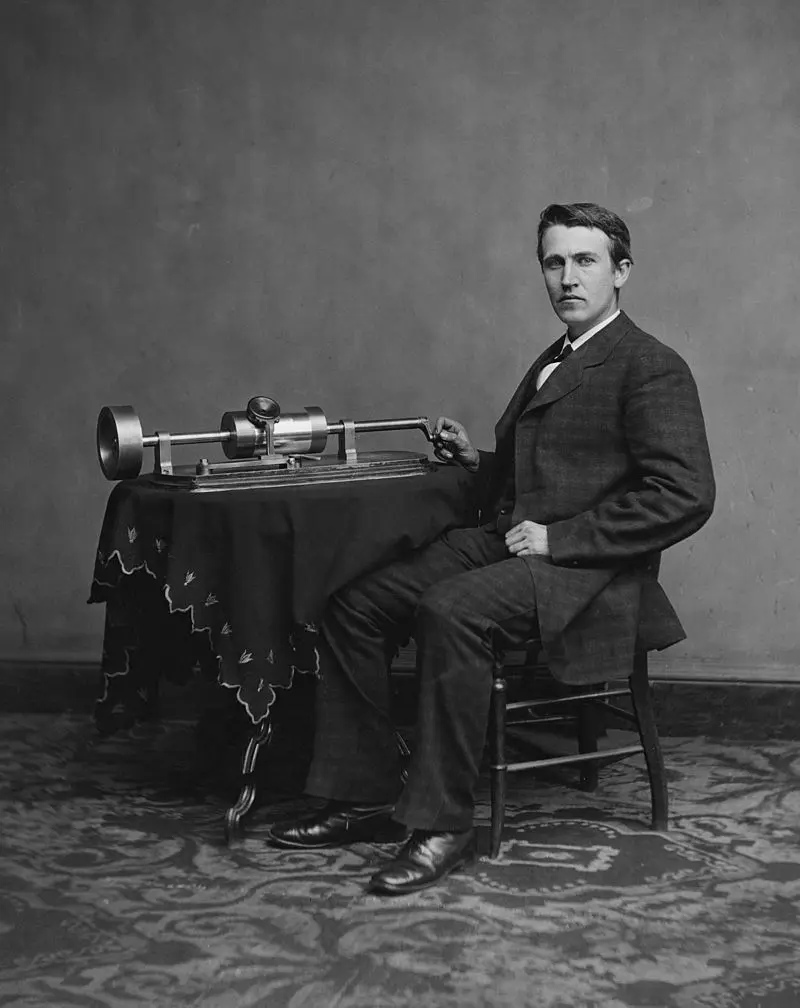
Bell was born a genius; his peers, teachers, and parents acknowledged his impressive problem-solving abilities. At the age of 12, he invented a device to farm wheat more efficiently.
"Mr. Watson, come here- I want to see you"
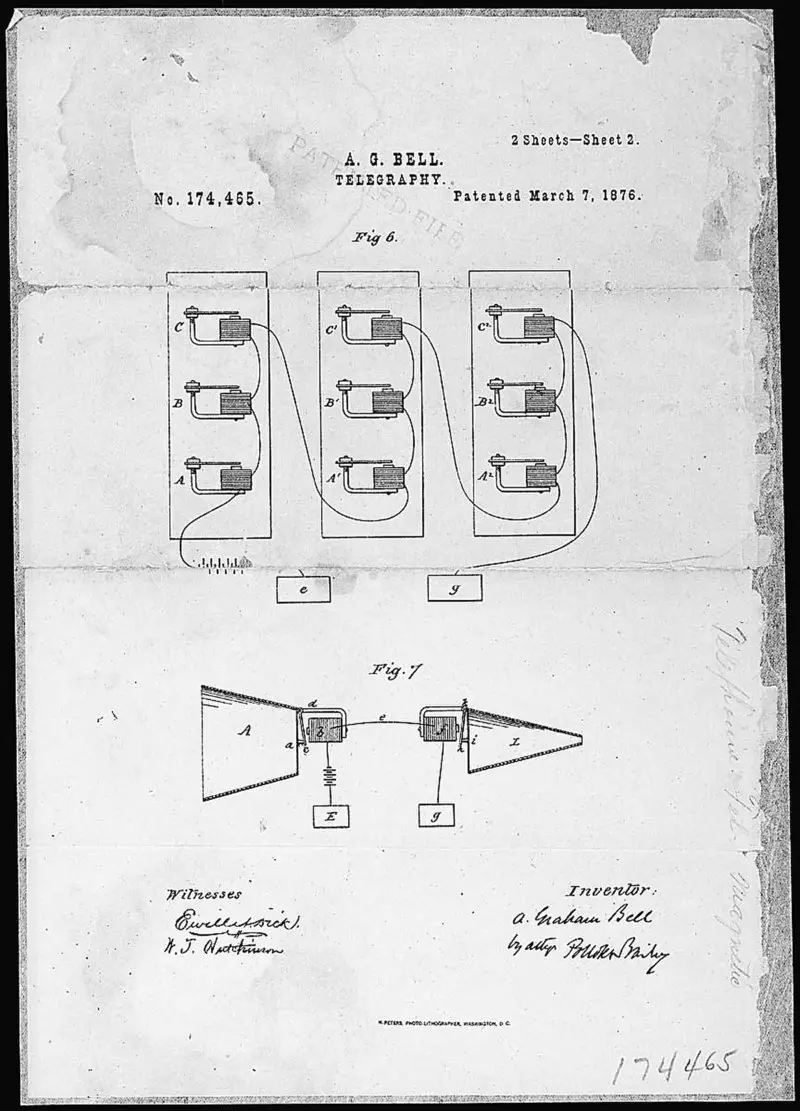
Following the invention of the telegraph, Bell was hired by a group of investors to create a harmonic telegraph. Harmonic Telegraph is the process of multiplexing telegraph messages. While working on that, he convinced his investor to work on a new device, one that would give people the ability to transmit their voices to each other. Bell and his assistant Watson were able to transmit speech by varying the intensity of the electric current in the wire, as the density of air varies during sound production.
A legacy of innovation
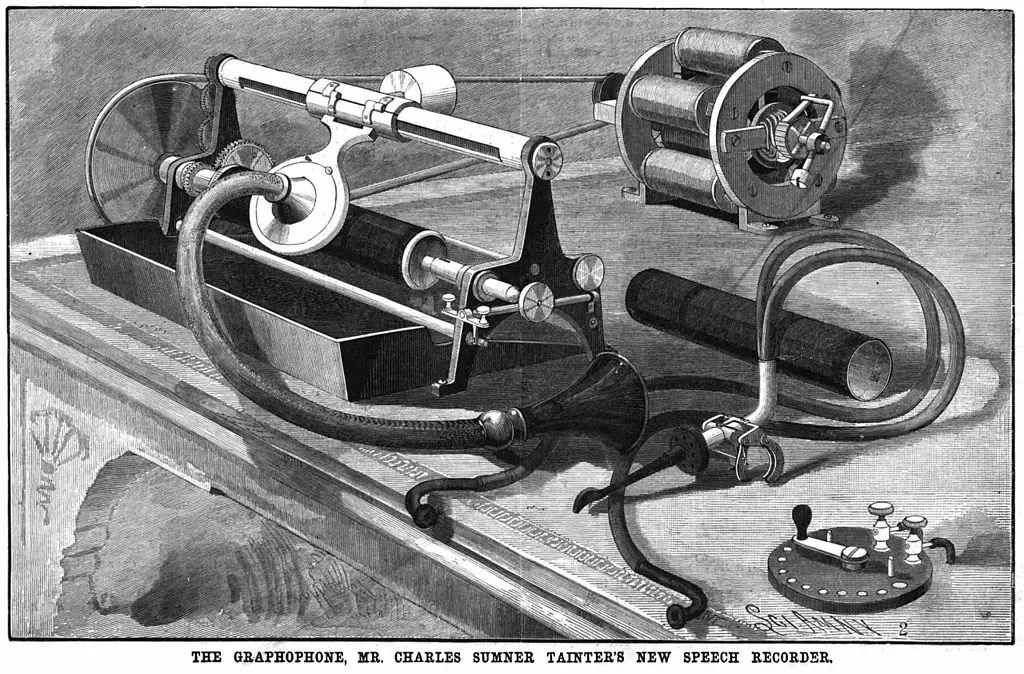
In 1880, Bell transmitted sound on a beam of light, which sowed the seeds of fibre optics communication. Bell developed a type of metal detector to locate a bullet lodged in the body of assassinated U.S. President James A. Garfield. He failed, but it became an idea for future innovation. Bell also made an improved version of Thomas Edison’s phonograph, which used a wax cylinder for clearer sound recording and playback. Bell also had an institutional legacy; he co-founded the Bell Telephone Company in 1877, which later became the American Telephone and Telegraph Company. He was a founding member of the journal Science and established the Volta Laboratory in Washington, DC. When Cell died in 1922, every television in the US and Canada was silenced for a minute as a final tribute to him
)
)
)
)
)