Who spends more? Comparing the military budgets of the US and Iran

The US military budget of $997 billion vastly exceeds Iran's $7.9 billion. While the US focuses on high-tech global dominance, Iran prioritises missiles and drones to counter the financial imbalance.
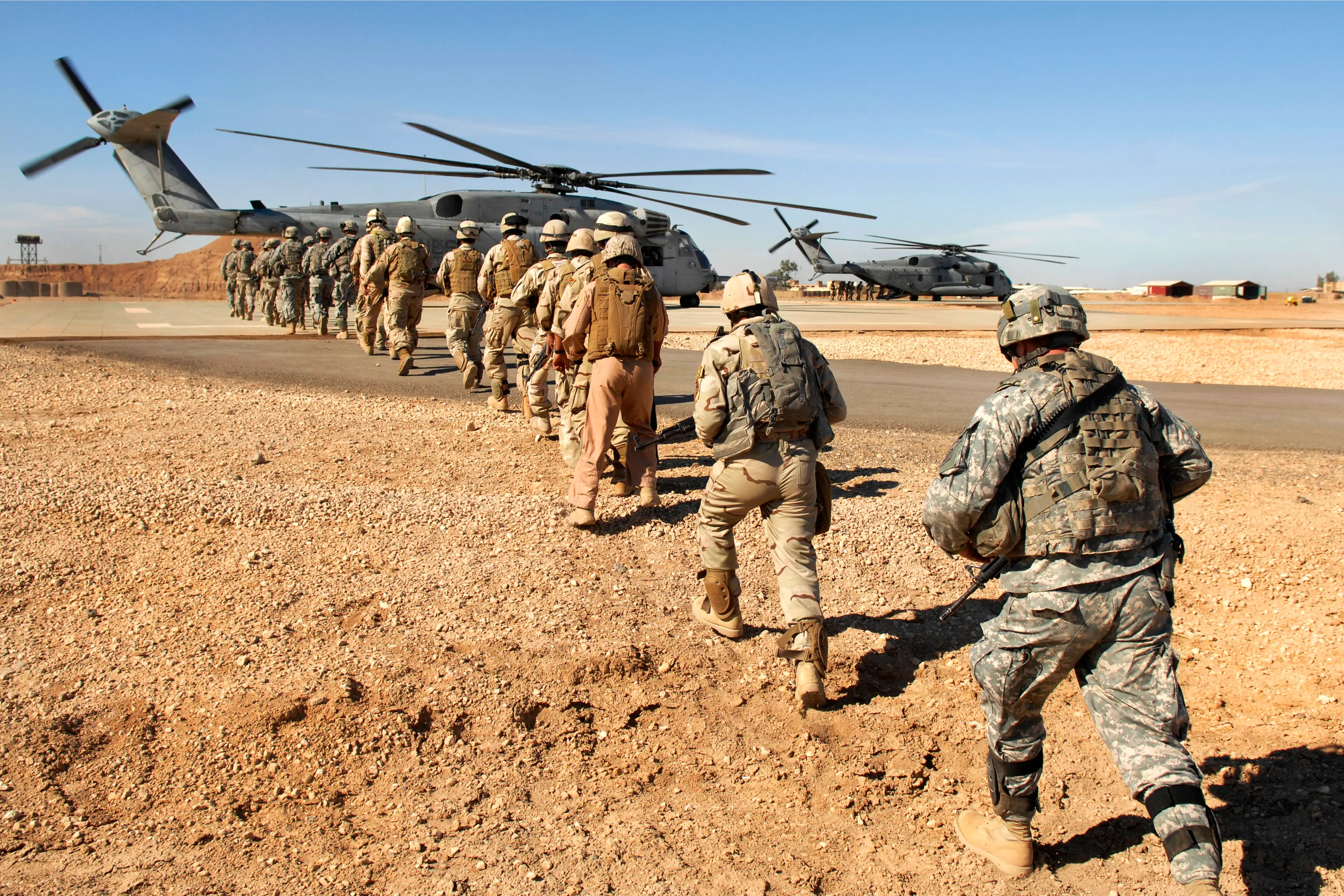
The financial gap: $997 billion vs $7.9 billion
The difference in defence spending between the two nations is astronomical. In 2024, the United States allocated approximately $997 billion to its military, securing its spot as the world's top spender. In contrast, Iran’s official military expenditure was estimated at around $7.9 billion, highlighting a massive disparity in financial resources.
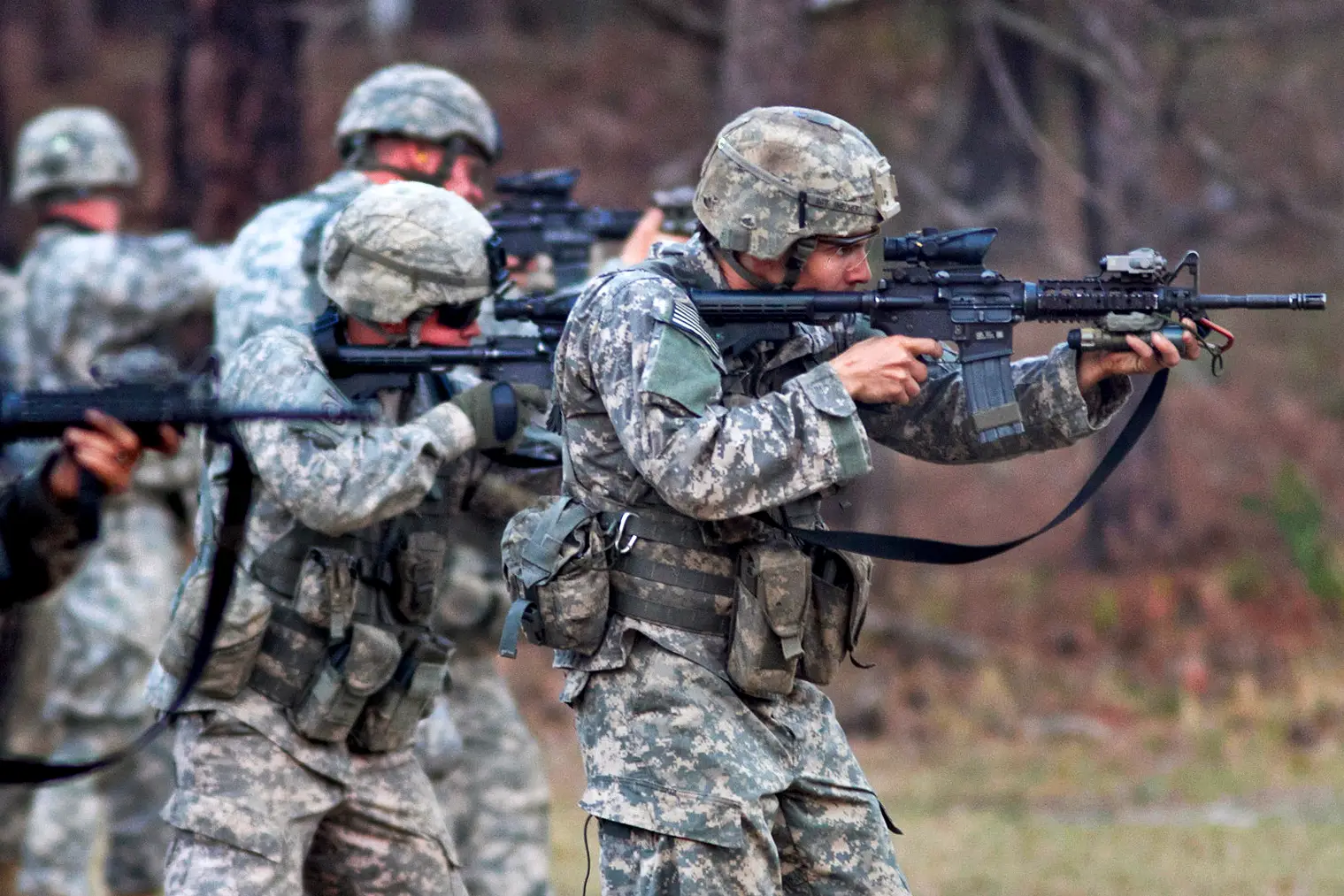
US defence spending: A global giant at $997 billion
The United States continues to outspend every other nation on Earth, with a budget that exceeds the next nine countries combined. This massive funding supports a global network of bases, advanced nuclear arsenals, and cutting-edge research. The $997 billion figure reflects a 5.7 per cent increase from the previous year, driven by modernisation efforts.
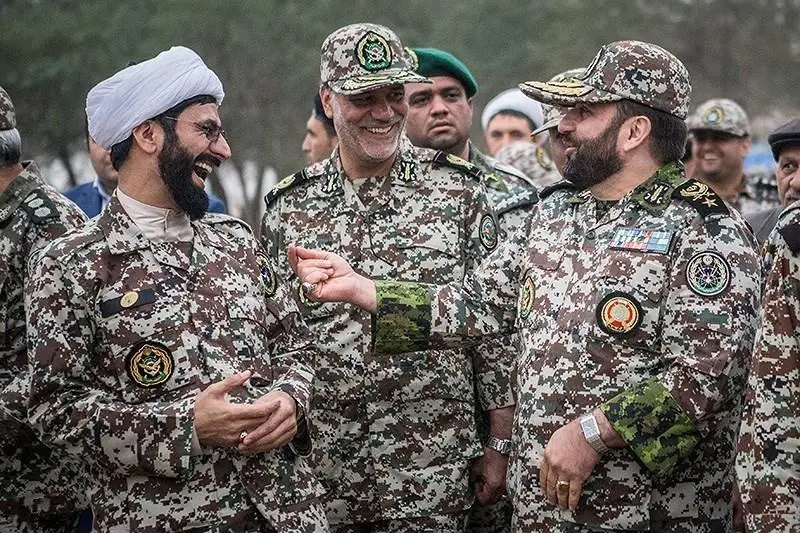
Iran’s spending: $7.9 billion amid sanctions
Iran’s military budget is significantly constrained by international sanctions and economic challenges. Spending approximately $7.9 billion in 2024, Tehran focuses on cost-effective strategies rather than conventional might. Despite the lower official figures, some estimates suggest additional funding flows through separate channels, though it remains a fraction of the US total.
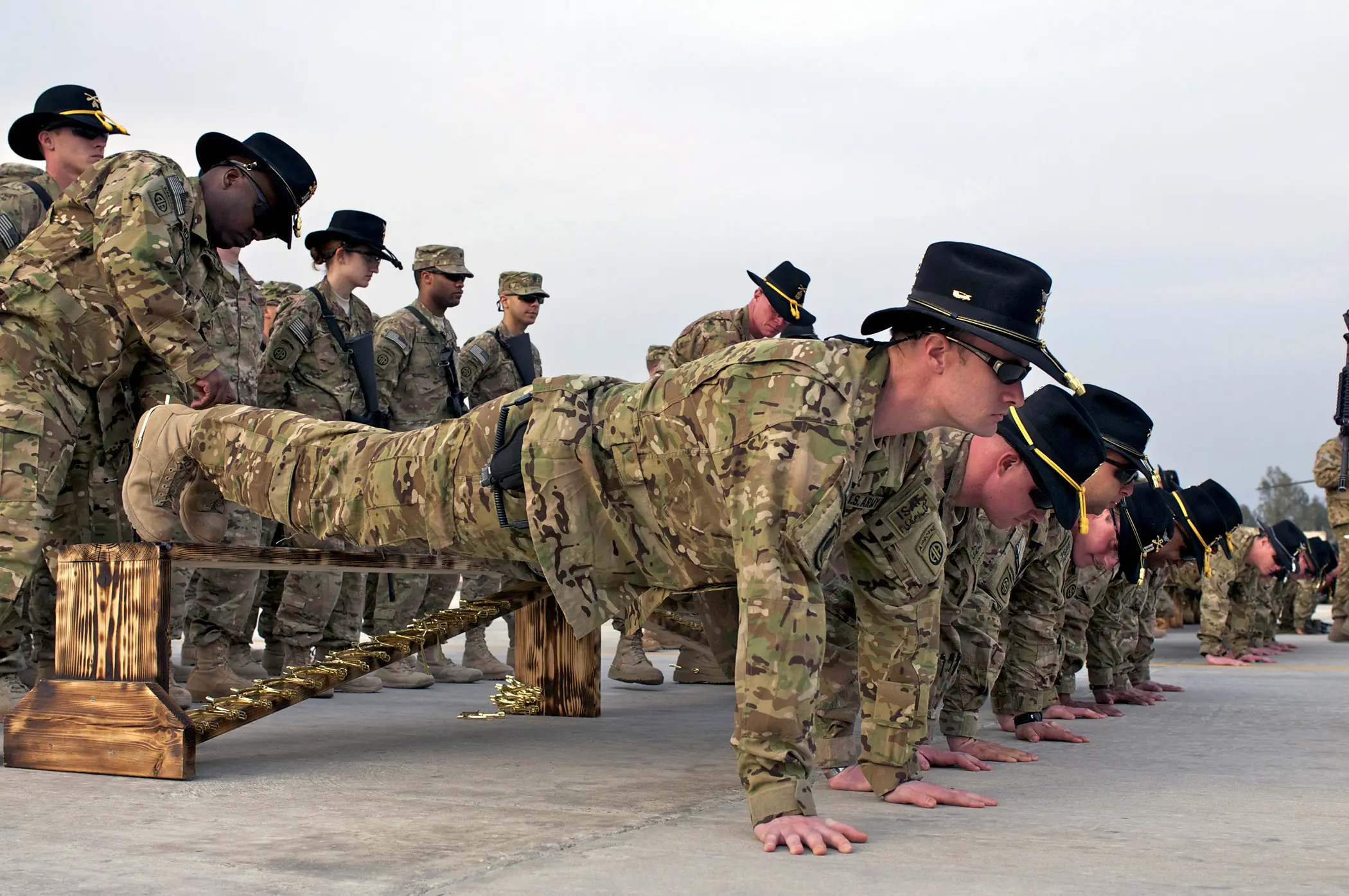
Share of GDP: 3.4 per cent vs 2.0 per cent
When viewed as a share of their respective economies, the commitment to defence remains high for both. The US spent about 3.4 per cent of its Gross Domestic Product (GDP) on defence in 2024. Iran allocated roughly 2.0 per cent of its GDP to its military, a figure that has seen fluctuations due to the country's economic volatility and inflation.
Troop numbers: 1.3 million vs 610,000 active personnel
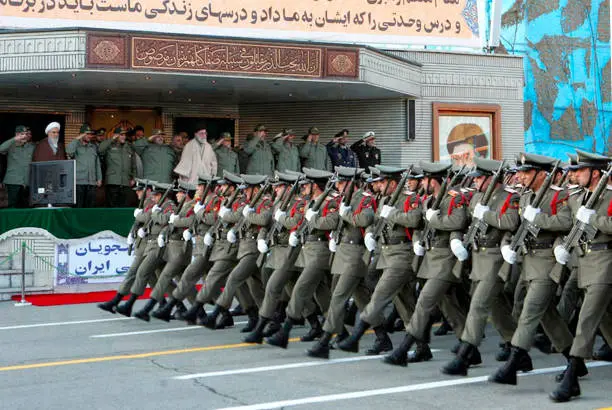
The US maintains a large active-duty force of approximately 1.3 million personnel, supported by high salaries and advanced equipment. Iran commands about 610,000 active personnel, including the Army and the Islamic Revolutionary Guard Corps (IRGC). While the US invests heavily per soldier, Iran relies more on conscription and manpower to maintain its force levels.
Strategic focus: Technology vs Asymmetric warfare
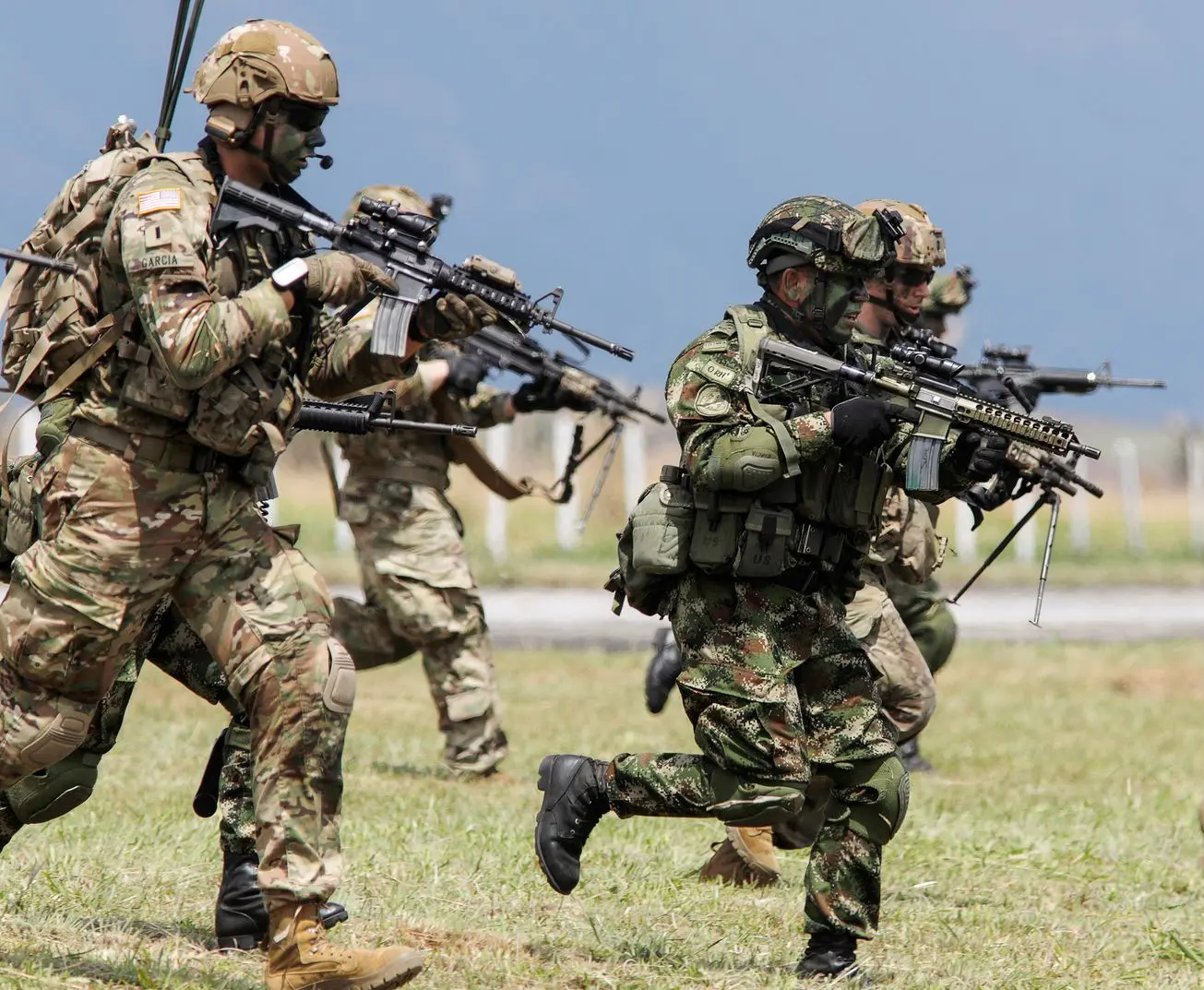
The US budget prioritises expensive, high-tech platforms like aircraft carriers, fifth-generation fighter jets, and space defence systems. Conversely, Iran’s limited budget forces a different approach, prioritising ballistic missile development and drone technology. Tehran invests heavily in these asymmetric capabilities to counter superior conventional forces.
Air superiority: Stealth jets vs domestic drones
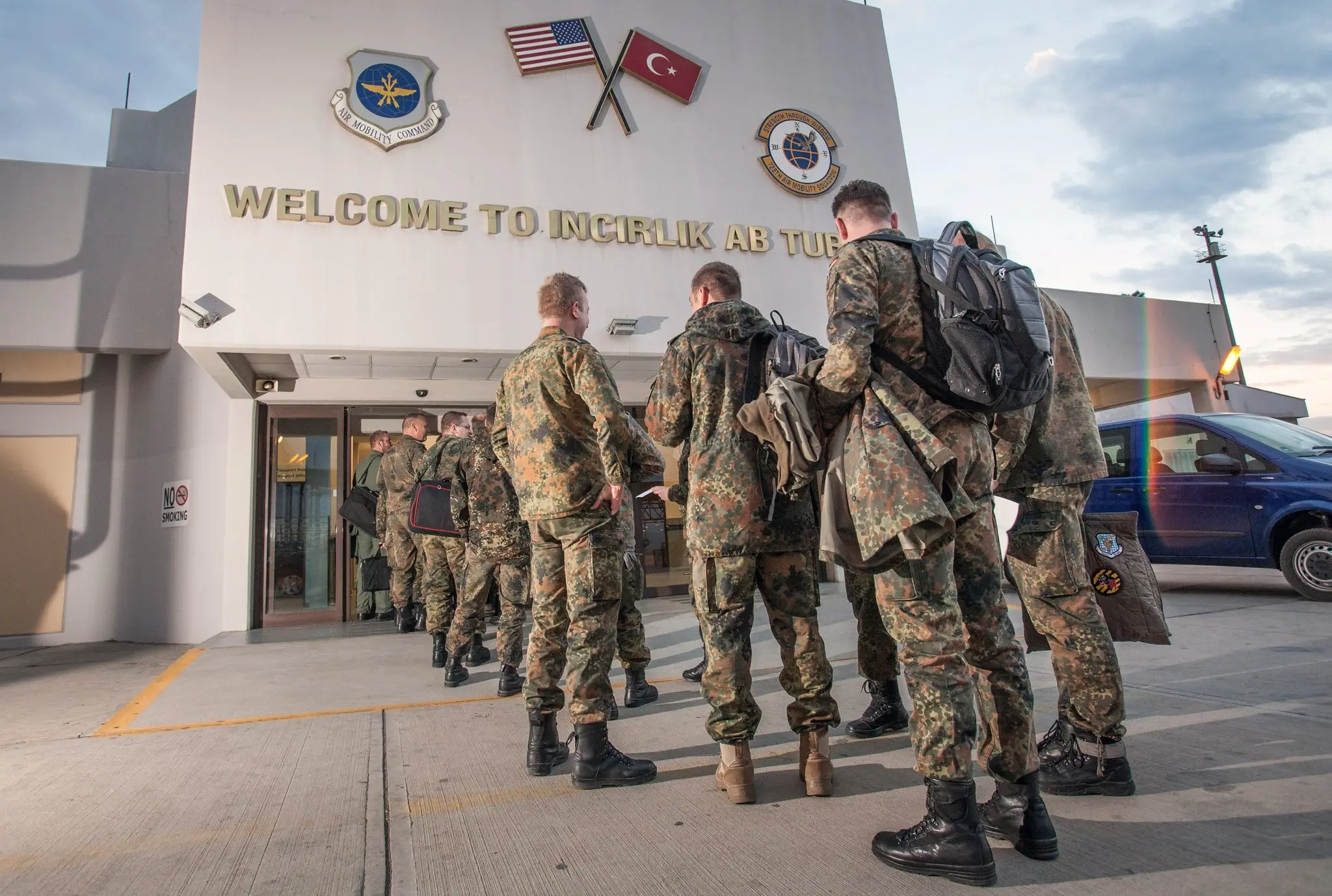
The US budget funds a massive air force of over 13,000 aircraft, including advanced F-35 and F-22 stealth fighters that dominate the skies. Iran, unable to buy modern jets due to sanctions, relies on an aging fleet of F-4s and F-14s from the 1970s. To bridge this gap, Tehran focuses its budget on mass-producing "suicide drones" and ballistic missiles.
)
)

)
)