Who’s powering the planet? Know the top 10 countries producing the most electricity

Based on World Energy Statistics data of 2024, China accounts for half of the increase in global power generation in 2024 (+7%, reaching 32% of global power generation). From the list below, let's have a look at the top 10 nations producing the most electricity.
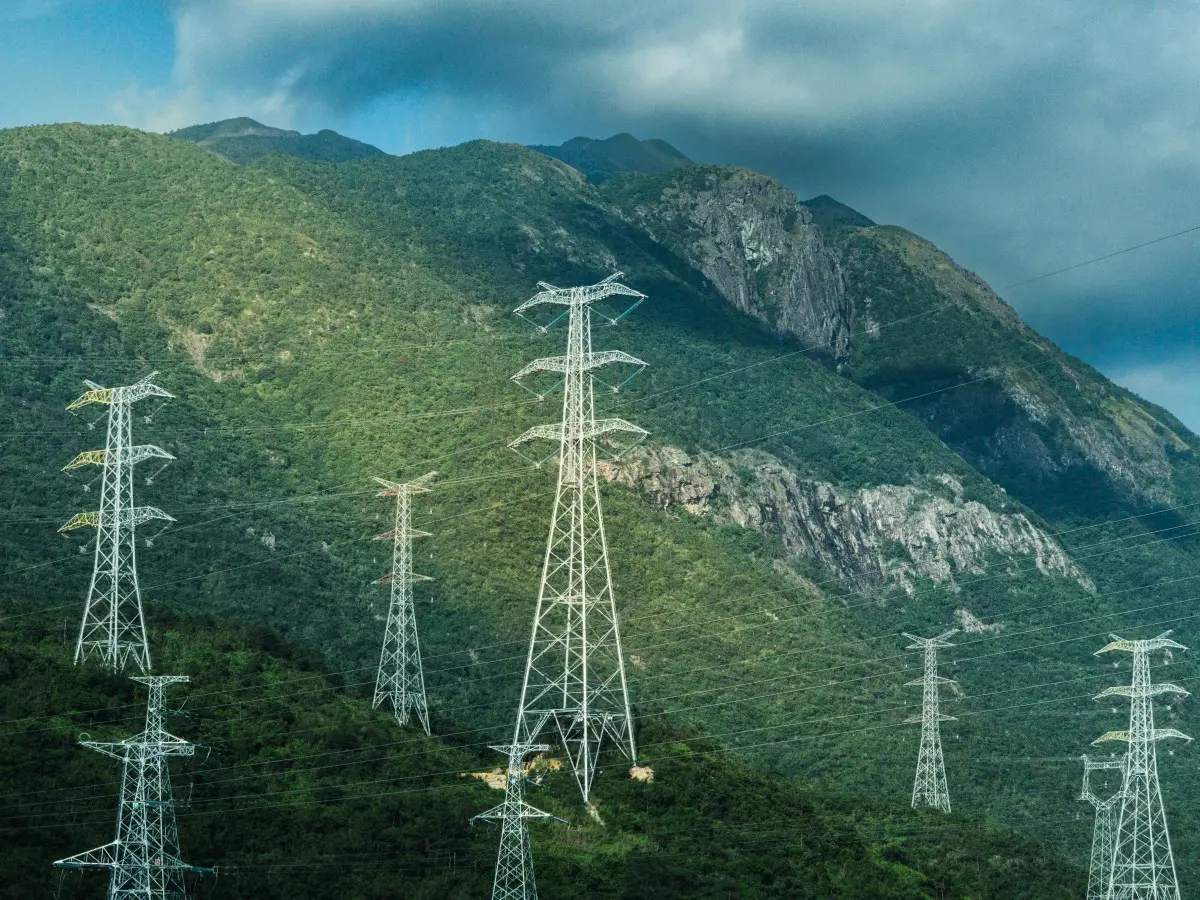
1. China
With over 10,000 petawatt-hours annually, China is the top electricity producer in the world. Coal dominates, but renewables, especially solar and wind, are fast-growing, now providing nearly half of new capacity. The rapid renewable expansion of China is re-creating its energy mix and lowering carbon emissions.
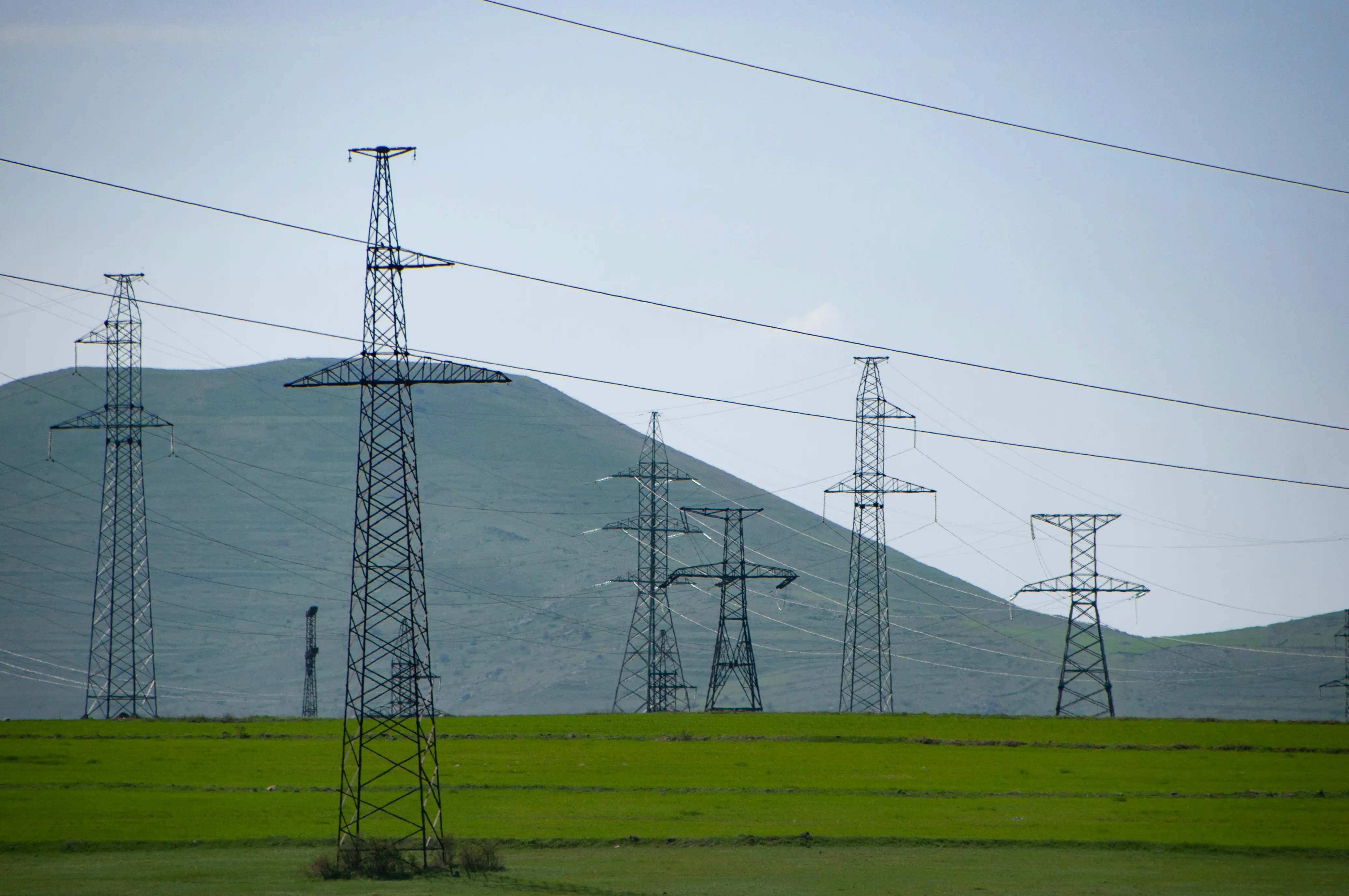
2. United States
The United States produces over 4,500 petawatt-hours of electricity each year, mostly from natural gas, followed by coal, nuclear, and renewables. The nation is investing heavily in solar and wind. Its diverse mix and grid innovations keep it a leader, with renewables representing a steadily increasing portion.
3. India
India generates about 2,000 petawatt-hours of electricity annually, ranking third worldwide. Coal remains the primary energy source, but renewables and hydropower are expanding rapidly. Government initiatives target increased clean energy, aiming to transform India’s power sector and meet growing domestic and export demands.
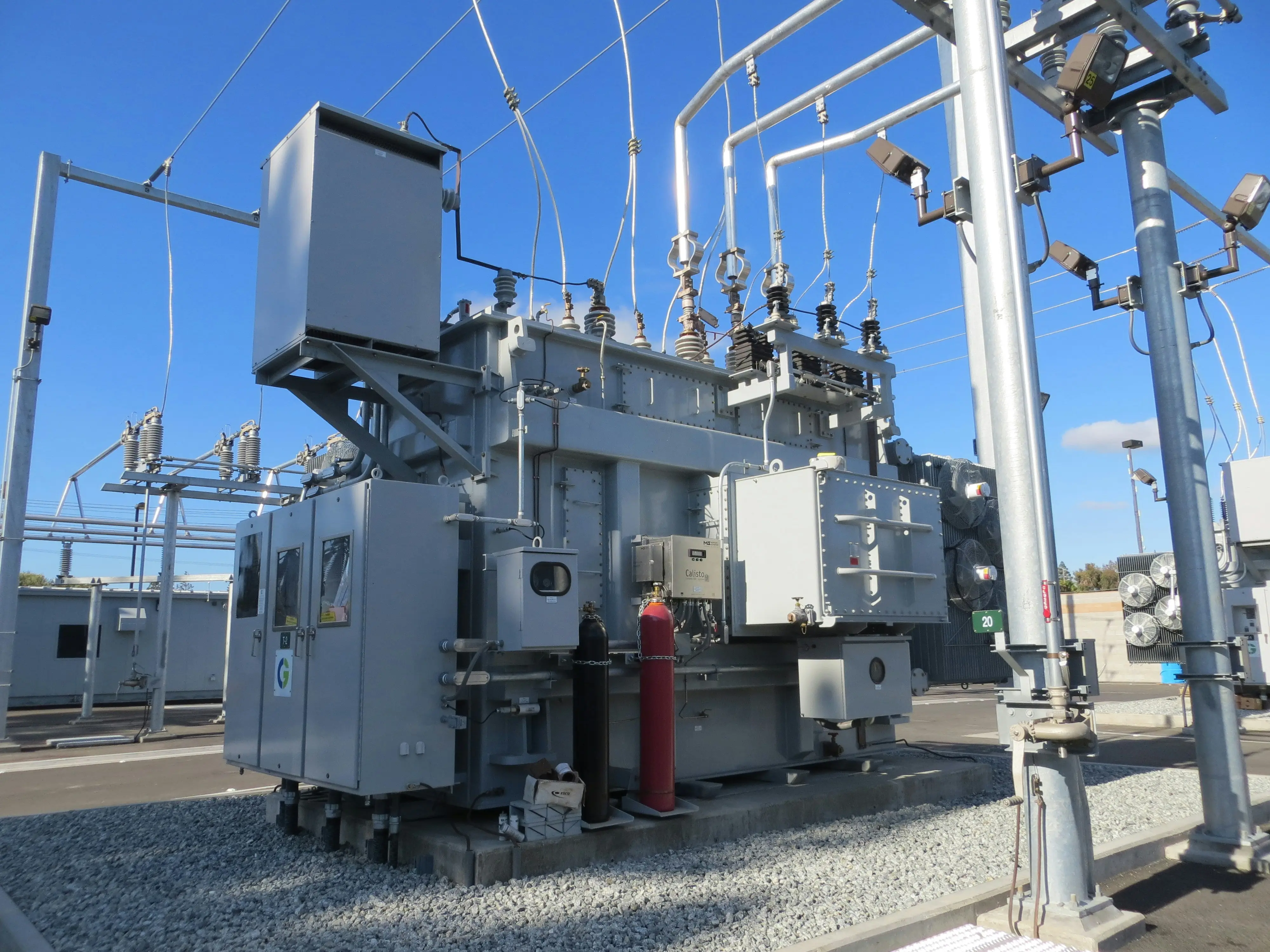
4. Russia
It produces nearly 1,200 petawatt-hours of electricity annually. The majority of Russia's energy comes from natural gas, coal, and nuclear. Hydroelectric stations play a key role in the mix. The energy infrastructure of Russia also allows for large-scale exports, and the country continues to diversify into renewables amidst international energy shifts.
5. Japan
Japan generates just over 1,000 petawatt-hours of electricity yearly. Its mix is dominated by natural gas and coal, with nuclear contributing and expanding after recent policy changes. Hydropower and solar are growing. Japan’s grid is one of the world’s most stable, supporting advanced technological and urban centres.
6. Brazil
Brazil produces over 750 petawatt-hours annually, with hydropower accounting for more than half of the national output. The country is a global leader in renewable energy, particularly bioenergy and wind. Brazil’s sustained investment in clean energy helps ensure a lower-carbon footprint and strong electricity exports in South America.
7. Canada
Canada’s electricity generation exceeds 620 petawatt-hours, mostly from hydropower. Nuclear and renewables play significant roles, making Canada one of the cleanest electricity producers globally. It exports large volumes to the U.S. and invests in grid upgrades. Canada’s geography offers vast hydro and wind resources.
8. South Korea
South Korea creates about 615 petawatt-hours annually. Coal, nuclear, and natural gas form the backbone of its power sector, with renewables and imported electricity playing a growing role. The government is pursuing aggressive clean energy policies to reduce emissions and strengthen energy security.
9. France
France generates roughly 570 petawatt-hours a year, with nuclear power making up most of the mix. France is Europe’s leading nuclear producer, supplemented by hydro and renewables. Its energy strategy supports climate goals and electricity exports to neighbouring countries.
10. Germany
It produces about 500 petawatt-hours annually, led by coal and renewables. Germany “Energiewende” policy drives the expansion of wind and solar, with closures of nuclear plants and pioneering clean energy transition makes it a model for transforming electricity systems worldwide.
)
)
)
)
)