Who's online and who's not? The world's most and least connected countries. Where does India stand

Let us have a look at the internet penetration across countries, from near-universal connectivity in the Gulf to the digital divide in parts of Africa
Who's online? How internet usage differs across the world
Internet access has become central to education, communication, business and everyday life. But connectivity is far from universal. While some countries have brought almost their entire populations online, others continue to face significant gaps. Here's how internet usage compares across the world.

Bahrain, Kuwait, Saudi Arabia and UAE: 100% online
Four countries, Bahrain, Kuwait, Saudi Arabia and the United Arab Emirates, recorded 100% internet penetration in the Voronoi 2025 comparison. The figures put these Gulf nations at the top of the global connectivity rankings.
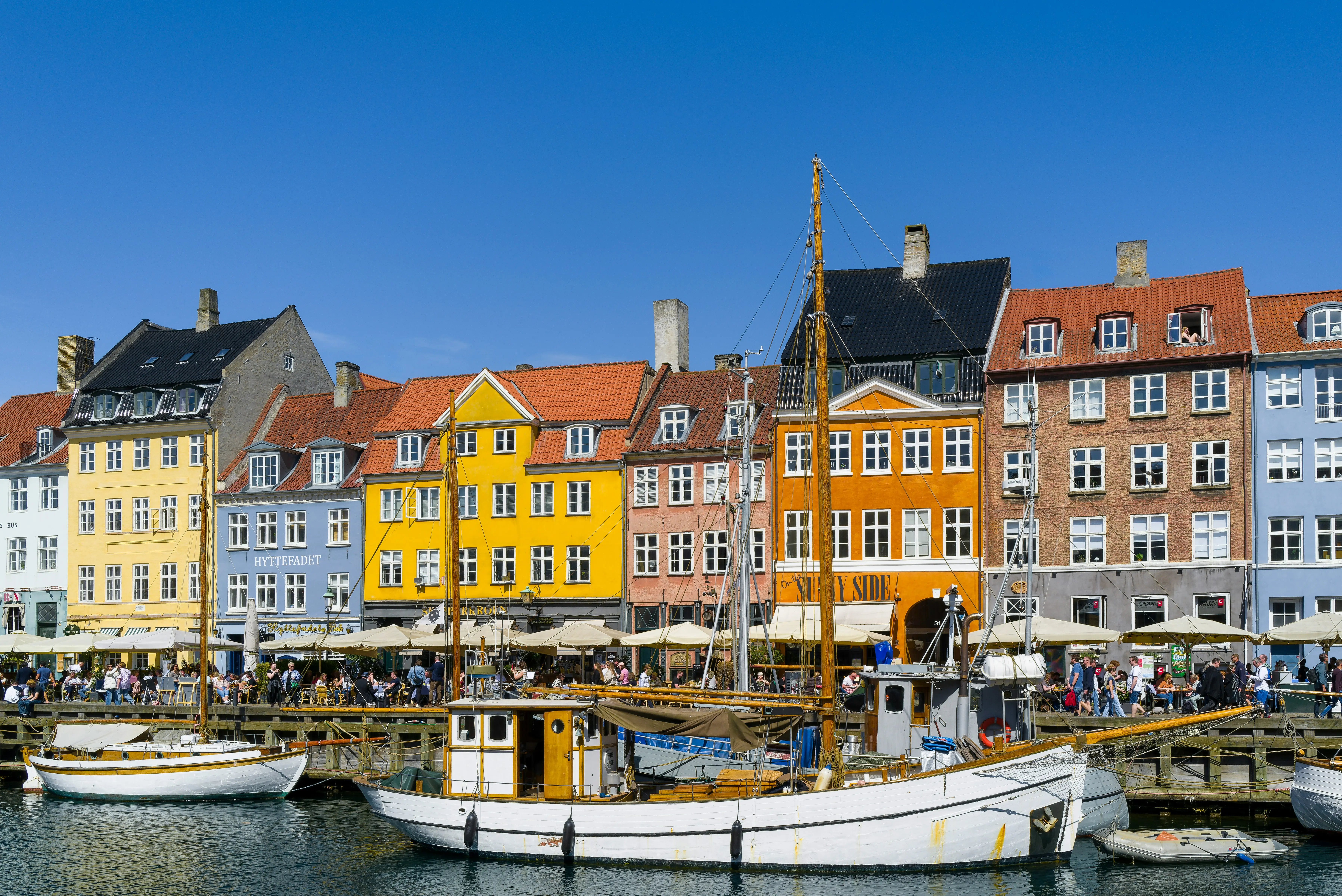
Denmark: 99.8% of the population uses the internet
Denmark is among the countries closest to universal internet access, with 99.8% penetration. Its high connectivity reflects the widespread integration of digital services into everyday life.
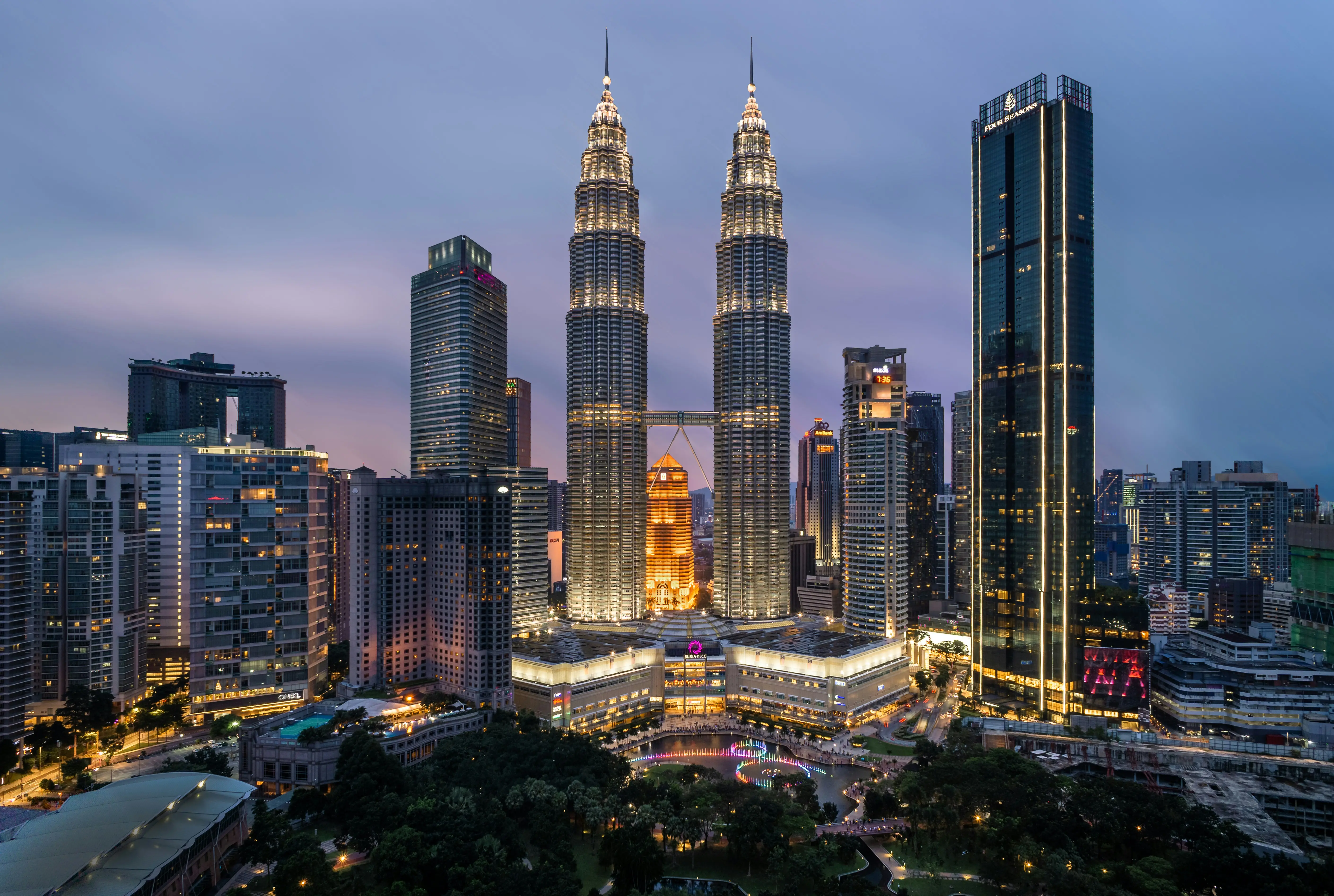
Malaysia: 98.3% internet penetration
Malaysia stands out among Asian countries, with 98.3% of its population using the internet. It ranks ahead of several major economies, demonstrating how digital connectivity extends beyond the traditional high-income economies.

United States: 94.7% of Americans are online
The US recorded internet penetration of 94.7%, placing it among the highly connected countries. Despite its position as a global technology powerhouse, it remains below several smaller economies in the comparison.

China: 91.8% internet penetration
China recorded 91.8% internet penetration. With its enormous population and extensive digital ecosystem, the country has one of the world's largest online populations. However, its penetration rate remains below that of the US.
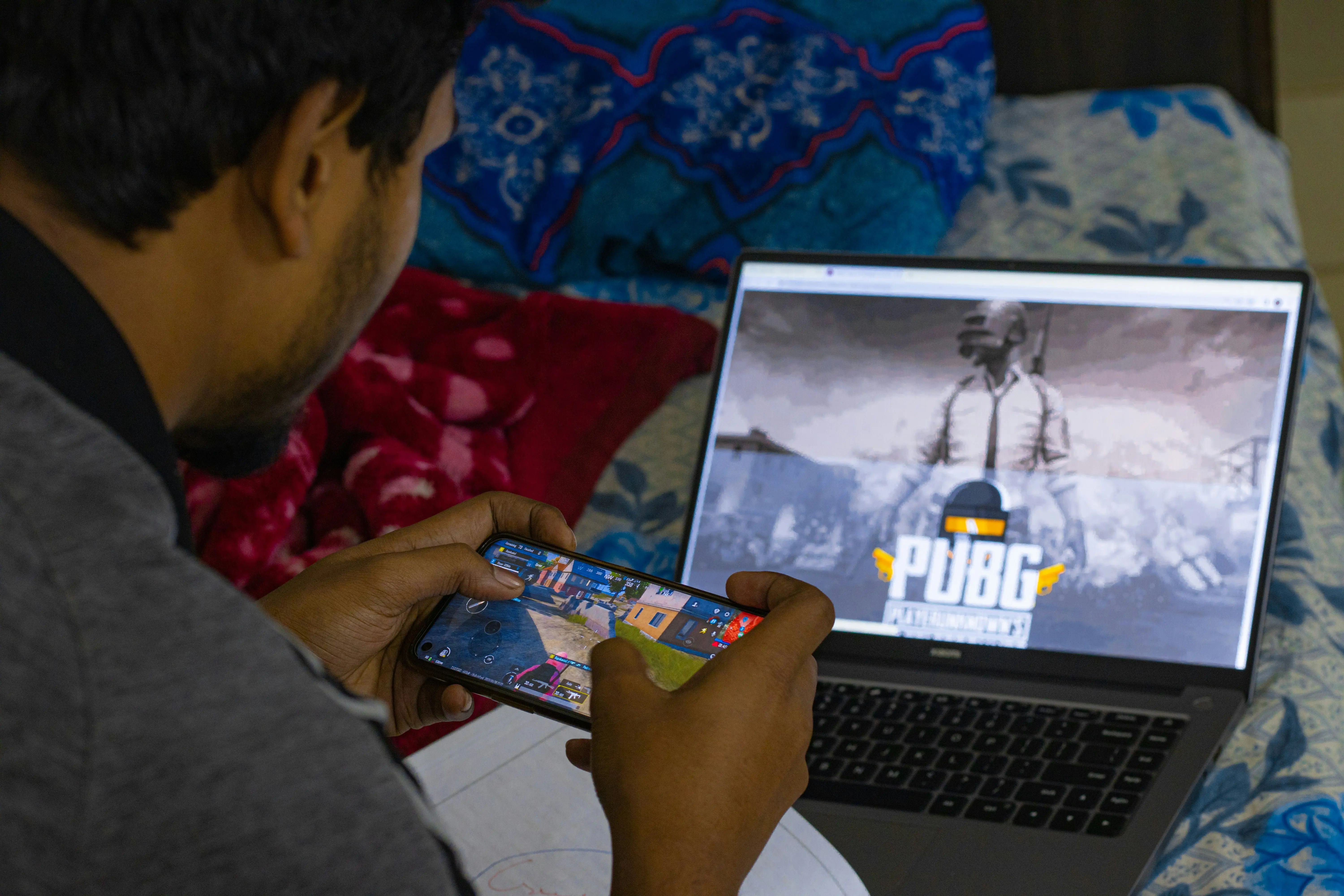
India: 70% of the population uses the internet
India recorded internet penetration of 70% in the comparison. The figure highlights the scale of the country's digital expansion, but also the considerable population that remains outside internet access. With its vast population, bridging this gap remains a major challenge.
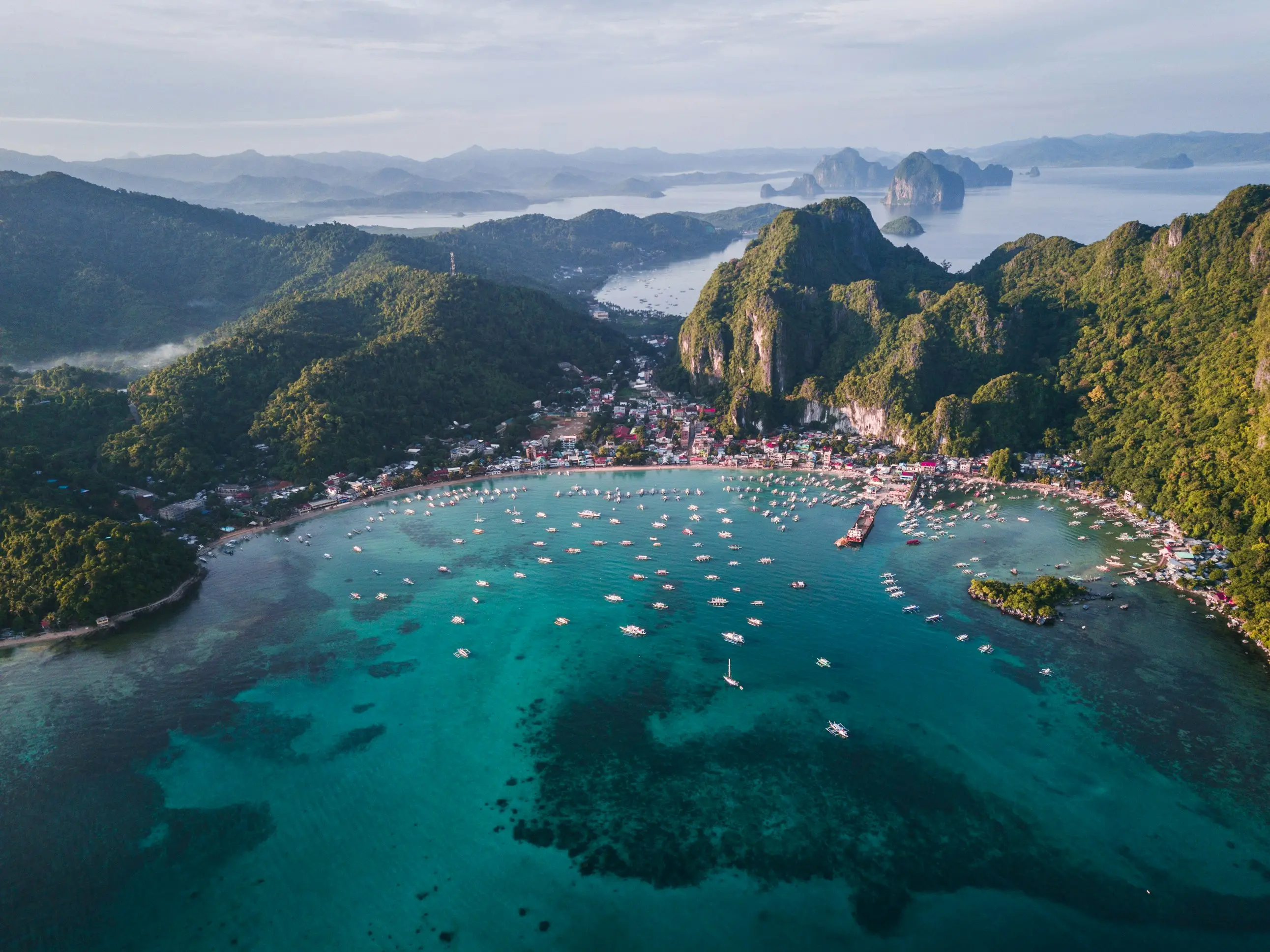
Philippines: 67.3% internet penetration
The Philippines recorded internet penetration of 67.3%, placing it below India in the comparison. Despite the country's strong mobile-first digital culture, a substantial section of its population remains offline.