Who ruled the longest? Top 7 elected Indian PMs ranked by years in office

Narendra Modi has become the longest-serving elected PM in Indian history, surpassing the previous unbroken term record of 4,398 days held by Jawaharlal Nehru. Taking office on May 26, 2014, and returning to power in 2019 and 2024, he served for over 4,399 consecutive days.
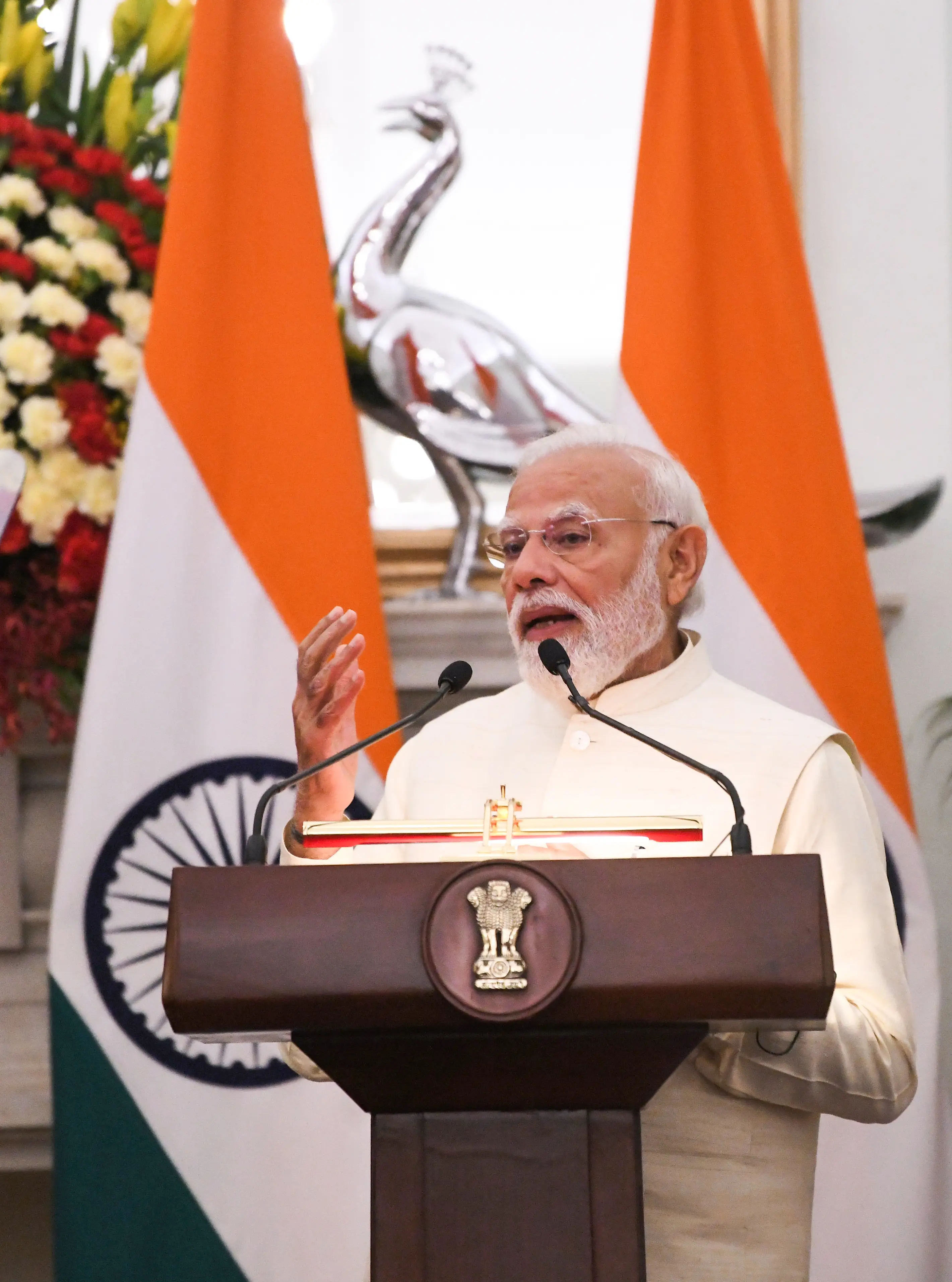
Narendra Modi: Bharatiya Janata Party
Narendra Modi is the longest-serving elected Prime Minister in India’s history. Assuming office on May 26, 2014, he is currently serving his third consecutive term following decisive general election victories in 2014, 2019, and 2024. As of June 10, 2026, his continuous tenure has reached 4,399 days, making him the longest-serving elected Prime Minister in India’s history.
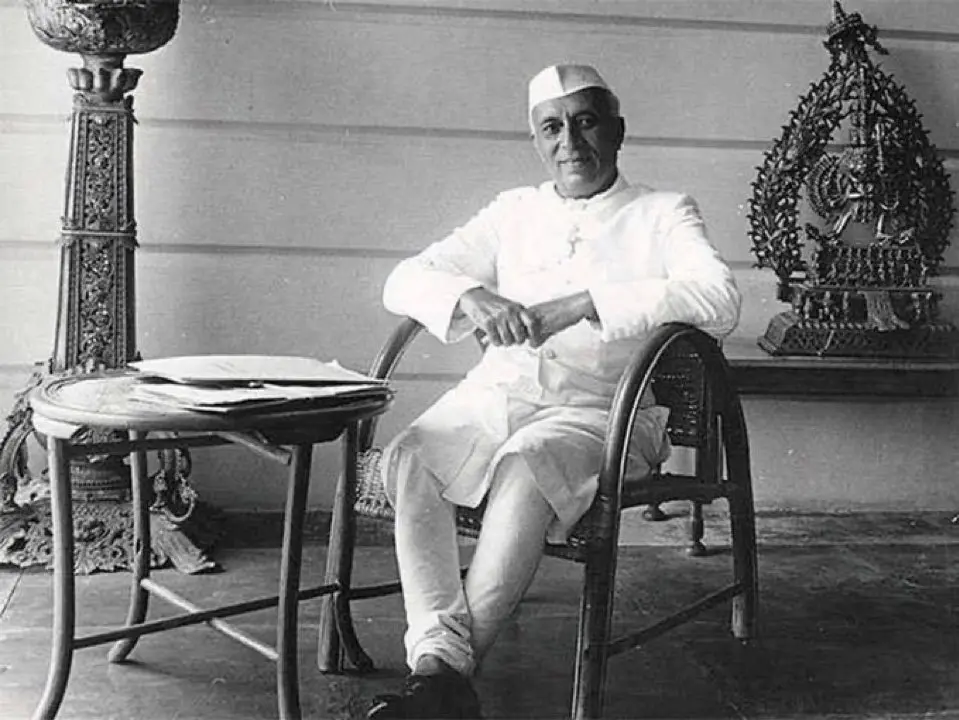
Jawaharlal Nehru: Indian National Congress
Jawaharlal Nehru served as India's first Prime Minister for a total of nearly 17 years. Following independence, he initially governed as the interim Prime Minister for 4 years and 282 days. After India's historic first general elections, he was officially sworn in as the democratically elected Prime Minister, serving in that elected capacity for 12 years and 14 days until his demise in 1964. Nehru first took the oath as an elected PM on 13th May 1952 and served until 27th May 1964 for 4398 days.
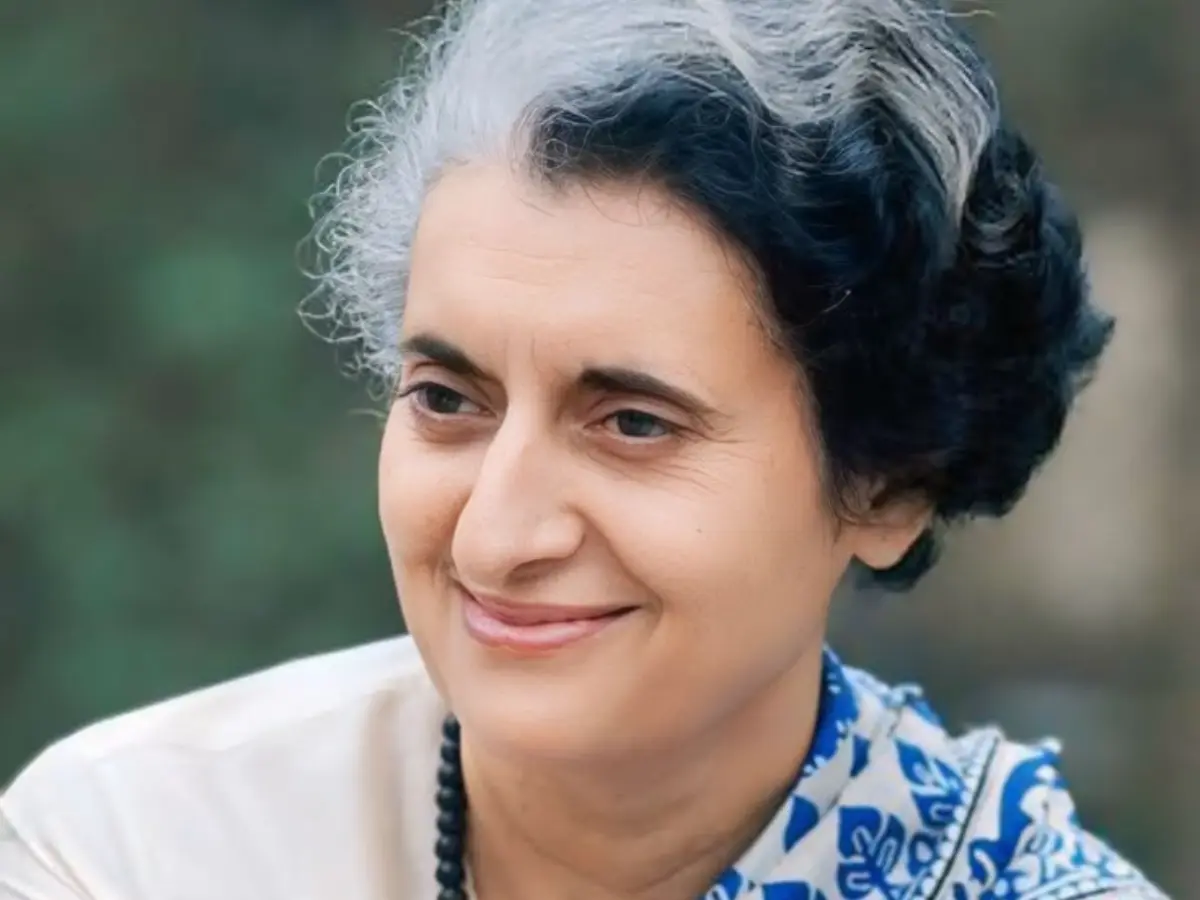
Indira Gandhi: Indian National Congress
Indira Gandhi, India's only female Prime Minister, served an initial elected term of 11 years and 59 days after taking office in 1966. While her early terms were secured through direct public mandates, her subsequent return to power saw her chosen to lead by the parliamentary majority of her newly victorious party, cementing her legacy as one of the nation's most powerful political figures. In her second term, she remained in power for almost 4.7 years from January 14, 1980, to October 31, 1984.
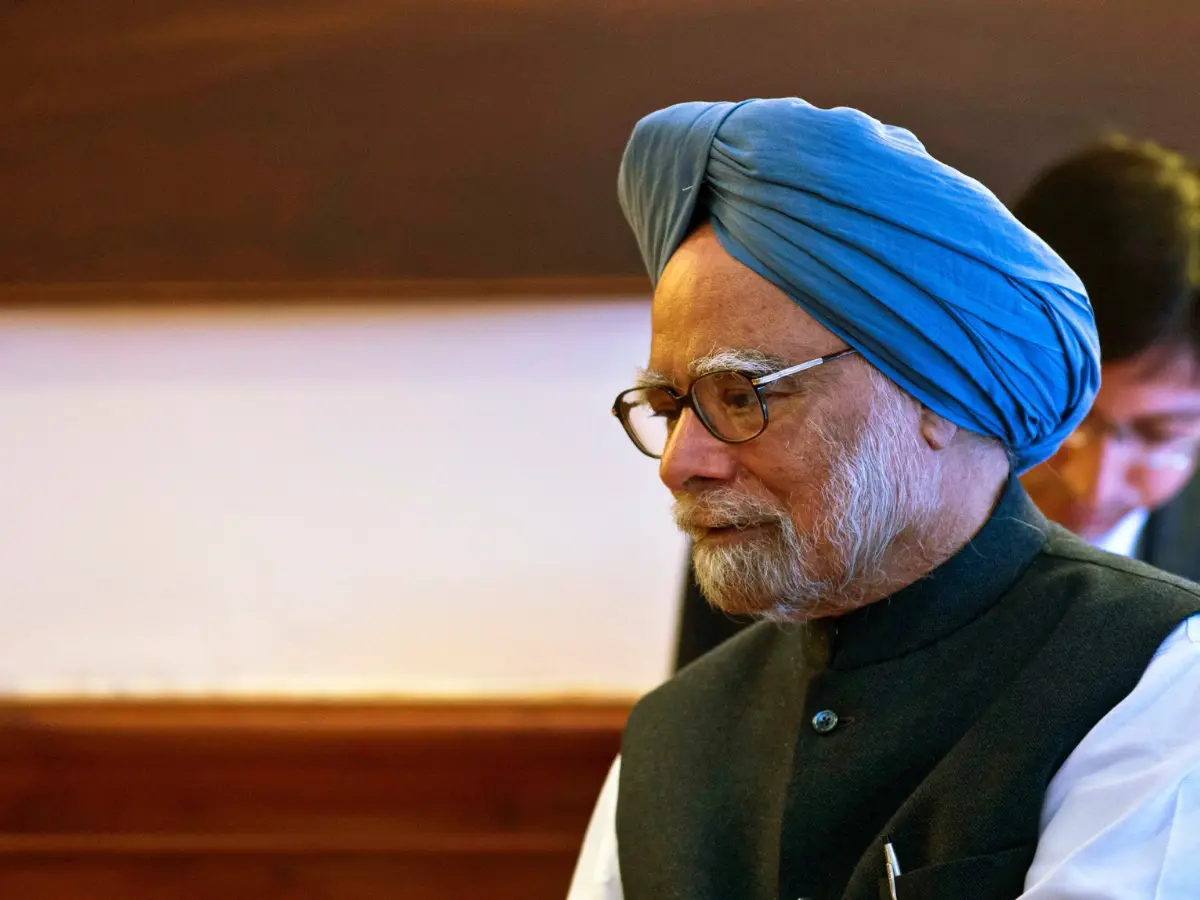
Dr. Manmohan Singh
He served as India's Prime Minister for exactly 10 years and 4 days across two consecutive terms from May 22, 2004, to May 26, 2014. A renowned economist, he led the United Progressive Alliance (UPA) government. His tenure was defined by historic welfare legislation like MGNREGA, the landmark US-India Civil Nuclear Agreement, and sustaining high economic growth, making him the third-longest-serving Prime Minister in the nation's history.
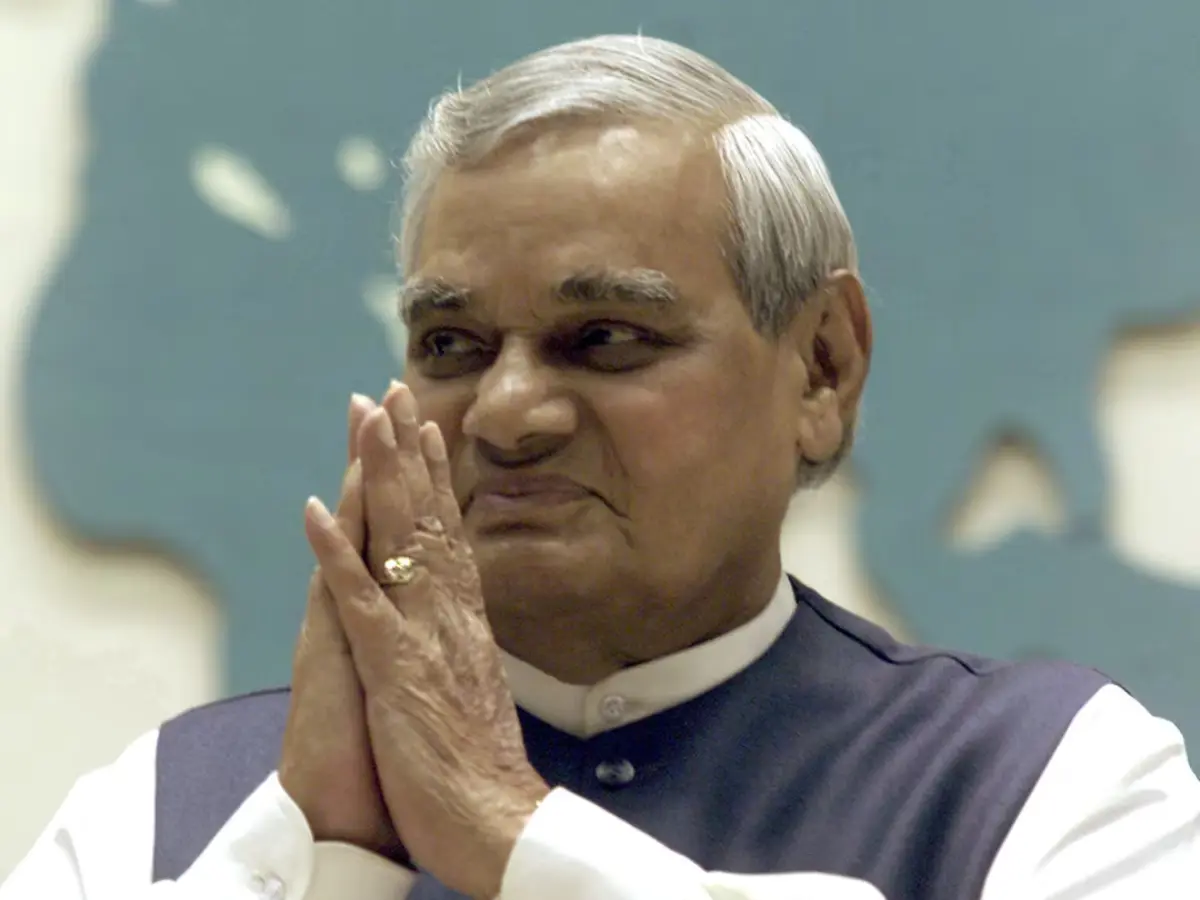
Atal Bihari Vajpayee: Bharatiya Janata Party
Atal Bihari Vajpayee served as Prime Minister for a cumulative total of 6 years and 80 days across three distinct tenures. His first term in 1996 lasted just 13 days, followed by a 1-year, 15-day term in 1998. He finally completed a full term of 5 years and 52 days from 1999 to 2004, steering the National Democratic Alliance (NDA) through the Pokhran-II nuclear tests and the Kargil War.
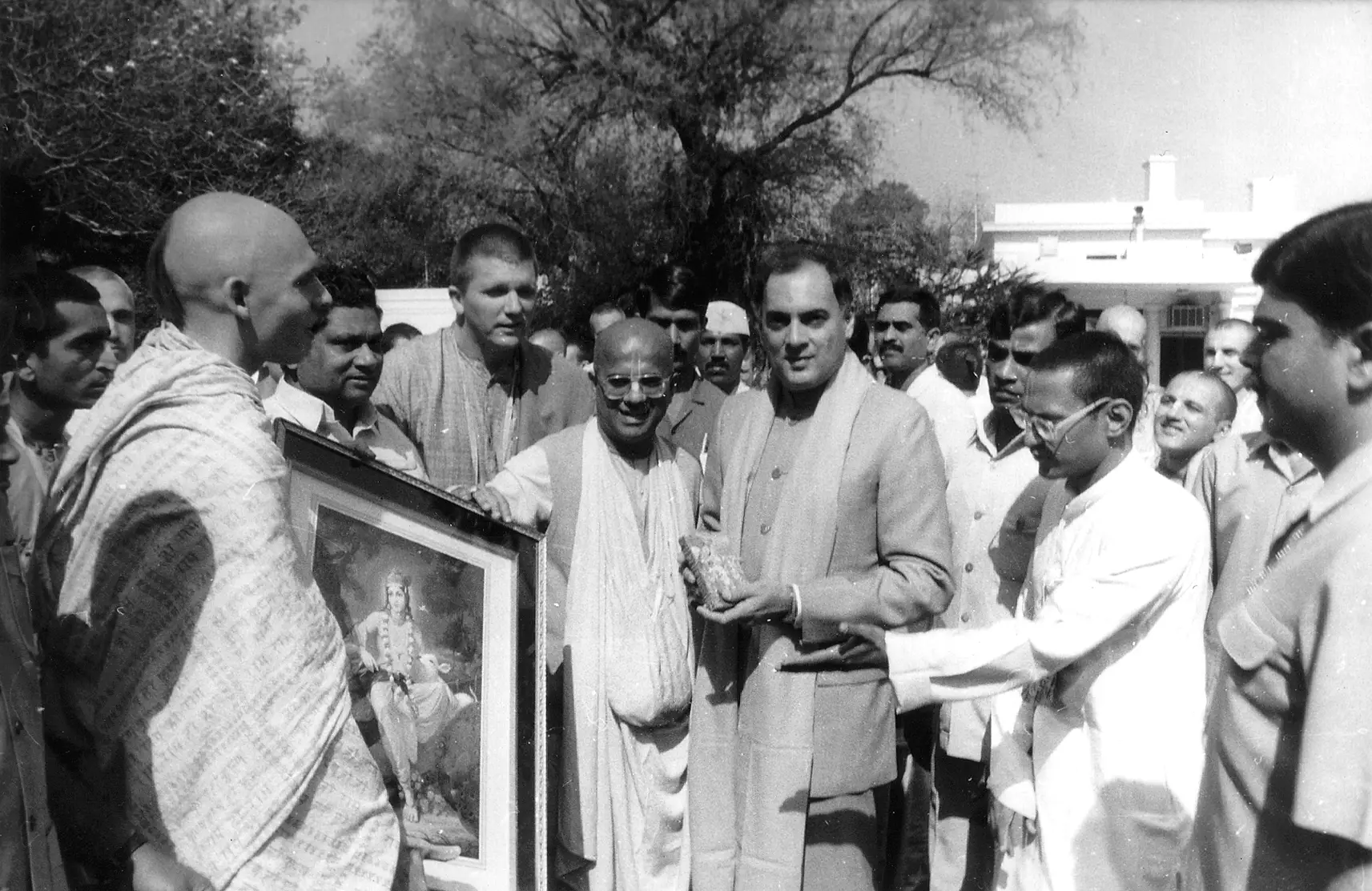
Rajiv Gandhi: Indian National Congress
Rajiv Gandhi served as Prime Minister for 5 years and 32 days, taking office on October 31, 1984, following the assassination of his mother, Indira Gandhi. He secured a historic landslide majority in the subsequent 1984 general elections. Becoming India's youngest Prime Minister at age 40, his tenure was characterised by the modernisation of India’s telecommunication sector, educational reforms, and pivotal technology initiatives.
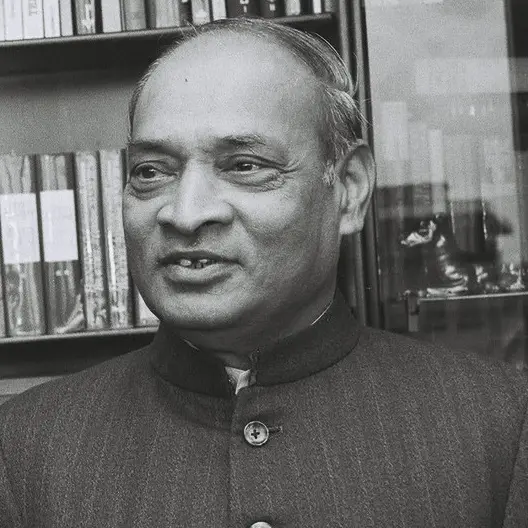
P V Narasimha Rao: Indian National Congress
P V Narasimha Rao served a full term of 4 years and 330 days from June 21, 1991, to May 16, 1996. Stepping into office during a severe macroeconomic crisis, he is widely recognised as the "Father of Indian Economic Reforms." Alongside his Finance Minister, Dr Manmohan Singh, Rao dismantled the "License Raj," opening India's markets to global trade and permanently shifting the country's economic trajectory.
)
)
)
)
)