Who really controls Greenland? Understanding sovereignty, autonomy, and defense

Greenland is an autonomous country within the Kingdom of Denmark. The 2009 Self-Government Act gave Nuuk control over resources and police, but Copenhagen manages defence and foreign policy. The US also plays a key defence role via the 1951 treaty.
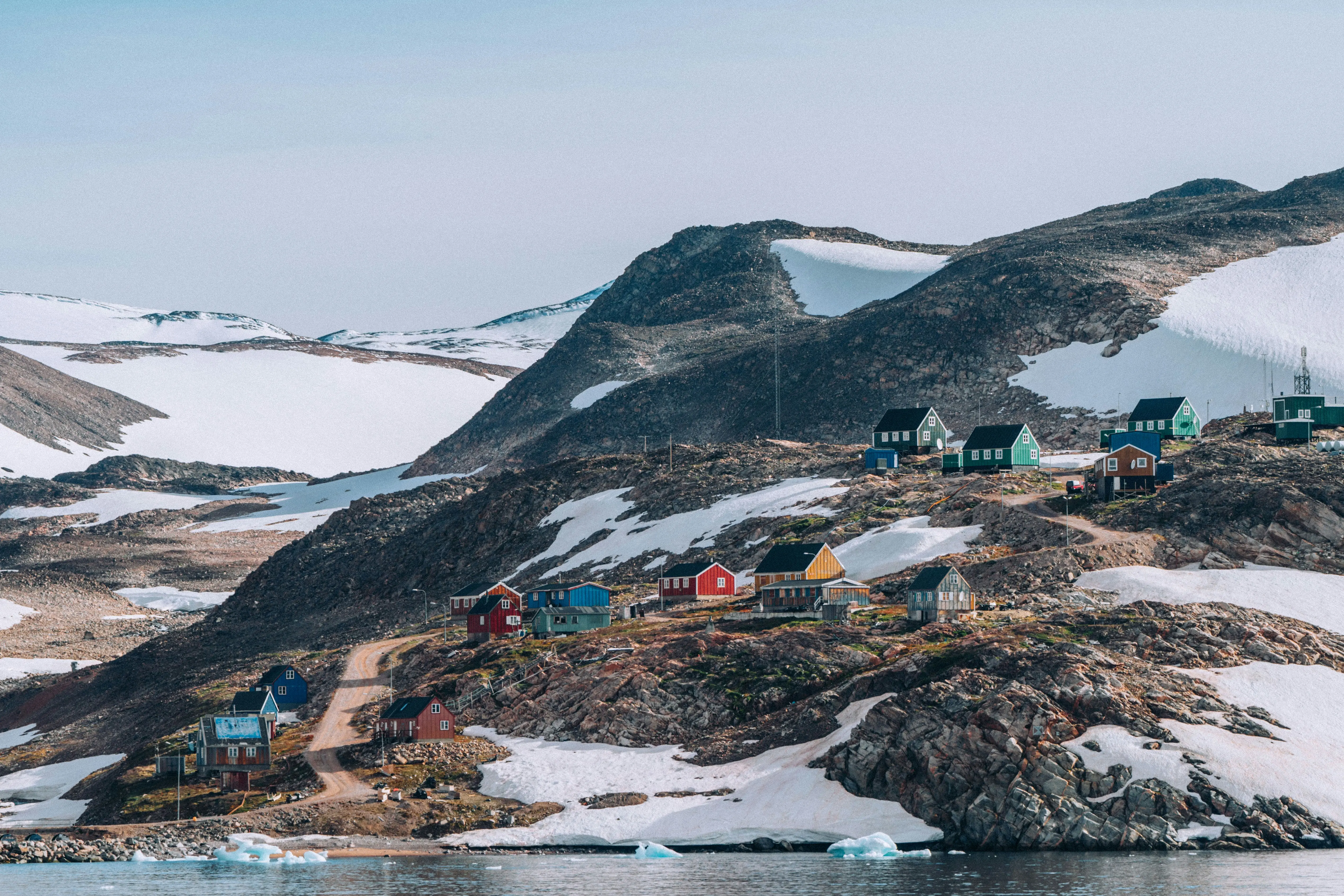
A self-governing country Part of the Danish Realm
Greenland is not a sovereign state but a self-governing territory within the Kingdom of Denmark. While it has its own parliament (Inatsisartut) and flag, the Danish Monarch remains the formal head of state, symbolising the constitutional union between the two nations.

The 2009 Self-Government Act Expanding local power
The 2009 Act replaced the earlier Home Rule arrangement, formally recognising Greenlanders as a distinct people under international law. This legislation transferred control of the police, judicial system, and coast guard from Copenhagen to the local government in Nuuk.
Copenhagen controls defence Foreign policy remains Danish
Despite broad autonomy, the Danish Constitution dictates that Copenhagen retains full control over foreign affairs, national security, and defence policy. The Danish Ministry of Foreign Affairs handles all major treaties, though Nuuk is consulted on issues specifically affecting the Arctic.
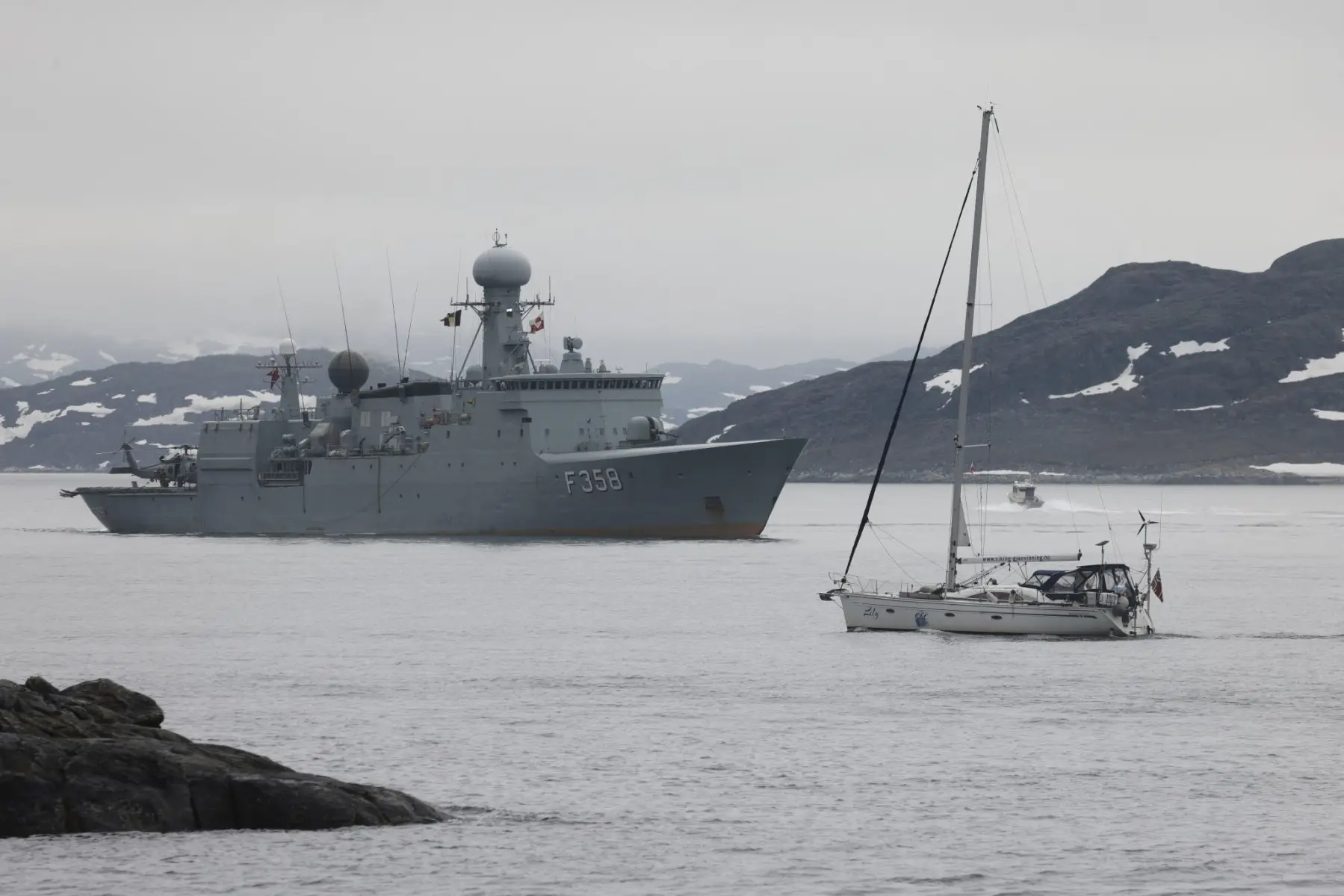
The US military role Strategic defence via treaty
Physical defence is largely shared with the United States under the 1951 Defence of Greenland Treaty. This agreement grants the US military rights to operate the Pituffik Space Base (formerly Thule), ensuring North American security without direct Danish interference in daily operations.
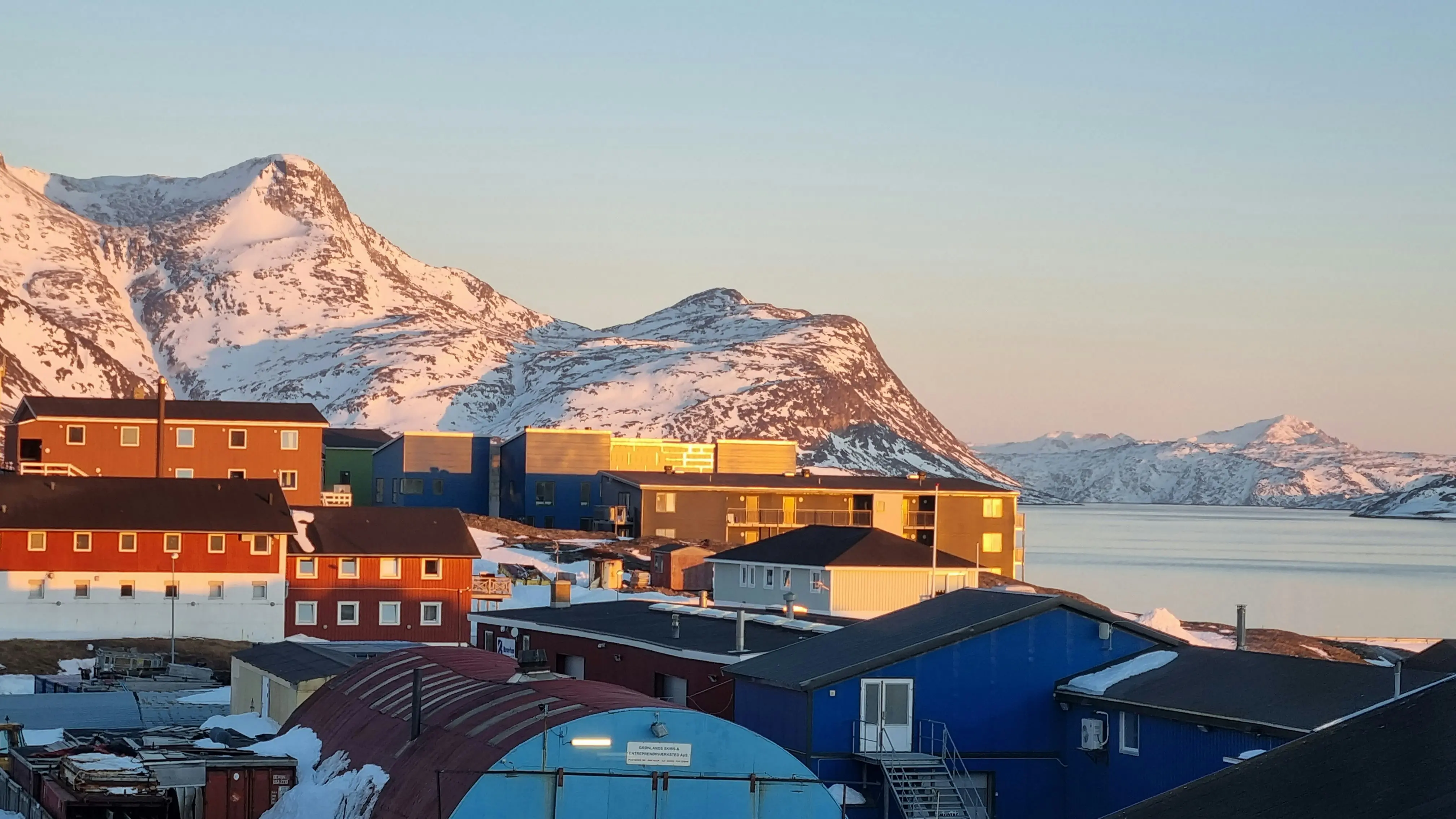
Owning the resources Control over mineral wealth
A critical shift in the 2009 agreement was granting Greenland ownership of its vast underground resources. The Government of Greenland now has the sole authority to grant drilling and mining licences, aiming to use revenue from rare earth minerals to fund future independence.
Financial dependence The annual block grant
Greenland’s economy relies heavily on an annual subsidy from Denmark known as the 'block grant'. The Danish Ministry of Finance transfers approximately 3.9 billion Danish kroner (roughly £450 million) per year, which covers about half of the island's public budget.
The right to independence A path to secession
The current legal framework explicitly allows Greenland to declare full independence if a simple majority of the population votes for it. However, doing so would immediately end the financial subsidy from Denmark, making economic self-sufficiency the primary obstacle to full sovereignty.
)
)
)
)
)