Who owns It? 7 weapons that could actually sink USS Abraham Lincoln

Owned by the US Navy and funded by taxpayers, the $4 billion USS Abraham Lincoln is a floating fortress. But despite its layered defenses, these 7 catastrophic threats could theoretically send it to the bottom.
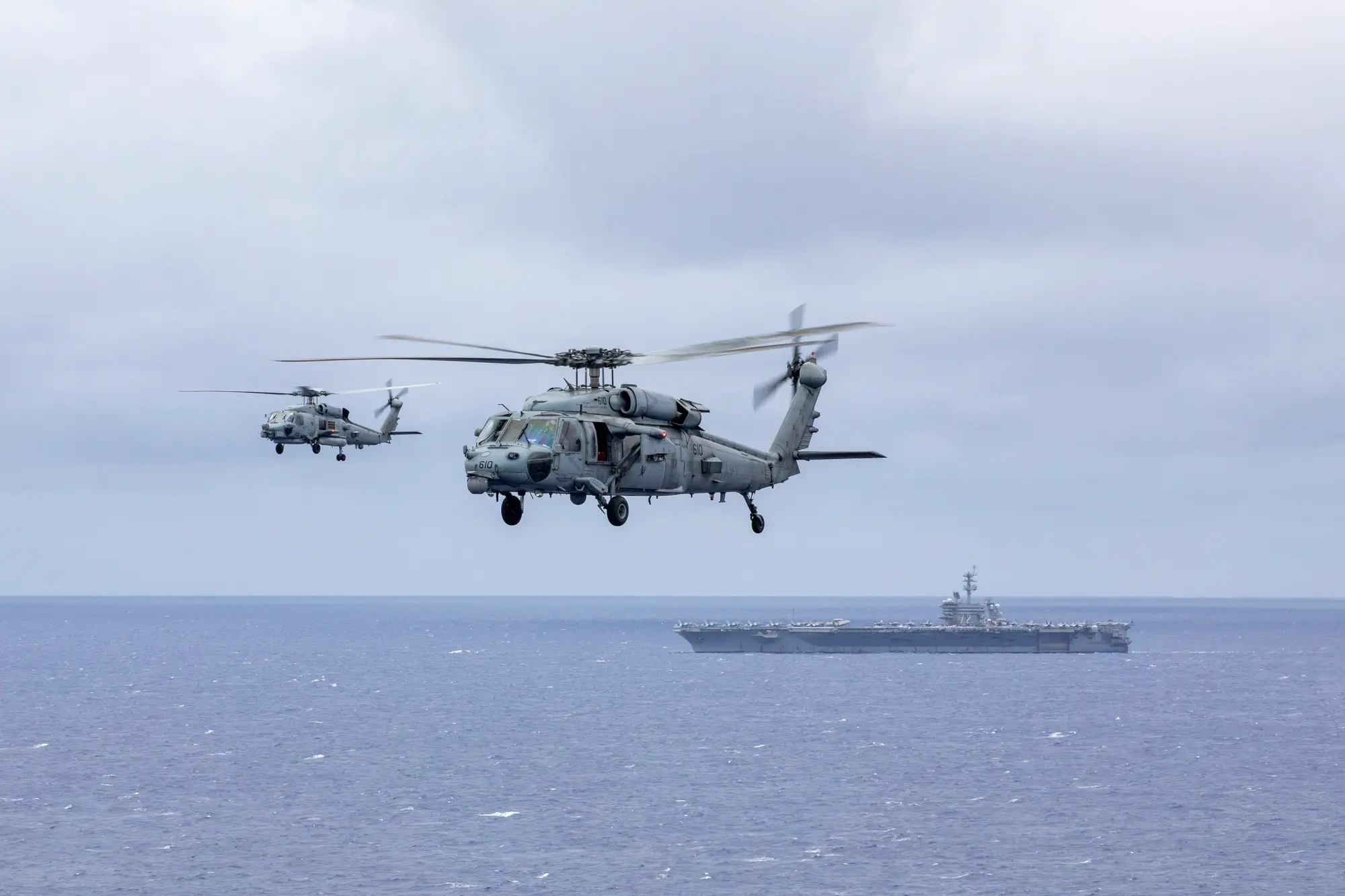
The 'Carrier Killer' Ballistic Missile
The most publicly feared threat to the Lincoln is the Anti-Ship Ballistic Missile (ASBM), like China's DF-21D or DF-26. Unlike cruise missiles that skim the ocean, ASBMs are fired into the atmosphere and plunge straight down onto the flight deck from space at Mach 10. The kinetic energy alone of a direct hit from a multi-ton warhead moving at that speed would punch straight through the hull and obliterate the internal decks.
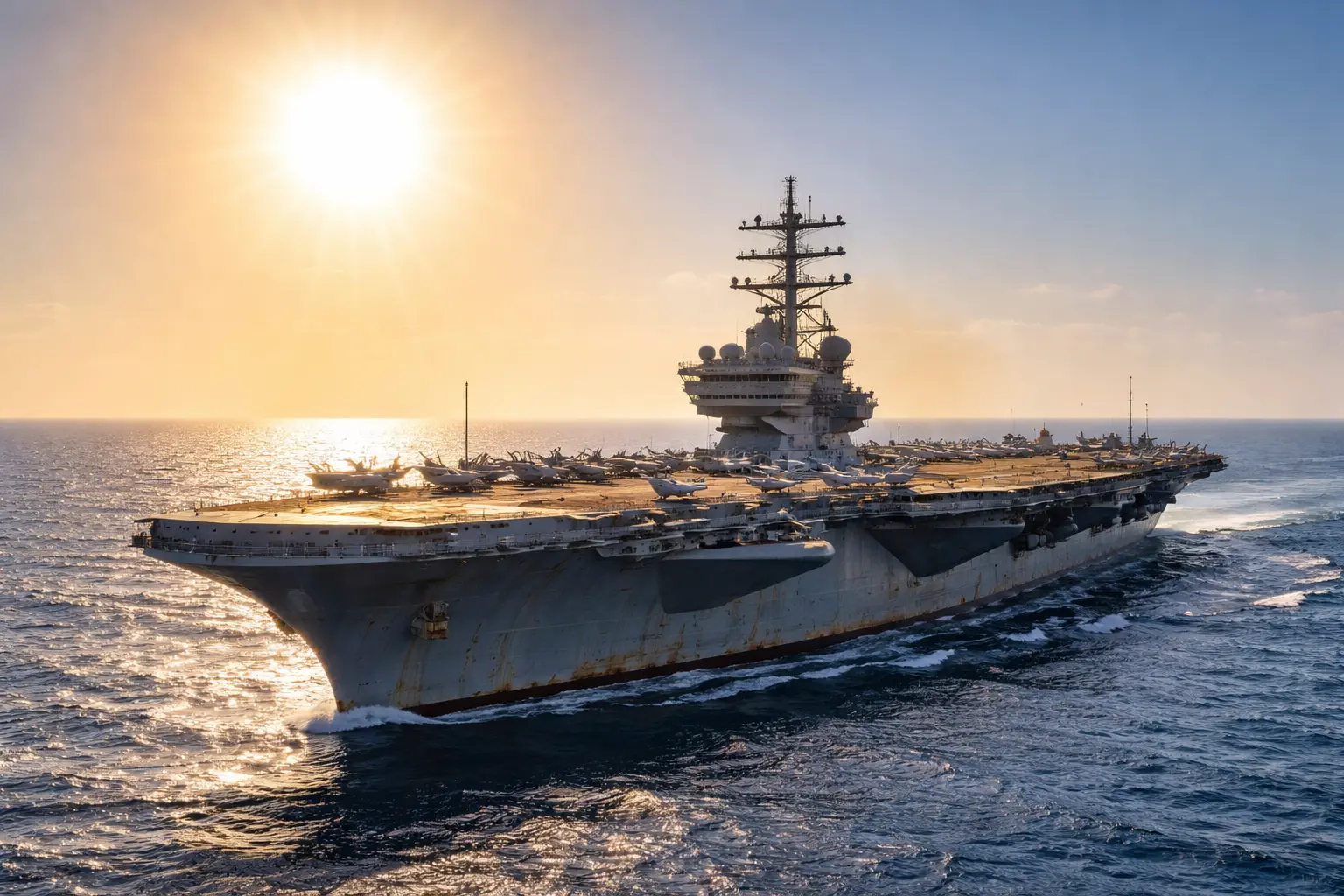
The Keel-Breaking Torpedo
A carrier's belt armor can deflect a lot, but its underbelly is vulnerable. Modern adversarial submarines utilize wake-homing heavyweight torpedoes that don't actually hit the side of the ship. Instead, they detonate magnetically directly underneath the carrier's keel. The massive underwater explosion creates a sudden, massive void of water, causing the 100,000-ton steel hull to collapse under its own weight and snap completely in half.
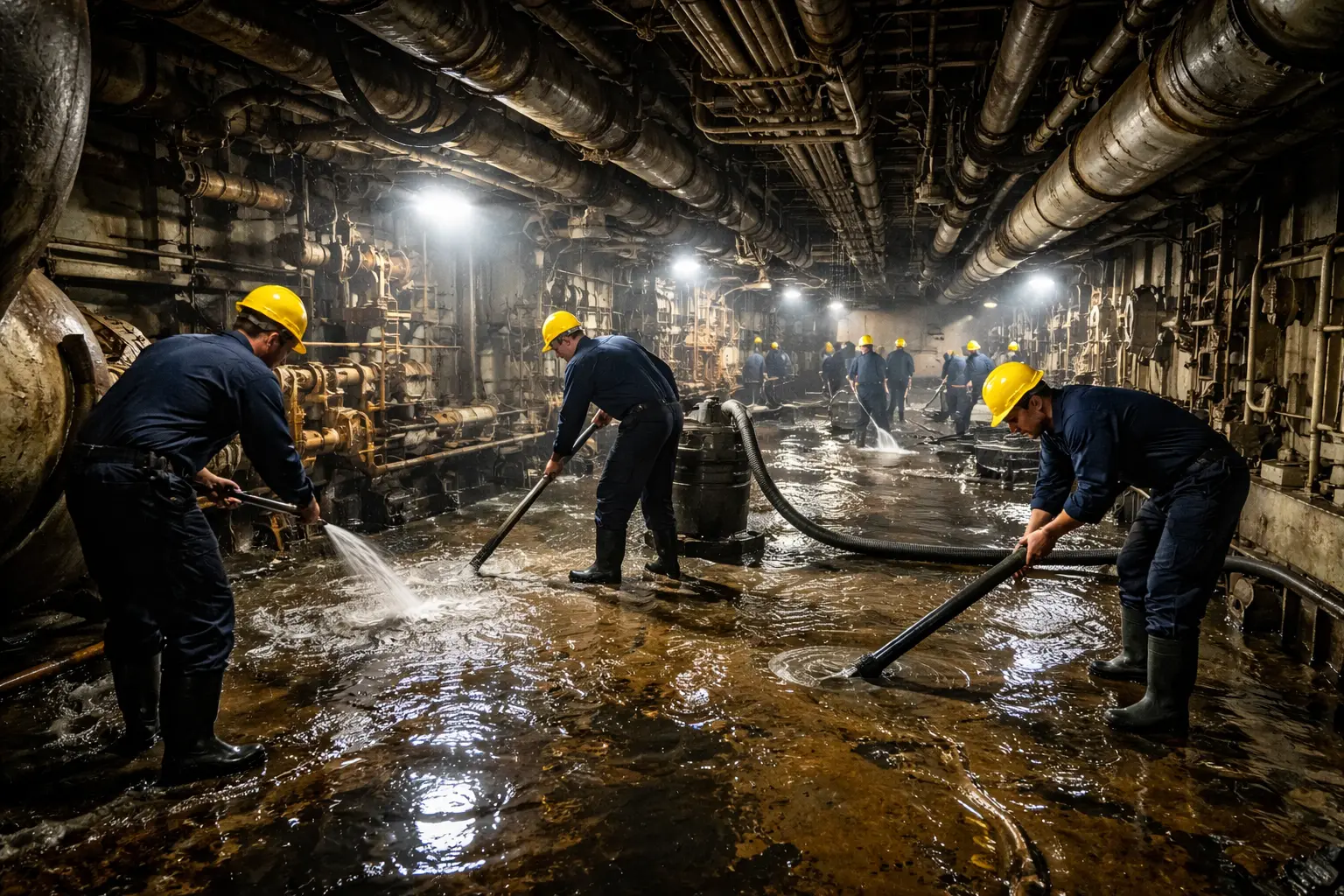
The Hypersonic Glide Vehicle
While the ship's Phalanx CIWS can intercept supersonic threats, hypersonic glide vehicles (HGVs) change the math entirely. Traveling at over Mach 5 and capable of unpredictable, erratic atmospheric maneuvering, weapons like the Russian Zircon or Chinese DF-ZF are moving so incredibly fast that the carrier's radar and automated defense computers simply may not have the physical time to calculate an intercept trajectory before impact.
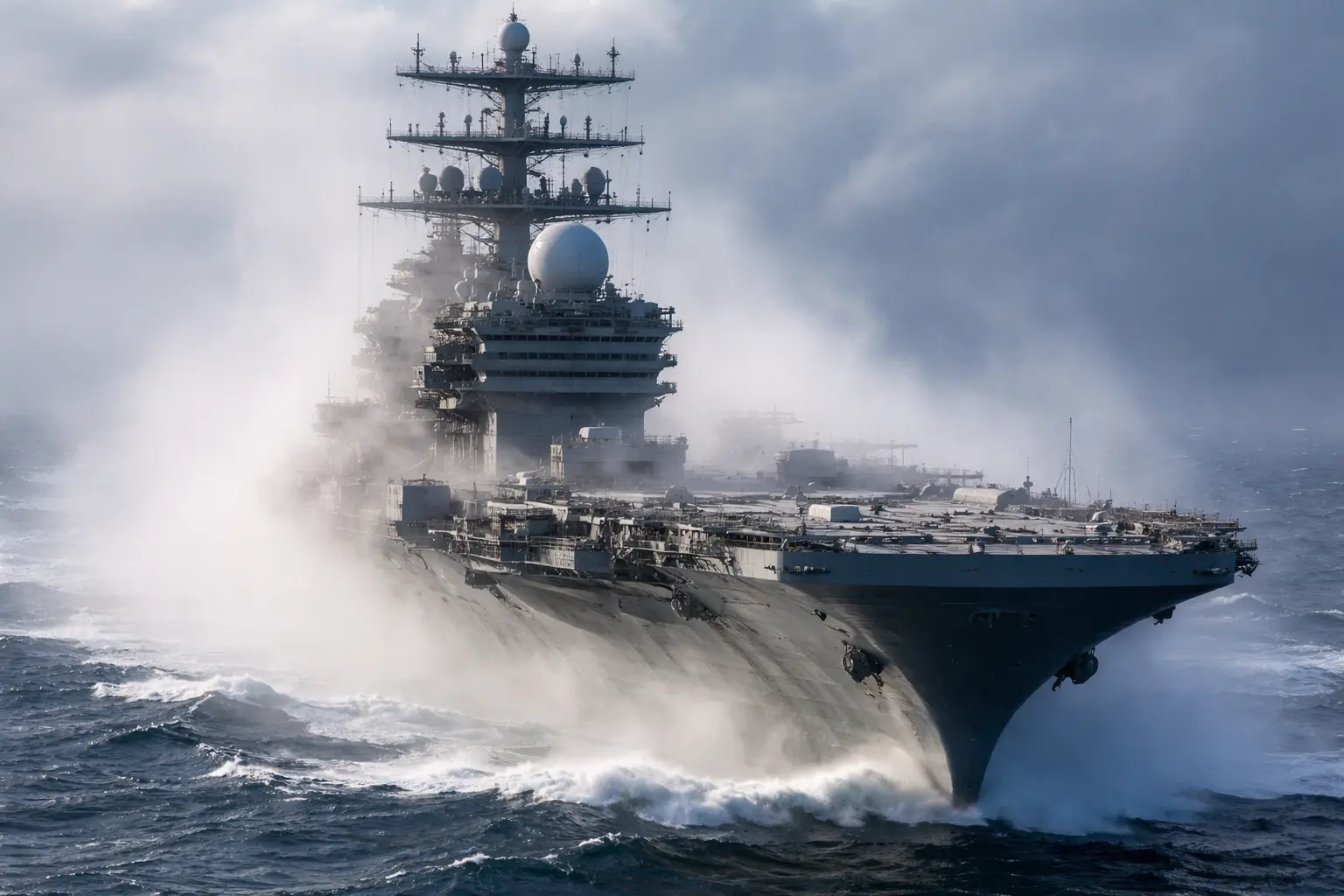
The 'Swarm' Saturation Strike
The Lincoln's strike group has an incredibly deep magazine of interceptor missiles, but it is not infinite. A coordinated ‘saturation strike’ relies on overwhelming the defense net. By simultaneously launching hundreds of cheap suicide drones, fast-attack boats, and older cruise missiles at the carrier from multiple angles, adversaries aim to simply run the carrier out of defensive ammunition so the final, lethal missile can slip through untouched.
The Internal Flight Deck Inferno
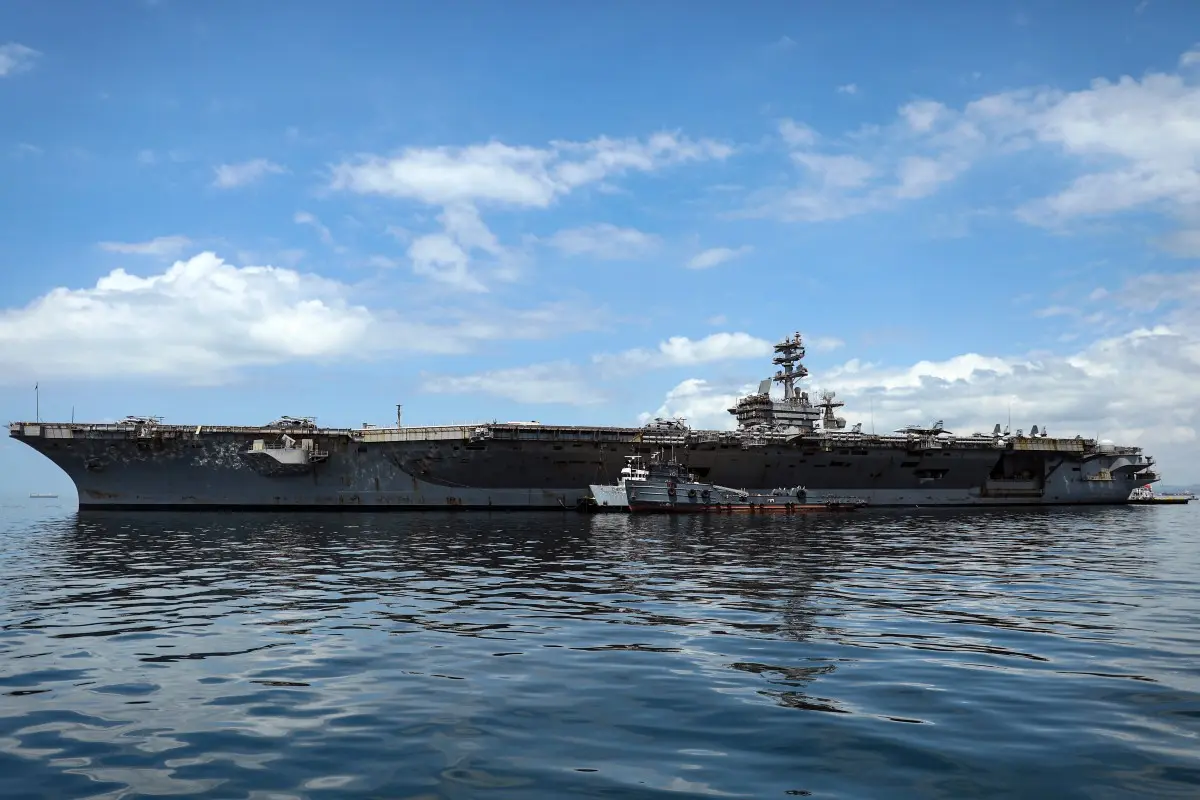
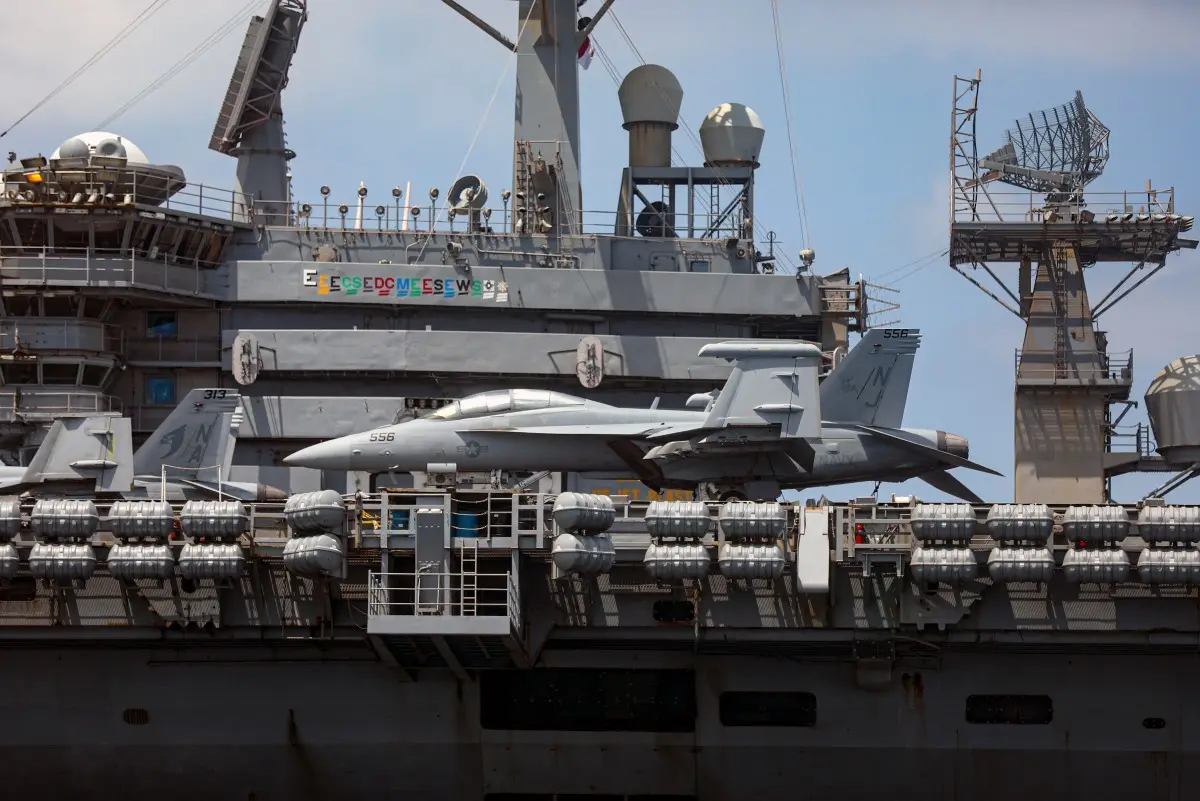
Historically, the greatest threat to an American carrier is itself. The flight deck is a terrifying mix of million-gallon jet fuel lines (JP-5), sparking electronics, and live 2,000-pound bombs. As the tragic 1967 USS Forrestal fire proved, a single accidental spark or misfired rocket during high-tempo combat operations can trigger a catastrophic chain reaction of secondary explosions that can gut the ship from the inside out faster than any enemy attack.
Advanced 'Smart' Naval Mines
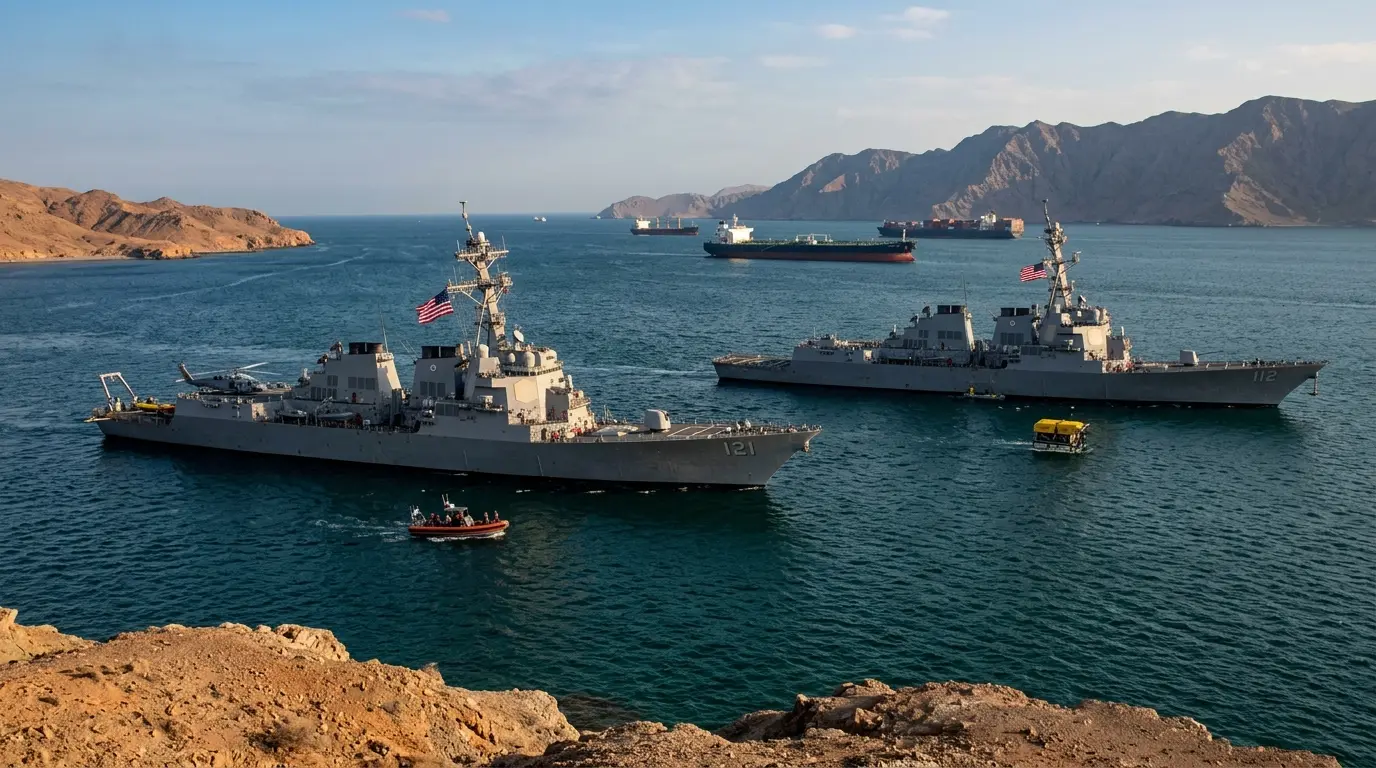
In narrow, highly trafficked geopolitical choke points like the Strait of Hormuz, the Lincoln is forced into predictable transit lanes. This makes it vulnerable to advanced ‘smart’ bottom mines. Unlike old floating contact mines, these modern variants lie dormant on the seafloor, passively listening to acoustic signatures. When they identify the specific propeller noise of a Nimitz-class carrier, they launch a rocket-propelled torpedo straight up into the hull.
The Nuclear 'Tsunami' Drone
The most apocalyptic threat comes from autonomous underwater vehicles like Russia's Poseidon (Status-6). This is a massive, nuclear-powered, uncrewed submarine armed with a multi-megaton nuclear warhead. It is designed to detonate miles away from the carrier deep underwater, generating a localized, highly radioactive tsunami and a crushing concussive shockwave that would instantly capsize the Lincoln and drown the accompanying strike group.
)
)

)
)